El cochecito de Alfonso
-
Dates2024 - 2026
-
Author
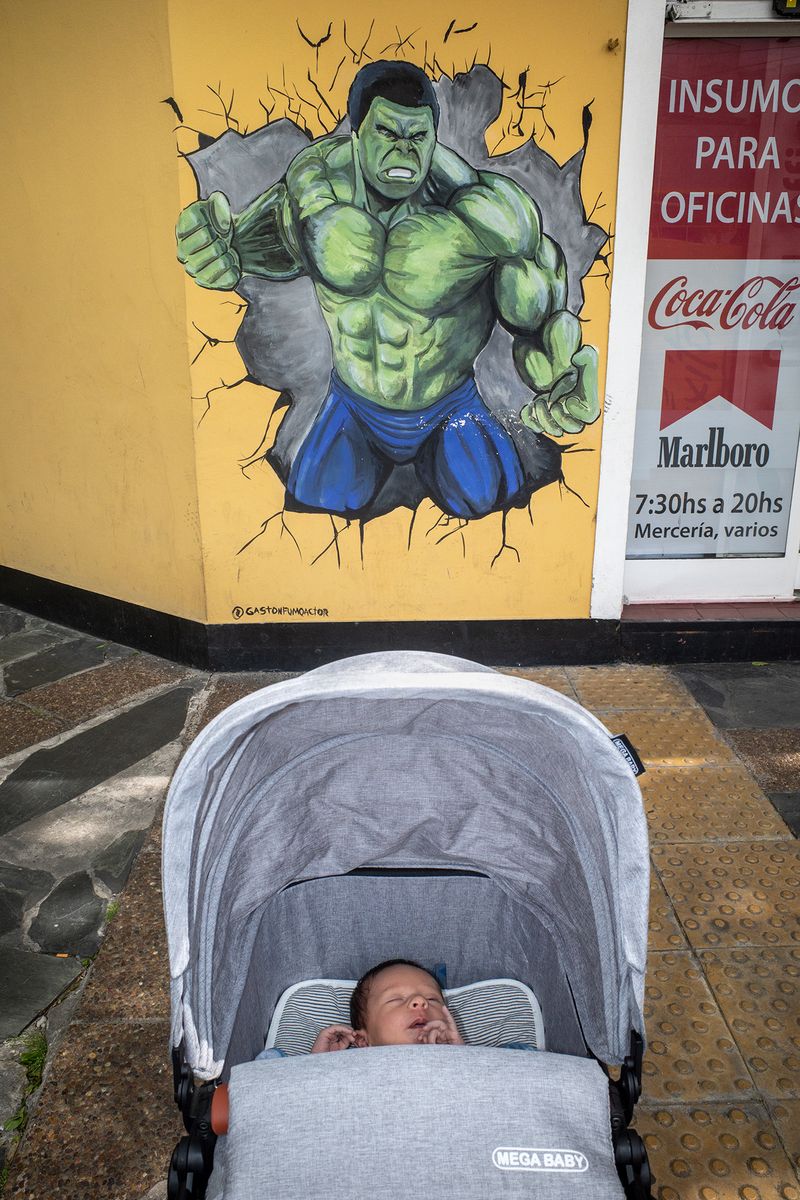
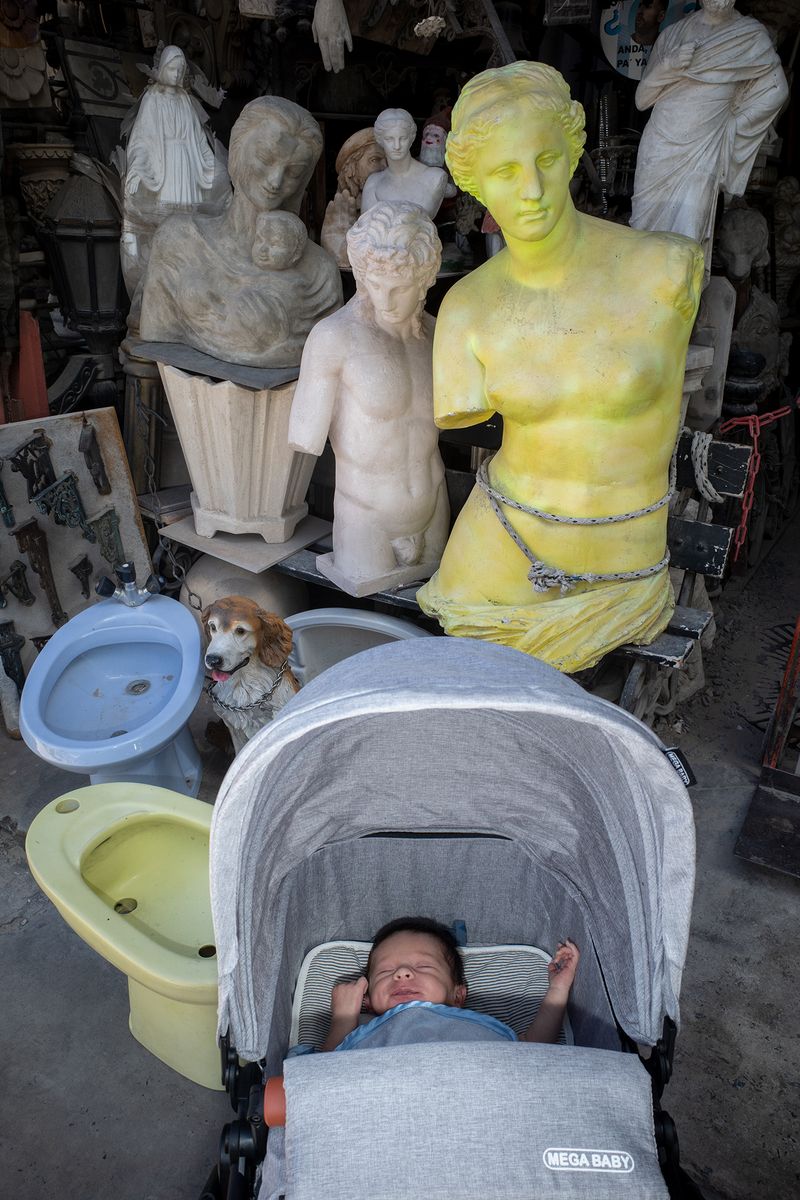
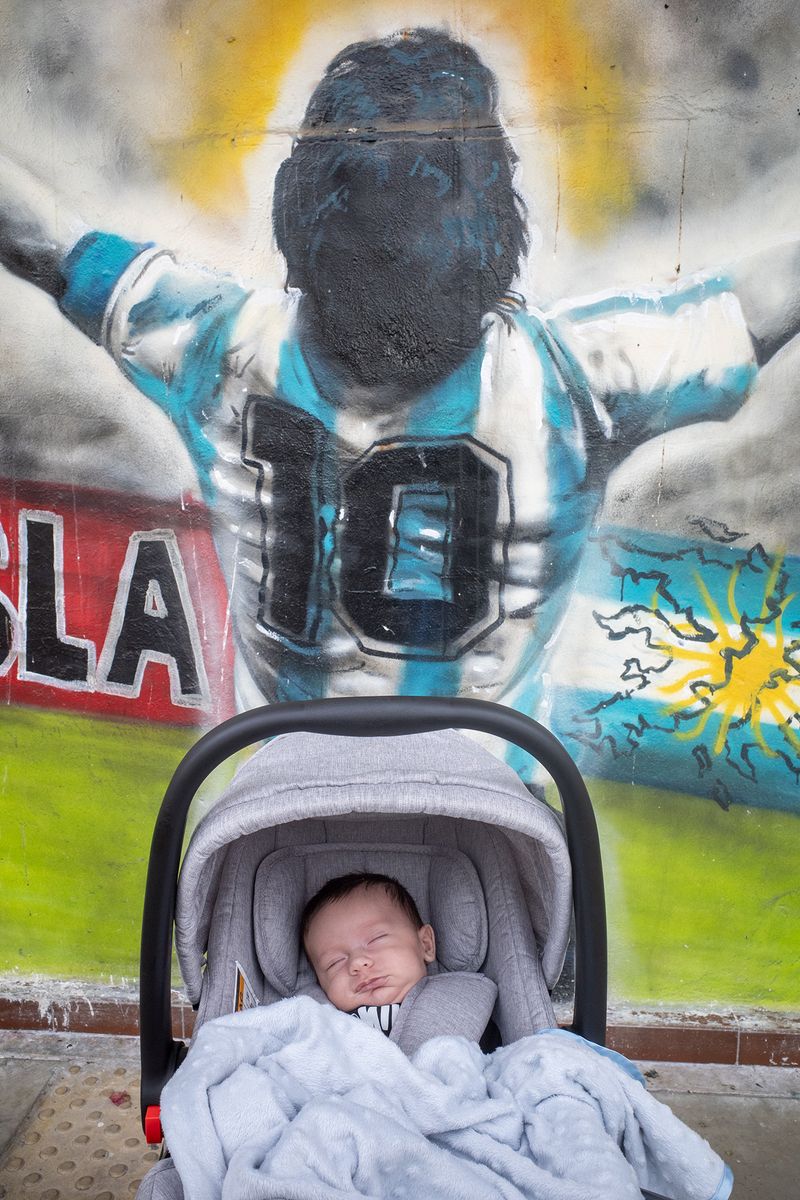
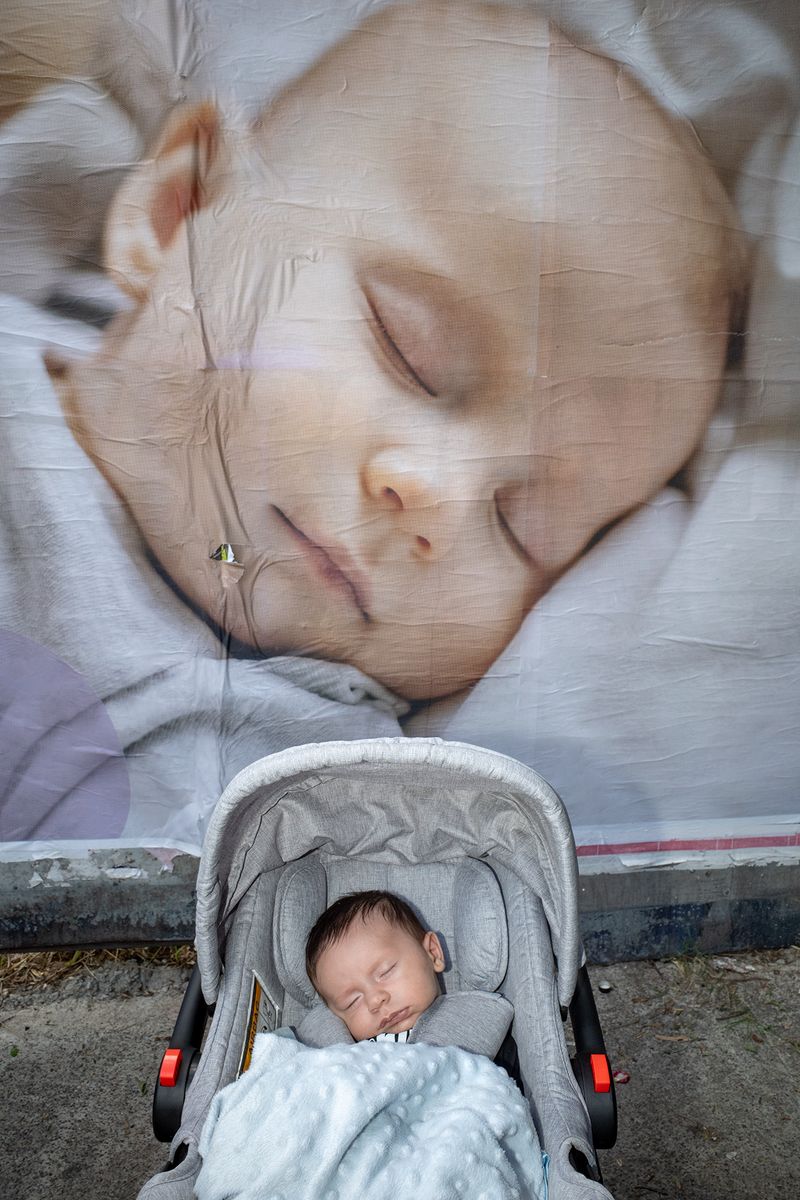
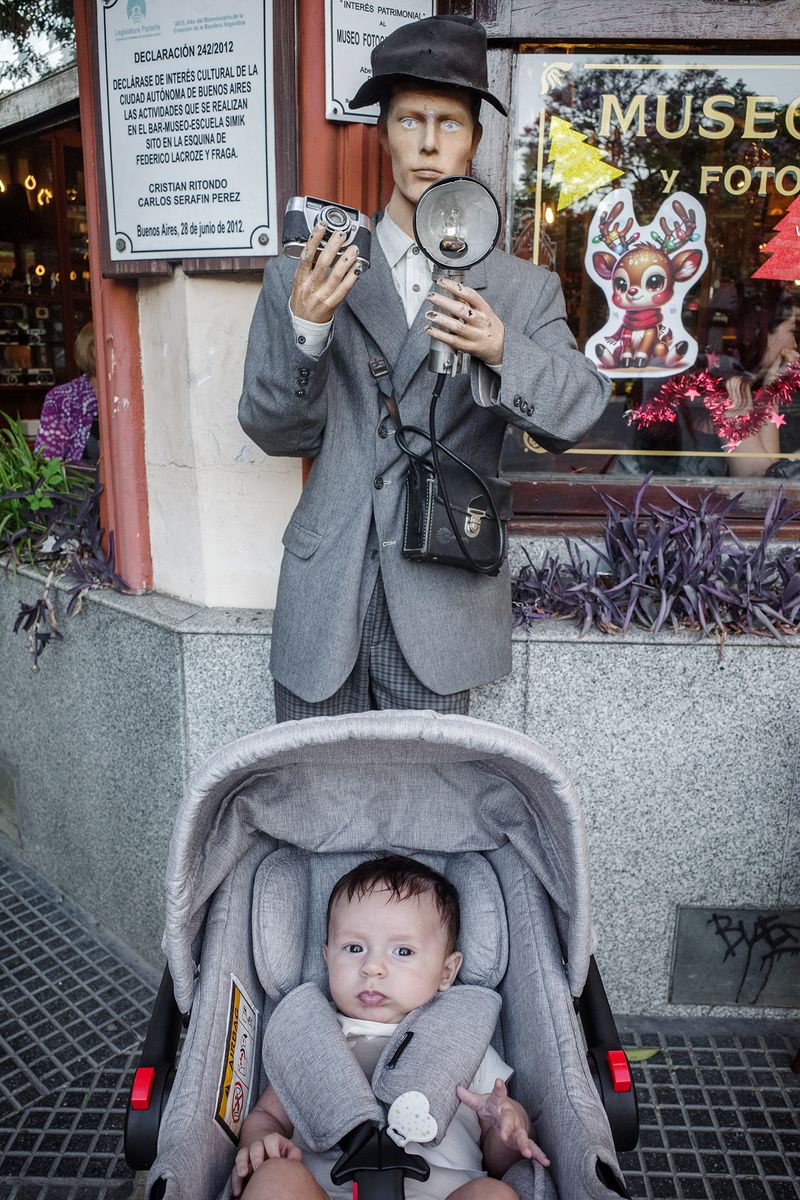
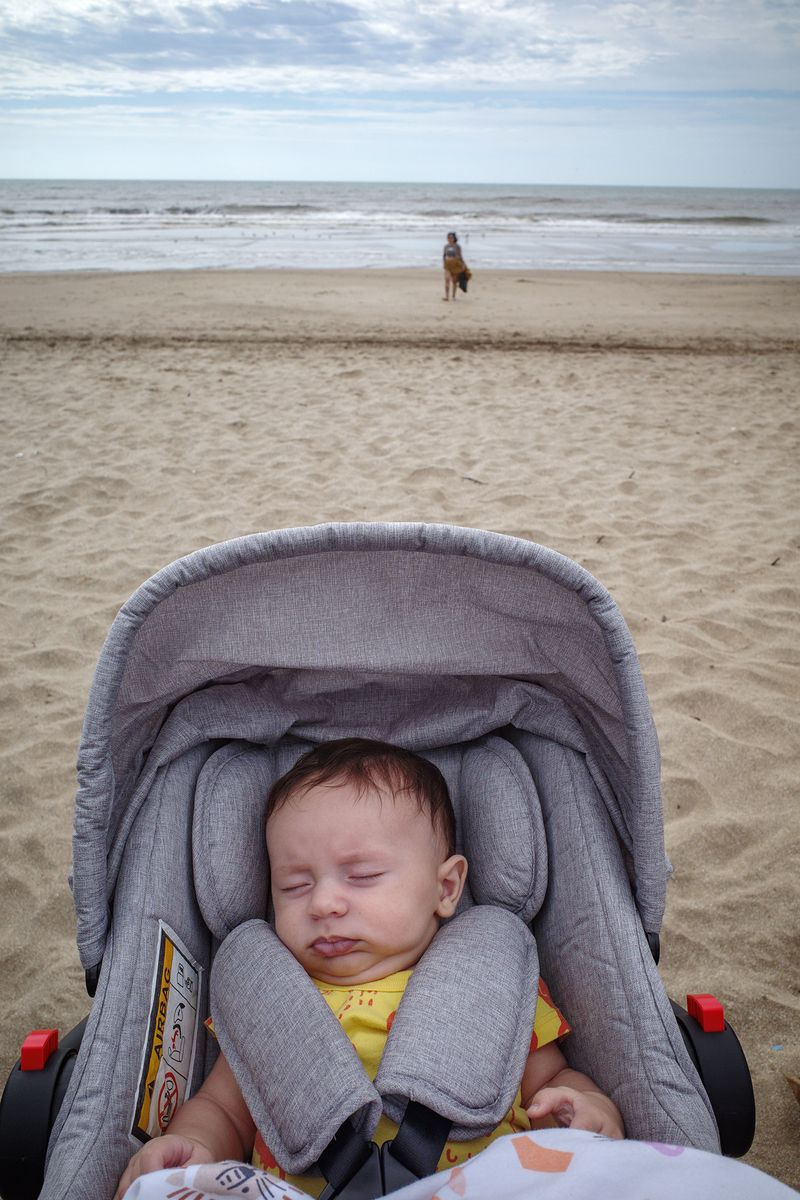
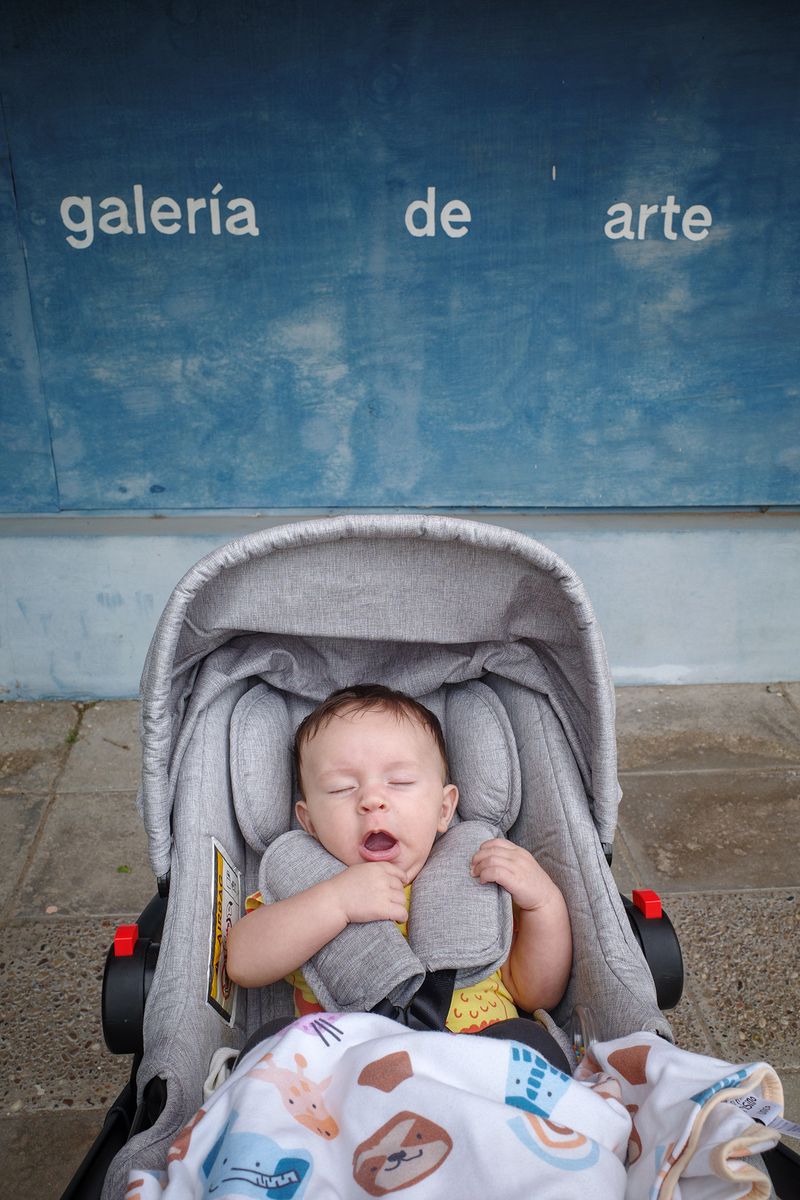
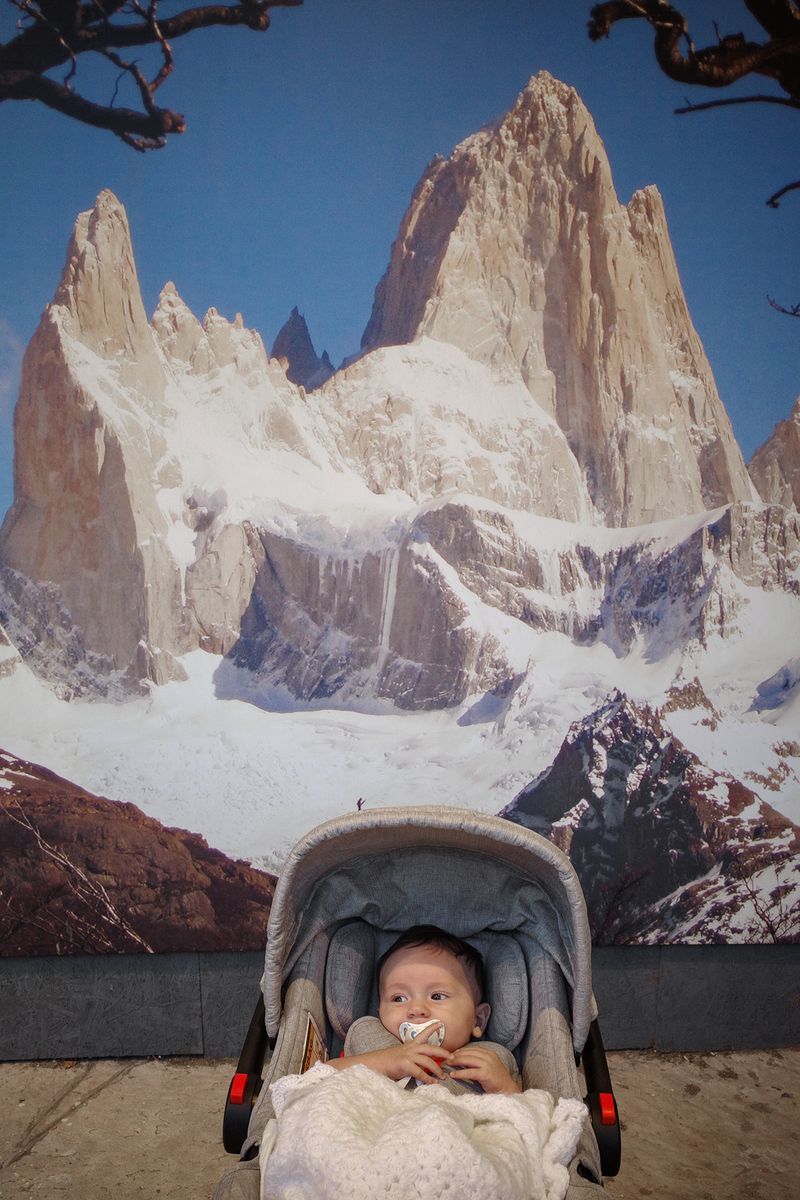
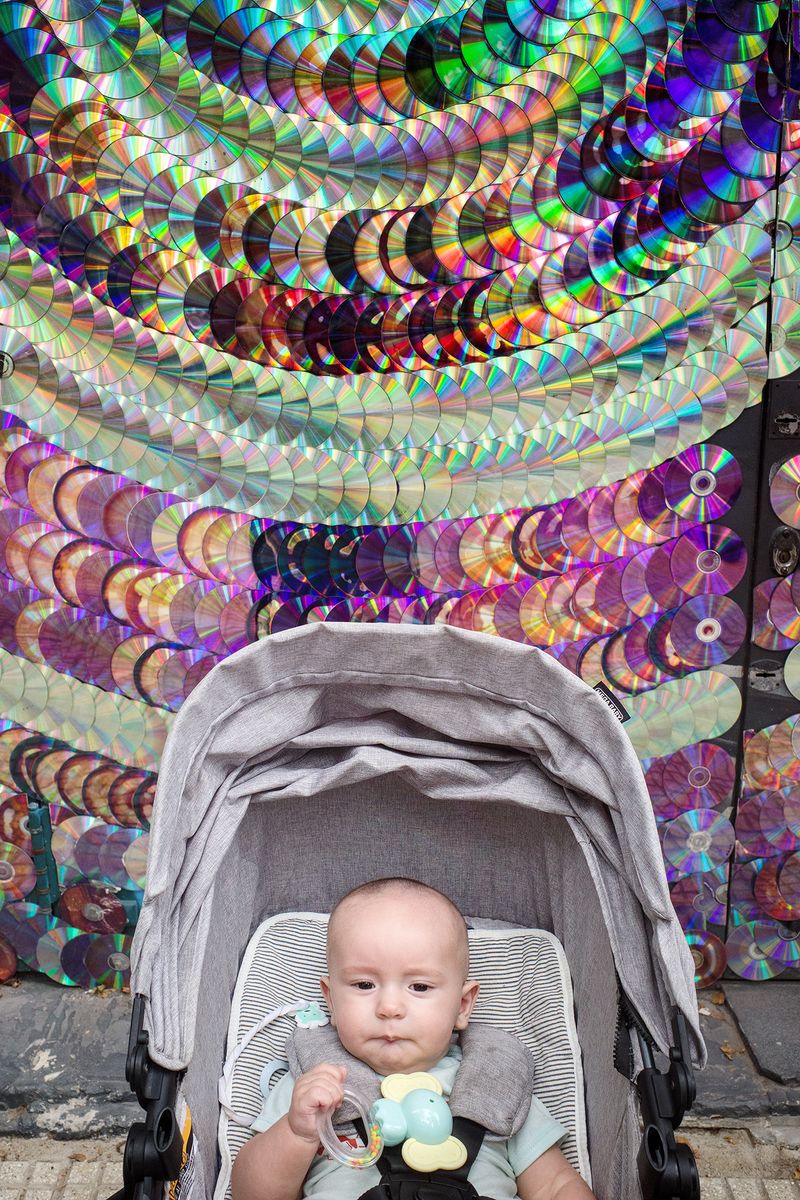
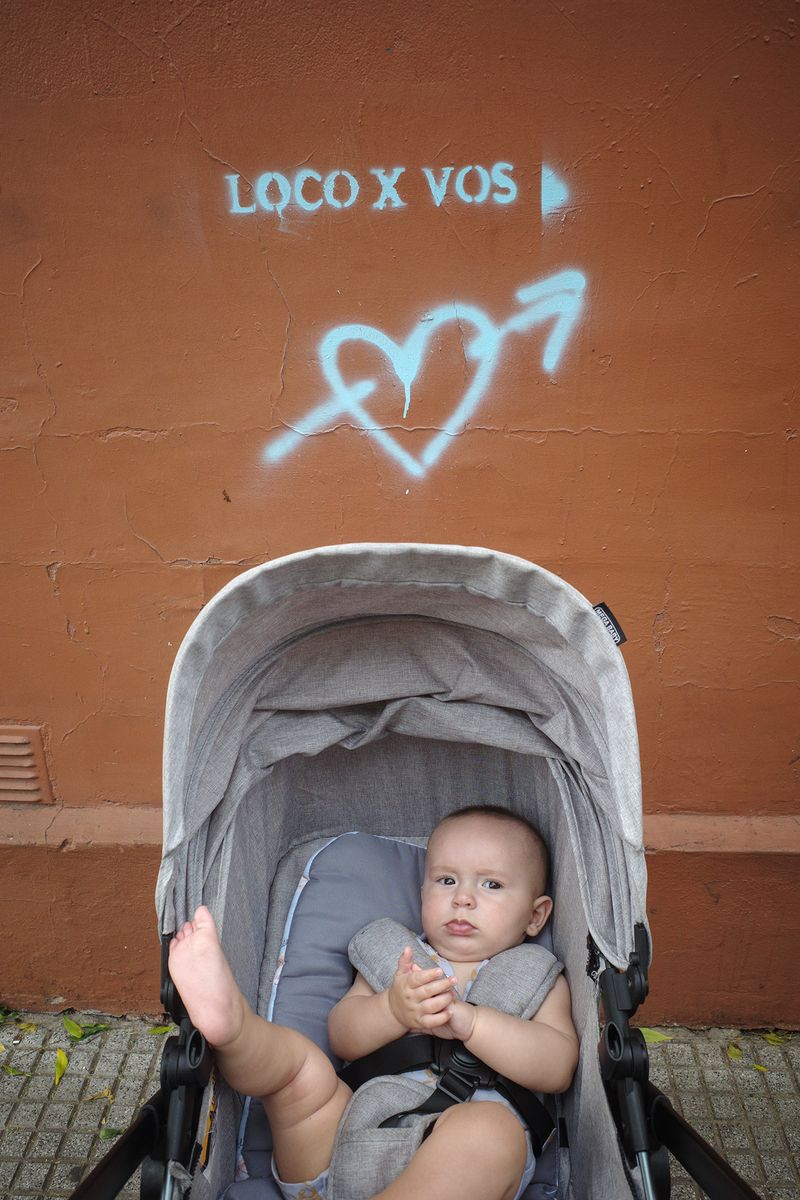
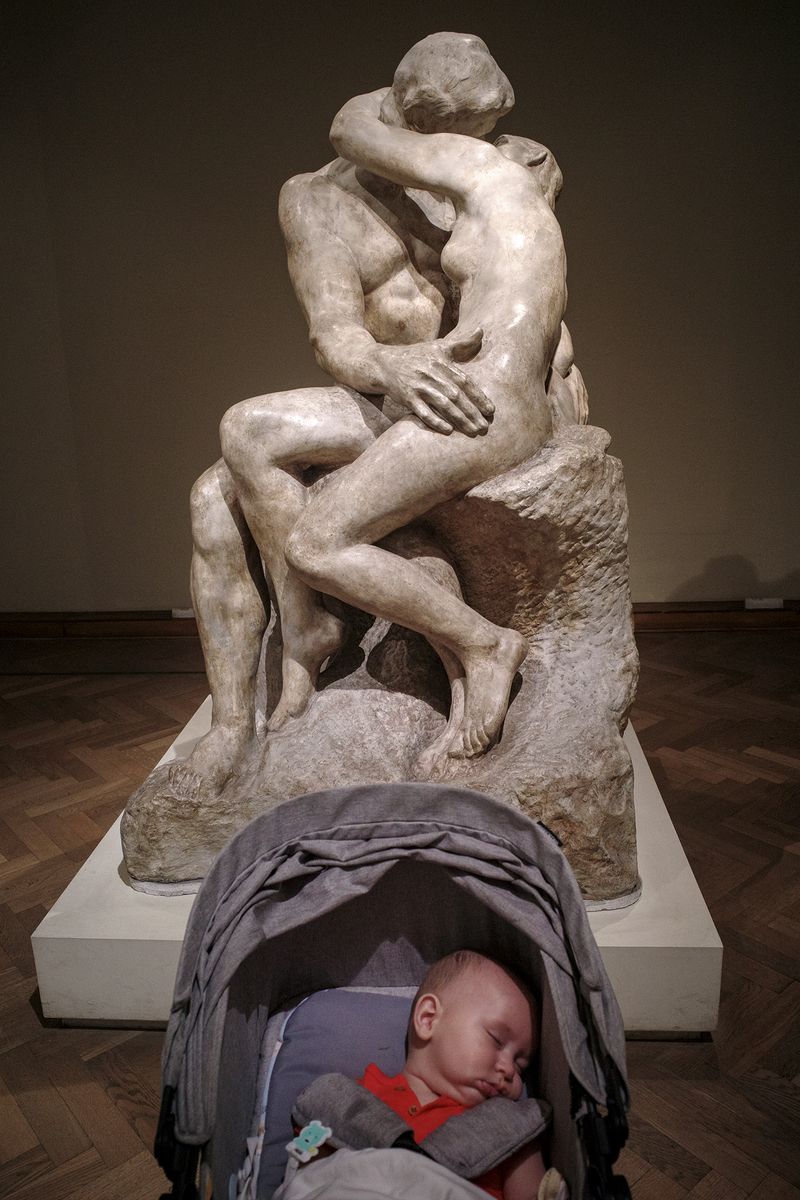
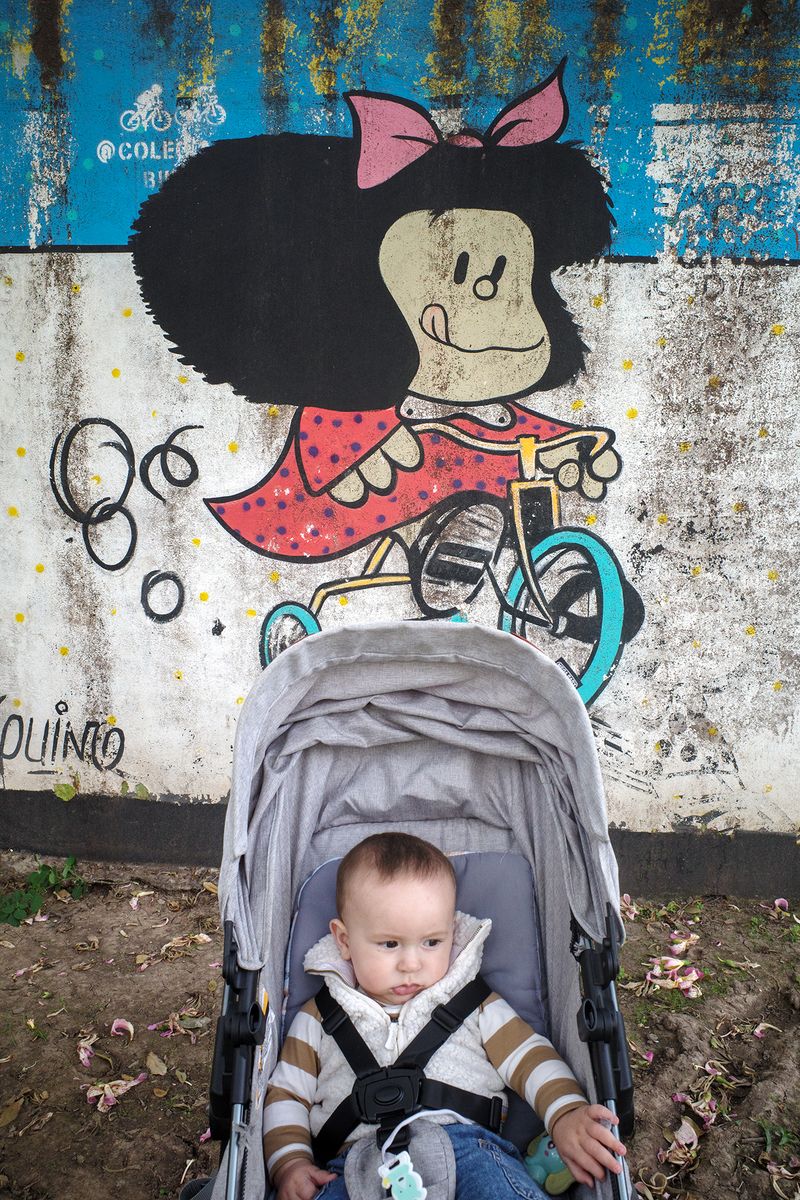
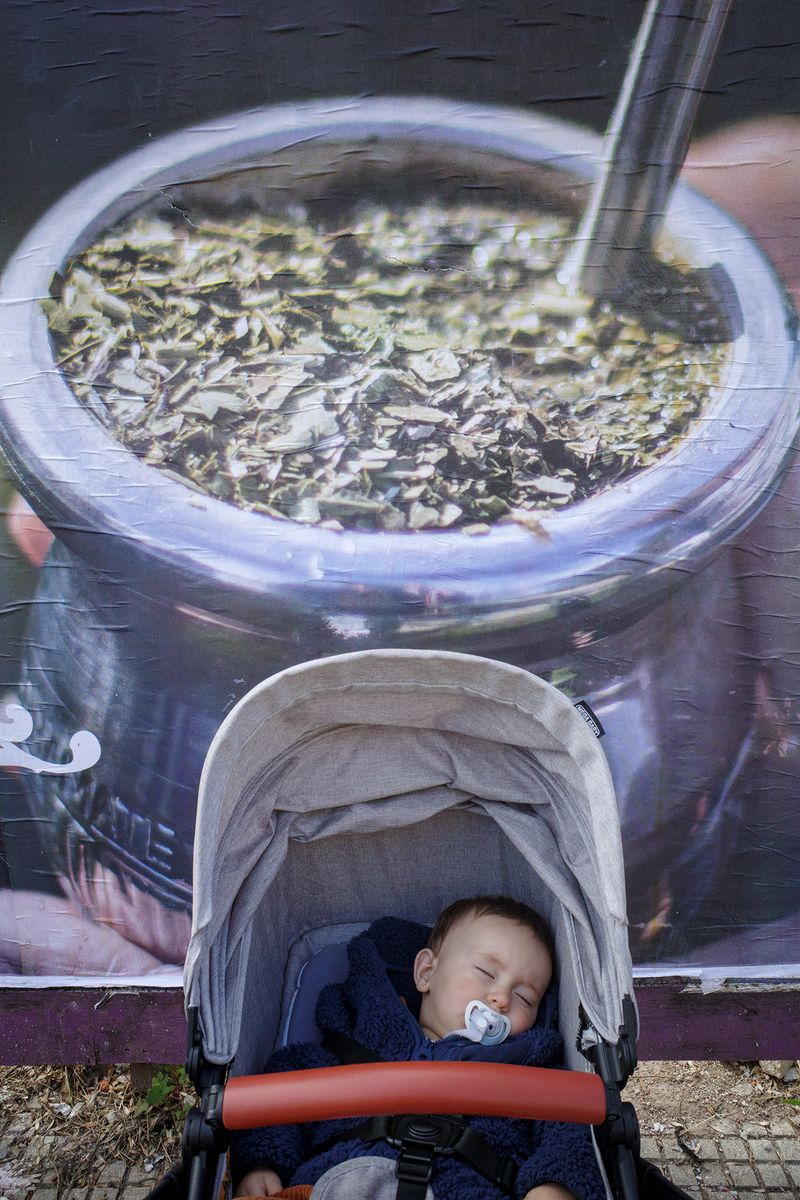
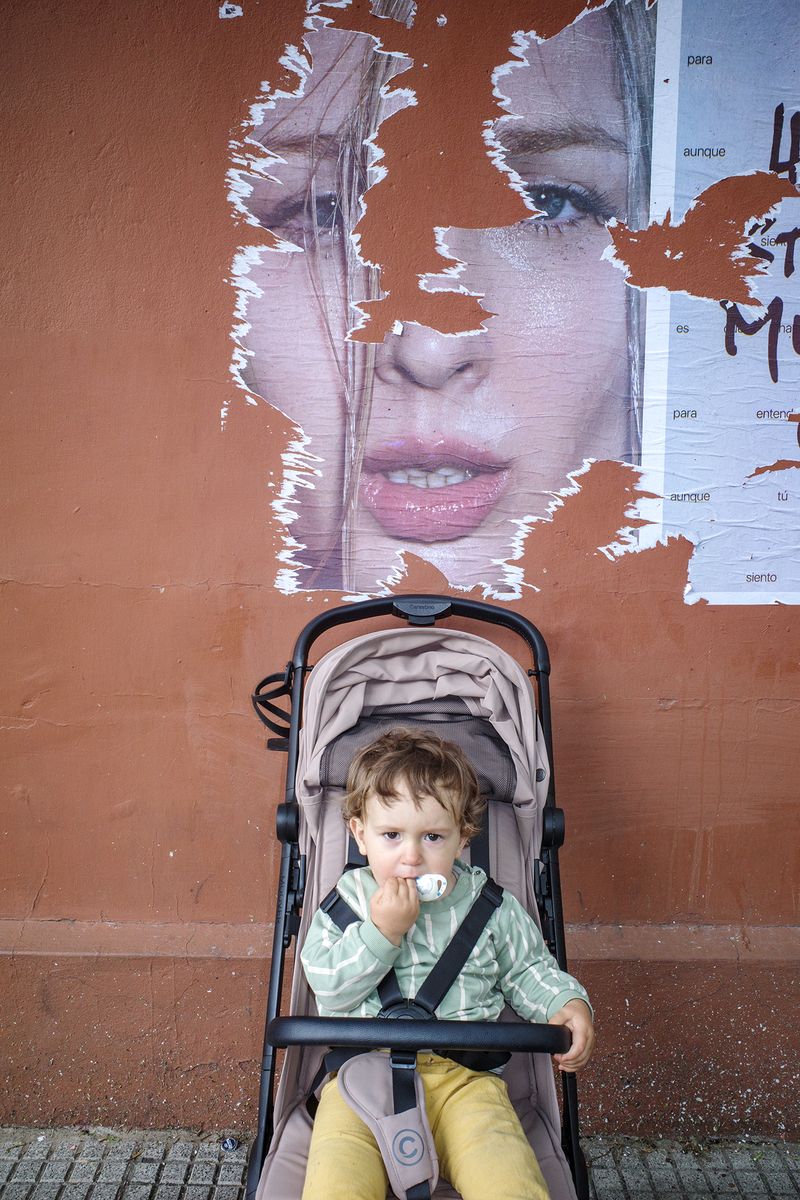
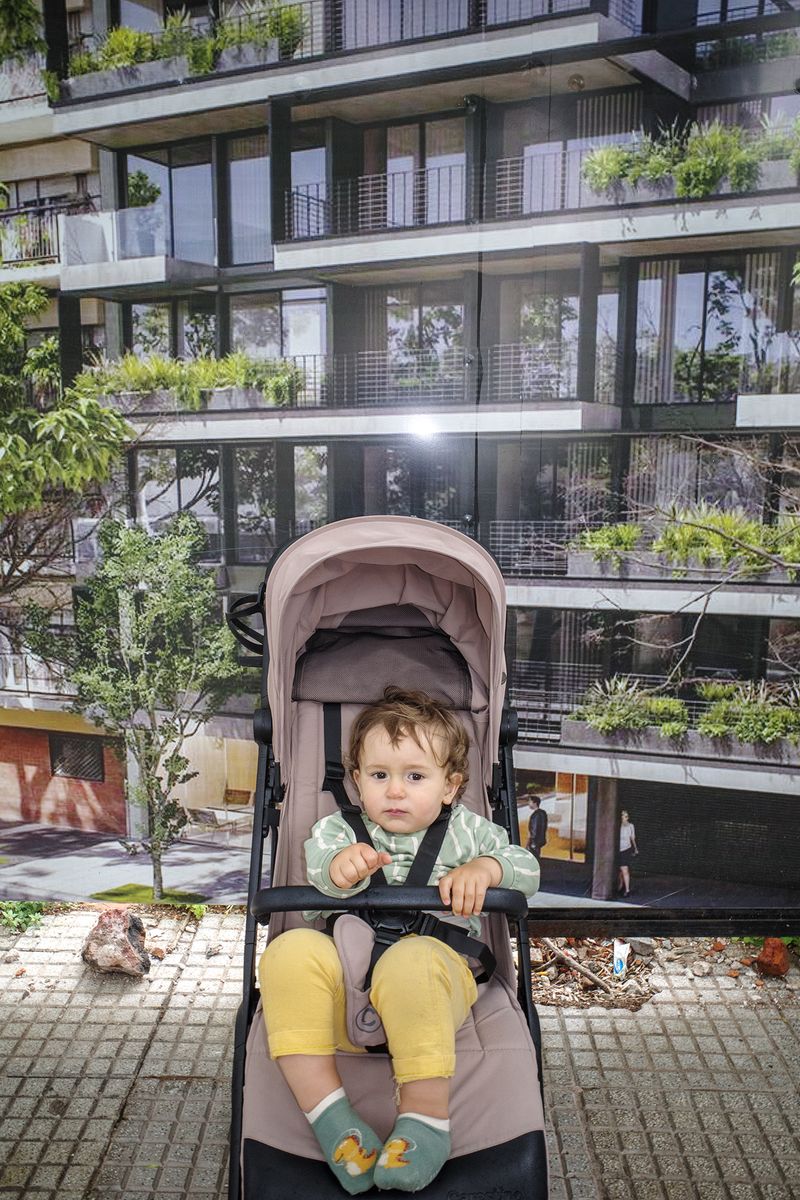
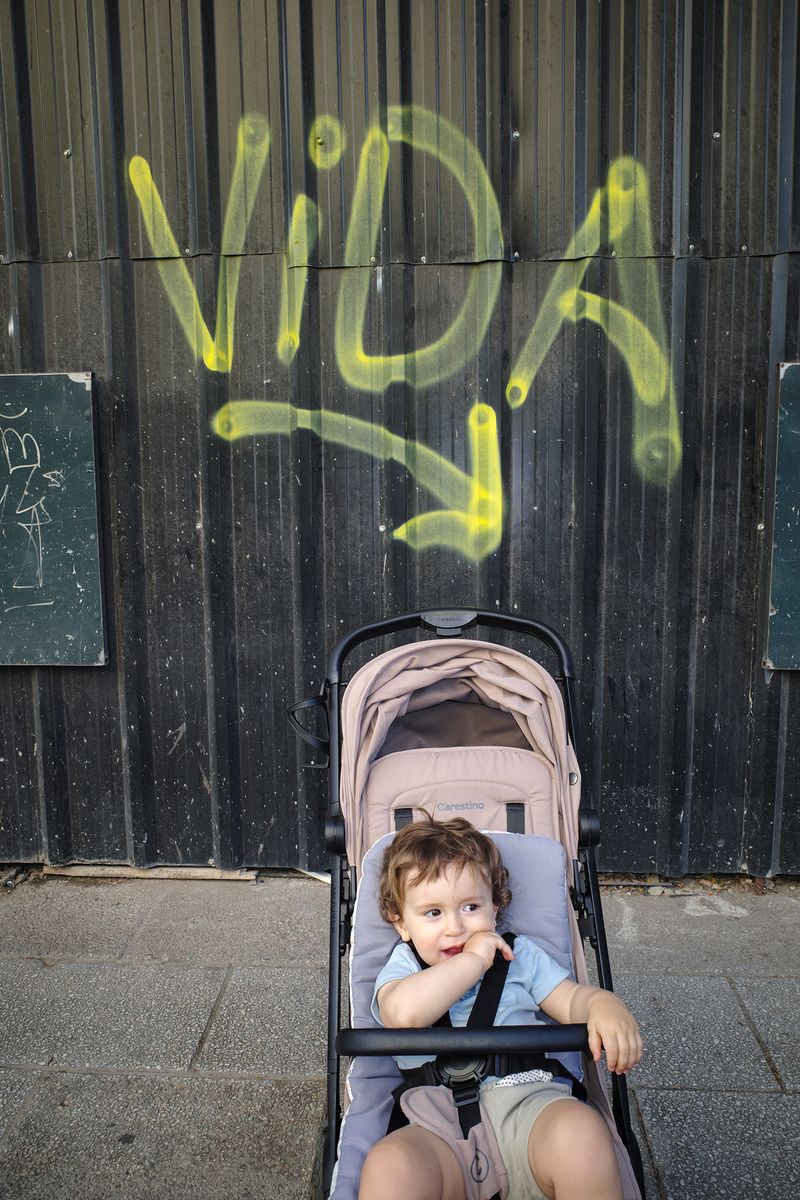
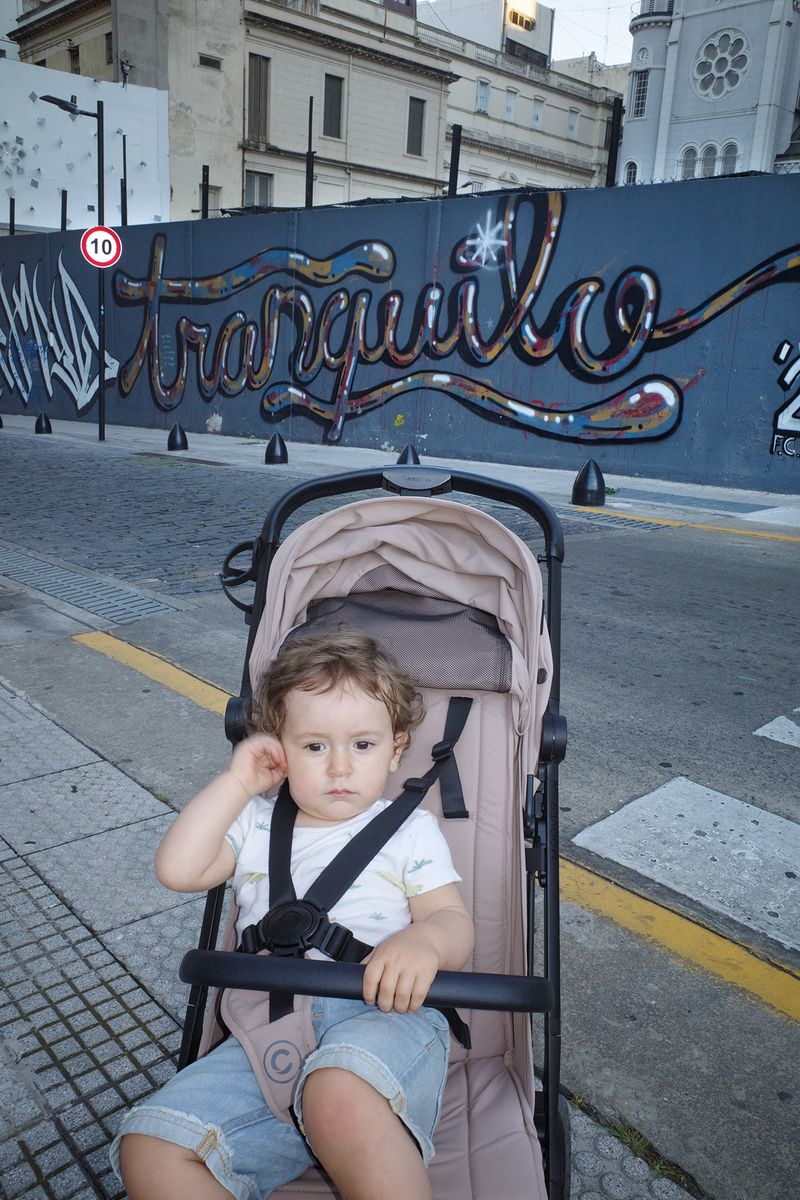
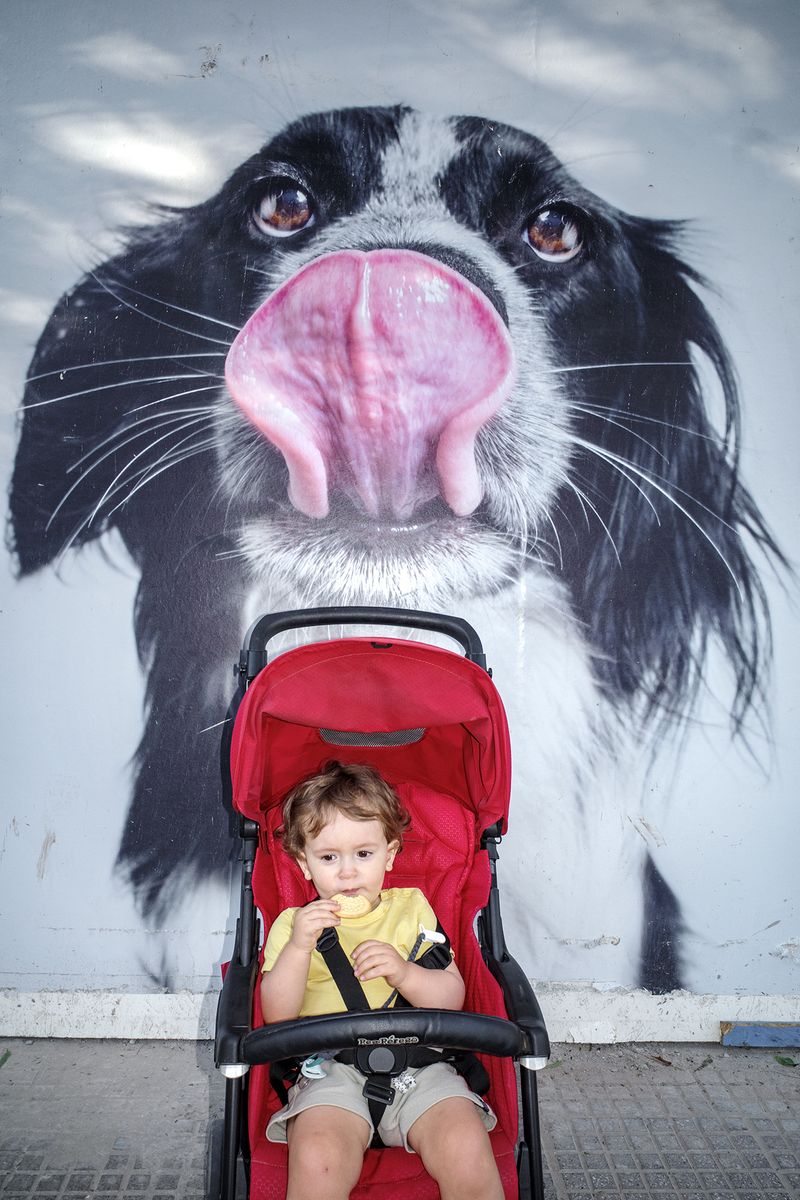
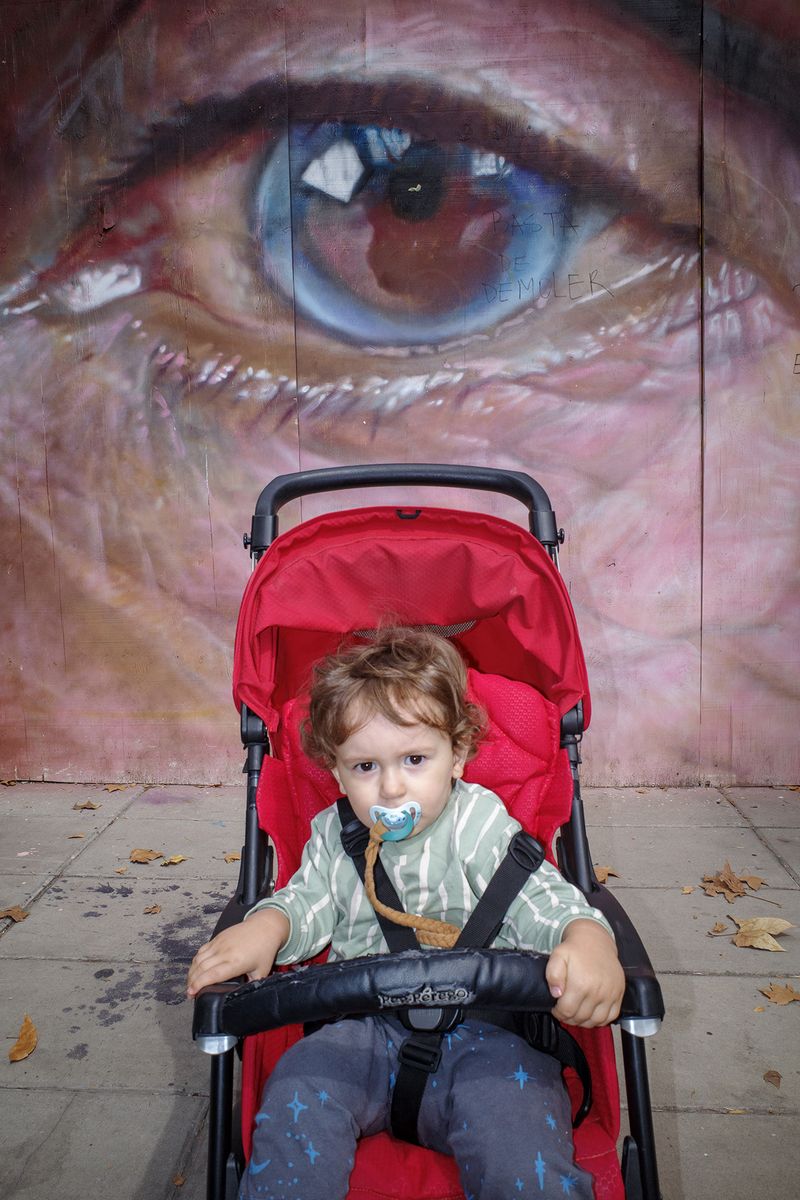
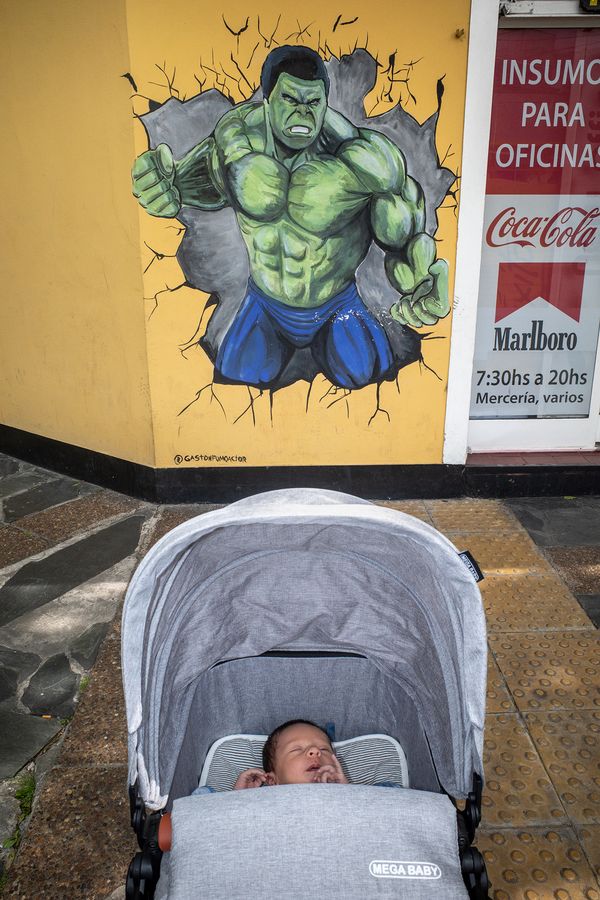
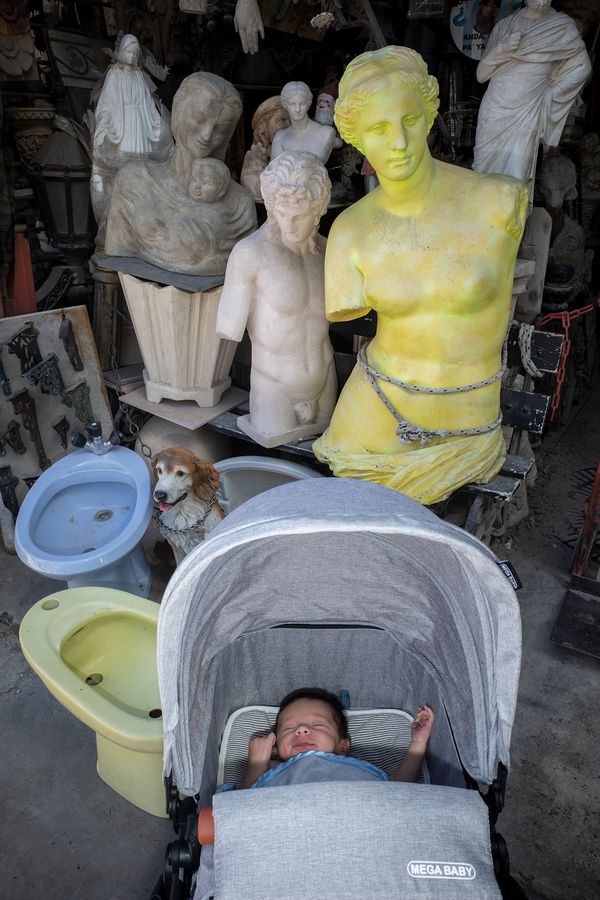
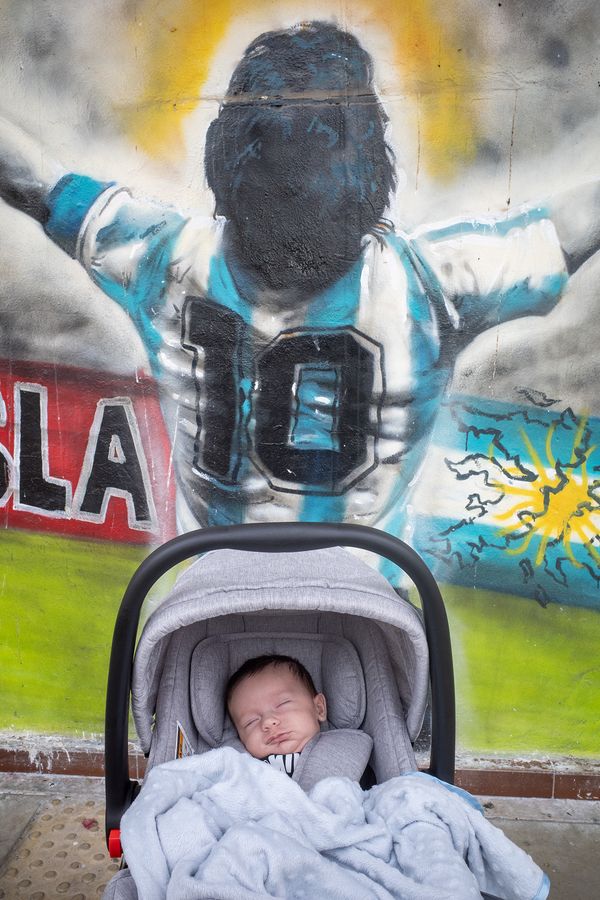
Since Alfonso’s birth in 2024, these photographs trace daily walks through Buenos Aires from his stroller: political posters, graffiti, abandoned objects, and fleeting scenes become a fragmented visual diary of a constantly changing city.
On September 18, 2024, Alfonso was born. From his very first outings, his stroller became a point of observation from which the world slowly begins to reveal itself. Through these images, a visual diary of those movements takes shape: a fragmented record of the city surrounding him, a city that, for now, still remains unfamiliar to him.
Each photograph captures more than a moment. Political posters destined to disappear, graffiti soon to be covered, abandoned objects, temporary advertisements, and everyday scenes form an involuntary archaeology of the present. The series gathers dispersed elements from a city in constant transformation, preserving signs that will soon lose their meaning or radically change context.
Although Alfonso is still unable to fully understand what he sees, the images function as a form of anticipated memory. What today appears as a collection of disconnected signs may eventually become history, nostalgia, humor, or estrangement.
The project remains ongoing and continuously expanding. It currently includes more than one thousand images produced during the daily walks shared between father and son. The stroller operates here as a small mobile platform from which a fragmented experience of the urban environment is organized. Each route connects different spaces, times, and realities, constructing an emotional map of the city even before a full awareness of it can exist.
The series proposes childhood as an initial form of discovering the world: a territory composed of fragments, encounters, and movements in which everyday life gradually acquires a deeply political and emotional dimension.