Ekamra: A Journey Through Faith, Craft, and Calm in Odisha, India

-
Dates2025 - 2025
-
Author
- Topics Contemporary Issues, Editorial, Street Photography, Nature & Environment, Travel, Documentary
- Location Bhubaneswar, India
Odisha, a lesser-known gem on India’s eastern coast, unfolds like poetry written in stone and soil. My journey through its capital city, Bhubaneswar, and beyond was a revelation. I called it Ekamra, inspired by the city’s ancient name, meaning “the land of a single mango tree.” What I discovered was a place where faith, nature, and humanity flow together in a rhythm as gentle as its rivers.
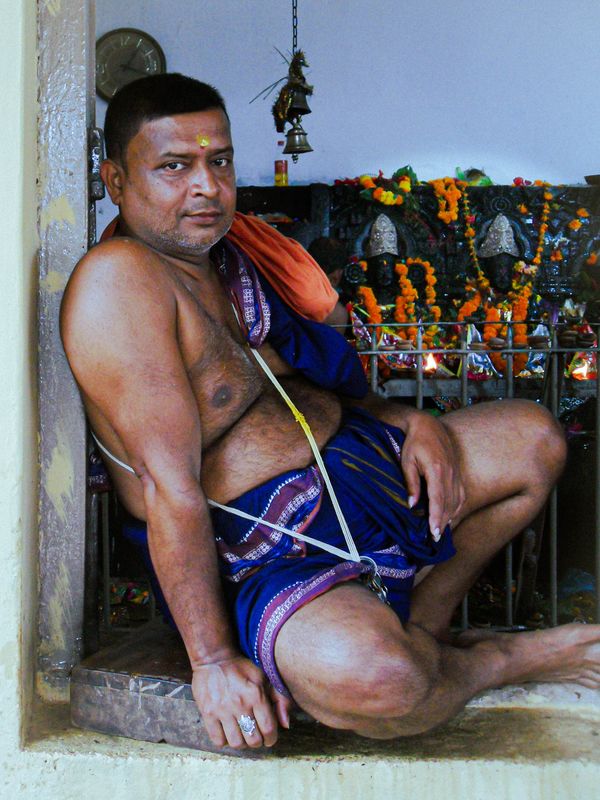
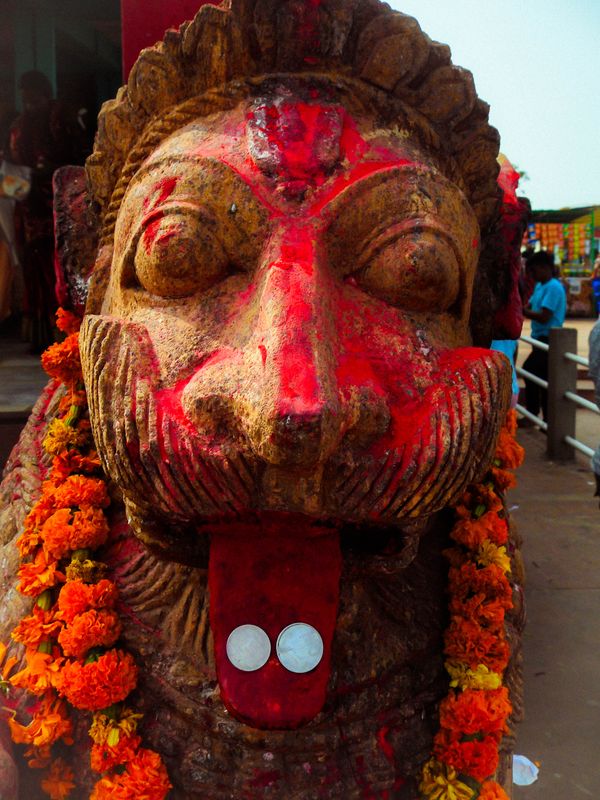
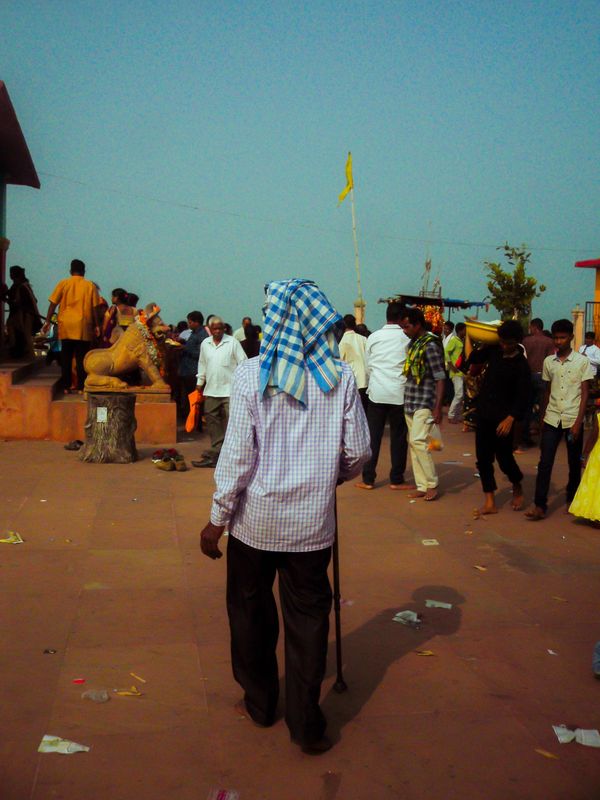
Bhubaneswar, often referred to as the “Temple City of India”, is home to over 700 temples, each narrating a story from centuries past. The air hums with devotion, priests chanting, bells ringing, and locals stopping mid-commute to fold their hands in prayer. Yet the spirituality here isn’t confined to rituals; it’s a way of life that spills into every conversation, every smile.
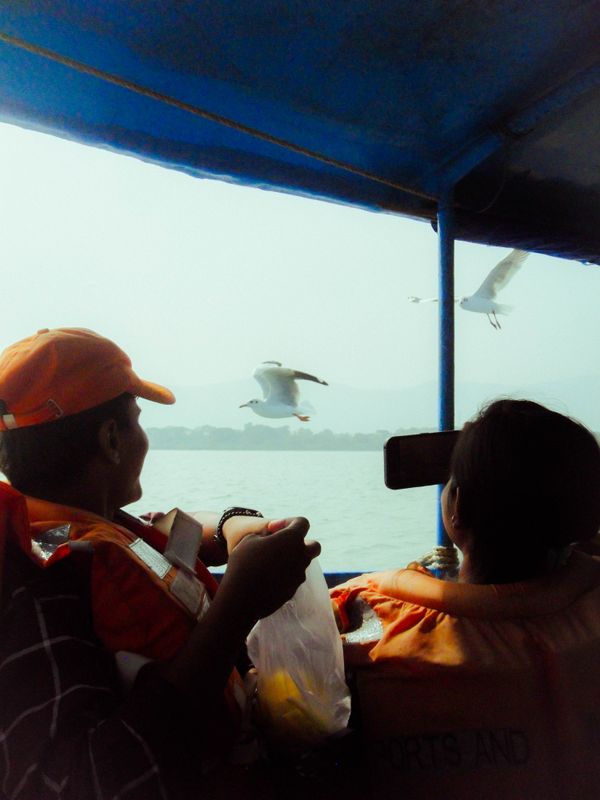
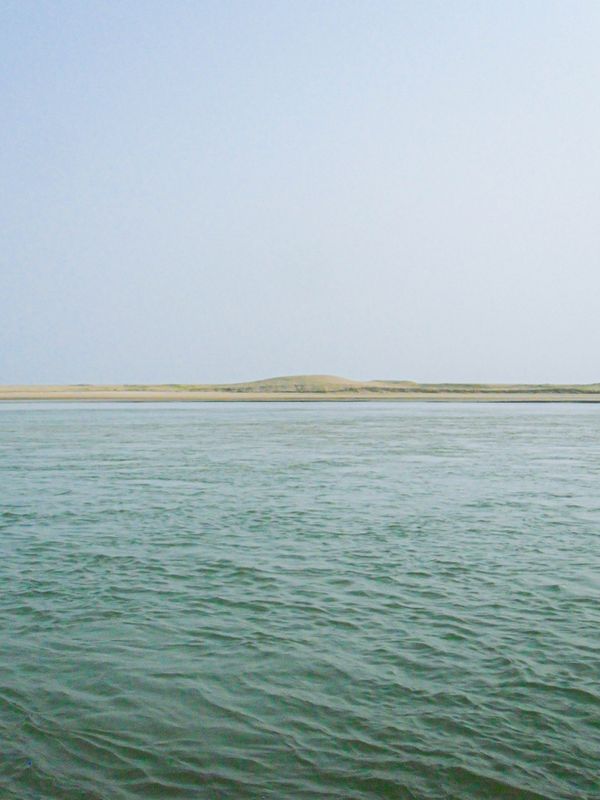
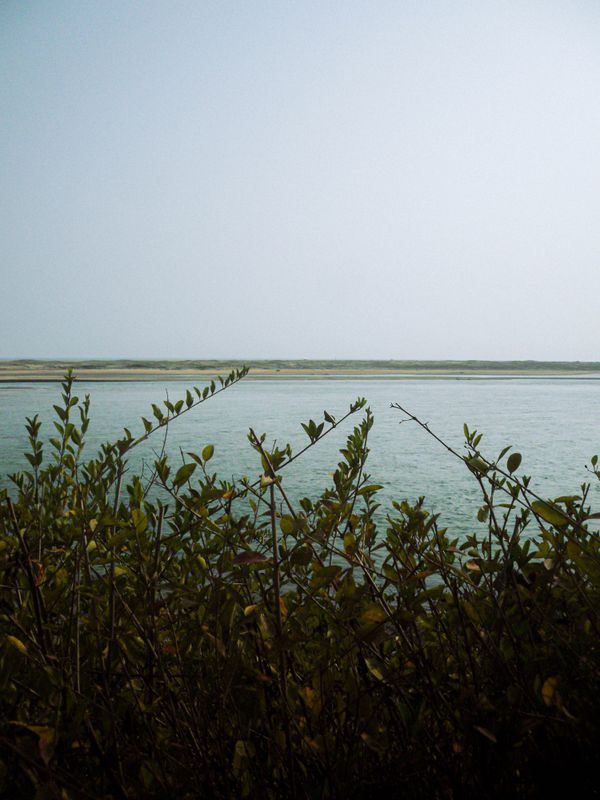
A few hours away lies Chilika Lake, Asia’s largest brackish water lagoon, a vast mirror reflecting both sky and soul. As fishermen cast their nets against the golden dawn and migratory birds dance across the horizon, it’s hard not to feel the tranquillity seep into you. The lake sustains entire communities, offering both livelihood and serenity. A reminder of how closely life here intertwines with nature.
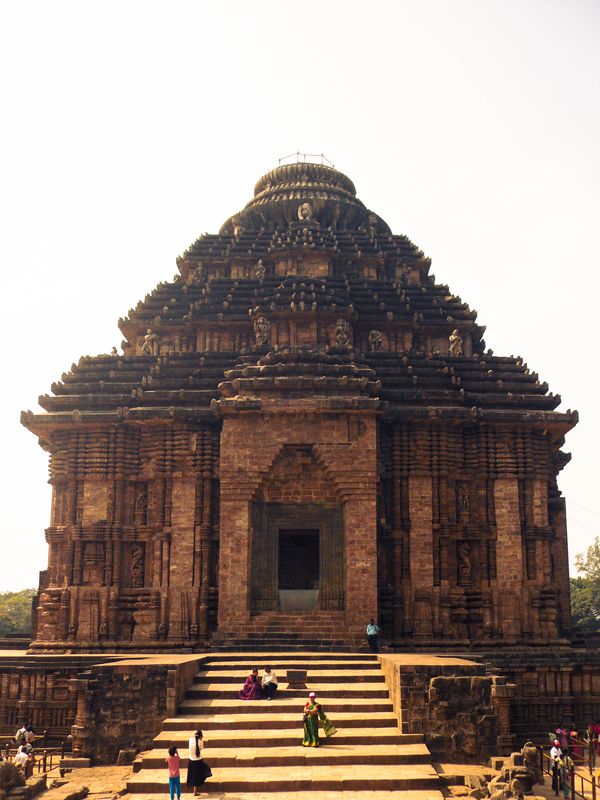
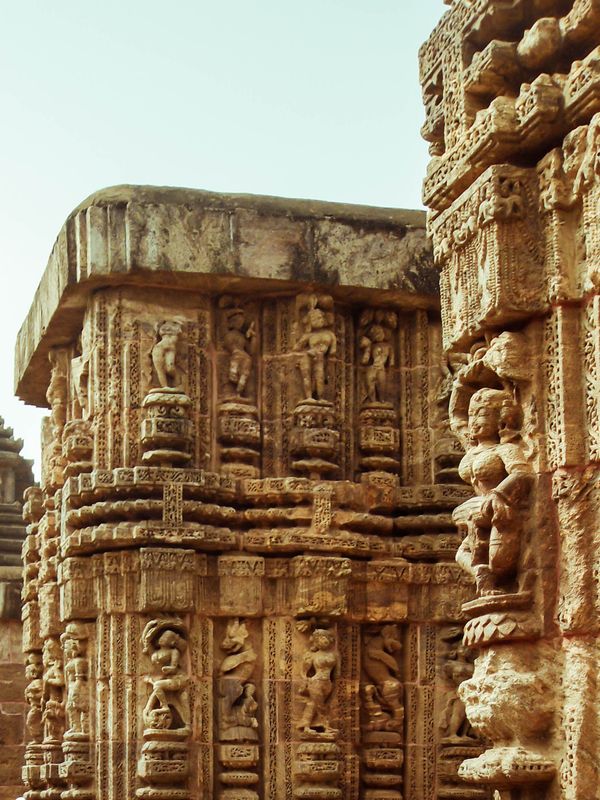
Further east, the Konark Sun Temple, a UNESCO World Heritage site, rises like a sculpture of light. Built in the 13th century, it was designed as a colossal chariot for the sun god Surya, complete with intricately carved stone wheels and horses. Standing before its golden façade, I felt dwarfed not just by its scale but by the precision and poetry of its craftsmanship.
No trip to Odisha is complete without the Jagannath Temple in Puri. One of India’s most sacred pilgrimage sites. Cameras are strictly forbidden inside, but that makes the experience even more powerful. Amid the chants, crowds, and offerings, there’s a palpable energy that transcends religion — a collective pulse of belief and emotion that words can barely contain.
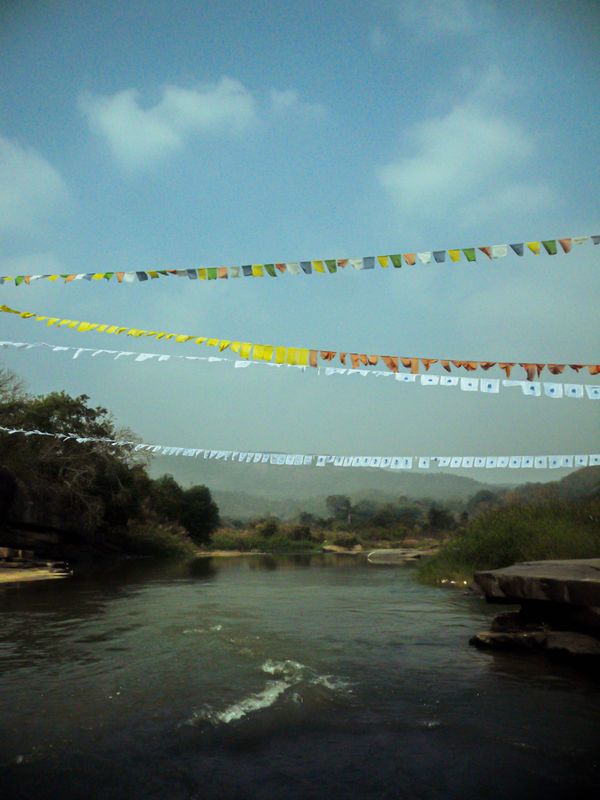
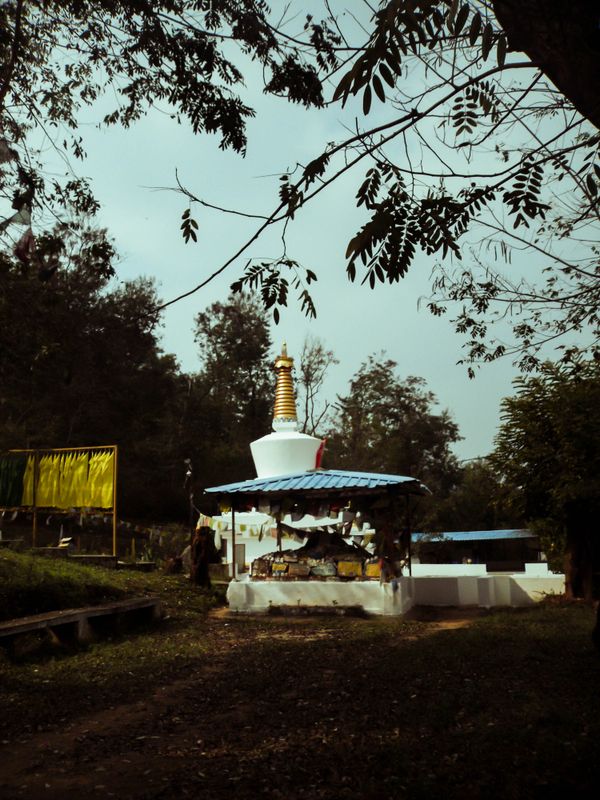
In the quieter corners of the state, I discovered Buddhist monasteries, tranquil sanctuaries where young monks study under fluttering prayer flags. These spaces, still largely unexplored by tourists, are steeped in peace and simplicity.
Yet, Odisha’s beauty also carries contrast. Many of its tribal communities, who form the cultural backbone of the state, continue to live with limited access to education, healthcare, and sanitation. Their potential overshadowed by systemic neglect. It’s here that the state’s next chapter could unfold: through inclusive tourism. Odisha holds immense potential for community-led travel — where the same tribal groups, with their deep connection to land, craft, and folklore, can become custodians of local tourism. Their participation could not only sustain cultural heritage but also bring education and livelihood opportunities into these regions. It could transform lives while preserving cultural heritage.
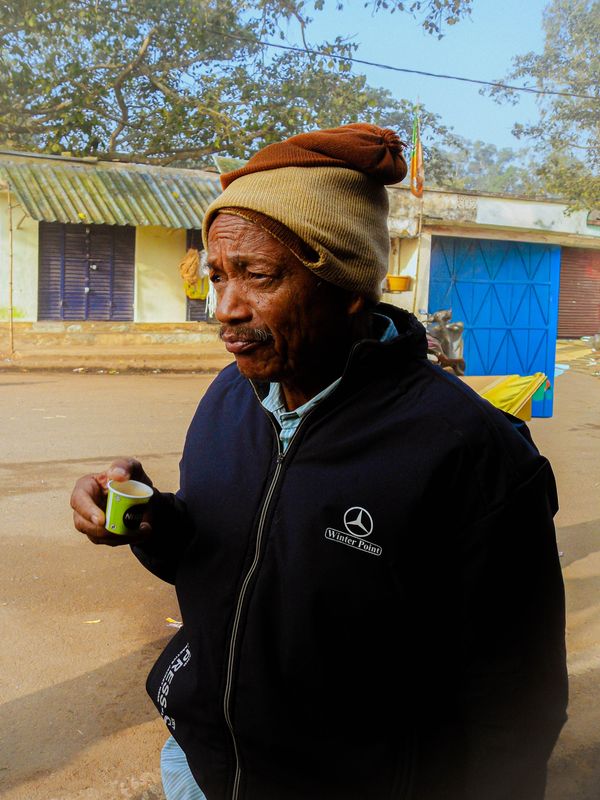
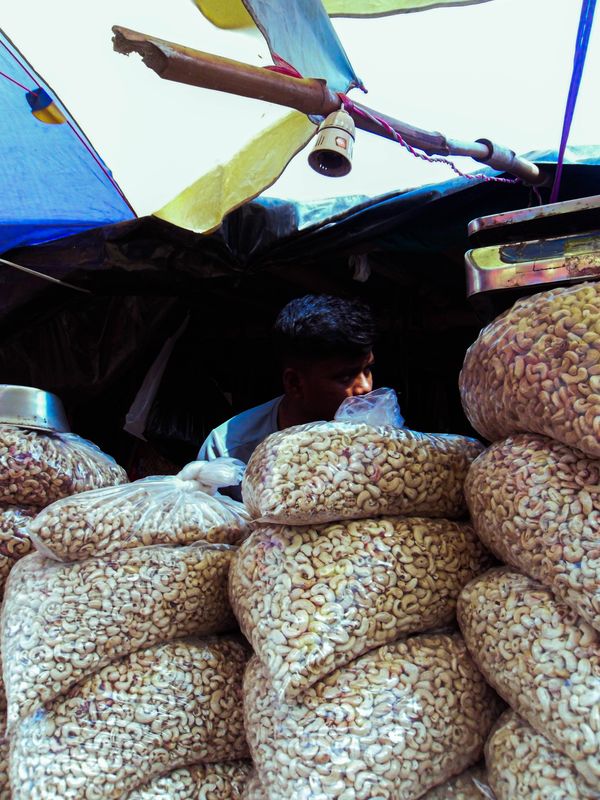
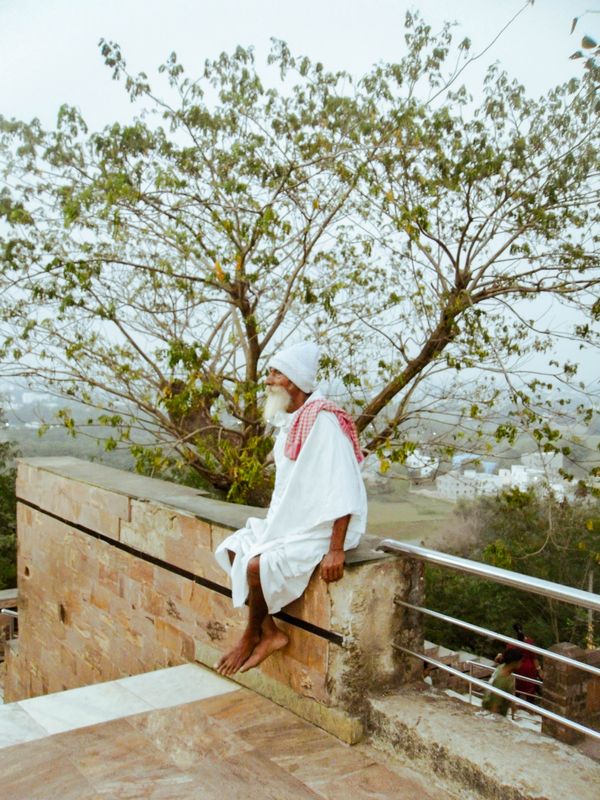
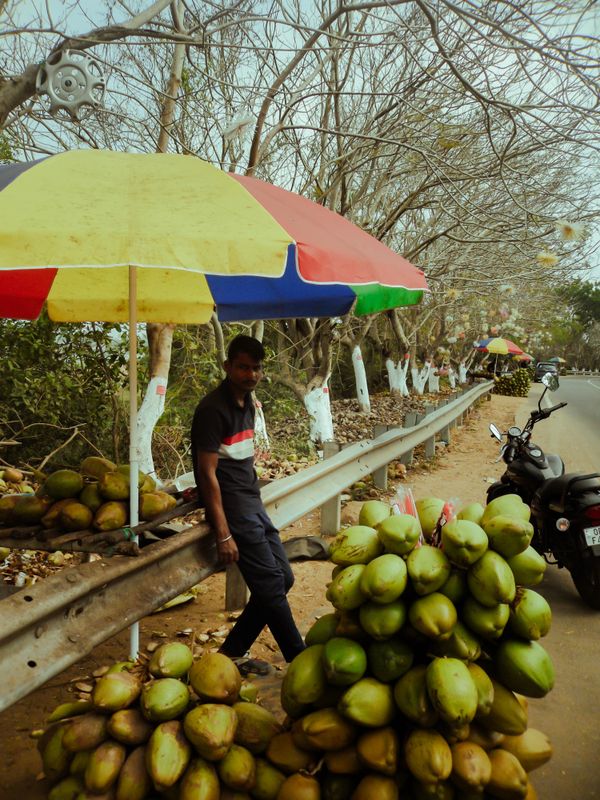
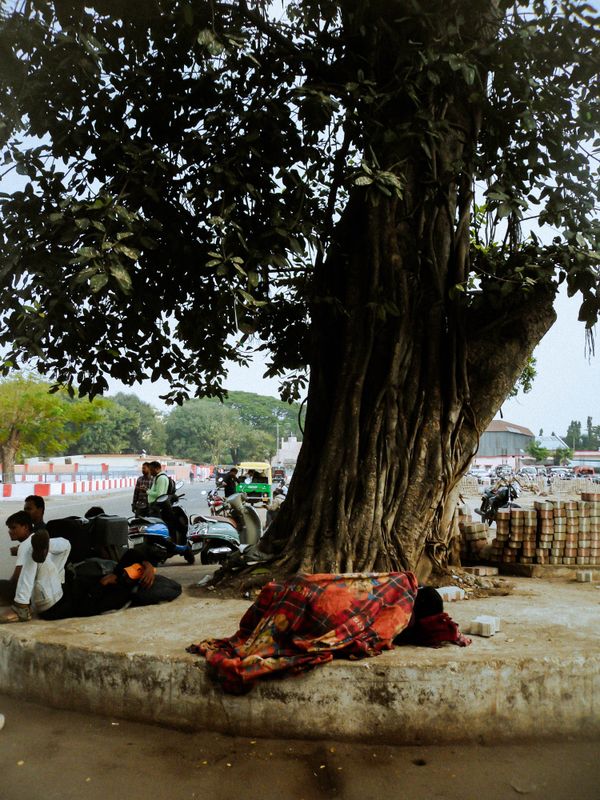
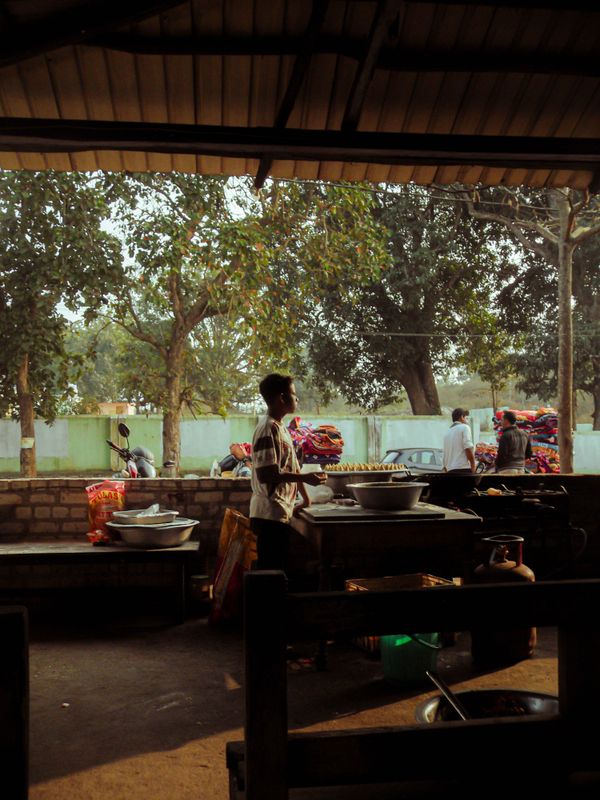
Outside the monuments and temples, daily life is slow yet purposeful. Women sell vegetables under banyan trees, elders sip tea by the roadside, and children walk to school with laughter that echoes through the villages. Poverty lingers, but so does dignity — a quiet resilience that defines Odisha’s spirit.
Ekamra is my love letter to this land, an attempt to capture its contrasts and calm, its devotion and humanity. Odisha doesn’t demand attention; it earns it gently. For travellers seeking a place that moves at the pace of nature and faith, Bhubaneswar is not just a destination—it’s an experience waiting to be felt.