Echoes of Armero
-
Dates2022 - Ongoing
-
Author
- Location Armero tragedy, Colombia
40 years after the Armero tragedy, this photographic project explores memory and loss through portraits of my family, landscapes, and archival images, reflecting on trauma, resilience, and how nature has reclaimed the land.
2025 marks 40 years since the Armero tragedy, where nearly 28,000 people lost their lives in an avalanche triggered by the eruption of the Nevado del Ruiz volcano. This project is a photographic exploration of memory, loss, and resilience, reconstructing the fragments of a town that was erased but remains deeply embedded in the personal and collective consciousness of its survivors.
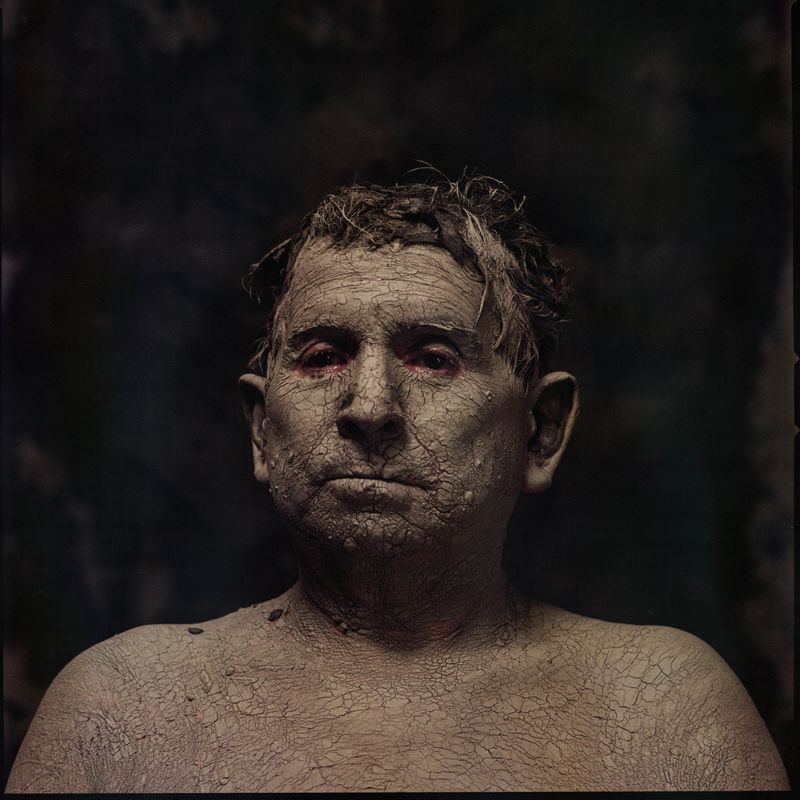
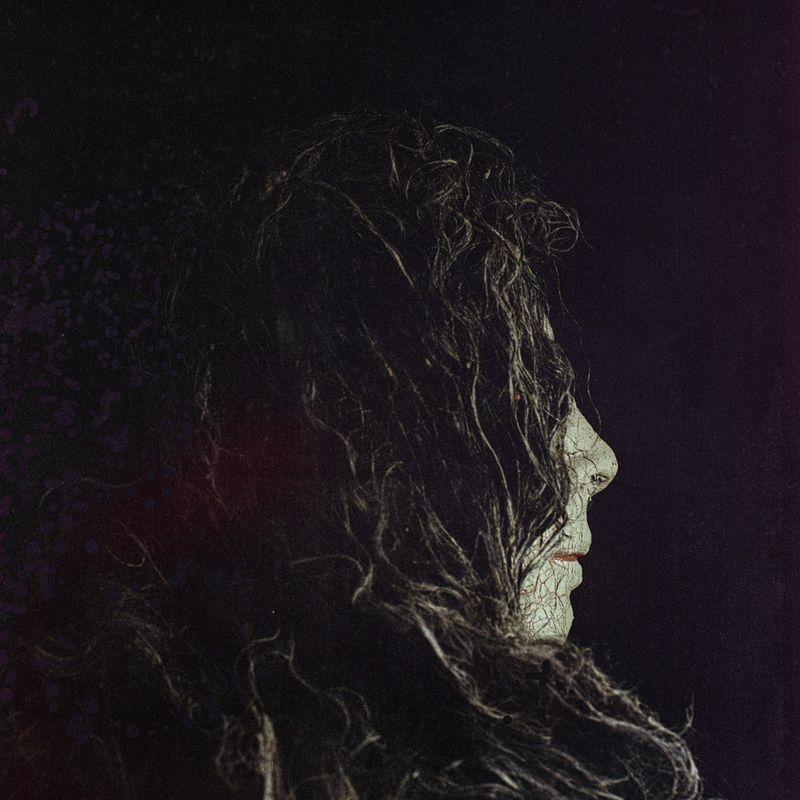
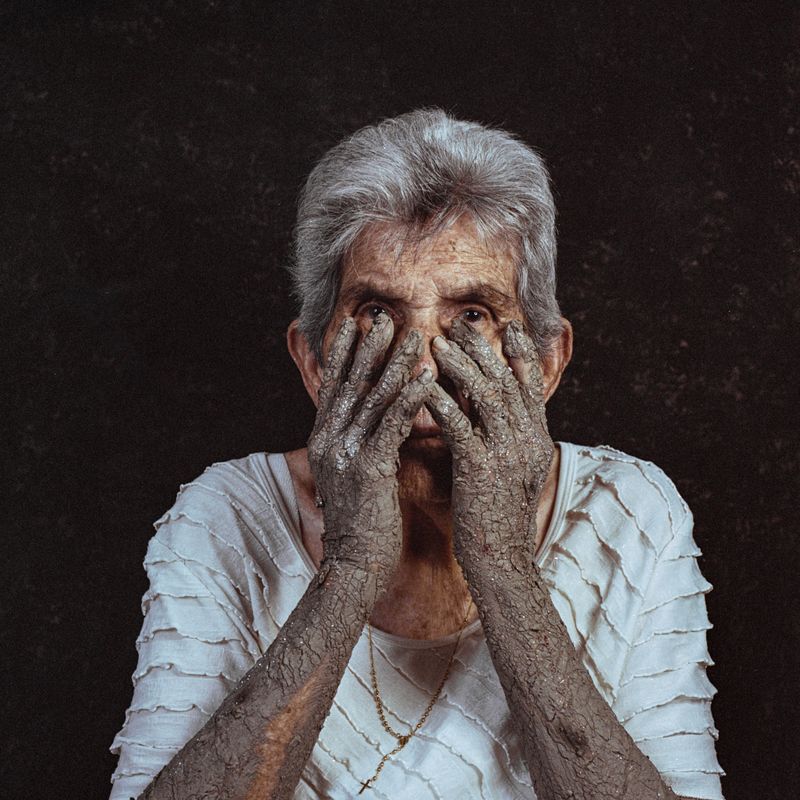
As a photographer, my connection to Armero is profoundly personal—I was born two years after the tragedy into a family that lost over thirty members. Over the past four years, I have worked closely with my own family in a collaborative process, using photography to explore how trauma is carried across generations. Through staged photographic situations, we reinterpret memories, reconstructing moments that oscillate between documentary and fiction. This approach allows us to reclaim our history visually, transforming loss into storytelling.
The work is structured around four key photographic approaches:
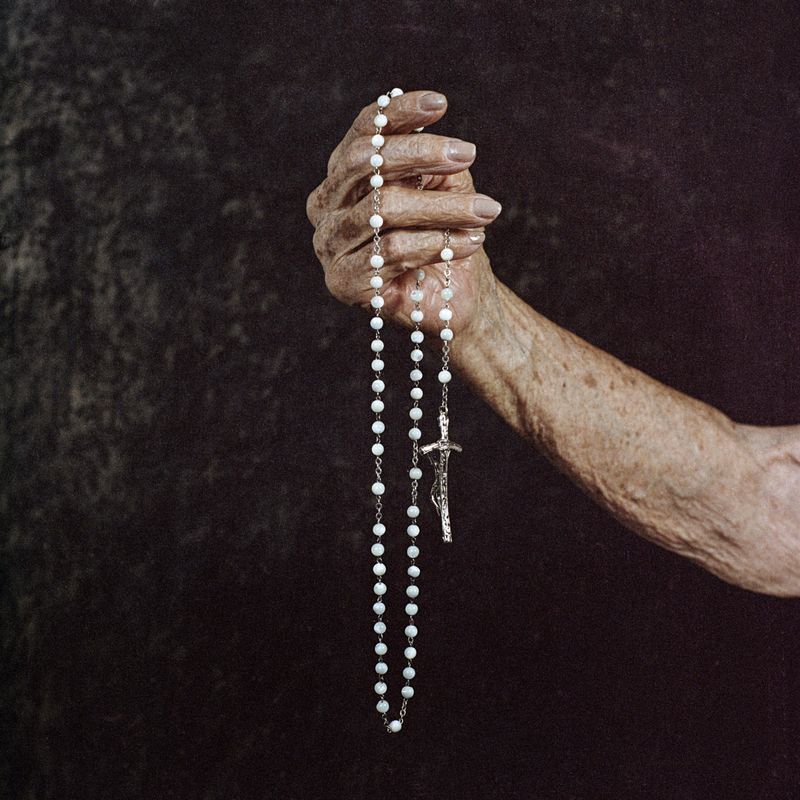
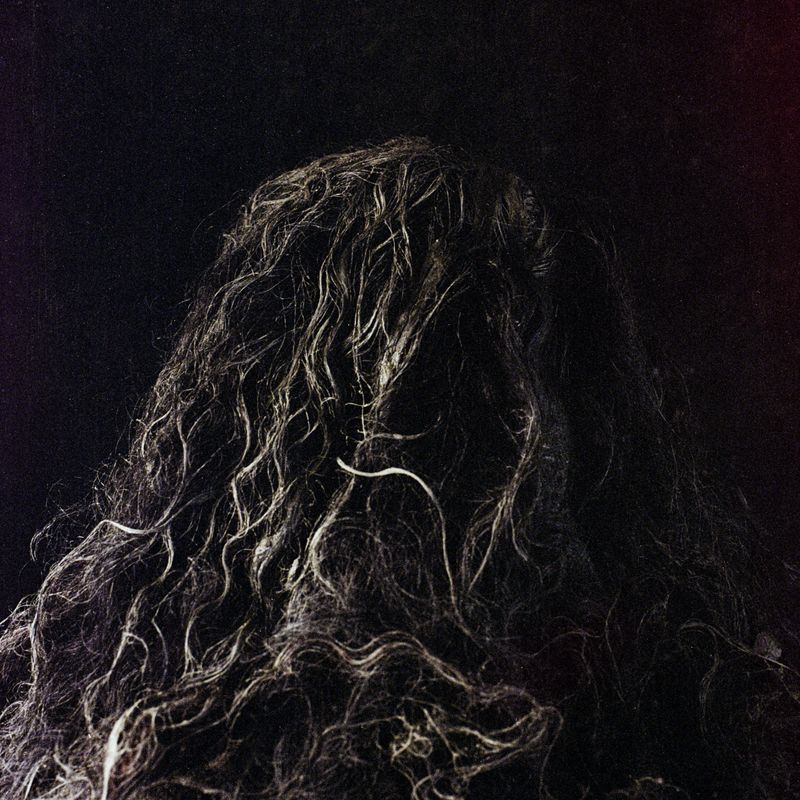
Portraiture: Photographs of my family members, capturing their resilience, grief, and their evolving relationship with a place that no longer exists.
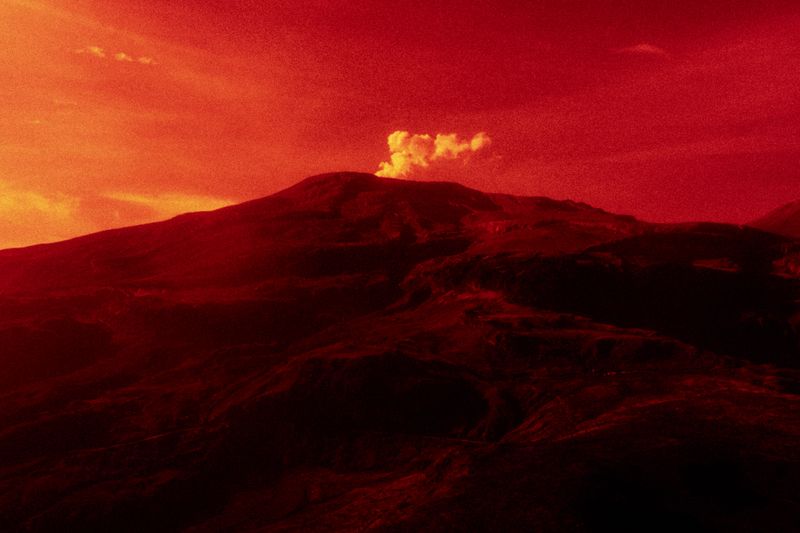
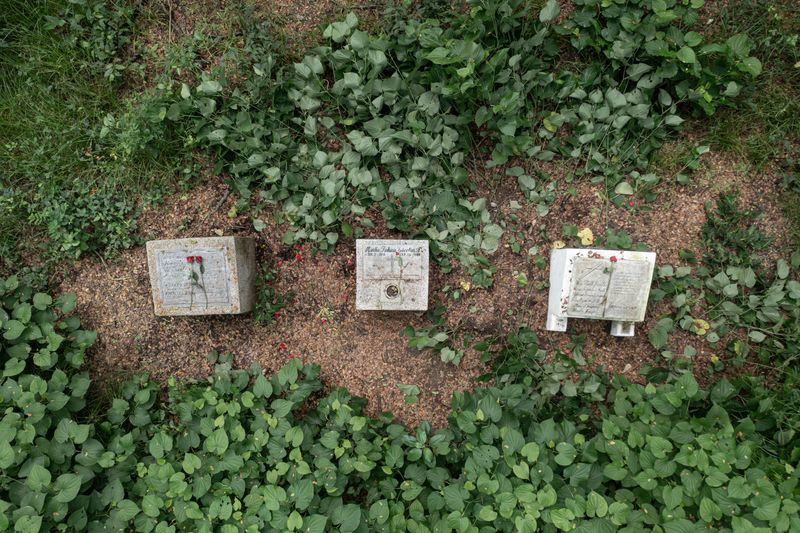
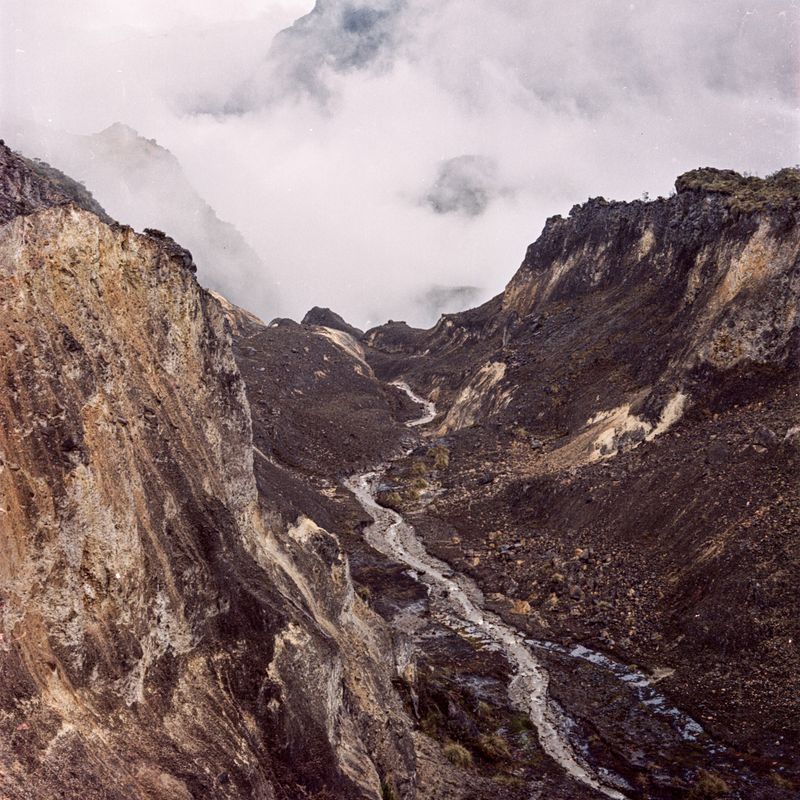
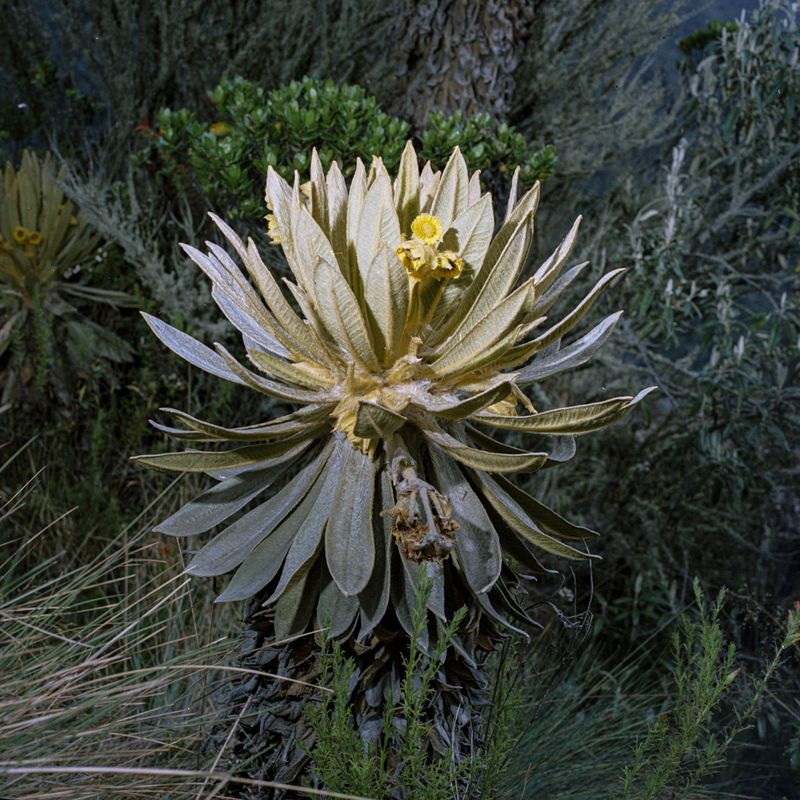
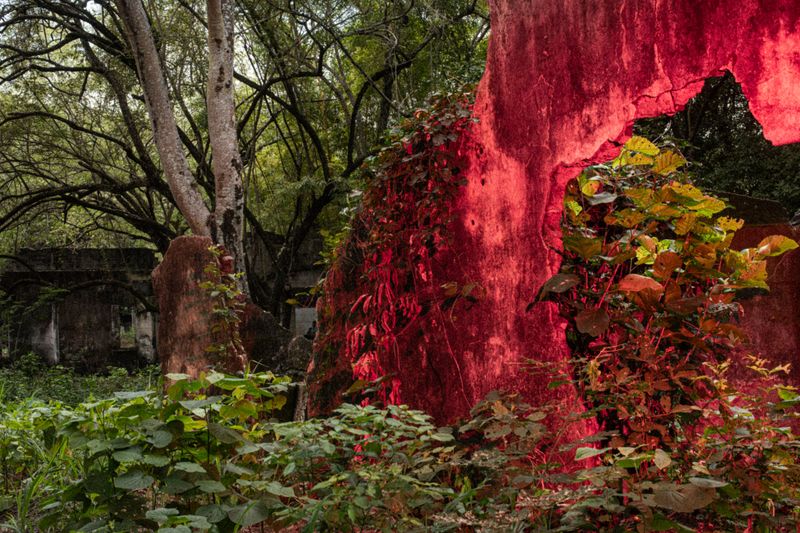
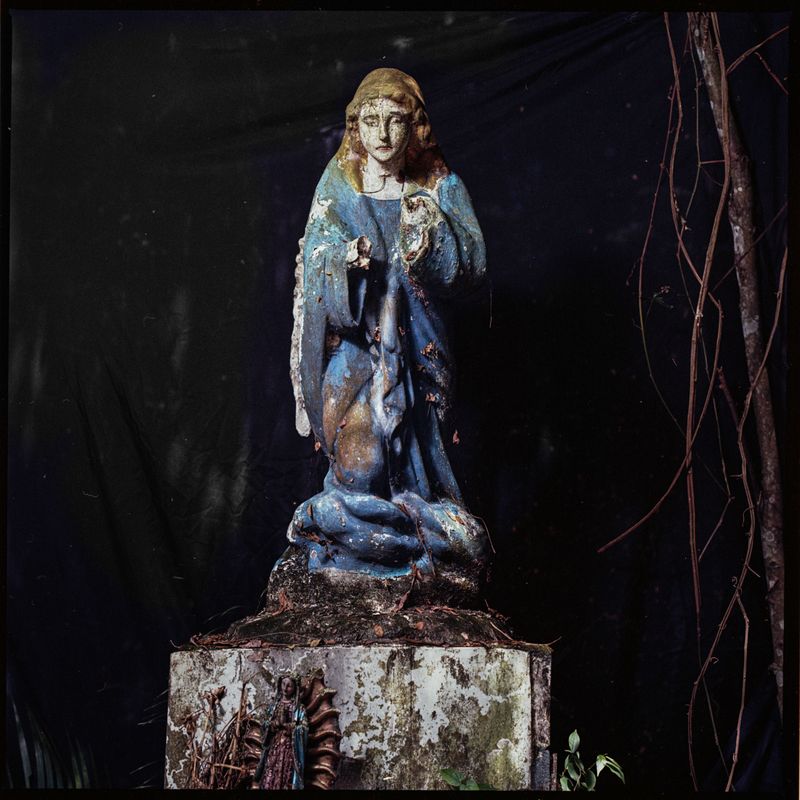
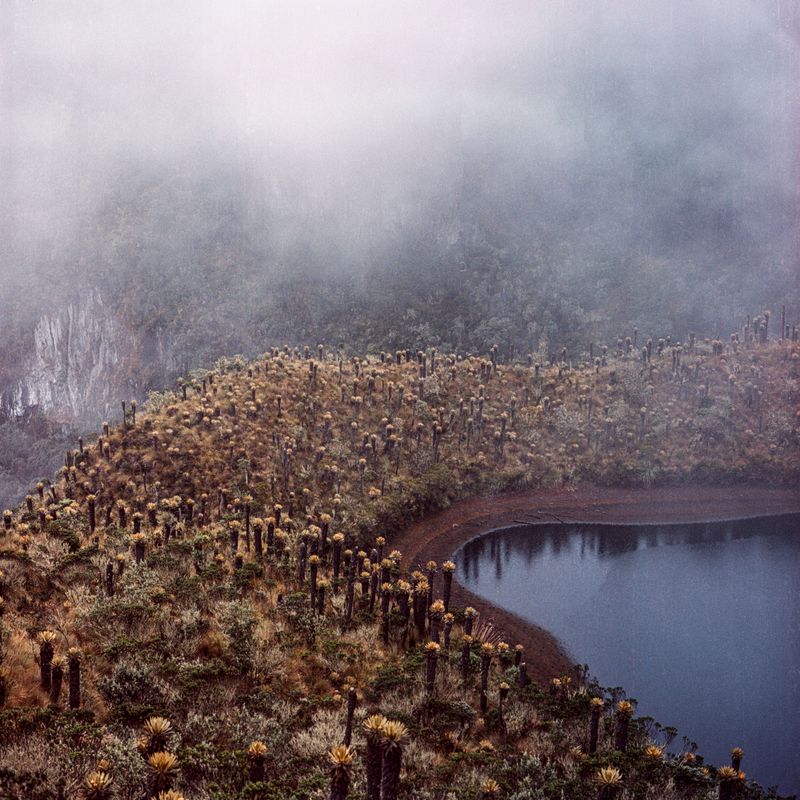
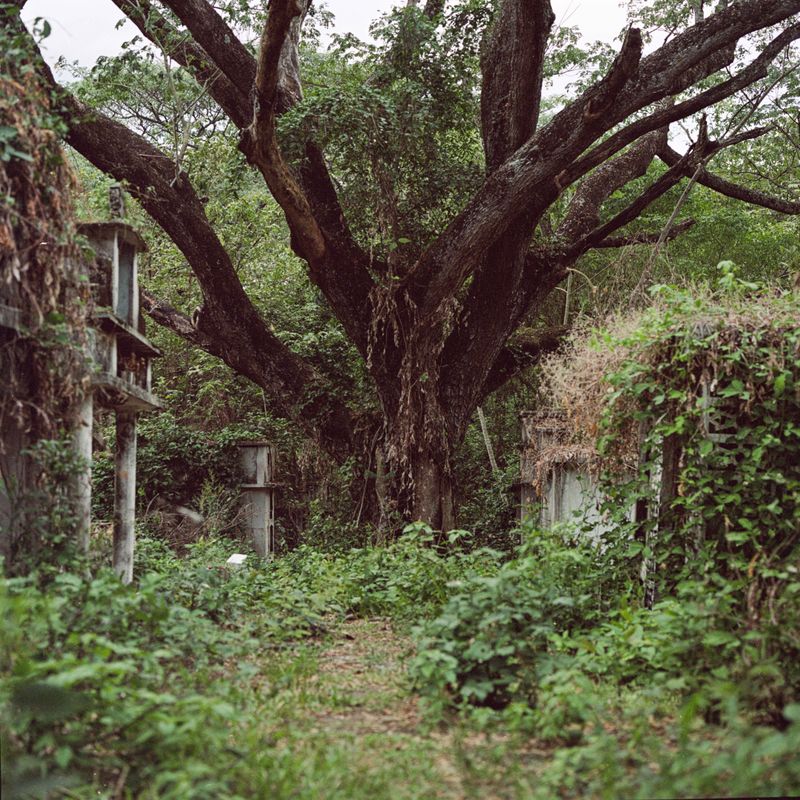
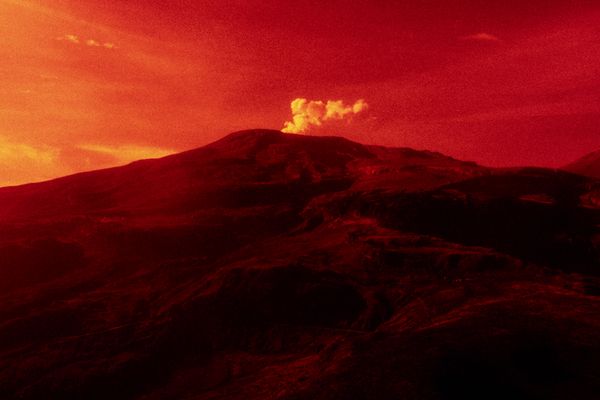
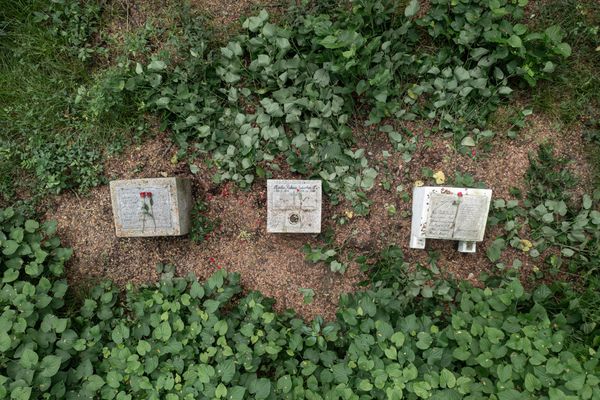
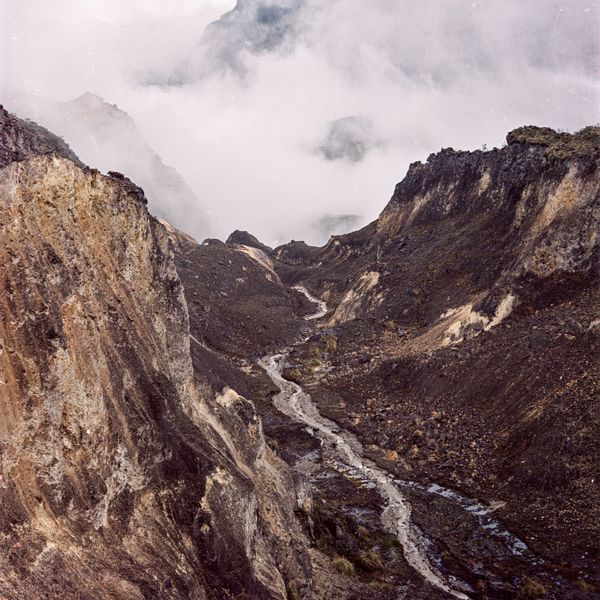
Landscape Studies: Images of the Nevado del Ruiz volcano and the Camposanto (the former site of Armero), exploring how nature has reclaimed the space and questioning the mountain as both a force of destruction and a keeper of memory.
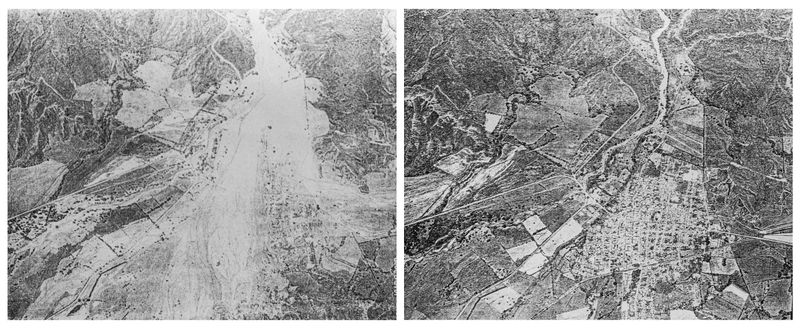
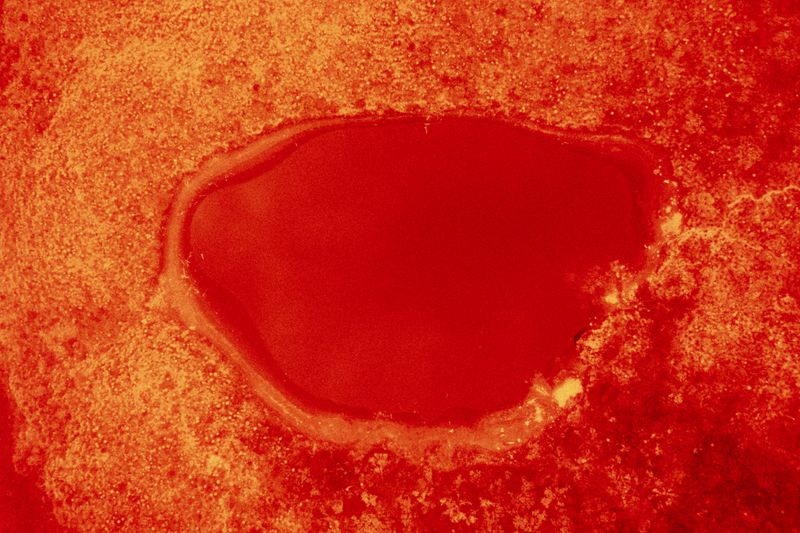
Archival Photography: A selection of geological studies that examine the scientific aspects of the disaster, placing the event within a broader environmental and historical context.
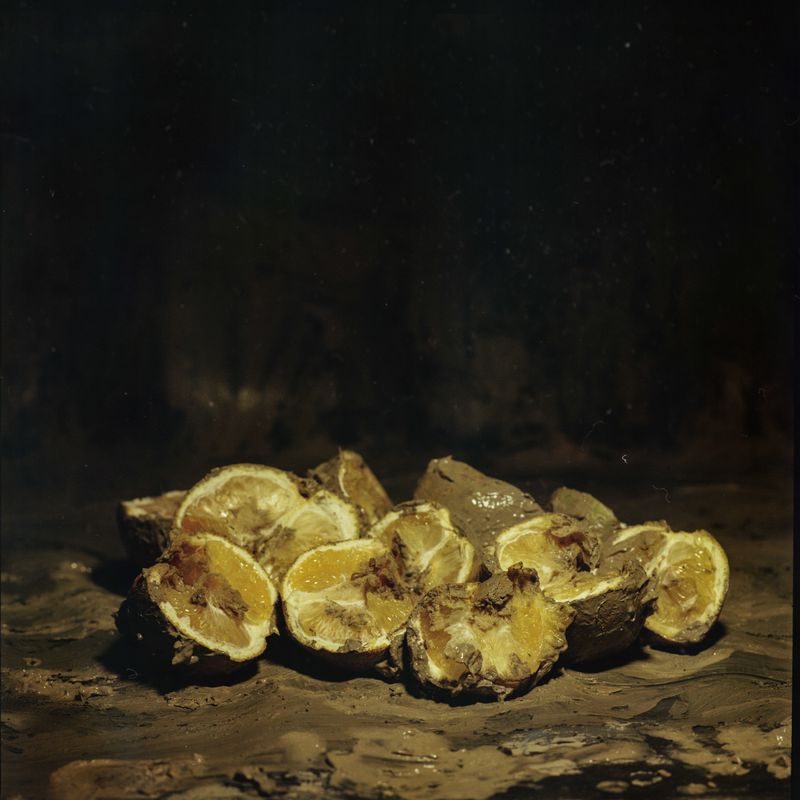
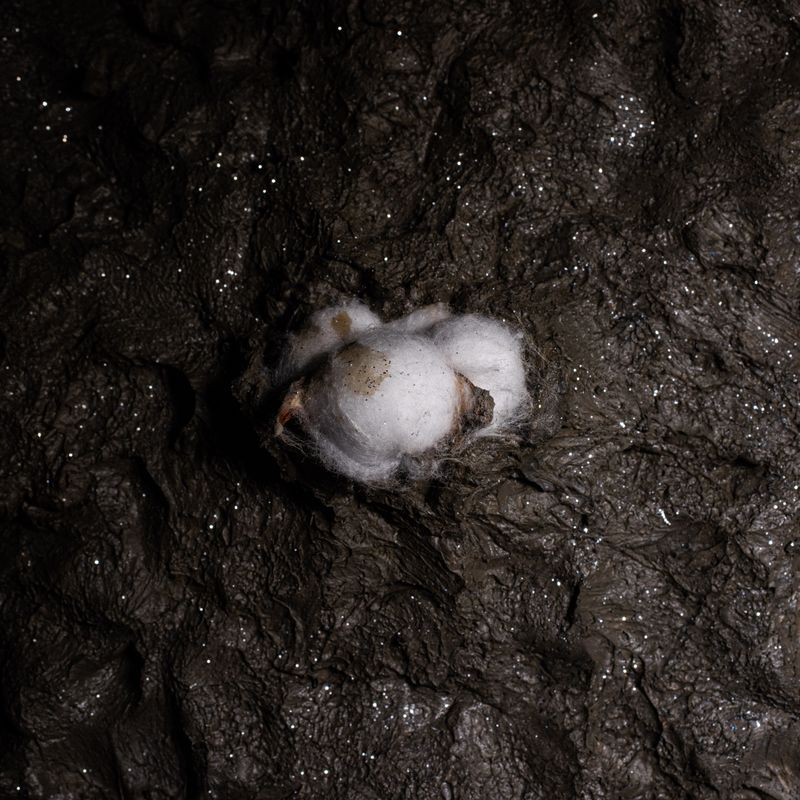
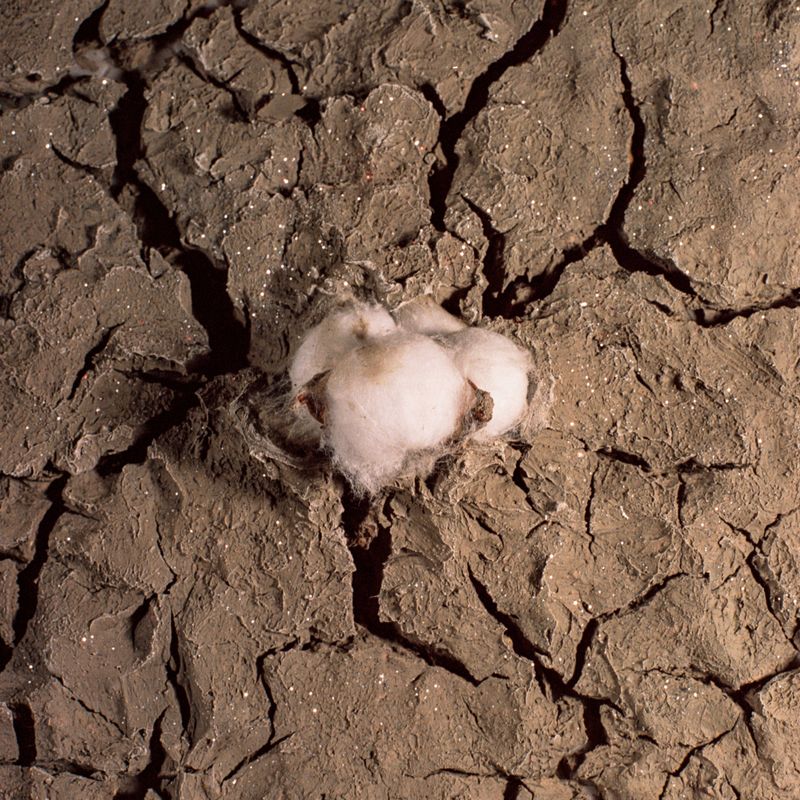
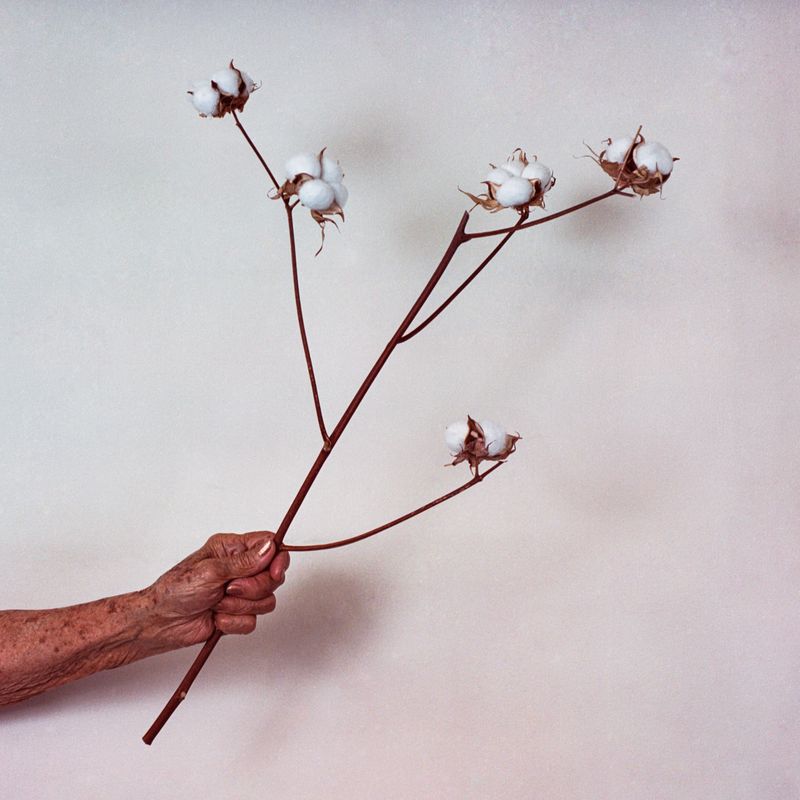
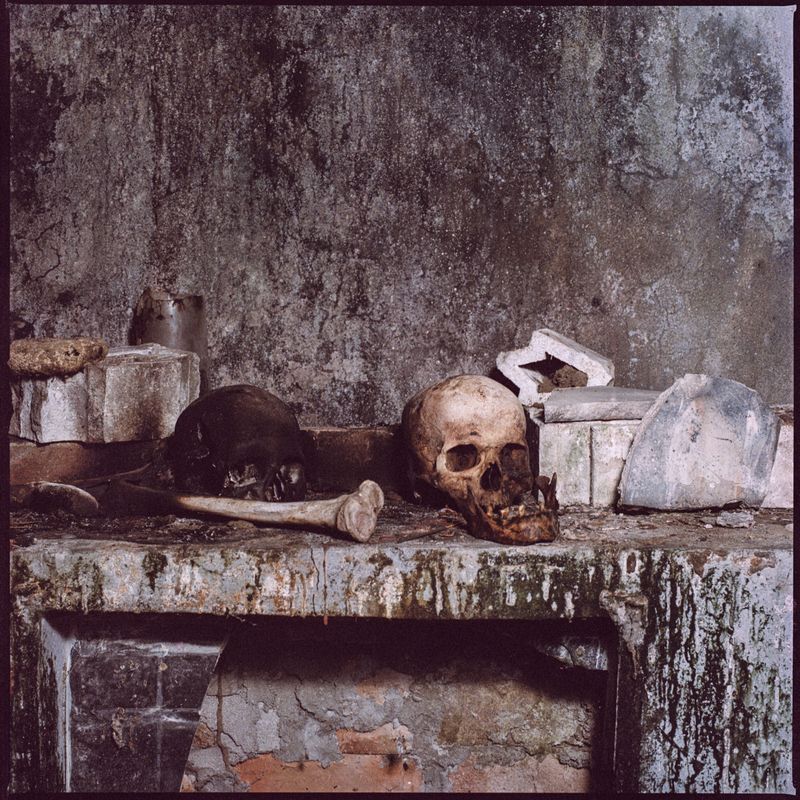
Still Life & Staged Scenes: Symbolic compositions and collaborative reenactments with my family, inspired by their stories and testimonies, visually representing memories and loss.
The Armero tragedy has been largely forgotten in a country that has endured decades of war and violence. In the midst of so many conflicts, this catastrophe—one of the worst in Colombia’s history—has been overshadowed. Through this project, I seek to reclaim its place in national memory, using photography as a tool for remembrance.
As part of the 40th anniversary commemoration, I will create a photographic exhibition in the Camposanto—the land where Armero once stood. This space, now overgrown by nature, serves as both a site of mourning and a testament to survival. The exhibition has the support of the Universidad de los Andes in Bogotá, reinforcing its commitment to preserving historical memory through photography. Through this exhibition, I aim to bring the memory of Armero back to the place where it was lost, offering a visual tribute to the victims and their families.
Through these photographic elements, Armero is not just an exercise in documentation but an act of remembrance and reconstruction. The project questions how trauma is visualized, how landscapes hold memory, and how images serve as testimonies of events that risk being forgotten. Ultimately, it is a meditation on absence, resilience, and the passage of time—a visual record of both destruction and the enduring presence of those who lived through it.