Echoes of Armero

40 years after the Armero tragedy, this photographic project explores memory and loss through portraits of my family, landscapes, and archival images, reflecting on trauma, resilience, and how nature has reclaimed the land.

2025 marks 40 years since the Armero tragedy, where nearly 28,000 people lost their lives in an avalanche triggered by the eruption of the Nevado del Ruiz volcano. This project is a photographic exploration of memory, loss, and resilience, reconstructing the fragments of a town that was erased but remains deeply embedded in the personal and collective consciousness of its survivors.

As a photographer, my connection to Armero is profoundly personal—I was born two years after the tragedy into a family that lost over thirty members. Over the past four years, I have worked closely with my own family in a collaborative process, using photography to explore how trauma is carried across generations. Through staged photographic situations, we reinterpret memories, reconstructing moments that oscillate between documentary and fiction. This approach allows us to reclaim our history visually, transforming loss into storytelling.

The work is structured around four key photographic approaches:

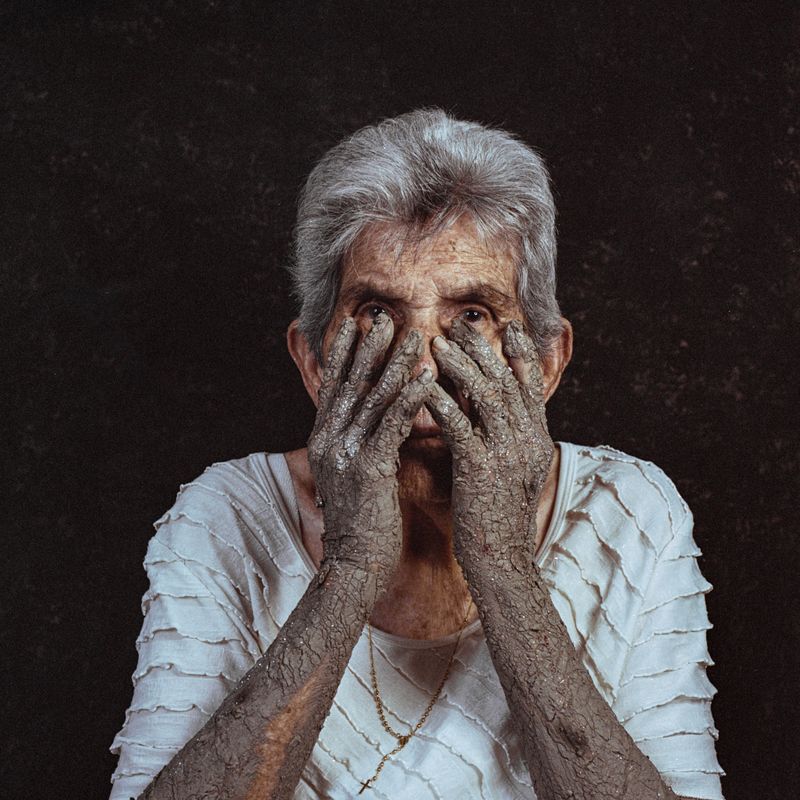
  • Portraiture: Photographs of my family members, capturing their resilience, grief, and their evolving relationship with a place that no longer exists.

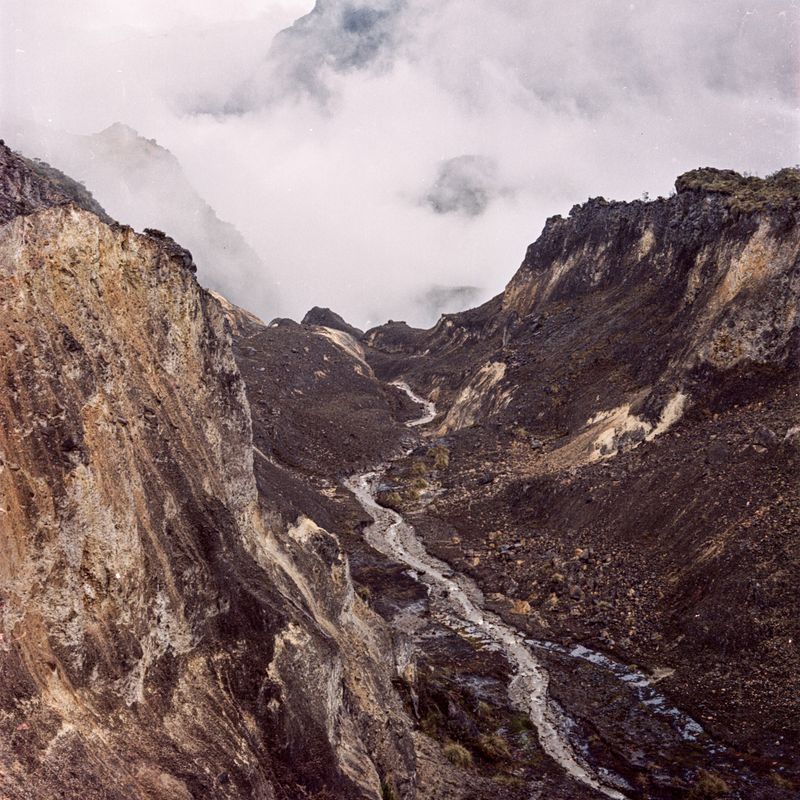
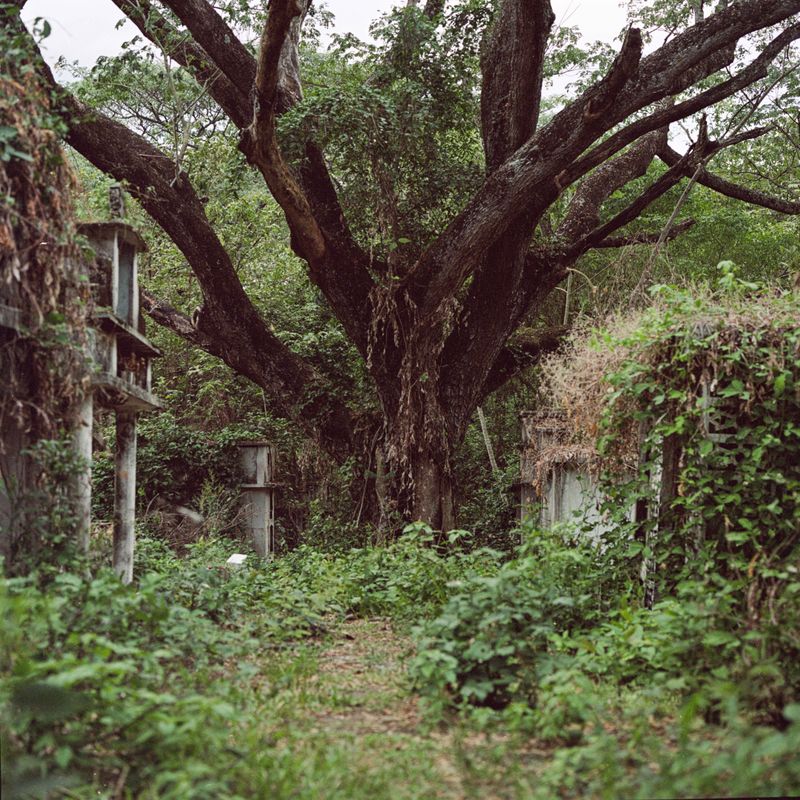
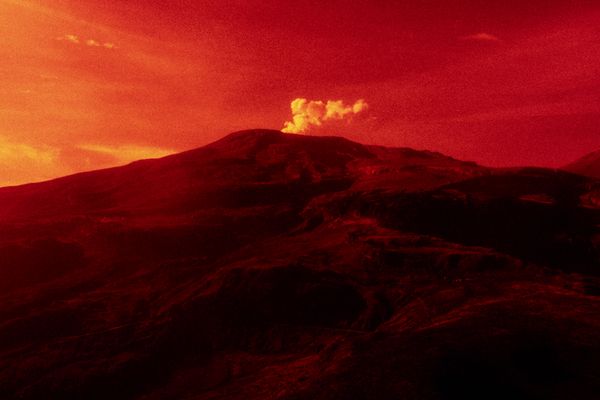
  • Landscape Studies: Images of the Nevado del Ruiz volcano and the Camposanto (the former site of Armero), exploring how nature has reclaimed the space and questioning the mountain as both a force of destruction and a keeper of memory.

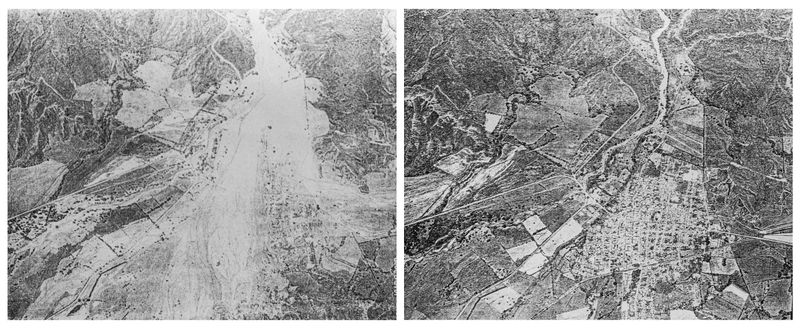
  • Archival Photography: A selection of geological studies that examine the scientific aspects of the disaster, placing the event within a broader environmental and historical context.

  • Still Life & Staged Scenes: Symbolic compositions and collaborative reenactments with my family, inspired by their stories and testimonies, visually representing memories and loss.

The Armero tragedy has been largely forgotten in a country that has endured decades of war and violence. In the midst of so many conflicts, this catastrophe—one of the worst in Colombia’s history—has been overshadowed. Through this project, I seek to reclaim its place in national memory, using photography as a tool for remembrance.

As part of the 40th anniversary commemoration, I will create a photographic exhibition in the Camposanto—the land where Armero once stood. This space, now overgrown by nature, serves as both a site of mourning and a testament to survival. The exhibition has the support of the Universidad de los Andes in Bogotá, reinforcing its commitment to preserving historical memory through photography. Through this exhibition, I aim to bring the memory of Armero back to the place where it was lost, offering a visual tribute to the victims and their families.

Through these photographic elements, Armero is not just an exercise in documentation but an act of remembrance and reconstruction. The project questions how trauma is visualized, how landscapes hold memory, and how images serve as testimonies of events that risk being forgotten. Ultimately, it is a meditation on absence, resilience, and the passage of time—a visual record of both destruction and the enduring presence of those who lived through it.
© Carlos Saavedra - Image from the Echoes of Armero photography project
i

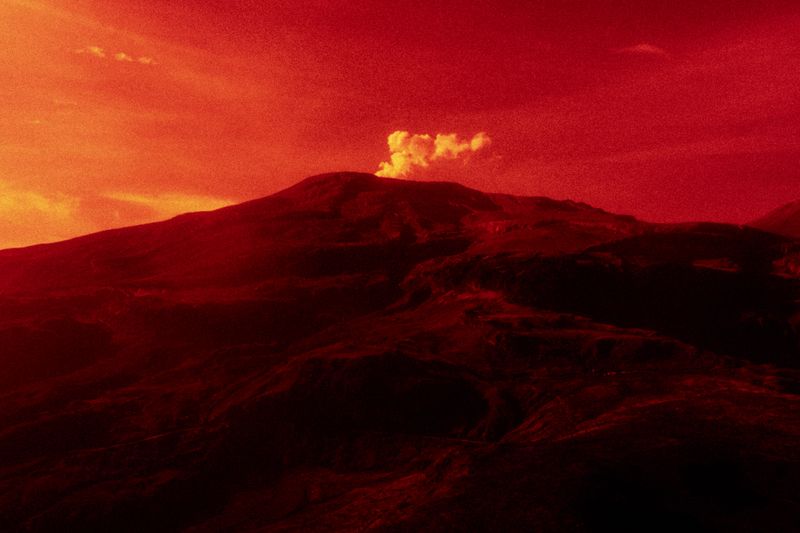
“Aerial drone shot of the Nevado del Ruiz releasing gases, ash, and steam—a reminder of its dual nature as glacier and volcano. The red filter symbolizes its looming presence in the Armero tragedy, the heat beneath the earth, and humanity’s futile attempt to control nature.”

© Carlos Saavedra - Image from the Echoes of Armero photography project
i

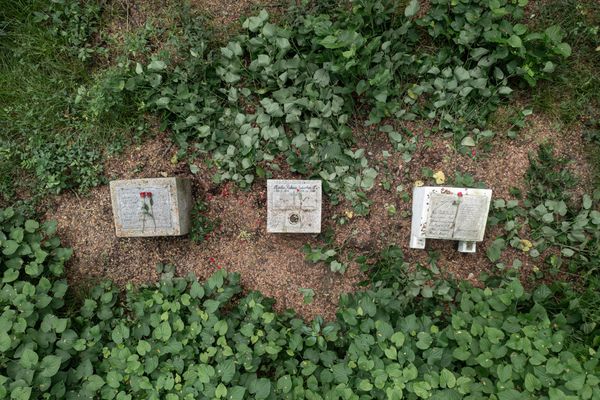
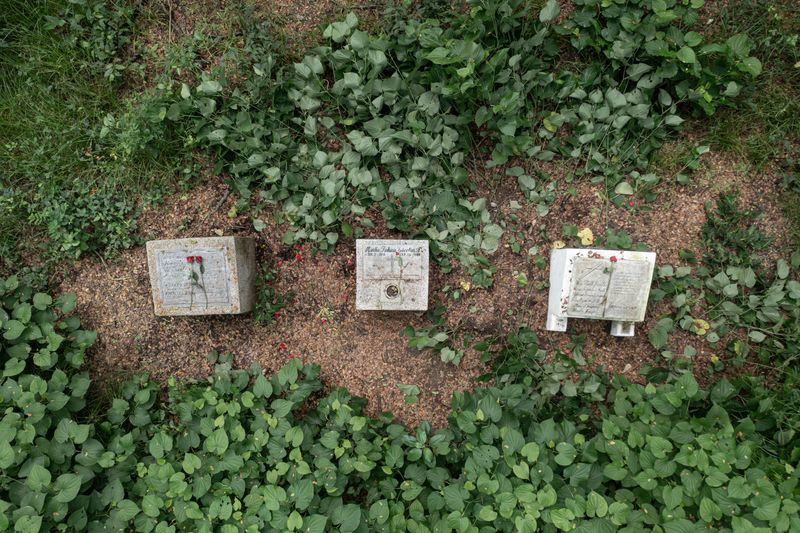
Aerial view of the site where my family’s house once stood in Armero, now marked by the tombstones of my uncle and other relatives. The video captures the movement of leaves and the encroaching nature around the gravestones, reflecting the passage of time and the enduring memory amidst the tragedy.

© Carlos Saavedra - Image from the Echoes of Armero photography project
i

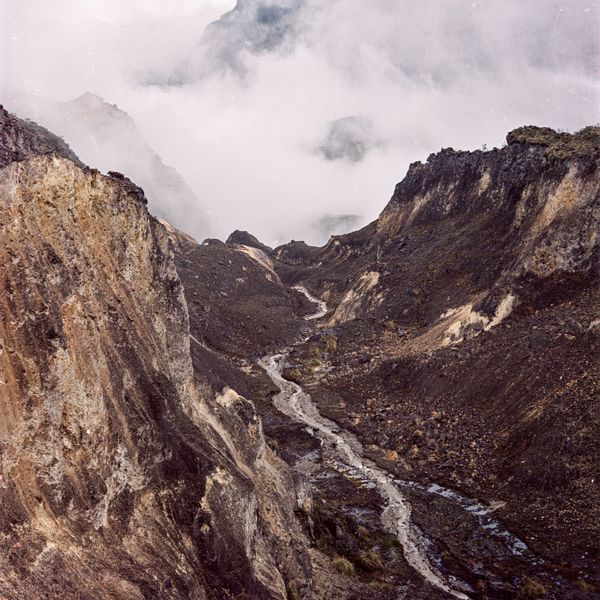
the “Río Azufrado,” the path where the avalanche descended from the Nevado del Ruiz, untouched by human hands. The video transitions between a natural view and a red-filtered shot of a waterfall in the same river, symbolizing the disaster’s destructive force as the avalanche raced down the river, ultimately obliterating Armero.

© Carlos Saavedra - Image from the Echoes of Armero photography project
i

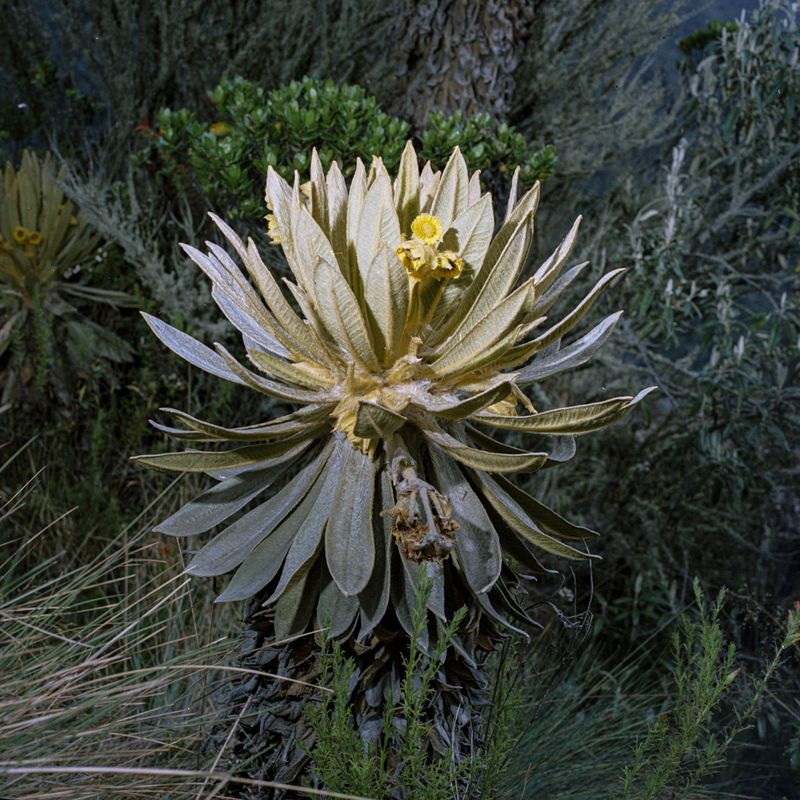
A frailejón in El Parque Natural de los Nevados, home to the Nevado del Ruiz volcano. These millenary plants, sacred to Indigenous communities, act as sponges—capturing water from mist and cold air. They are the silent guardians of Colombia’s great rivers.

© Carlos Saavedra - Image from the Echoes of Armero photography project
i

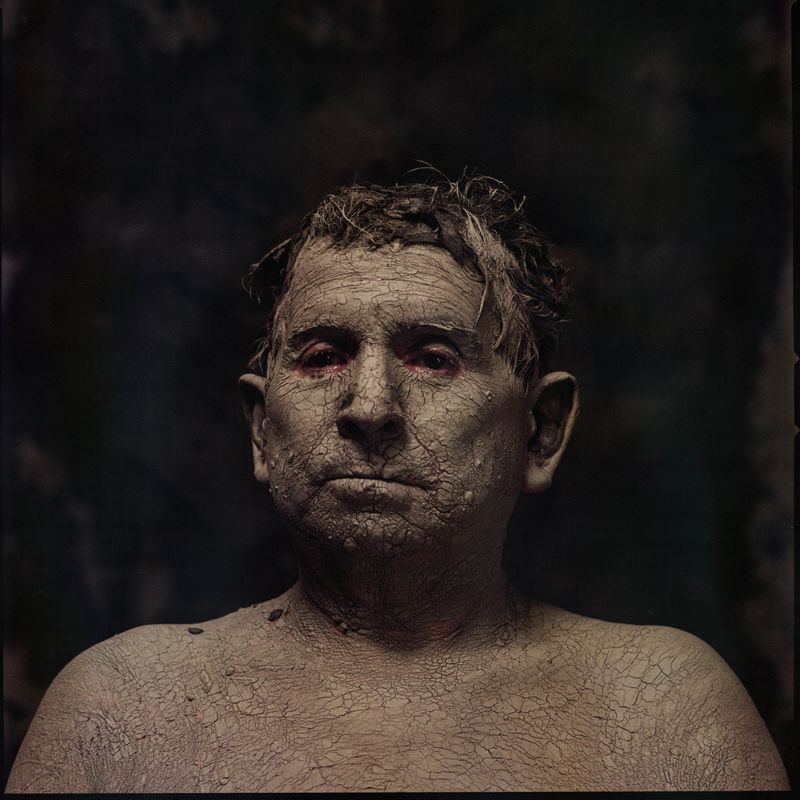
My uncle Fernando Angarita, known as Tomato. The only survivor from my family in the Armero tragedy poses covered in mud remembering the day of the avalanche.

© Carlos Saavedra - Image from the Echoes of Armero photography project
i

Archival aerial photographs showing the town of Armero before and after the 1985 eruption of Nevado del Ruiz. The right image captures the town’s layout, while the left reveals the devastation left by the avalanche that buried the town and its inhabitants.

© Carlos Saavedra - Image from the Echoes of Armero photography project
i

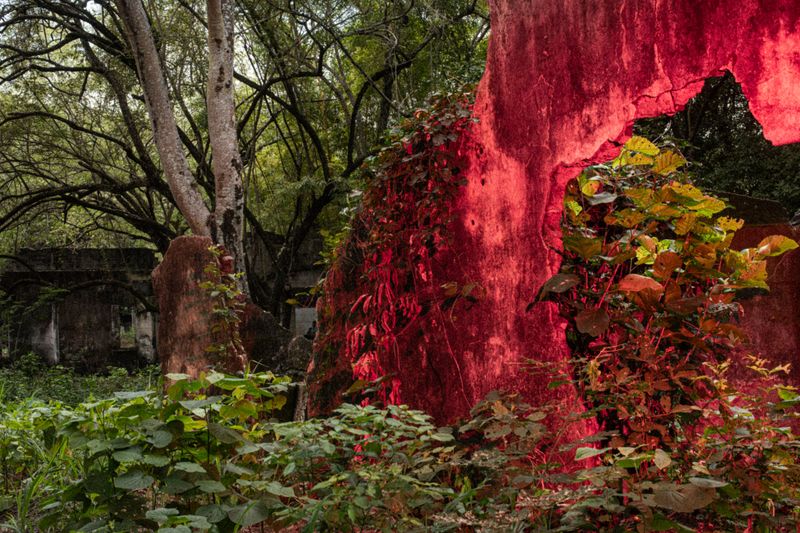
Ruins of a house in Armero, now reclaimed by nature. The red filter and flash evoke silence, loss, and the mountain’s looming presence. This hue blurs the line between the natural and supernatural, reflecting the mysticism and enduring impact of the tragedy.

© Carlos Saavedra - Image from the Echoes of Armero photography project
i

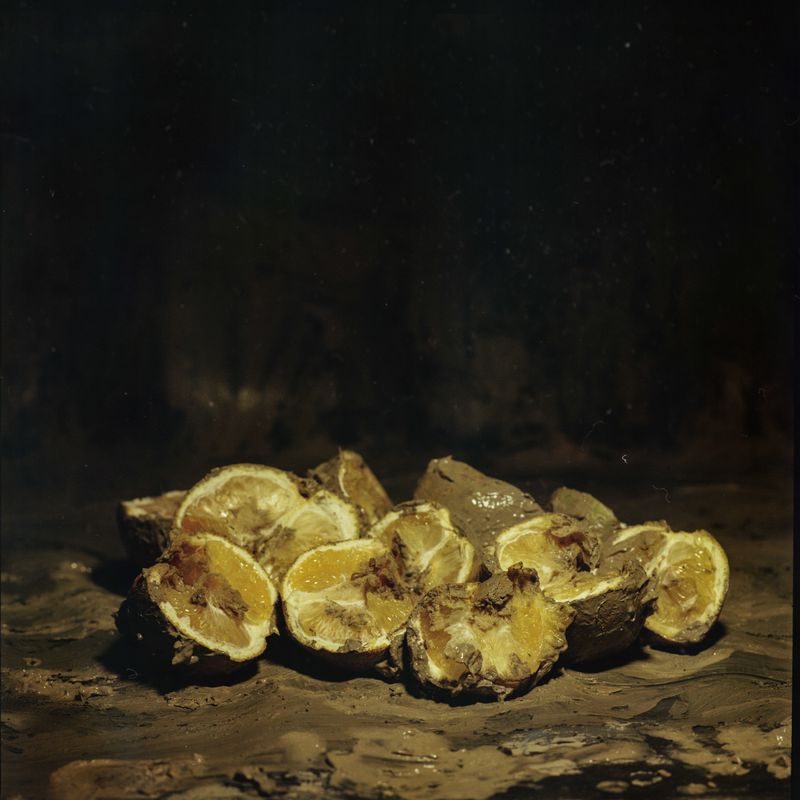
Fernando Angarita, was dragged by the avalanche for many miles, he survived in the midst of debris and only ate 6 oranges that he found in a fridge that was floating in the mud. Still-life

© Carlos Saavedra - Image from the Echoes of Armero photography project
i

“Martha, my uncle Fernando Angarita’s wife, was 14 when she survived the avalanche with her family. She believes her younger brother was kidnapped in the chaos. Many children went missing that night, later trafficked abroad. Their stories will be the next phase of this project.”

© Carlos Saavedra - Image from the Echoes of Armero photography project
i

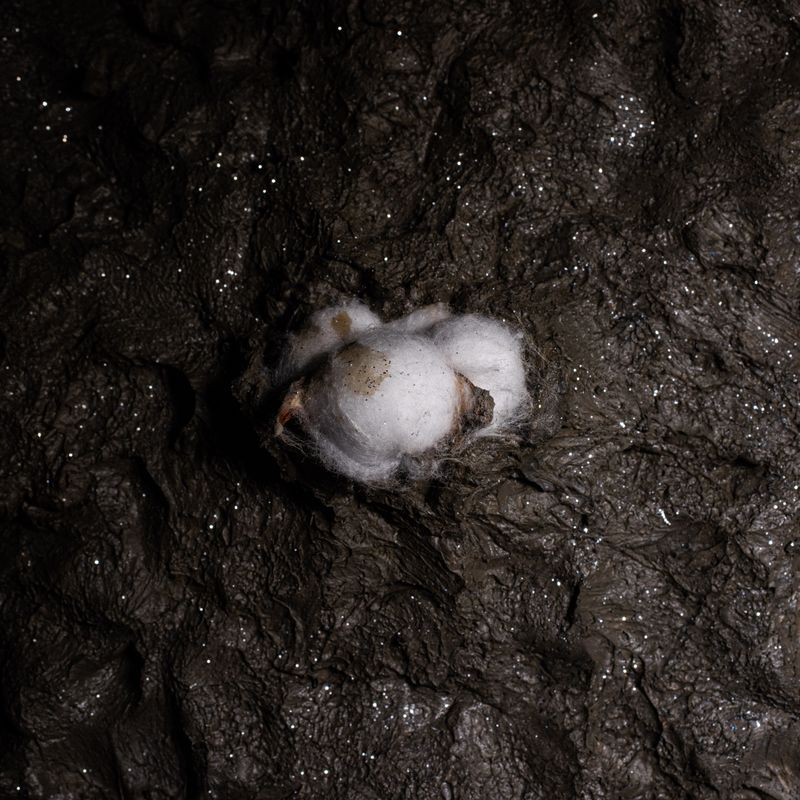
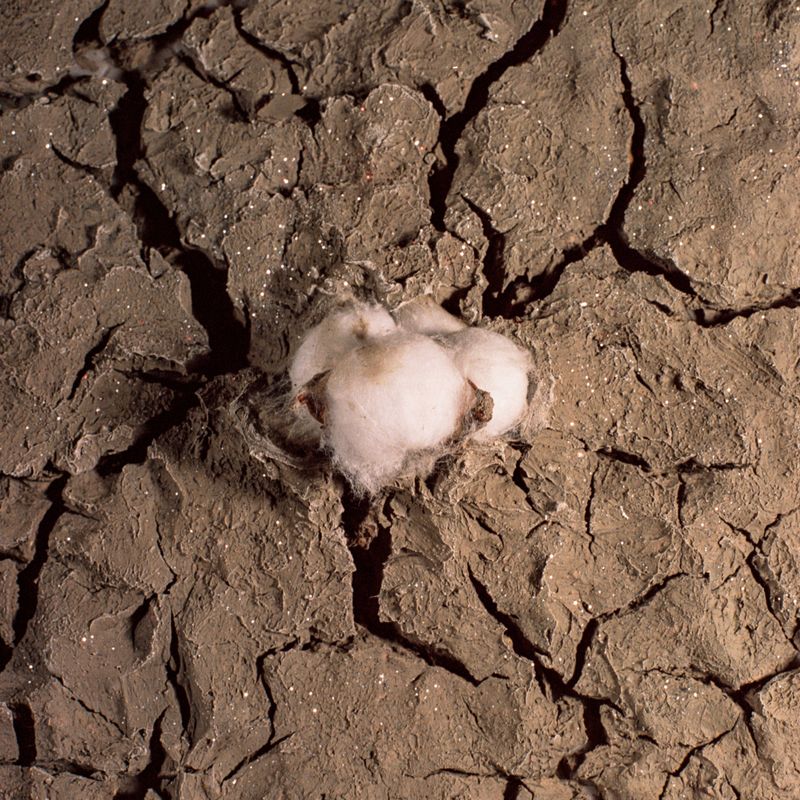
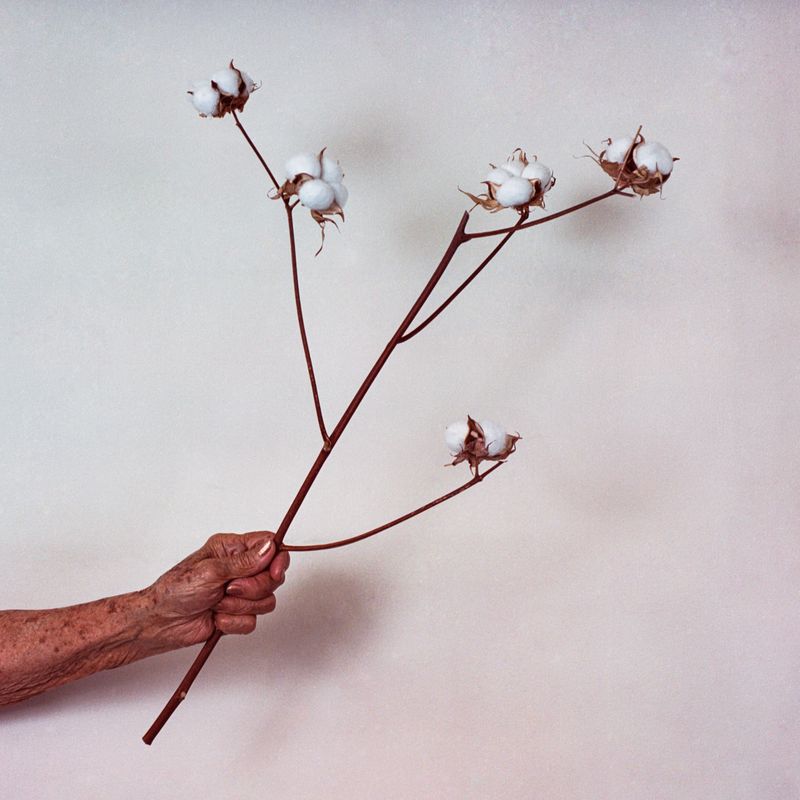
Armero was known as the ‘White City’ for its cotton fields. This still life series places cotton in mud, showing its transformation as it dries. The cracked surface symbolizes the stillness of memory and trauma—unspoken wounds that persist in my family and the country.

© Carlos Saavedra - Image from the Echoes of Armero photography project
i

Armero was known as the ‘White City’ for its cotton fields. This still life series places cotton in mud, showing its transformation as it dries. The cracked surface symbolizes the stillness of memory and trauma—unspoken wounds that persist in my family and the country.

© Carlos Saavedra - Image from the Echoes of Armero photography project
i

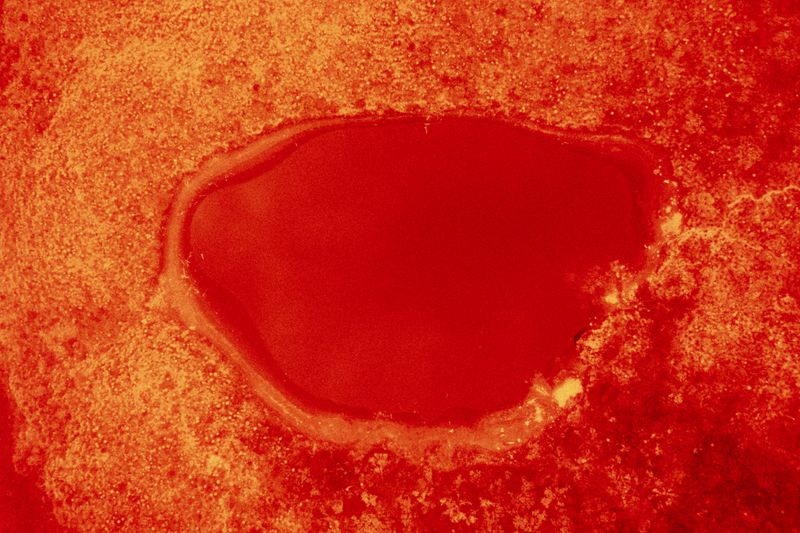
Aerial view with a red filter of a haunted lake in El Parque Natural de los Nevados, home to the Nevado del Ruiz volcano, which caused the catastrophic avalanche in Armero. This lake is steeped in local legend—said to exact revenge on anyone who dares enter its waters. The image, resembling an ominous eye, is surrounded by frailejones, a unique plant species native to the páramo ecosystems.

© Carlos Saavedra - Image from the Echoes of Armero photography project
i

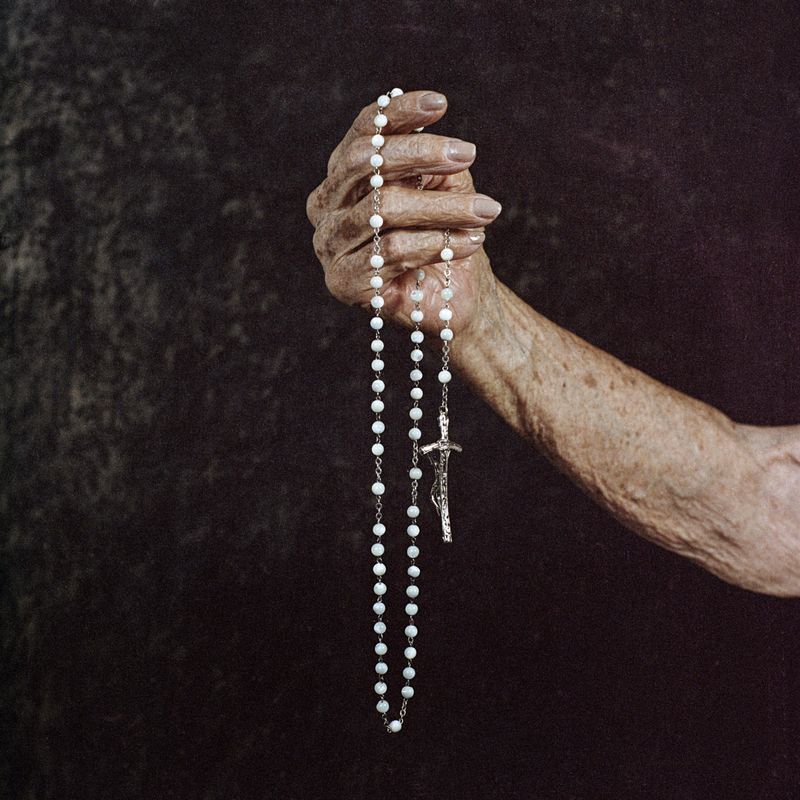
My grandmother Blanca Vanegas holds a rosary, waiting 40 years for my uncle Manuel Guillermo, lost in the avalanche. Her faith reflects Colombia’s Catholic roots, while her waiting symbolizes the burden placed on women after war and disaster.

© Carlos Saavedra - Image from the Echoes of Armero photography project
i

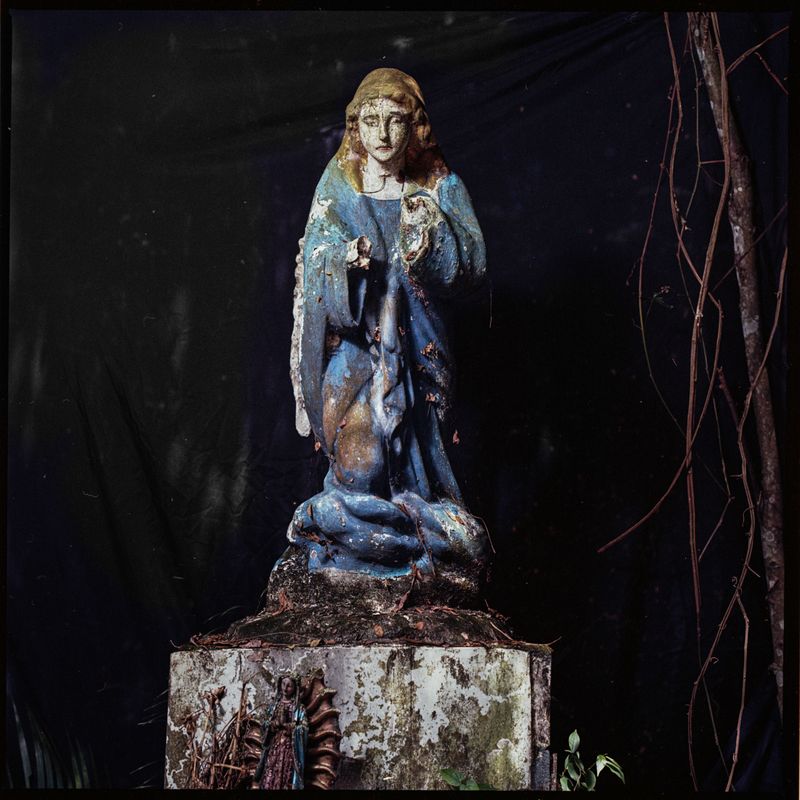
An angel stands solemnly in the Armero Cemetery, its hands removed by those seeking to fulfill a ritual. In this tradition, people ask wishes of the angels, promising to return the hands only once their wish has been granted. This image captures the intersection of faith, hope, and the lingering presence of tragedy within this sacred space.

© Carlos Saavedra - Image from the Echoes of Armero photography project
i

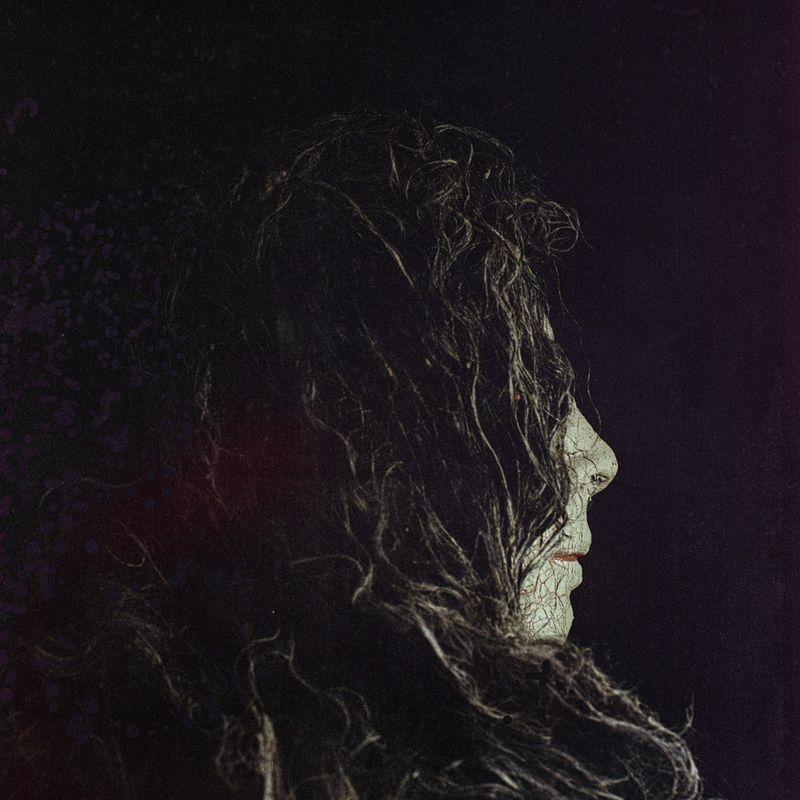
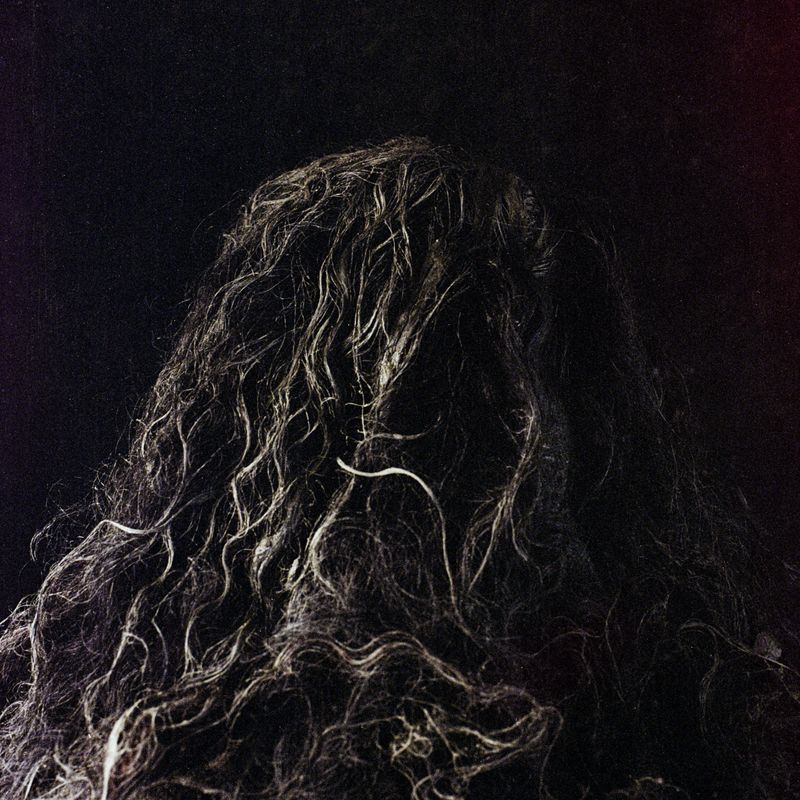
The hair of Martha Rodríguez covered in mud, wife of Fernando Angarita and a survivor of the Armero disaster. Martha is believed to be a medium, with the ability to see spirits lingering in the ruins of Armero. Much of her family also disappeared in the tragedy, deepening her connection to the spiritual remnants of the event.

© Carlos Saavedra - Image from the Echoes of Armero photography project
i

Blanca Vanegas, my grandmother was born in Armero and lost most of her family in the tragedy. She still waits for the return of my uncle, Manuel Guillermo Saavedra.

© Carlos Saavedra - Image from the Echoes of Armero photography project
i

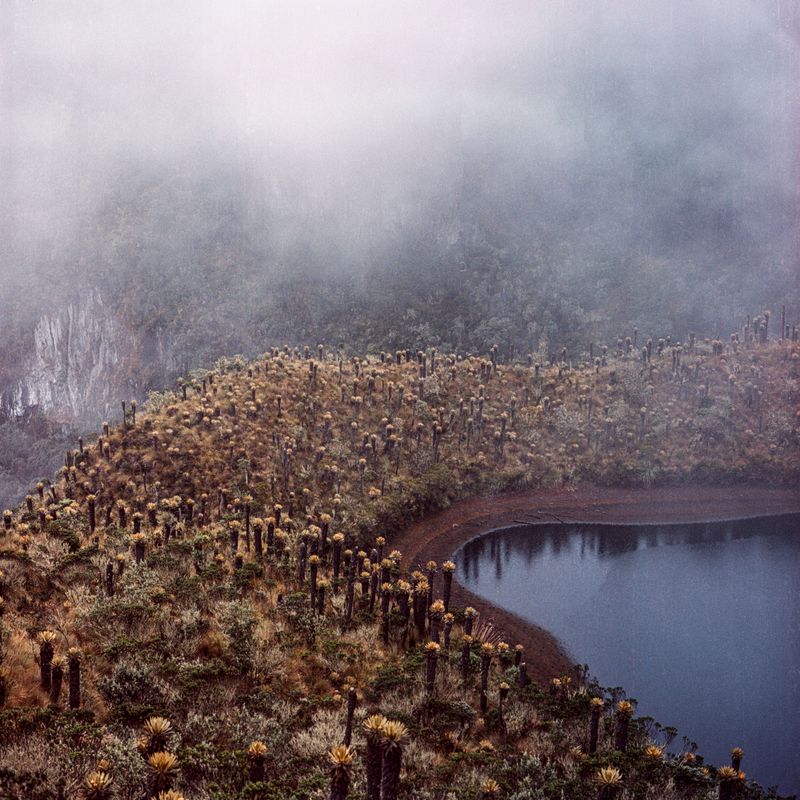
A lake surrounded by frailejones in El Parque Natural de los Nevados, near the Nevado del Ruiz volcano. These ancient plants, vital to Colombia’s water cycle, absorb moisture from the mist, sustaining the rivers that flow from this sacred, high-altitude ecosystem.

© Carlos Saavedra - Image from the Echoes of Armero photography project
i

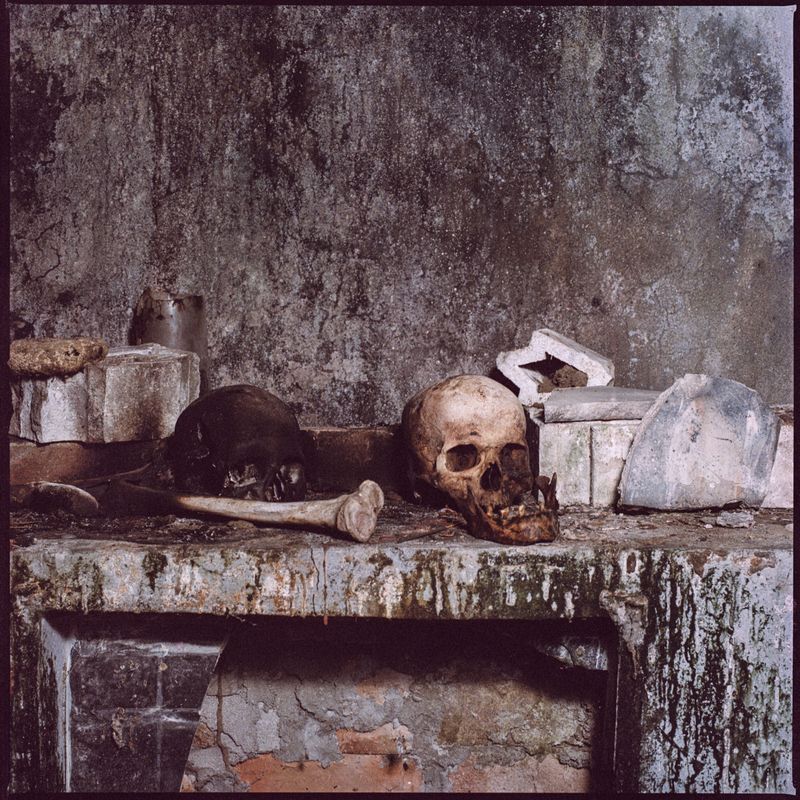
The Armero Cemetery, untouched by the 1985 avalanche, is steeped in mystery and witchcraft. Skulls and bones left in shrines are believed to hold supernatural power, reflecting the enduring link between tragedy and mystical beliefs.

© Carlos Saavedra - Image from the Echoes of Armero photography project
i

Portrait of my grandmother, Blanca Vanegas, whose hand is covered in dried mud—a symbol of her 40-year wait for my uncle Manuel Guillermo, who perished in the avalanche. She still waits and dreams of his return. This image reflects how waiting has become an unjust burden often placed on women in the wake of catastrophic events, in both war and disaster.

© Carlos Saavedra - Image from the Echoes of Armero photography project
i

Armero has become a giant cemetery, with crosses and tombstones scattered across the land where homes once stood. Though no bodies lie beneath them, these markers honor the memory of those who were once part of our families, serving as haunting reminders of lives lost and a community forever transformed.