Echoes by the River
-
Dates2021 - Ongoing
-
Author
- Topics Documentary, Editorial, Fine Art, Landscape, Nature & Environment, Photobooks
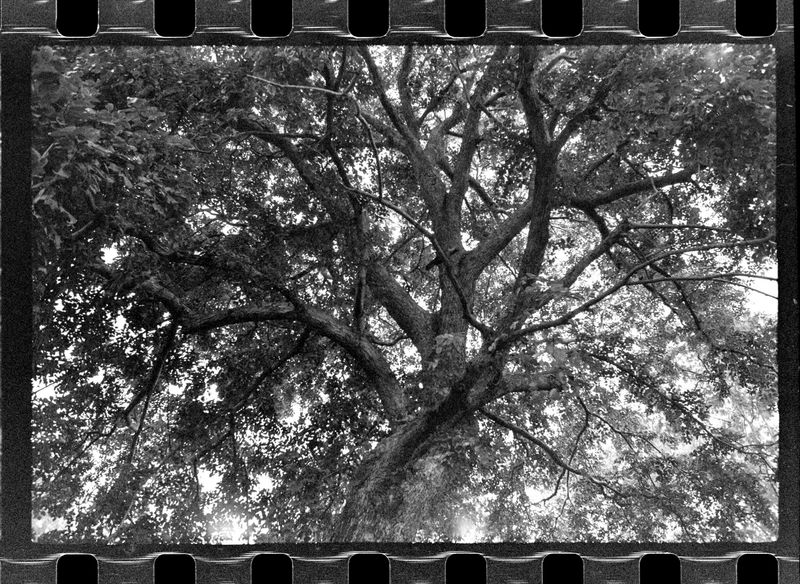
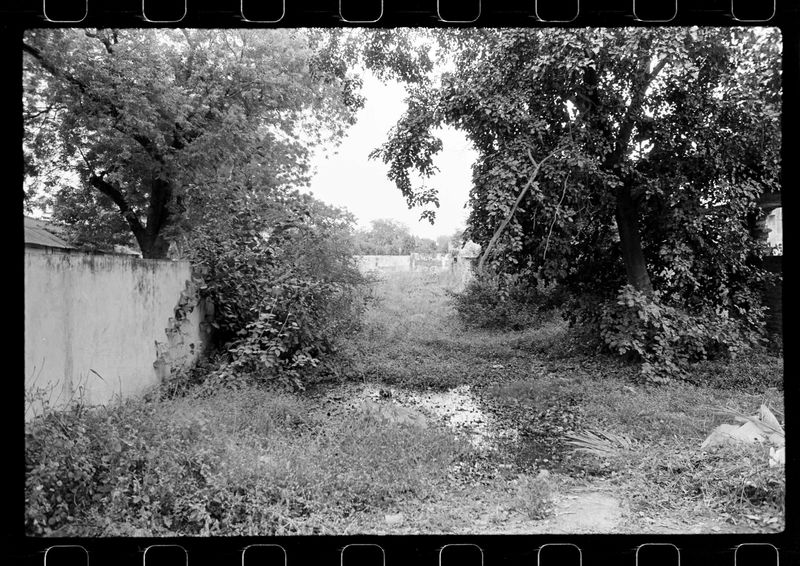
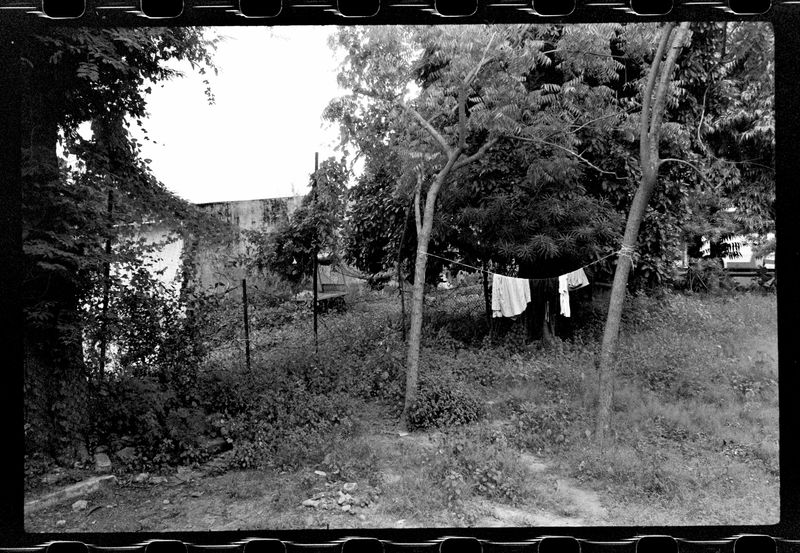
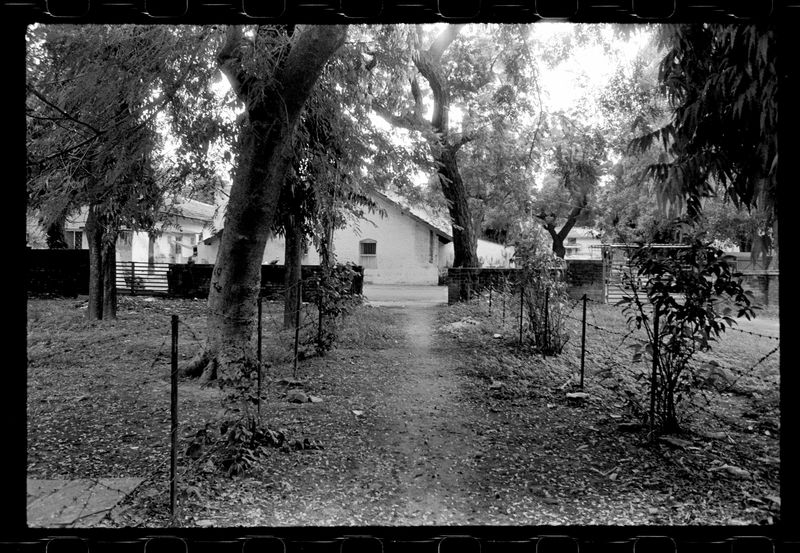
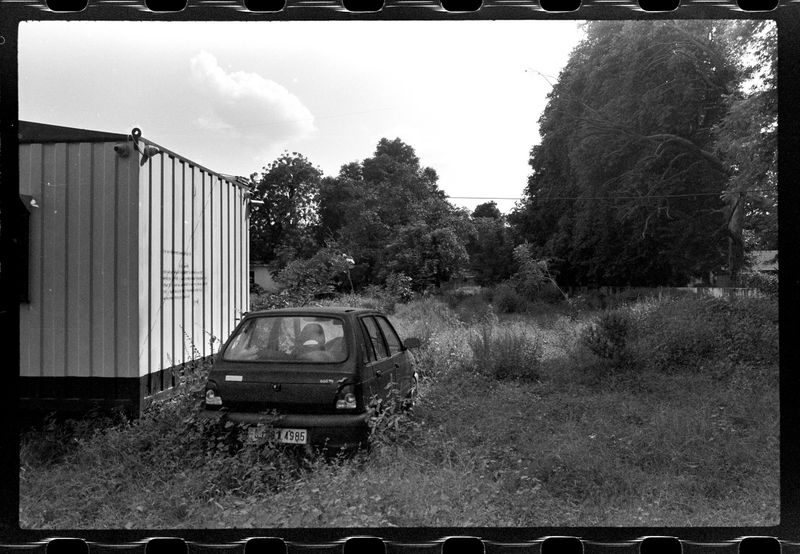
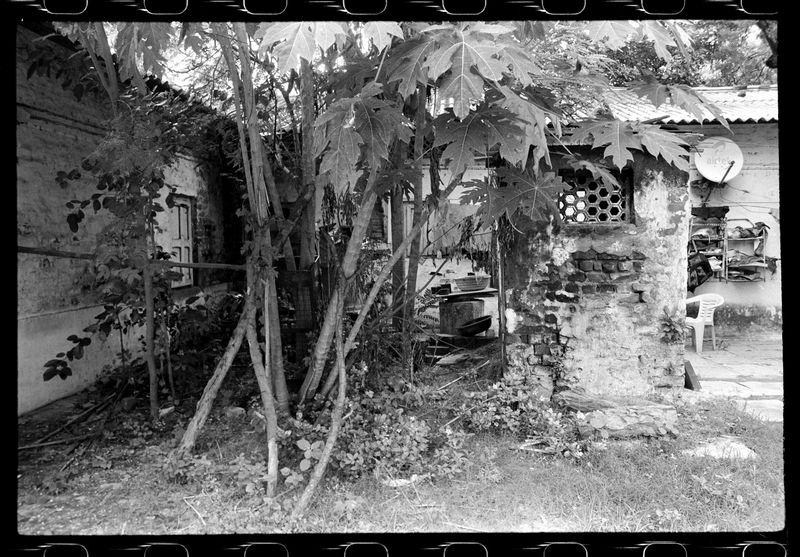
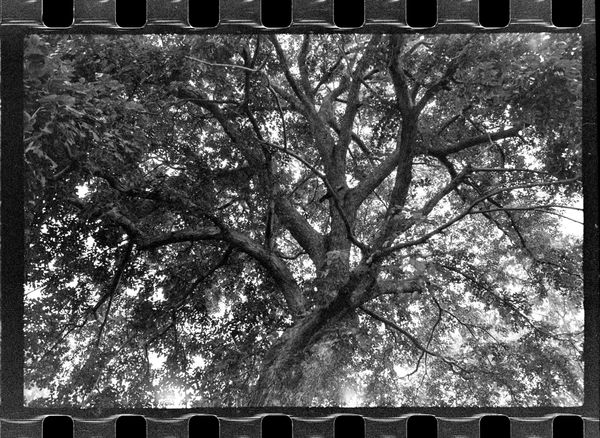
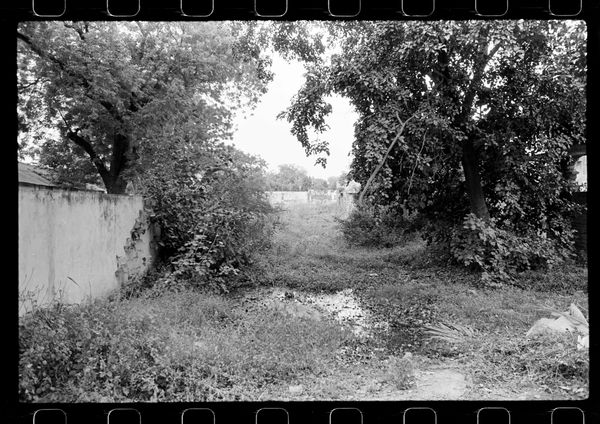
Echoes by the River reflects on the enduring presence of the Sabarmati Ashram in Ahmedabad, India — founded by Mahatma Gandhi in 1917 as the heart of his experiments in living and social reform. The series lingers on this riverside landscape where history
Soft, whispering echoes that sometimes linger by the river
Restless, tentative and abstract
like unformed words
Floating circuitously in a world that is frozen
Breaking cold sighs in their desolation
Hovering on the threshold of reality
Never revealing themselves to a seeker
Only in happenstance they offer us a glimpse
calling us in sotto voce
Luring us to peek into their world
that which emerges only in silence
Withholding with pursed lips
voices of the past, existing in banality
tantalising us with their unspoken words
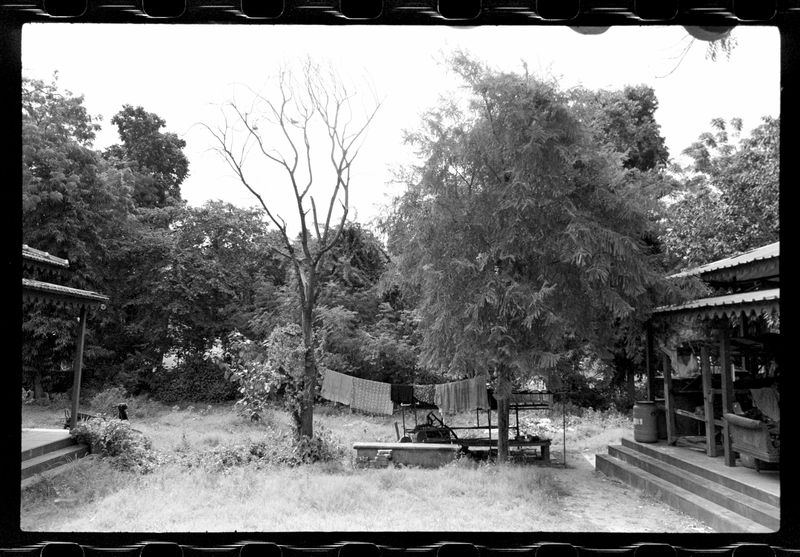
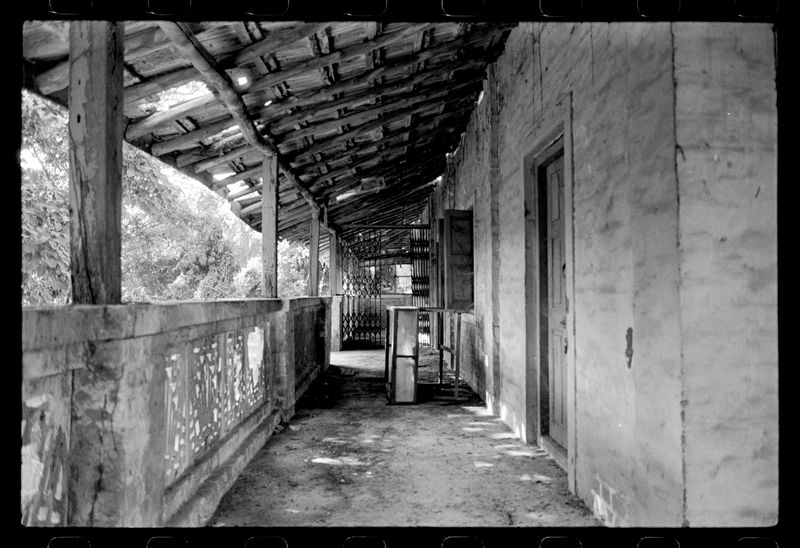
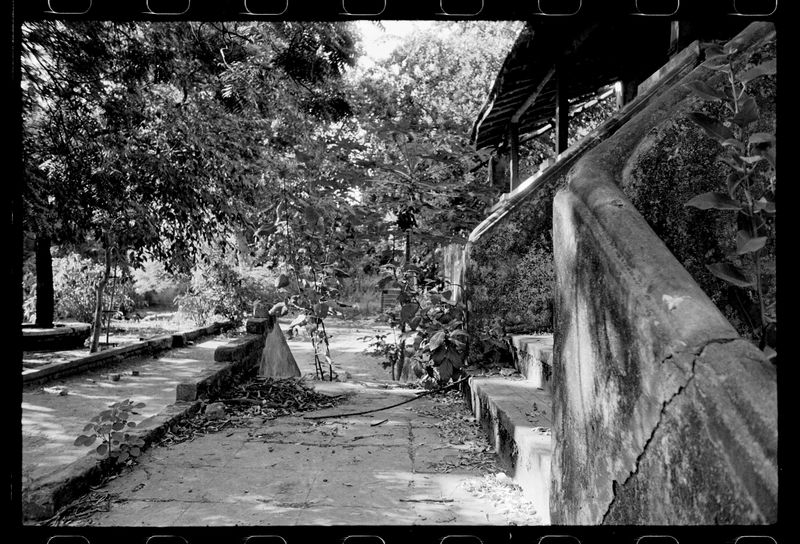
Echoes by the River is a reflection on the subtle vibrations of the temporal world. The river is the Sabarmati, along whose banks the city of Ahmedabad was founded. In 1917, M. K. Gandhi established his ashram here — a place where he lived for thirteen years, shaping his vision of truth and non-violence. The resonance of that time still lingers in the air and across the grounds by the river.
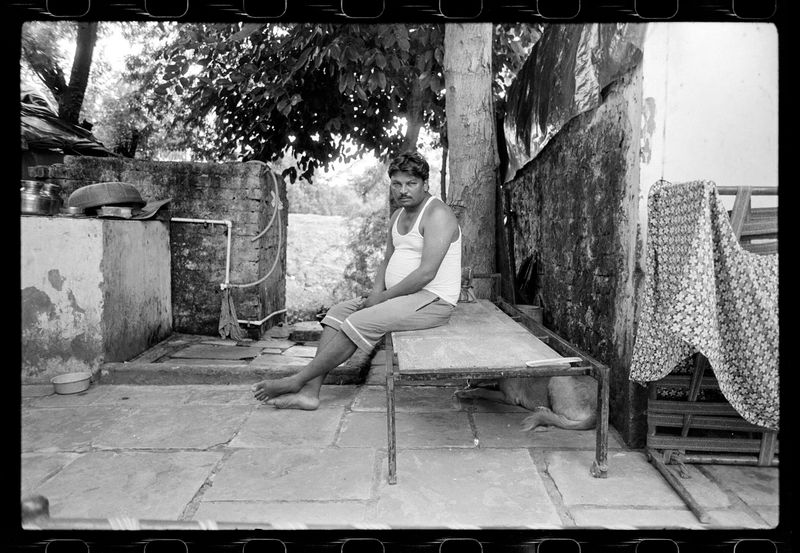
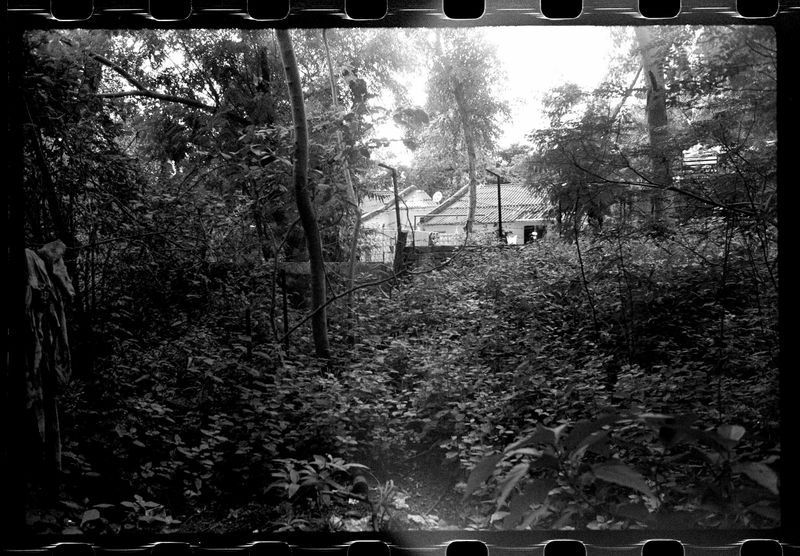
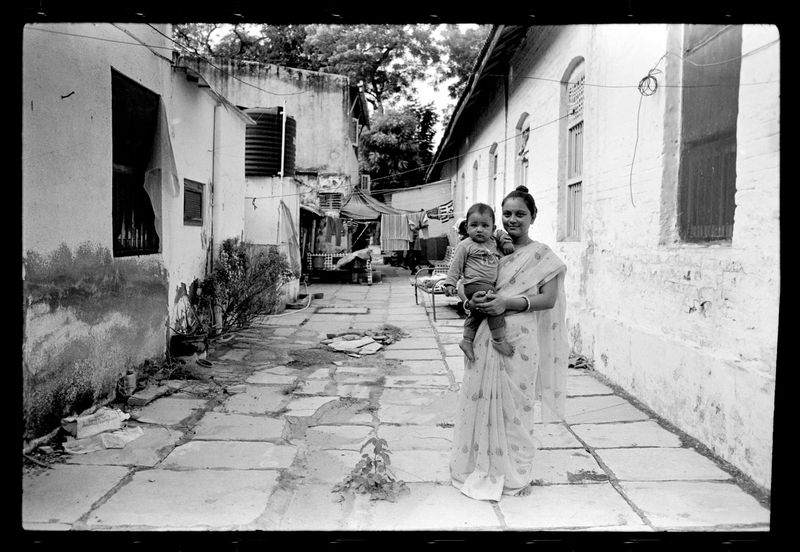
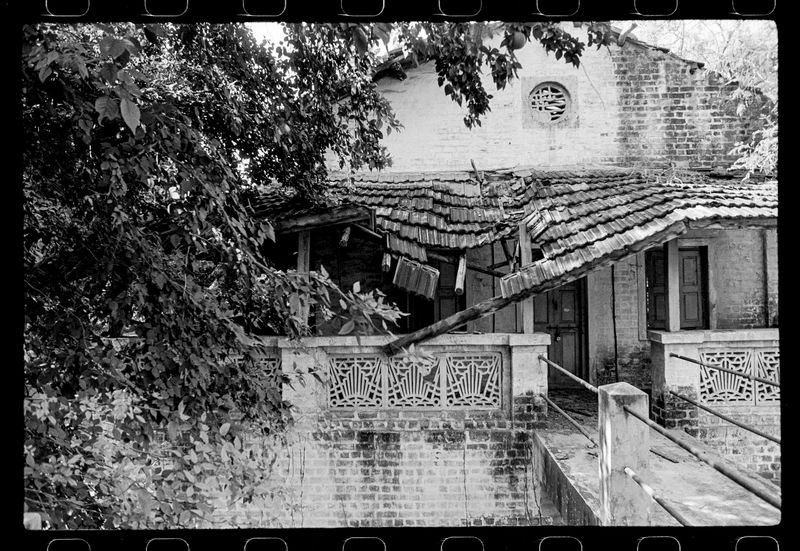
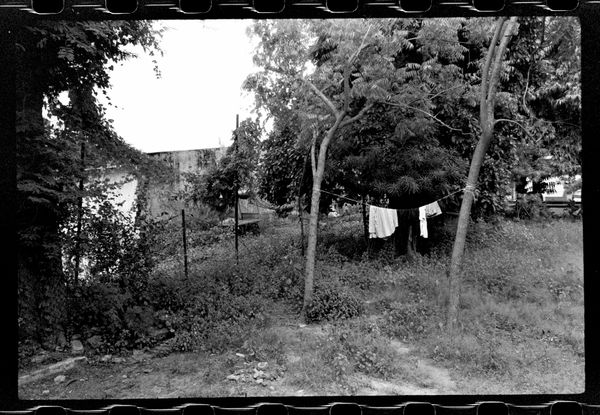
These grounds exist like a sanctuary — a utopian expanse within the city, yet somehow suspended outside its pace. They feel like fossils preserved beneath the sediments of time, while the world beyond has transformed beyond recognition. And yet, unlike fossils, the Ashram continues to breathe the air of its beginnings — though this, too, is bound to change.
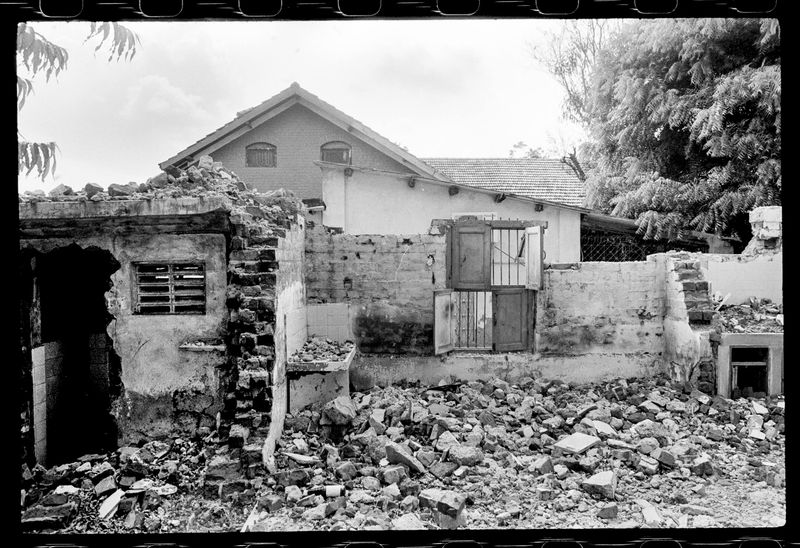
The Ashram precinct, spread across fifty-five acres, now faces imminent transformation under the government’s Sabarmati Ashram Redevelopment Project. Many fear that such interventions may compromise the fragile ethos that defines the site.
In 2021, I began a photographic documentation to record what endures before the winds of change alter its spirit. Over the years, I have often wandered through these grounds — mostly without intent. These images, too, emerge from that quiet purposelessness. They might be read as pages from an unwritten diary — meditations on a landscape where the past continues to breathe gently through the present.