Echo Only Post Office

-
Dates2024 - Ongoing
-
Author
Echo Only Post Office explores grief as a one-way system of communication. Images become echoes, sustaining connection across distance where presence can no longer be returned.
Echo Only Post Office
Echo Only Post Office is a visual chapter within my ongoing long-term project, Sliver Lining, through which I revisit childhood bereavement and confront death from the position of adulthood. My father died in 2007, when I was 11. That year became a permanent fracture, dividing my life into a “before” and an “after.”
As an adult, I return to my family archive not out of nostalgia, but with the unsettling knowledge of how everything will unfold. Ordinary photographs taken twenty years ago now carry a retroactive gravity: they depict a world unaware of its own ending. Childhood bereavement is an invisible conflict; the child does not witness the battle directly, yet carries its emotional debris for life.
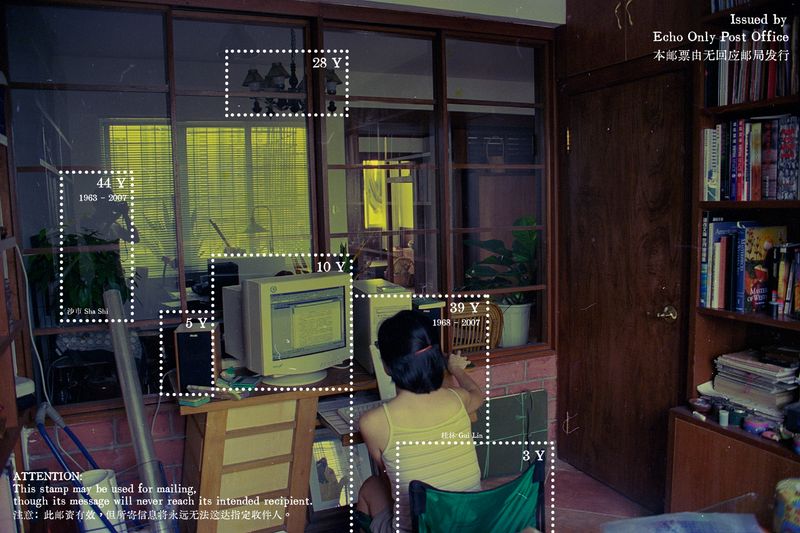
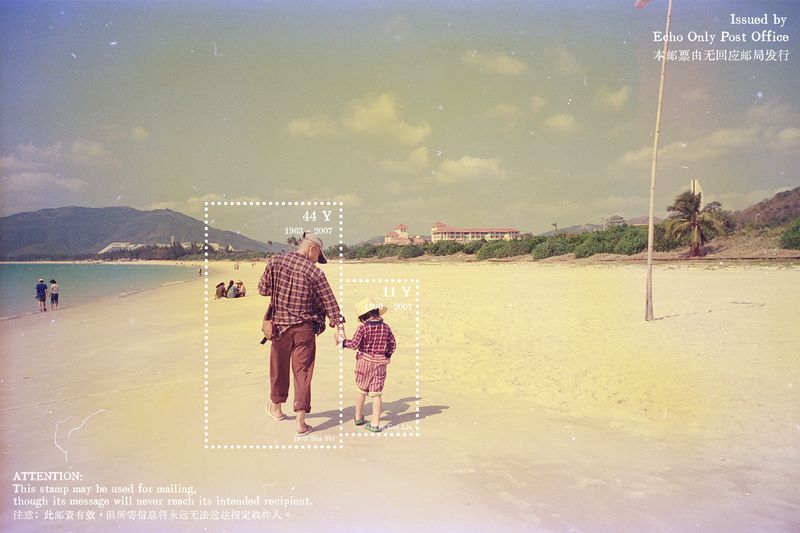
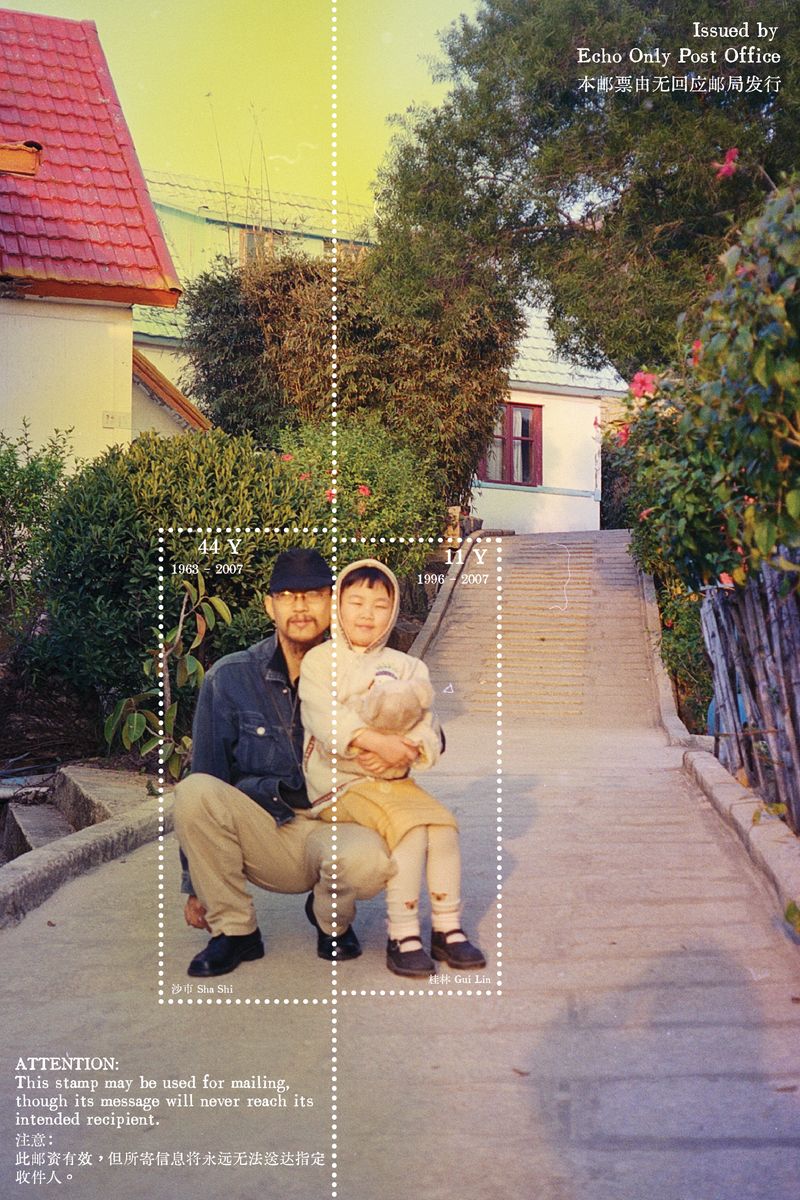
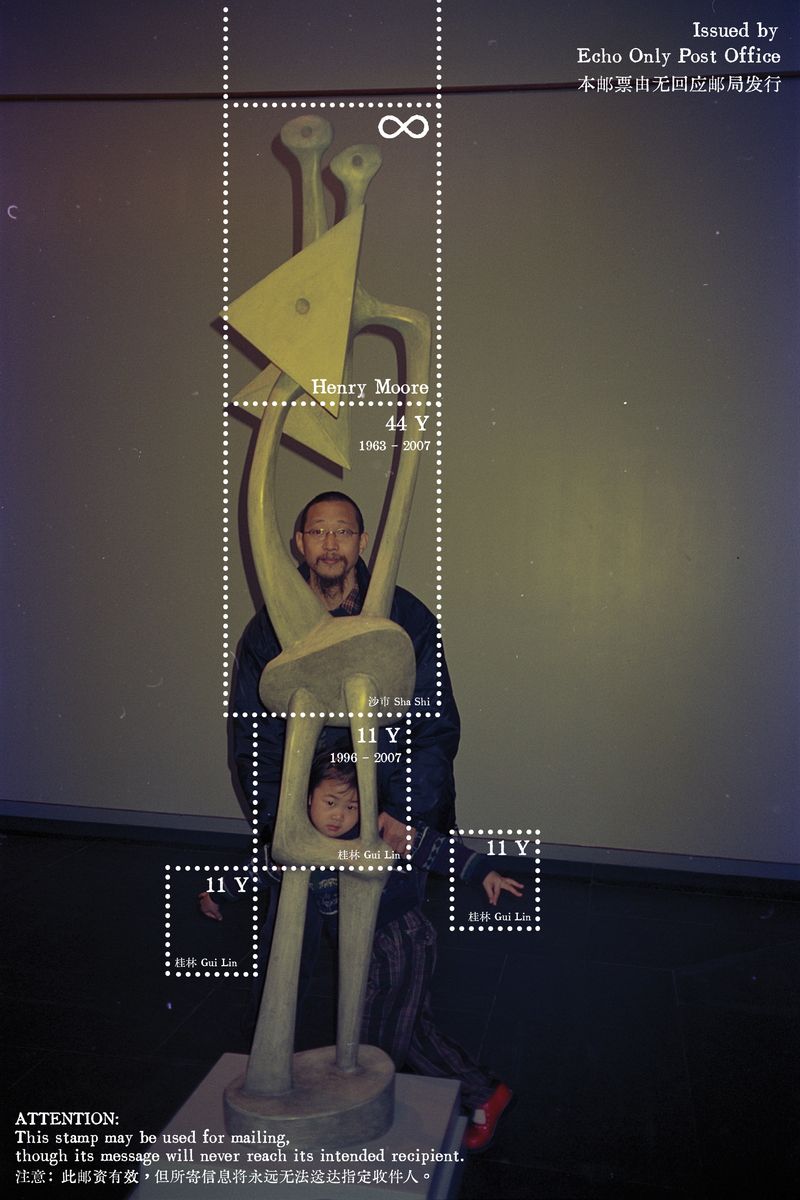
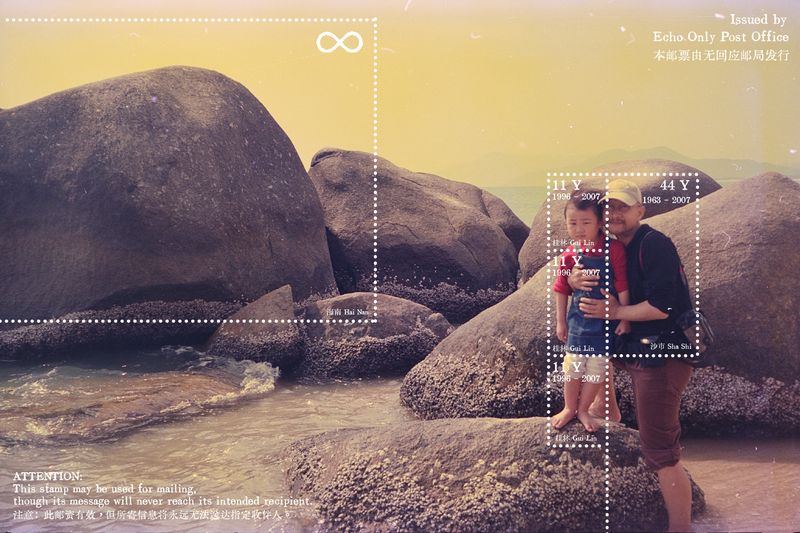
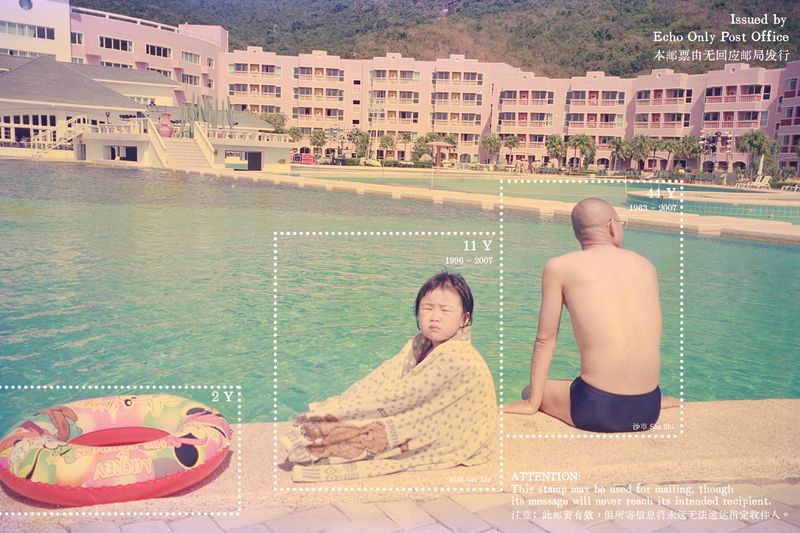
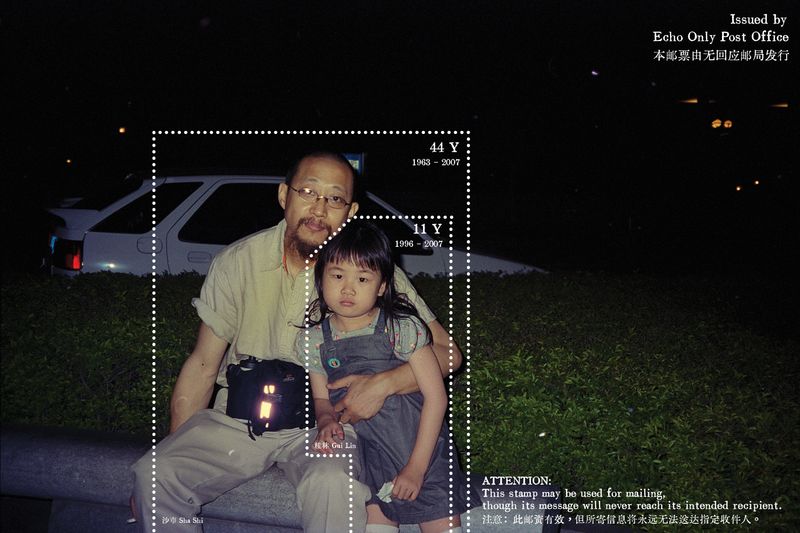
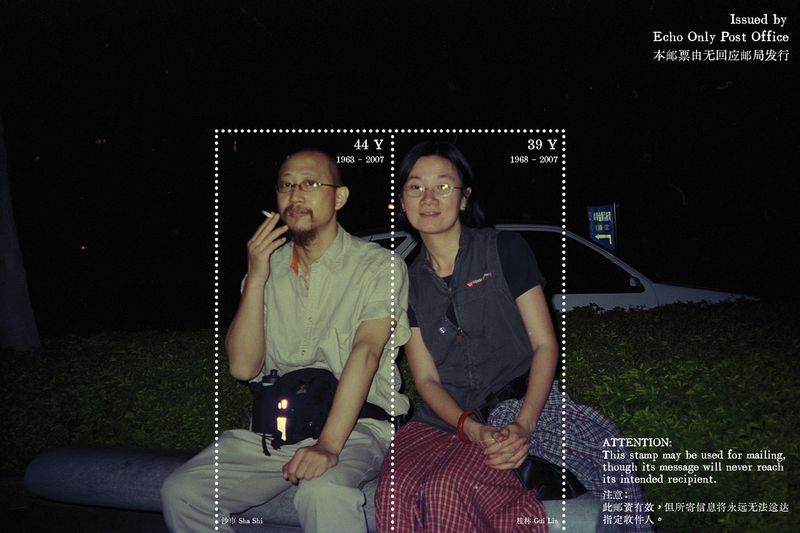
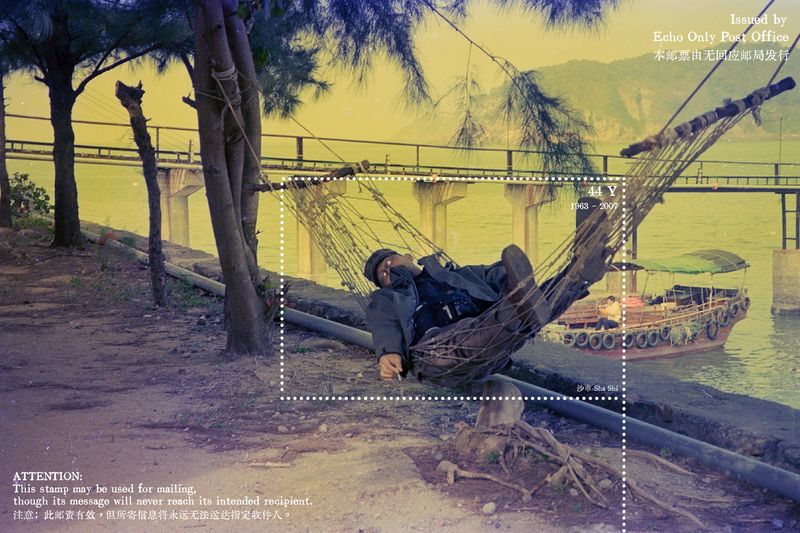
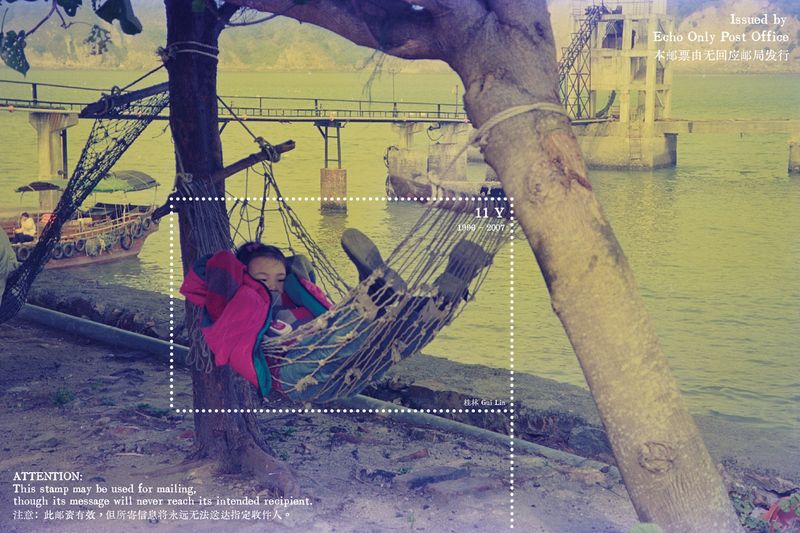
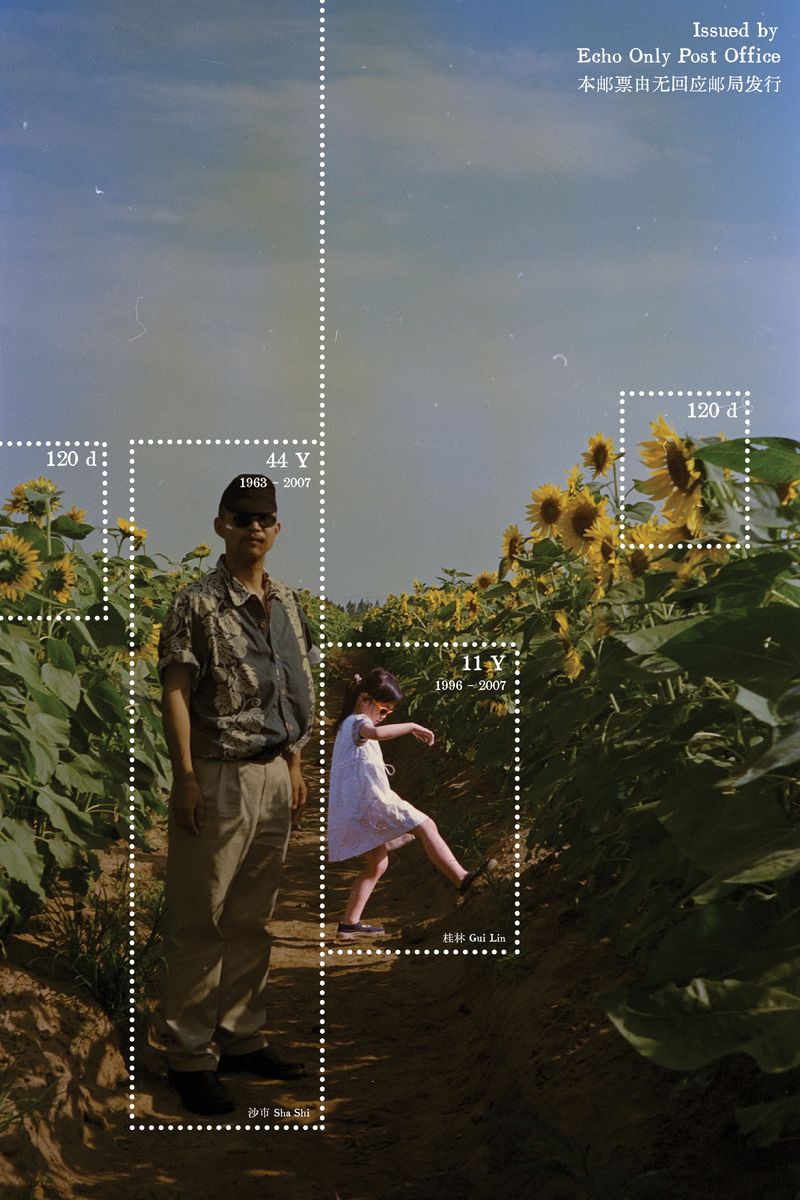
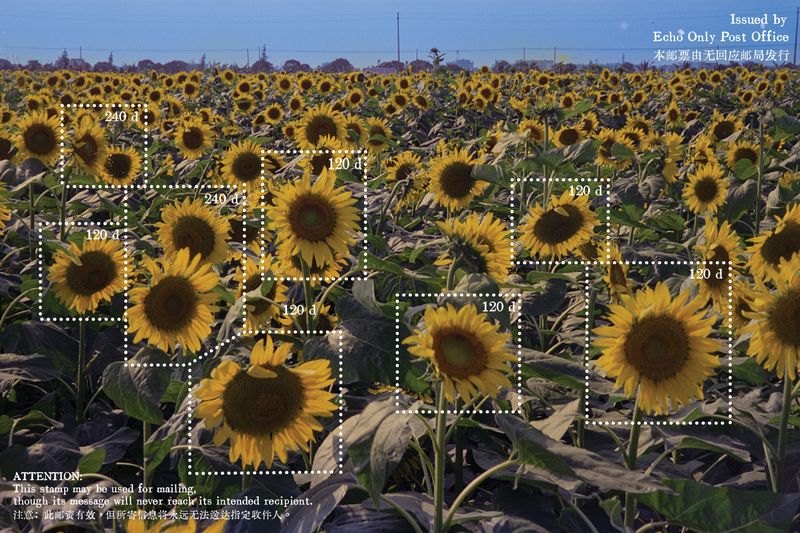
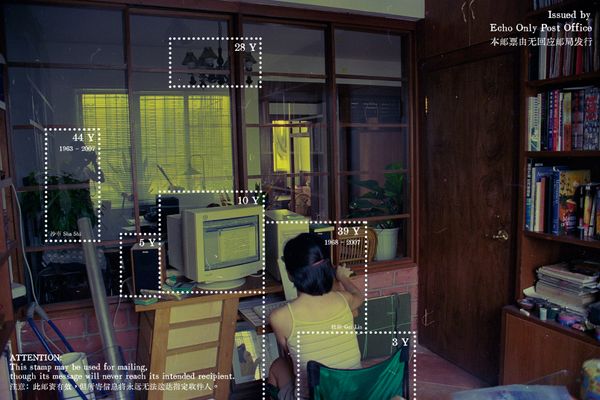
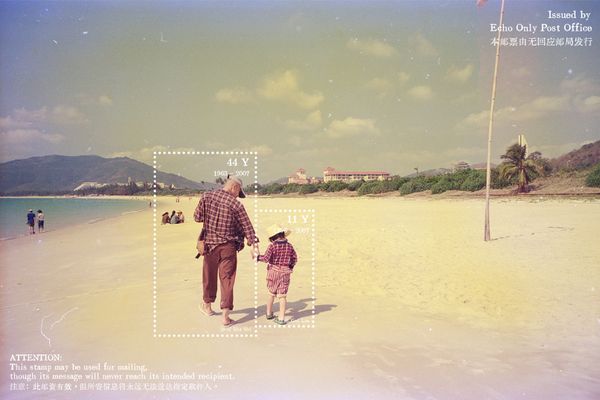
To articulate this condition, I created an Existential Value System. Each image becomes a postage stamp whose “value” measures not monetary worth, but the duration or mode of existence. My father’s stamp is valued at 44 years, the length of his life; my mother’s at 39 years, her age when he passed away; mine at 11 years, the time before the fracture. Objects are valued by their material lifespan, from the brief bloom of a sunflower to the near infinity of stone.
The fictional institution in the corner of this work, Echo Only Post Office, allows sending but not receiving. It mirrors the psychology of grief, especially childhood grief, as a lifelong one-way dialogue with the dead. Yet beyond trauma, the archive also reveals persistence and tenderness. Through stamps, values, and echoes, this project examines how loss reorganises memory, identity, and time, where every image becomes both evidence and reverberation.
After my father’s death, I experienced life as if confined to an island. The continuity of a presumed future collapsed, and time split into an irreparable before and after. This project does not resolve that isolation, but reconfigures it. What appeared once as a singular rupture gradually unfolds into a more complex topology — an archipelago of relations, where separation persists, yet connections continue across distance.
Within this framework, grief becomes legible not only as an individual emotion, but as a shared condition: a mode of coexistence with absence. It reveals how relationships can endure without resolution, how irreducible distance does not erase connection, and how presence can be sustained through echoes rather than direct exchange.
Love, like grief, is an echo: quiet, continuous, and formative.