Dying to Breathe
-
Dates2025 - Ongoing
-
Author
- Location Jordan
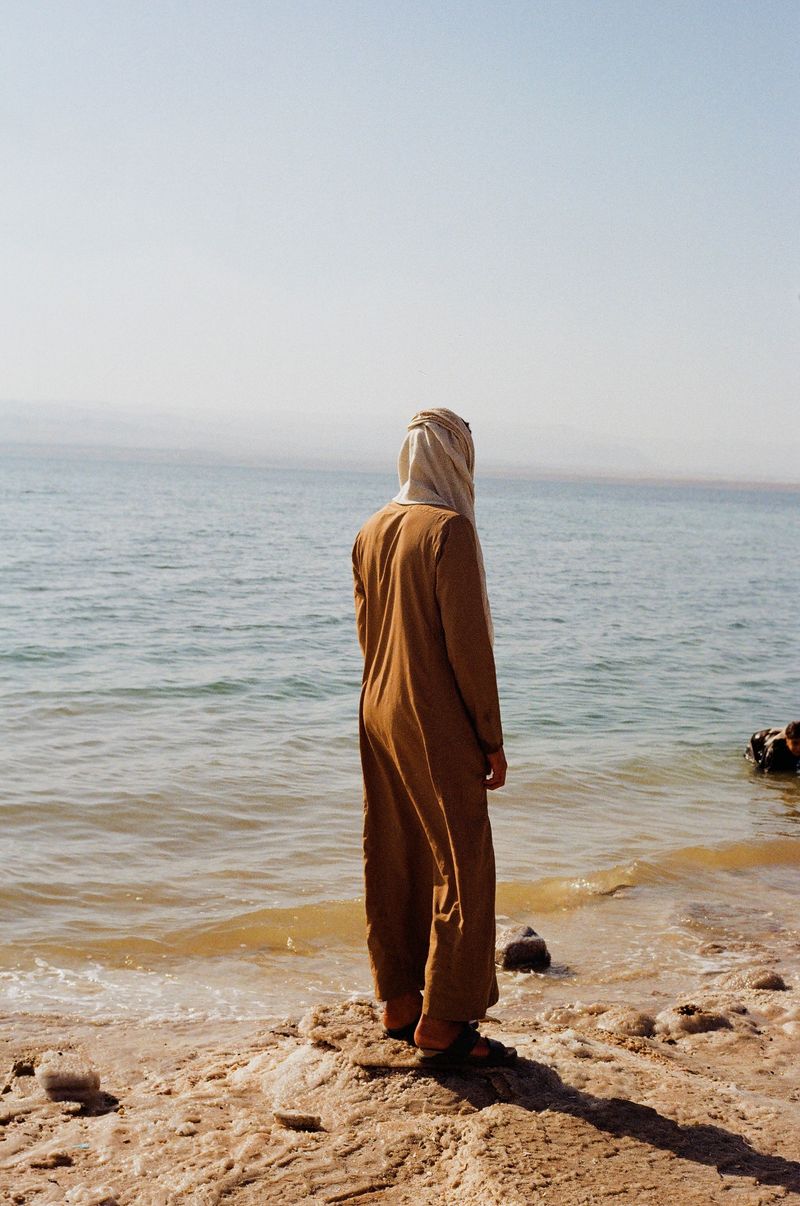
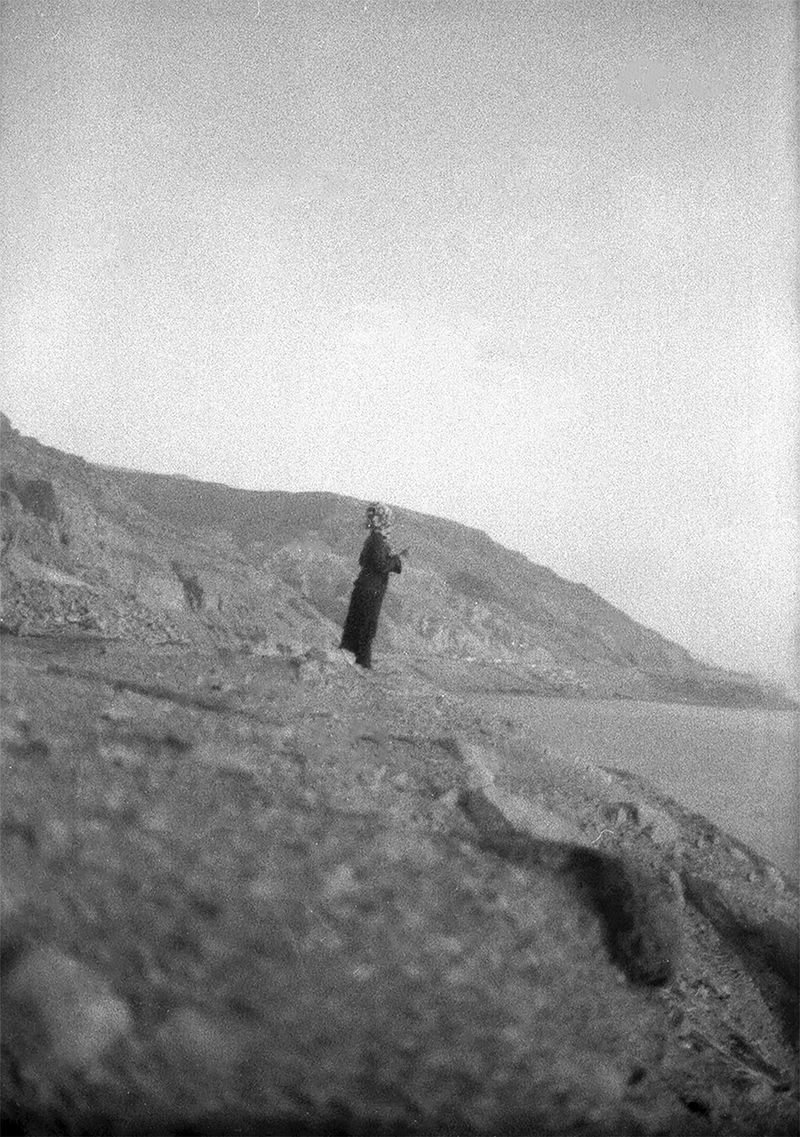
The Dead Sea is a fragile sanctuary where intimacy, freedom and spirituality intersect. As extraction, environmental collapse, and militarization reshape the landscape, the project asks who gets access to space? and what happens when sanctuary disappears?
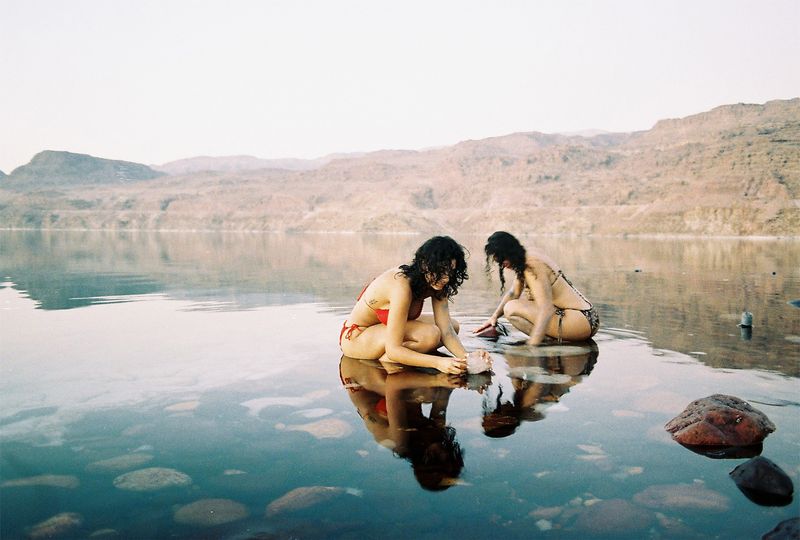
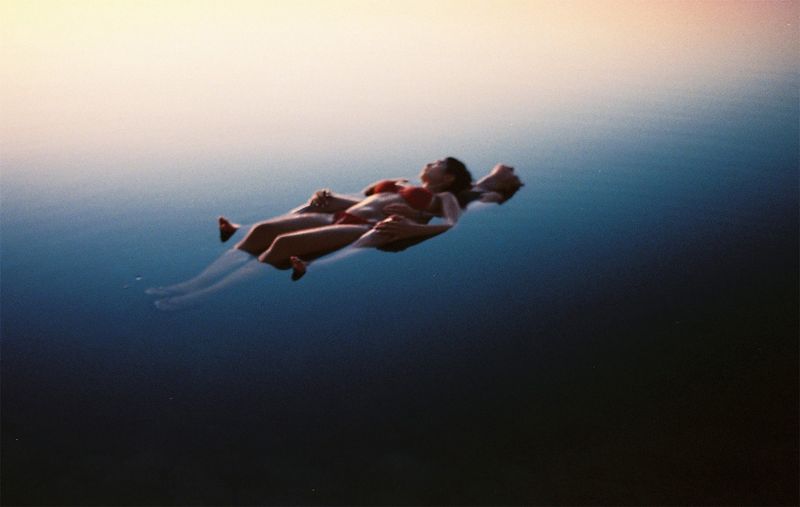
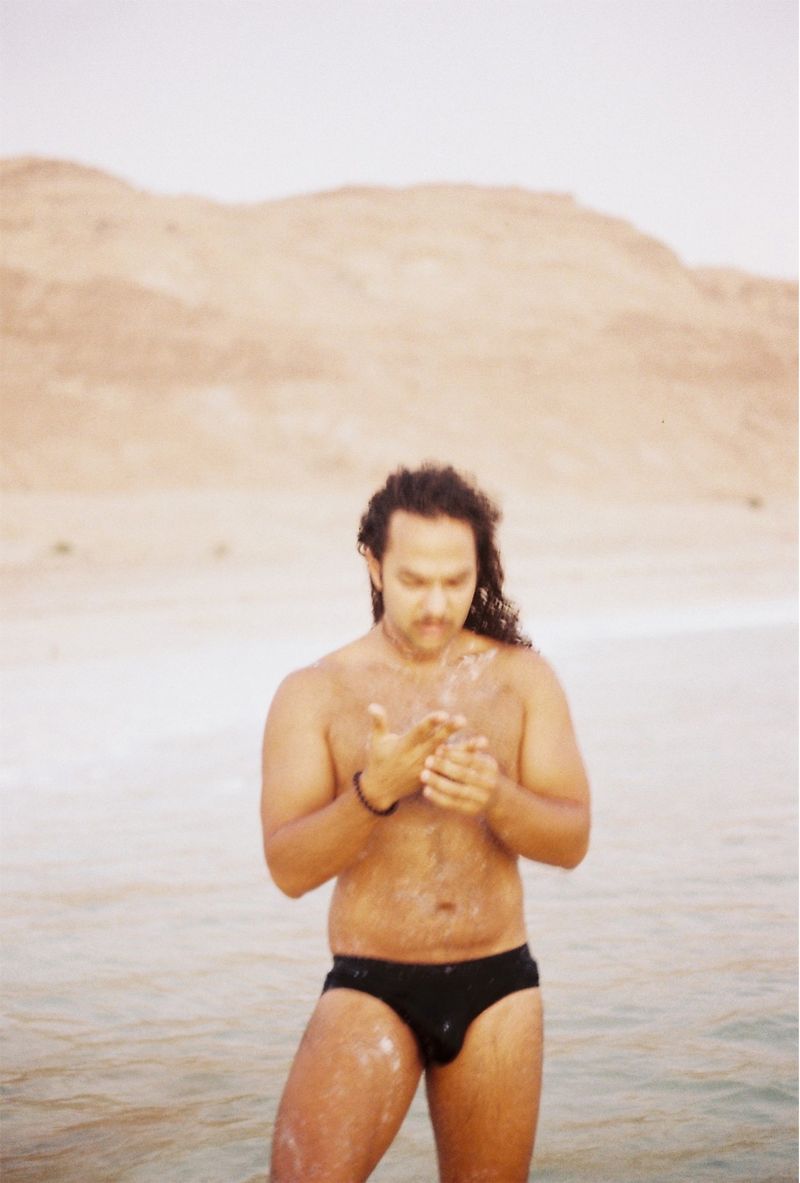
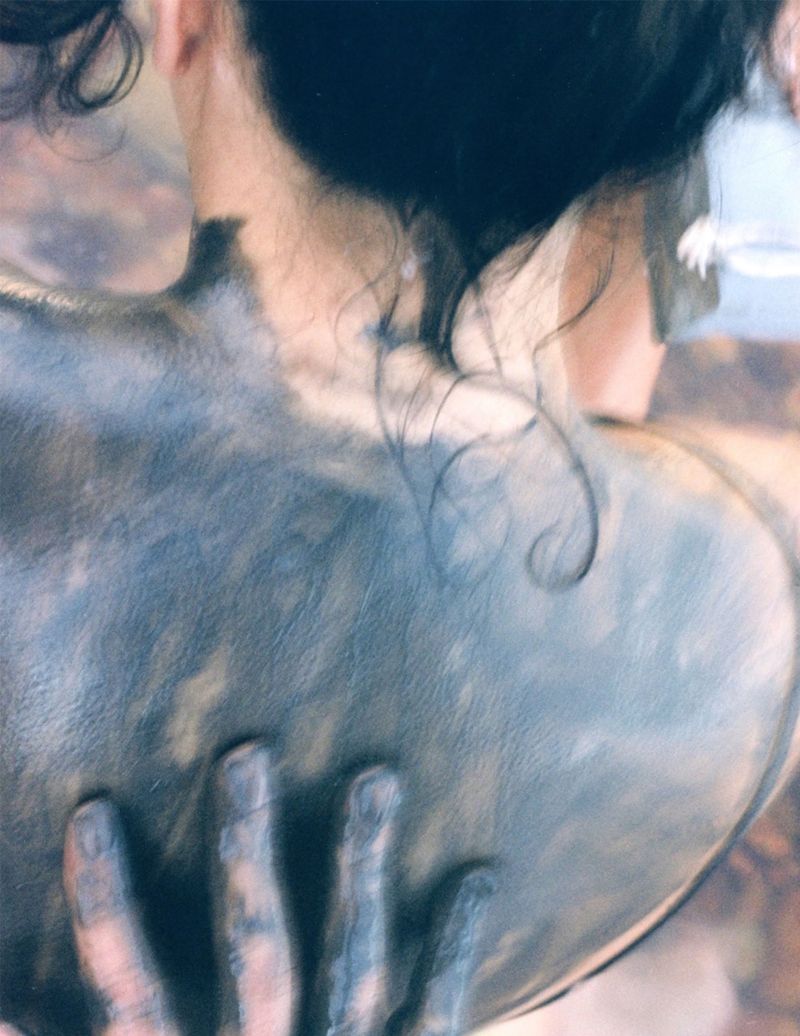
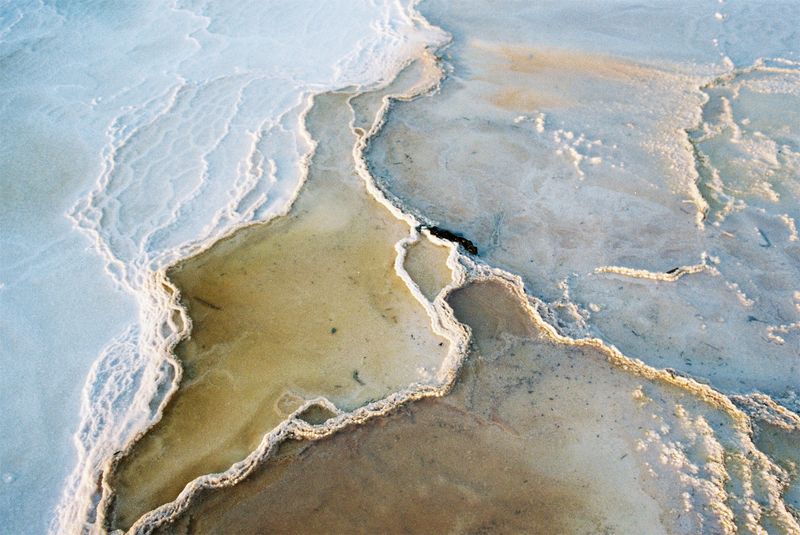
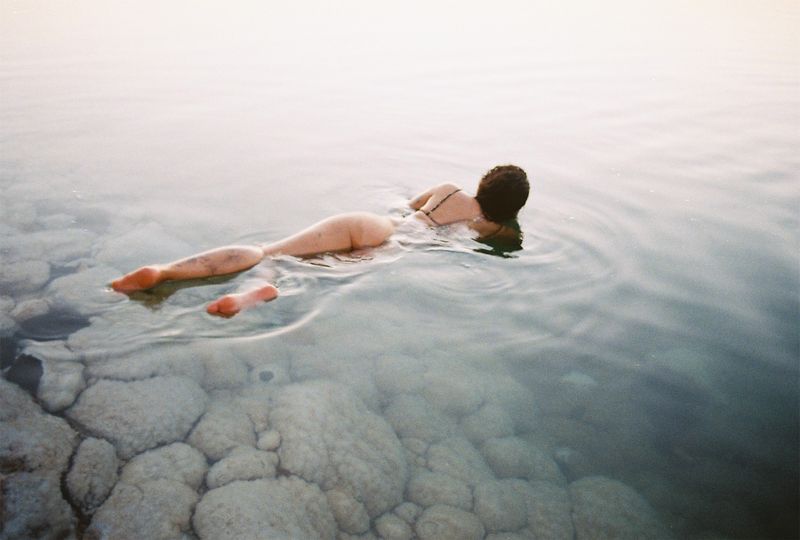
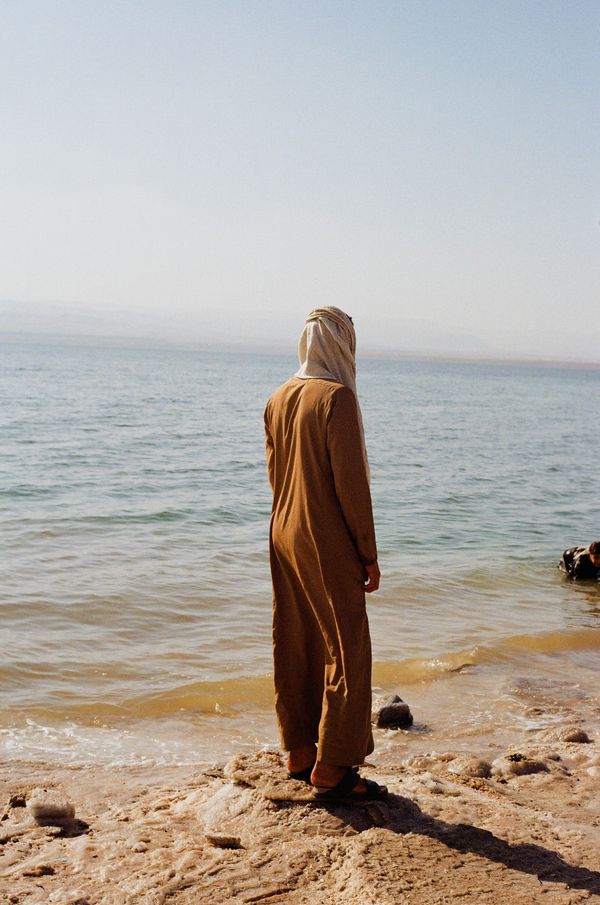
The water of the Dead Sea is thick and dense, so much so that one can only float in it but never dive; the water does not allow you to penetrate its deeper body, and if you do, it swallows you up.
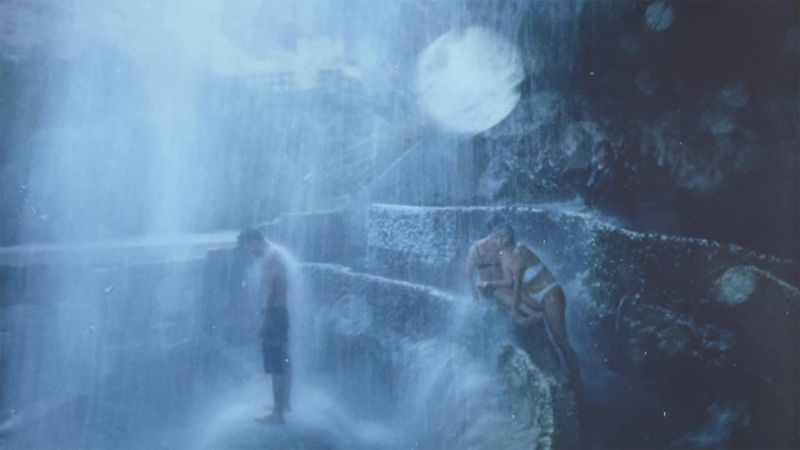
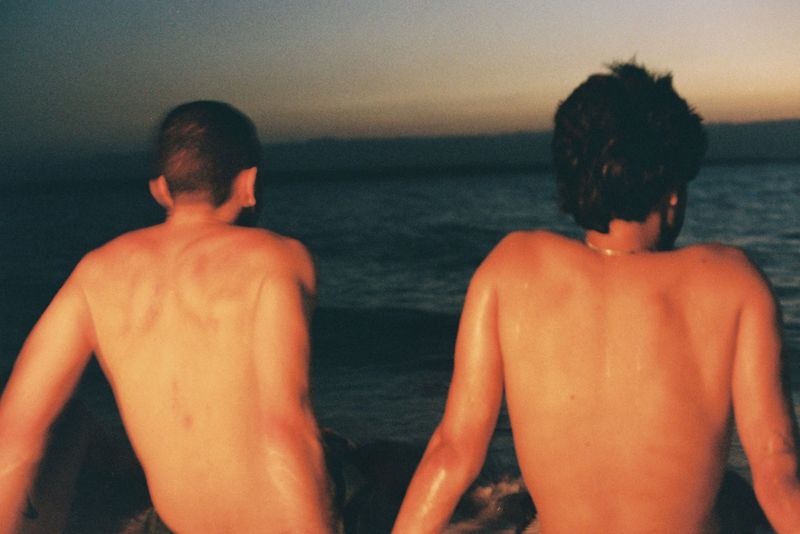
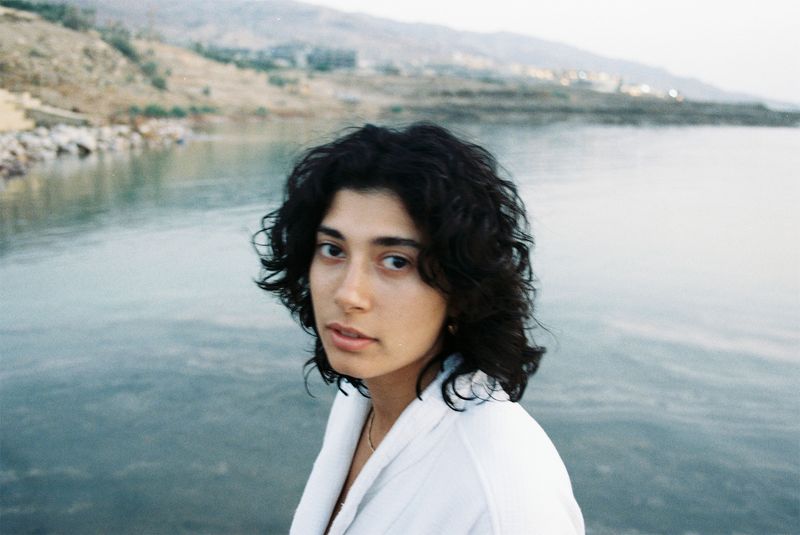
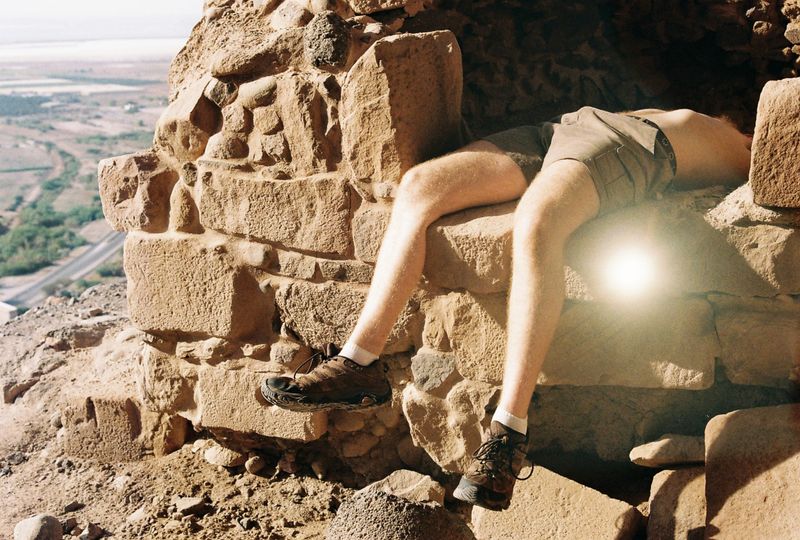
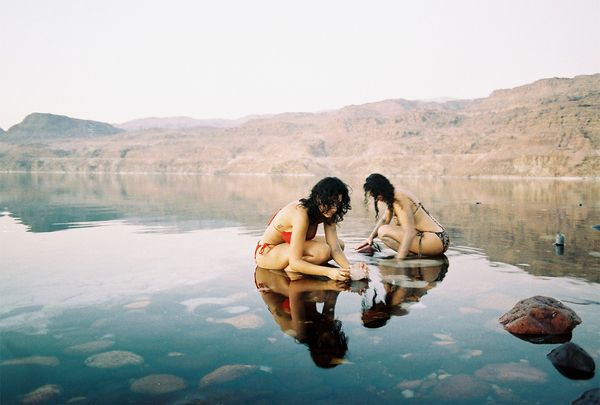
It is a rare public space where we gather from across Jordan to explore our freedoms. Hidden bush areas around its shores have become secret cruising sites where we go seeking privacy.
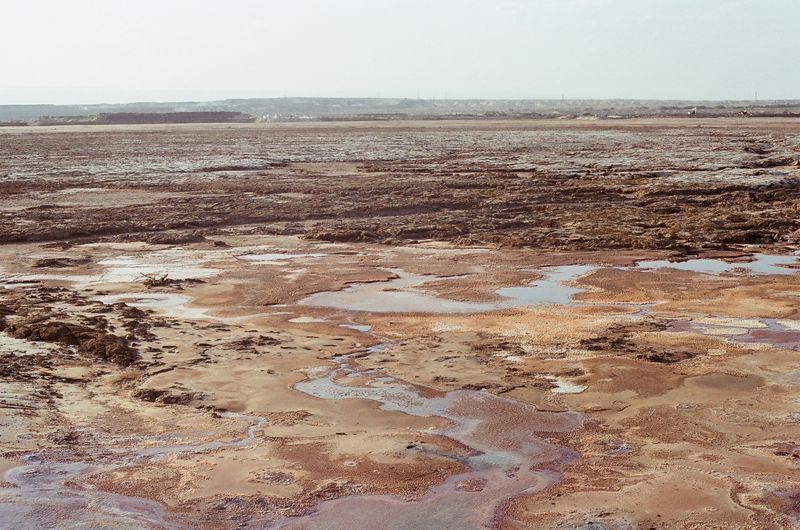
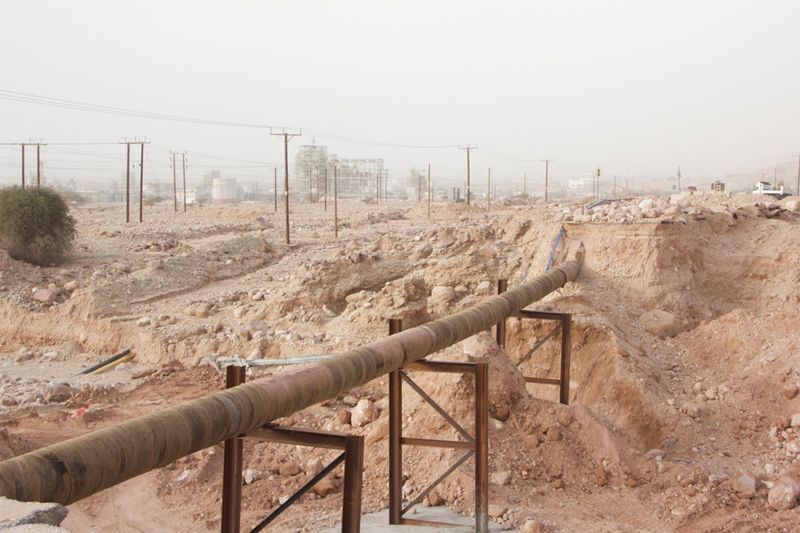
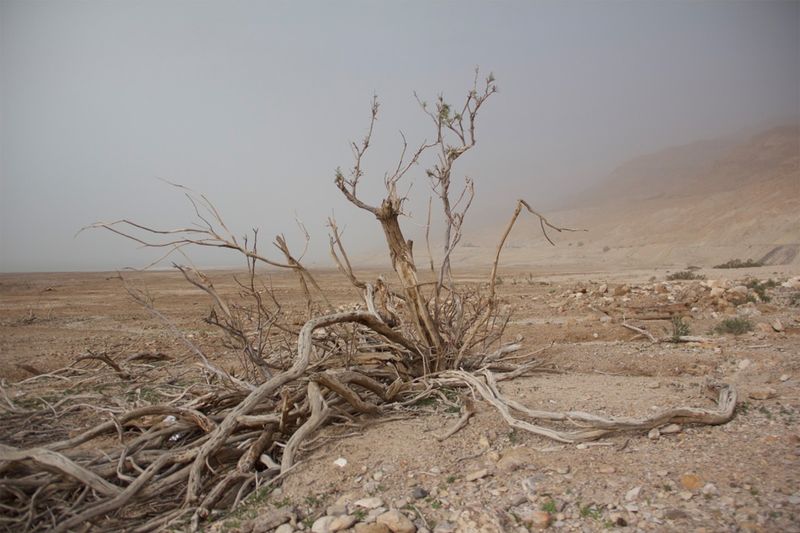
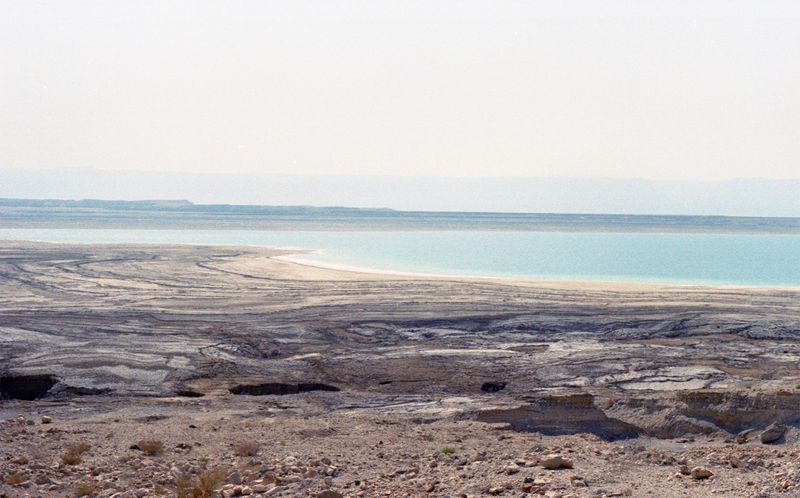
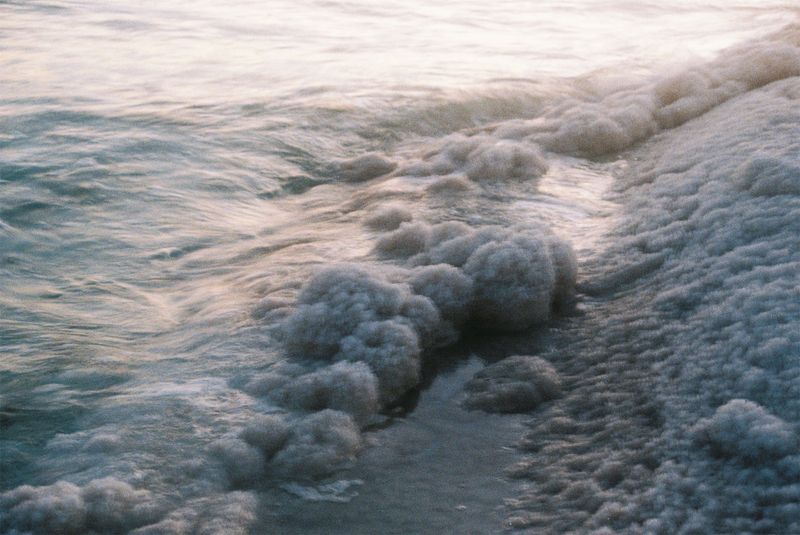
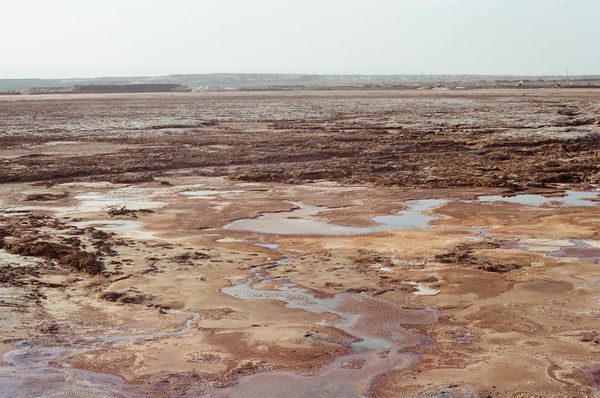
Though it has existed since biblical times, it is vanishing rapidly because of mineral-extraction industries on its southern shores, and the Zionist extraction of water from its tributaries, especially the Jordan River.
As the Sea recedes, a border is space dissolving and the area is slowly devolving into a fully militarized zone, soon to be completely inaccessible to the public.
How is it that a space can simply disappear? Where will we go to find sanctuary once it vanishes? And why is it that no one cares?
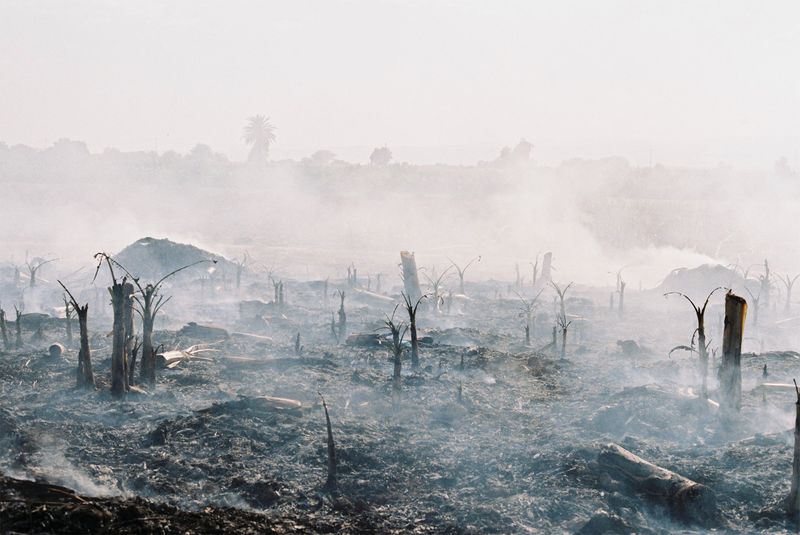
As the forces of capitalism and colonialism assault the Sea’s landscape, destroying everything in their path, it feels as though the earth is crying in pain; broken, then abandoned to its own ruin. I am frustrated by how easily it is violated. Do they feel entitled to this assault simply because the Sea has long been considered dead?
For me, the Dead Sea feels like a womb, I surrender to it and in return, it carries me, warmly... effortlessly. I come here to connect with the Divine; Jesus, Moses and Mohammed all carried their messages along its holy shores. When I visit the sea with my lovers, it is the type of beauty that reminds you that you are brief.
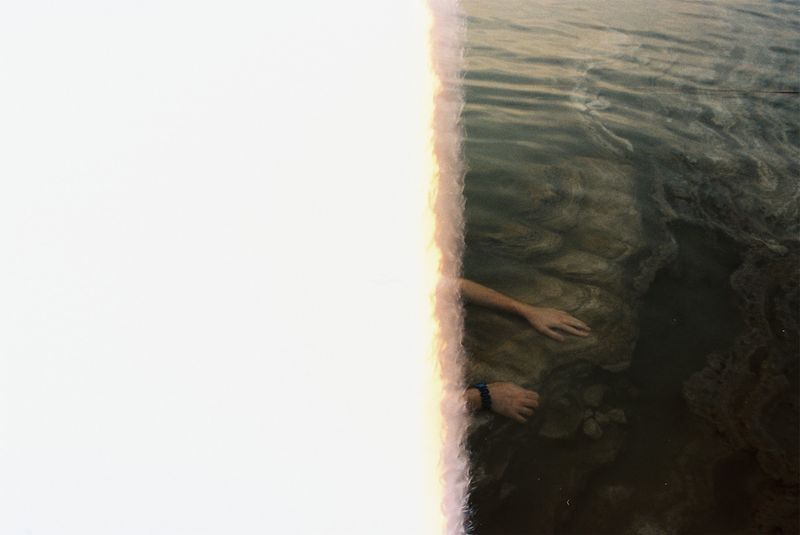
Seeing its destruction fills me with the desire to throw up, or yell, but it feels like I am yelling into a void, no one is there to receive my anger. So instead I just cry. “There are bigger wars to think about”, they say, “In our region, who has the time to care about a dead Sea”?
Jordanian military personnel check our every move as we move along the highway that runs alongside to the Sea; a suffocating sense of paranoia permeates the space. Across the border on the other side, occupation forces surveil our every move, letting it be known that even as we float we are denied the space to exist freely in our own bodies. Our breathing space has been tightened.