Dreams Between the Tides
-
Dates2025 - Ongoing
-
Author
- Topics Fine Art
- Locations Ningbo, China
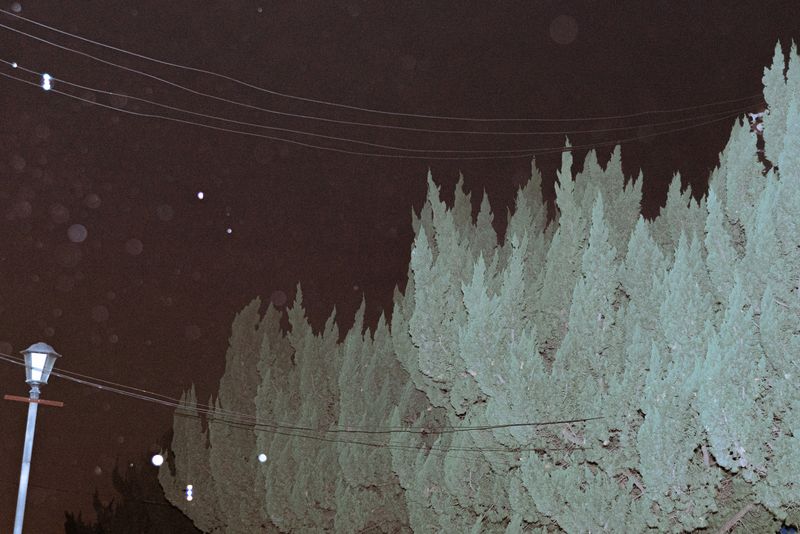
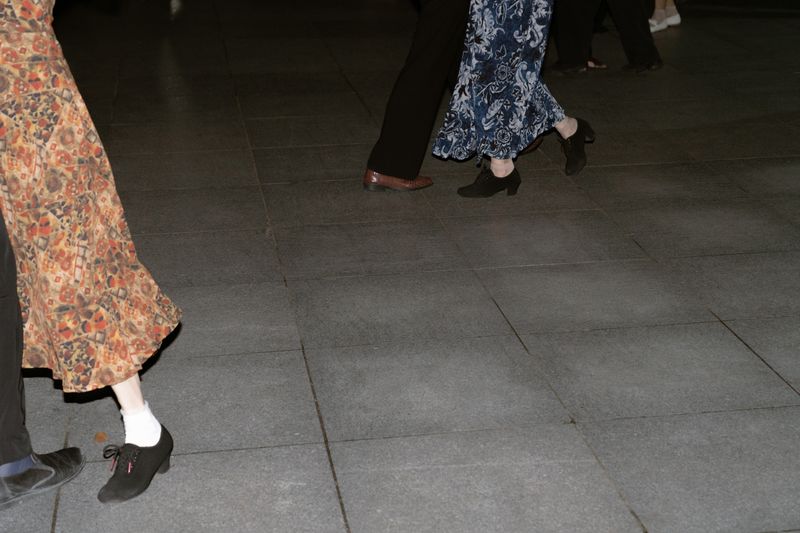
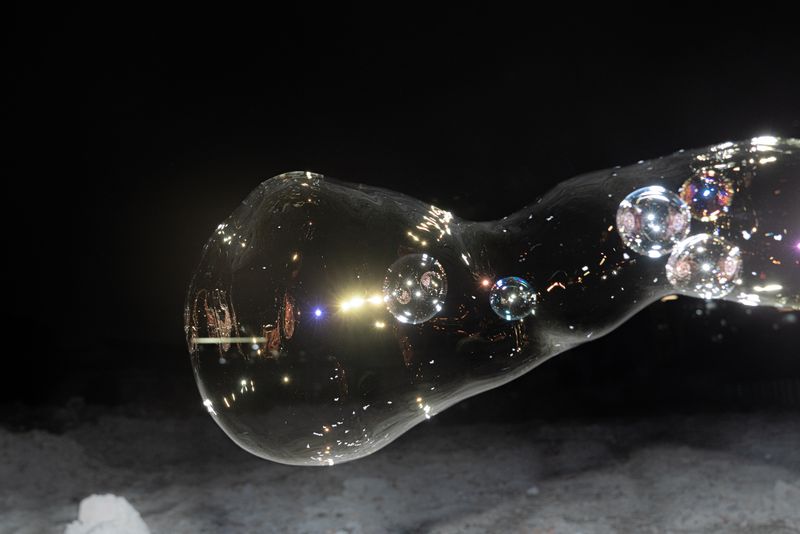
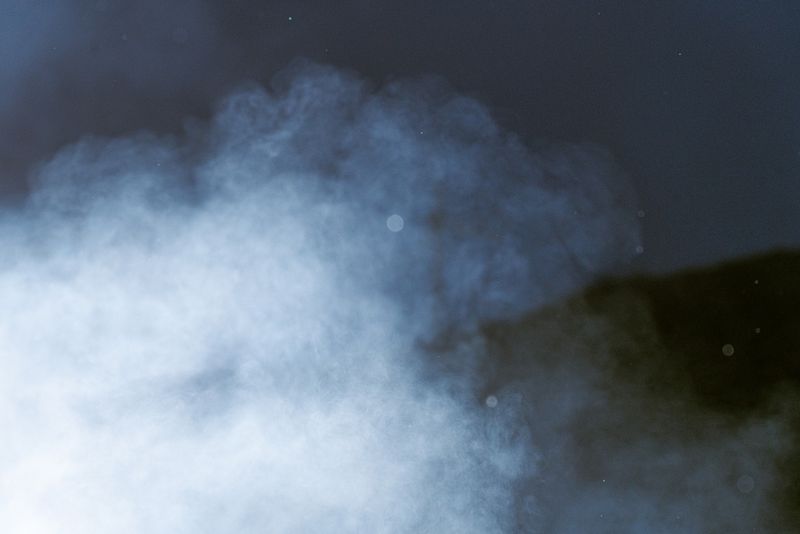
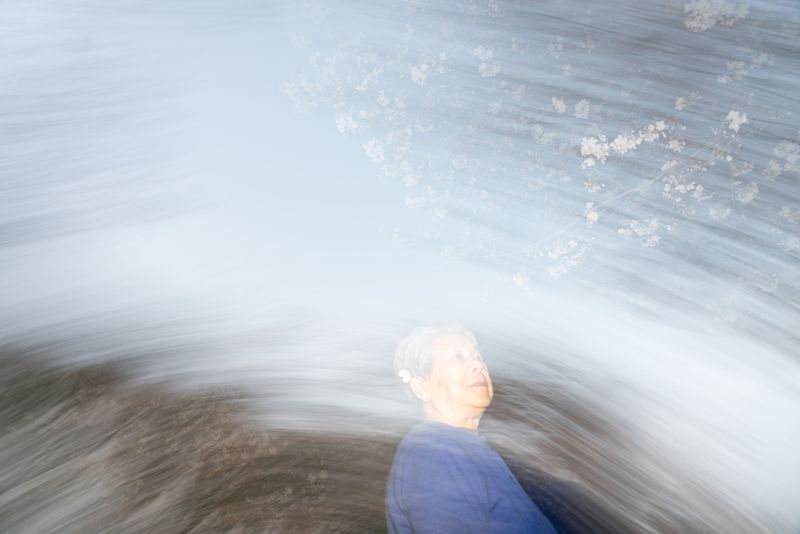
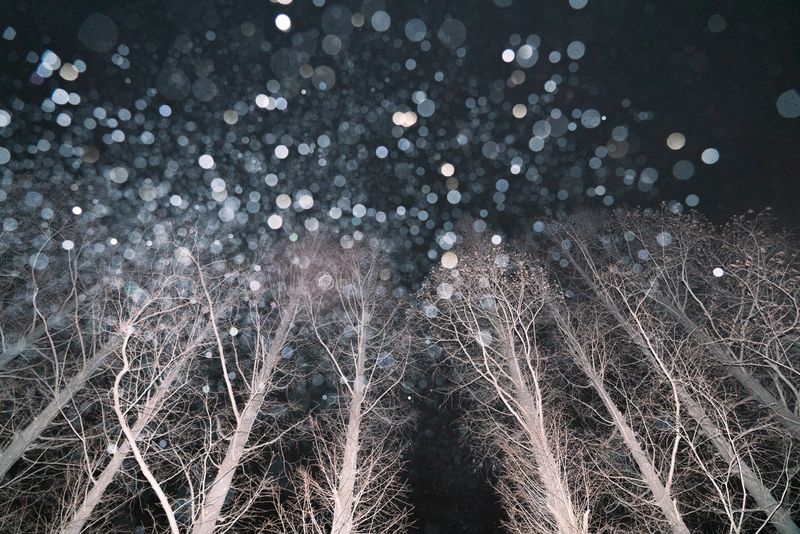
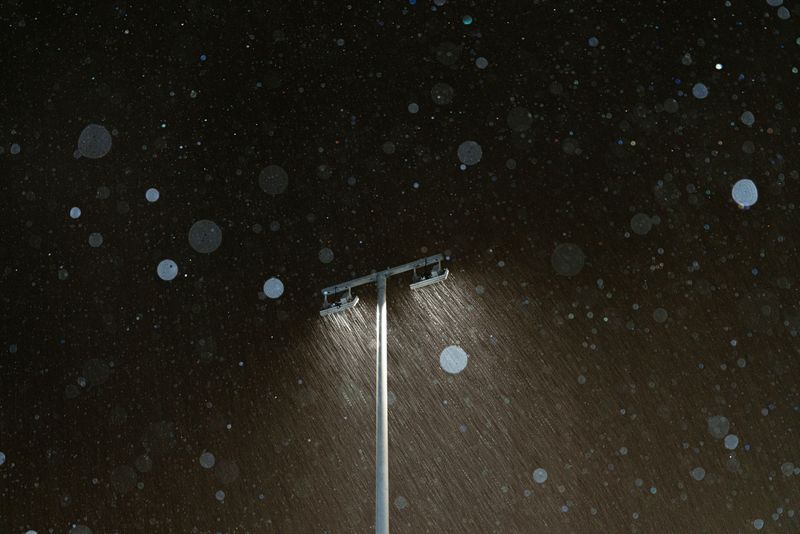
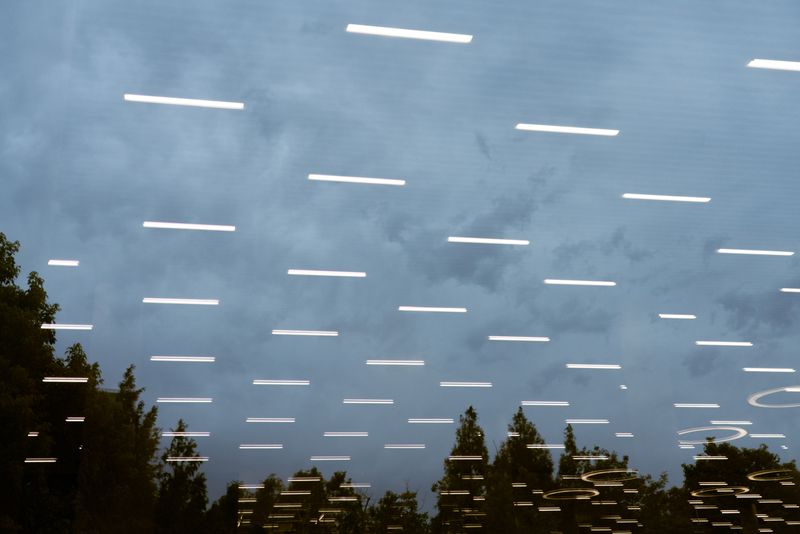
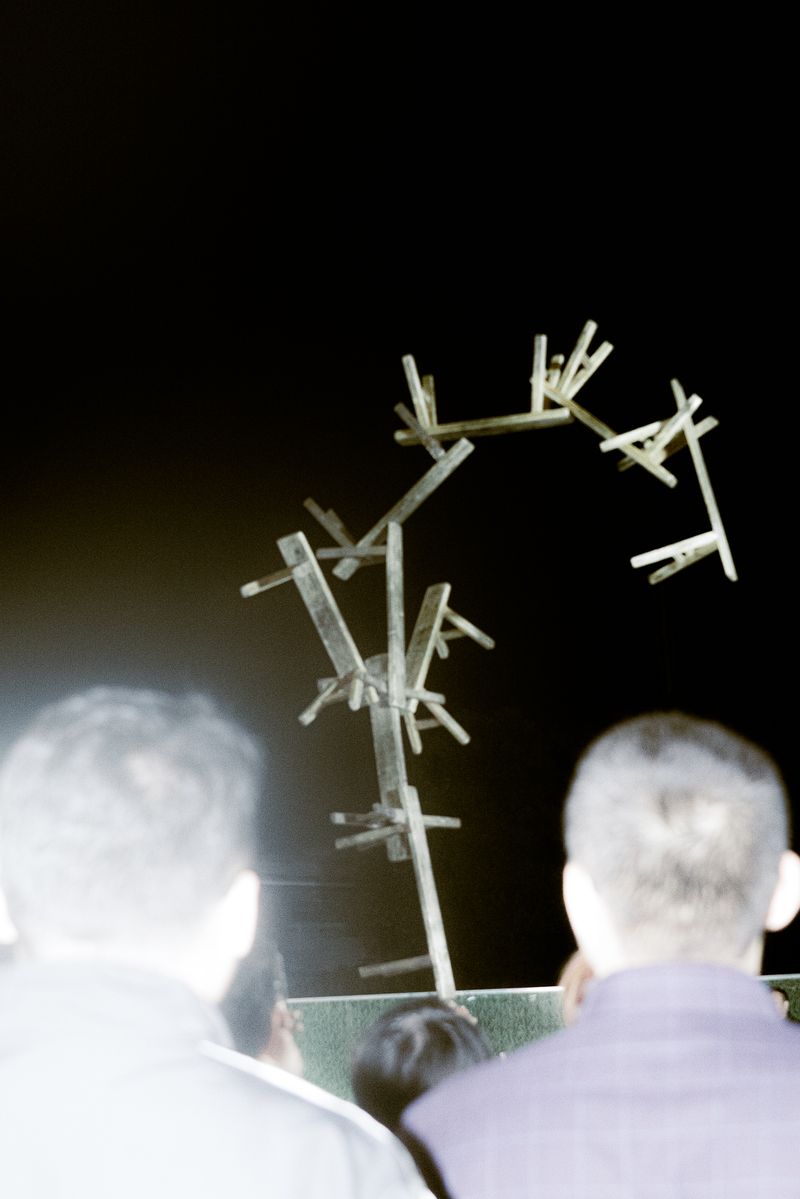
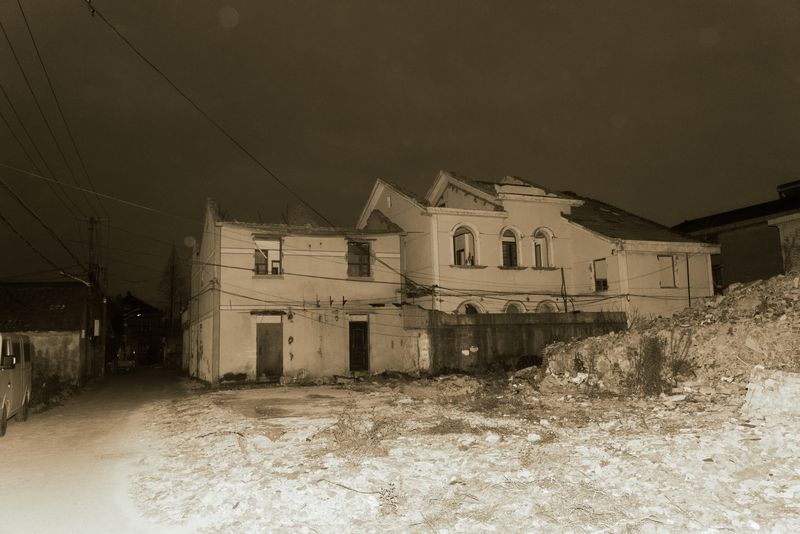
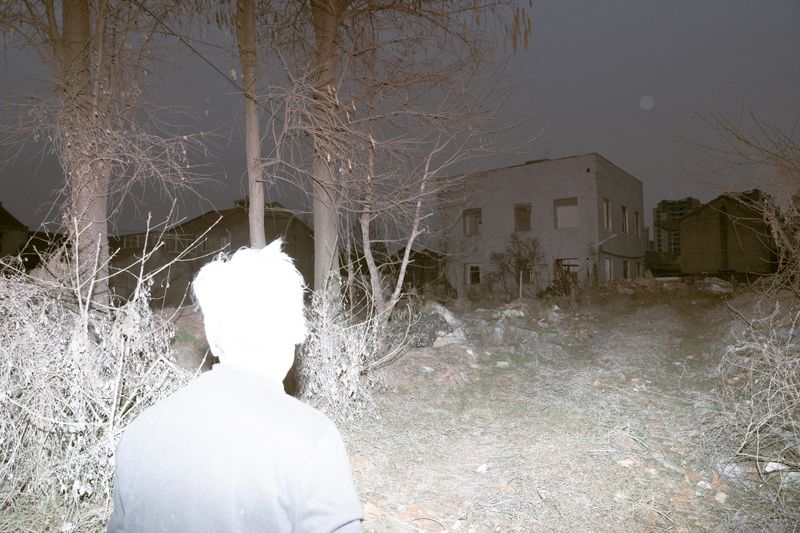
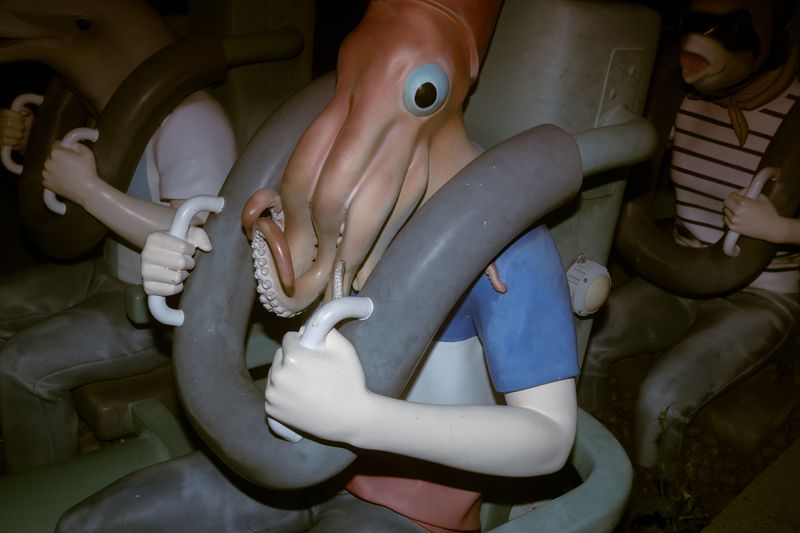
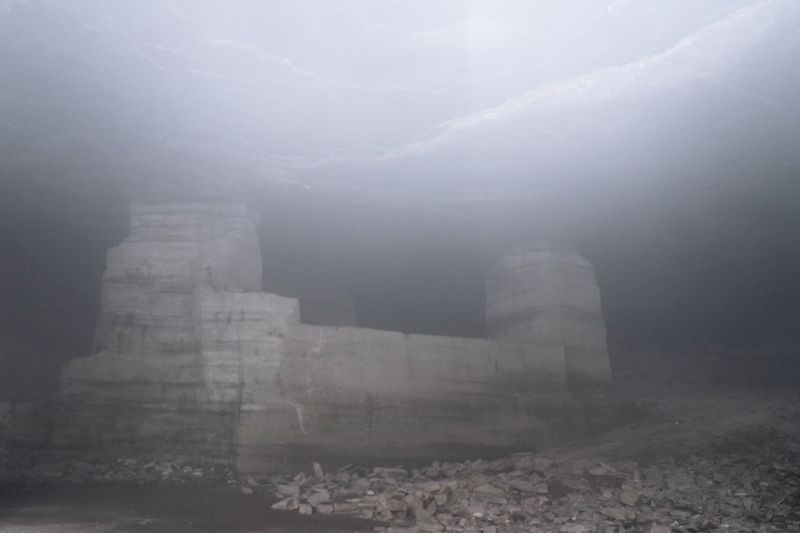
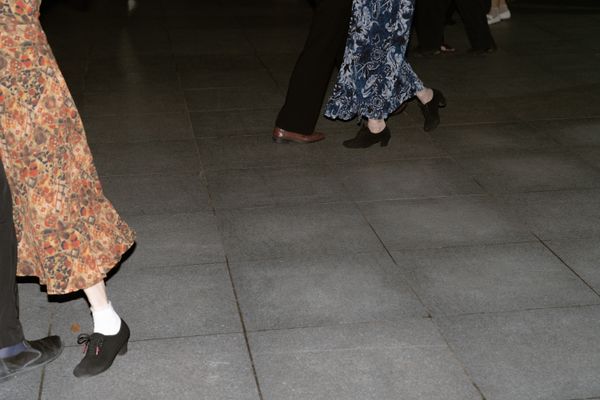
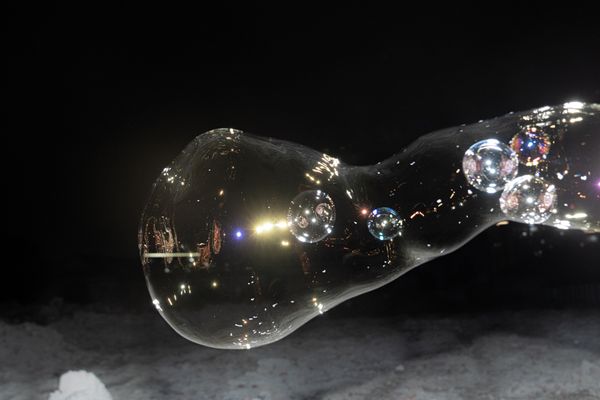
I walked at night with my grandmother through peri-urban fringes, using flash to render visible the liminal state between memory and forgetting. The work asks:If the old world shatters and the new one has no place for the soul, how to breathe in this mud?
“Every man’s life is a journey toward himself, the attempt at a trail, the intimation of a path.” — Hermann Hesse, Demian
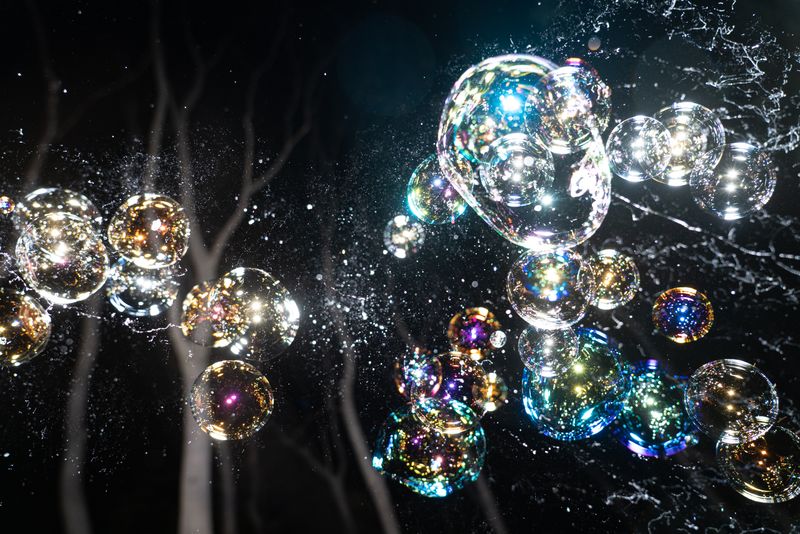
The Dream Between Tides is an interior expedition conducted through images—an exploration of a sustained liminal state: between waking and sleeping, between memory and forgetting, between a world receding and one not yet arrived.
I was born in China at the turn of the millennium, in a coastal town where acceleration arrived like a surging tide. Time was no longer linear; it became compressed into a disoriented rhythm of rising and receding. For a long time, I could not sleep—consciousness kept rising when it should have receded, kept moving when it should have been still. To adapt, the body mutated; I found myself suspended in the interval. It was in this state that I began to walk.
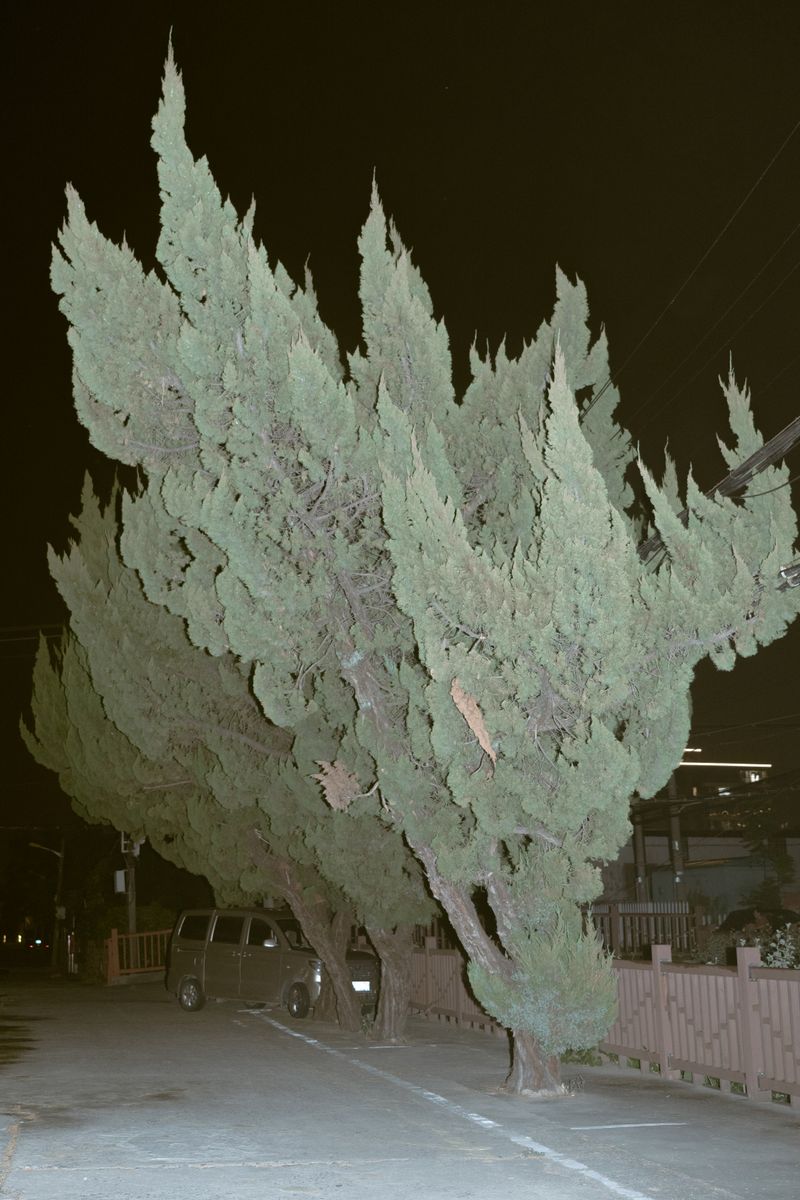
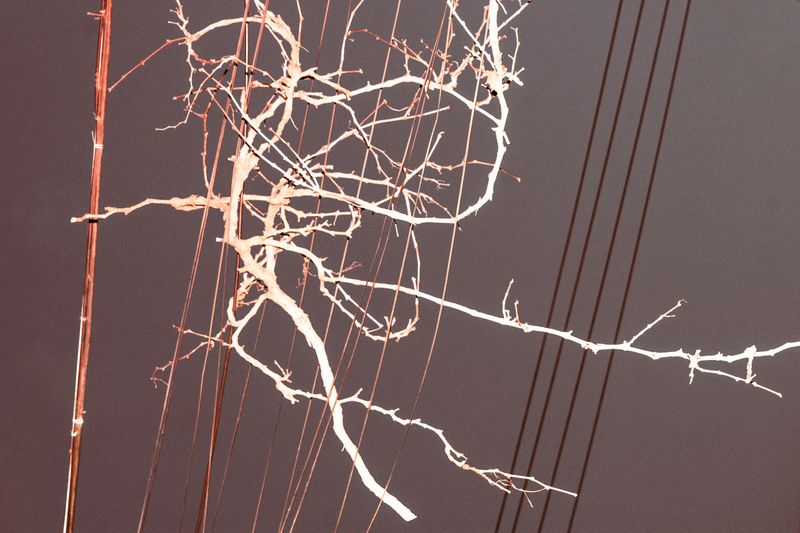
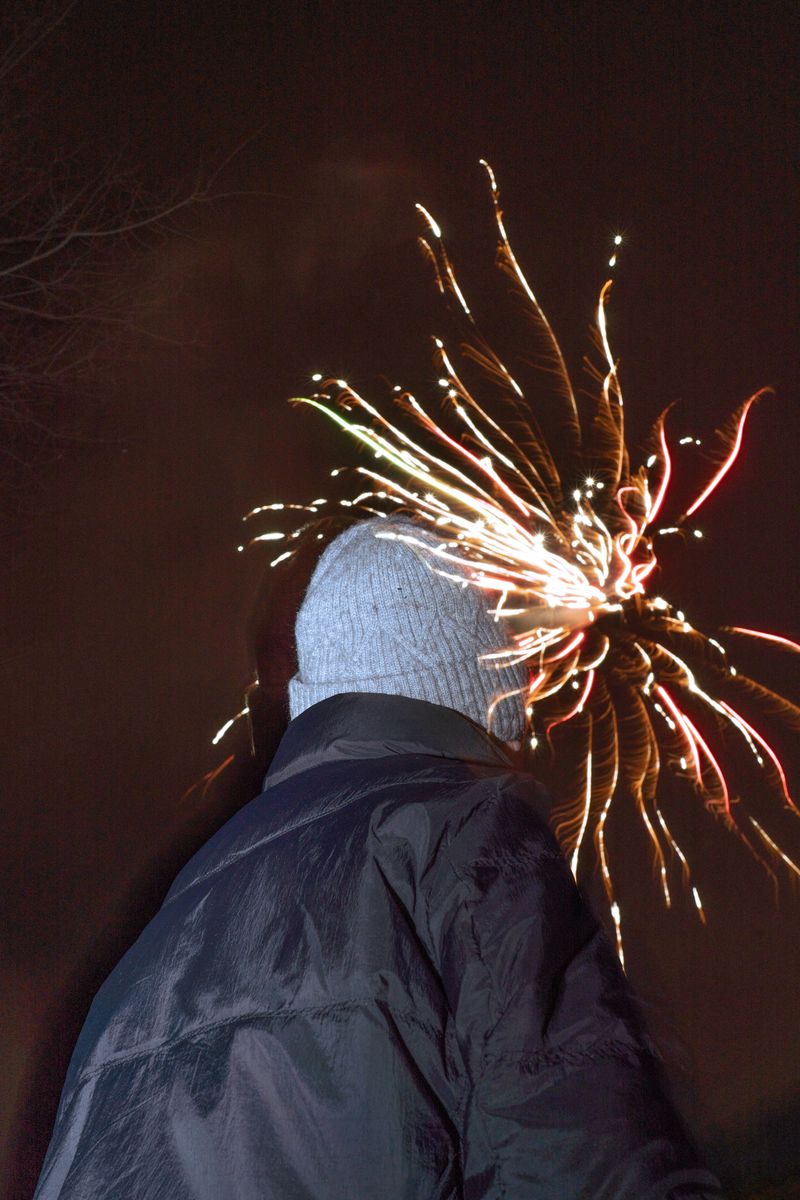
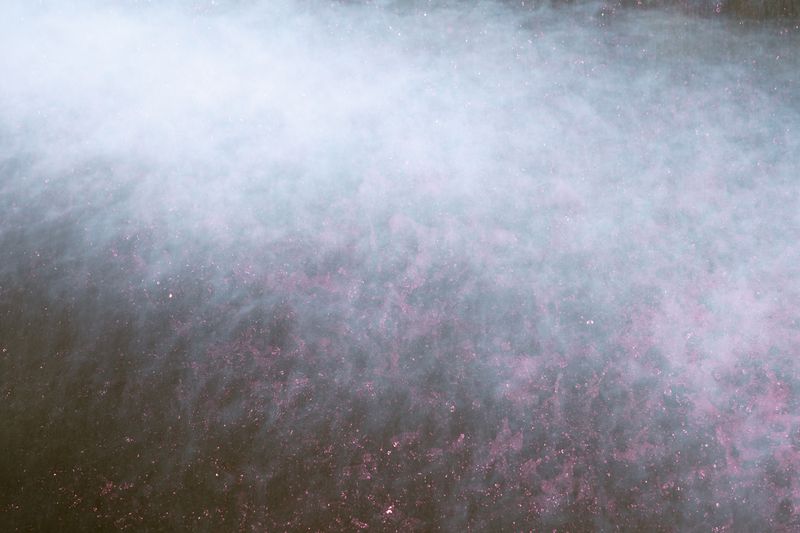
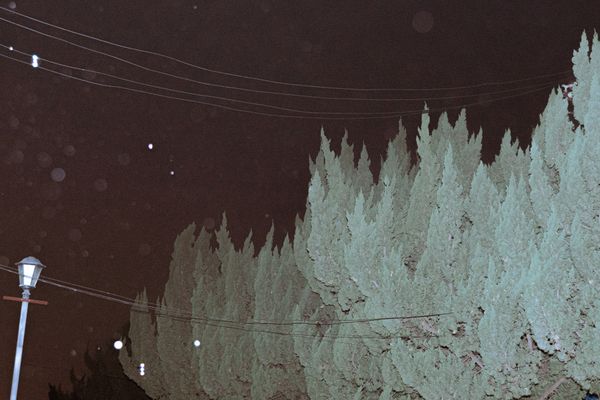
In late 2025, I returned to the peri-urban fringes of my hometown to visit my grandmother, and formally began this project. She accompanied me through my sleepless wanderings. We walked together in a kind of meditation, passing through spaces on the periphery of things—where the fragility, unease, and disorientation of the psyche were allowed to remain in their blurred forms. At night, I walked the old cypress road and triggered the flash. Under its stark glare, the trees blazed like leaping green flames, engulfing me once more as if the tide had returned. Through the alchemy of the camera, these psychic drifts finally became visible as a dreamlike state suspended between rising and receding.
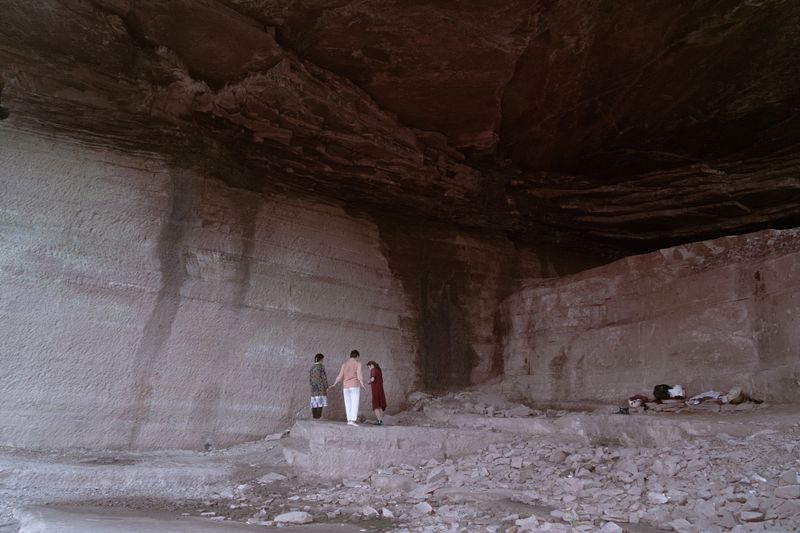
My grandmother is the central collaborator in this project—the last living presence from a world that has largely receded. Her memory is fading, her words growing sparse. We wandered the edges of a landscape caught between erasure and residual traces, much like her own recollection.In her silence, I found no resolution to the dissonance between the shattered old world and the unformed new one. Instead, she offered a different temporality—one attuned to the cyclical rhythms of cultivation, where tides ebb and flow, moons wax and wane, and nothing is rushed toward a conclusion. Perhaps the interval itself is where we are meant to dwell.