Drag/Strip
-
Dates2024 - Ongoing
-
Author
- Location San Francisco, United States
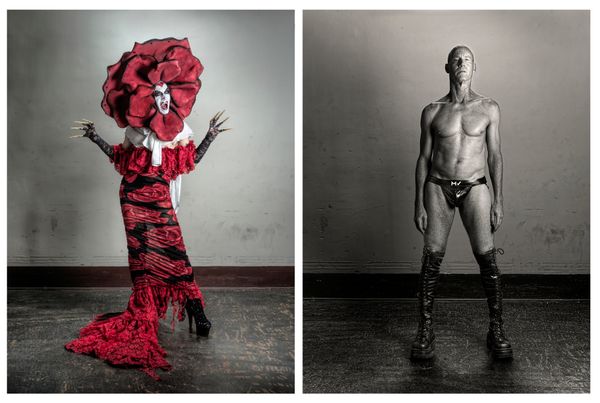
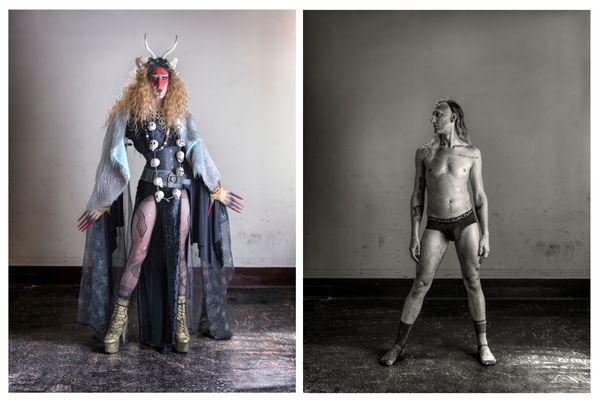
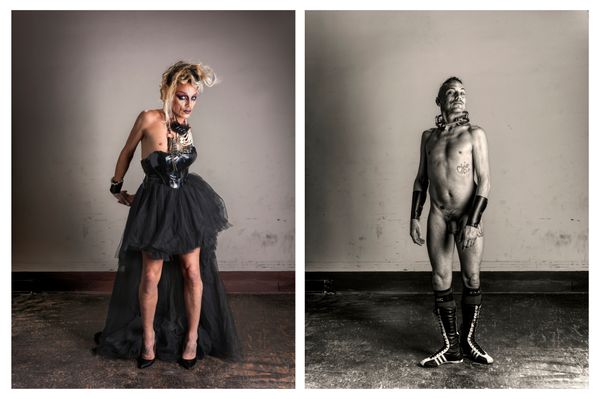
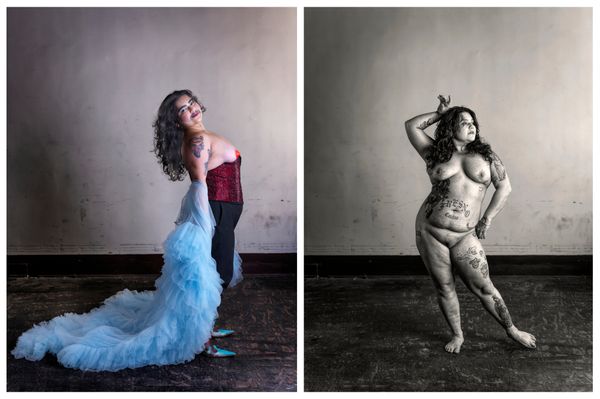
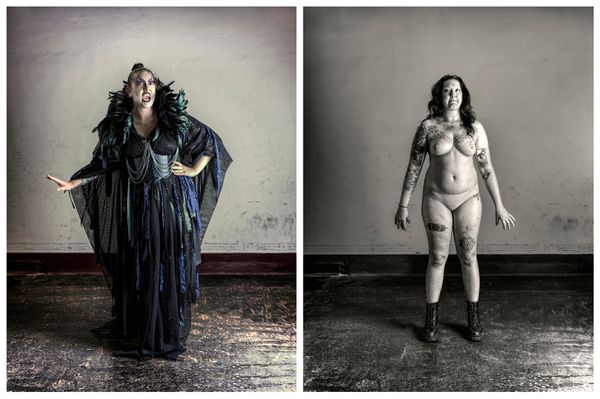
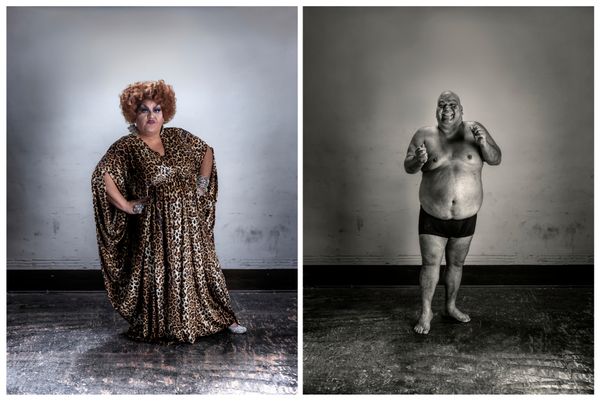
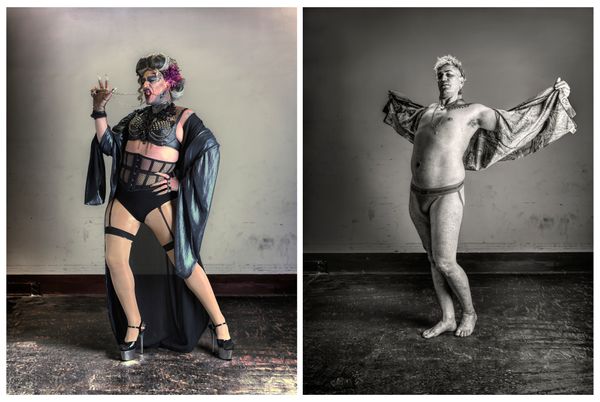
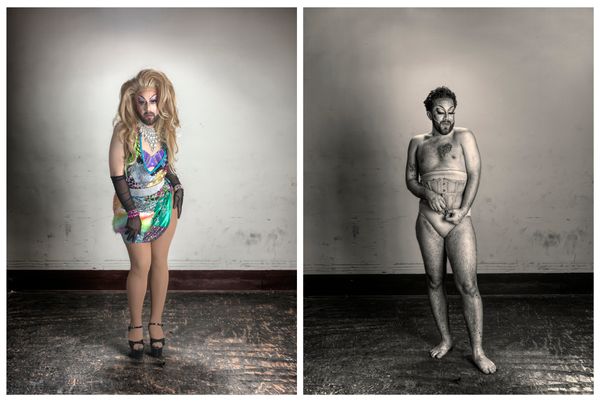
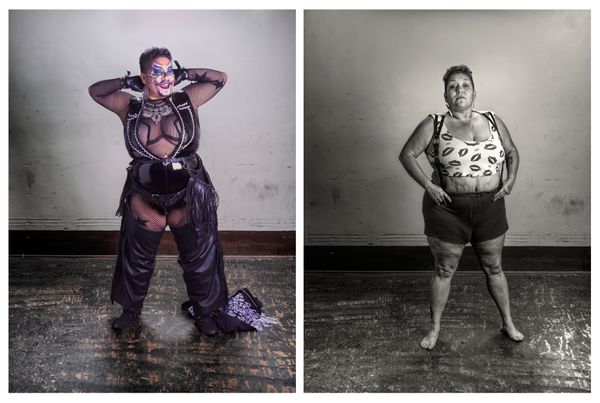
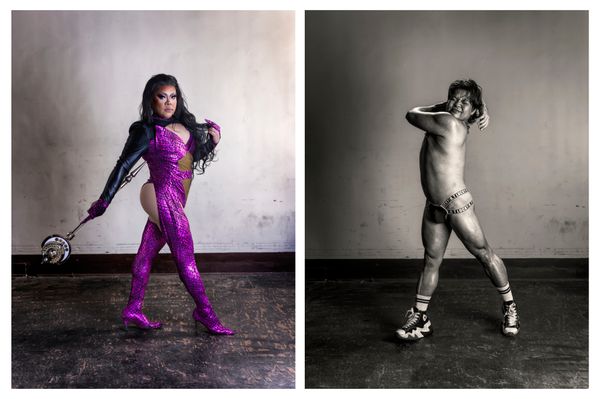
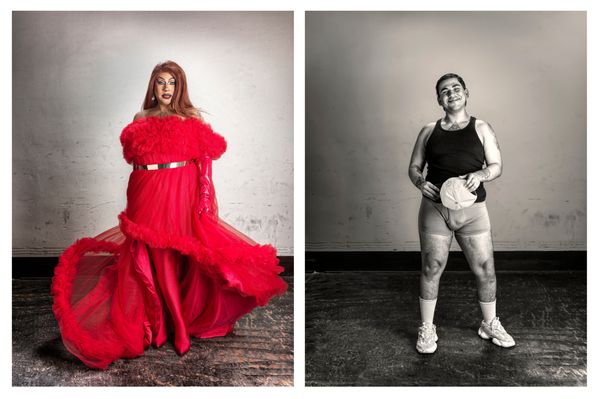
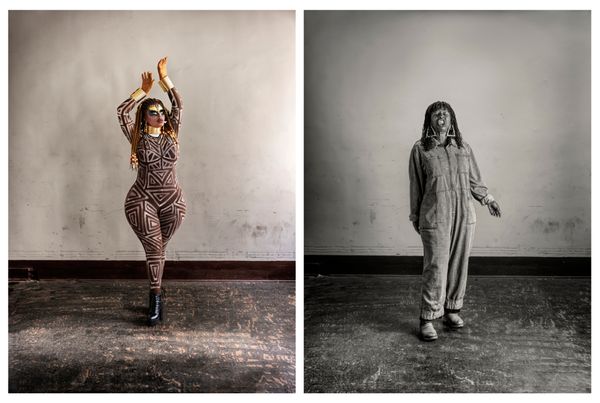
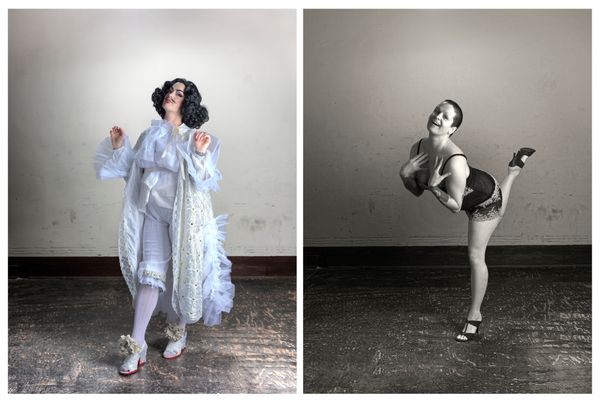
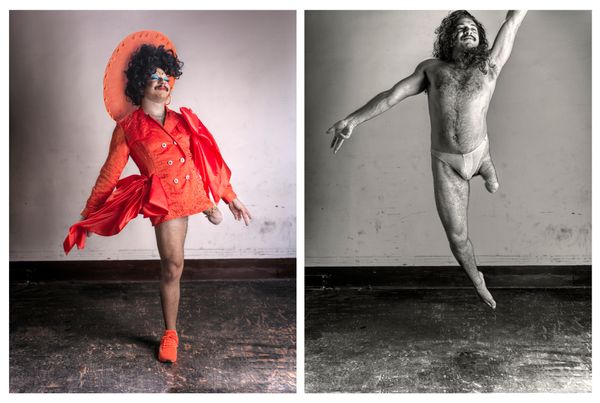
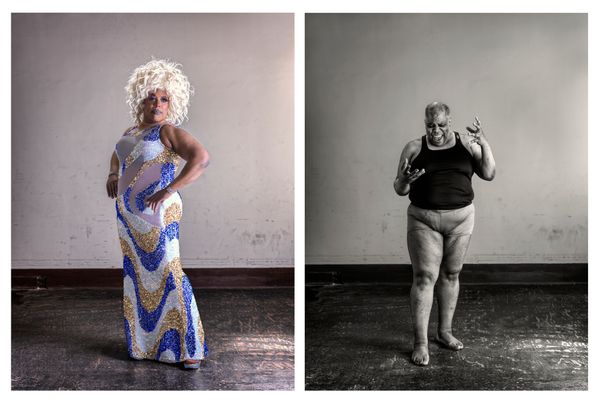
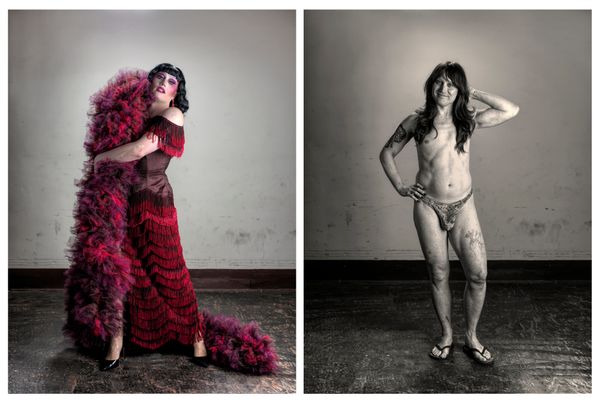
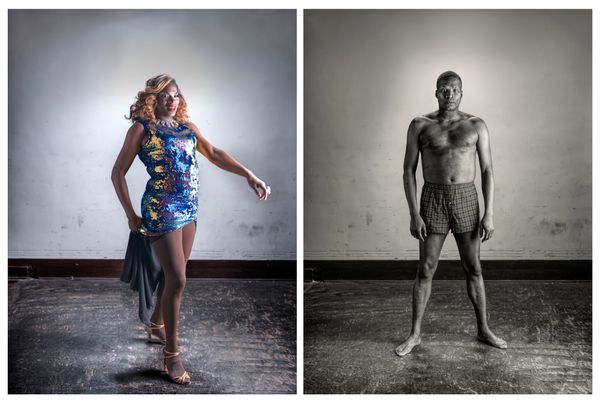
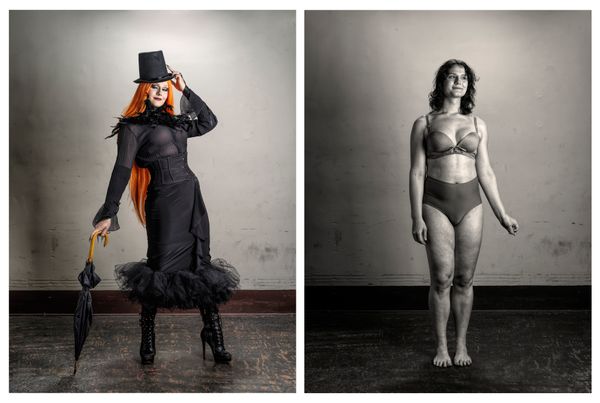
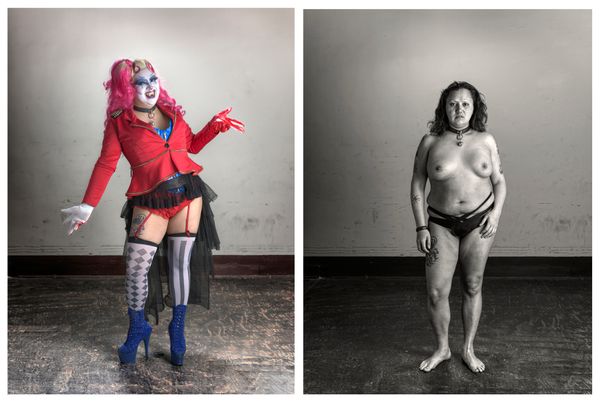
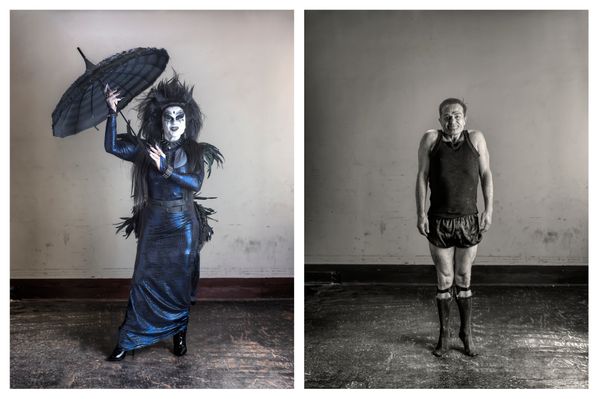
Diptychs of famous San Francisco drag queens, juxtaposing caricature versus character in color and black-and-white.
Drag is American kabuki. The classical Japanese theater and its American counterpart are performance arts featuring over-the-top costumes, stylized storytelling, and actors who blur gender distinctions.
Drag queens are art incarnate, but typically depicted with glamorous high-key lights, busy backgrounds, and over-the-top poses—clichés. Instead, Drag/Strip juxtaposes many dozens of drag icons wearing burlesqued costumes—in color—side by side with another take on their personas, as you see here: portraits executed with the reductive drama of black and white to reveal each queen’s authentic and often vulnerable self lying underneath. Hence the name, Drag/Strip. To see color and monochrome images displayed as diptychs is a powerful yet intimate experience.
Drag/Strip portrays character and caricature side by side. It is an attempt to humanize queer and trans people and, as they hope and I do too, these portraits will encourage dialog with those who are more or less naive about how deep this culture’s roots extend.
Portraitists, whether they rely on film, pixels, pencils, or paint, are storytellers. Those who use a camera are concise storytellers indeed, working in a medium with only two dimensions (unlike sculptors) and only one frame (unlike moviemakers). Photographers have less leeway than writers (in particular biographers), who can exploit their readers’ boundless imaginations.
A compulsion to create art defines humanity. Seeing humans as the subjects of art comes full circle with portraiture. When photons bounce off living beings and pass through the aperture of lens, further propelled by an occult force called “the mind’s eye” to converge at a focal point on a light-sensitive substrate inside a dark box, two parties on this camera, are committed to telling a short story for one endlessly enduring moment. That’s portraiture, the still life of a human being.