Don't Worry About Me
-
Dates2022 - Ongoing
-
Author
- Locations France, Montreal
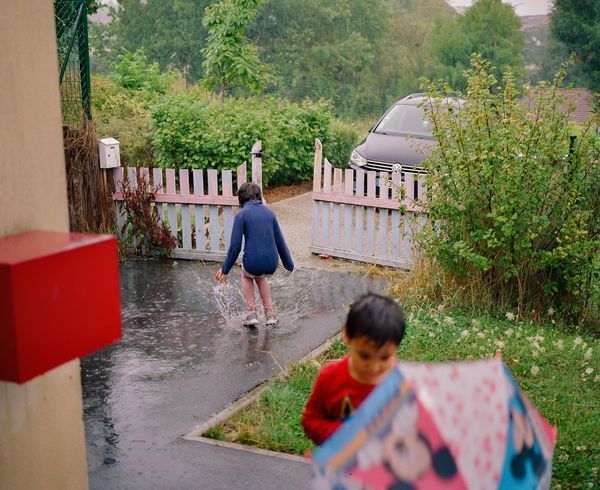
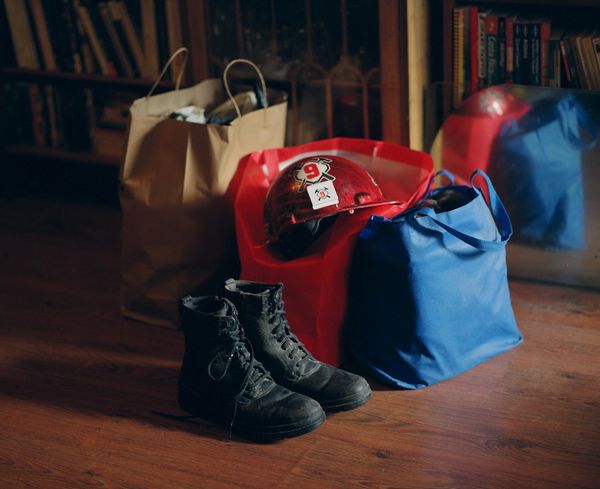
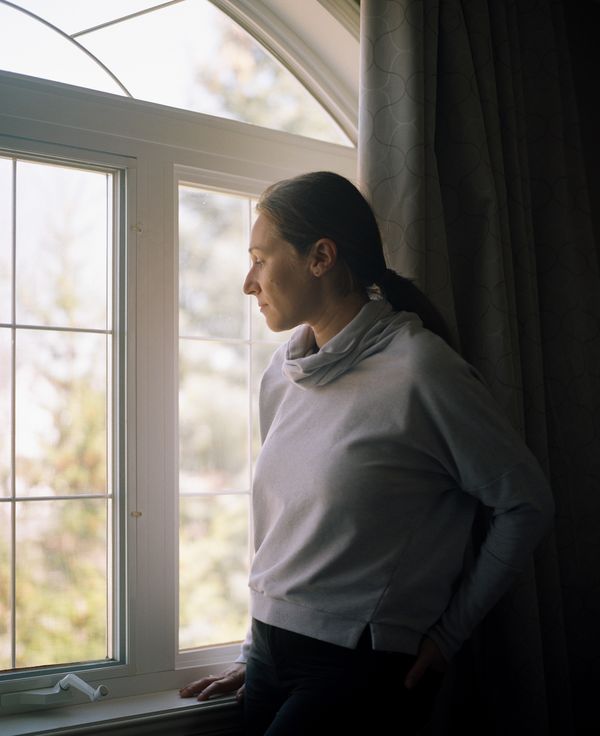
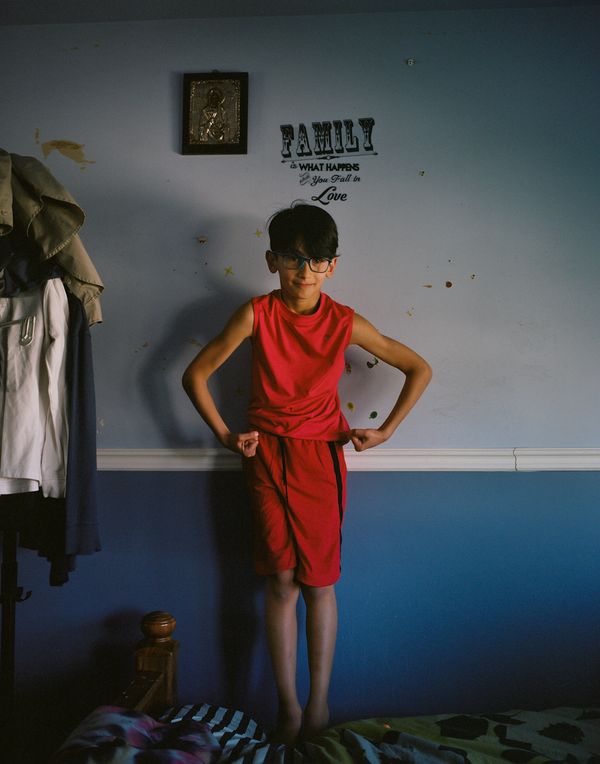
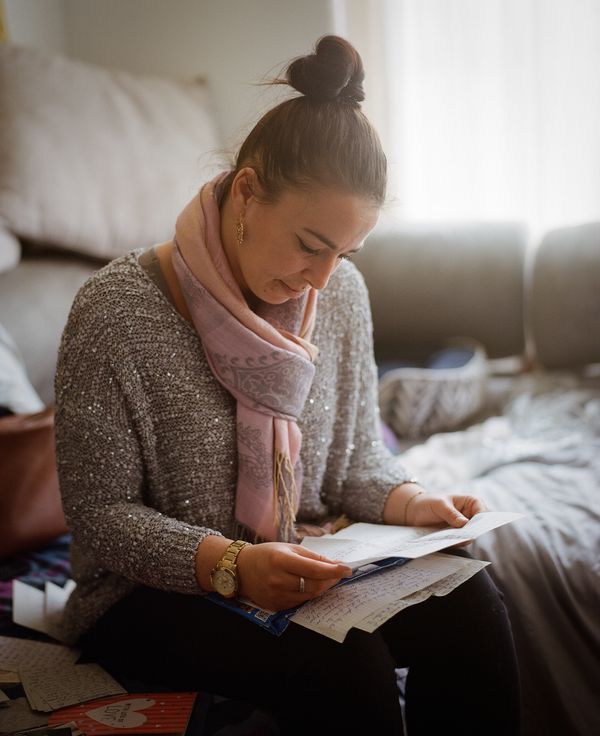
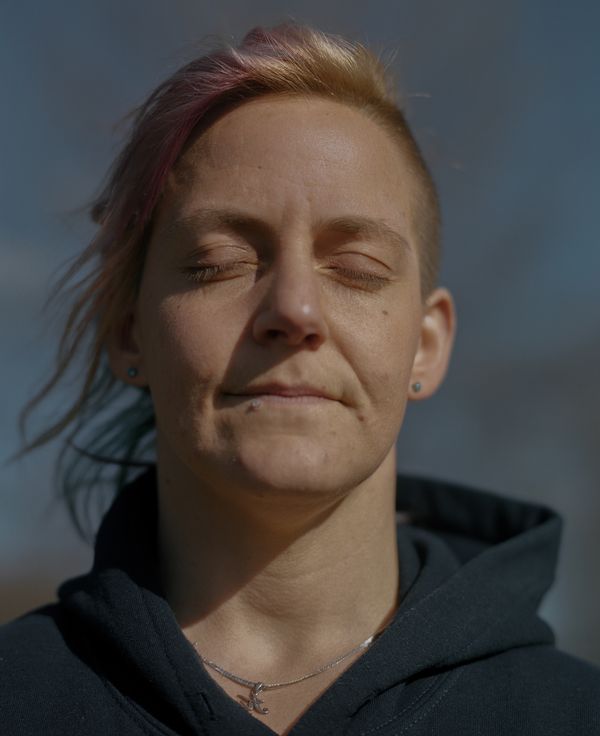
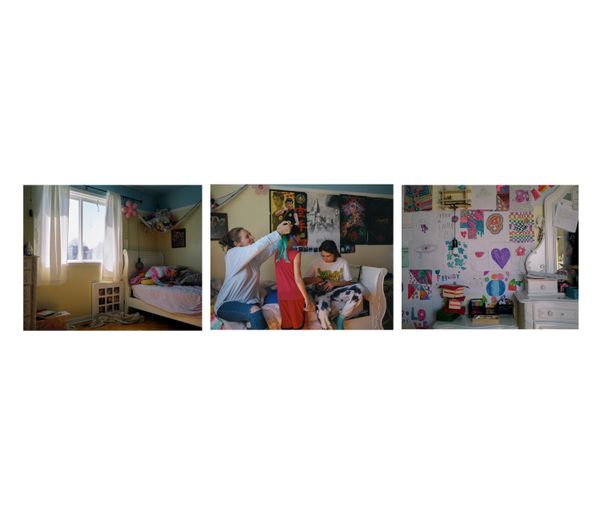
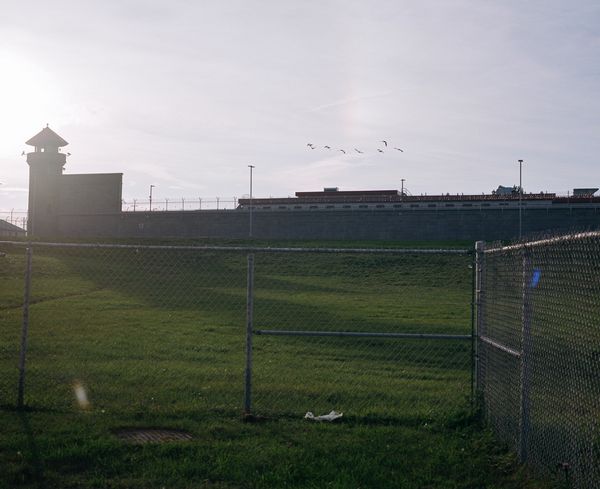
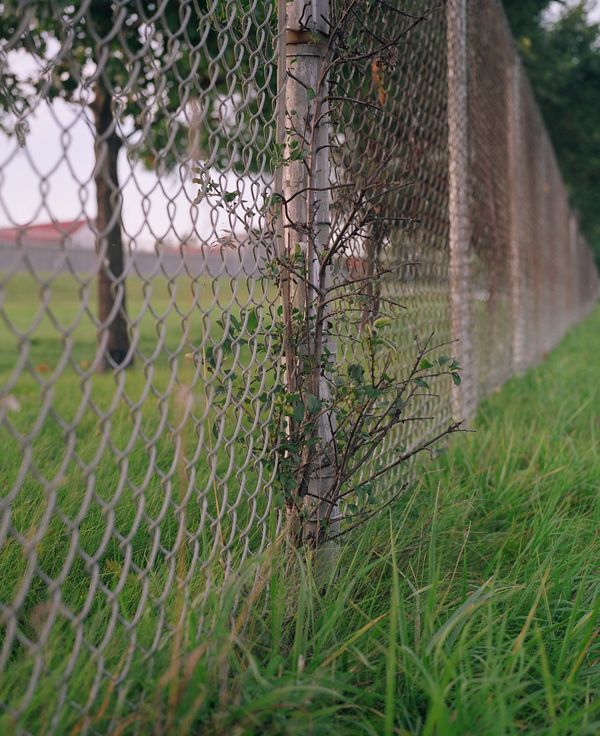
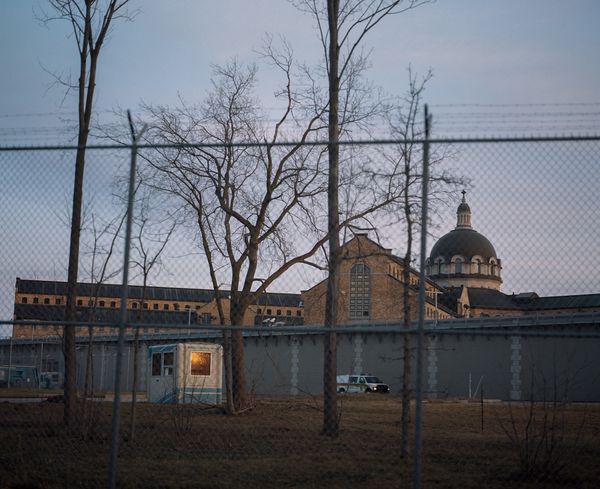
"Don't Worry About Me" is about the impact of prison on the daily lives of relatives of incarcerated people. about loss, love, resilience, family ties.
Throughout my childhood, I have been an observer of the people around me — particularly people who would not otherwise command attention. In this connection, I decided to concentrate on giving visibility to populations who were not part of the media landscape and to document the daily lives of the unspoken loved ones of the incarcerated.
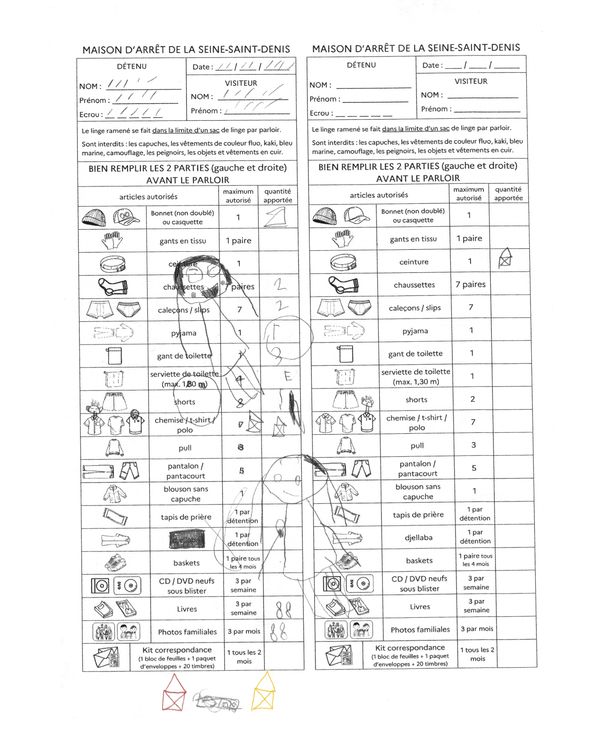
When a person comes into conflict with the law, the world of their loved ones undergoes upheavals impacting several areas of their lives. In the course my research, however, I noted that the vast majority of studies devoted to the relatives of inmates tended to focus upon the family environment as the cause of the offender’s actions. Clearly, the incarceration has consequences on families, sometimes already precarious or weakened, whether financial, emotional and stigmatizing burdens which these families must face. How do families endure under these conditions?
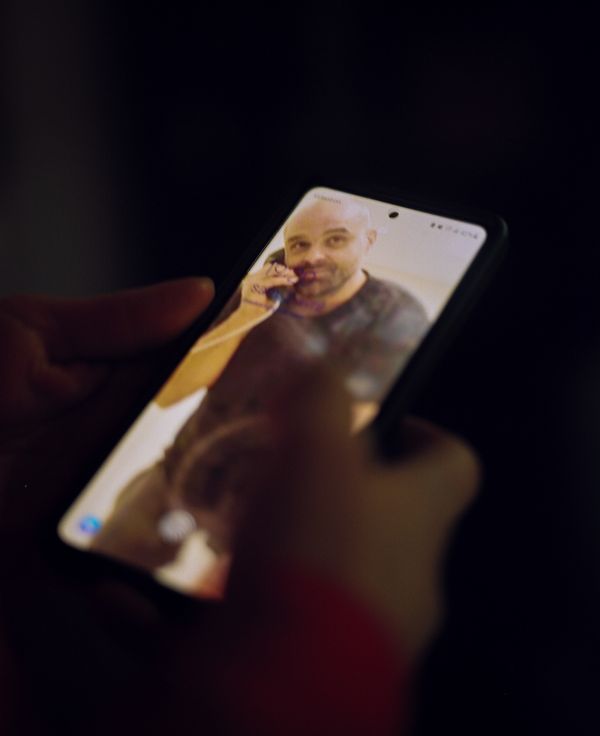
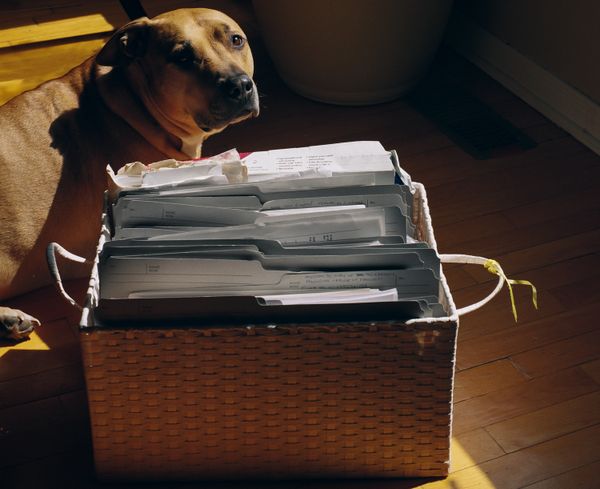
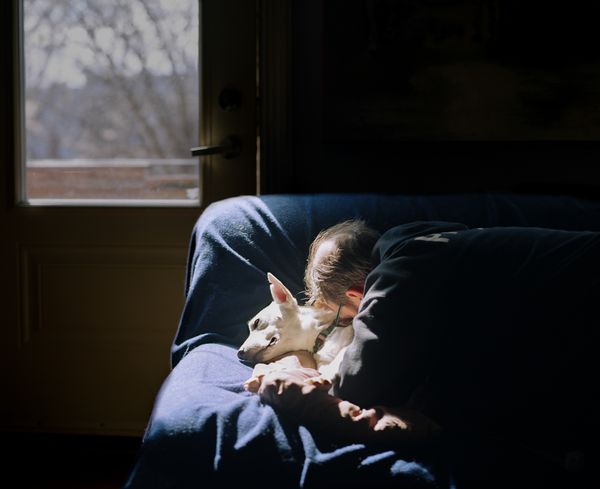
This photographic study is largely based upon the personal confidences of those who are its subjects. In developing this project, I am visiting men and women who are effectively locked outside and surrounded by invisible walls. Consequently, my work requires time in developing relationships in order to establish trust and discover their burdens and their aspirations. Notably, for the people I have already had the chance to meet, I have noticed their genuine desire to tell their stories, and their need to share their experiences.
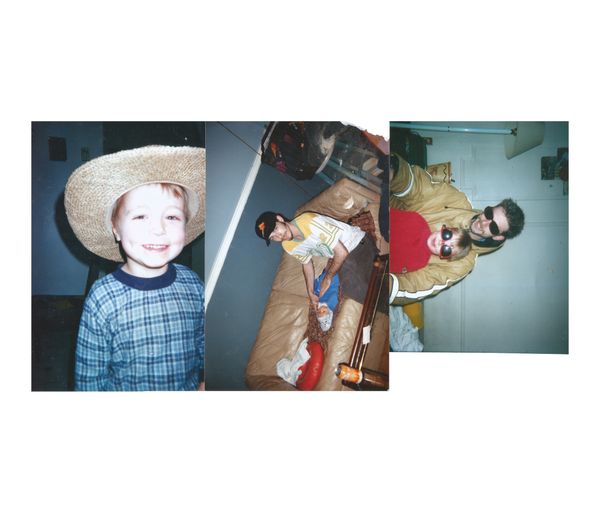
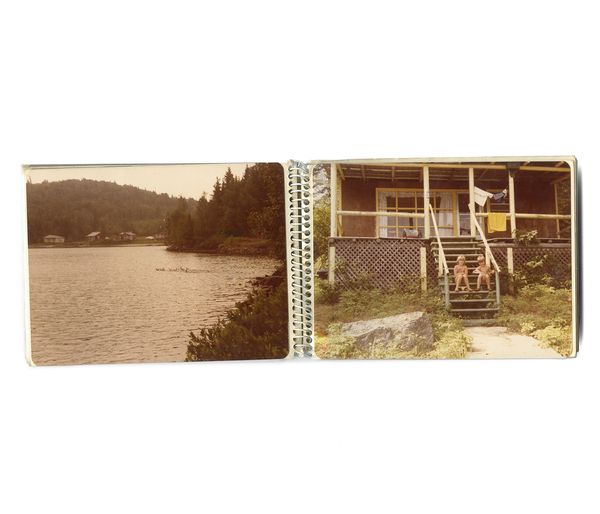
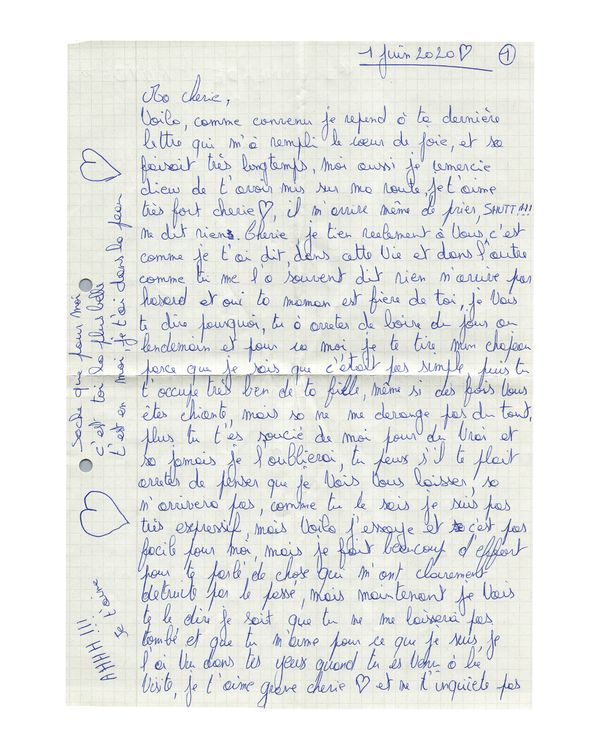
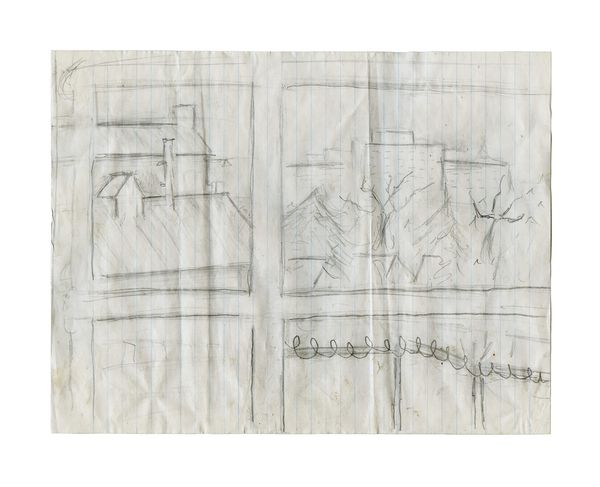
The project is therefore a combination of photographs, as well as an archive of personal experiences, family snapshots, as well as letters received and personal writings. I gather notes from their intimate notebooks, poems or prayers they have written and, in fragments, crossed portraits are sketched and then drawn. The final photographic work is, in fact, articulated as a poem which I hope will resonate with partners, parents, siblings, and the children of inmates — all in a view to break down the barriers of prison stigma and open a window of empathy in the hearts of others.
My intention is to meet about fifteen people, intending to publish a book about the project in the next years. As I started this journey in Montreal, I am currently working on a second chapter of the project in France.
This grant will be used primarily for transportation costs. Most of the people I meet live far away from where I live. It is essential for me to establish a relationship of trust before undertaking any photographic work. Unfortunately, my current situation does not allow me to visit them regularly, as I feel financially limited due to the high cost of car rentals. The grant will also used for production costs such as film development, as I am utilizing a medium format film.