Dog Days (삼복)
-
Dates2024 - 2025
-
Author
- Location New York, United States
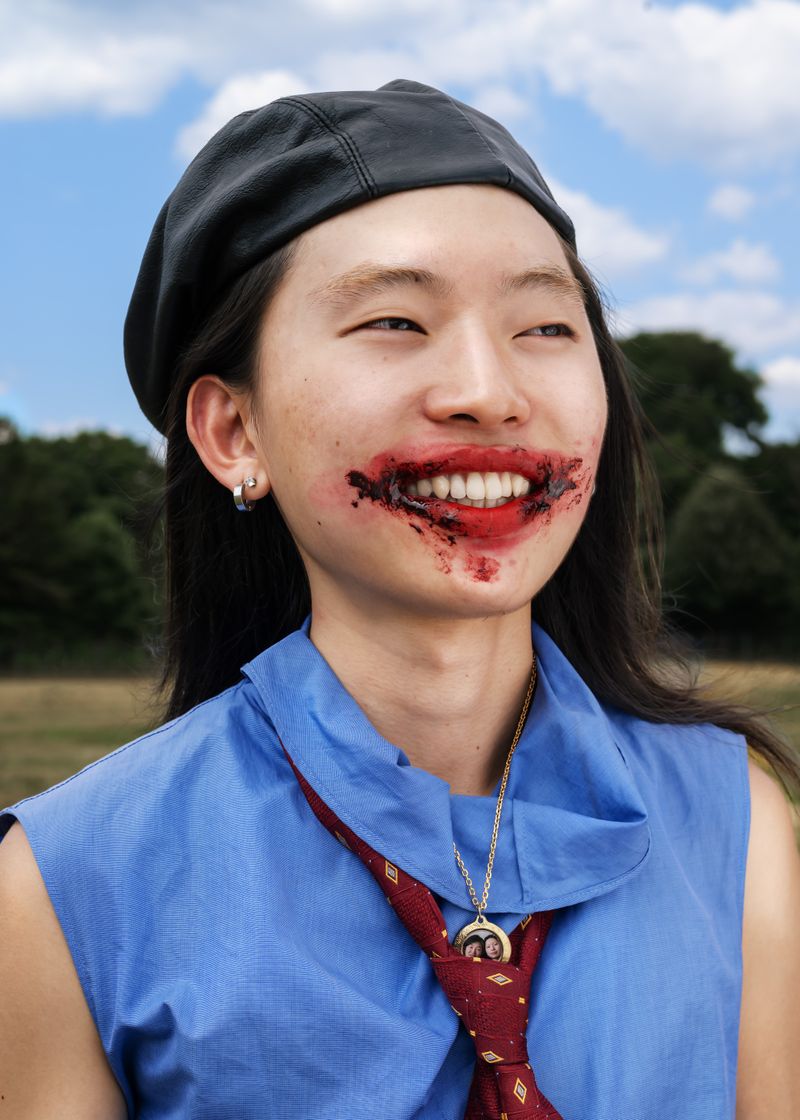
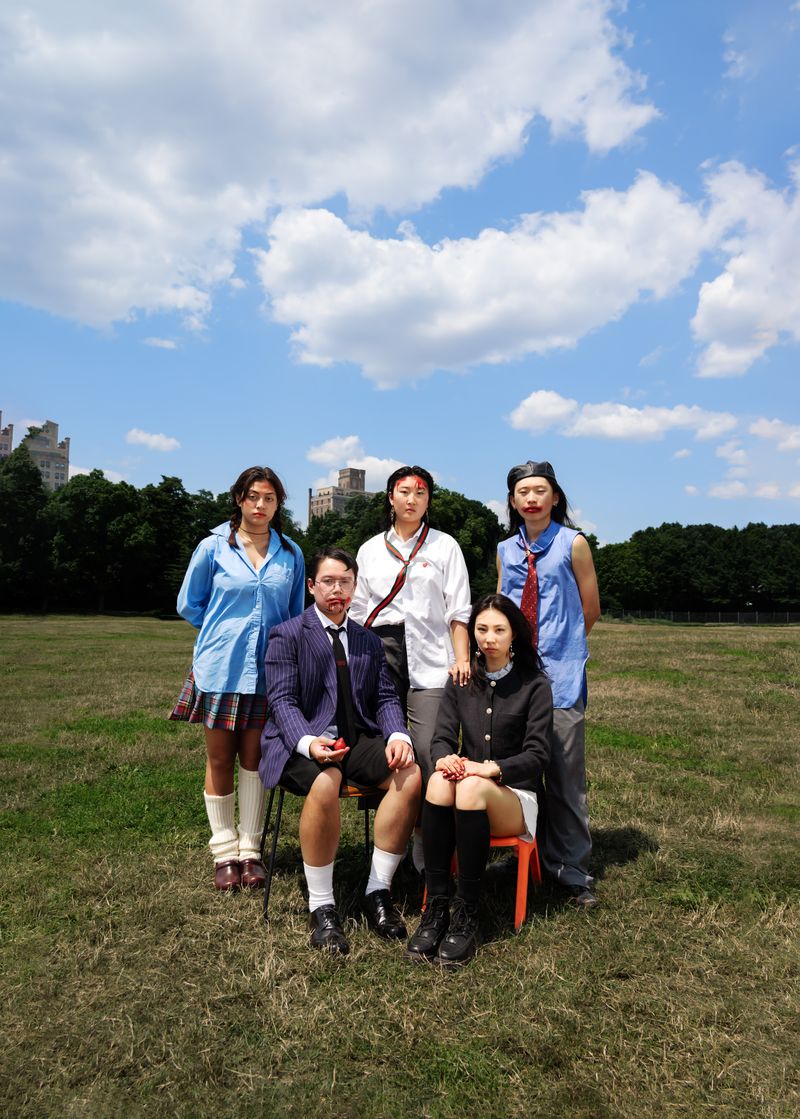
A scorching summer day. There’s a heat wave on the horizon… Dog Days is a terrifyingly campy, fashionably Asian interpretation of the Western dream, and what it costs to fight for your seat at the table.
Dog days scorched your skin to the bone
And rotted apples inside out.
Burst berries in the sweltering heat,
Crawled inside your burst veins.
We smoked cigarettes until our lungs watered cherry blossoms with sweat.
The sky was so blue. It was the kind of blue that made you feel alive. The kind of blue that could drive you mad. Summer felt so perfect in the palm of your soaked hands. I choked on betrayal and the taste of the sun. Sweet blood, bathe me in nostalgia.
Ouch!
It’s so goddamn hot.
Show me your teeth,
And run far East.
Dog days melted us like candle wax,
Chewed us up and spat us out.
What did we give up
To end up
Like this?
We go mad underneath this sky and beg for its secrets.
There is no use –
Don’t you cry.
Dog days are finally behind us.
Dog Days (삼복)
Dog Days, a term for the sultriest days of summer, also connotes moments of adversity, and the overcoming of difficult times. Summer, more often than not, is considered a season of bountiful harvest and fleeting darkness. Humans associate the sun with possibility, healing and growth. So why is it that we rejoice when the dog days are over? Perhaps too much of a good thing can cause madness. Combining these ideas through an Asian lens, we begin to form a concept around the idyllic perfection of warm, sun drenched Western dreams. With it, comes an inevitable oxymoron that carries the deep personal and cultural struggles shared between Asian communities seeking better lives abroad.
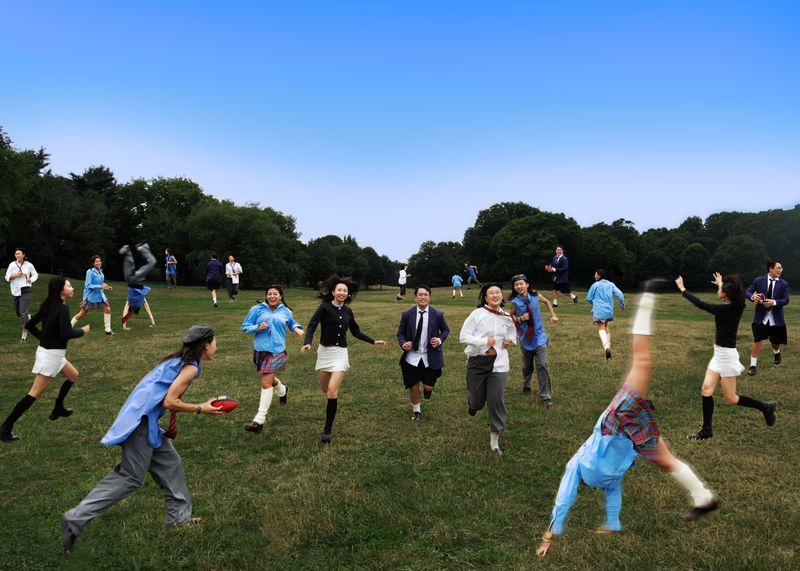
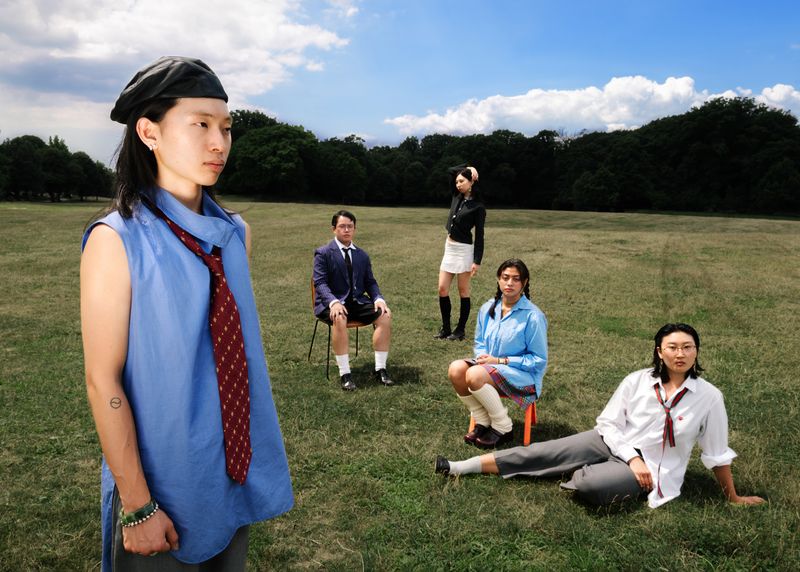
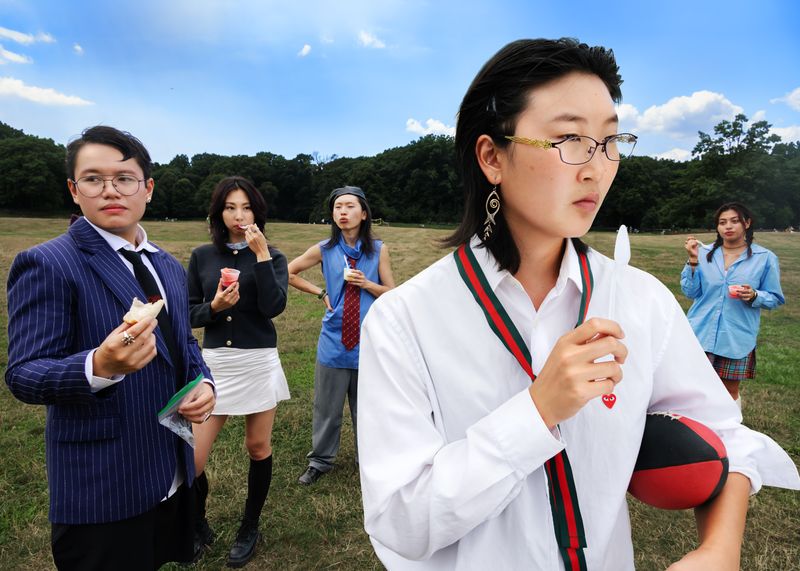
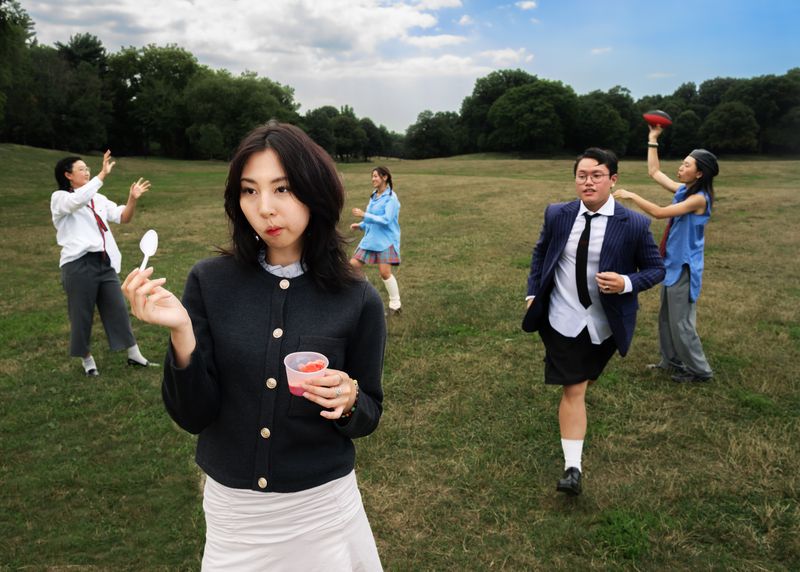
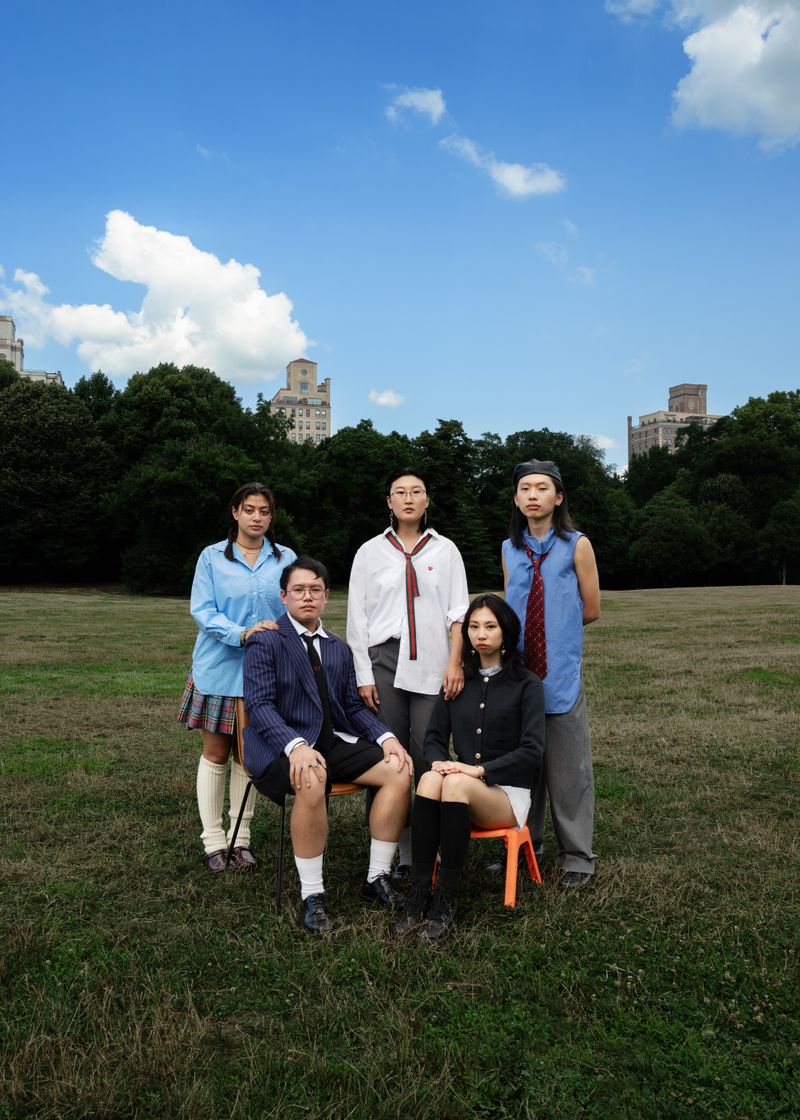
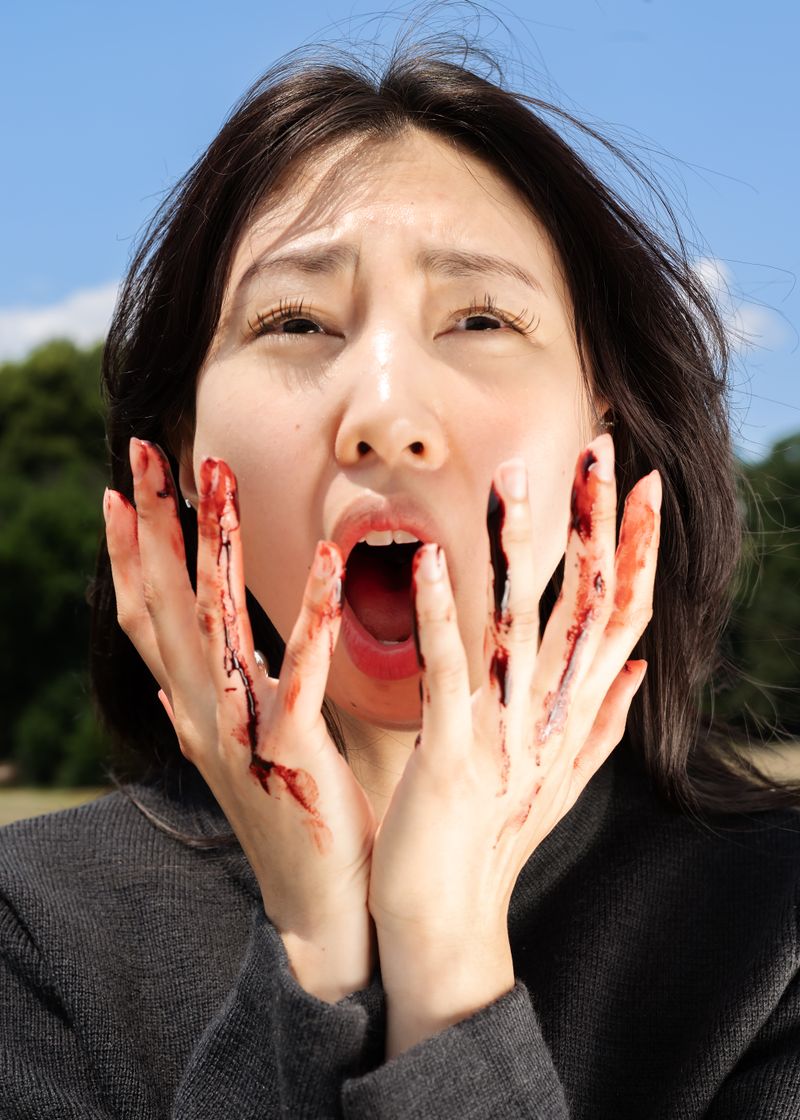
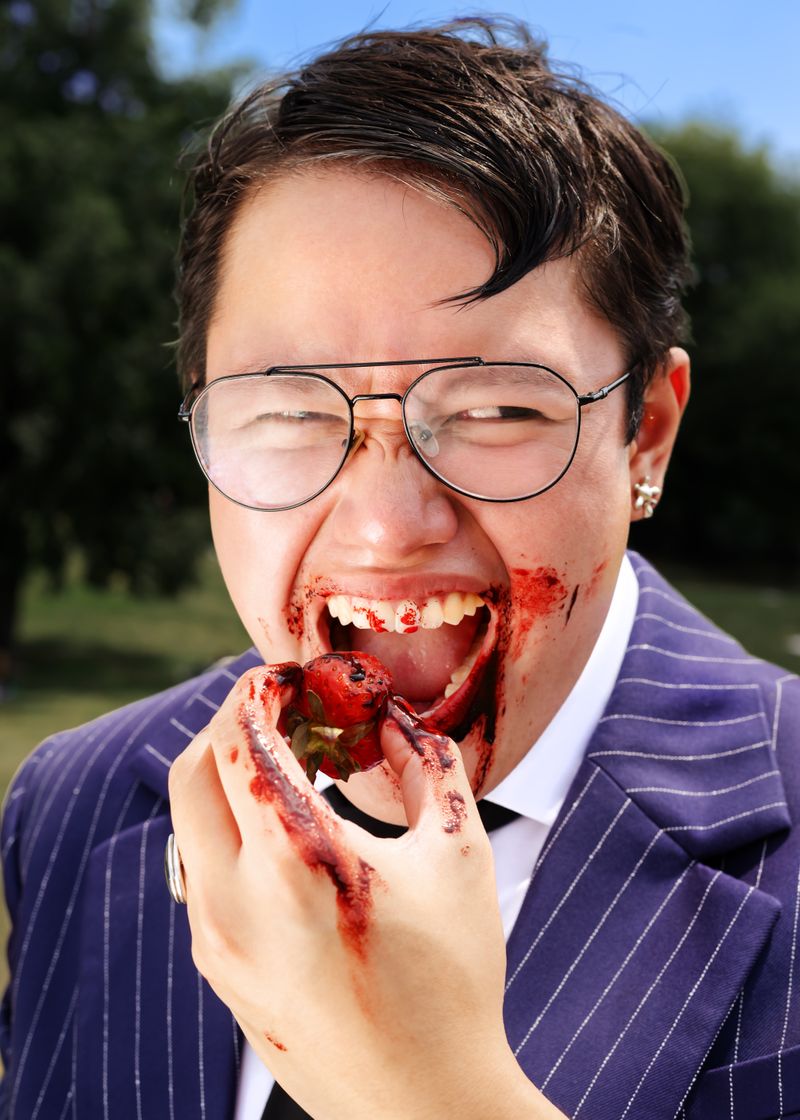
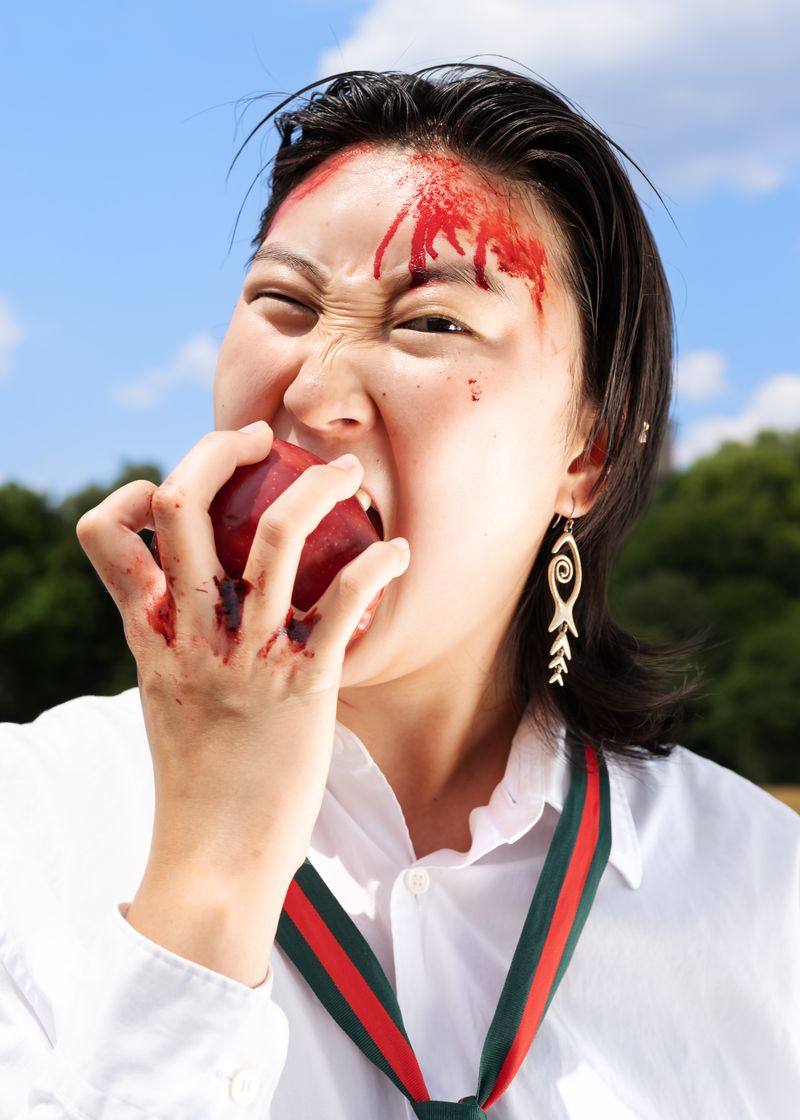
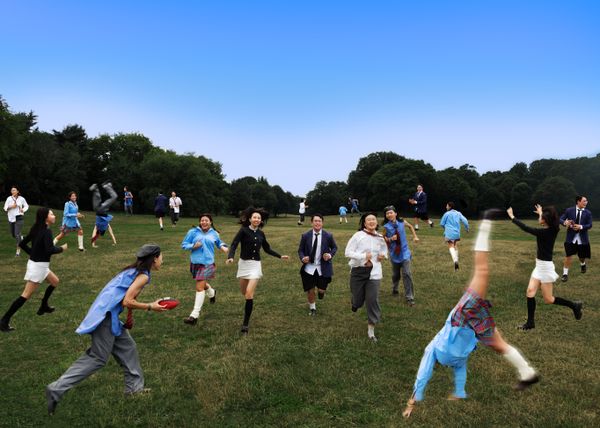
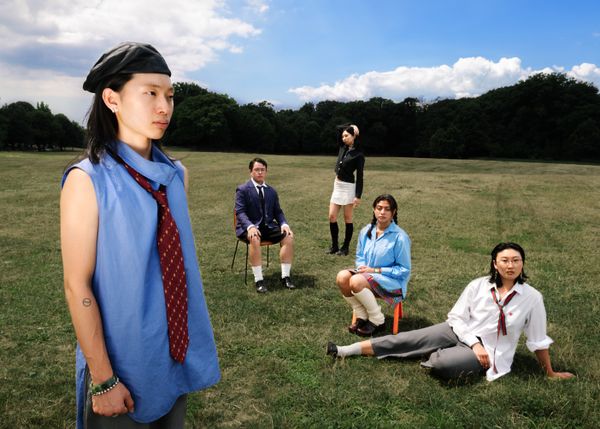
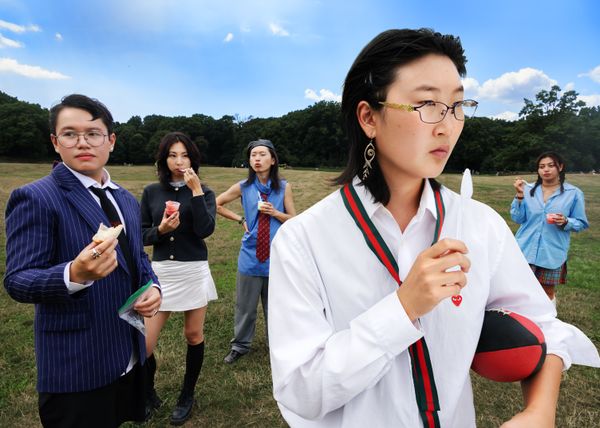
A campus backdrop introduces us to the Dog Days. Reminiscent of English countryside colleges, the characters, boldly Asian, insert themselves into this foreign landscape with fashion that feels classically Western; a symbol of assimilation. Using boarding school as a metaphor for immigration, what conclusions can we draw from the white aristocracy who send their children away in hopes of success? Similarities can be identified within the realm of immigration, but the history of the Asian diaspora calls attention to the undeniable discrepancy between belonging, and longing to be. The pictures buzz with nostalgia, are rich with narration. Sometimes, figures are staunch and statuesque, referencing classic photographic portraiture. Other times, fluid with motion, calling back to the odd dichotomy of the dog days phenomenon. In the beginning they are full of hope, dizzied with the optimism of the sun. But desire drives them mad. We bear witness to the climax of their terror — the sultriest moment of their mysteriously gory fate.
What could go wrong? We are out seeking greatness under a sky that promised us as such.
Dog Days sheds glorious sunlight on the struggles of the Asian diaspora, and manifests our fears into a shimmering, blood soaked reality.