Dislocation
-
Dates2023 - Ongoing
-
Author
- Location United States
This project explores the theme of individuals willingly embracing such dislocation, prompting an examination of contemporary voluntary diaspora.
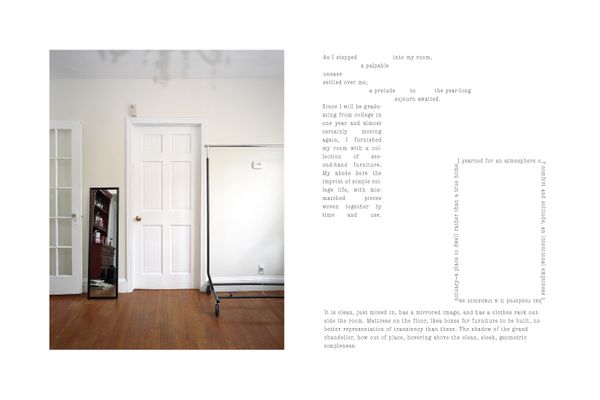
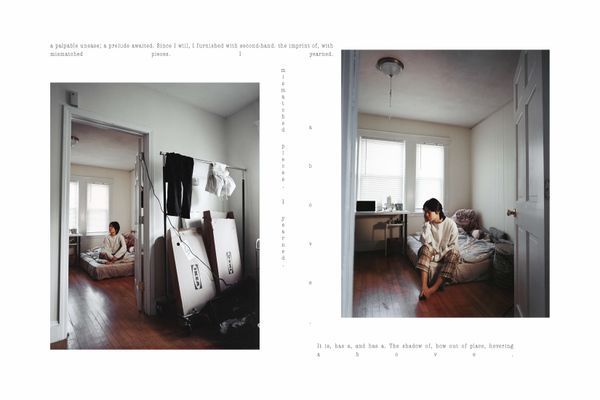
Physical dislocation, such as a dislocated shoulder, is an undeniably painful ordeal, compounded by the additional discomfort endured during the process of relocating the affected part. This project explores the theme of individuals willingly embracing such dislocation, prompting an examination of contemporary voluntary diaspora. The attempt here is to dissect the counting of days within the nature of transient homes, and how the temporary time spent at these ephemeral dwelling places is still etched into self-formation and memory.
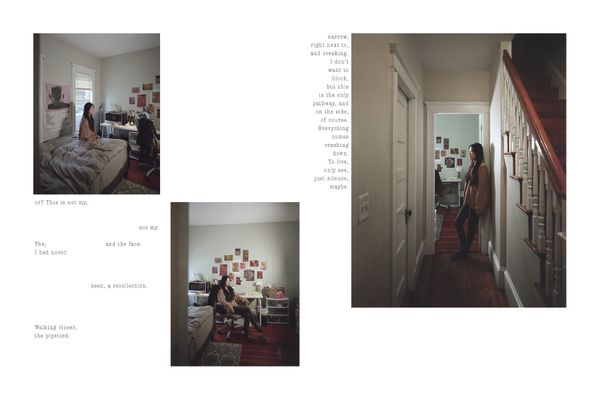
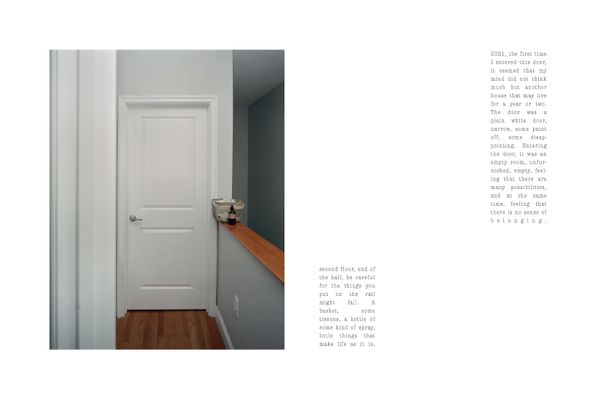
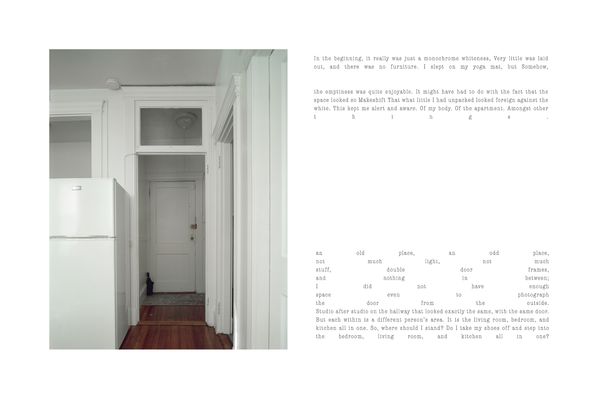
The term "dislocation" transcends mere physical relocation; it extends into the mental realm as well. In this context, temporary dwelling places like personal rooms become repositories of homeliness, and the concept of a transient personal space resembles what Foucault calls a heterotopia—a space that is somehow 'other': disturbing, intense, incompatible, contradictory, or transformative. Heterotopias are worlds within worlds, mirroring and yet unsettling what is outside. In this sense, transient rooms are a third space that exists beyond reality, offering solace, joy, security, and complexity.
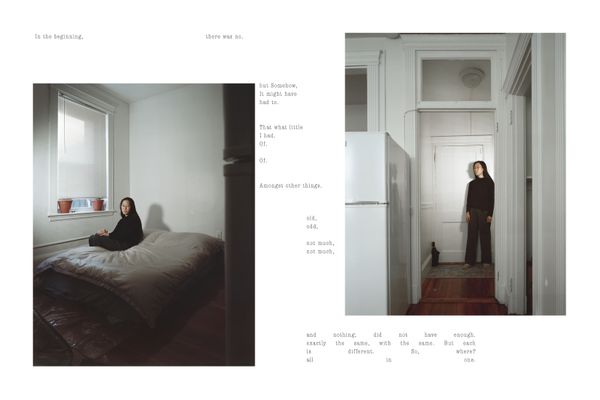
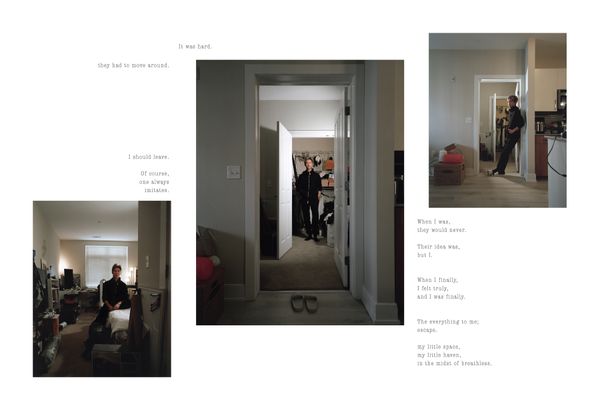
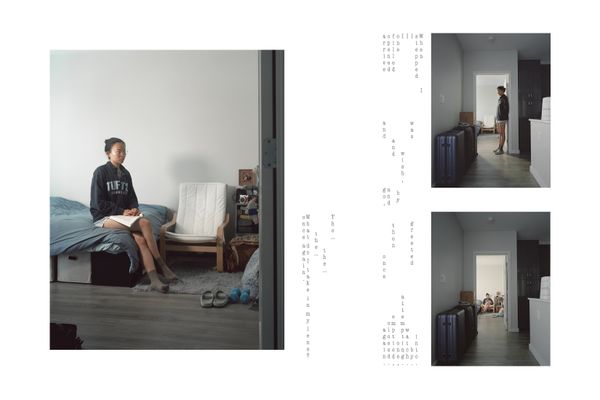
For those floating outside their birth homes, consistently constructing temporary residences in various school dorms, rented apartments, and shared flats, the notion of "transient homes" is intriguing. People decorate and inhabit these spaces with various styles to create a sense of home, even when aware of the limited time spent in each location. The concept of "transient homes" invites exploration in terms of how personal spaces contribute to shaping one's identity. Despite the awareness of the temporary nature of these spaces, they serve as crucial elements in our understanding of who we are.
Voluntary dislocation plays a pivotal role in creating negative space beyond the boundaries of our transient homes. This negative space enriches our internal selves by establishing distinctions between the self and the nonself, the outside, and the inside. Voluntary dislocation adds much more negative space outside the threshold of our transient homes to form and enrich the inside, distinguishing the self from the nonself, the outside from the inside. Personal transient homes/rooms serve as this distinguisher, needed to show the difference, to define and not define who and how we might shape the self in the complexity of the ever-evolving and changing formation of the self.
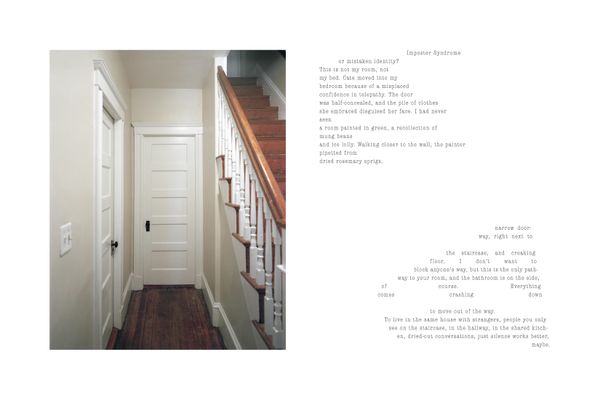
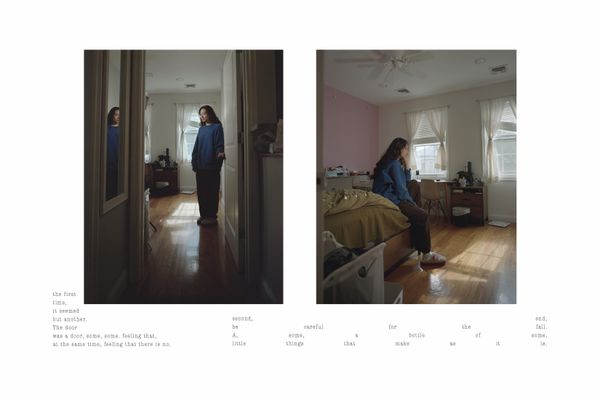
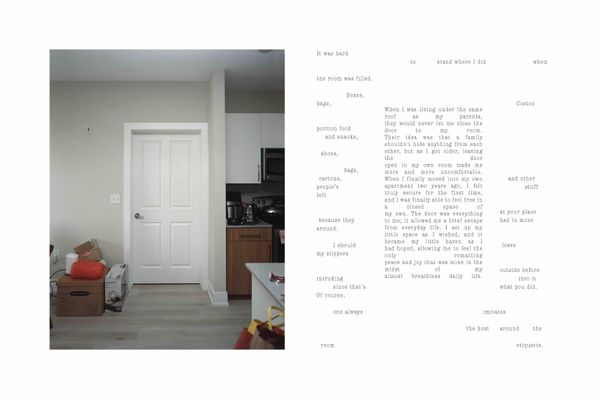
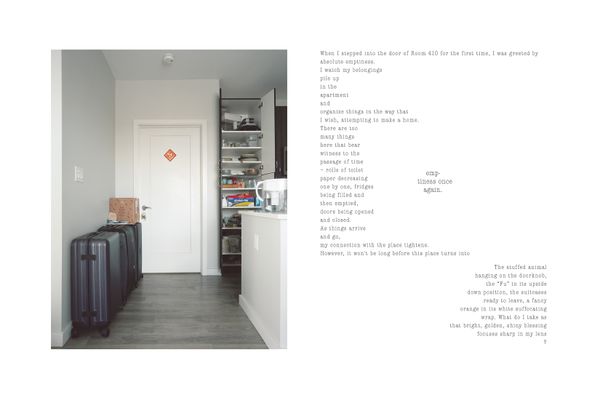
By documenting each photographed person’s feelings when they first moved into their transient homes, writing down my own observations, and then creating erasure conversations out of these texts, the project seeks to explore the relationship between literary and visual documentation/narratives, as well as the contrast between visual and literal representations of the mind or human memory. The text speaks to the image, while the image makes up the text. Both exist in various forms in the flow of memory, though all transient, may come to produce visions of the dislocated time jointly. Their similar yet distinct ways of representation are just like the state of dislocation itself, familiar yet uncanny, collaborative yet separate.