Diatomaceous Earth

  • Dates
    2023 - 2024
  • Author
  • Locations Caserta, Pisa, Naples

Diatomaceous earth is a statement, a promise of kinship.

“Big Five” mass extinctions have taken place over the course of 540 million years, and caused a sudden subversion of biodiversity on Earth. Today we are actually living in the Sixth Extinction - the first caused by Homo sapiens - considered to be the most devastating extinction event since the asteroid impact that wiped out the dinosaurs. 

For this reason it is an urgent call for us to take responsibility for the disastrous consequences of Anthropos’ domination over other species and ripositioning them as agents that count and co-construct thought. Reflecting on the concepts of “kin”, “care” and “mourning” becomes an urgent necessity in favor of a radical change of tendency that places multispecies justice at the center of the political agenda and the interdependence (or sympoiesis) seen as the ontological core of human subjectivity. Such a perspective opens a path to the statement that Diatomaceous Earth is a promise of kinship.

A feminist situated ethics, and situated politics of knowledge are the basis for rethinking what comes to matter. From the Land of Fires* to the Land of Diatoms, the project weaving scientific investigation from a critical feminist perspective to explore contact and proximity zones that bind the author to one of the Earth's companion species. The diatom, key figuration-protagonist of this effort, becomes a material-semiotic node. Through and with the diatom, we rethink human parenting beyond the logic of blood-genealogy-heredity hegemony, leading it back to a joyful practice of commoning, of co-becoming and future time of co-existence, more companionate forms of living and dying together.

*The expression ‘Lands of Fire’ refers to the land between the provinces of Naples and Caserta where the author was born, a sacrifice zone of capitalist accumulation (Iengo, 2023) constantly exposed to invisible but pervasive chemical contaminations. “From the Land of Fire to the Land of Diatoms” is a shift which should be understood as an affirmative and potentiating response.

This project is a candidate for PhMuseum Days 2026 Photography Festival Open Call

Learn more Present your project
© Gaia Maggio - Cloud of the Land of Fires, Giugliano in Campania, Naples.
i

Cloud of the Land of Fires, Giugliano in Campania, Naples.

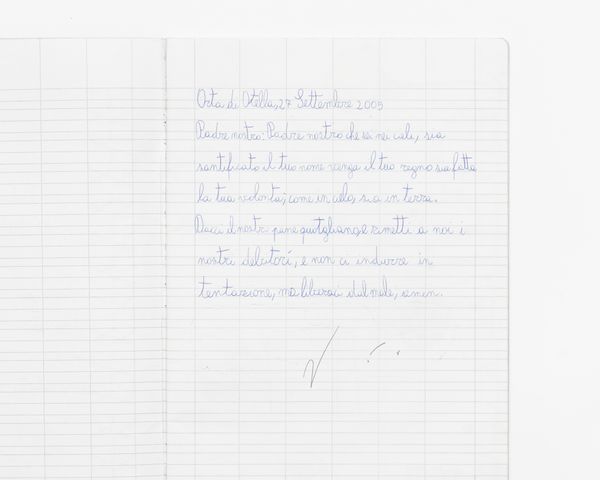
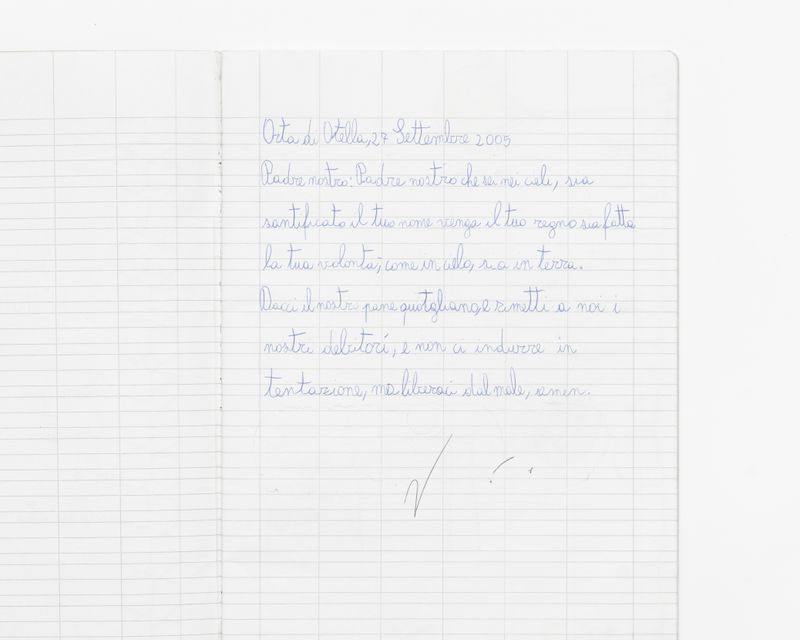
© Gaia Maggio - Prayer from my religion notebook, Orta di Atella, Caserta.
i

Prayer from my religion notebook, Orta di Atella, Caserta.

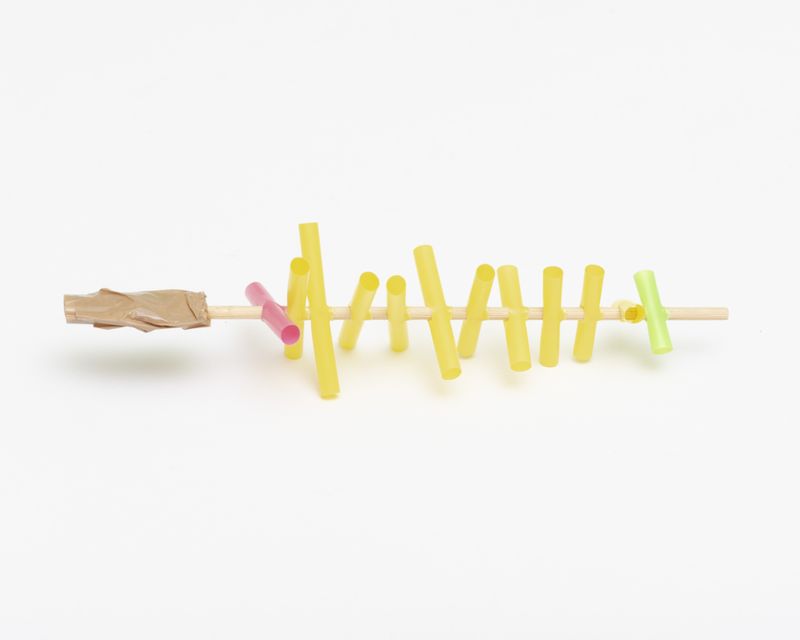
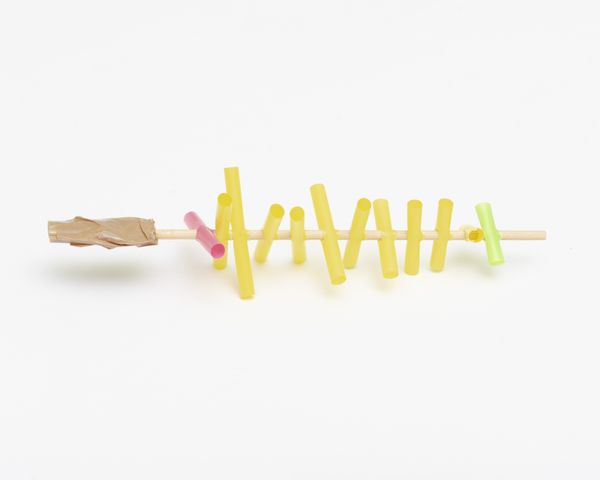
© Gaia Maggio - DNA model constructed from recycled materials, IstitutoComprensivo S. Quasimodo, Crispano, Naples.
i

DNA model constructed from recycled materials, IstitutoComprensivo S. Quasimodo, Crispano, Naples.

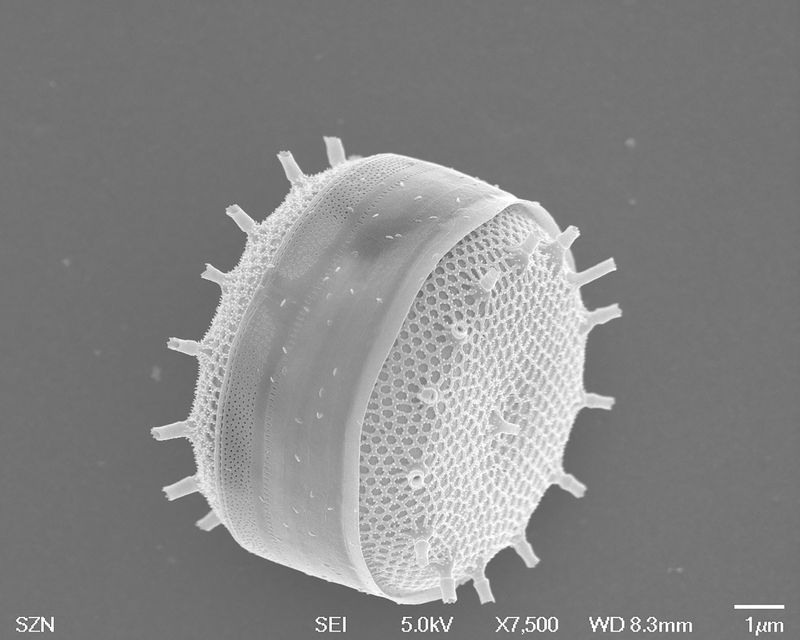
© Gaia Maggio - Cyclotella sp, SEM Microscope, Zoological Station Anton Dohrn Naples.
i

Cyclotella sp, SEM Microscope, Zoological Station Anton Dohrn Naples.

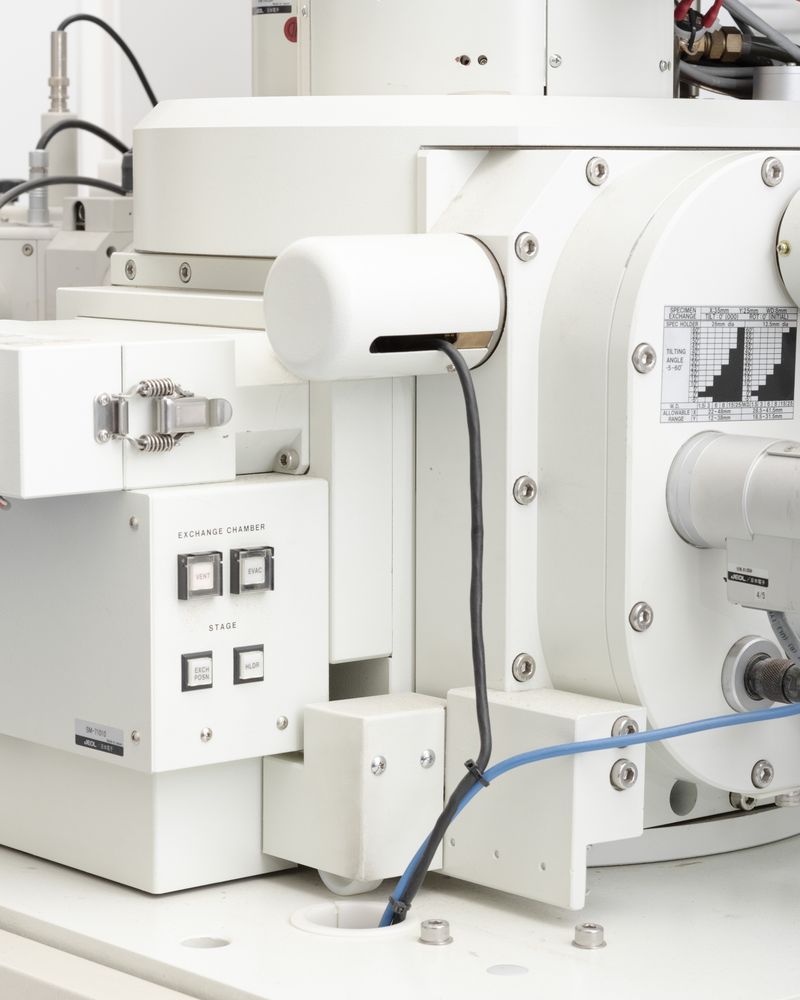
© Gaia Maggio - SEM Microscope, Zoological Station Anton Dohrn Naples.
i

SEM Microscope, Zoological Station Anton Dohrn Naples.

© Gaia Maggio - Viewing of the diatom's frustule in Citizen Science laboratory, Marina di Camerota, Salerno.
i

Viewing of the diatom's frustule in Citizen Science laboratory, Marina di Camerota, Salerno.

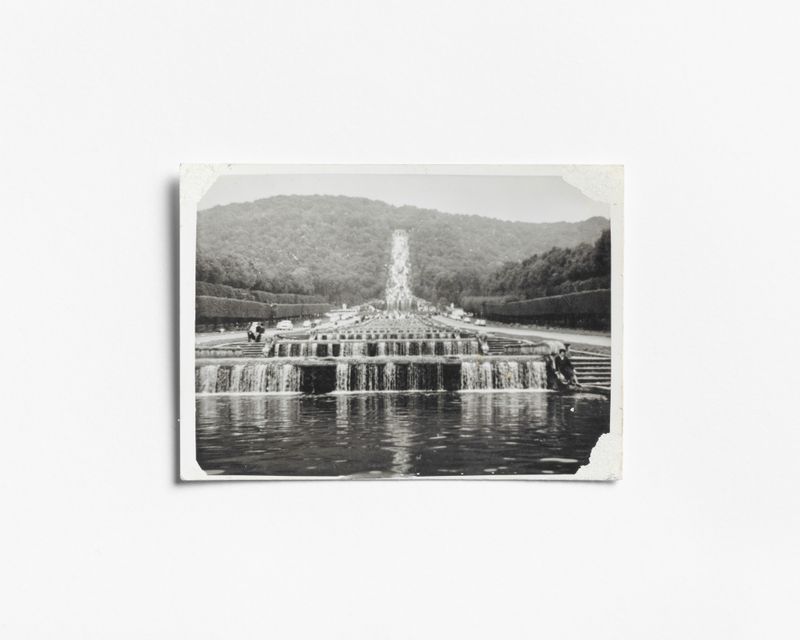
© Gaia Maggio - My grandmother at the Gardens of the Royal Palace in a photograph of the Personal Family Archive, Caserta.
i

My grandmother at the Gardens of the Royal Palace in a photograph of the Personal Family Archive, Caserta.

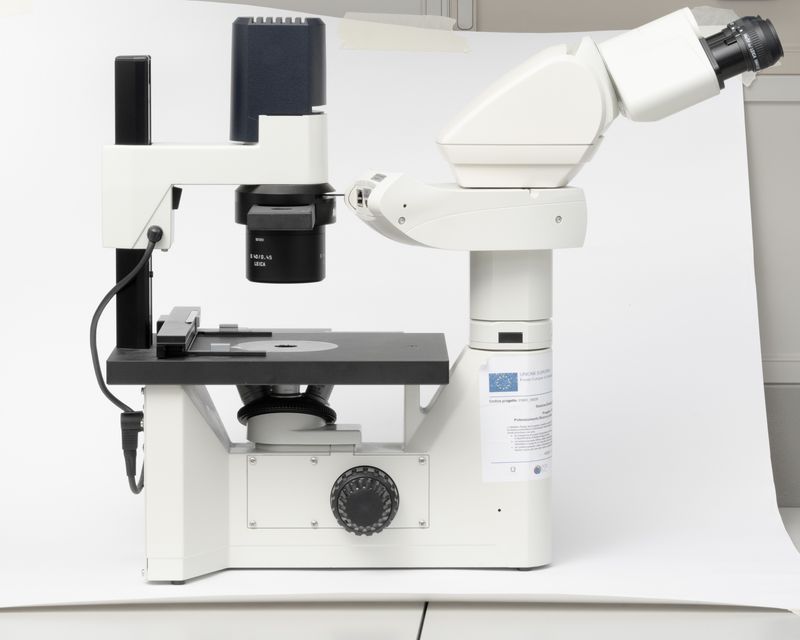
© Gaia Maggio - LM Microscope, Zoological Station Anton Dohrn Naples.
i

LM Microscope, Zoological Station Anton Dohrn Naples.

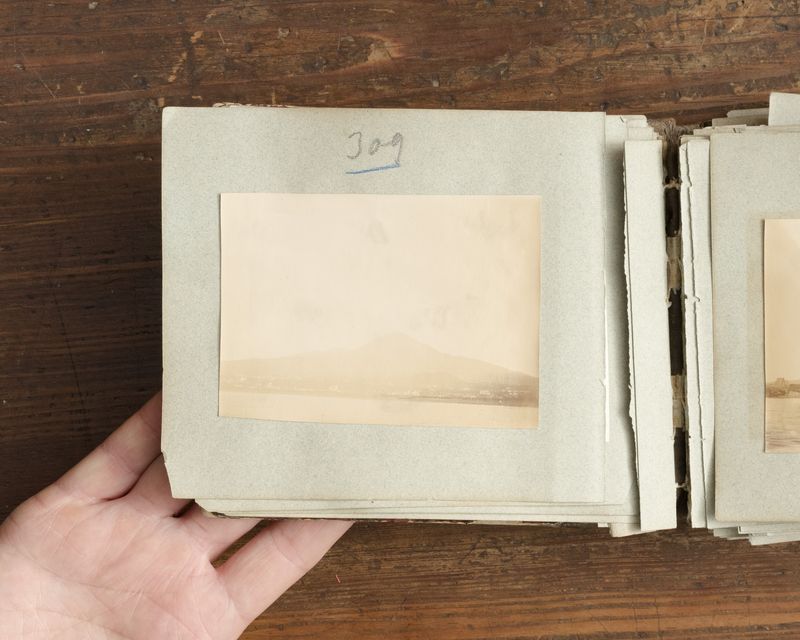
© Gaia Maggio - Image from the Diatomaceous Earth photography project
i

The Vesuvius in a Wilhelm Giesbrecht’ photograph on 15 June 1890, Dimensions: 11 x 7.5 cm., Historical Archive of the Zoological Station Anton Dohrn Naples (1.La.120.309).

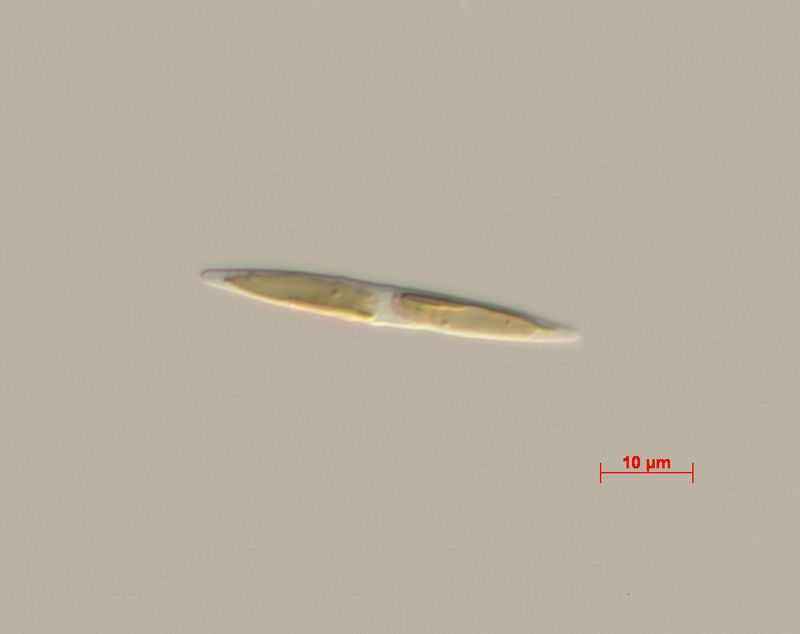
© Gaia Maggio - Pseudo-nitzschia multistriata, LM Microscope, Zoological Station Anton Dohrn Naples.
i

Pseudo-nitzschia multistriata, LM Microscope, Zoological Station Anton Dohrn Naples.

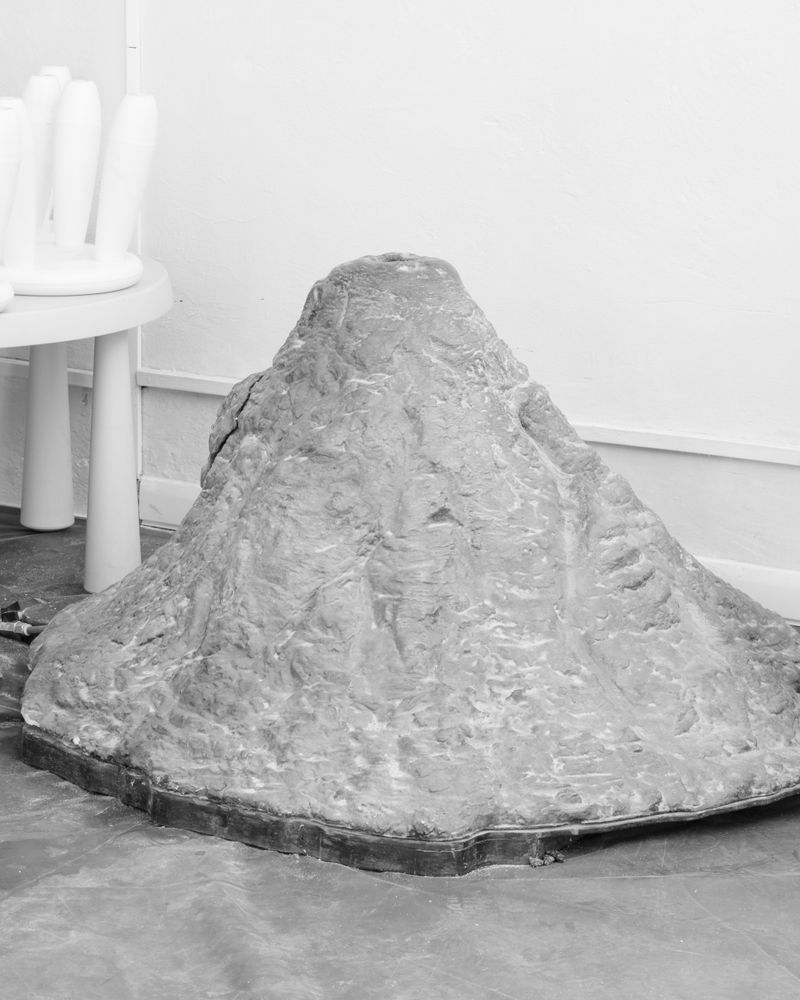
© Gaia Maggio - Volcano’s model used for workshops, Museum of Natural History of the University of Pisa.
i

Volcano’s model used for workshops, Museum of Natural History of the University of Pisa.

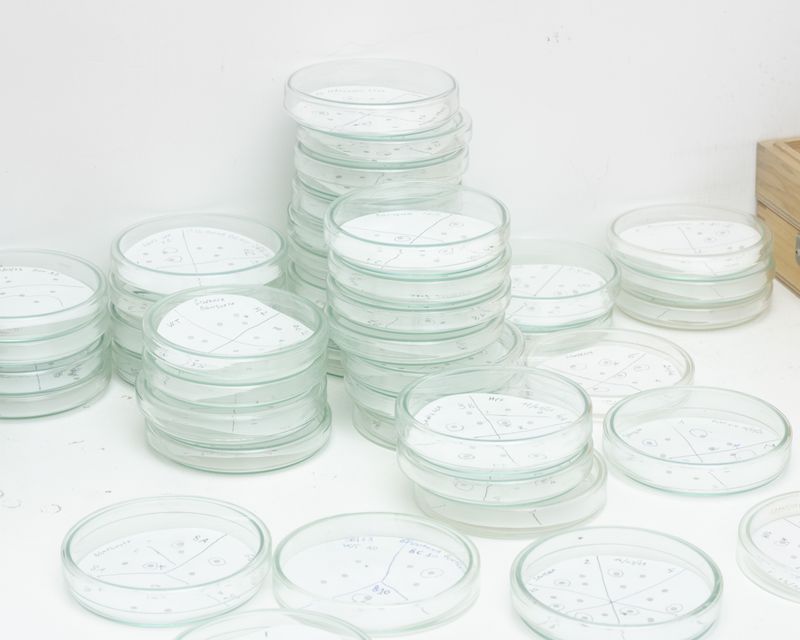
© Gaia Maggio - Petri dishes for vision at Electronic Transmission Microscope, Anton Dohrn Zoological Station Naples.
i

Petri dishes for vision at Electronic Transmission Microscope, Anton Dohrn Zoological Station Naples.

© Gaia Maggio - Image from the Diatomaceous Earth photography project
i

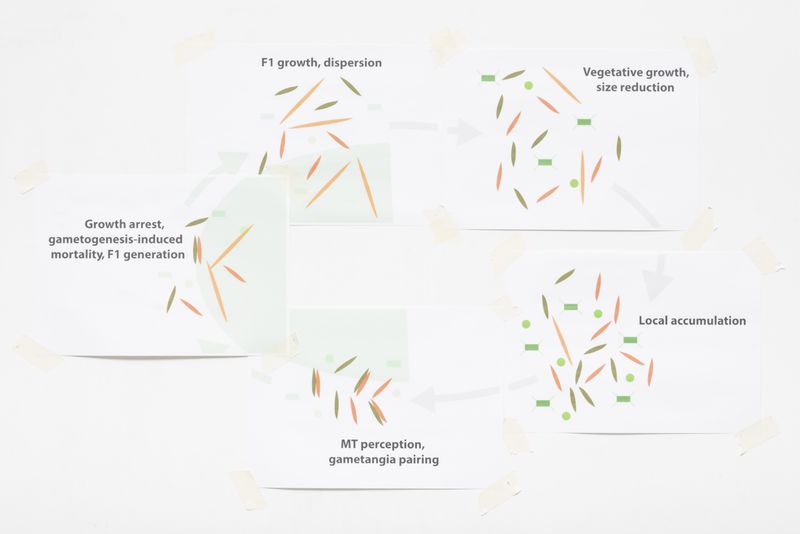
Simplified life cycle diagram of P. multistriata. Figure 5 of Trade-off between sex and growth in diatoms: Molecularmechanisms and demographic implications, Science Advances, volume 8, 2022.

© Gaia Maggio - Variconi Nature Reserve, Castel Volturno, Caserta.
i

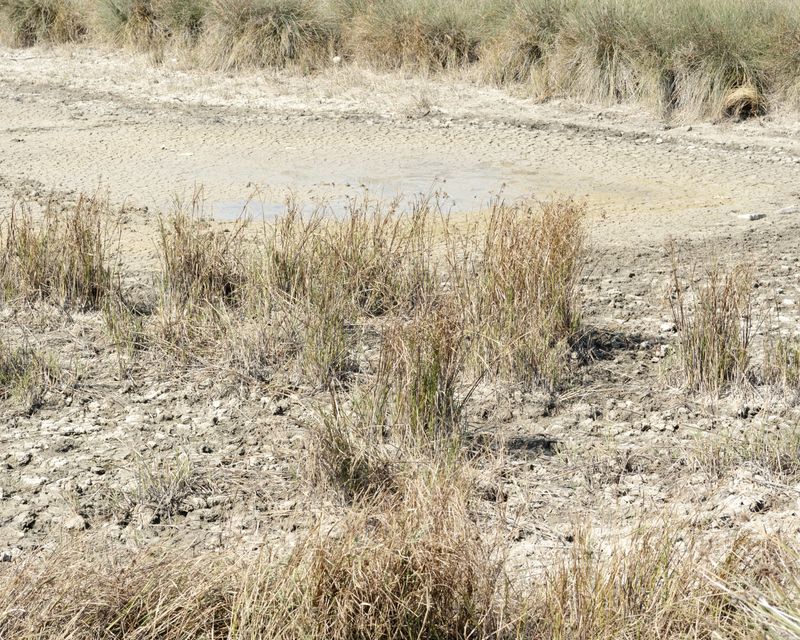
Variconi Nature Reserve, Castel Volturno, Caserta.

© Gaia Maggio - Image from the Diatomaceous Earth photography project
i

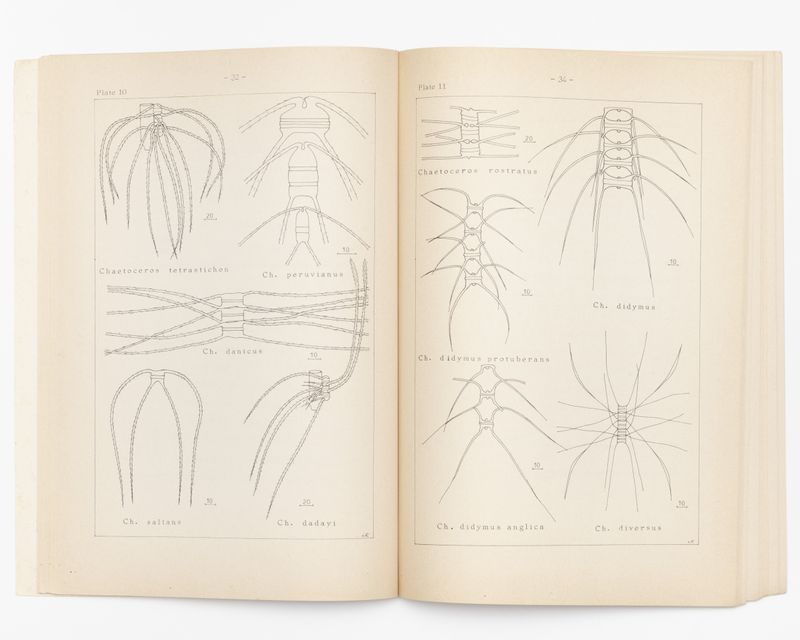
Key for the determination of Mediterranean pelagic diatoms, L. Rampl and M. Bernhard, National Nuclear Energy Committee, 1978, Zoological Station Anton Dohrn Naples.

© Gaia Maggio - My Grandfather Marco in a photograph taken from the Family Personal Archive, 1964, Lido dei tranvieri, Bagnoli, Naples.
i

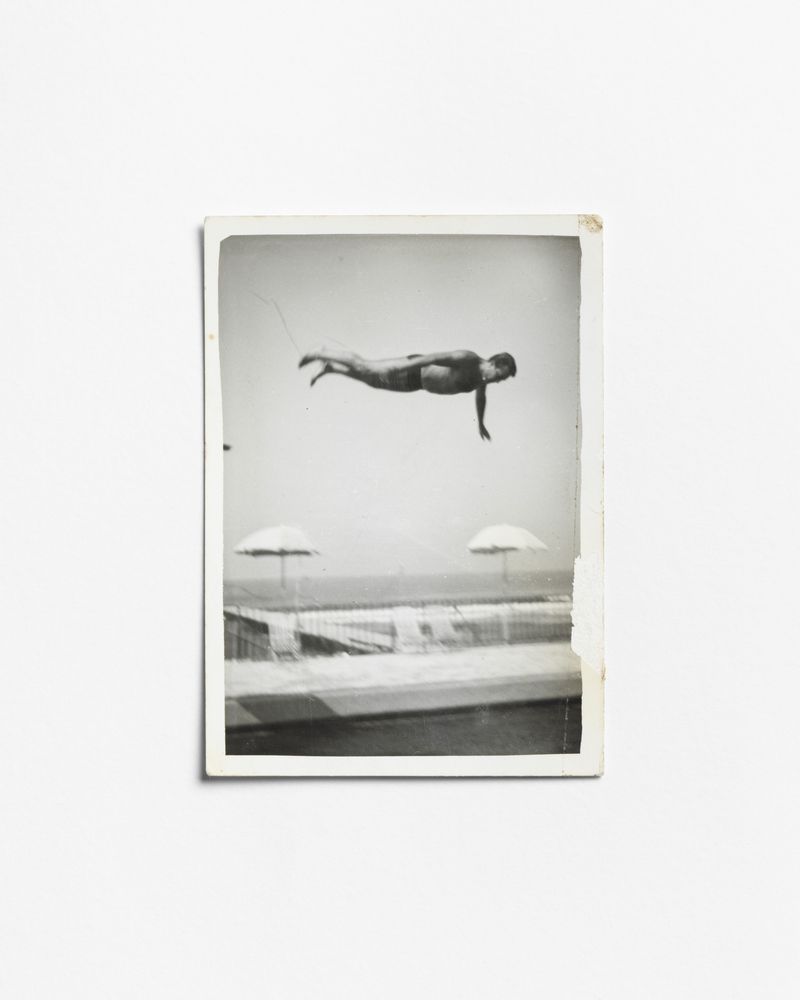
My Grandfather Marco in a photograph taken from the Family Personal Archive, 1964, Lido dei tranvieri, Bagnoli, Naples.

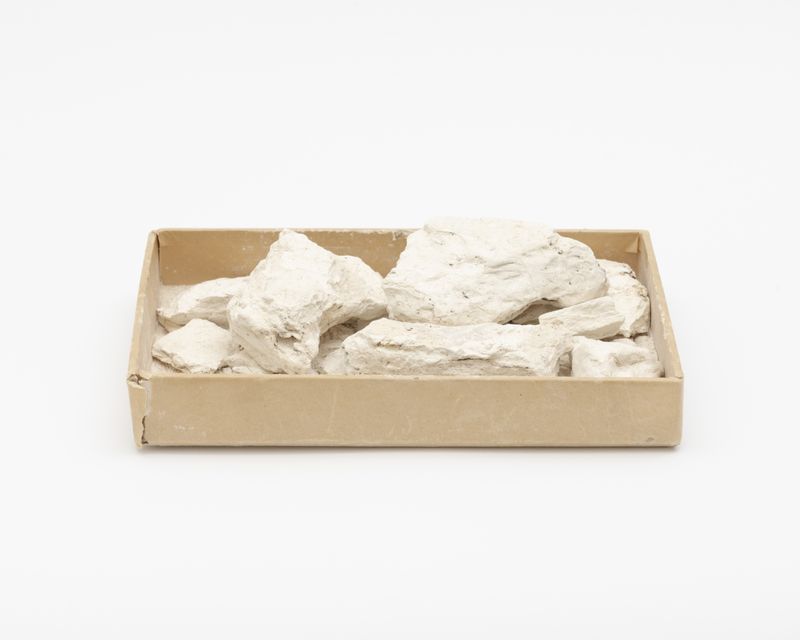
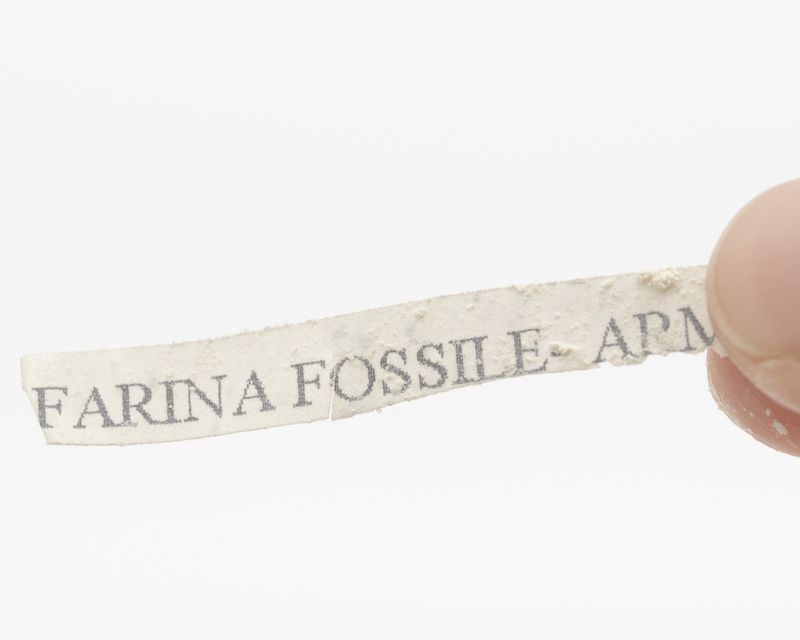
© Gaia Maggio - Fossil flour, Real Mineralogical museum, Natural and Physical Sciences Center University of Naples Federico II.
i

Fossil flour, Real Mineralogical museum, Natural and Physical Sciences Center University of Naples Federico II.

© Gaia Maggio - Fossil flour, Real Mineralogical museum, Natural and Physical Sciences Center University of Naples Federico II.
i

Fossil flour, Real Mineralogical museum, Natural and Physical Sciences Center University of Naples Federico II.