Dépouiller
-
Dates2025 - Ongoing
-
Author
- Location Marseille, France
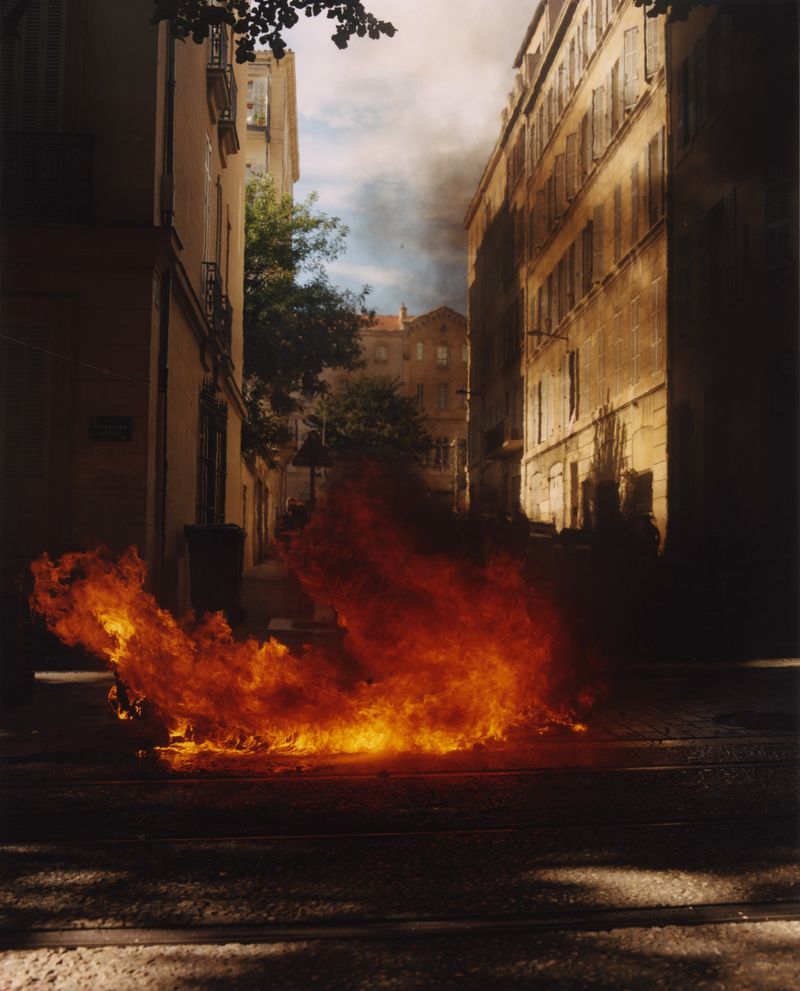
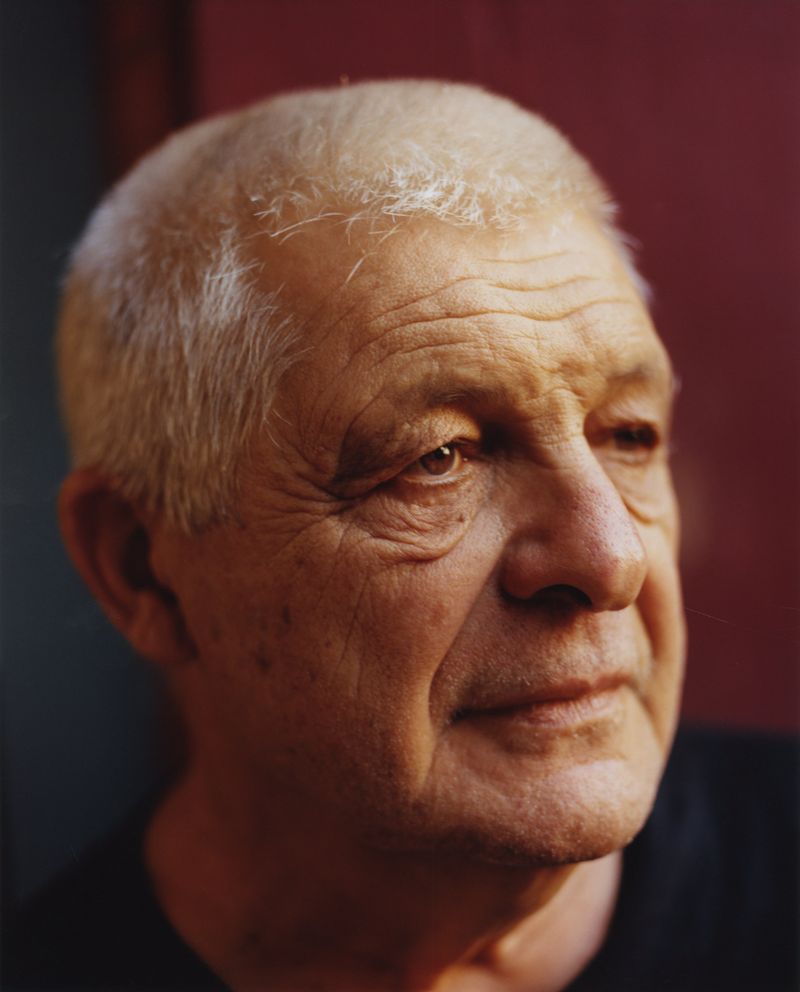
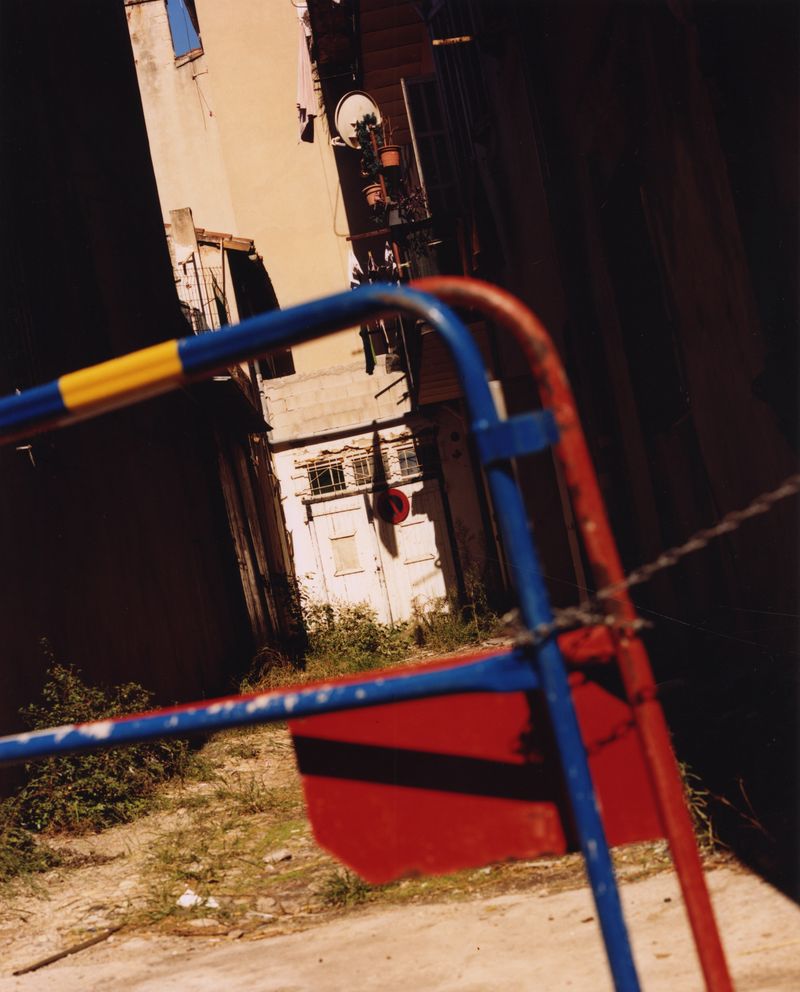
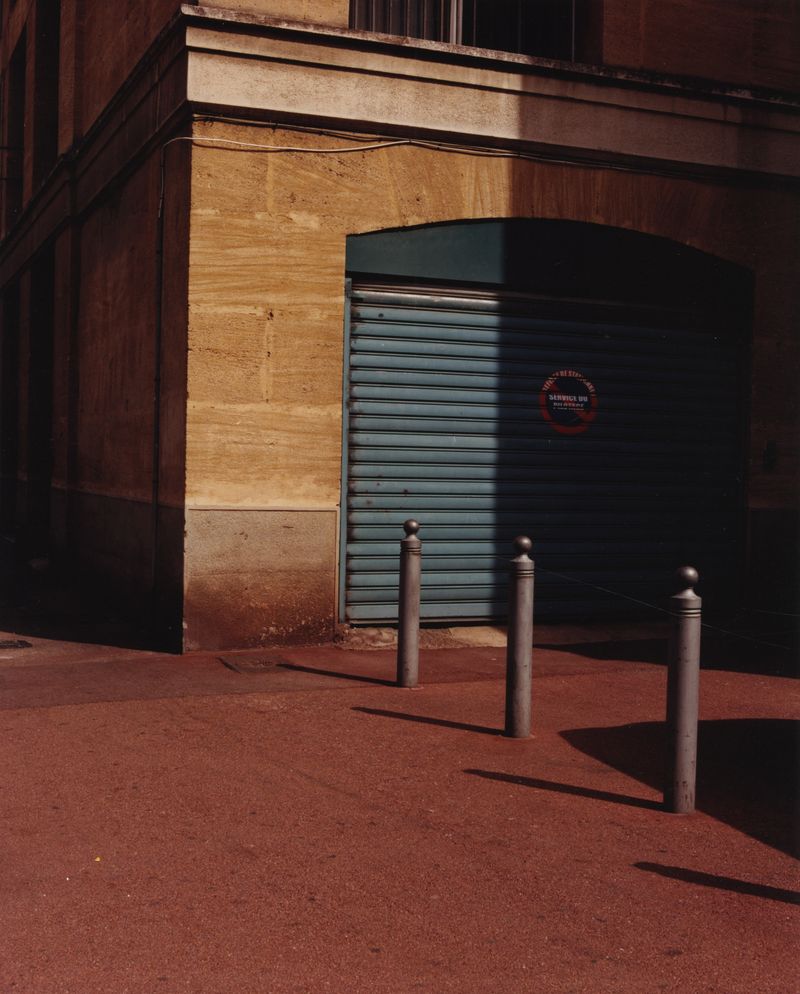
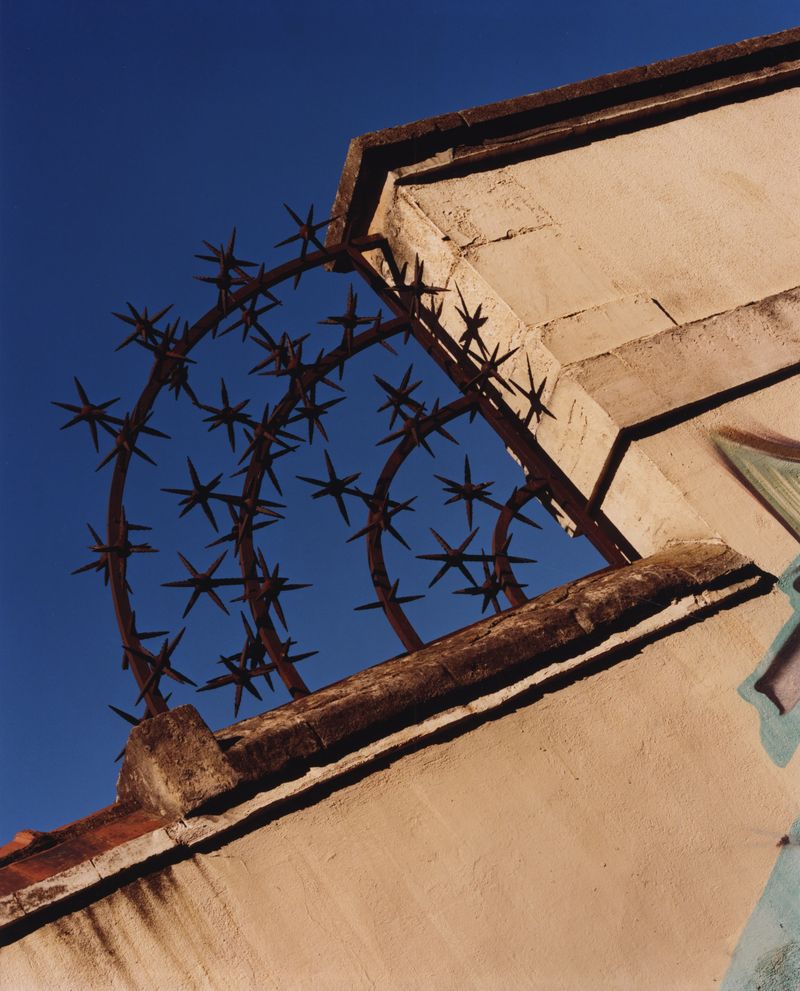
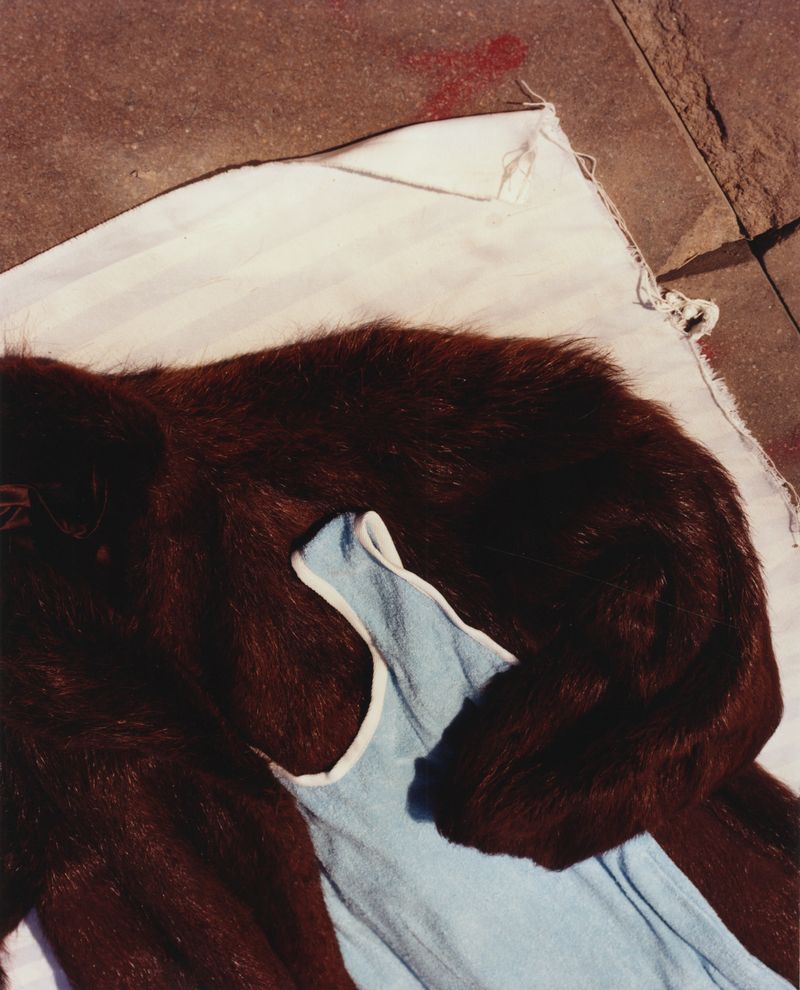
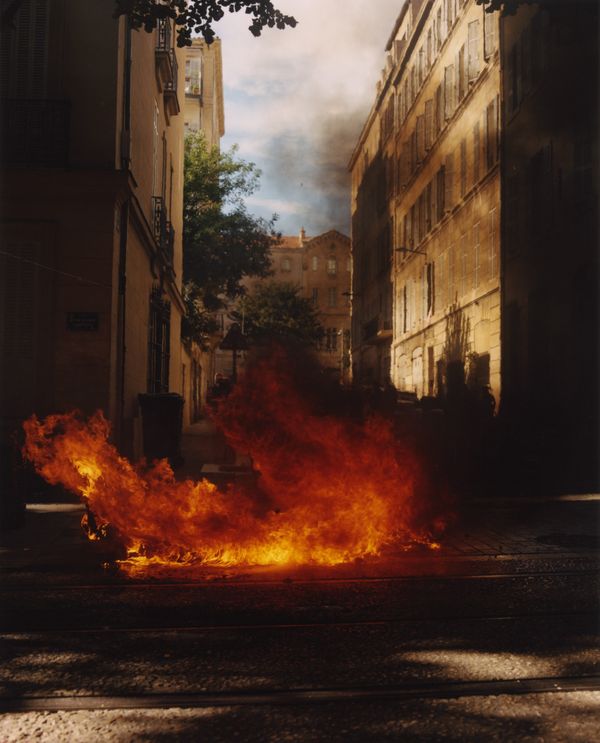
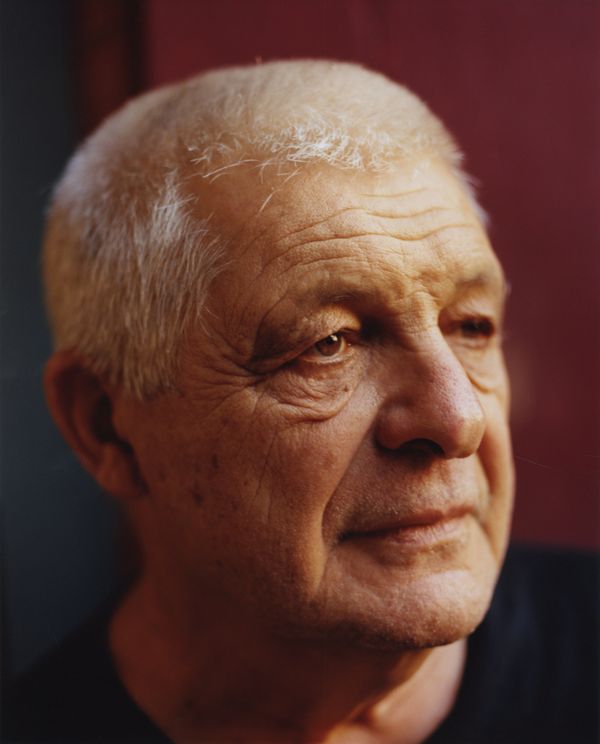
Dépouiller is a photobook in the making which merges documentary photography with fiction writing. It navigates a city during two different timelines, through the eyes and the words of two polar observers: a father and a son who almost never met.
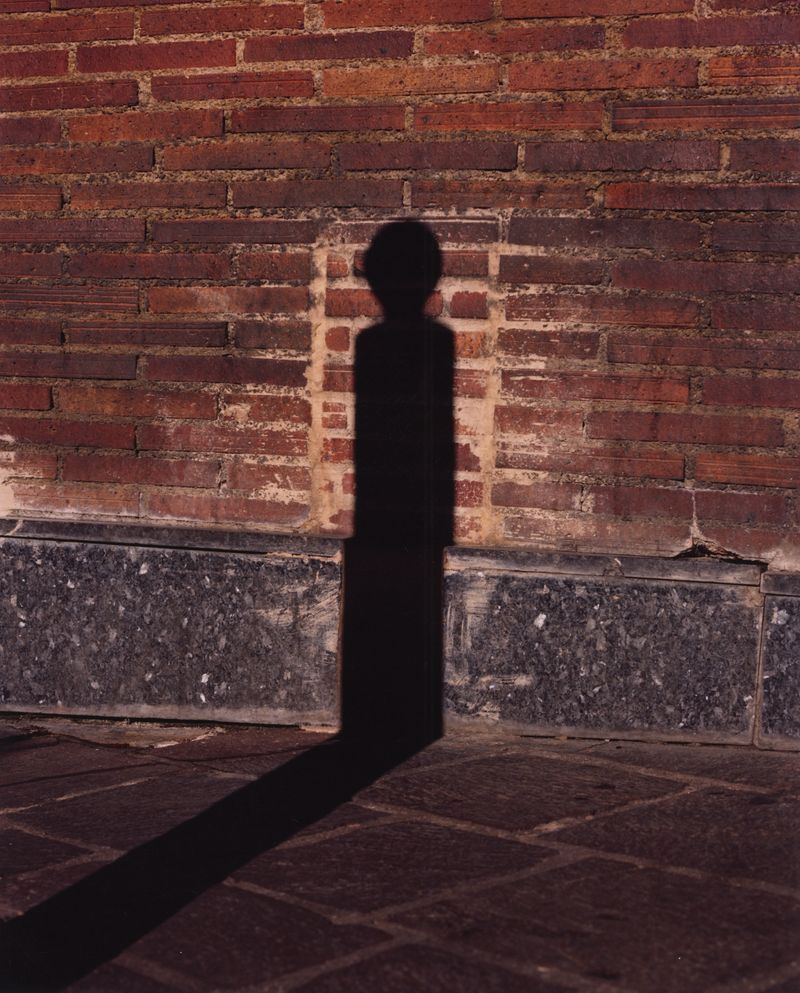
Dépouiller is an attempt to examine how the urban and the familial shape one another. It argues that our relationship to one informs the other, through joined processes of construction and deconstruction, familiarity and estrangement, attachment and indifference, stability and precariousness.
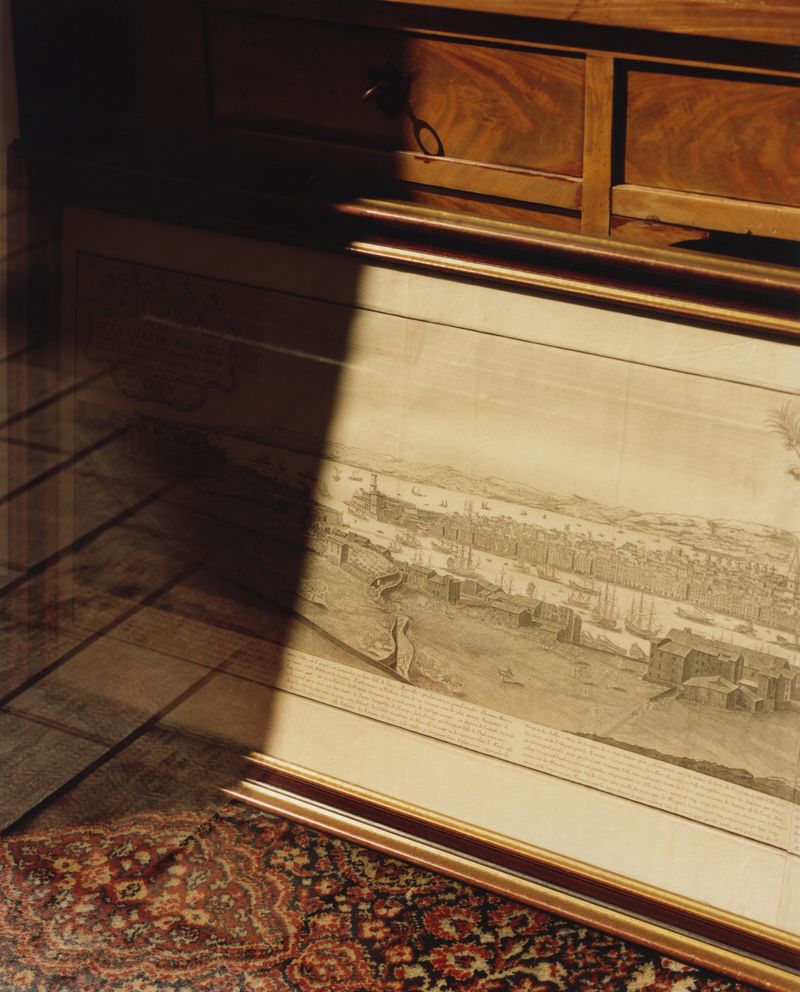
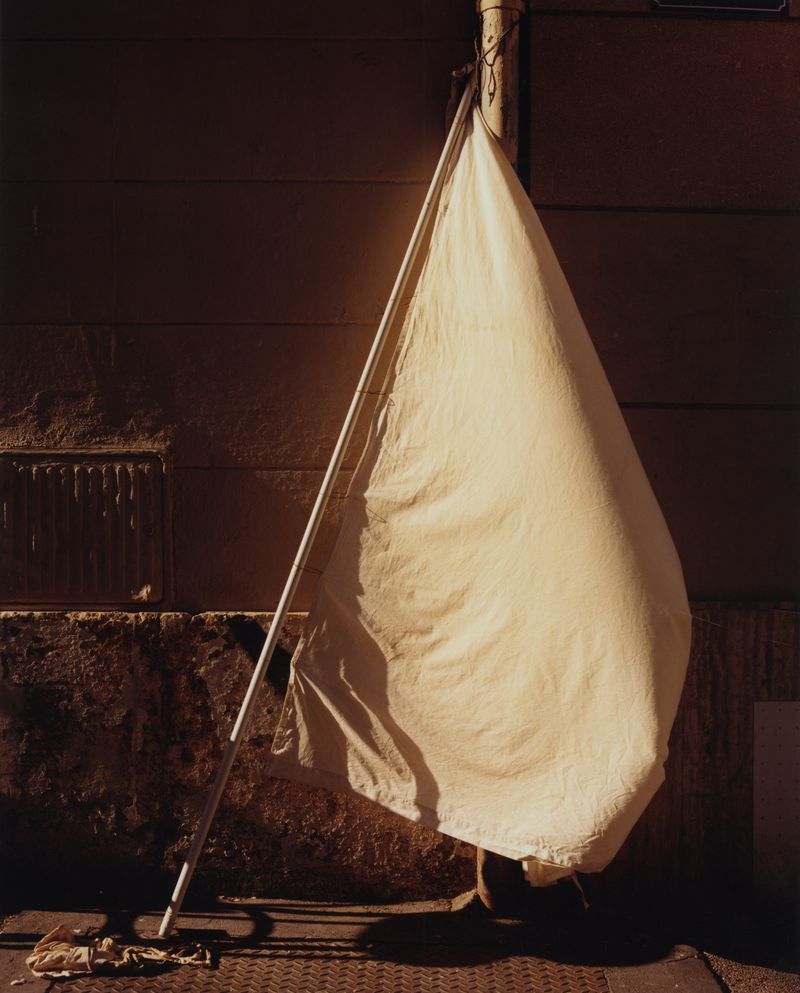
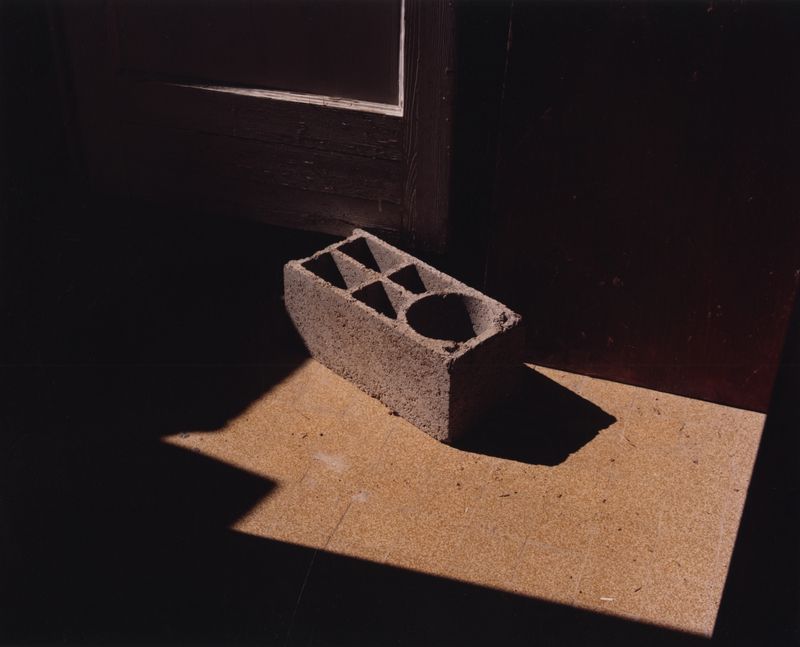
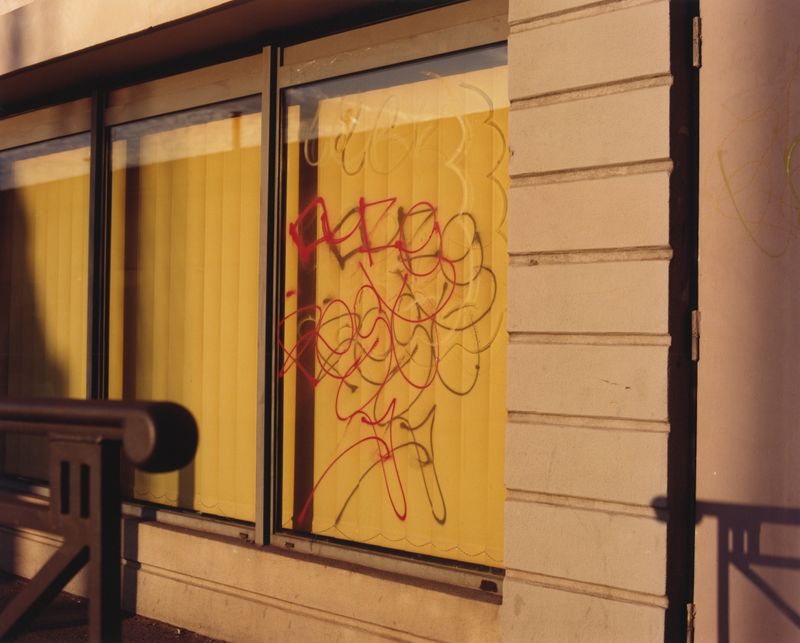
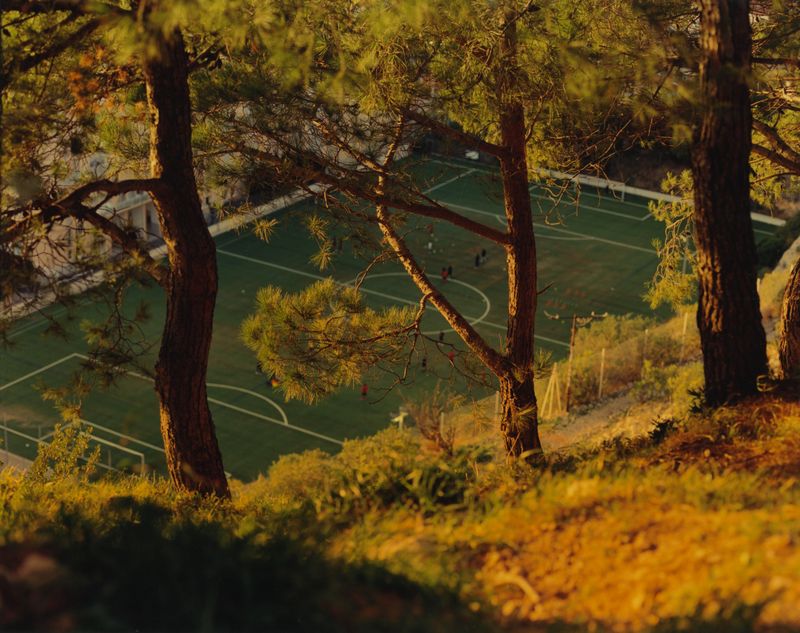
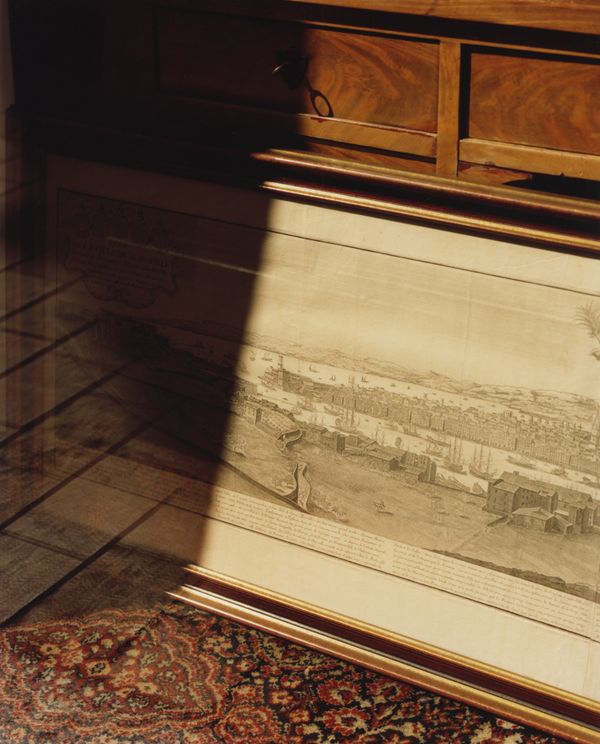
Dépouiller is a photobook weaving documentary photography and literary prose into a single continuous object. It takes the form of a visual and textual diary: a son’s first navigation of his father’s city, organised around fragments of a notebook he can barely read, recording what the city yields and what it withholds. The narrative is not entirely invented, nor entirely autobiographical. It occupies the space between documentation and fiction.
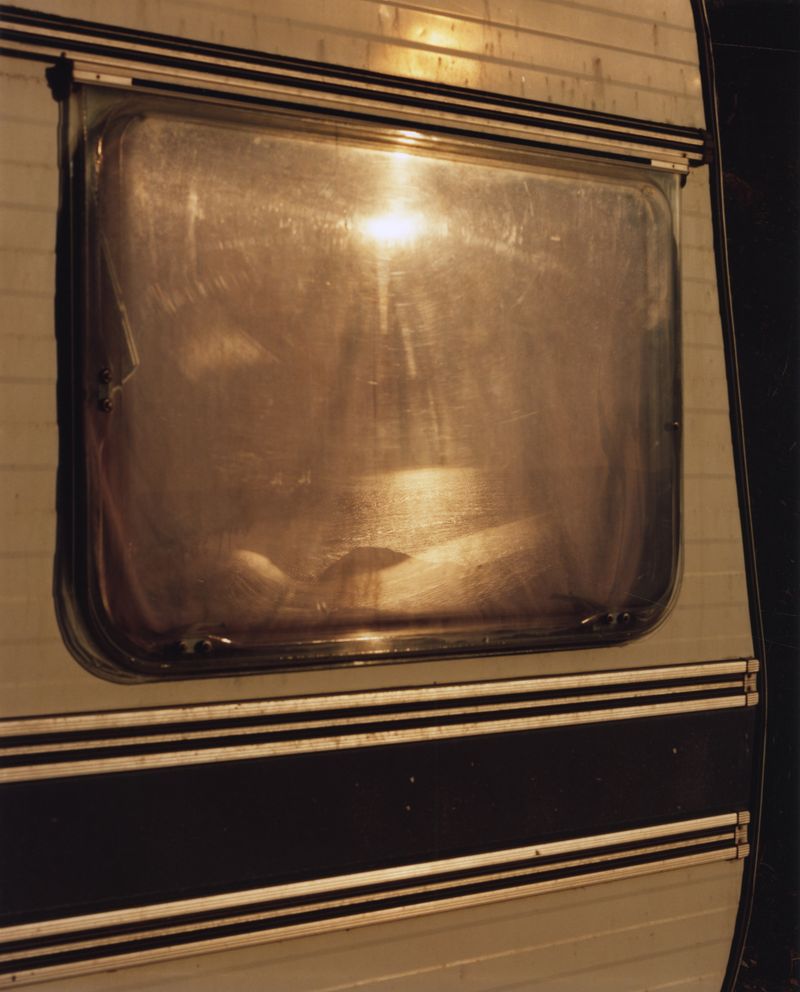
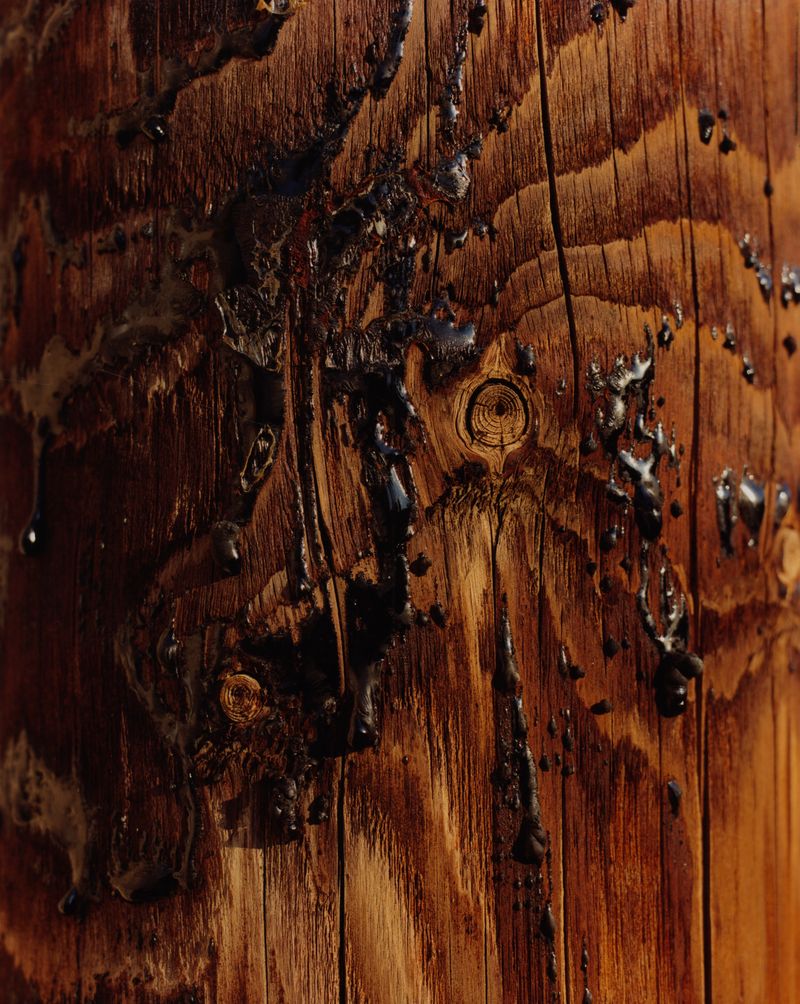
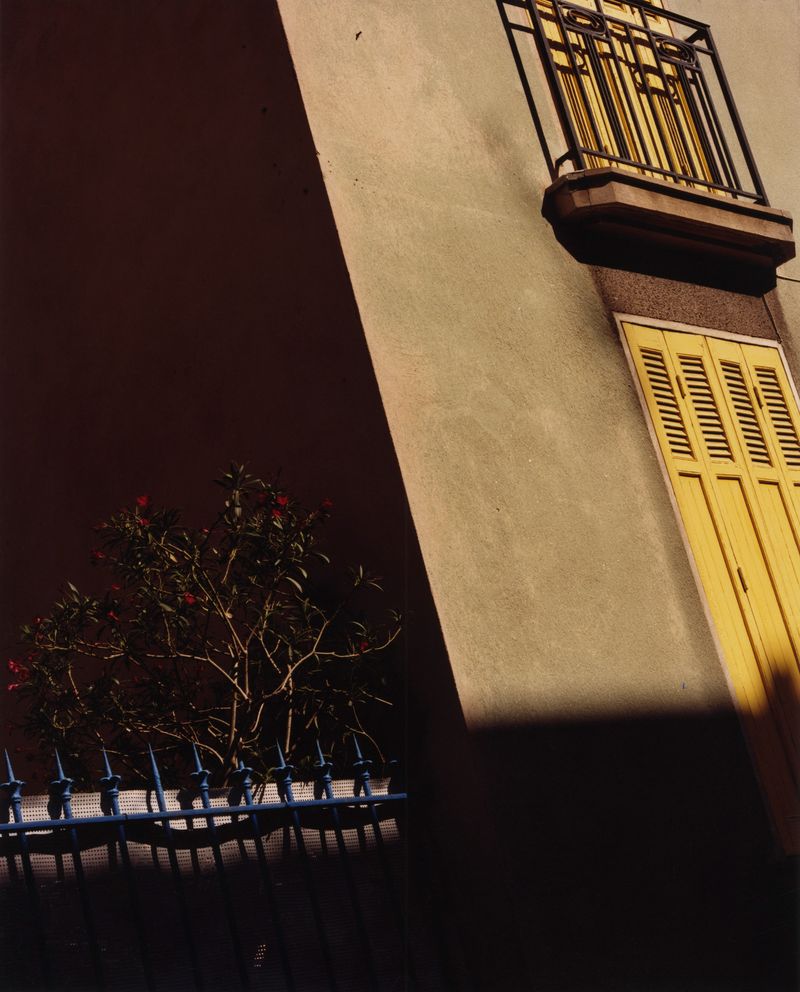
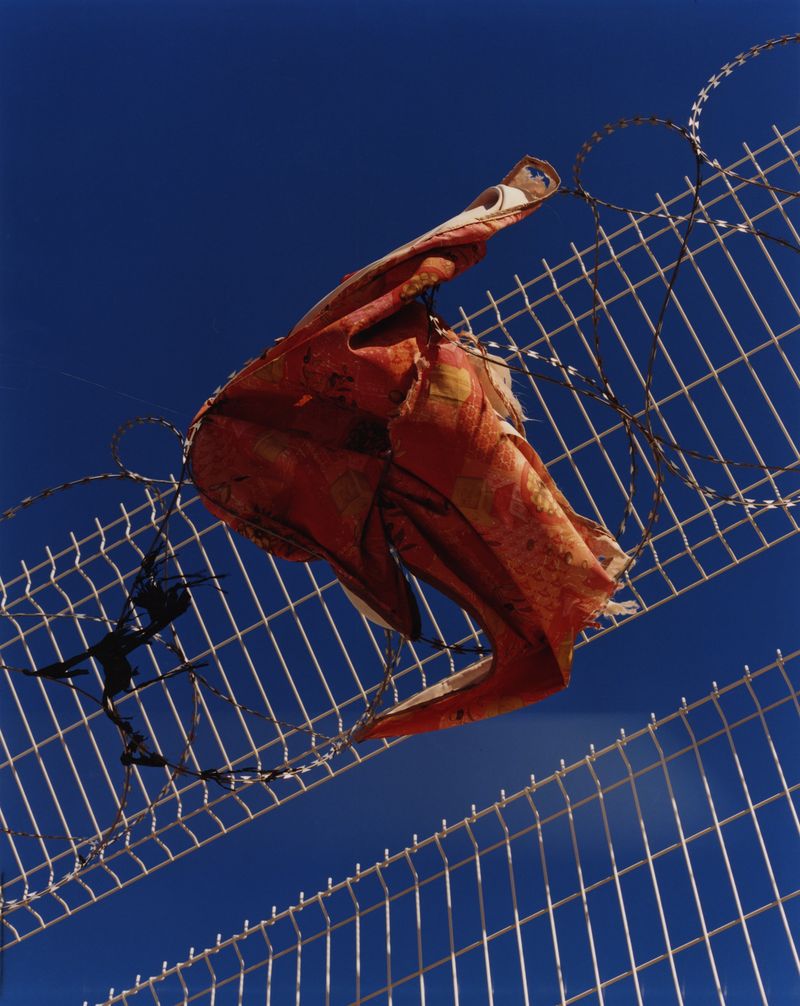
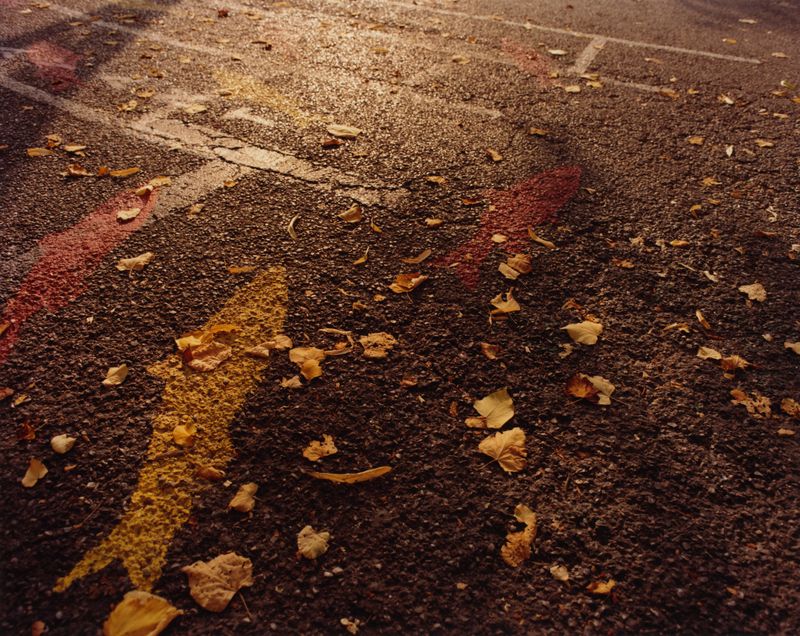
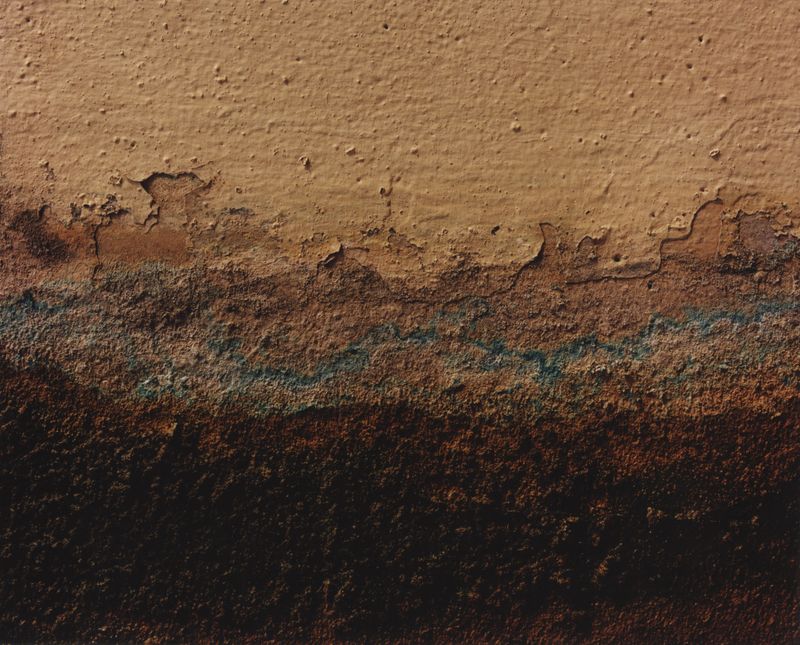
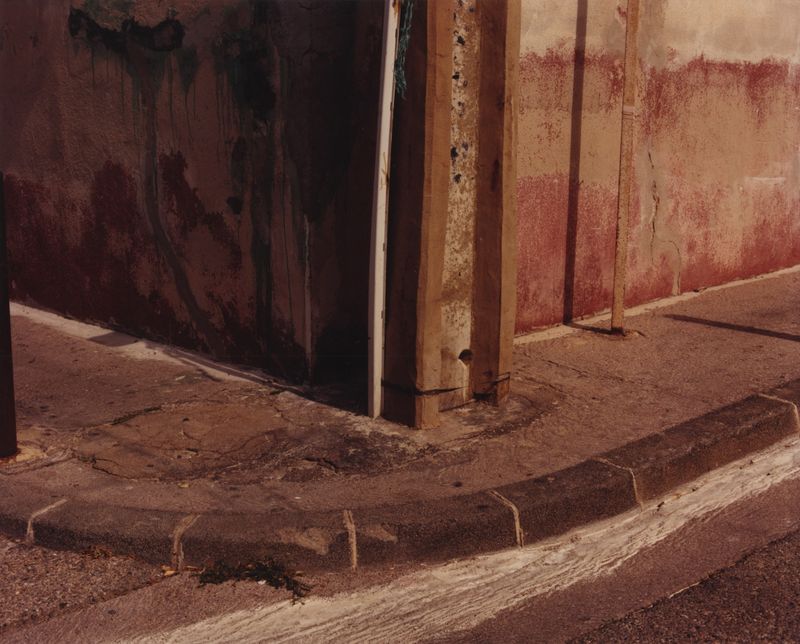
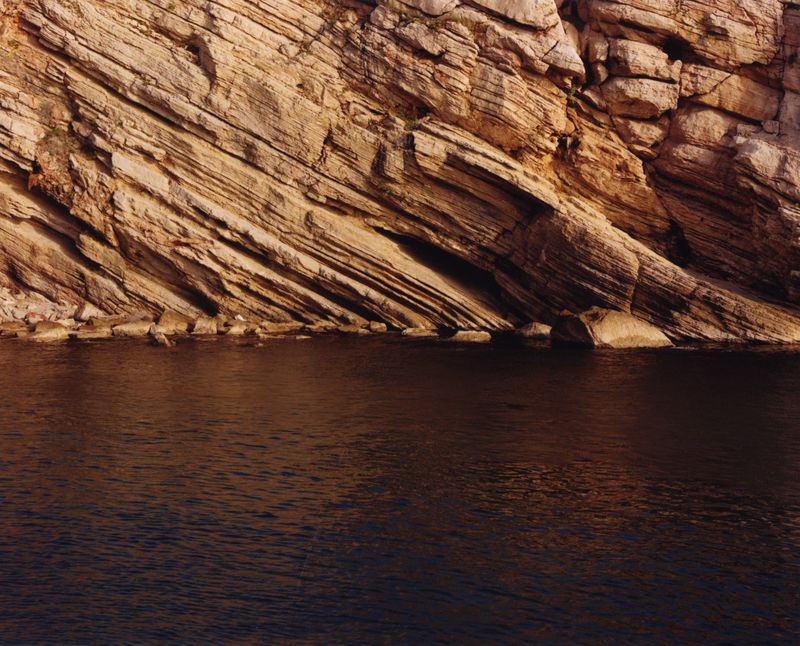
The photographs are made entirely on analogue film and printed by hand in the darkroom. The prose operates in a register that is neither memoir nor invention: a literary reconstruction of experience, partial and aware of its own partiality. The two modes do not illustrate each other. They proceed in parallel, each incomplete without the other, each advancing toward a reconciliation that the book does not promise.
The inquiry at the book’s foundation is fatherhood and memory making and unmaking in cities undergoing rapid and irreversible urban transformation. Cities remade so thoroughly that the version a father knew no longer exists in the version a son encounters. The notebook is both a material object and a figure for this condition: fragmentary, damaged, written in a language that requires translation, describing streets and buildings and people that may or may not still be there. Dépouiller takes that process of inheritance and loss as its structural principle. Marseille is implicitly where it takes place, yet the format and the narrative is constructed to allow it to be read through any city.
The question Dépouiller poses is not sentimental. It is not mourning a better past. What it is engaging with is something more structural: the ways that have turned cities into interchangeable surfaces, where the rituals that made it possible to belong to it, have been steadily hollowed out and replaced with nothing but transaction, and within them people perpetually suspended between extremes, between the familiar and the unfamiliar, between the new and the old, between love and heartbreak, between care and conquest.