Dead Road
-
Dates2020 - Ongoing
-
Author
Dead Road traces the history and afterlife of a Stalinist Gulag railway to explore how unresolved collective trauma continues to resurface in the present.
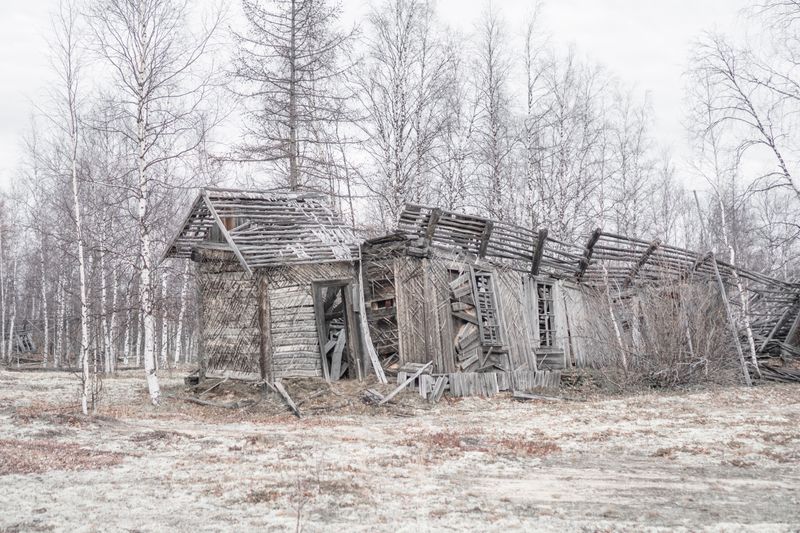
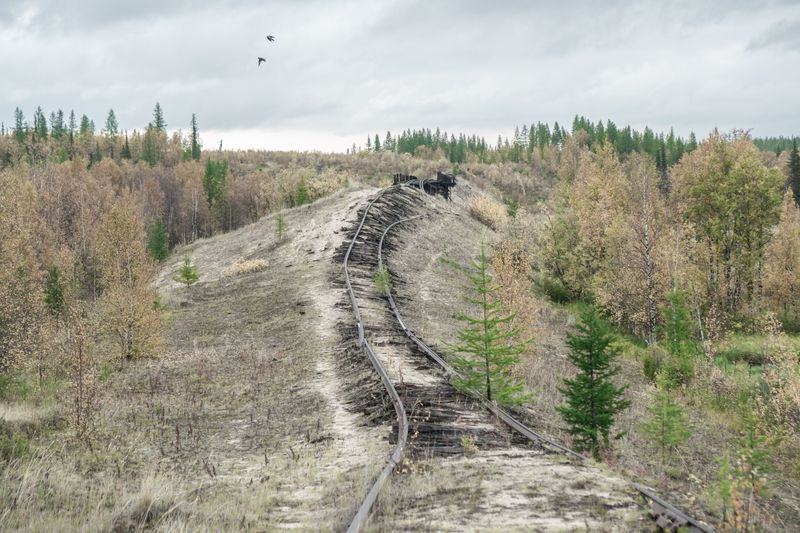
As a child, I was deeply fascinated by railroads and imagined myself becoming a train operator. My family lived in a small town in the far north of Western Siberia, where there were no trains at all, so the idea of a railway felt distant and almost unreal. Yet, at some point, I heard about abandoned rail tracks and wooden barracks hidden in the forest beyond the city limits. I learned the history of their origin much later.
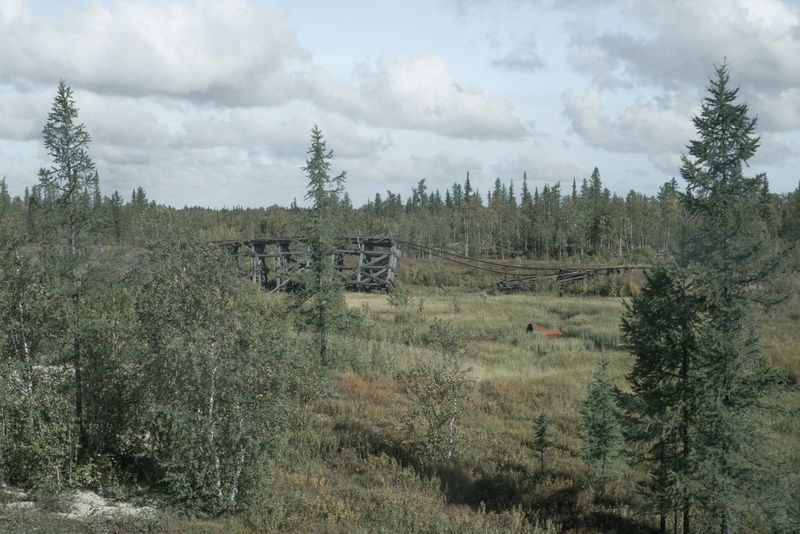
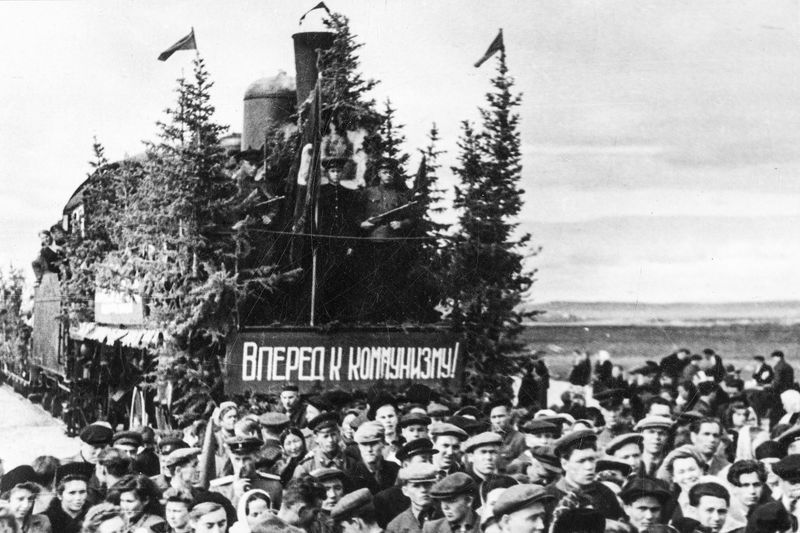
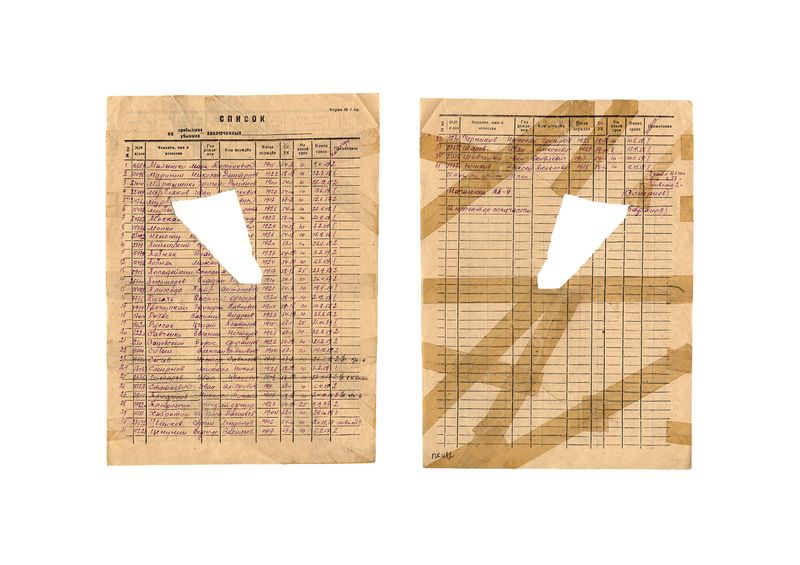
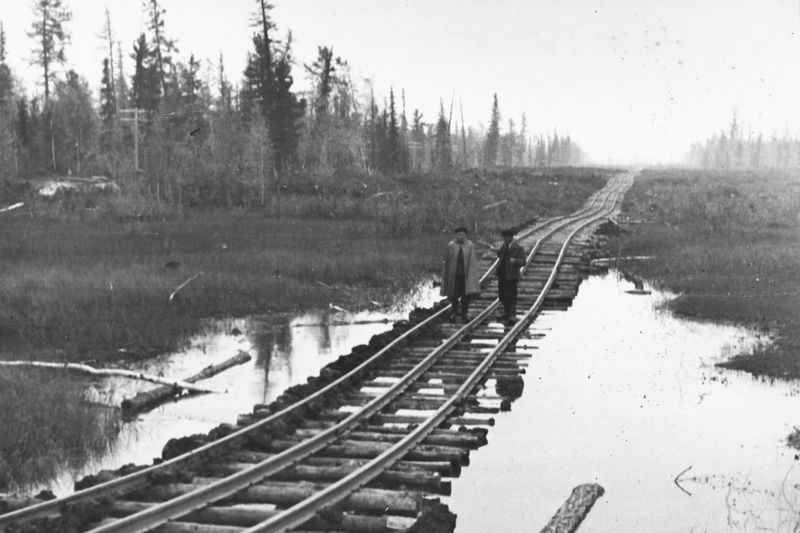
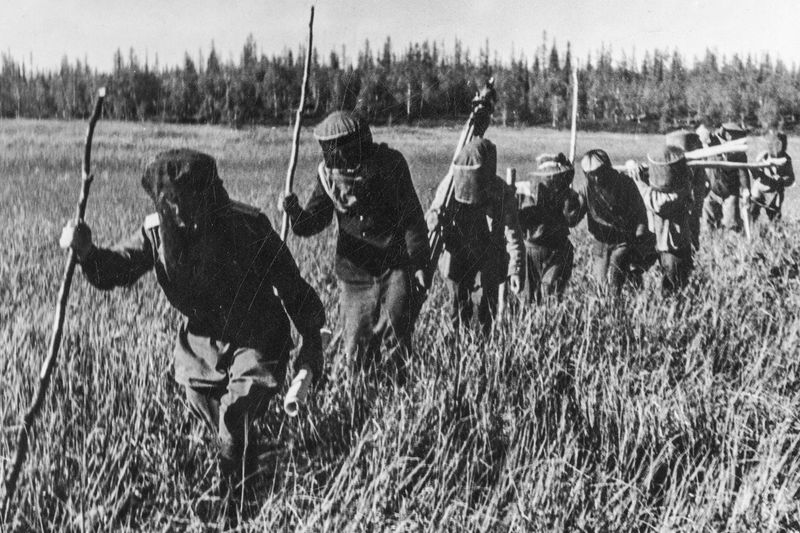
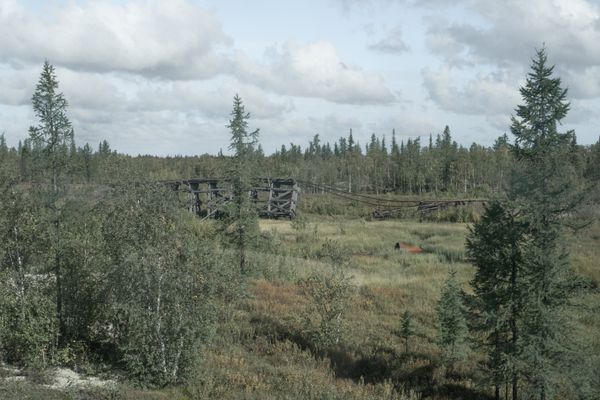
Between 1947 and 1953, one of Stalin’s large-scale construction projects was carried out in the post-war USSR. Prisoners of the Gulag and civilian workers were building the Chum–Salekhard–Igarka railway under extreme northern conditions. The route was intended to stretch for 1,480 kilometres along the Arctic Circle, connecting the Ob and Yenisei rivers and serving a planned seaport. When Stalin died in the sixth year of construction, with nearly half of the railway already completed and partly operational, the project was soon declared inexpedient and abandoned. According to archival research, up to one hundred thousand prisoners may have been involved in its construction, though the exact numbers and names remain unknown.
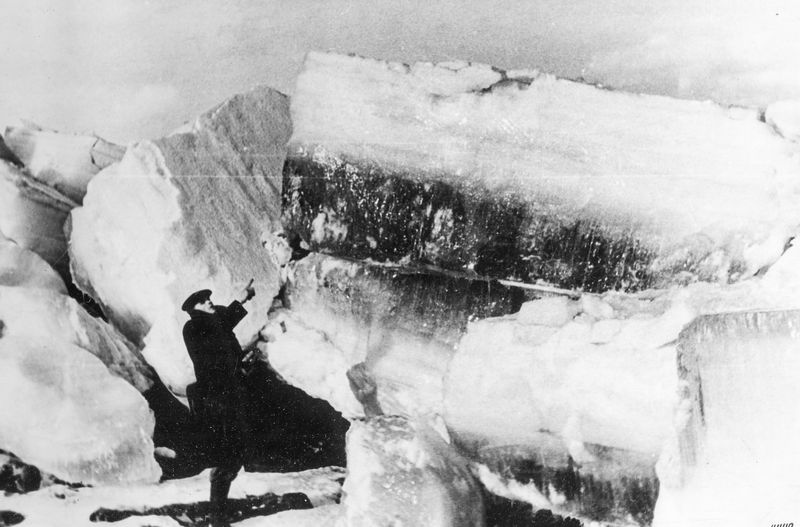
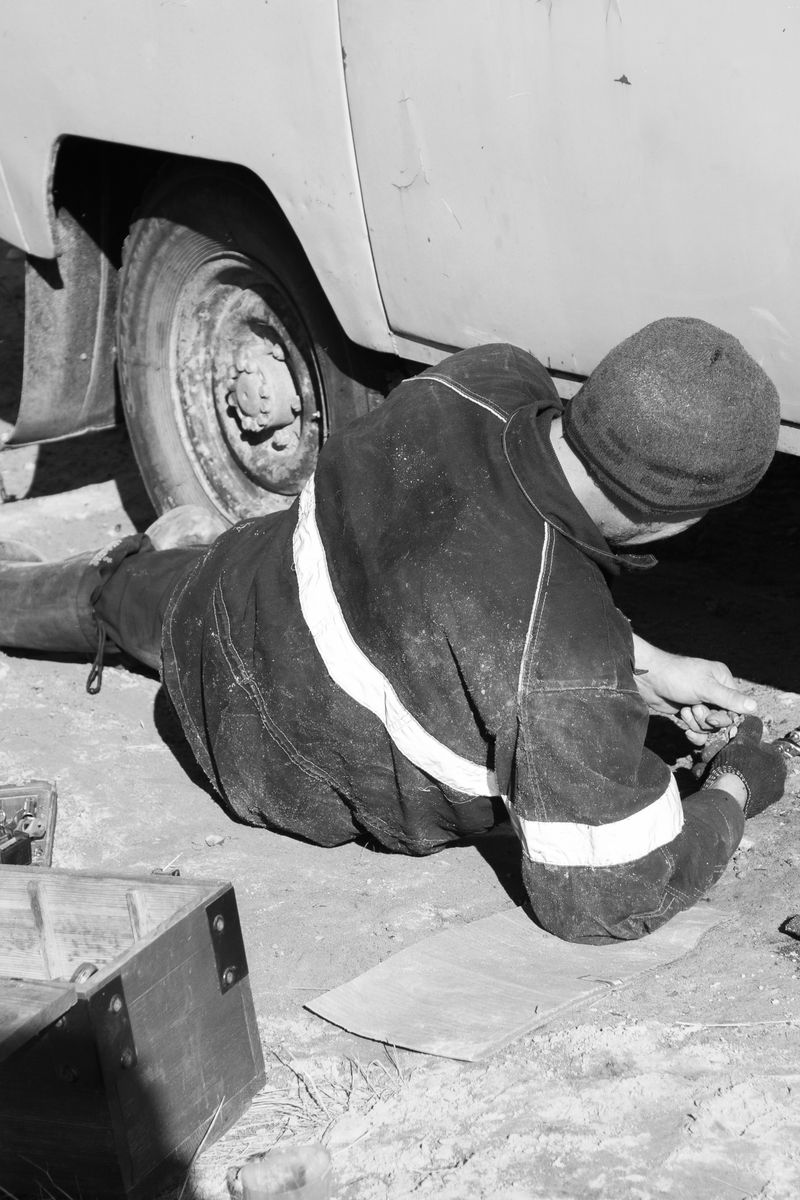
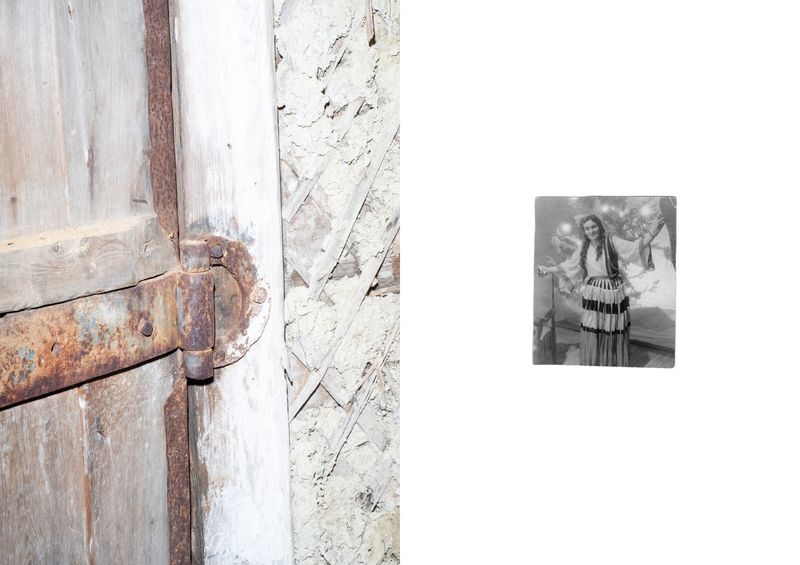
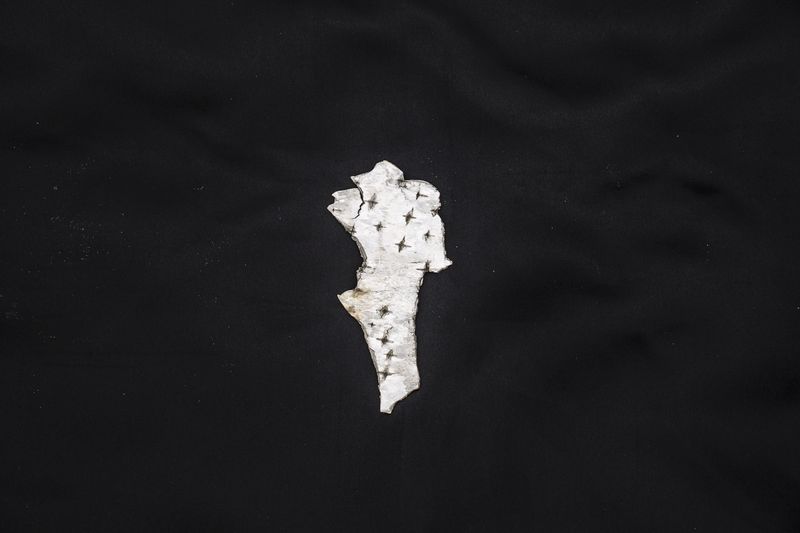
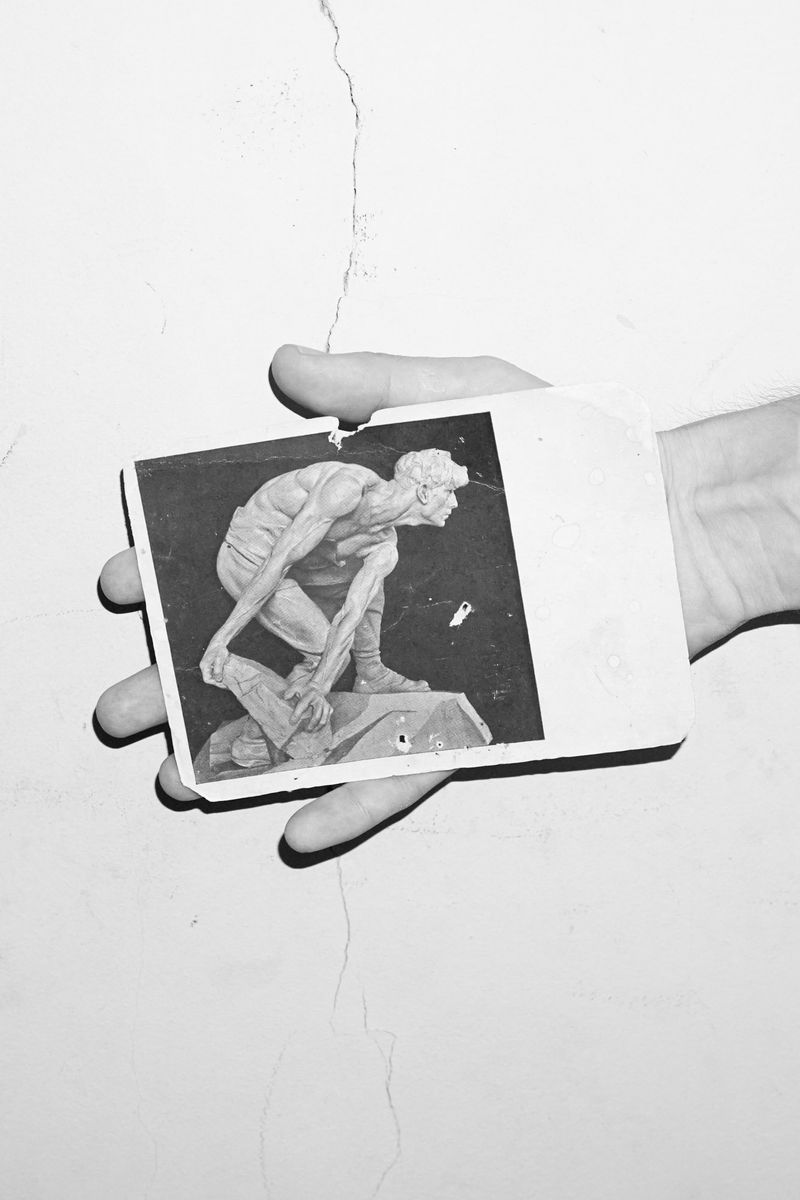
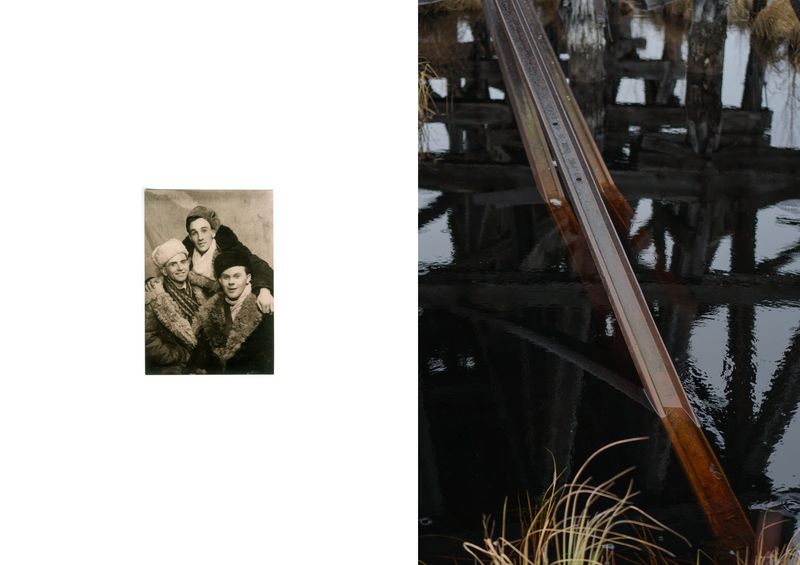
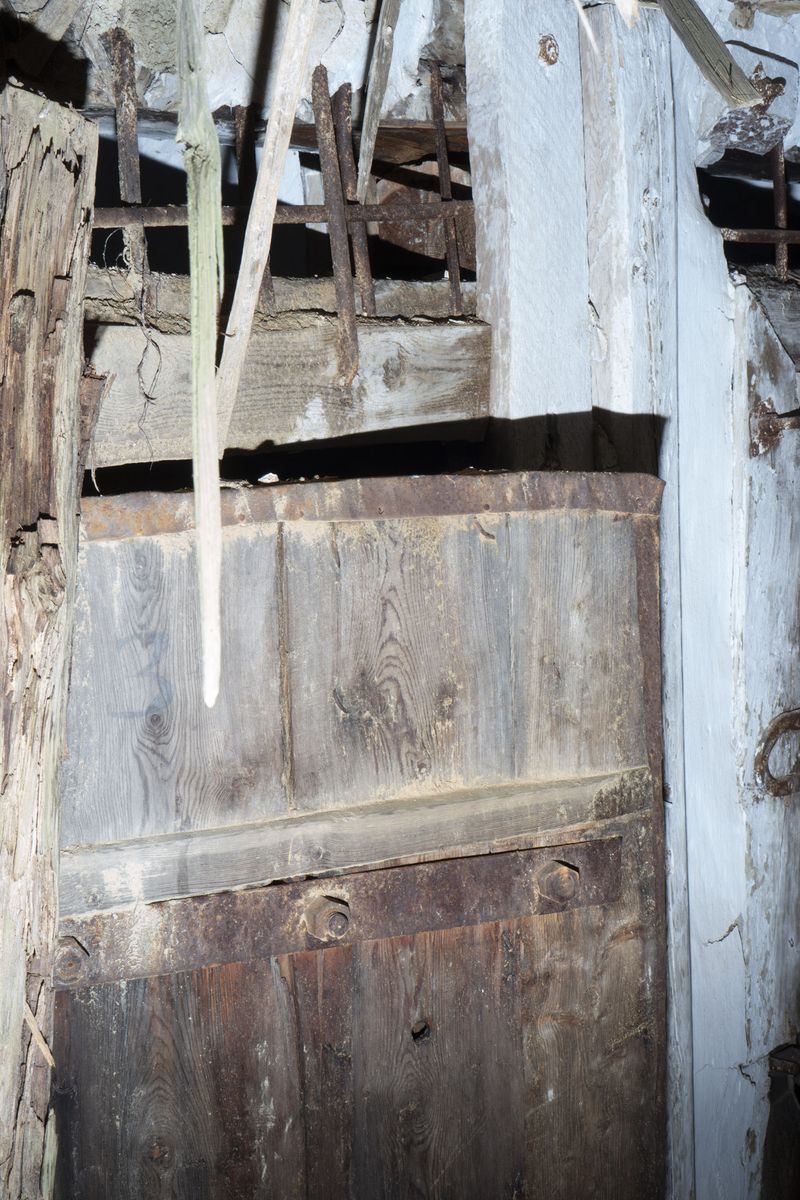
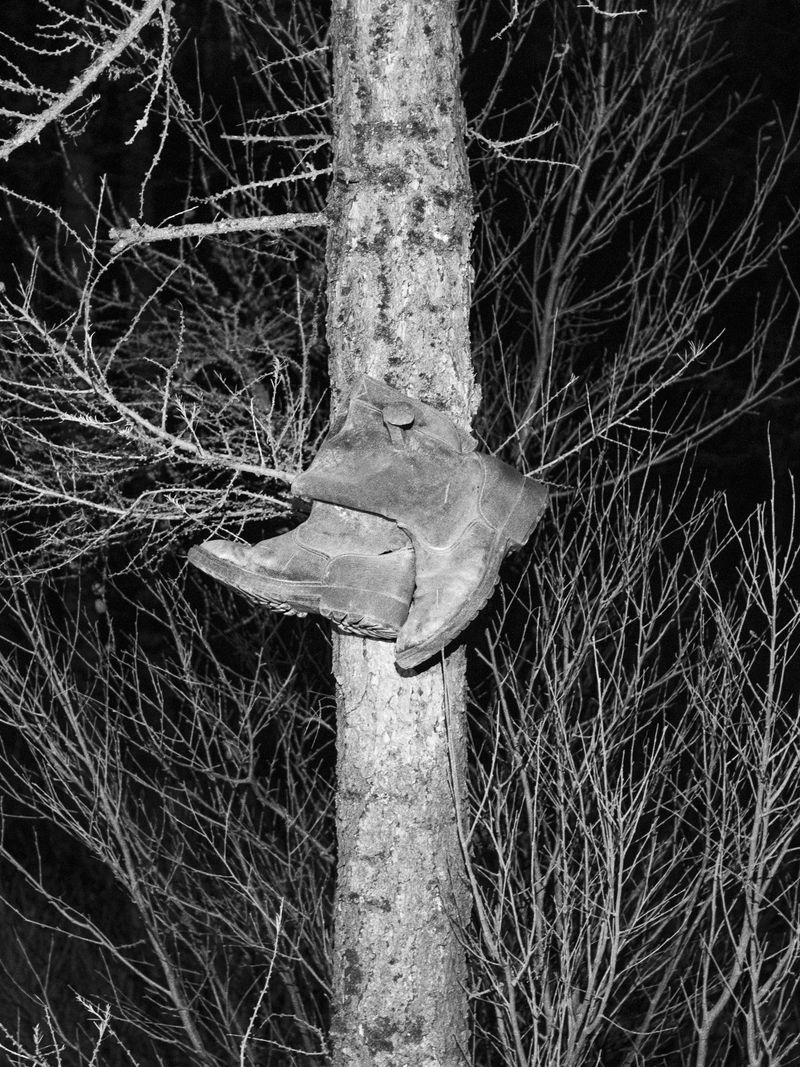
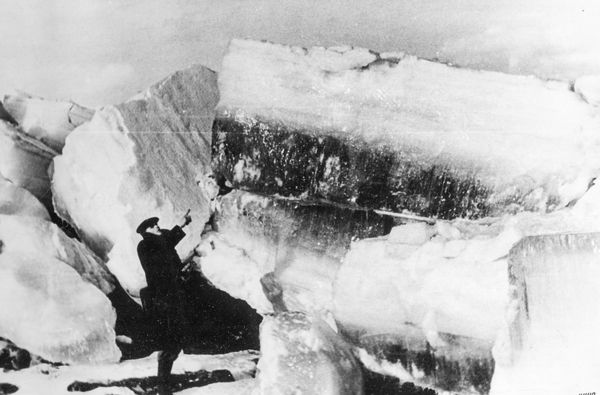
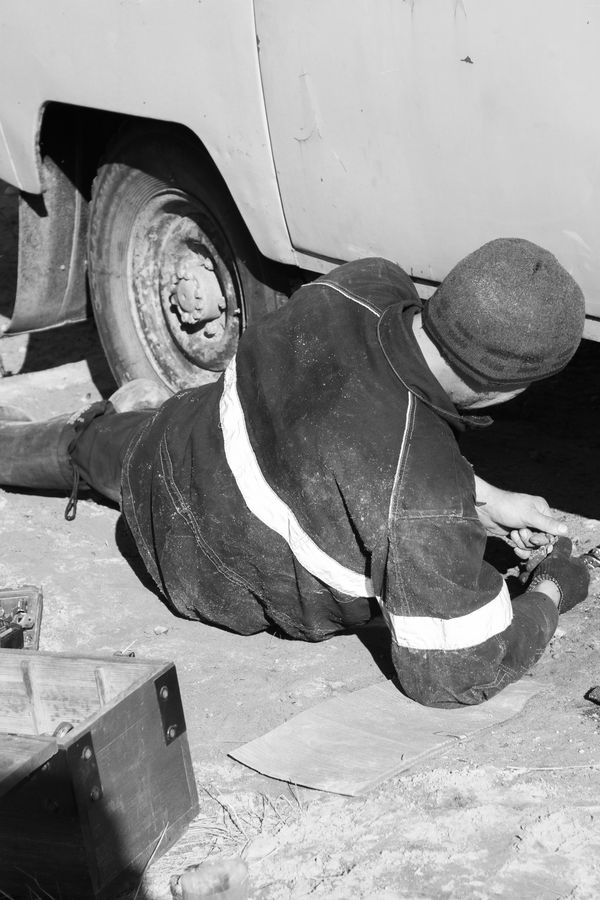
I have been working on Dead Road since 2020. In 2020 and 2021, I undertook two expeditions to the Russian North to photograph the remaining sections of the railway and its surrounding landscape. Alongside fieldwork, the project is grounded in extensive archival research. I work with official report albums compiled by local administrators and sent to Moscow during the construction, archival photographs, documents related to the project, museum materials, photographs taken by former prisoners and exiles, and written testimonies of witnesses. I also incorporate found objects and contemporary images produced during my expeditions, working through visual metaphors as well as documentary material.
These heterogeneous elements are assembled in a nonlinear structure, inviting the viewer into a position of gradual discovery. Instead of presenting a closed historical account, the work moves through fragments, absences, and shifts in time. By interweaving materials from different periods and allowing past and present to intersect, I aim to create a space where obscured layers of history can begin to surface.
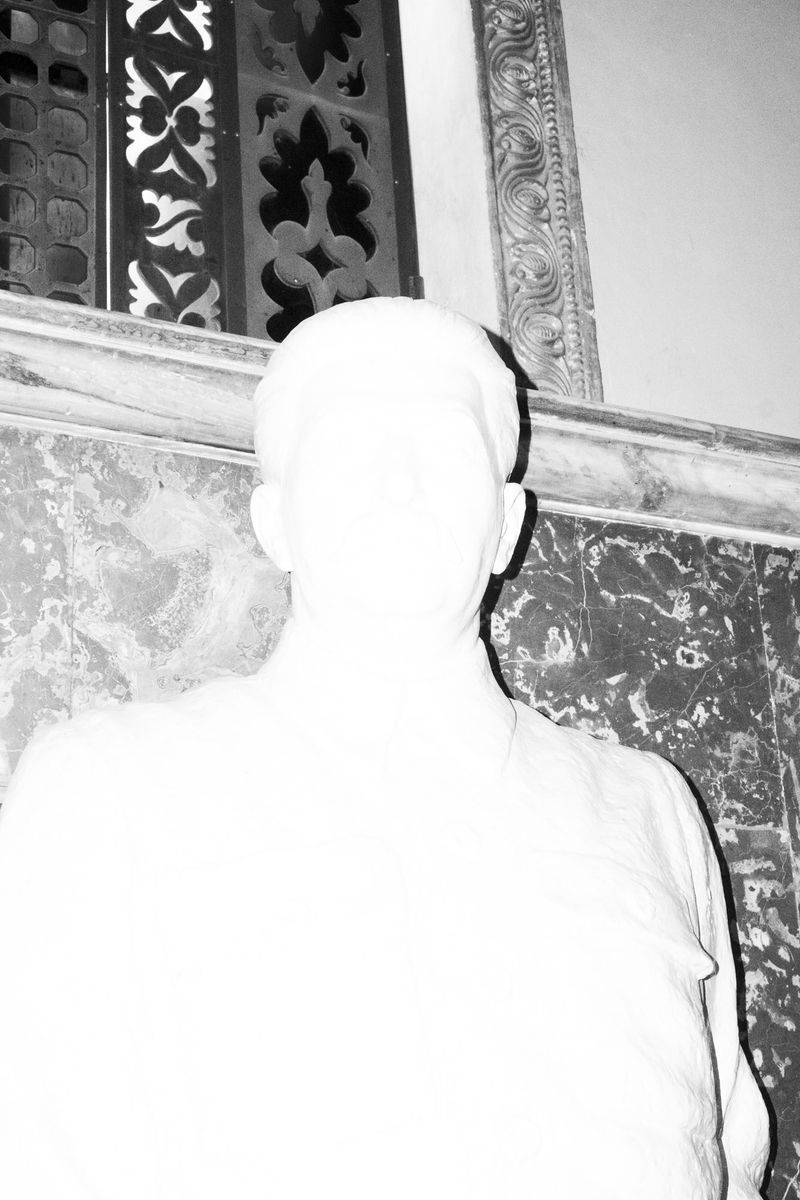
The project reflects on unfulfilled dreams and unresolved experiences embedded in the Soviet past. The Soviet system was shaped by a powerful narrative of a promised future, one that profoundly affected countless lives and left complex legacies. More than half a century later, these histories remain only partially addressed and continue to resurface in the present, persistently shaping contemporary realities.