Dapoli, lost and found.
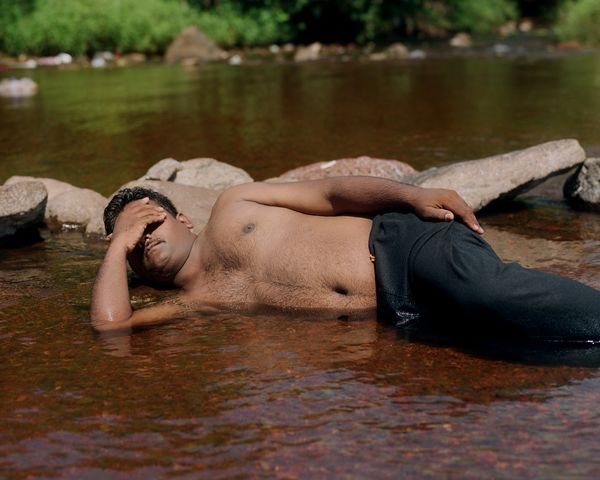
-
Dates2015 - Ongoing
-
Author
- Location Dapoli Camp, India
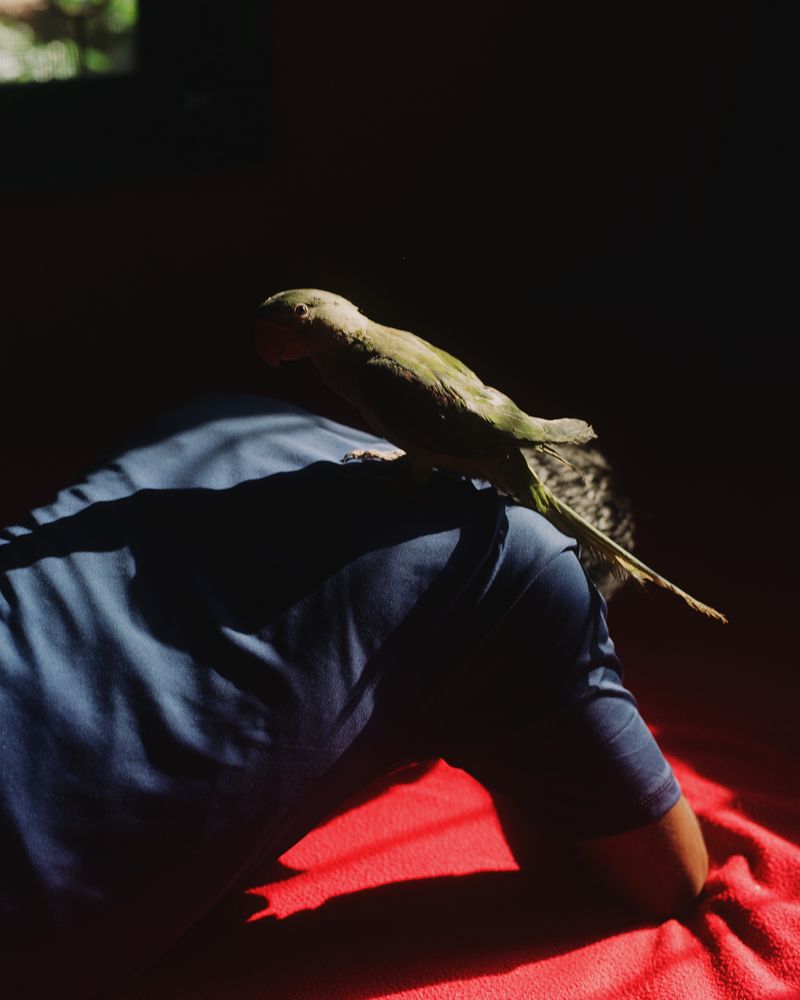
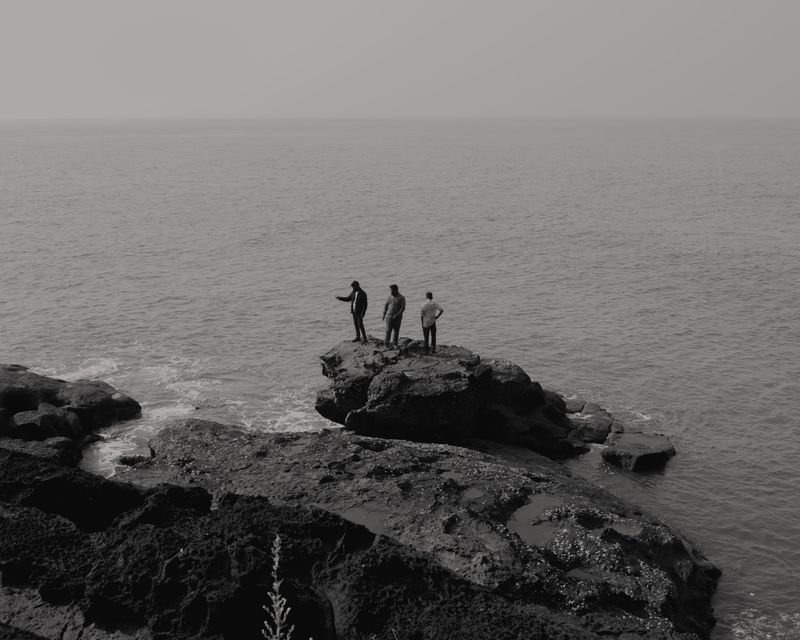
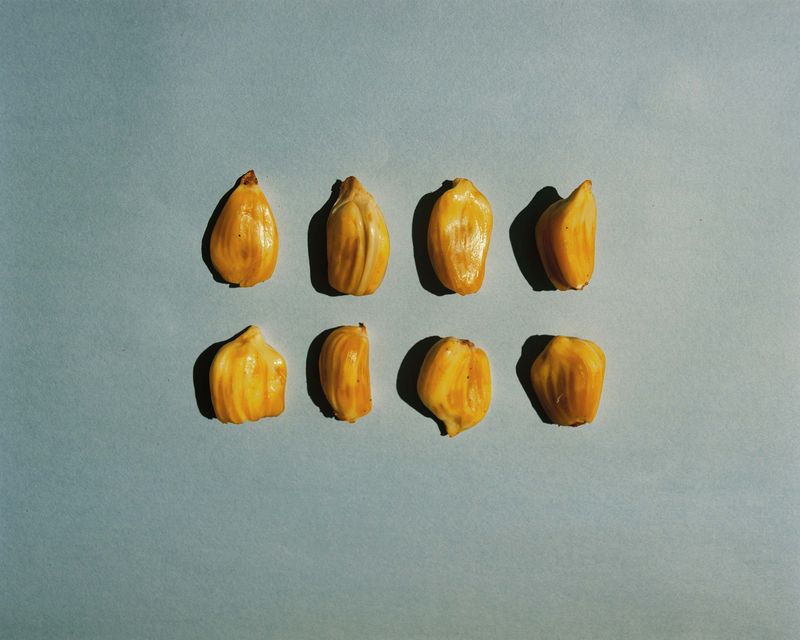
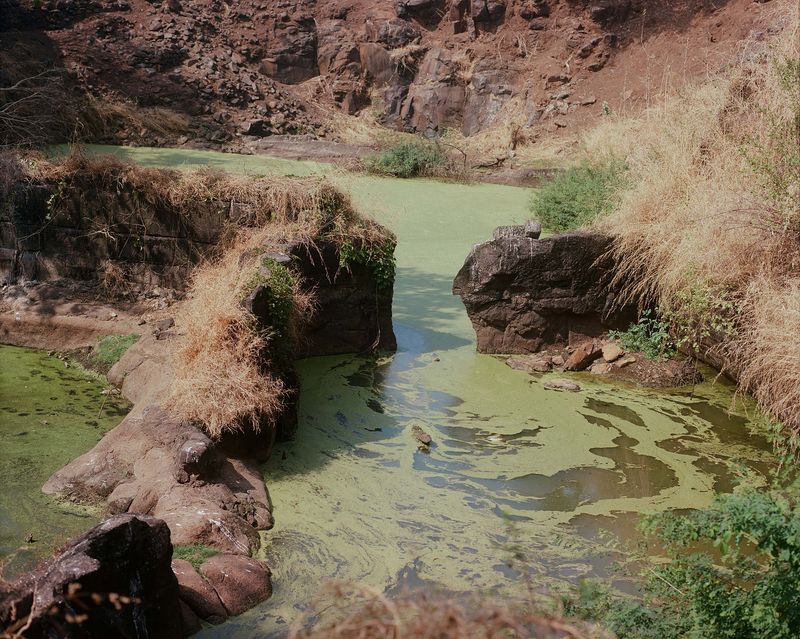
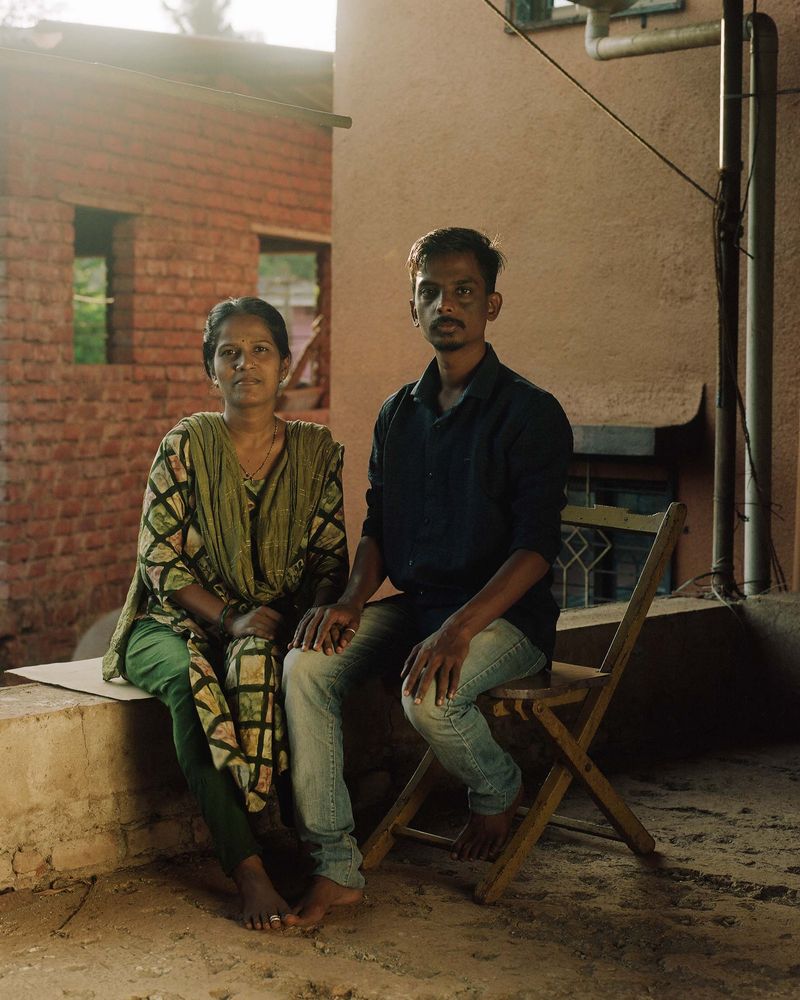
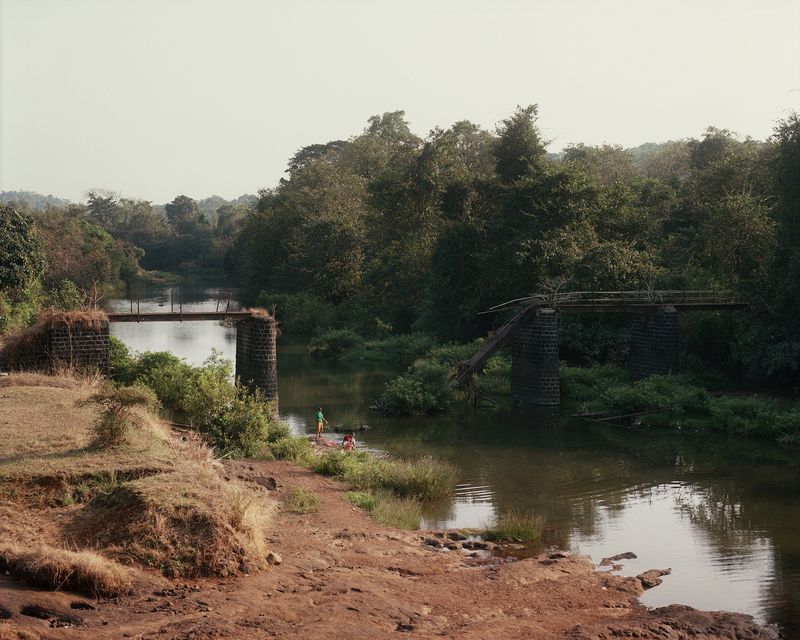
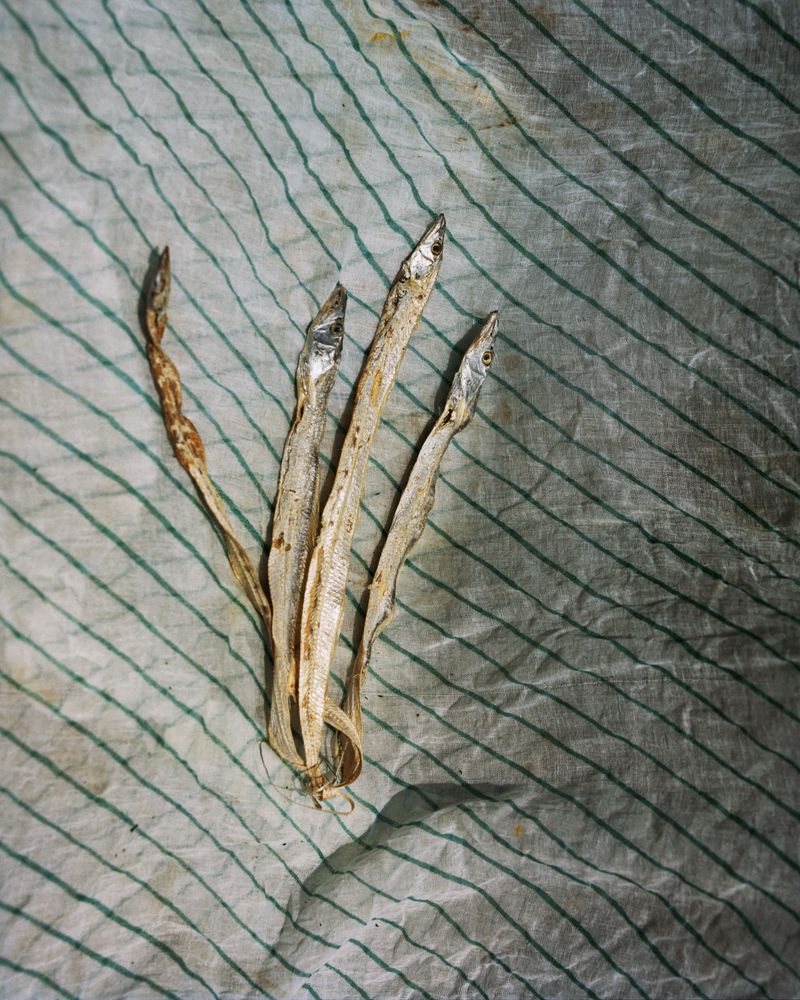
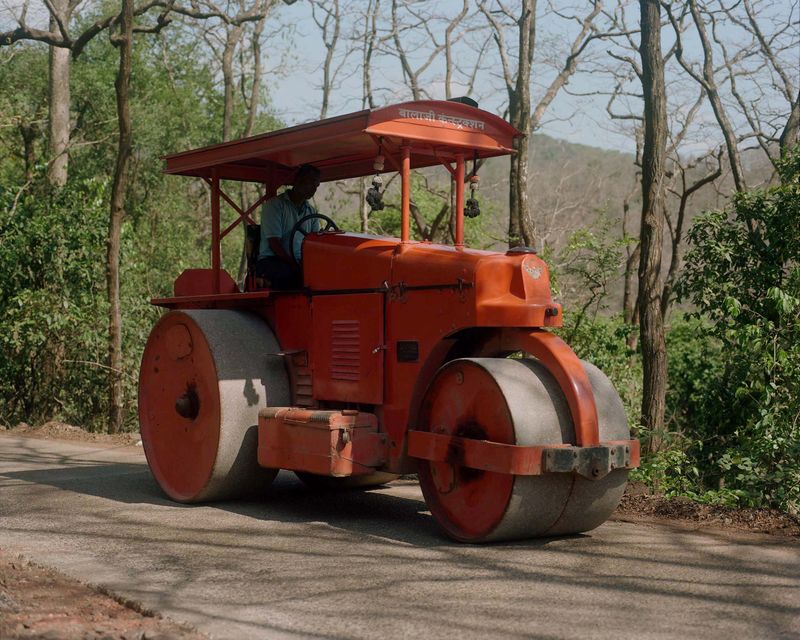
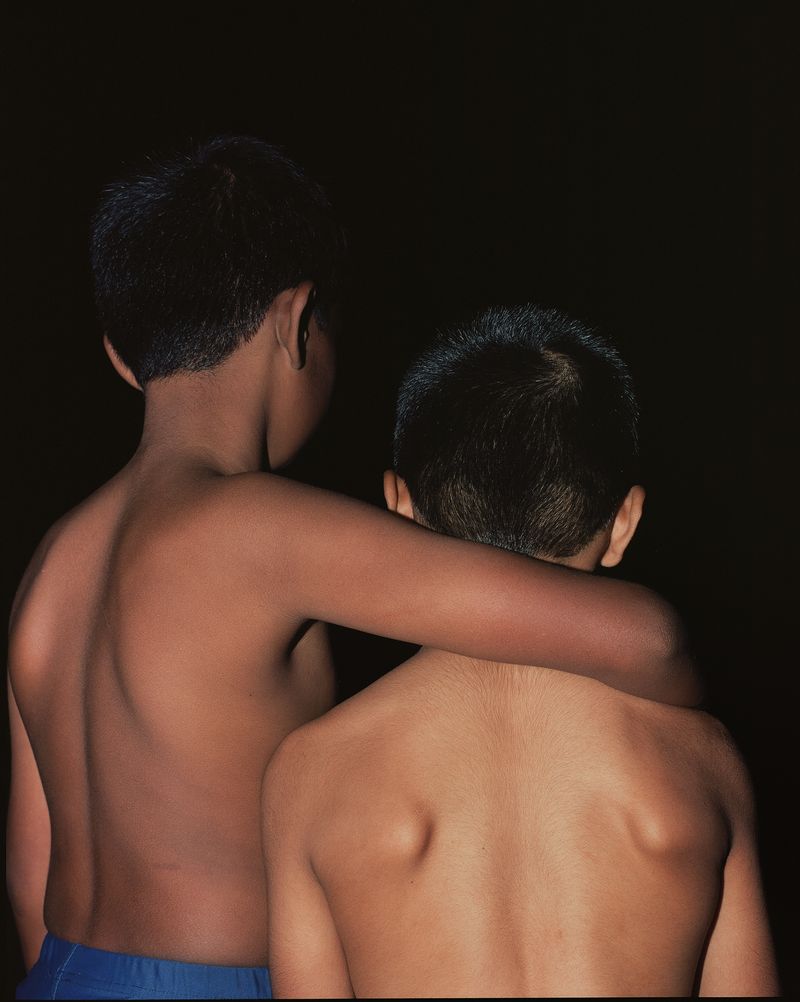
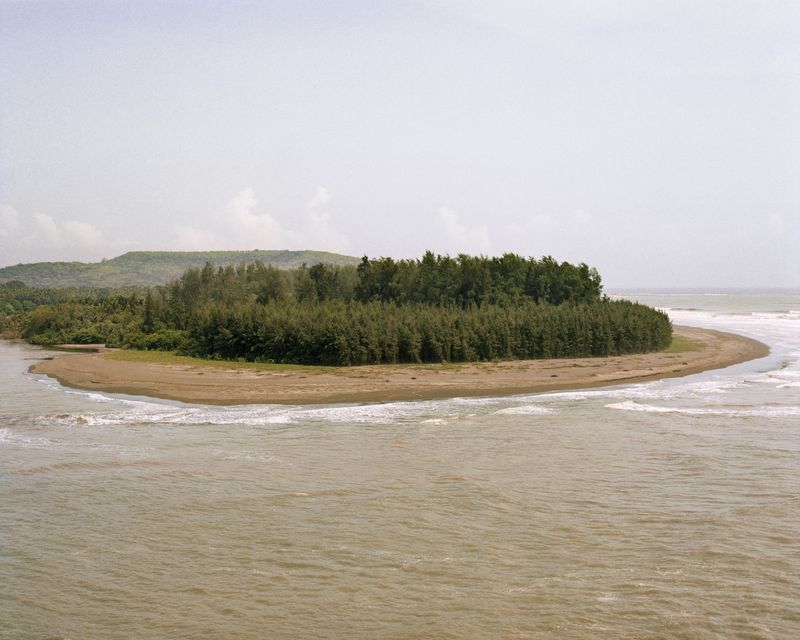
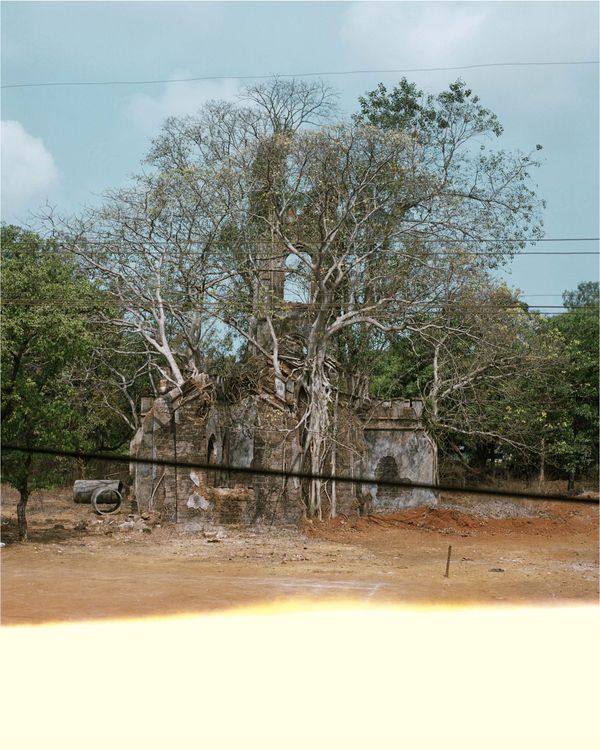
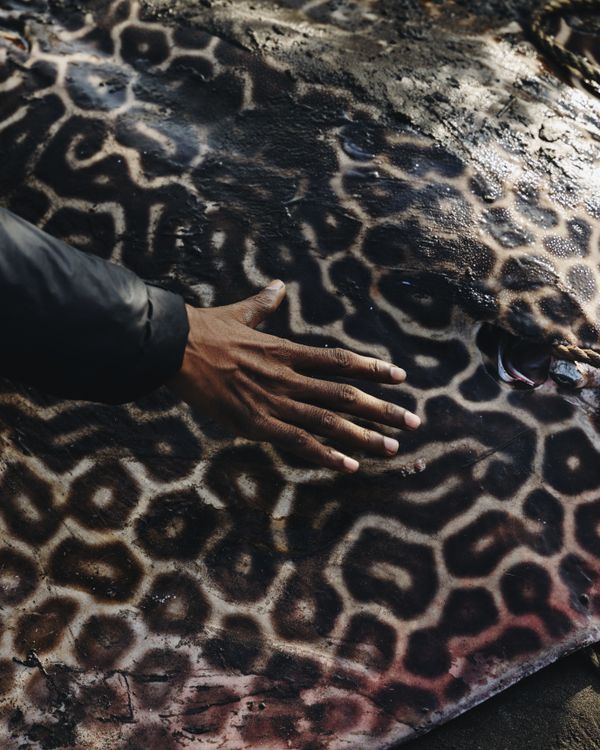
Dapoli, lost and Found. Dapoli traces Abhishek Khedekar’s hometown through memory and archives, weaving his photographs with rediscovered images by local photographer Subhash Kolekar to reveal a layered portrait of a town shaped by loss, time, and return.
On the map of India, Dapoli is a speck on the western coastline. Once a camp for British troops, it is now home to a famous agricultural university. The temperate weather and scenic beauty of the place have earned it the title of ‘mini Mahabaleshwar,’ a less glamorous cousin of the popular getaway for Mumbaikars. “But there’s still no direct train to my hometown,” says Abhishek Khedekar, who grew up in this far-flung corner of Maharashtra, before leaving it, at the age of eighteen, to pursue higher education. Khedekar, who currently lives in Delhi, spent his formative years surrounded by a group of close friends. Growing up, the boys explored Dapoli together, cycling everywhere in search of new adventures, and often got up to no good. It was in those heady days of boyhood that Khedekar realized that he was not cut out for academics nor for the daily nine-to-five grind. Instead, he loved drawing and painting, dance and drama, especially the performances of the nomadic tamasha troops that travelled across rural Maharashtra. He also knew, deep down, that one day he must go away from Dapoli, leaving behind his family and friends, if he were to build a life around his passions. When he was a student at Ahmedabad’s prestigious National Institute of Design (NID), Khedekar returned to his hometown to work on his first photographic project, a series of candid portraits of a friend, who was in the fishing business. He documented his subject’s life, venturing out into the sea with him in a small boat in the dead of the night. By first light, the net they had cast would fill up, overpowering their senses with an intensely fishy smell. It was photography as narrative and storytelling, in a visual idiom that was direct andaccessible.
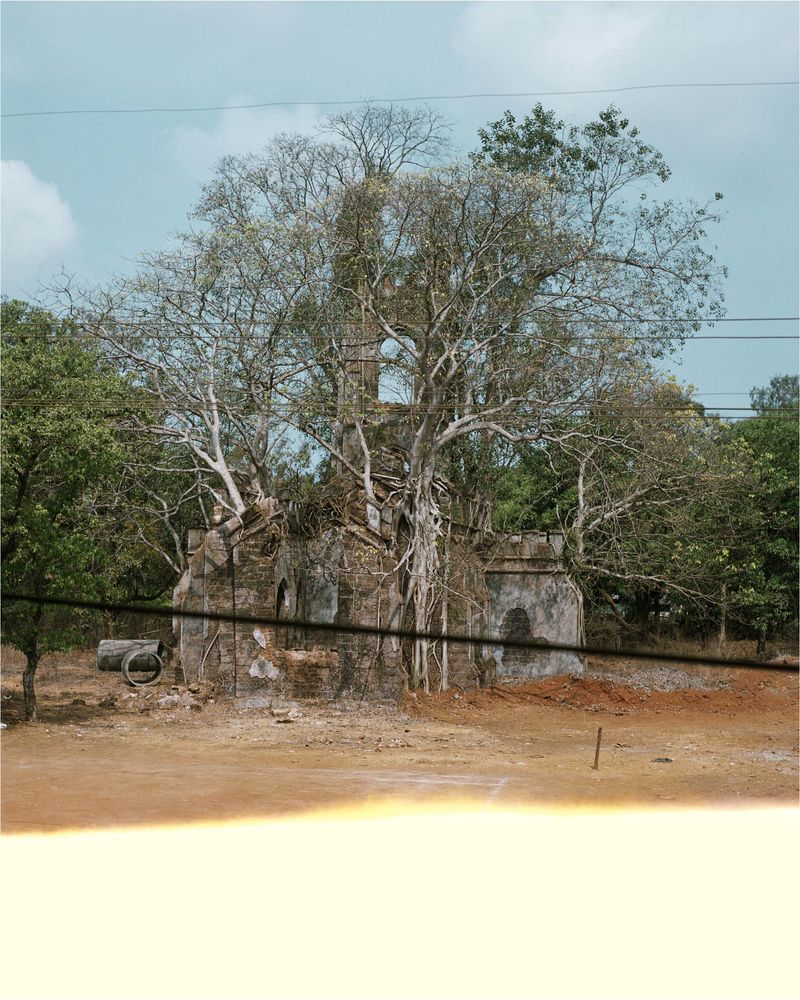
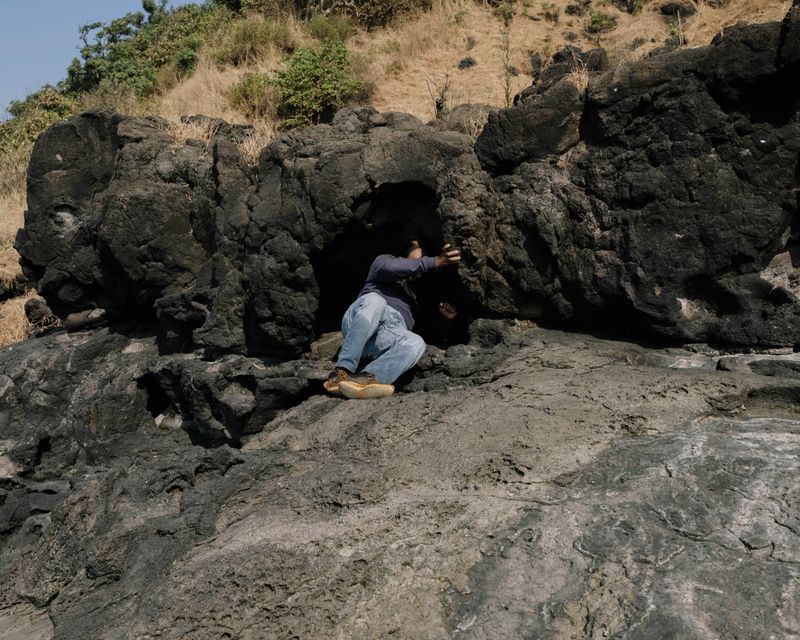
For his next college project, Khedekar gravitated towards Dapoli again. Around this time, his family was building a new house, which initially felt like an exciting prospect. But soon, he started missing the old home, its familiar contours weathered by the slow passage of the years, wrinkled and pockmarked, like ageing skin. And so, walking around Dapoli, Khedekar began to photograph the material remains of other lives out of a need to remember, and mourn, everything that was lost with the disappearance of his childhood home. A lone switchboard, a makeshift chulha (earthen stove), the bare bones of a ruined hut—he shored up these visual fragments, hoping to recover a sense of the past. This time, it was photography as longing, an emotion that went beyond simple nostalgia, into the realm of a
feeling best described by the German word “fernweh”—a yearning for faraway places. Because, even as Khedekar was capturing vignettes of his hometown, the Dapoli he was looking for was lost far back in time. If the past, as the writer L.P. Hartley famously said, is a foreign country, then in Khedekar’s case, the key to the foreign country called Dapoli was unlocked one day by a stranger—a reclusive gentleman called Subhash Kolekar. In the 1960s, Kolekar was a young man with a camera, quite like Khedekar, driving around Dapoli on his Rajdoot scooter to take photos. But his intentions had nothing to do with art. Rather, he was the go-to man for any event that involved photography as a utilitarian tool. Be it at weddings, funerals, crime scenes, or even science labs, Kolekar wa ubiquitous. Efficient with his craft, mindful of not wasting film, a very expensive resource back then, he worked and lived by the motto, “Keep it simple.” In those days, only the relatively wealthy, or public institutions like the police or universities, could afford his services. But in the decades to follow, photo studios began to mushroom all over India to fulfil the growing demands of a fast-modernizing nation. In the 1970s, ordinary people began to seek out photographers like Suresh Punjabi, whose Suhag Studio in an industrial town in Madhya Pradesh catered to an eclectic clientele. Young women came in their Sunday bests to get photos that might impress prospective in-laws. People with disabilities showed up to have themselves photographed for IDs that enable their access to welfare schemes and subsidies. Couples and families trooped in to say cheese to the camera, while dudes in printed shirts and bellbottoms, their hair styled after their latest matinee idol, preened before the lens to feed their vanity. Kolekar’s work, which belonged to an earlier era, had no room for frivolous self-fashioning. His photos were taken for the use of others. Negatives were expensive and not meant to be
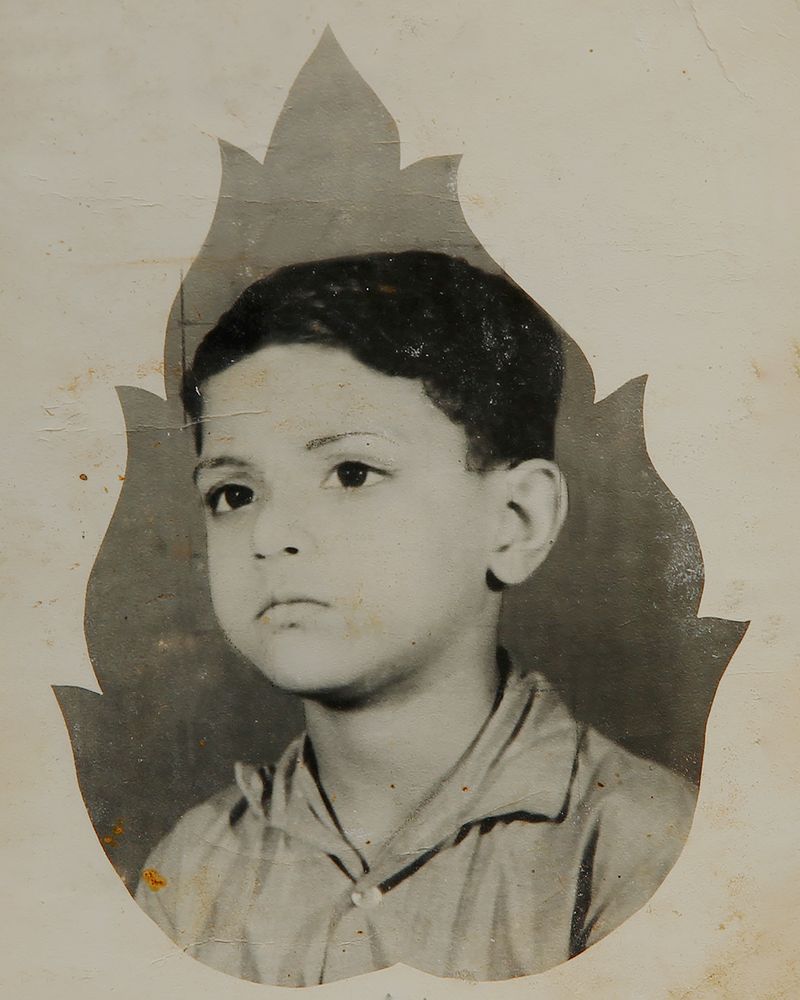
preserved for posterity. By the time Khedekar discovered him in Dapoli, the older man had only one of the many hundreds of photos he had taken left in his custody. But there were families around that still held on to Kolekar’s prints. Some of his photographs of scientific specimens were housed at the local university. Khedekar, who wanted to archive Kolekar’s work for NID’s digital platform, went from house to house, retrieving whatever he could. People were surprised to hear his request for family albums and weathered old pictures, but most were willing to part with whatever they had. Some were far more startled to learn that the maker of the images was still alive! For Khedekar, these photographs opened a portal to the past, allowing him to travel back in time, to a Dapoli that was long lost. If the sepia prints appeared to have frozen time and memory, they were also records of decay and erosion—of people, places and ways of life that were no more. Above all, moments from Kolekar’s archive seemed to speak to the photos that Khedekar himself was taking of Dapoli, like pieces of a jigsaw puzzle coming together.
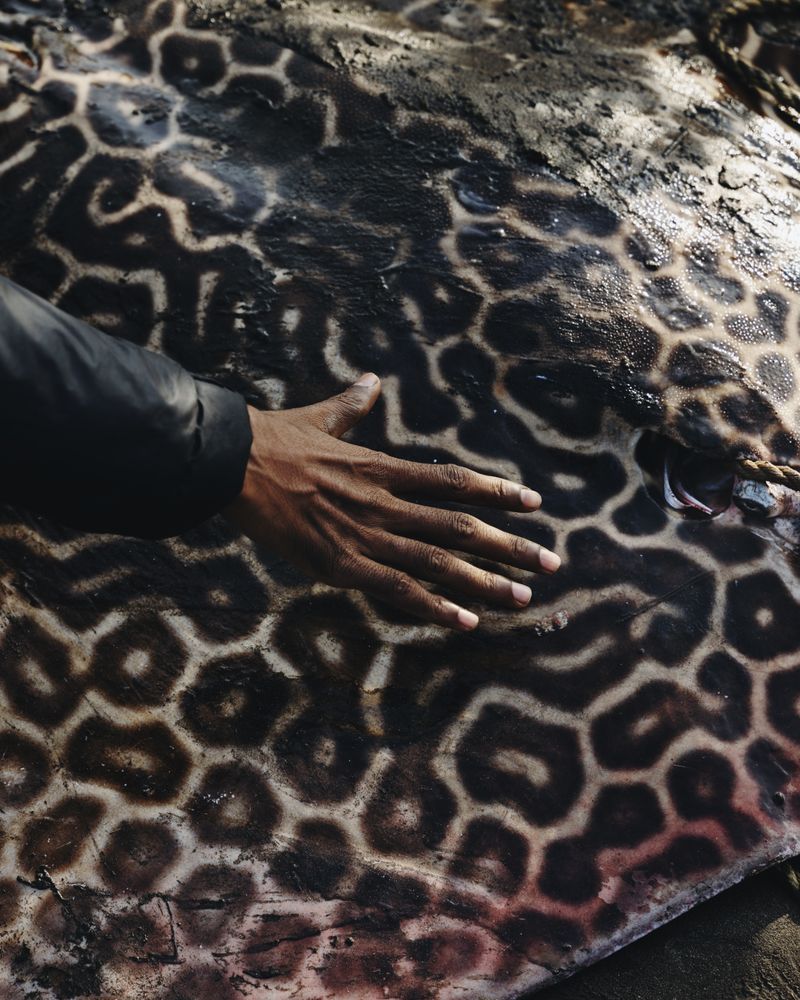
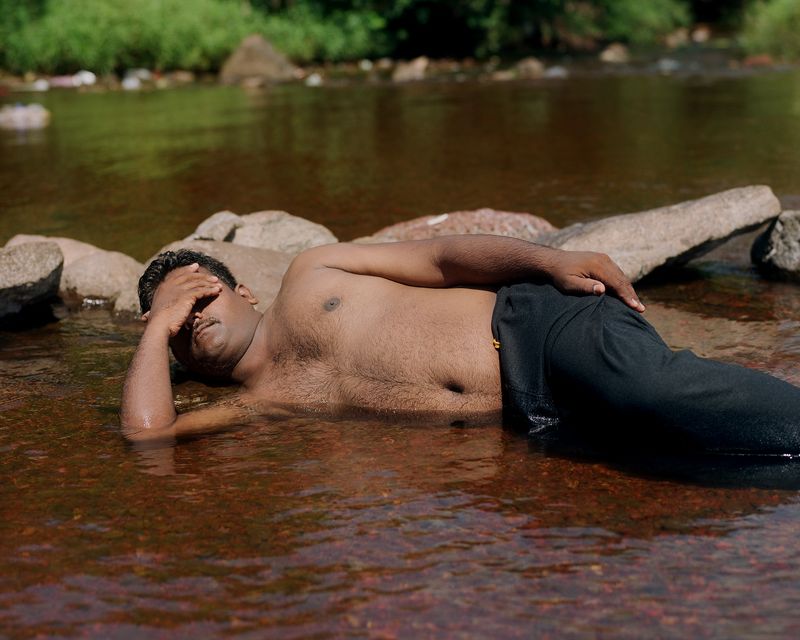
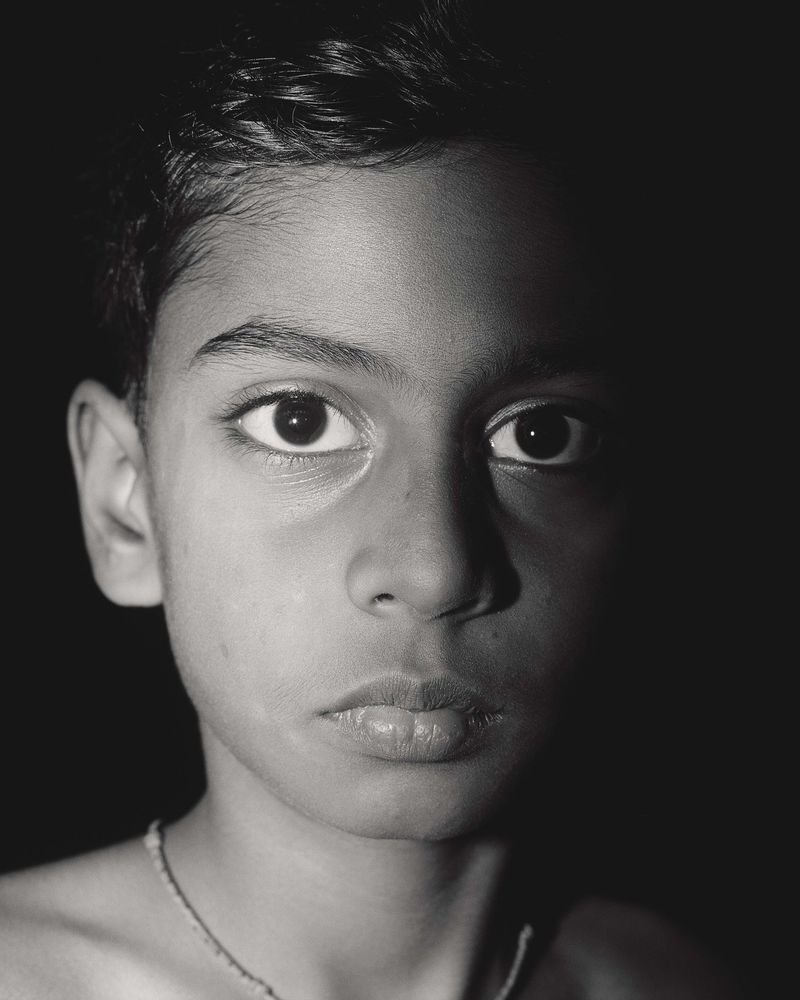
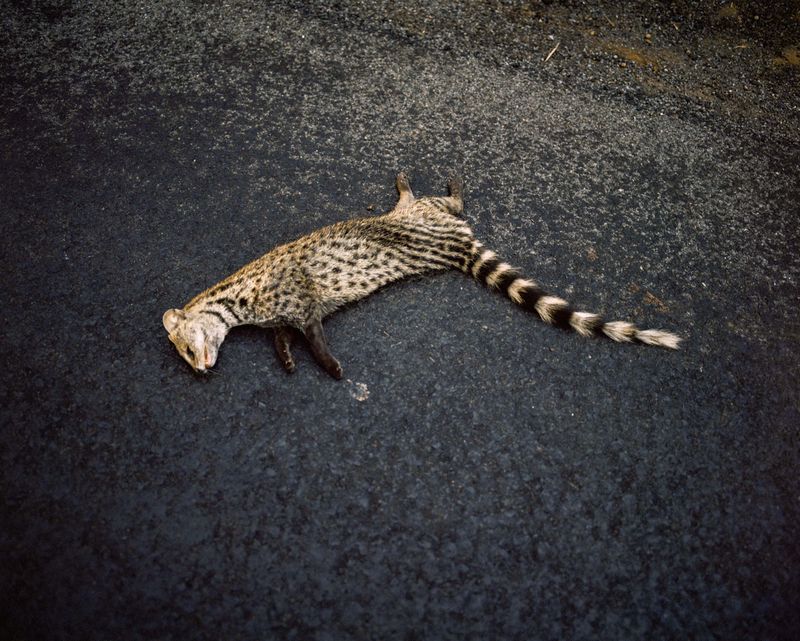
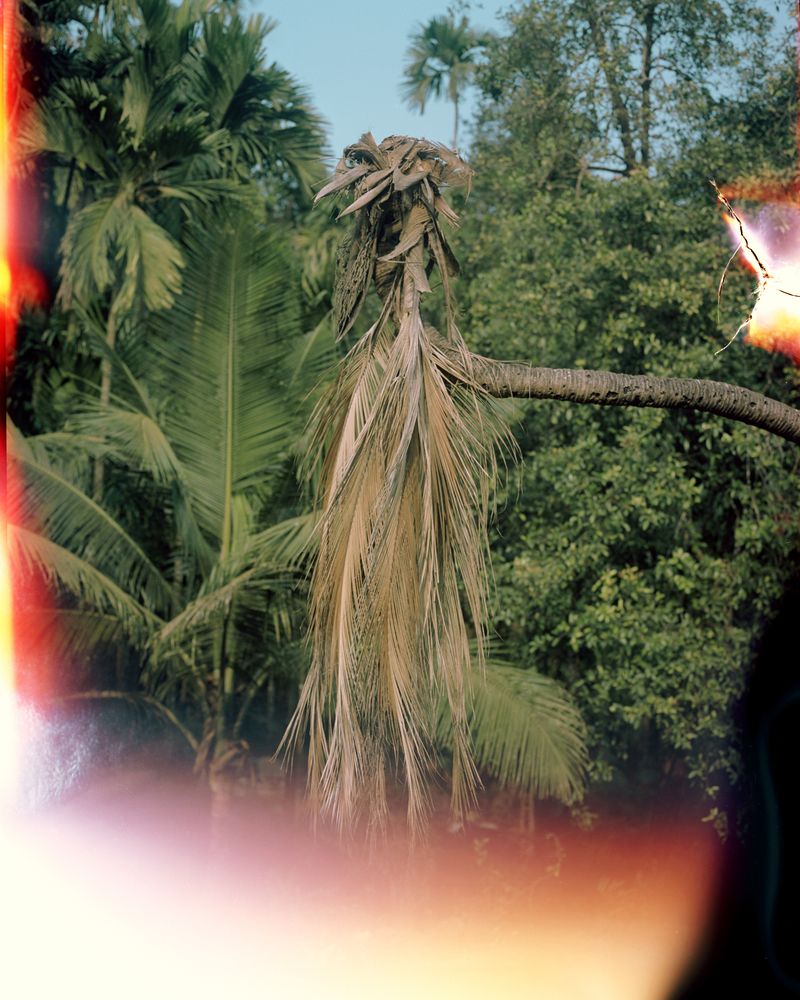
This alchemy between past and present added a whole new layer to Khedekar’s own evolving Dapoli project. In a homage to his predecessor, the younger photographer began to take photos of Kolekar’s photos and juxtapose these impressions against his original images. The result was a singular body of work that also bore the imprint of two very distinct sensibilities. Its energy comes as much from the inadvertent collaboration between the two men, as from moments of rupture that differentiate their styles. What we witness, as a result, in Khedekar’s Dapoli is a double vision, where scenes converge and diverge, becoming one and apart, as our eyes dwell over the sequence. Like ripples on water, a recurring imagery, the line between now and then keeps getting blurred. If in one photo, the accretion of patterns on a bark signals the weight of the years, then two men in another image offer a sharp contrast, radiating youth and health. In yet another spread, a frayed shirt hanging on a tree and a feline corpse on a highway thicken the spectral aura. The story of Dapoli is that of absence and presence, remembering and forgetting.
A delicate dance of melancholy, even a hint of menace, shimmers through its pages, be it in the photo
of a pair of dirty slippers missing their owner, or of a white sheet flapping like a ghost in the wind. But there a also the warm, beating hearts of people seen and unseen, dwelling inside old photographs, or outside, in a world that is forever vanishing from our grasp.
Somak Ghoshal
Delhi,