Danube Division

The beginning of research on a personal project that I am starting to work on the First World War and the Danube Division in which he was my great-grandfather, who crossed the Salonica front.

As a child Vladimir listened to the stories told by his father and grandfather about this larger-than-life man, called Vladislav, his great grandfather, who fought in the WWI as a soldier at the Salonica font*. With great attention he learned about the adventures and events that his great grandfather lived through as a part of the Danube Division, a division that crossed the Salonica front in their liberation efforts against occupations forces. Images of soldiers retreating on foot in the harsh winter conditions from Austria-Hungary to Serbia, Albania all the way to Greece, stayed carved in Vladimir’s mind until today. As an adult he started to contemplate more about these events, engaging with his father in conversation about historical events and the stories his great grandfather told. Still influenced by these images and stories, Vladimir wanted to learn more on how these events unfolded and he started to dig deeper.

The work will follow the story of the photographer's great-grandfather who was a soldier in the Danube Division, a division that crossed the Salonica front, in the end resulting in the liberation of Kingdom of Serbia. It will explore not only the historical landscape of the battlefields, but also the memories of a family and the power of oral history in creating a legacy. The series will document landscape relics of the battlegrounds, clandestine gravesites and memorials in Serbia, Kosovo, Albania, Greece all the way to Tunisia. The project uses family’s oral history as a catalyst in tracing his great grandfather’s journey and will be assisted with archival materials and research.

The project becomes a multi-layered one, it unravels the personal and biographical, while exploring the historical background of these events from more than a hundred years ago. Landscapes often forgotten and disfigured by the passage of time, submerged in the oblivion of nature’s and human intervention but still standing defiantly, bear witness not only to the geography but also to the personal stories. The historical timeline will reveal the places where the Division fought and lost lives, while the personal stories influenced by those events will be conveyed through portraits of the photographer's family and other descendants of the soldiers in the Danube Division.

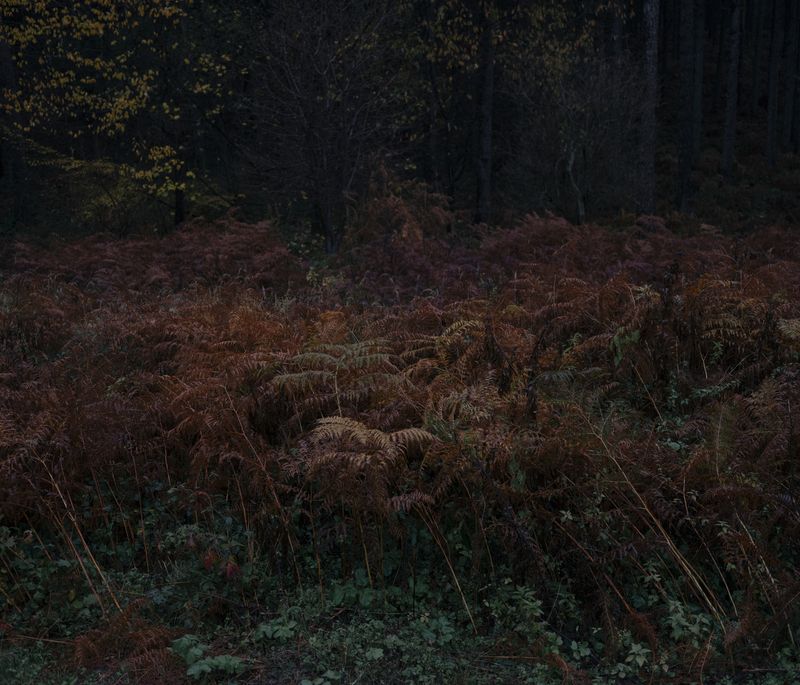
Relationship between the landscape, war and the human intervention is ever changing one. The war is a destruction force, it erases everything, the land and human lives. These battlefields and clandestine graves continue to live in the memory of those who survived and in the stories they tell. What was once destroyed, can be rebuilt again. What once was a bloody battlefield, today may seem as pictorial and peaceful landscape. Memory has the same ability, to erase, to honor and to transform. This work will try to examine the symbolic union of a memory, identity and human resilience.
© Vladimir Zivojinovic - Image from the Danube Division photography project
i

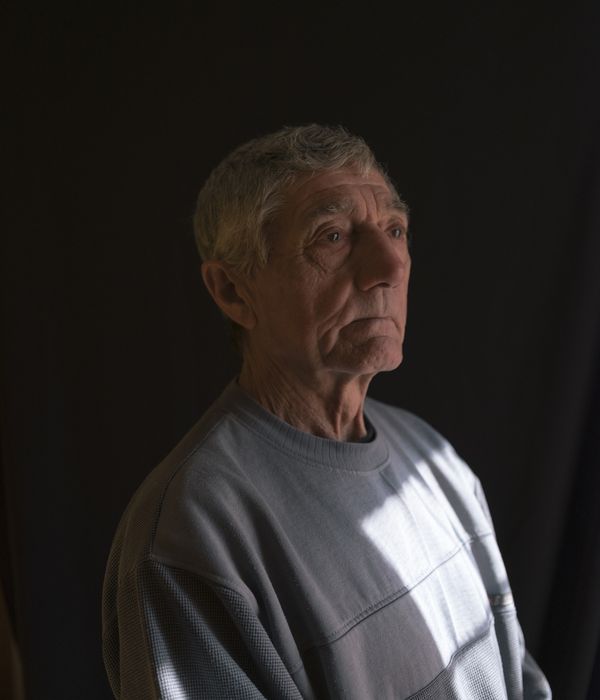
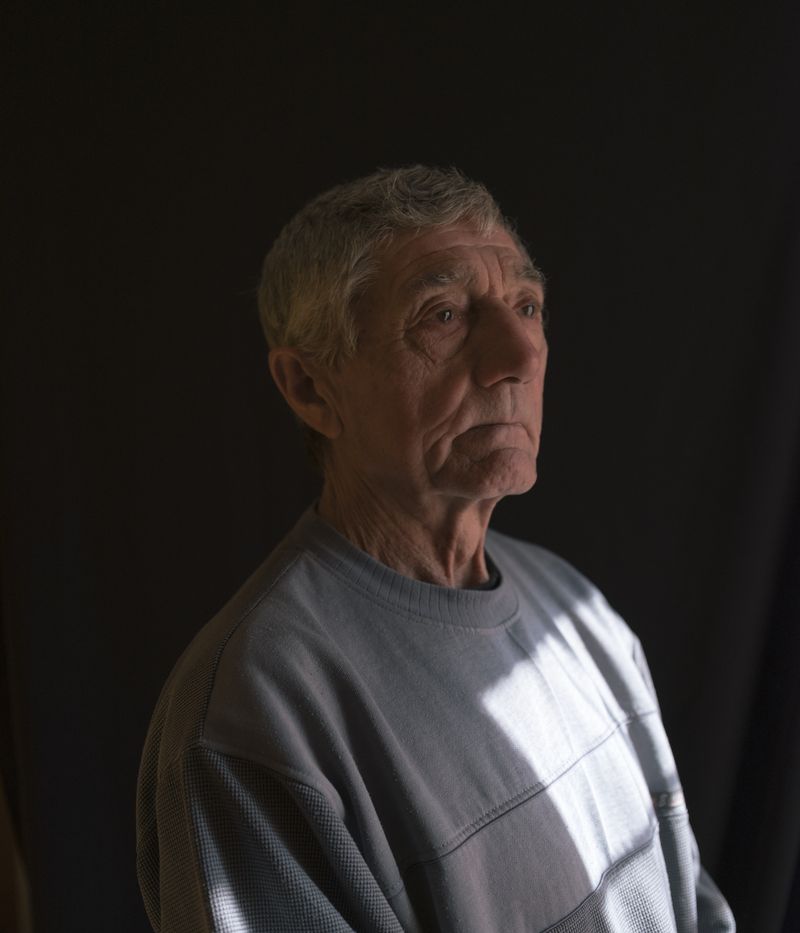
A portrait of my grandfather Branko, 78 years old, he will helo me and tell me the story of his grandfather Vladislav who took part in the First World War and the Salonica Front.

© Vladimir Zivojinovic - Image from the Danube Division photography project
i

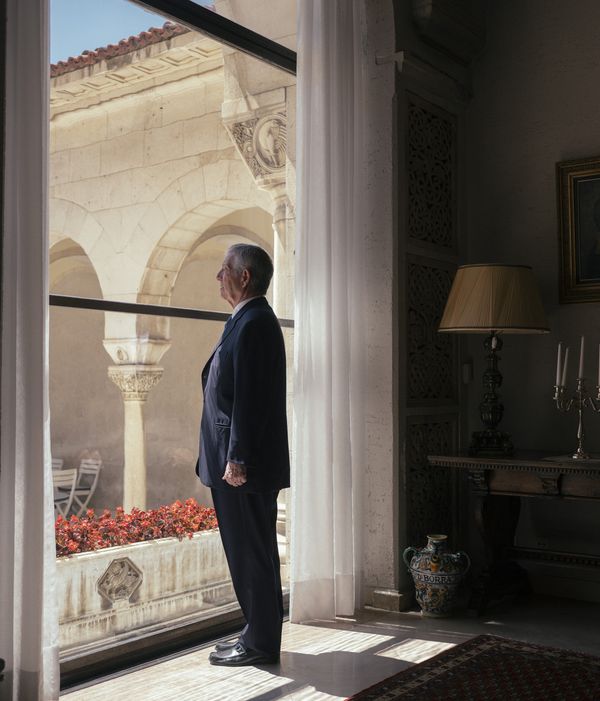
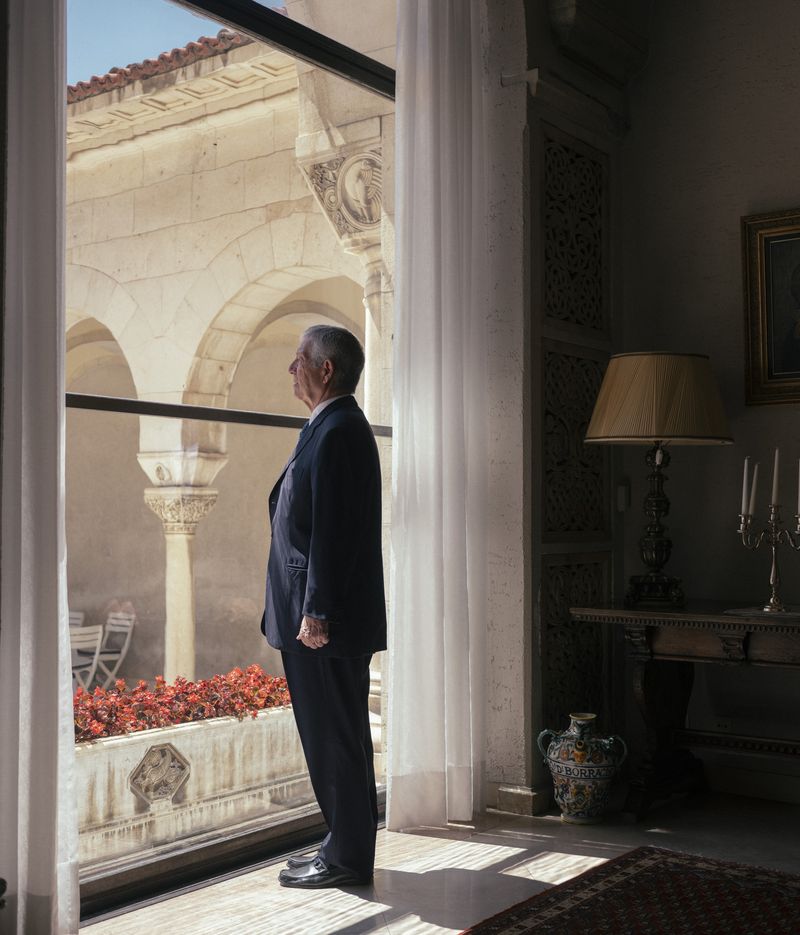
Alexander is the head of the House of Karadjordjevic, the former royal house of the defunct Kingdom of Yugoslavia and its predecessor the Kingdom of Serbia.

© Vladimir Zivojinovic - Image from the Danube Division photography project
i

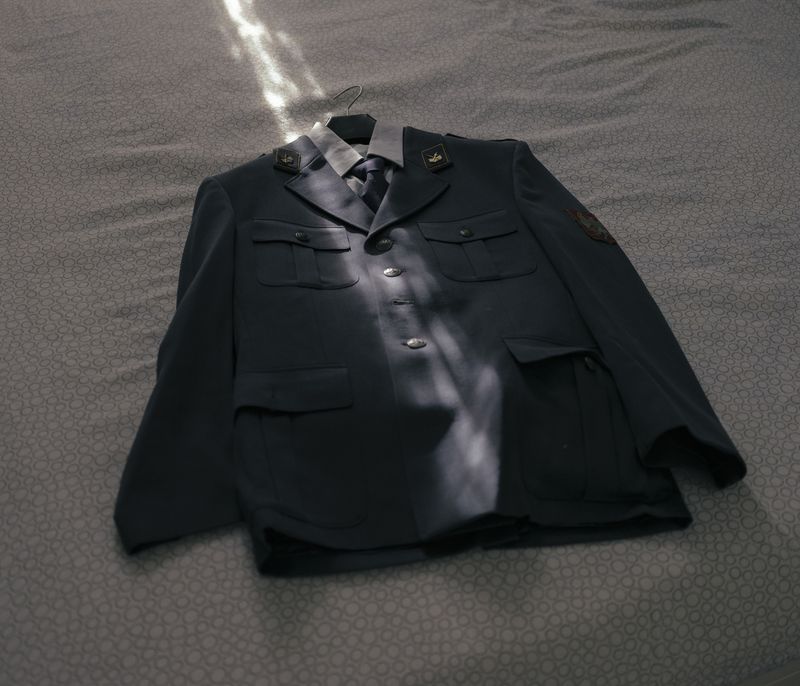
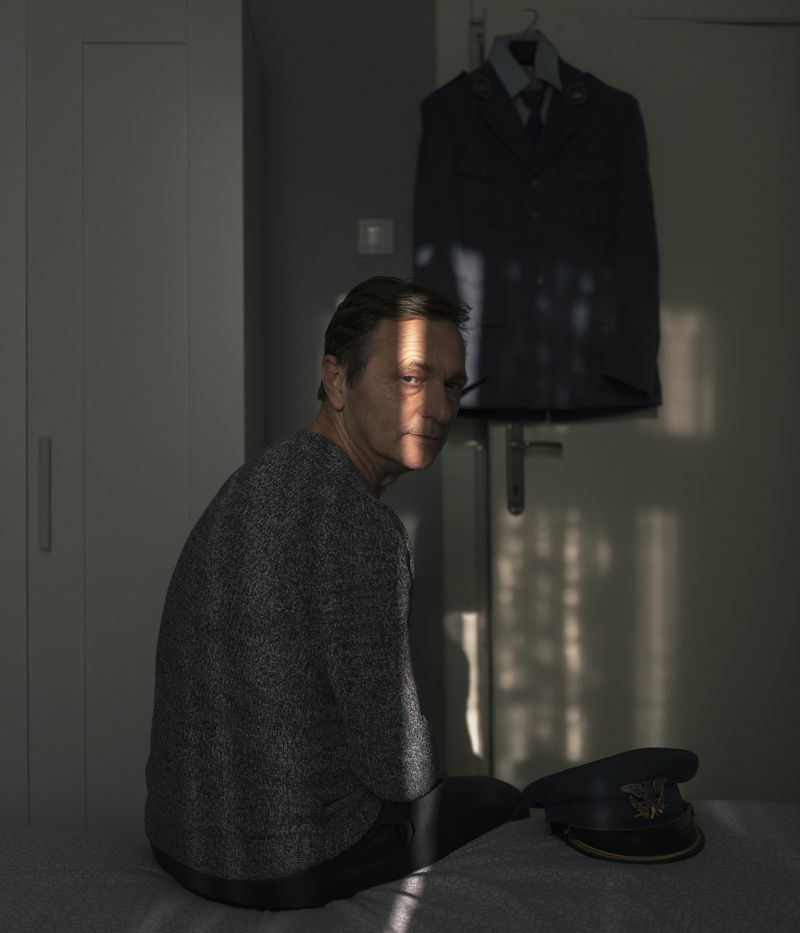
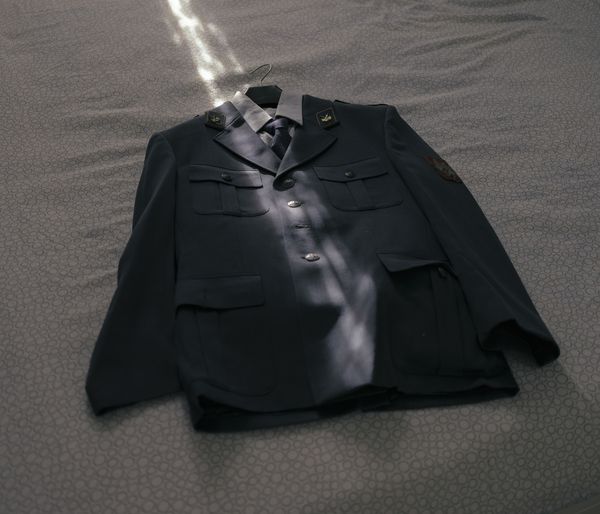
Formal military uniform from my father. Until the age of seven, my father Zoran grew up with his great-grandfather Vladislav, who always told him stories about the Salonica Front, and because of him, my father fell in love with the army and later enrolled in military high school.

© Vladimir Zivojinovic - Image from the Danube Division photography project
i

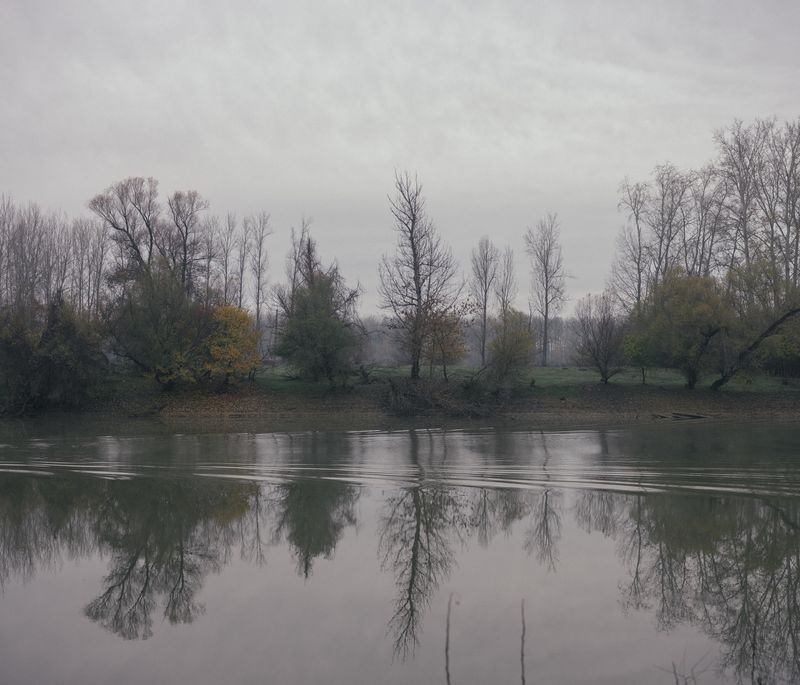
The Serbian forcing of the Sava was the first part of the Serbian Srem offensive of September 1914. On September 6—while the Battle of the Marne was beginning on the Western Front and the great Battle of Galicia was ending on the Eastern Front—the Serbian offensive began in the spirit of Duke Putnik's directive of September 4, 1914. . The Danube Division I of the call crossed the river in the section between Skela and Novi Selo, using a pontoon and over the pontoon bridge that was erected in a very short time by the Šumadija Division I of the call near Novi Selo. Its advance guard, which consisted of the 18th regiment of the 1st call, started the crossing around 3 o'clock in the morning in three columns. The left column, which consisted of one battalion, made the crossing without any hindrance, the middle column with little resistance from the Landsturm, while the right column encountered strong resistance from the 32nd Landsturm regiment, so its transfer was completed only around 2 pm.

© Vladimir Zivojinovic - Image from the Danube Division photography project
i

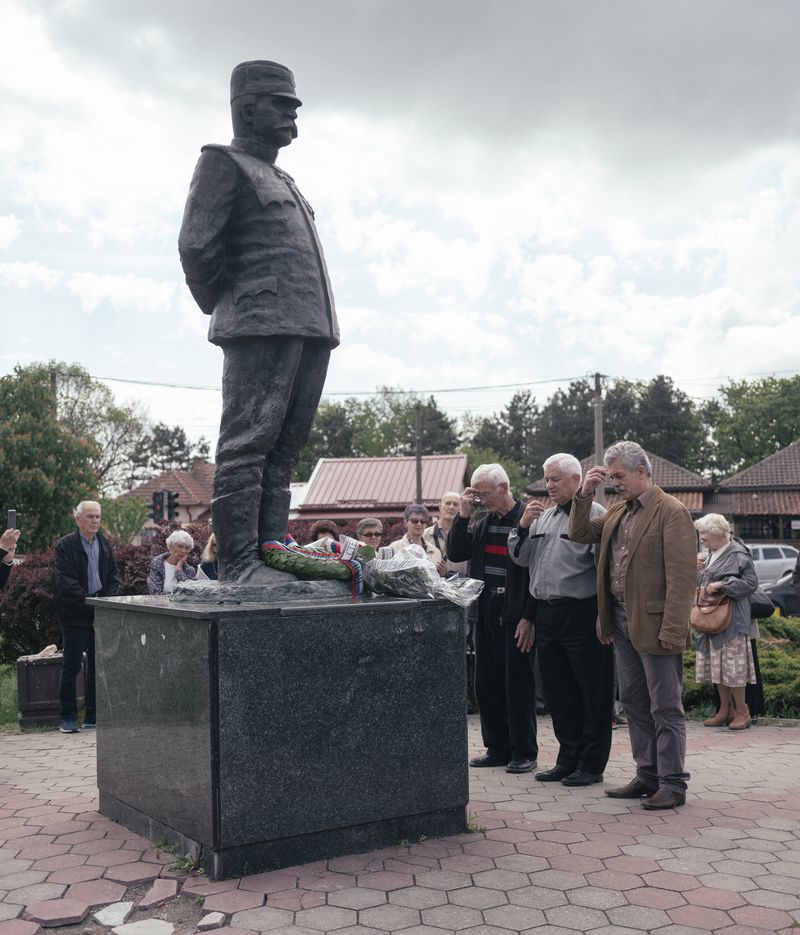
Stepan Stepa Stepanović was the military leader of the Serbian and Yugoslav armies. He was born on March 11, 1856 in Kumodraž, and died on April 27, 1929 in Čačak. He took part in several significant wars that changed the course of the history of the entire Balkans, and later the world. Thanks to the victory in the Battle of Cer, in addition to the praise and admiration of the entire nation, he also received a promotion in the form of the rank of duke. On August 6, 1914, Stepanović took command of the Second Army. His army was the strongest in the army and it consisted of the Sumadija and Moravian divisions of the first call in the area of Arandjelovac-Lazarevac with the strengthened Danube division of the first call near Belgrade.

© Vladimir Zivojinovic - Image from the Danube Division photography project
i

The Danube Division of the I (first) call with its 18th (eighteenth) regiment and two batteries of Polish artillery is launching an attack on Perunika (to the left of Mačkovo kamen) from the direction of Mitra mehana. Also at the same time, the 8th (eighth) regiment of the Danube Division of the I (first) call with one mountain battery of artillery from the direction of Potočani is advancing towards Lipnička glavica (k. 791) between Mačkov kamen and Perunika. Around 14:00, the 9th (ninth) regiment of the Danube Division of the II (second) call approached only about 200 meters from the trenches of the AU army on Mačkov kamen.

© Vladimir Zivojinovic - Image from the Danube Division photography project
i

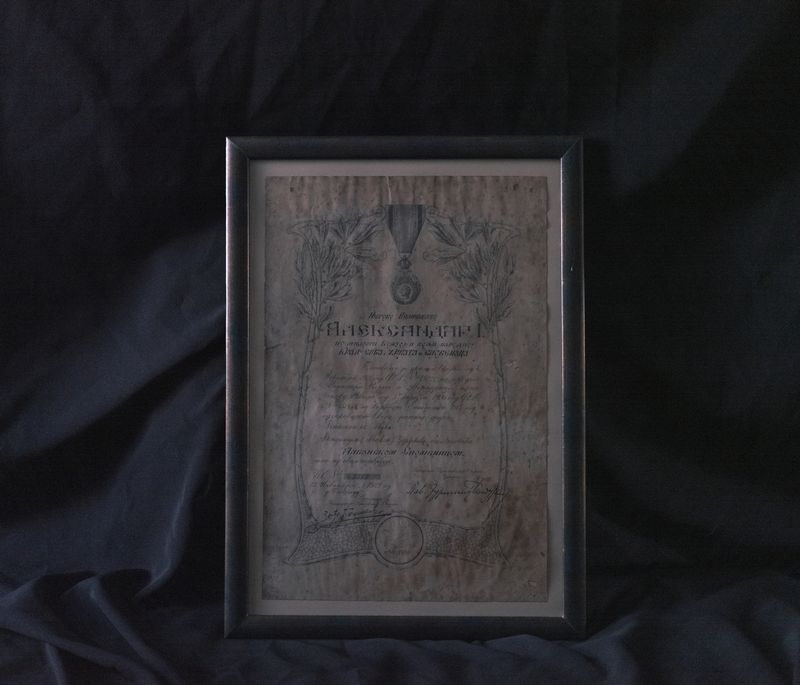
Albanian monument from my great-grandfather Vladislav. The Monument for Loyalty to the Fatherland in 1915, popularly known as the Albanian Monument, is a one-stage state military and civilian decoration acquired by all members of the Serbian army who withdrew through Albania in the winter of 1915/1916. It was established on April 5, 1920 by the decree of the heir to the throne, Prince Regent Alexander I Karadjordjevic, in the then already new state of the Kingdom of Serbs, Croats and Slovenes. On the obverse is the left profile of the supreme commander of the Serbian army, Regent Alexander I, and around it is a circular inscription "to his war comrades Alexander", around the inscription is a laurel wreath and a silver double-headed eagle with a crown, and on the reverse is the inscription "for loyalty to the fatherland"

© Vladimir Zivojinovic - Archive map of the Serbian military attacks during the First World War.
i

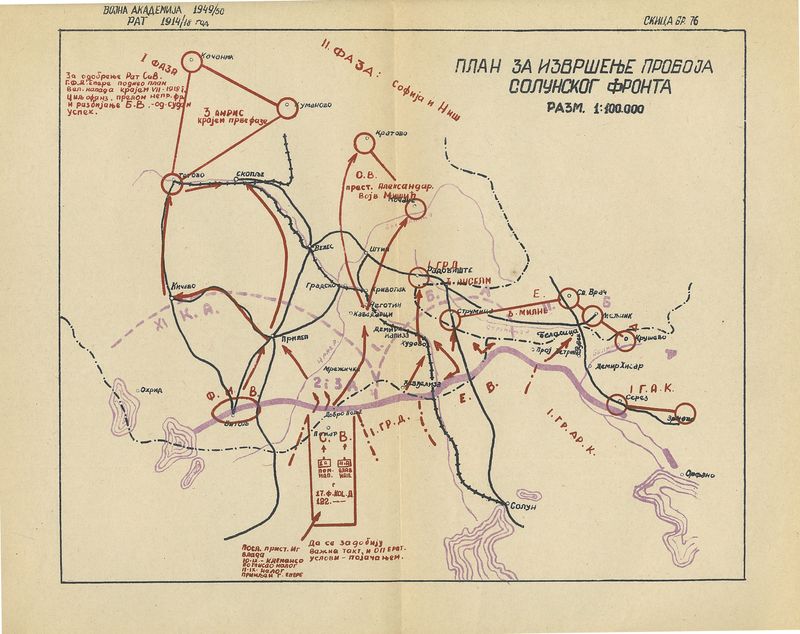
Archive map of the Serbian military attacks during the First World War.

© Vladimir Zivojinovic - Image from the Danube Division photography project
i

Portrait of my father Zoran. Until the age of seven, my father Zoran grew up with his great- grandfather Vladislav, who always told him stories about the Salonica Front, and because of him, my father fell in love with the army and later enrolled in military high school.

© Vladimir Zivojinovic - Image from the Danube Division photography project
i

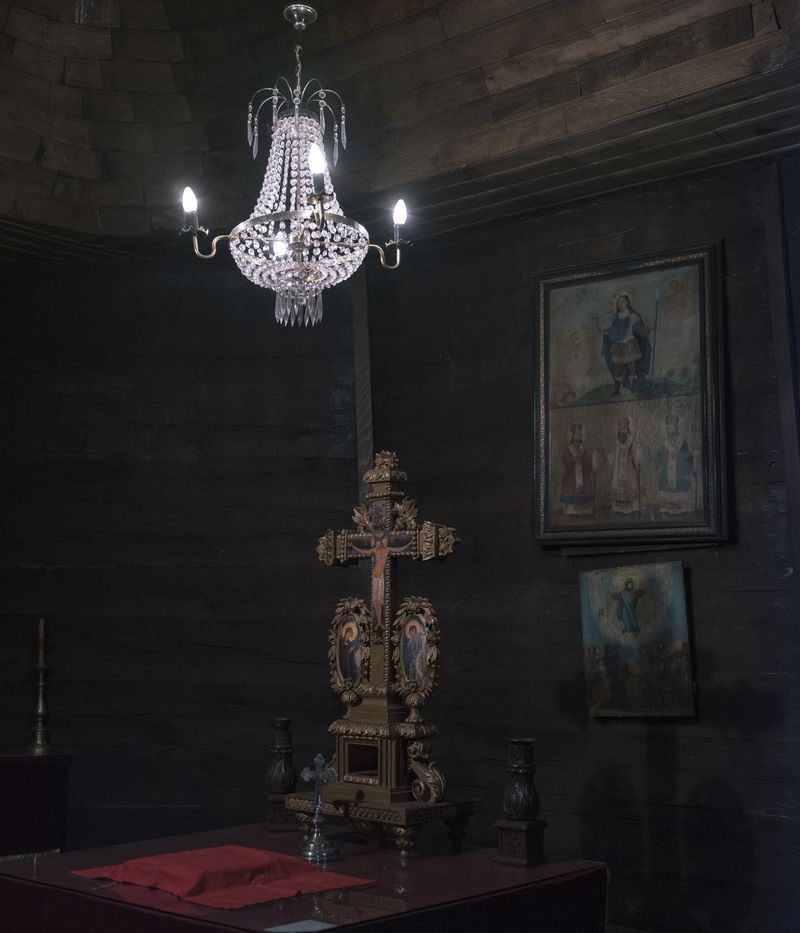
The old church in the village where my great-grandfather was born, Lozovik. In this church were kept a book with the data of all the fallen soldiers of the First World War who were from Lozovik, until the Second World War when they were dissapear.

Danube Division by Vladimir Zivojinovic

Prev Next Close