Cuevas de Sacromonte
Set in 1970s Colombia, a father exiled after torture and false accusations, a daughter left in absence. This project revisits their broken bond through experimental image-making, where archive, pixel, and the crack become tools of memory.

In the 1970s, amid political unrest and escalating violence in Colombia, my father — a journalist and director of an agricultural magazine — was falsely accused of the assassination of the Minister of Agriculture. What began with his torture ended in his exile and more than 15 years of separation from our family.

Cuevas de Sacromonte emerges from that absence. Borrowing the name of a site once used as a torture center on the outskirts of Bogotá, the project reconstructs the interrupted bond between father and daughter. Through photography, archives, and staged gestures, I explore how absence itself becomes a material: a fissure where substitution of characters, re-imagined spaces, and manipulated images become strategies to narrate what was missing.
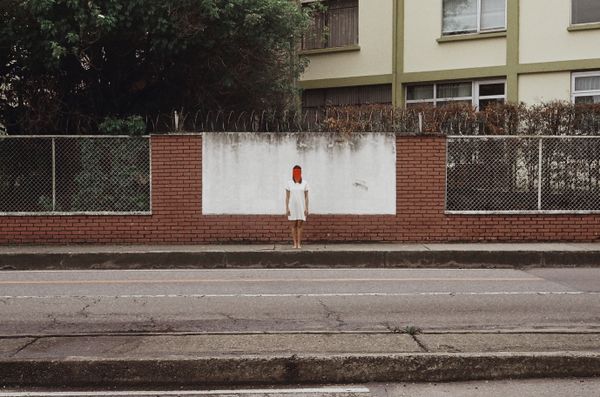
From Latin America, this story does not seek to contain a single truth and, rather than focusing solely on violence, it seeks to reclaim silence and emptiness as forms of presence. It proposes a new way of telling our stories, one in which intimate wounds open a collective dialogue about absence, presence, pain, and identity, transforming silence into another form of testimony.

This project unfolds through a photobook, an exhibition, and an audiovisual piece that explores the crack into expansion:
www.perlabayona.com/cuevas-de-sacromonte-video

The photobook is structured in three chapters, tracing key personal events: the bombing at the magazine and kidnapping at Cantón Norte; exile to the United States and the mediation of presence through boxes and screens; and finally, the reunion that heals, yet opens another absence. The selection currently includes around 50 images with testimonial texts from the Comisión de la Verdad, an institution dedicated to documenting the country’s armed conflict. These texts provide additional context, allowing the work to transcend the personal and connect with broader social realities.

The photobook mockup:
www.perlabayona.com/cuevas-de-sacromonte-photobook-mockup

If awarded the grant, the funds would support the production of a limited edition of the photobook (e.g., 500 copies), consolidating the narrative and conceptual structure of the project. Also, since this is not only a photographic project but also an artistic one, where different techniques are explored, the participation in portfolio reviews and the potential exhibition at PhMuseum Lab would provide invaluable feedback, and visibility, enriching the work both artistically and conceptually.


As a young Colombian woman and migrant in Spain, I approach this project not only as an artist and photographer but as someone tracing the echoes of her own history. While my work has long engaged with social issues, this is the first time I give voice to my personal story, and to my father’s, whose absence was long normalized in family albums and through the stories of my parents. Living as a migrant has also allowed me to revisit and understand his exile in a new light. So, this project is not merely about recounting events; it is an active exploration of how personal absence can be interpreted, reshaped and mediated by many factors...finally, creating an ever-evolving new form of reality.
© Perla Bayona - Image from the Cuevas de Sacromonte photography project
i

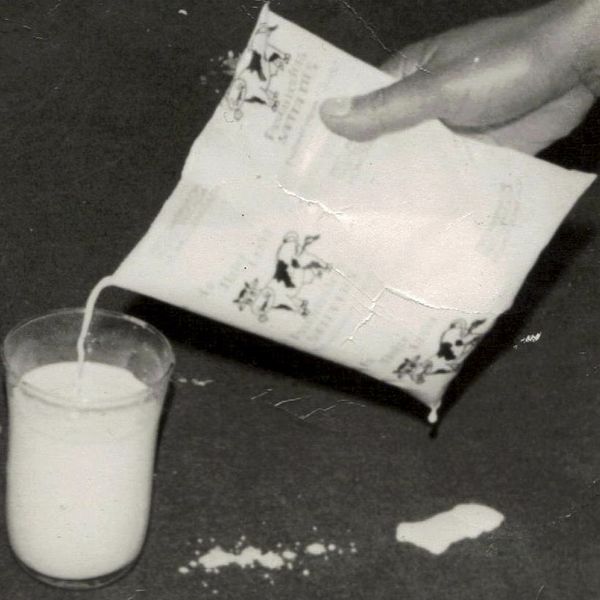
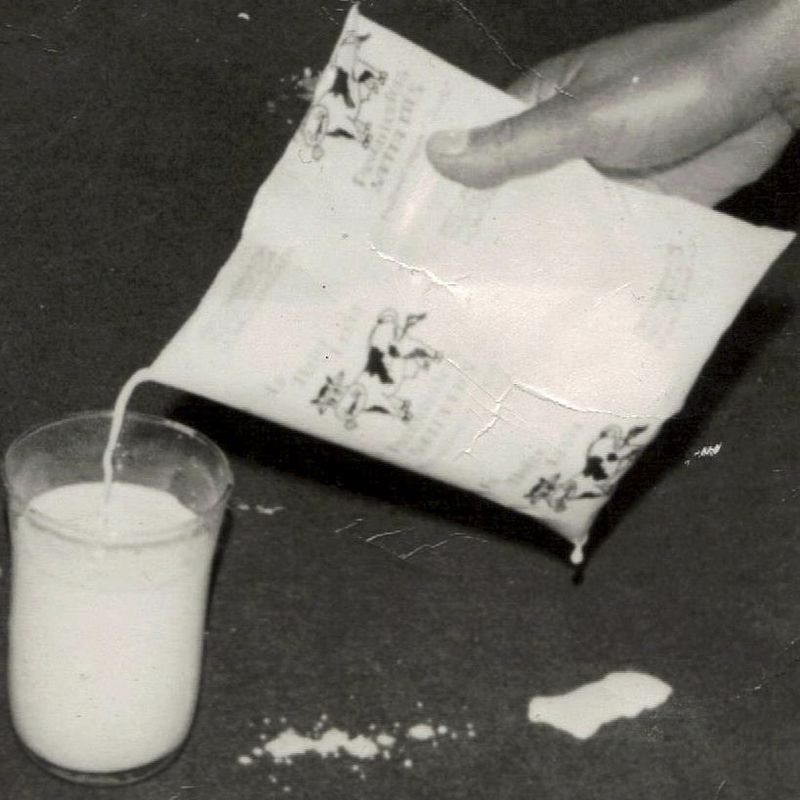
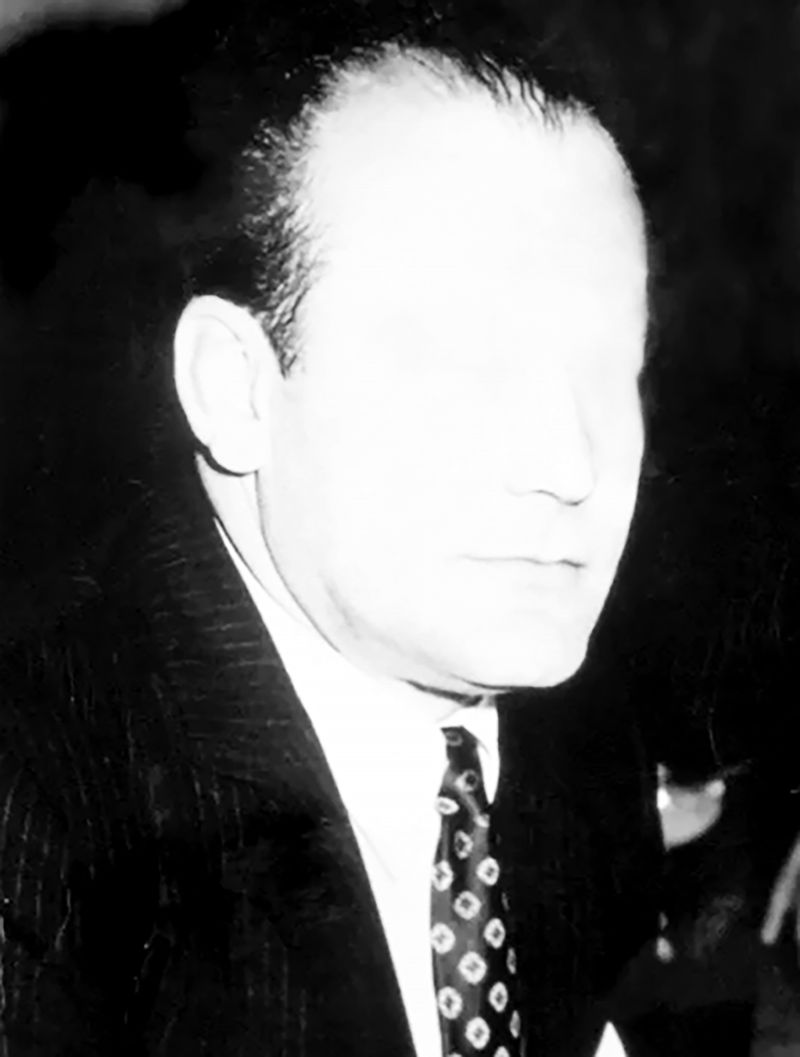
The Magazine: In the early 1970s, Álvaro Bayona founded Agropecol in Bogotá, a magazine dedicated mainly to reporting and denouncing issues within Colombia’s dairy industry. On the night of September 16, 1978, a bomb exploded in the house where the magazine was produced.

© Perla Bayona - Image from the Cuevas de Sacromonte photography project
i

Amid this tense political climate, just days earlier, Rafael Pardo Buelvas —then Minister of Government and former Minister of Agriculture in Colombia— was assassinated by the Autodefensa Obrera (ADO) in response to his statements during the 1977 National Civic Strike.

© Perla Bayona - Image from the Cuevas de Sacromonte photography project
i

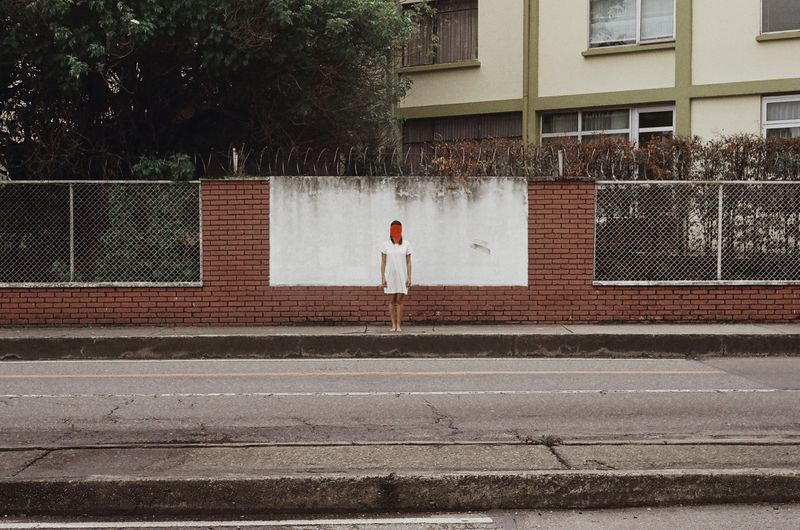
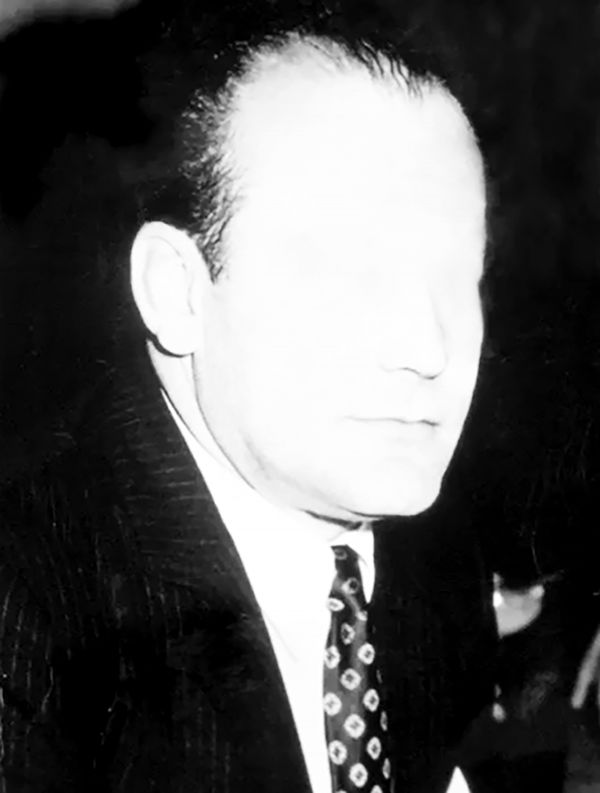
Perla, the daughter and artist behind the project, stands in front of Cantón Norte, where 45 years earlier her father had been taken and tortured, accused of belonging to the guerrilla and of being responsible for the assassination of Minister Pardo Buelvas. While being transferred, his face was covered with a handkerchief to prevent him from seeing those who had detained him.

© Perla Bayona - Image from the Cuevas de Sacromonte photography project
i

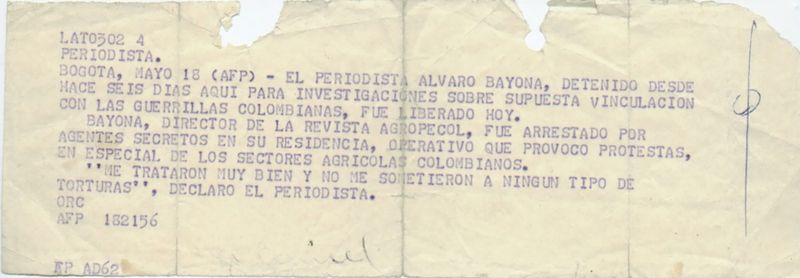
After his abduction in Cantón Norte by the Colombian army, the journalist accused of having killed Rafael Pardo Buelvas was released and forced to sign a slip of paper declaring that he had not been tortured.

© Perla Bayona - Image from the Cuevas de Sacromonte photography project
i

Public denunciation, led by his partner and family, was crucial in securing his release. But under the 1978 Security Statute, torture, civilian detentions, disappearances, and arbitrary raids were an everyday occurrence.

© Perla Bayona - Image from the Cuevas de Sacromonte photography project
i

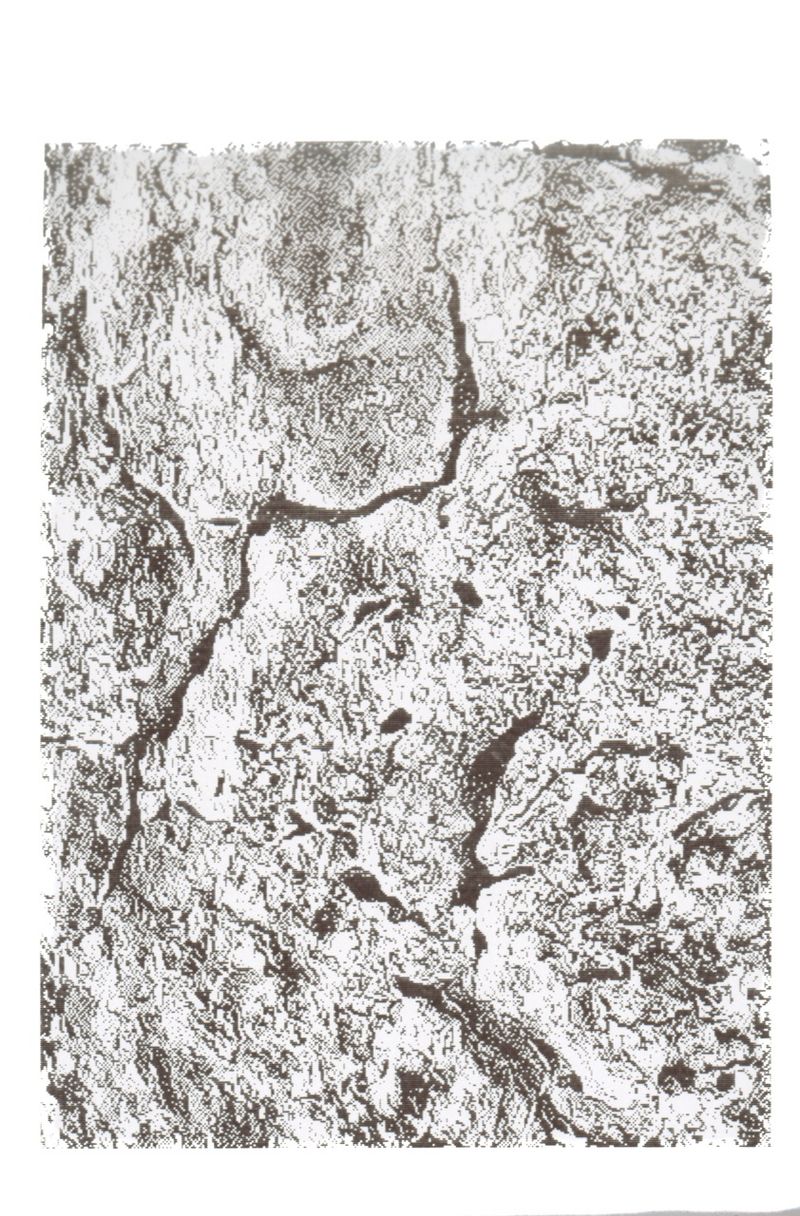
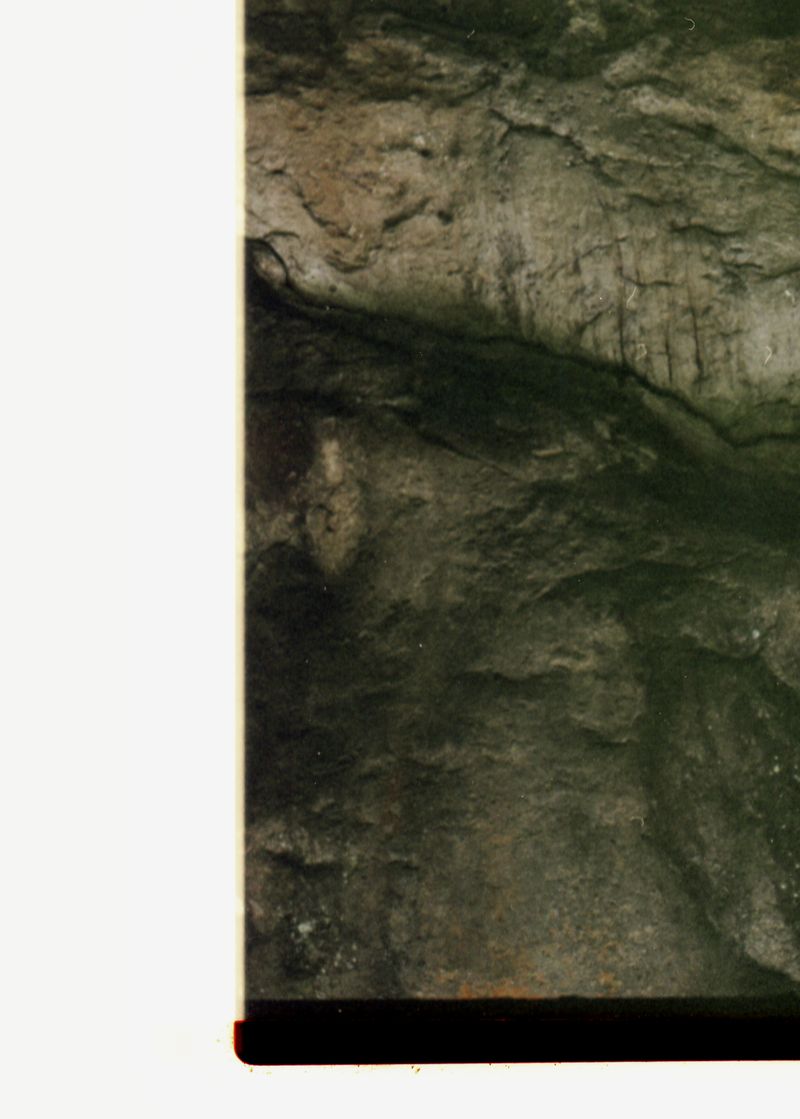
Detail of the Facatativá Caves (Cuevas de Sacromonte), used as a site of torture. Testimonies report that after interrogation in Cantón Norte, victims were taken here to continue the abuse or face execution. Shot with a thermal camera, the image’s grainy texture recalls the agricultural magazine and, also the fragility of memory, with the power to fade into absence.

© Perla Bayona - Image from the Cuevas de Sacromonte photography project
i

Months before being abducted, Bayona also suffered an attack with an explosive device at his magazine’s offices. When describing all these events, he refers to them as a “fracture” that disrupted and divided both his professional and personal life.

© Perla Bayona - Image from the Cuevas de Sacromonte photography project
i

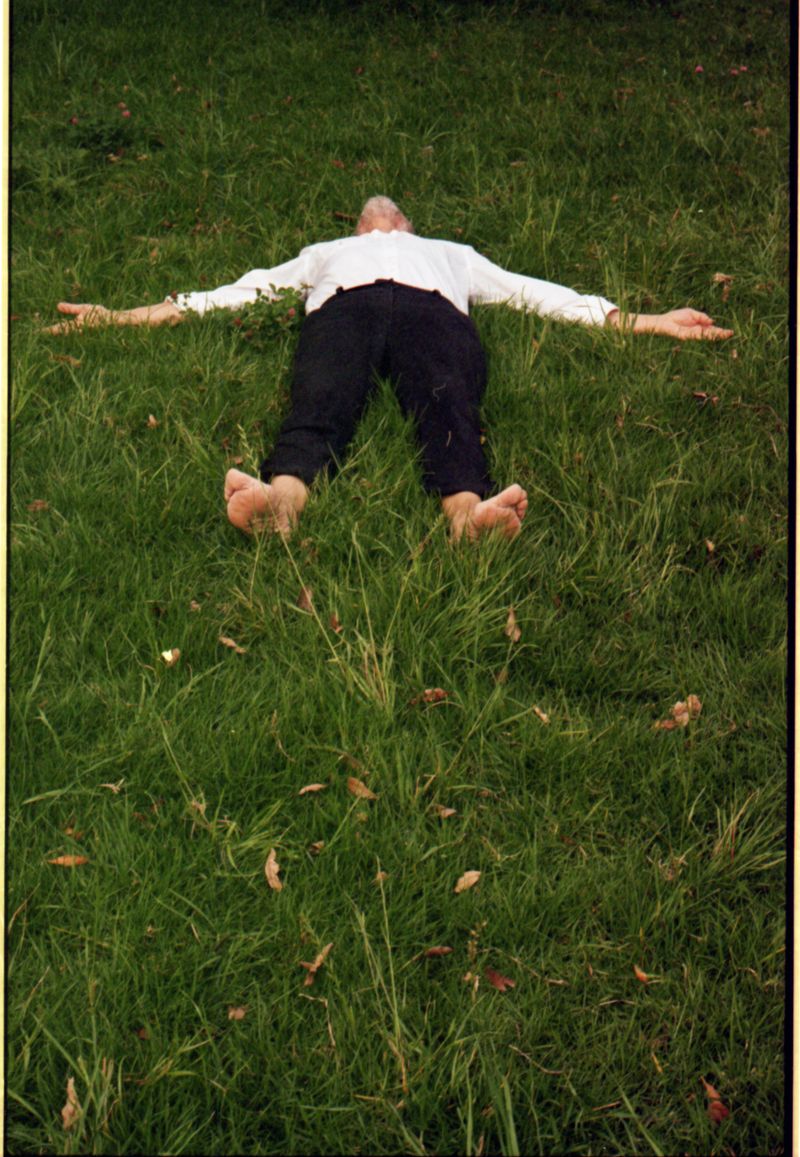
Had he been found guilty of any charge, it is likely that Bayona would have been taken there and killed. In this way, they become a kind of “absent absence,” a latent threat that never materialized, but loomed dangerously close.

© Perla Bayona - Image from the Cuevas de Sacromonte photography project
i

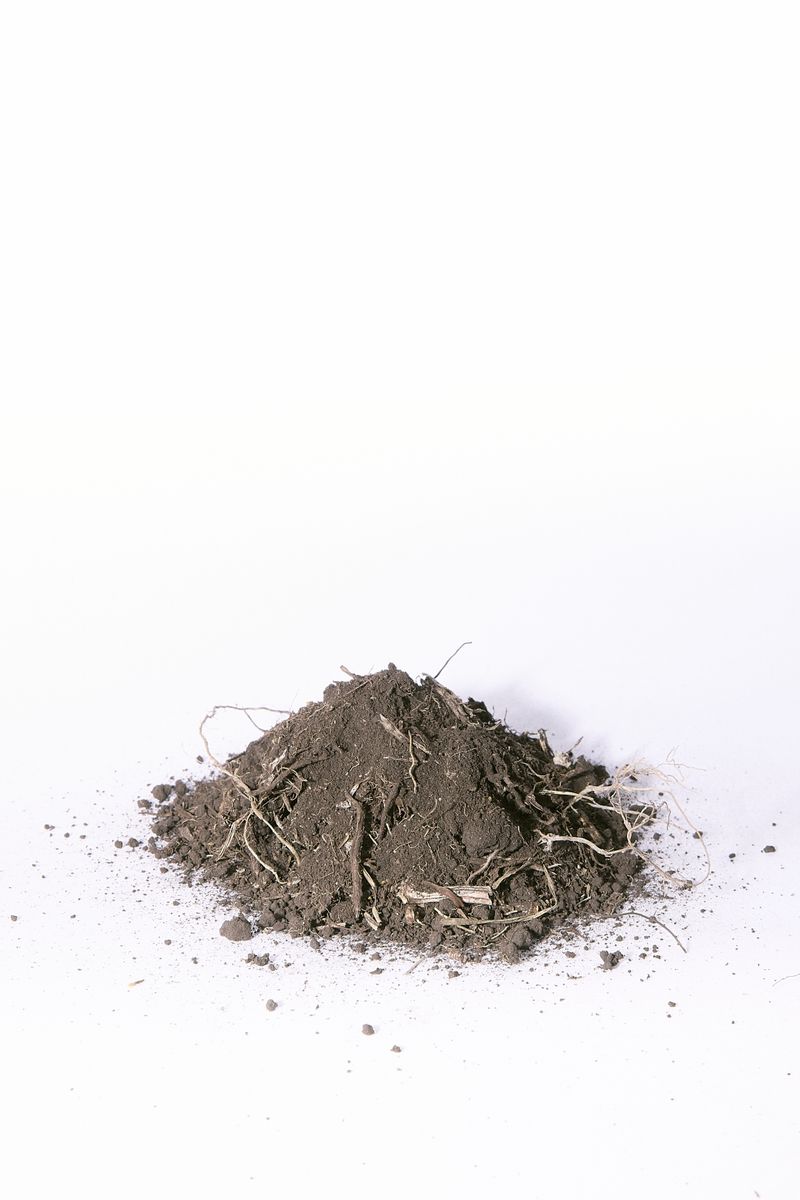
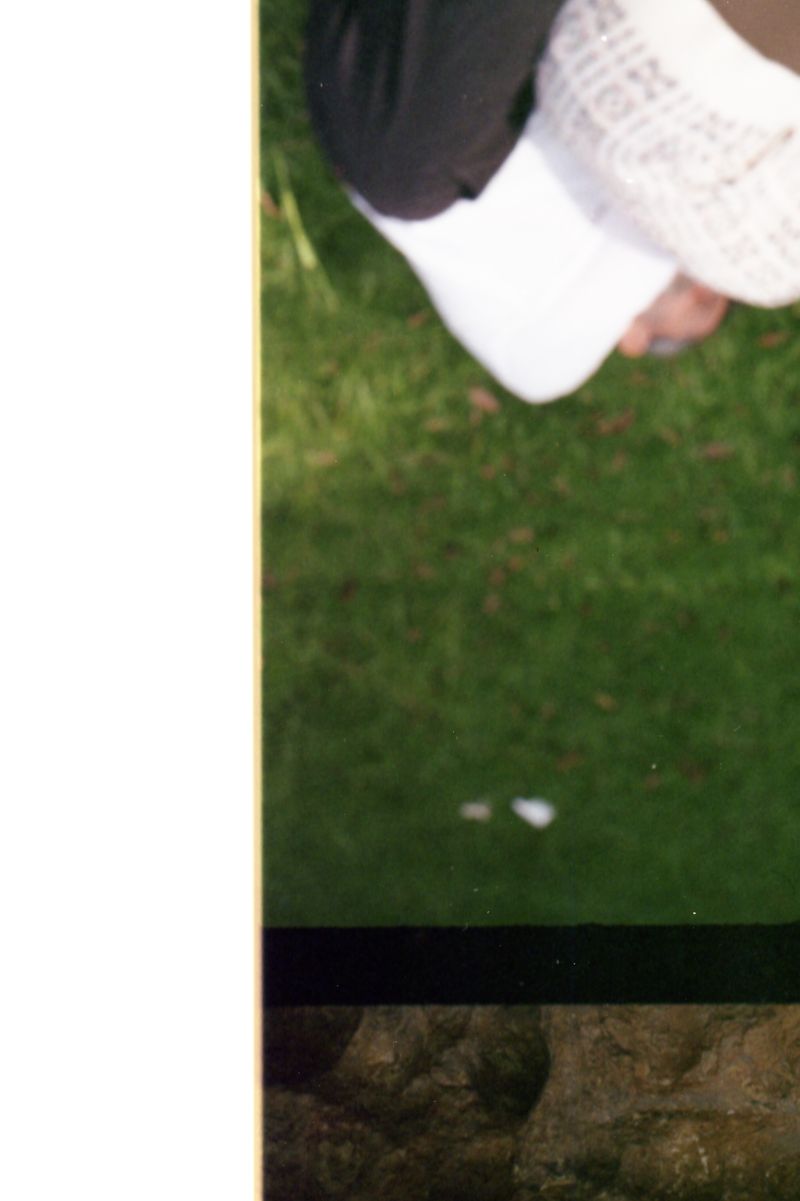
Three still lifes make up the series of spaces: what was (Bogotá), what it became (United States), and, in this image, what could have been (Facatativá). After surviving a bombing, torture, and detention, he eventually went into exile, unable to leave the U.S. for over 15 years. The land stands as a witness to memory.

© Perla Bayona - Image from the Cuevas de Sacromonte photography project
i

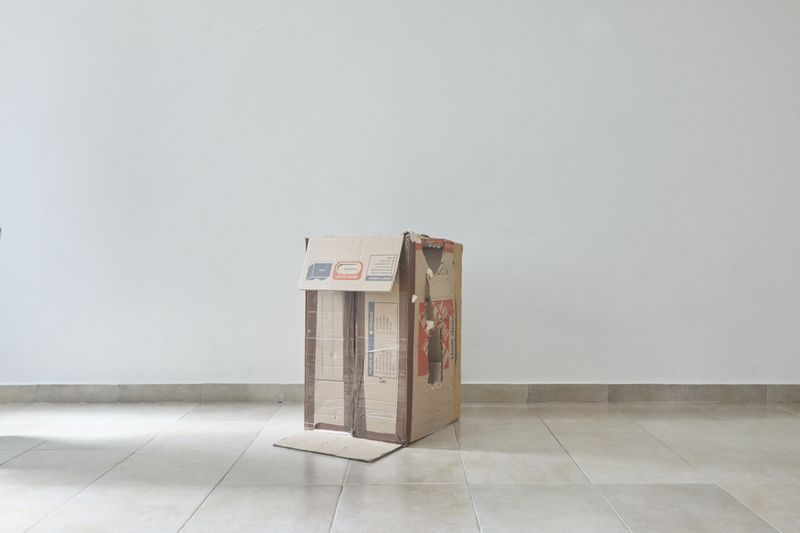
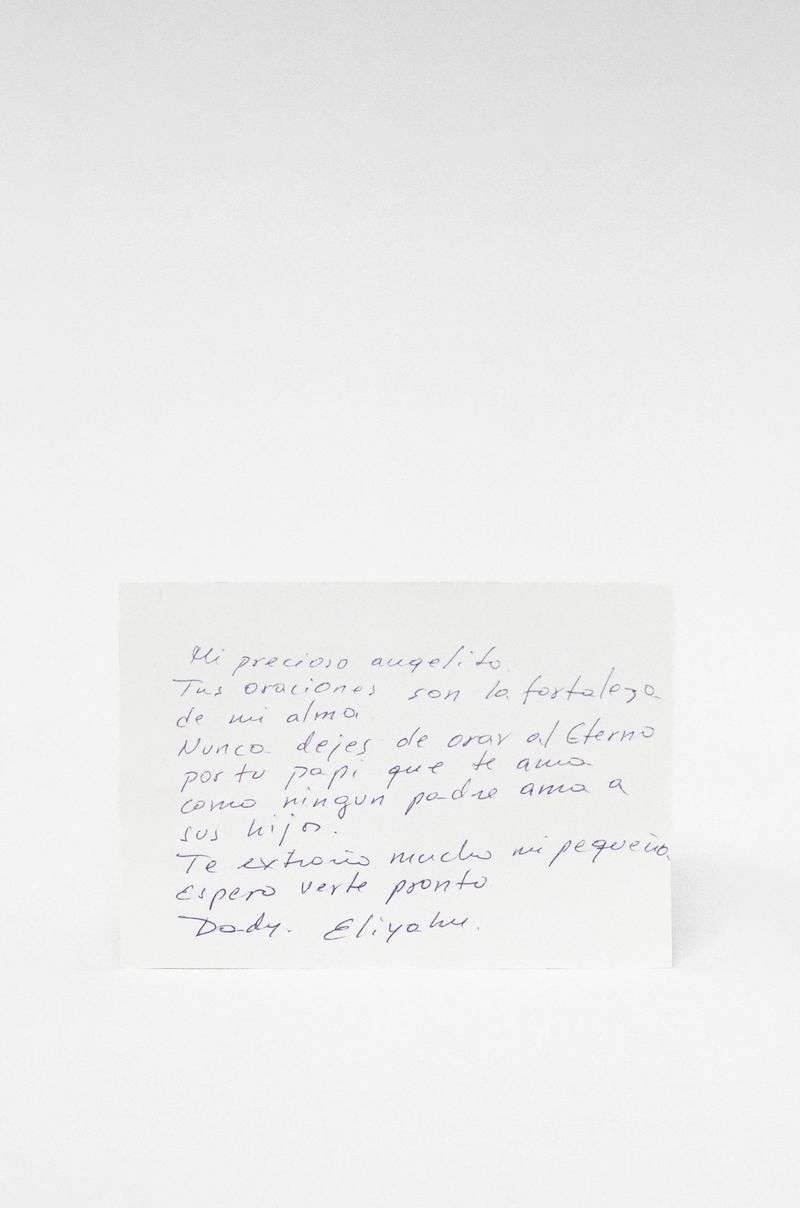
The package—as a container of objects, but also of a father’s presence across more than 25 years. Even today, their bond is woven through the things that travel: gifts, gestures, and traces of their presence.

© Perla Bayona - The inside of the letter.
i

The inside of the letter.

© Perla Bayona - Image from the Cuevas de Sacromonte photography project
i

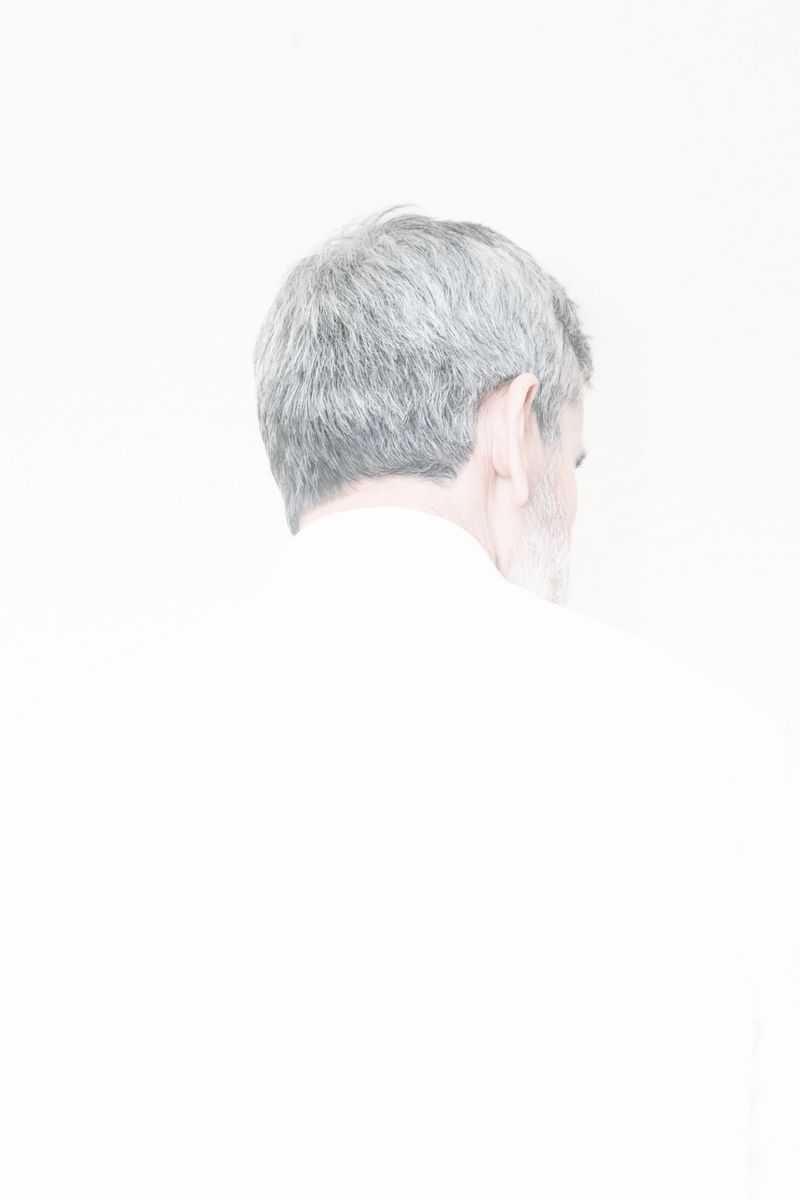
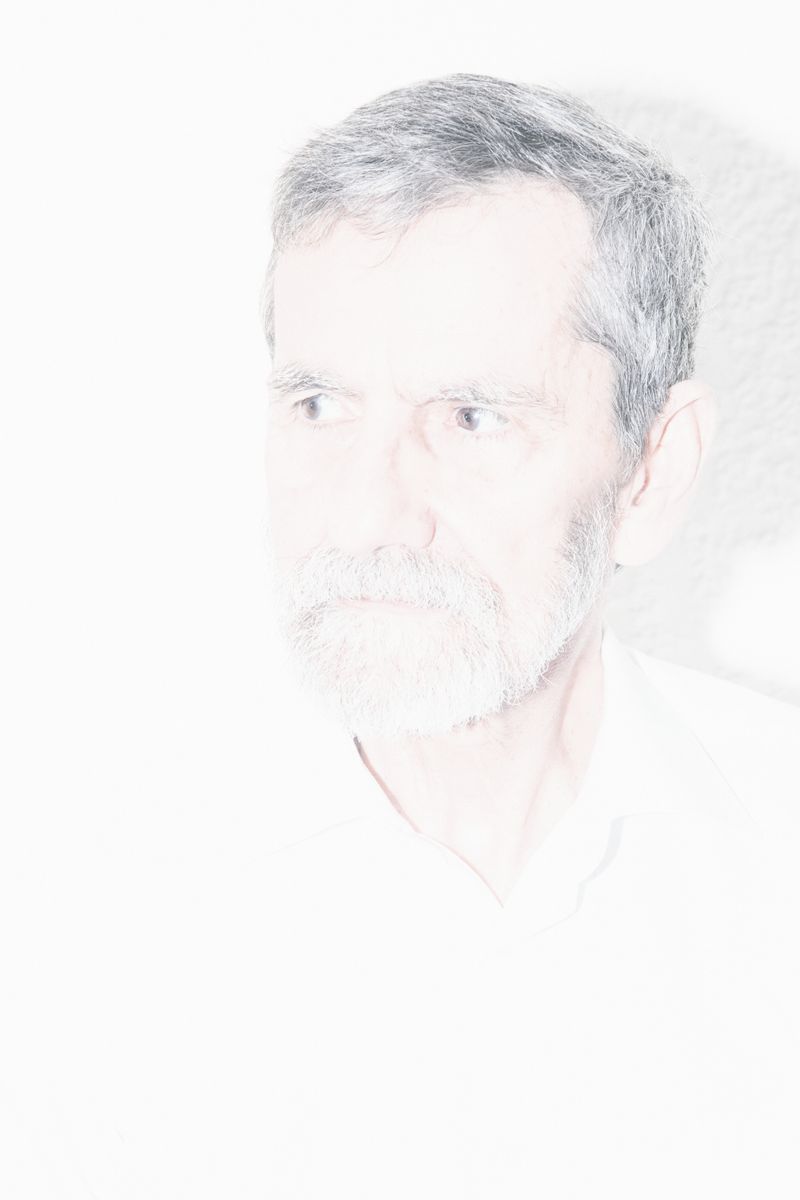
When one migrates, it’s not only a part of identity that dissolves or reshapes; it also brings a kind of guilt for leaving one’s place of origin, for surviving acts of violence. Here, what is usually understood as presence—the light—reveals instead absence: the subject is there, yet simultaneously not.

© Perla Bayona - Image from the Cuevas de Sacromonte photography project
i

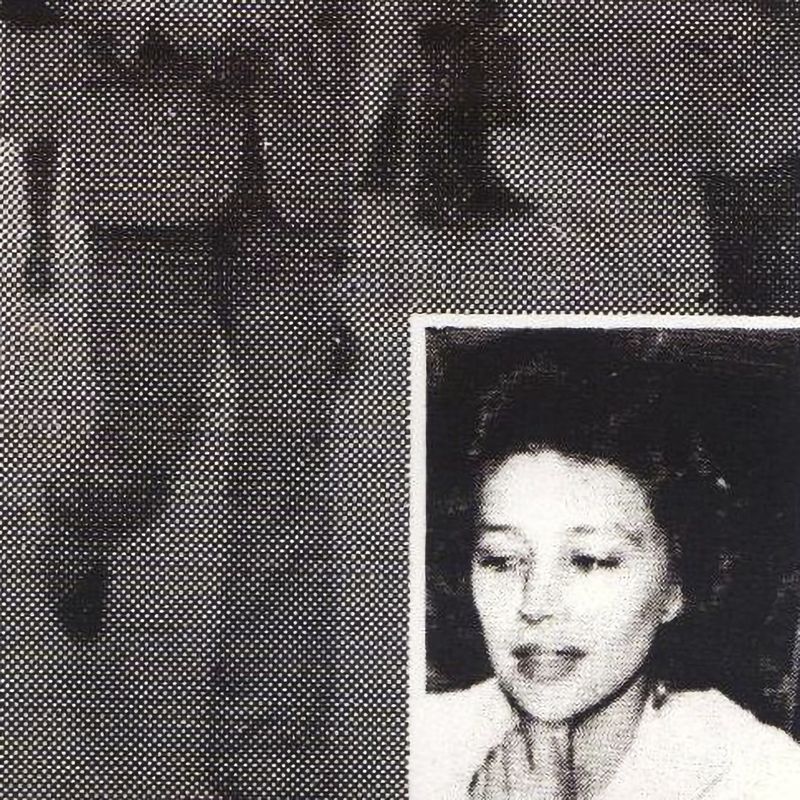
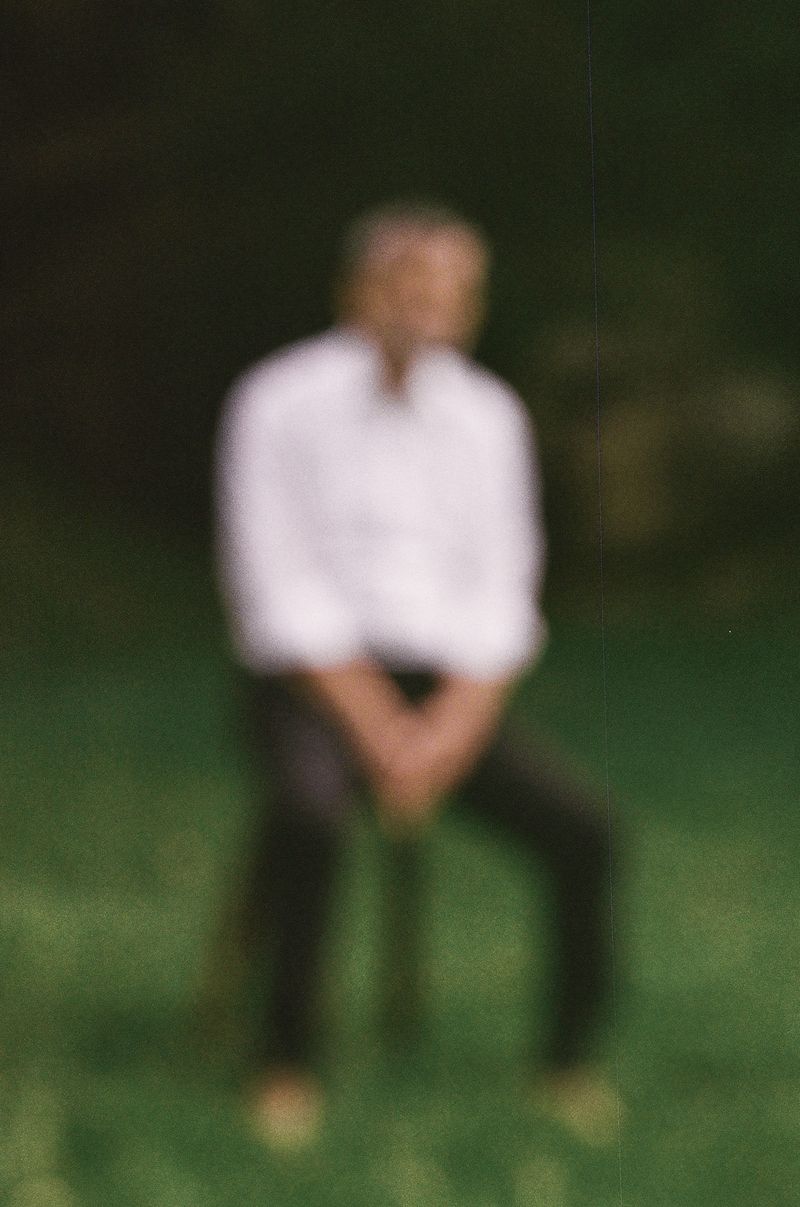
The digital image of a video call as witness to their bond, not of words anymore, but of color—where the figure of a father dissolves into pixels.

© Perla Bayona - Image from the Cuevas de Sacromonte photography project
i

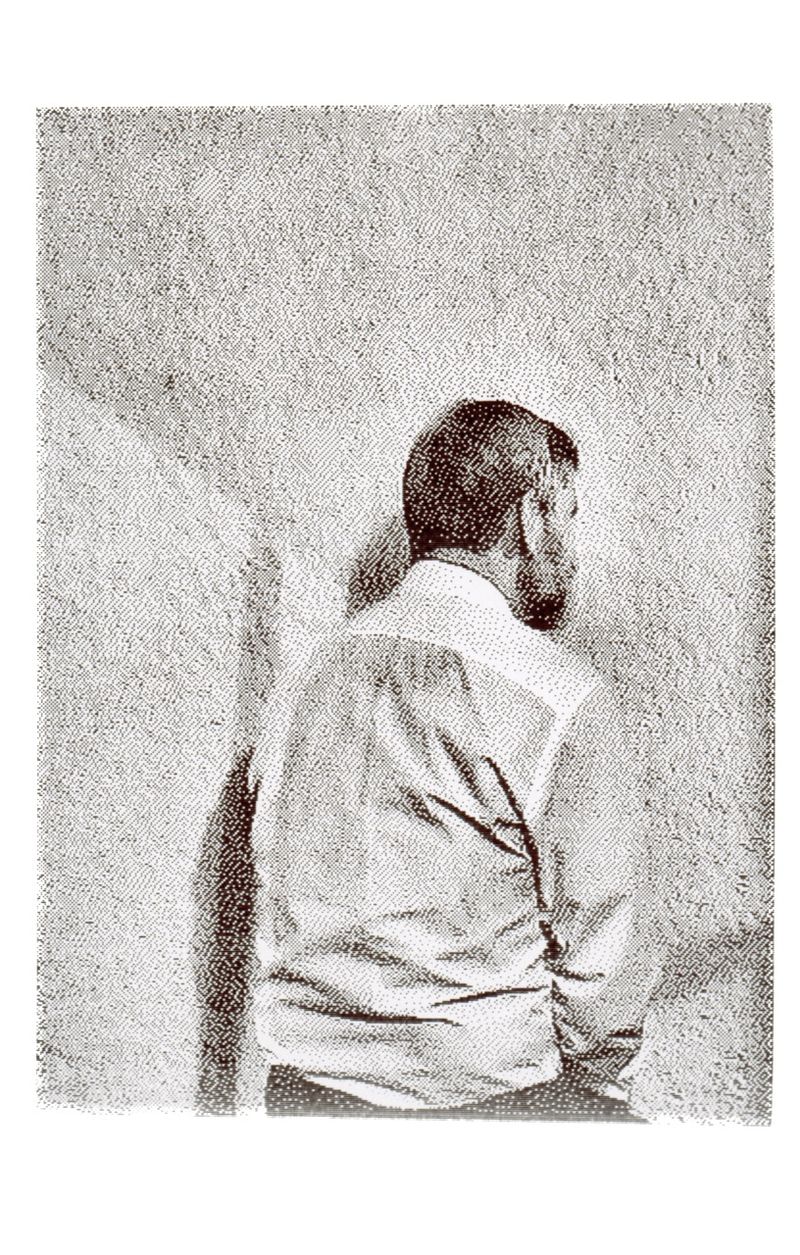
After 15 years of absence, father and daughter reunite in Bogotá, although their relationship to this day remains largely mediated by technology and physical distance. The fracture persists.

© Perla Bayona - For him, this is no longer a place where he recognizes himself.
i

For him, this is no longer a place where he recognizes himself.

© Perla Bayona - For her, the absence will never close, will never fade or be defined; it will only take on new matter, a new form of body.
i

For her, the absence will never close, will never fade or be defined; it will only take on new matter, a new form of body.

© Perla Bayona - The fragility in presence.
i

The fragility in presence.

© Perla Bayona - Image from the Cuevas de Sacromonte photography project
i

Their bodies remain apart, and the distance seems to have woven an intangible presence that neither fully understands, but that somehow fits into the lives they have each built in different countries.

© Perla Bayona - Image from the Cuevas de Sacromonte photography project
i

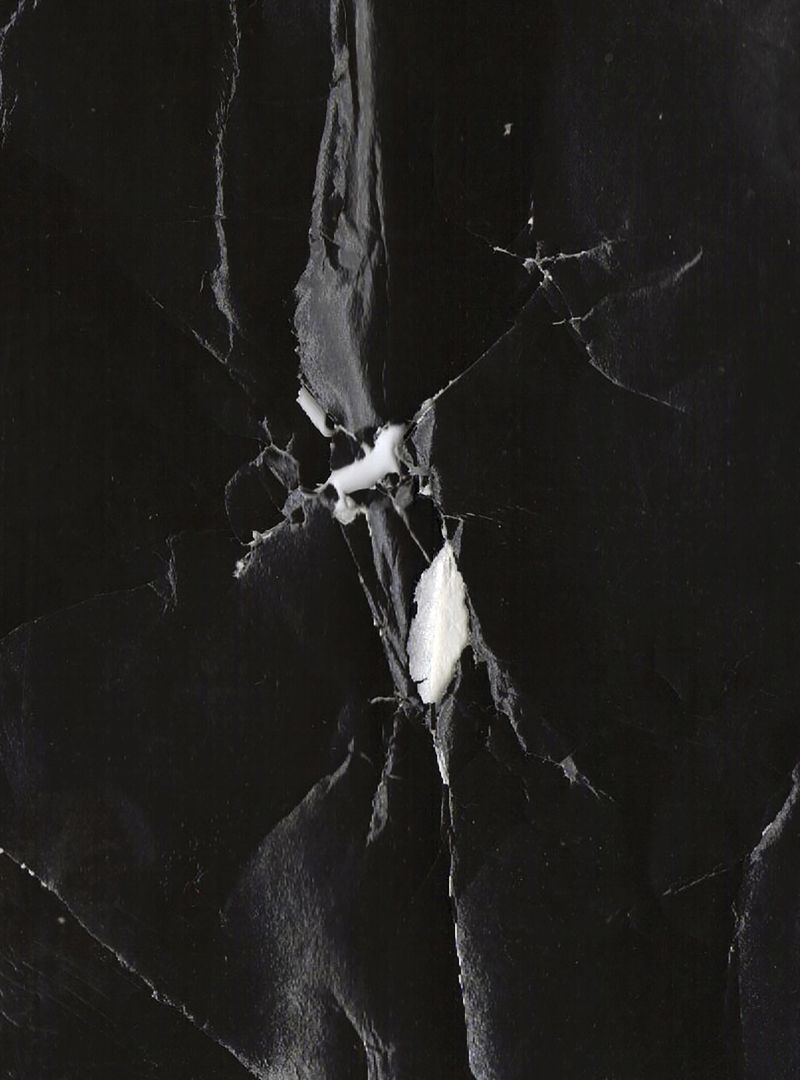
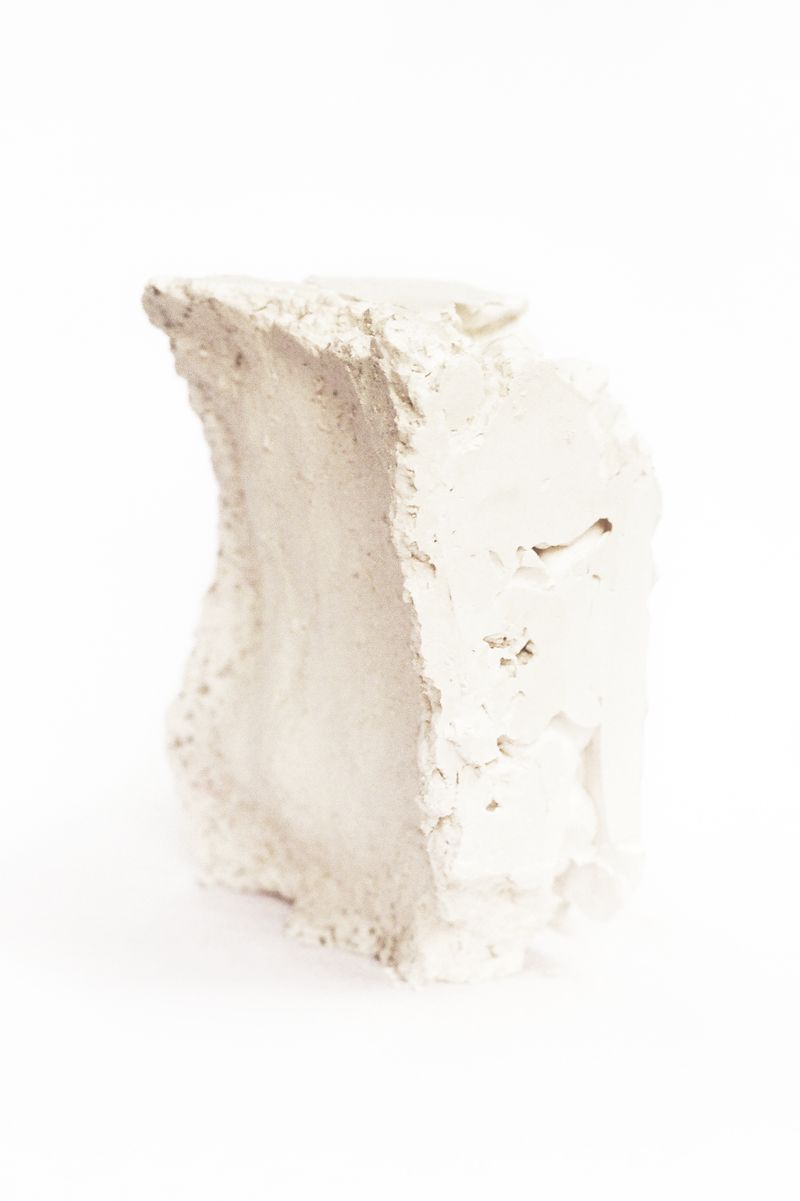
Symbolizing the fracture, as the expansion of an absence that does not remain passive but grows, the artist explored the materialization of a sculpture that she eventually destroyed, though she preserved two fragments, one of which represented her father.

© Perla Bayona - Him.
i

Him.