Cuckmere Haven
-
Dates2025 - 2025
-
Author
- Location East Sussex, United Kingdom
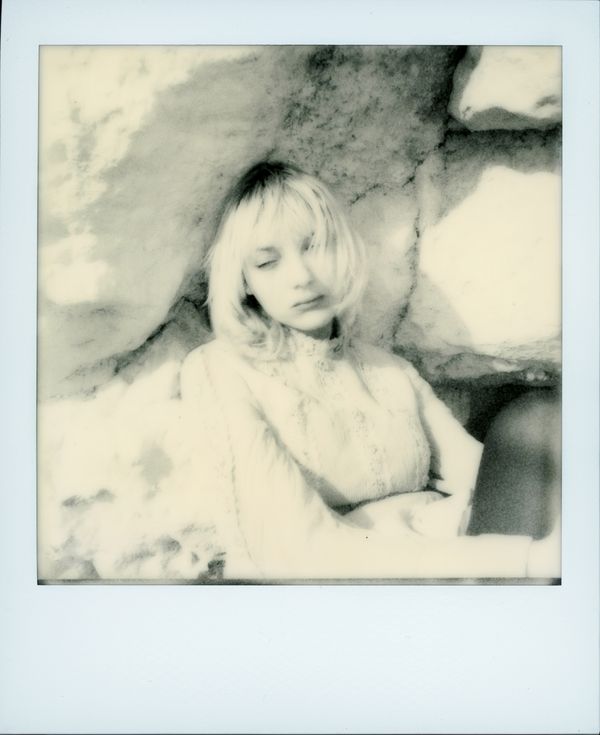
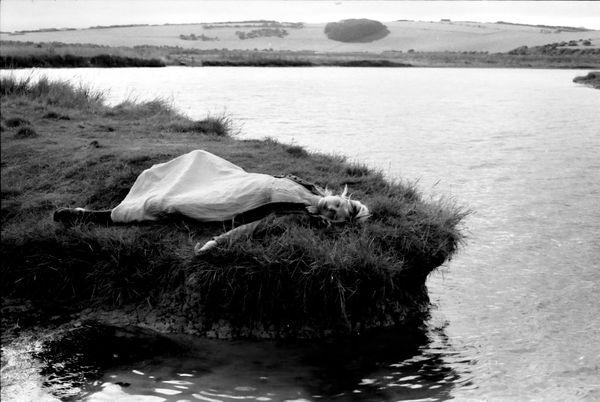
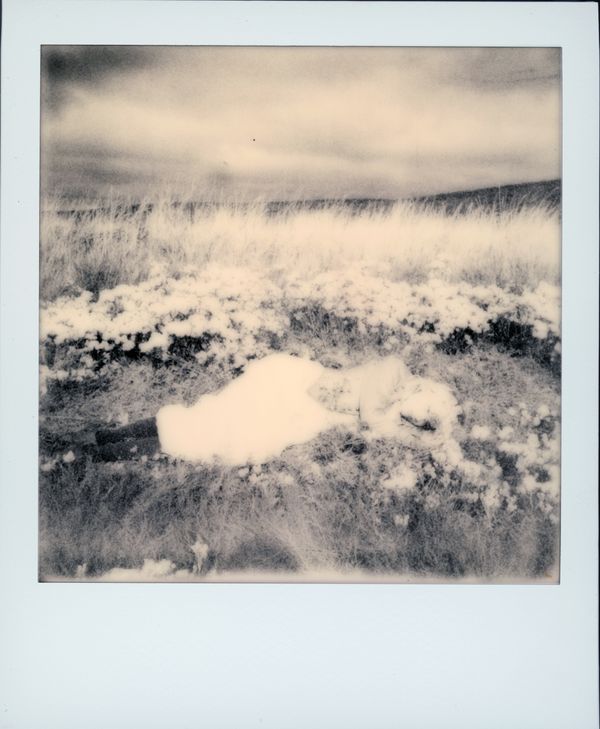
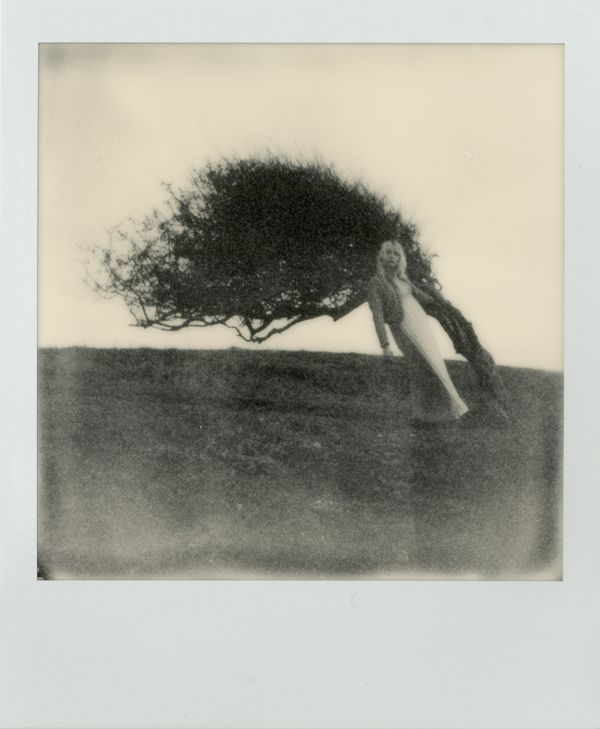
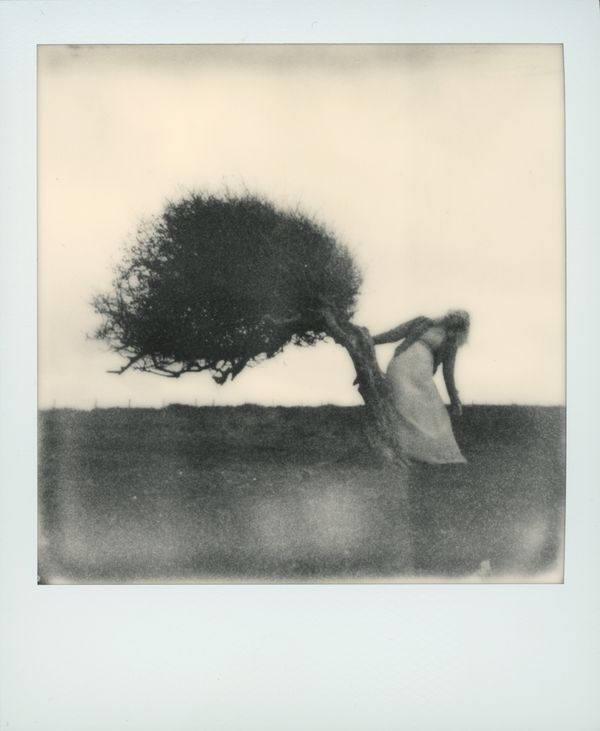
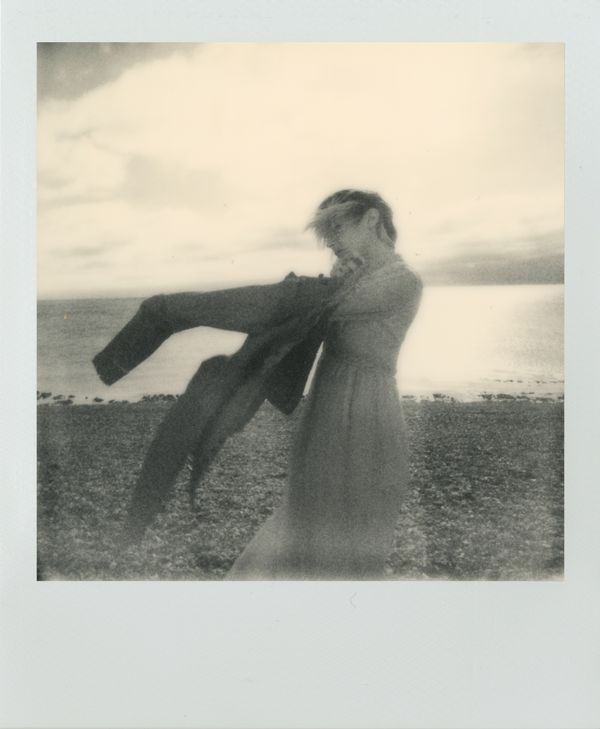
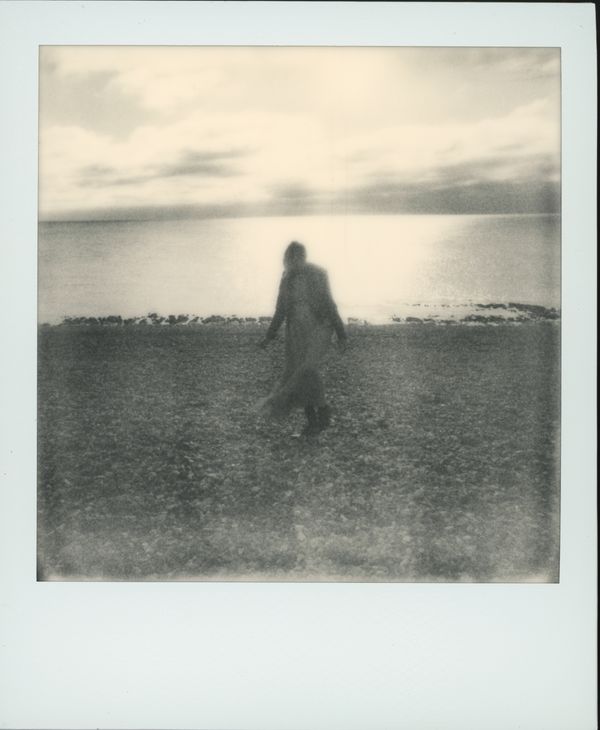
This work explores women’s ability to exist within silence, not as weakness or suppression, but as solitude. These quiet states reflect the weight of lived experience, endurance, and the need to retreat into reflection and self-possession.
Those who have viewed Cuckmere Haven have at times projected Ophelia onto her, which I understand, as she remains perhaps the most iconic image of a drowned woman. But what I take from that association is something different: women’s ability to exist within silence.
Ophelia has become a symbol of innocence, fragility, and obedience; qualities that are defined and ultimately broken by the men around her. I reject that reading. Delicate fragility is not what I want to explore in women. These moments are not about weakness; they are about the weight of the world as it is lived and felt. They speak to the act of enduring, of reflecting, of simply being. Sometimes, that process must happen alone. These quiet states are not incidental but responses shaped by the conditions in which we live.
Ophelia’s descent into madness can be read as a protest, a refusal of the perception of her as fragile. The effects of our culture’s expectations of women manifest in many ways. It is not always a single dramatic collapse, nor the restrained image of one tear sliding down an otherwise emotionless face. We feel sadness. We feel rage. We feel. This silence is not suppression, but solitude. Sometimes the world silences us, and there is something quietly beautiful in that isolated introspection, something I think many women recognise. It feels almost biological.
It is within our weighted context that women so often need to retreat so they may find spaces of reflection, silence, and self-possession.