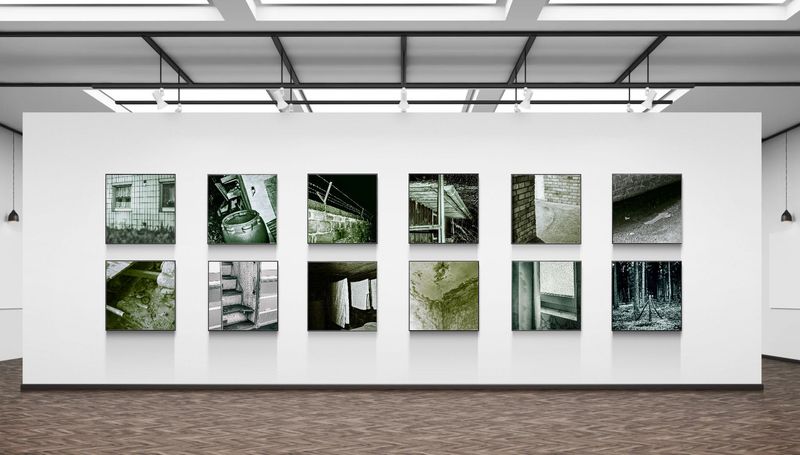
Crime Scenes: The Architecture of Suspicion
-
Dates2016 - 2025
-
Author
- Location Germany
A psychological study of suspicion: engaging with priming and perception, this series transforms mundane settings into sites of apparent distress. The work exploits visual voids, challenging viewers to discern between projection and hidden reality.
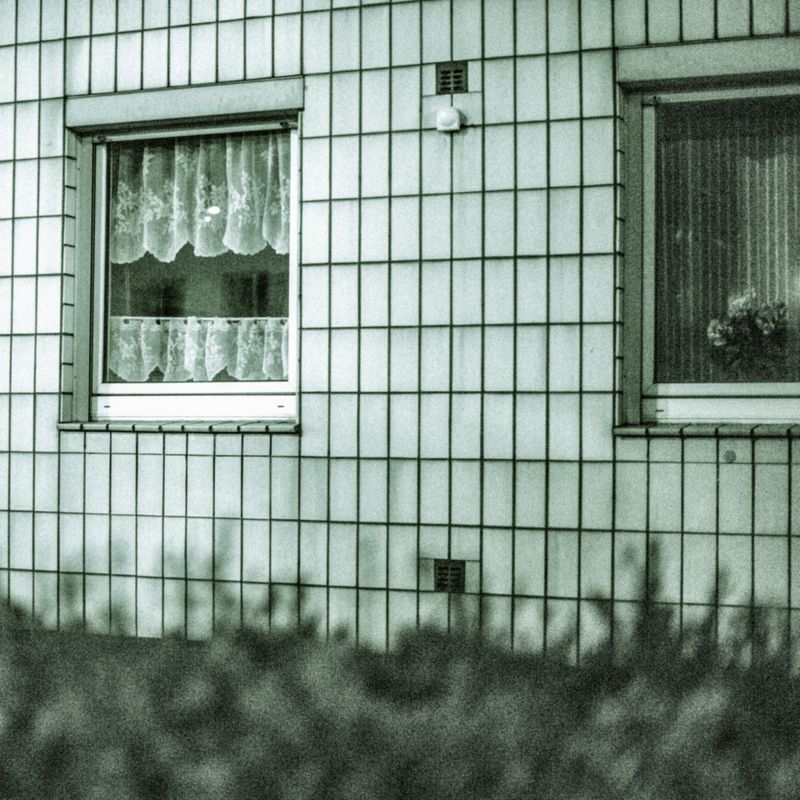
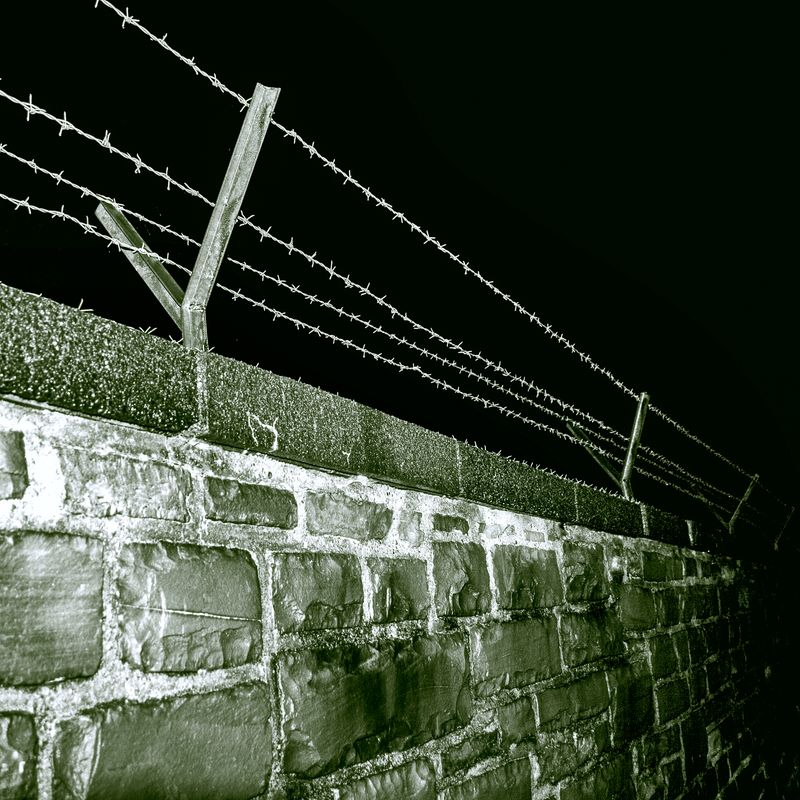
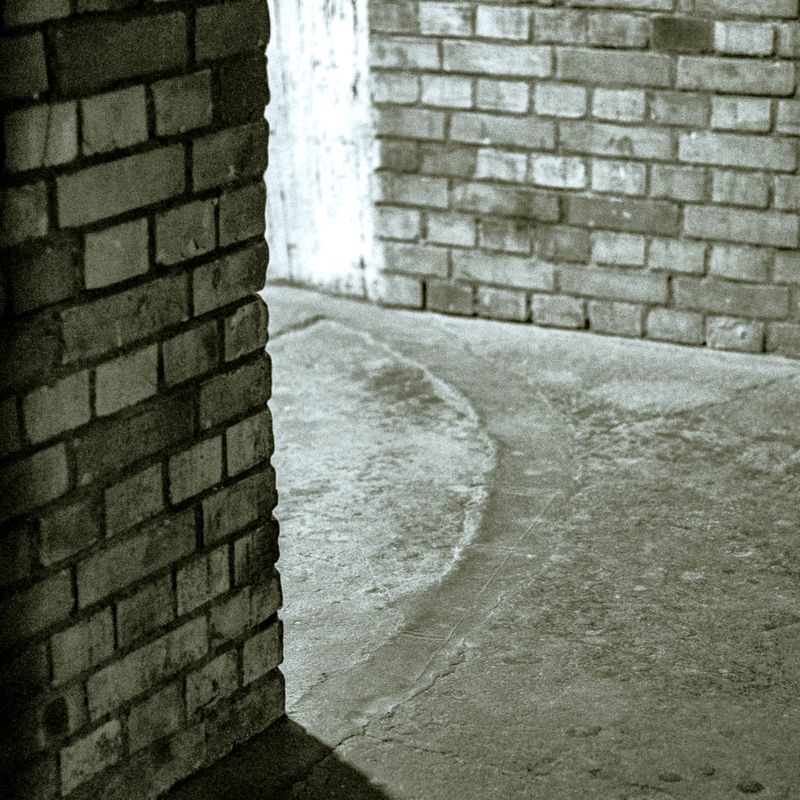
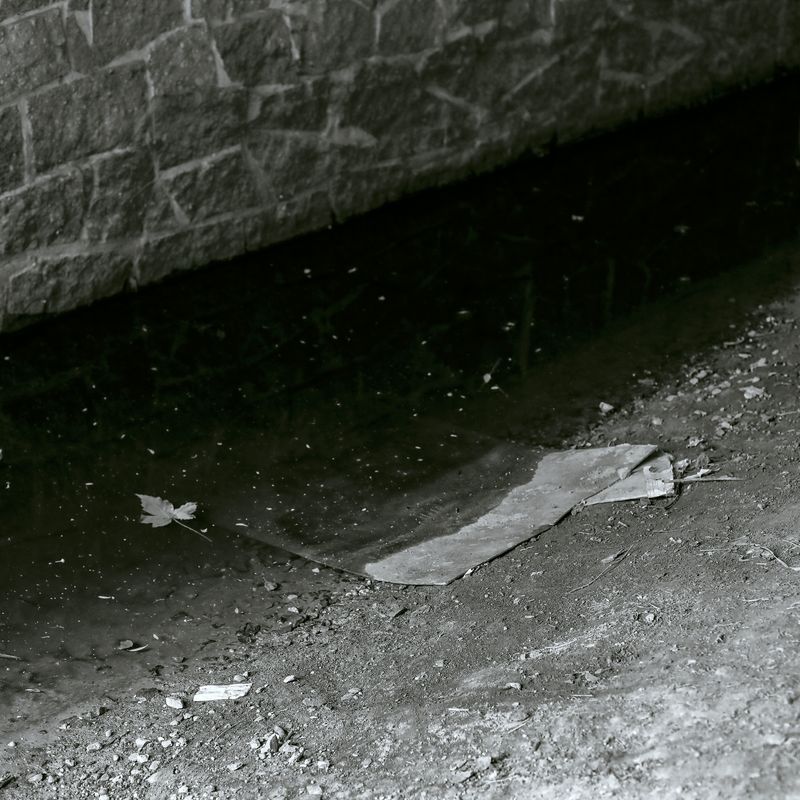
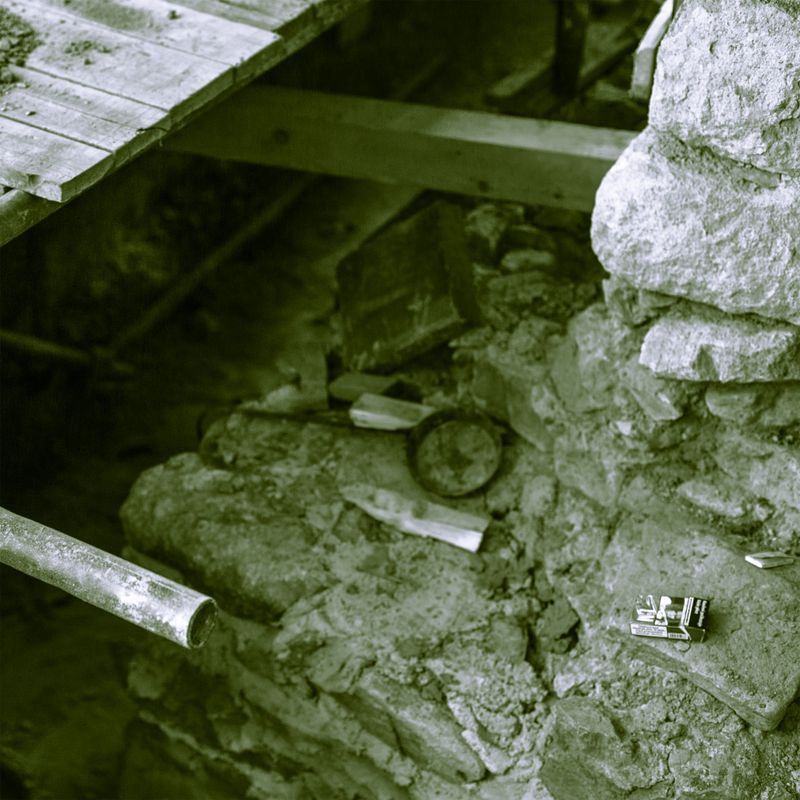
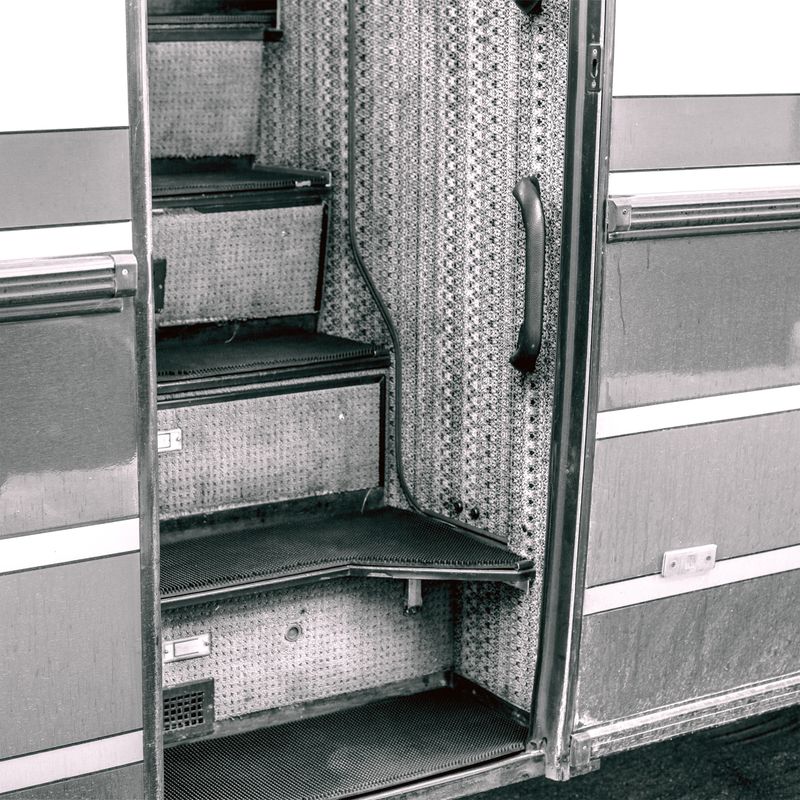
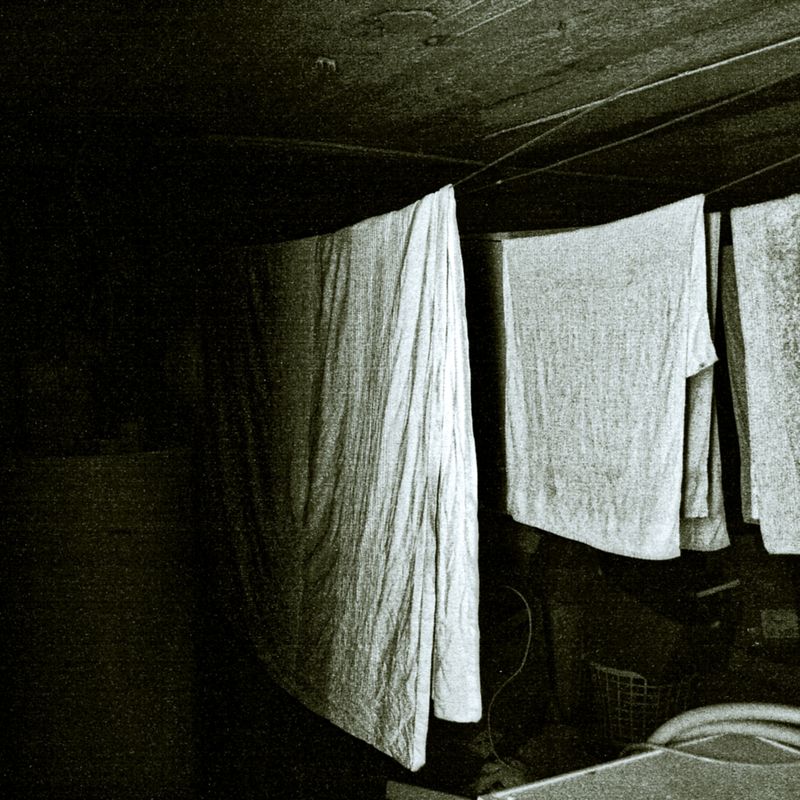
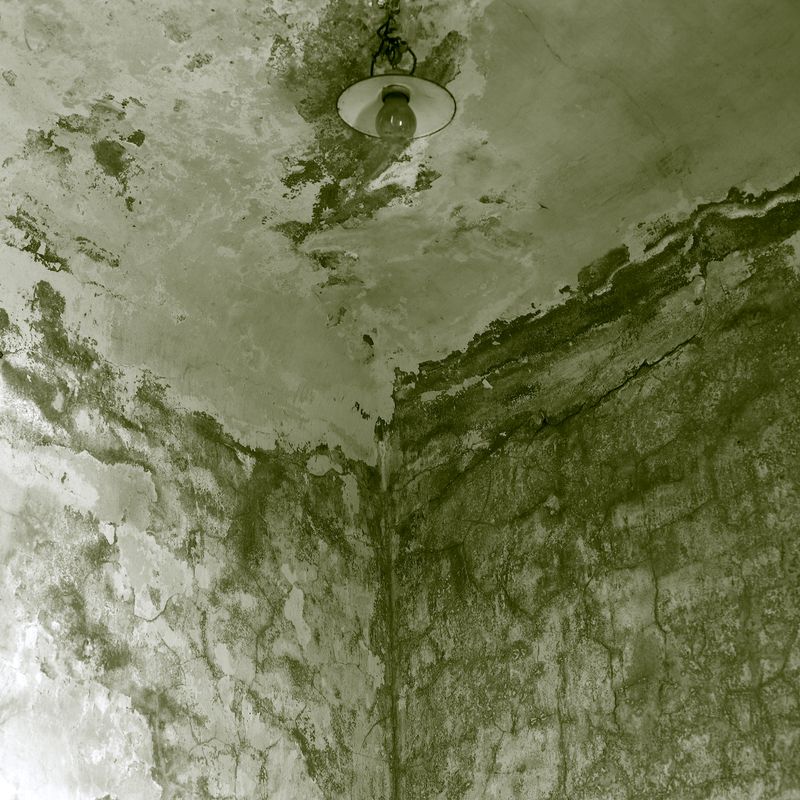
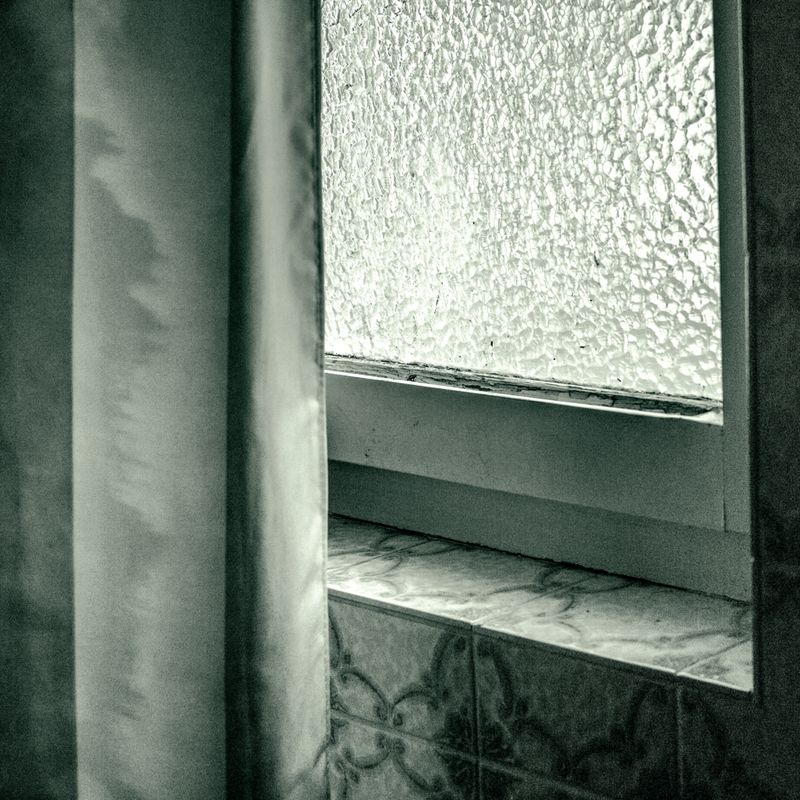
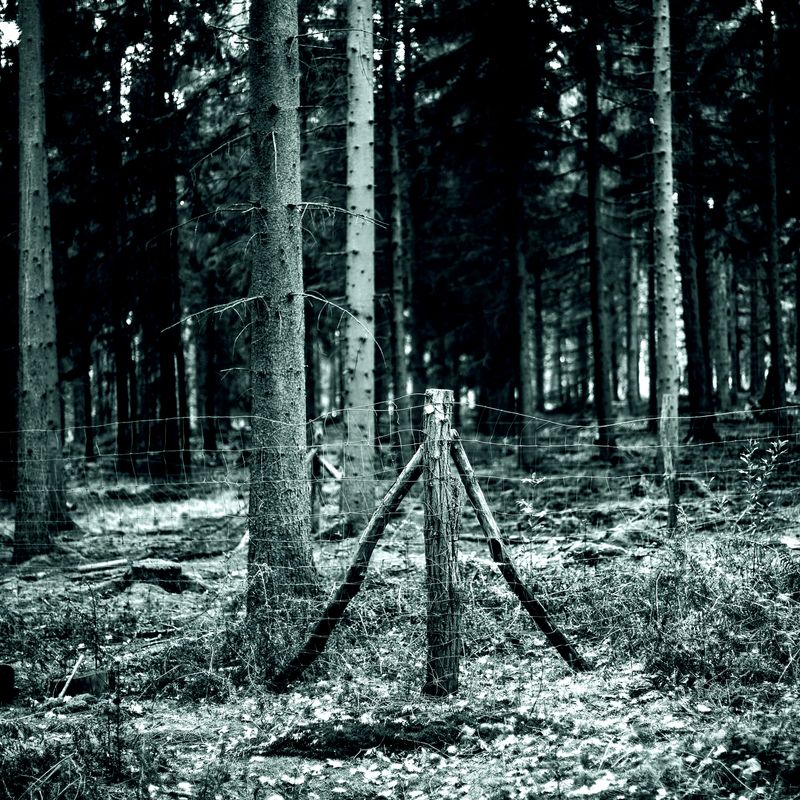
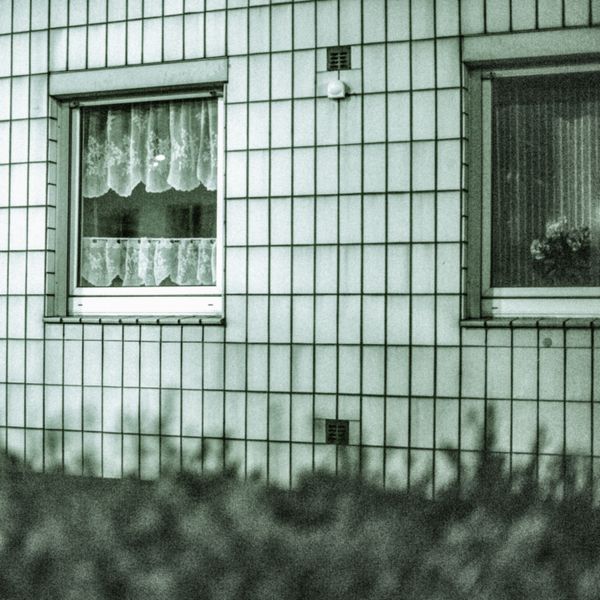
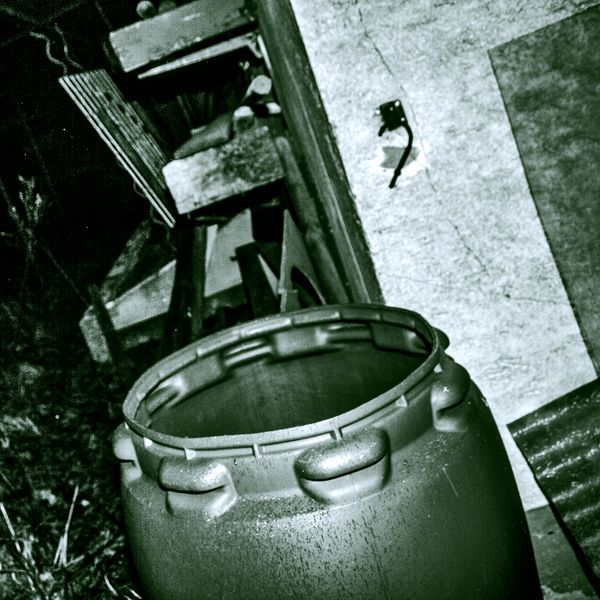
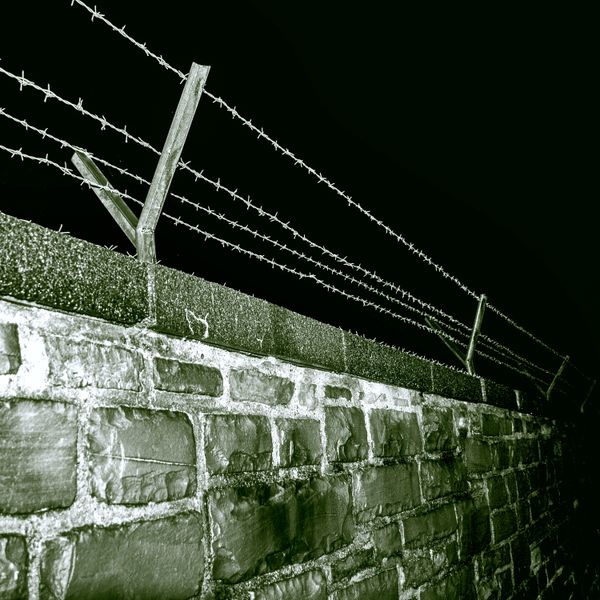
"Crime Scenes: The Architecture of Suspicion" is a photographic series that transforms mundane, everyday settings into sites of apparent distress. Through tight framing, the removal of the horizon, and a cool, monochromatic green-blue palette, the images create a claustrophobic atmosphere where nothing 'happens' within the frame. Instead, the entire narrative occurs within the viewer’s mind.
The work engages with priming and perception:
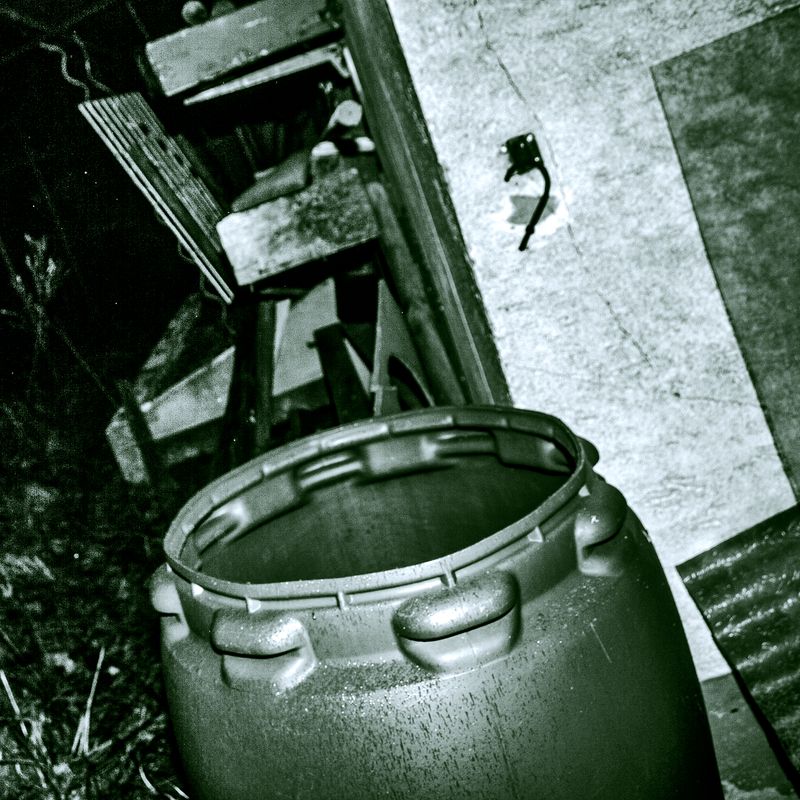
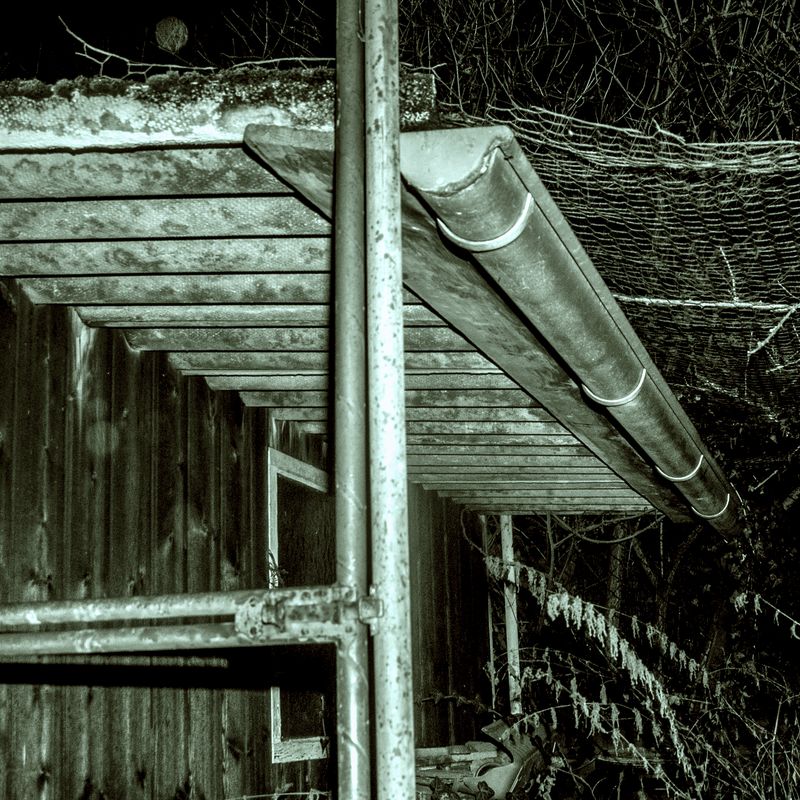
The Projected Lie: By using the title as a 'priming' tool, the series exploits our tendency to fill a visual void with suspicion. A plastic barrel or a garden shelter becomes an imagined piece of evidence. We see what is not there, becoming victims of our own stereotypical attributions.
The Overlooked Truth: Conversely, the work questions our reliance on visual clichés. By searching for 'obvious' signs of a crime scene, we risk becoming blind to actual delinquency that hides behind the veil of the 'normal' and the inconspicuous, especially within the social domestic sphere.
Narrative Structure:
The proposed sequence of 12 works functions as a psychological downward spiral. It begins at the Facade, representing the deceptive surface of civic order, before moving through increasingly confined spaces. We pass through the Shelter and the Transit point, descending into the subterranean dread of the Laundry Room and the Cellar, finally reaching the innermost sanctum of the Veil (a stark bathroom). The journey concludes at the Forest—the classic 'site of discovery'—leaving the viewer alone with their own projections in the unwirtliche nature.
The series is not about documenting crime, but about the architecture of our (dis)trust. It challenges the observer: are we inventing a crime scene where there is none, or are we so distracted by our imaginations that we fail to see the reality hidden in plain sight?
Technical Note: The effect is achieved entirely in-camera through strict composition. Post-processing is limited to a monochromatic shift and the addition of grain to enhance the sense of unease.
Production Years: 2016 – 2025 (Final Edit 2026)
Project Status: Recently completed. While the primary photography took place between 2016 and 2020, the final conceptual curation, monochromatic colour grading, and the 12-piece grid structure were finalised in early 2026 for this submission.