Costanza

The project tells the story of Costanza Lorenzetti, a woman who defied fascist conventions and elevated photography as a critical and educational tool, leaving a silent yet decisive mark on Italian art history and women’s emancipation.

This project is inspired by Costanza Lorenzetti, a pioneer of women’s emancipation and the first woman to hold a professorship at the Academy of Fine Arts in Naples in 1921. At a time when fascism enforced strict gender roles, she chose study and teaching over the domestic sphere, and she was the first to use photography as an educational and analytical tool in art history.

Through the family archive I inherited, I reconstruct fragments of her practice and her time. The images show the silent influence of a woman who changed the way art was taught, while remaining largely unknown. This visual research allows me to engage with her legacy, reflect on my own family history, and rediscover the contemporary relevance of her independence.
© Flavia Piola - Image from the Costanza photography project
i

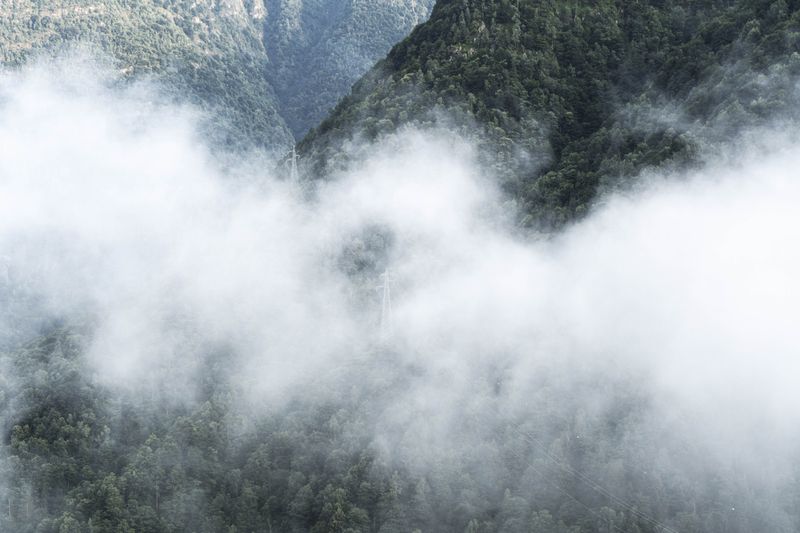
A bank of clouds rests between the mountains near Cerreto d’Esi, the medieval village in the Marche region where Costanza was born and raised. It's the landscape that holds her origins and introduces my research.

© Flavia Piola - Image from the Costanza photography project
i

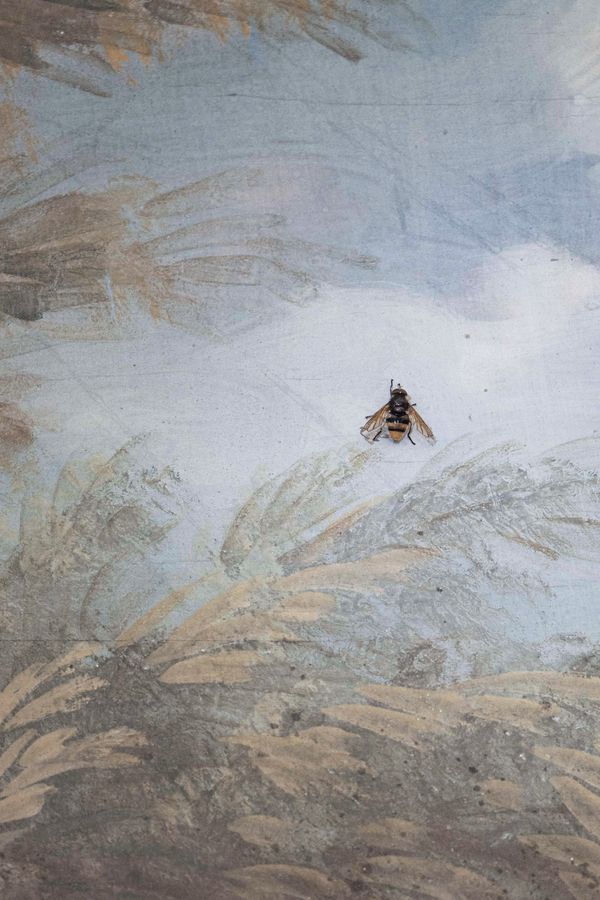
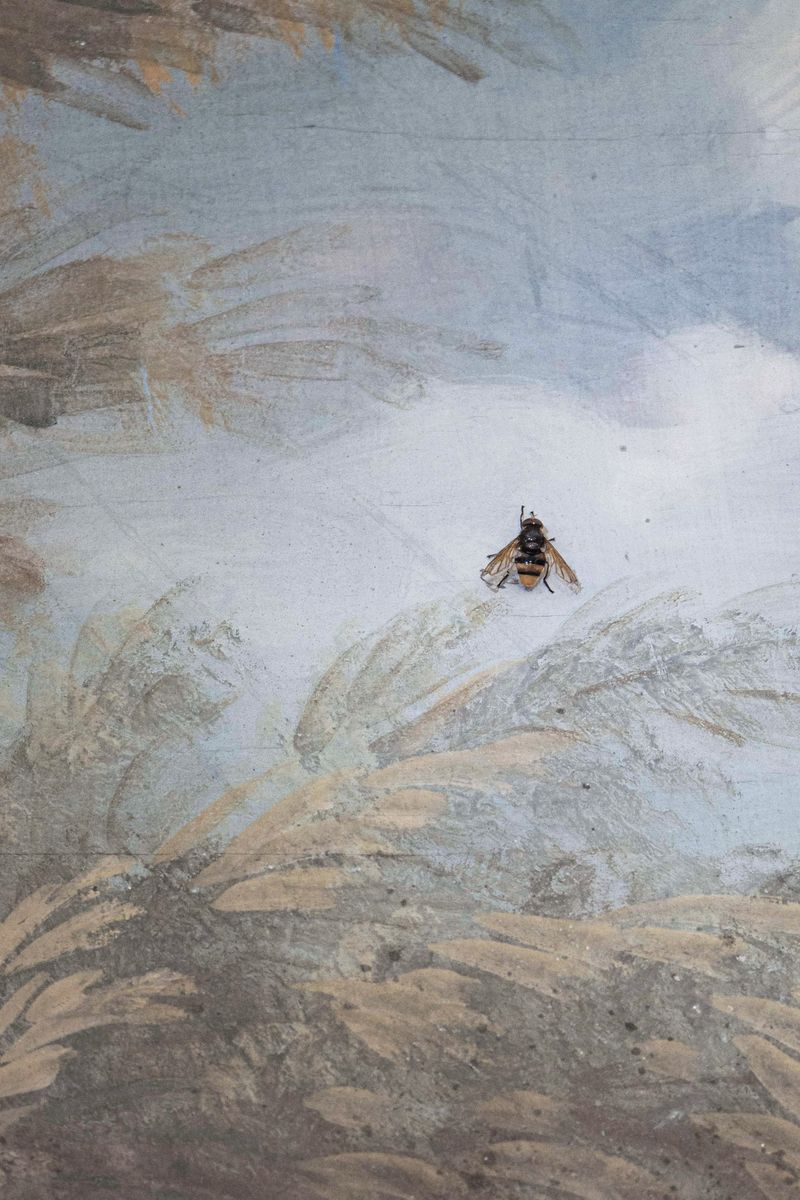
In her childhood home, I found a fresco of a sky and a bee resting on the wall. I wanted to show how this place looks today. Marked by time, yet still alive in its details.

© Flavia Piola - Image from the Costanza photography project
i

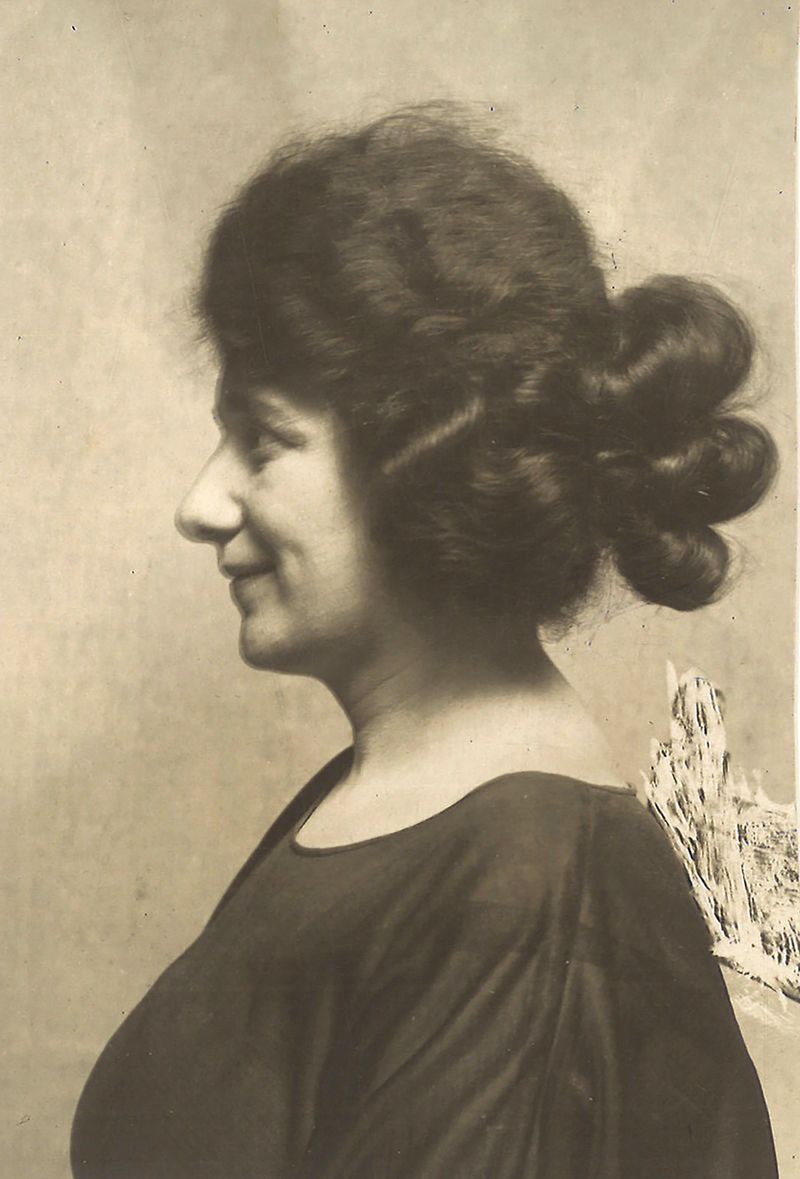
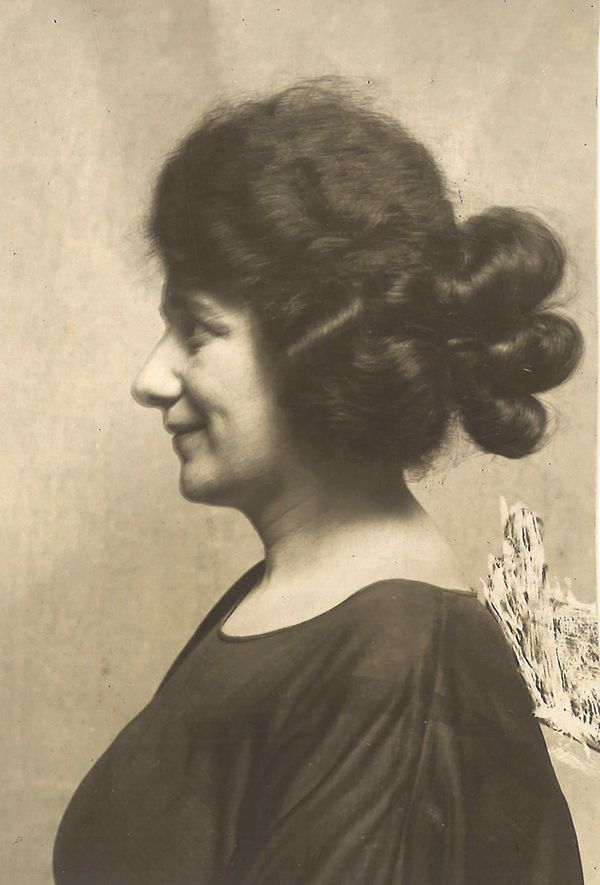
In this archival photograph, Costanza is portrayed in profile with wings, that were drawn and later erased. I read in this anonymous gesture a sign of denied freedom and a desire for emancipation.

© Flavia Piola - Image from the Costanza photography project
i

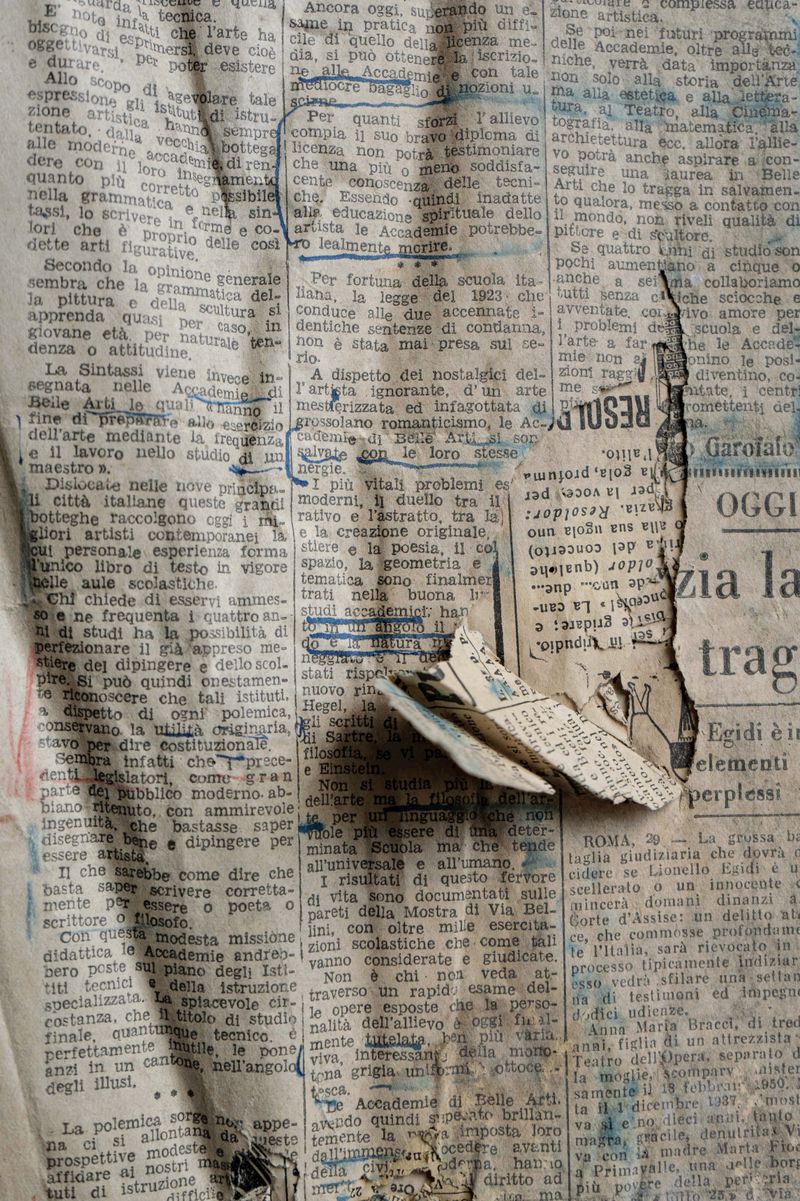
In this worn and studied newspaper page, there is a discussion about art history as a discipline “already dying, only descriptive and not formative for the student,” lacking spiritual education. During her years of teaching, Costanza worked to enhance the study of art history. To train a critical and analytical eye in her students, she elevated photography to a didactic tool.

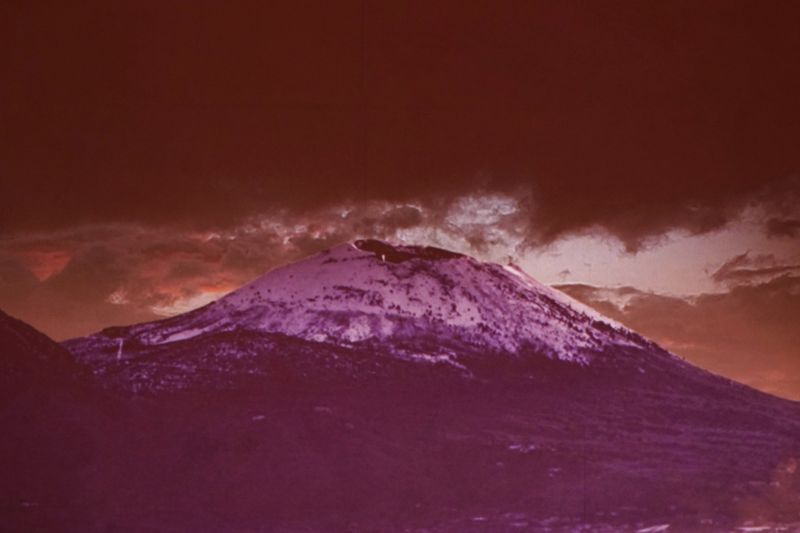
© Flavia Piola - Vesuvius is one of the most iconic symbols of Naples, where Costanza lived and worked for most of her life.
i

Vesuvius is one of the most iconic symbols of Naples, where Costanza lived and worked for most of her life.

© Flavia Piola - Image from the Costanza photography project
i

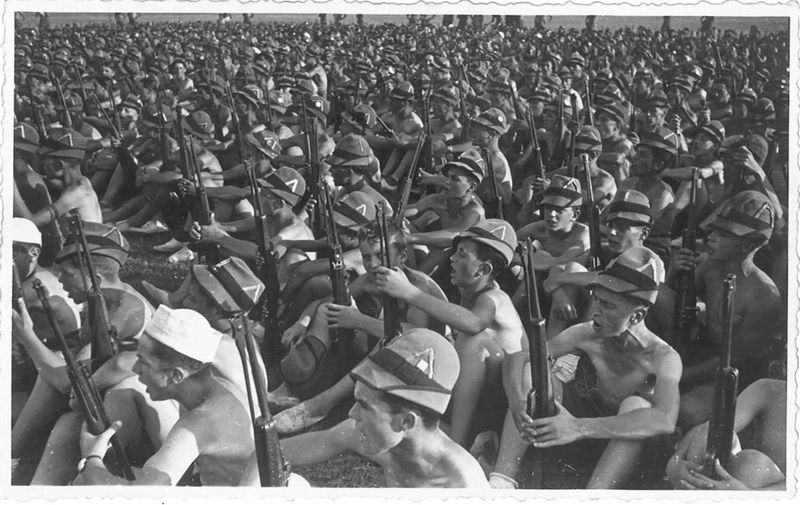
An archival image showing children in uniform, armed and singing in chorus. It's a fragment of the historical context in which Costanza lived and managed to be recognized as a leading figure in Neapolitan art.

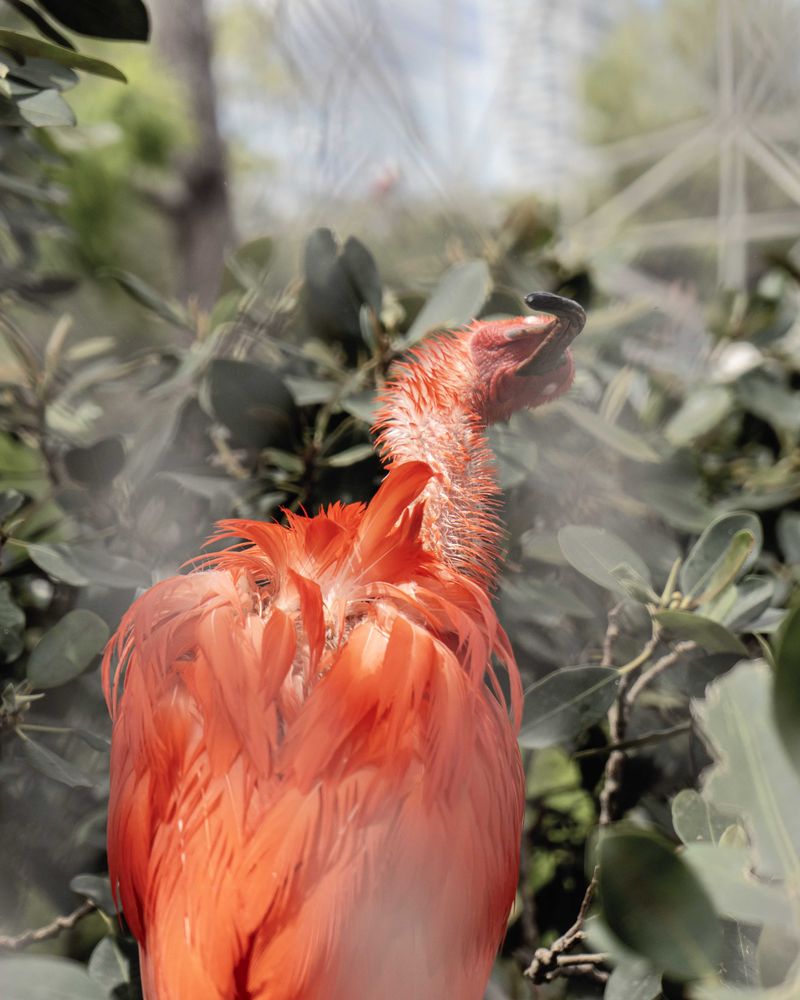
© Flavia Piola - A conceptual image meant to recall her forgotten legacy.
i

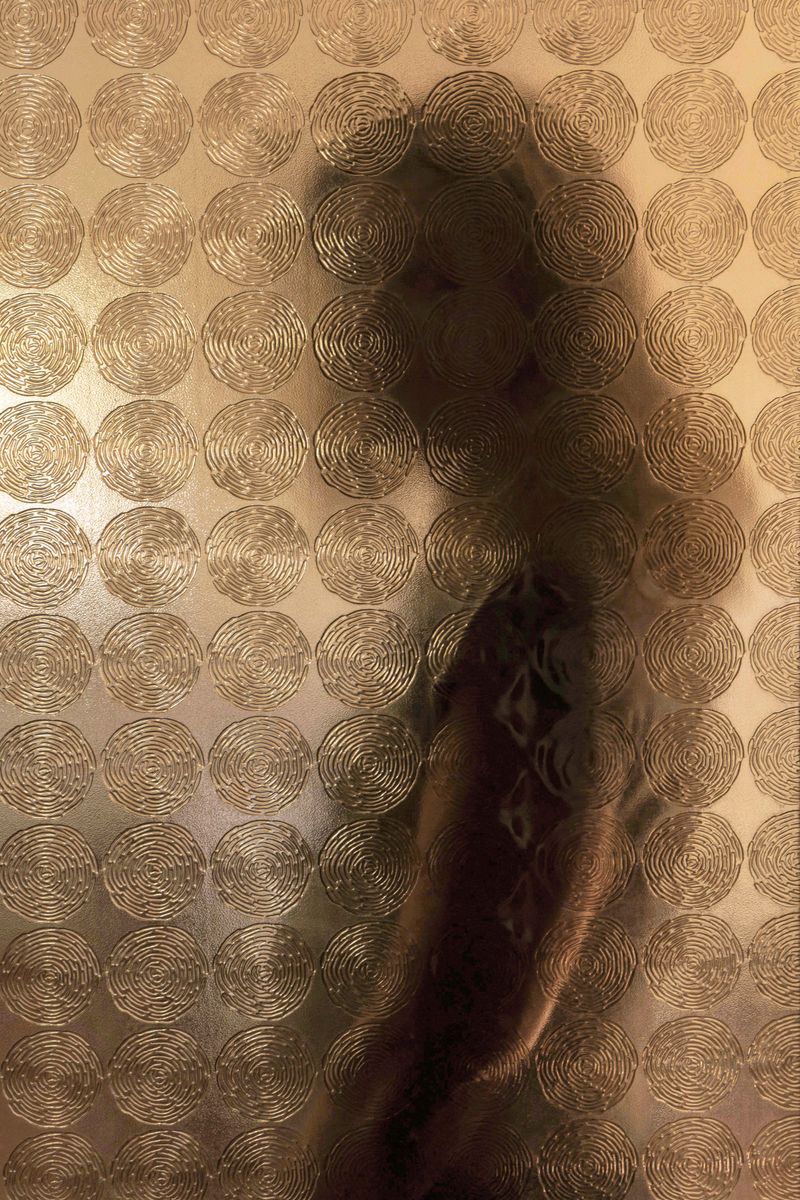
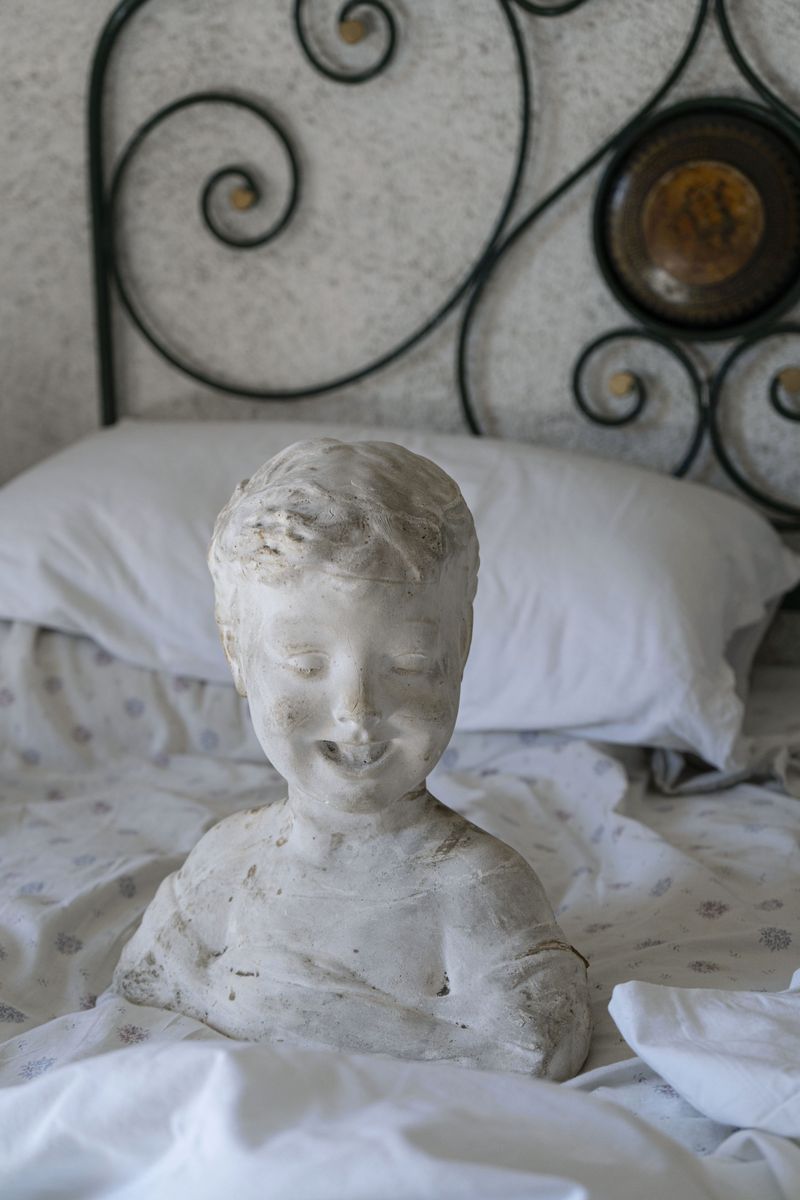
A conceptual image meant to recall her forgotten legacy.

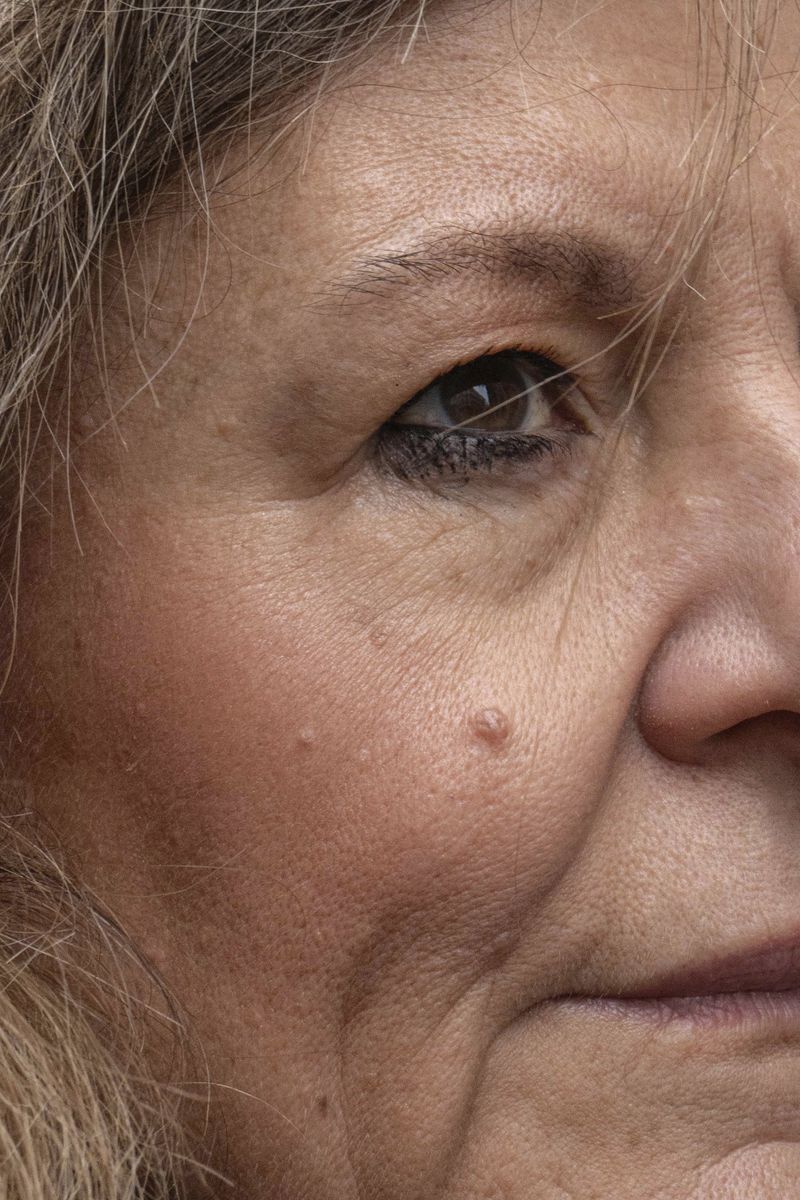
© Flavia Piola - This is a portrait of my mother, Costanza’s great-granddaughter.
i

This is a portrait of my mother, Costanza’s great-granddaughter.

© Flavia Piola - A conceptual image meant to recall the female gaze.
i

A conceptual image meant to recall the female gaze.

© Flavia Piola - In the attic of Costanza’s childhood home, I found her books left in a state of abandonment.
i

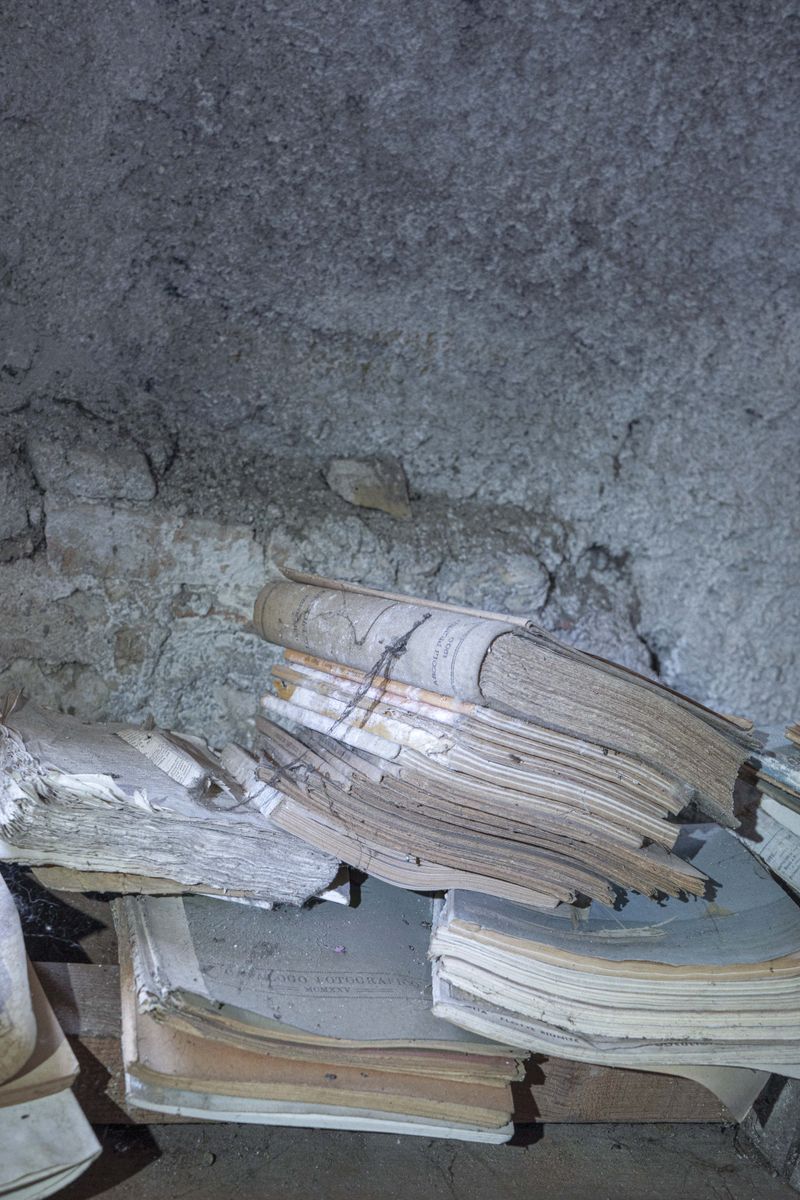
In the attic of Costanza’s childhood home, I found her books left in a state of abandonment.

© Flavia Piola - This photograph shows my mother as a child, dressed like a little lady.
i

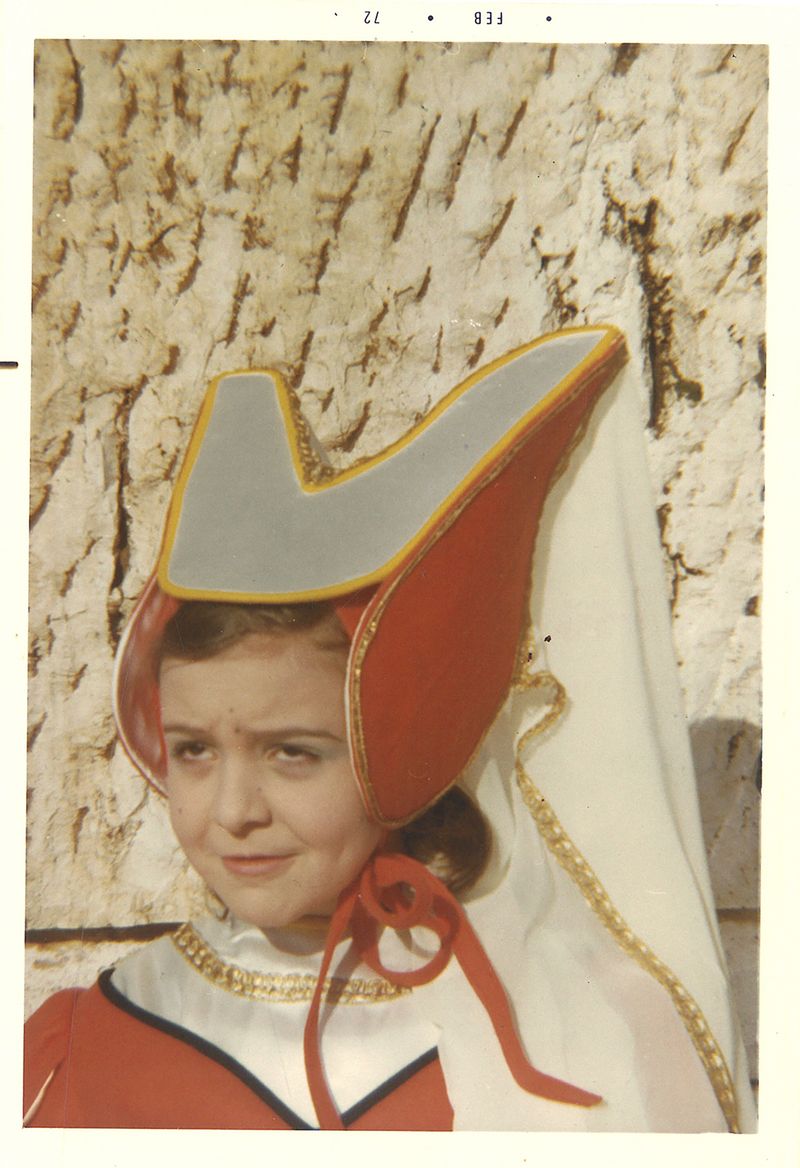
This photograph shows my mother as a child, dressed like a little lady.

© Flavia Piola - Image from the Costanza photography project
i

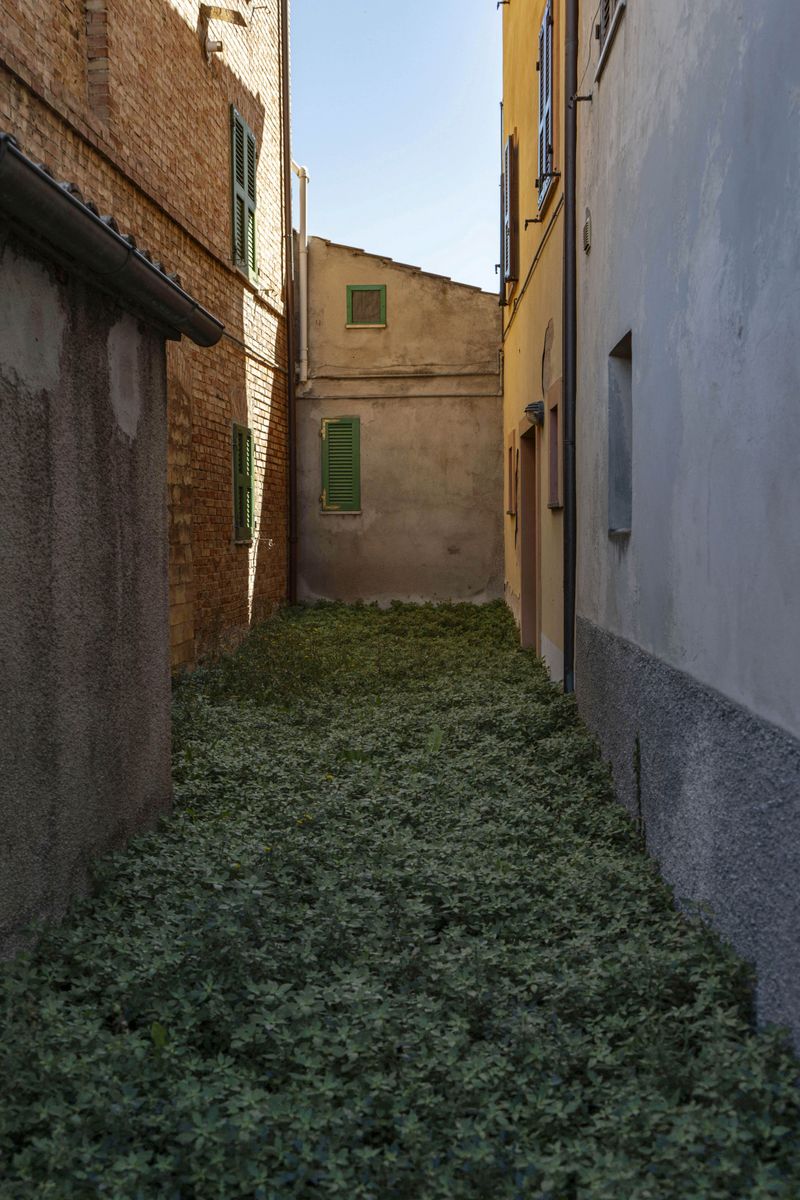
A closed road, overgrown with grass, reminded me of the difficulties and obstacles Costanza had to face and how, like her, they have been forgotten

© Flavia Piola - Image from the Costanza photography project
i

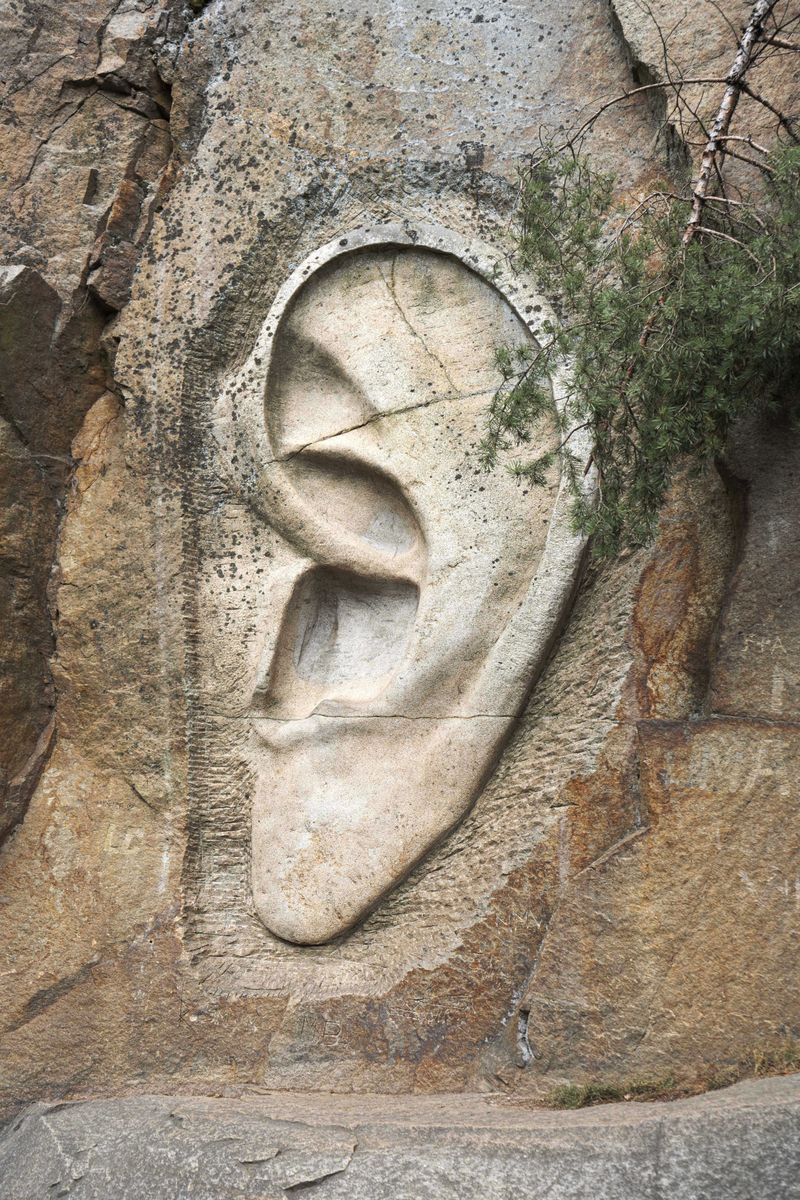
An ear carved into the rock. I interpreted it as a symbol of unheard voices and the silence that surrounded women in art history and academia at that time.

© Flavia Piola - Image from the Costanza photography project
i

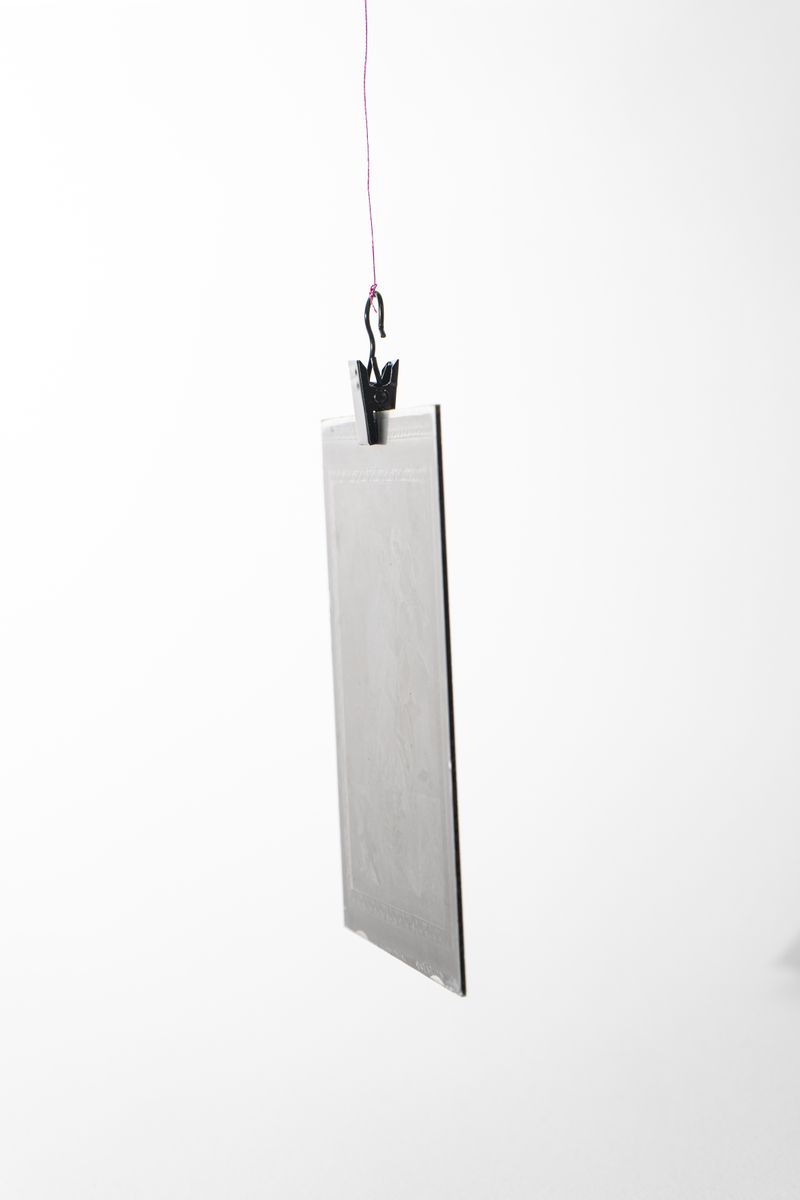
This is one of the photographic plates commissioned by Costanza to catalogue major artworks from the Middle Ages to the twentieth century. Her work made possible the creation of the Photographic Archive of the Academy of Fine Arts in Naples and the University Federico II.

© Flavia Piola - In this portrait of my mother, I see many similarities and an invisible bond with her.
i

In this portrait of my mother, I see many similarities and an invisible bond with her.

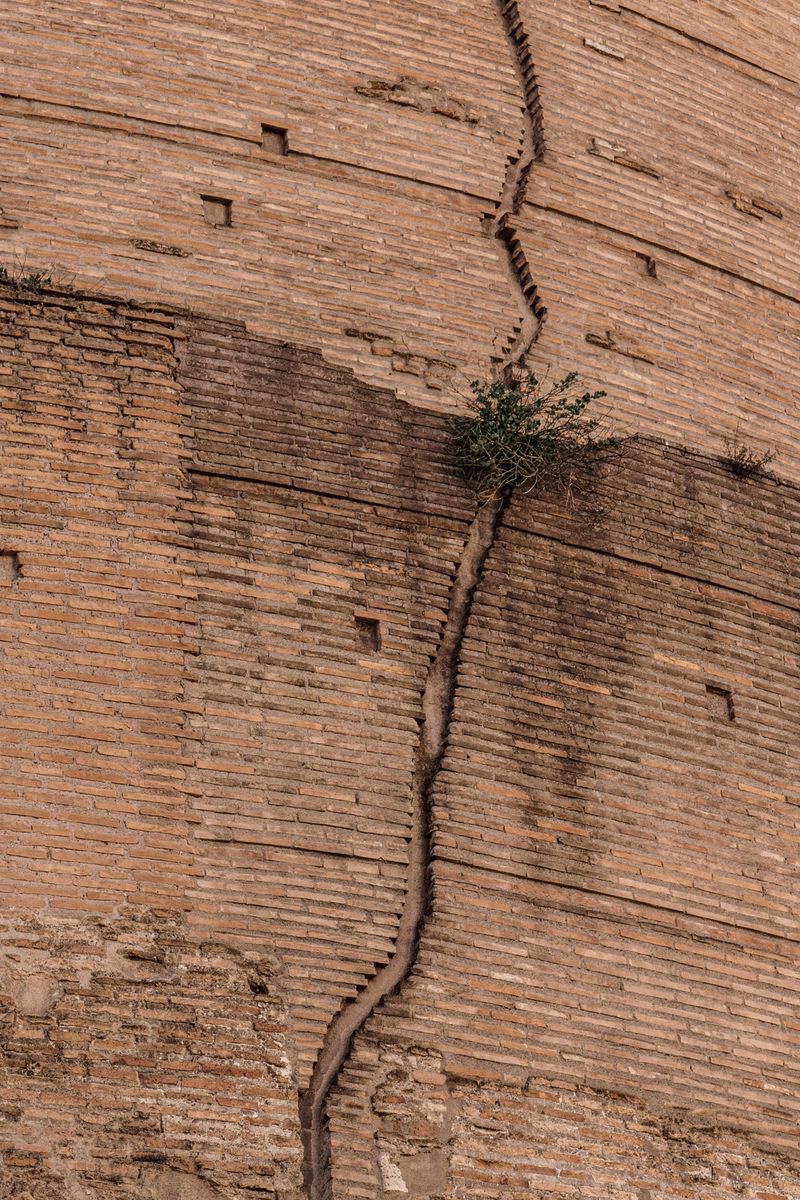
© Flavia Piola - Rome, where she studied with Adolfo Venturi, perhaps the most important moment in her career.
i

Rome, where she studied with Adolfo Venturi, perhaps the most important moment in her career.

© Flavia Piola - Image from the Costanza photography project
i

A symbol of female emancipation in the twentieth century, Costanza silently managed to influence history, bringing a change that still matters today.

© Flavia Piola - Image from the Costanza photography project
i

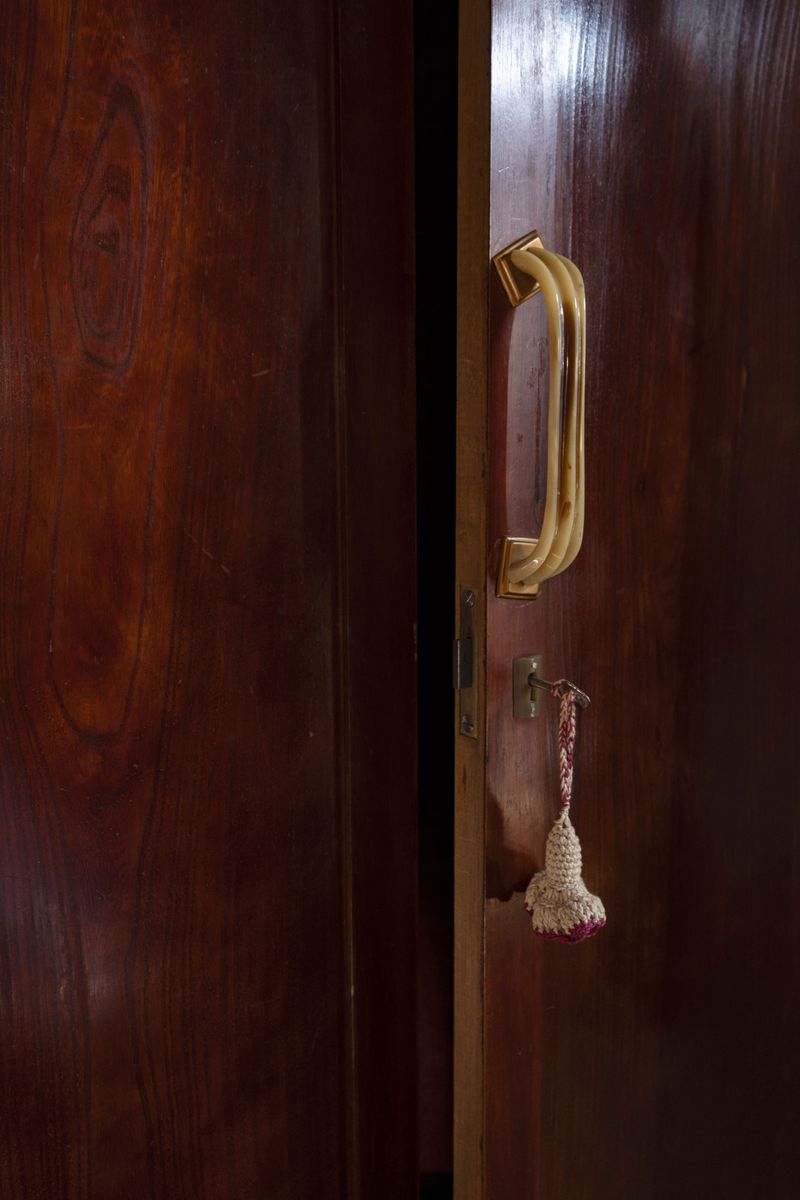
In her childhood room, I found her wardrobe left open. I wanted to photograph it as a gesture of reopening, a way to bring her story back to light.

© Flavia Piola - In this archival photograph appear my great-grandparents, my grandfather as a child, and Costanza.
i

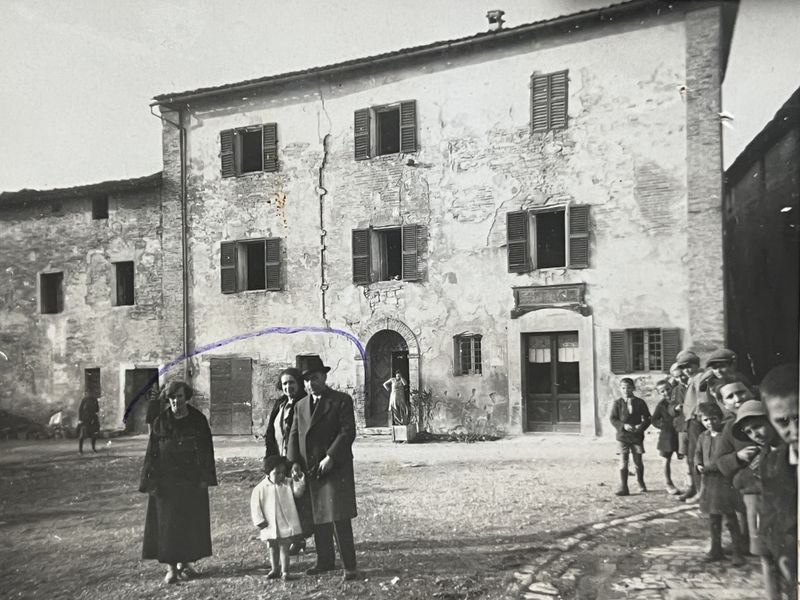
In this archival photograph appear my great-grandparents, my grandfather as a child, and Costanza.

© Flavia Piola - Image from the Costanza photography project
i

In conclusion, I hope that through my work, as both photographer and descendant of Costanza, I can give her back the value she deserves.