CONTROL OF NATURAL SPACE
Through repeated walks, observations of new rock formations and shifting shadows emerge. CONTROL OF NATURAL SPACE reads these barely perceptible changes as signs of gradual processes and places them in contrast with human protective measures and material
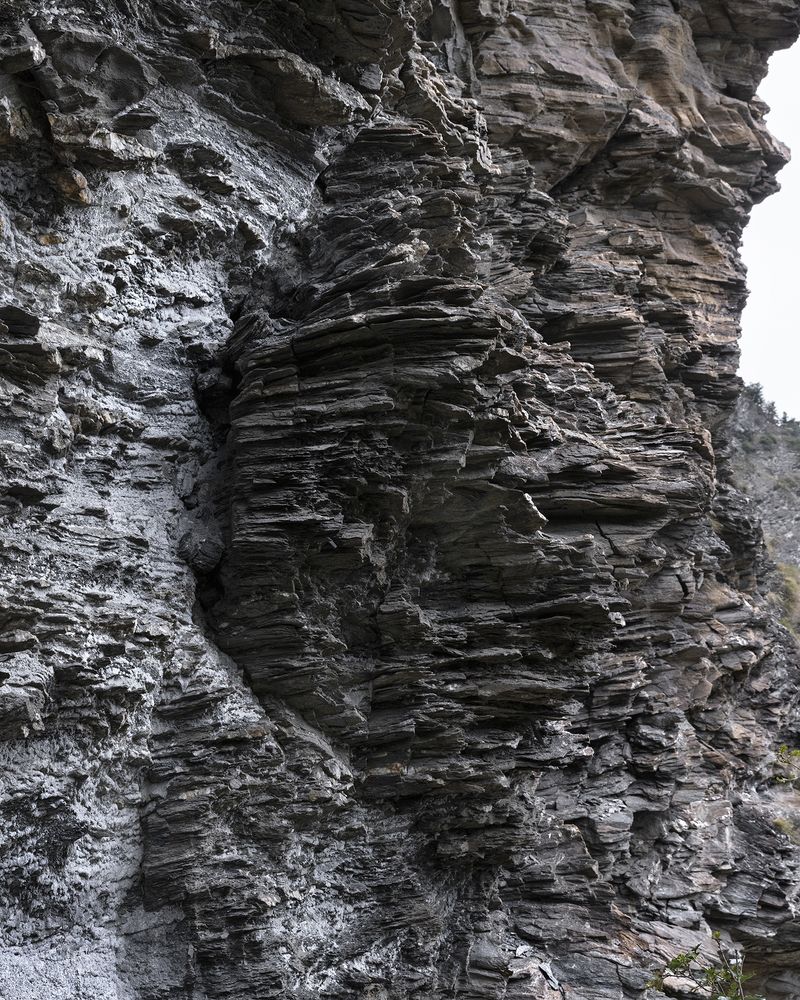
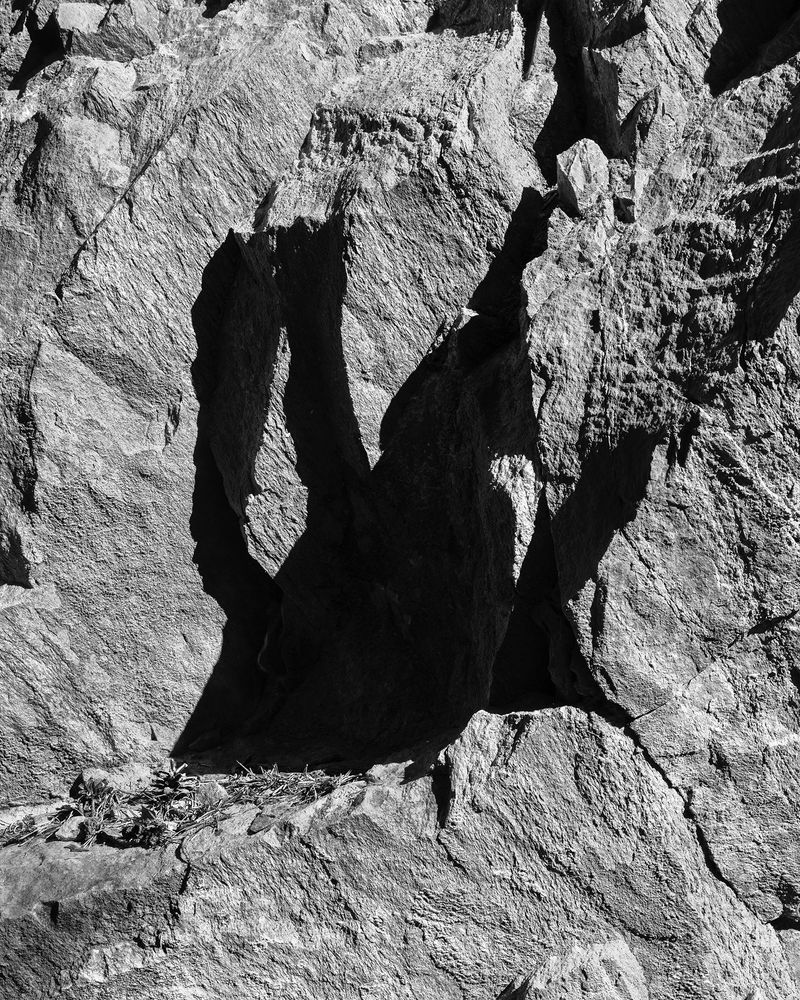
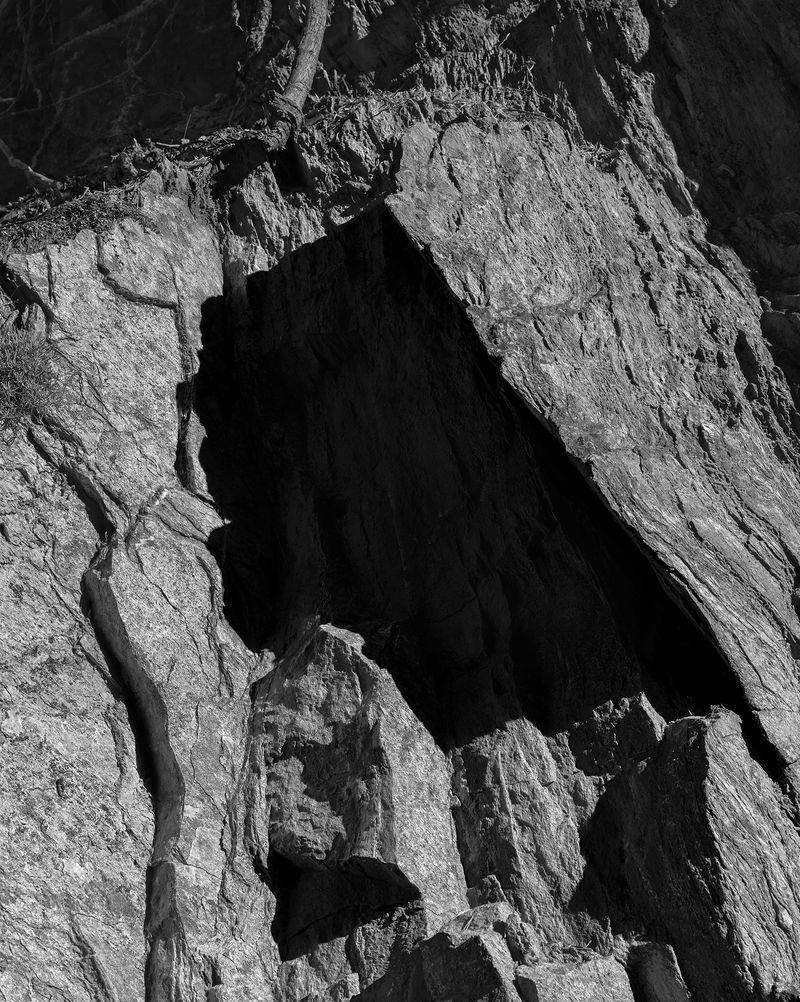
During several hikes, I repeatedly noticed changes in the landscape that had not been visible the year before. Especially at rockfall sites, new landscape formations emerge. On multiple visits to these sites, I observed various shadow formations, which, depending on the position of the sun, can transform into graphic shapes. These observations marked the beginning of the work CONTROL OF NATURAL SPACE. I was fascinated by the shifting forms and saw in them a metaphor for change. In the immediate vicinity, protective measures such as rockfall barriers were often visible. This juxtaposition, for me, exemplifies the interaction between humans and nature.

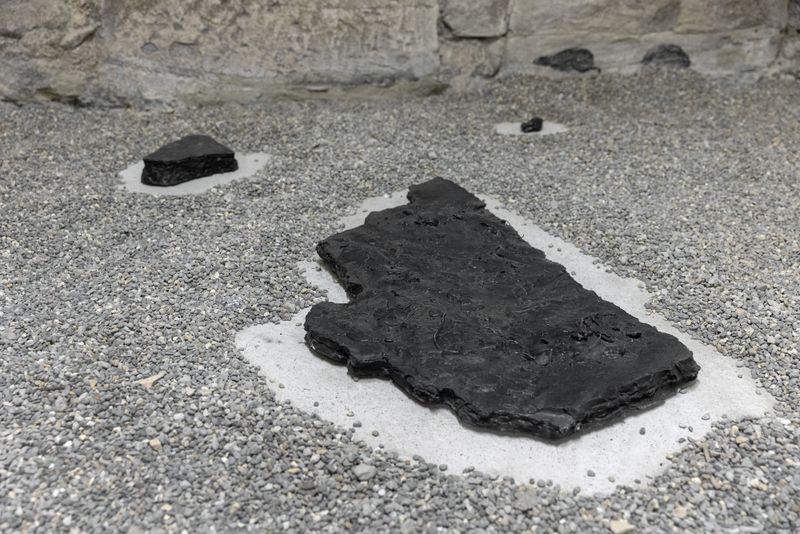
One form I translated into a physical stone, made from natural rock, slag, and gypsum. In it, I explore how building materials are used in natural spaces, how they endure for a long time, and how they remain as traces of human presence. The work contrasts natural processes with human interventions and reflects both the fragility and resilience of alpine and other natural environments.
This project is a candidate for PhMuseum 2026 Photography Grant

Learn more Present your project
© Pedro Rodrigues - Image from the CONTROL OF NATURAL SPACE photography project
i

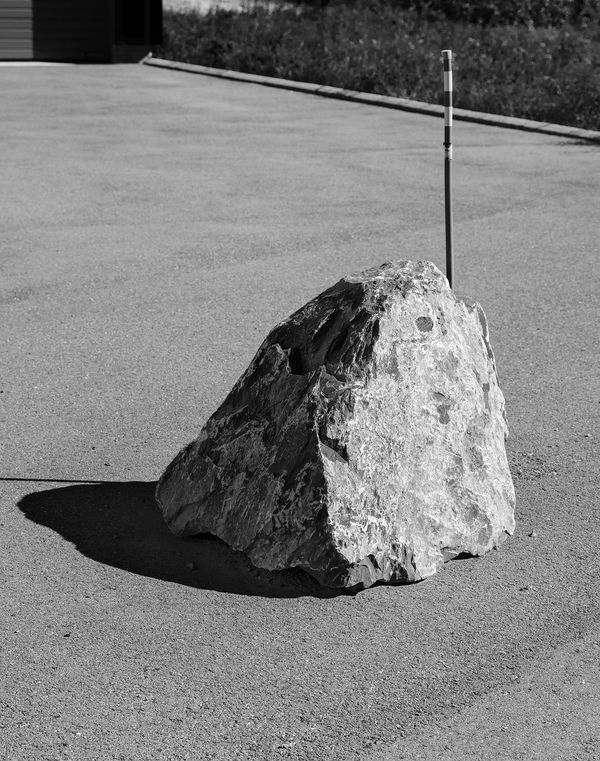
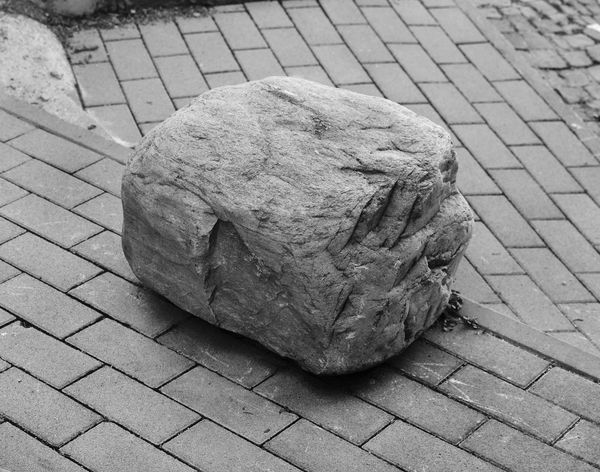
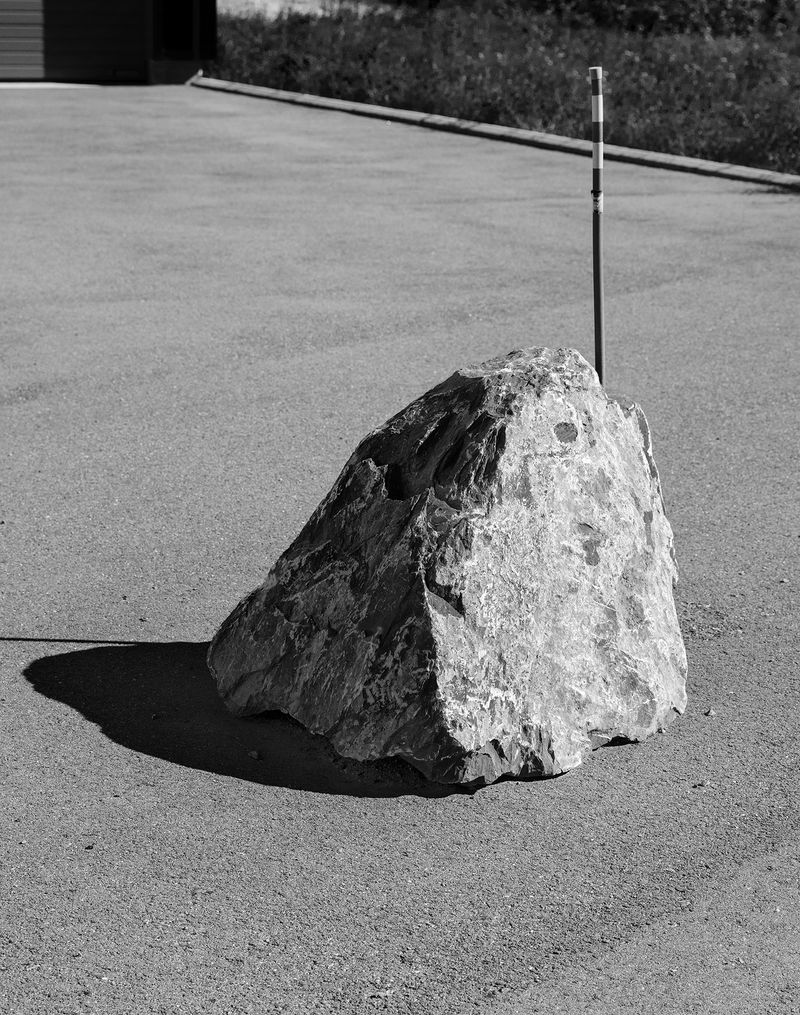
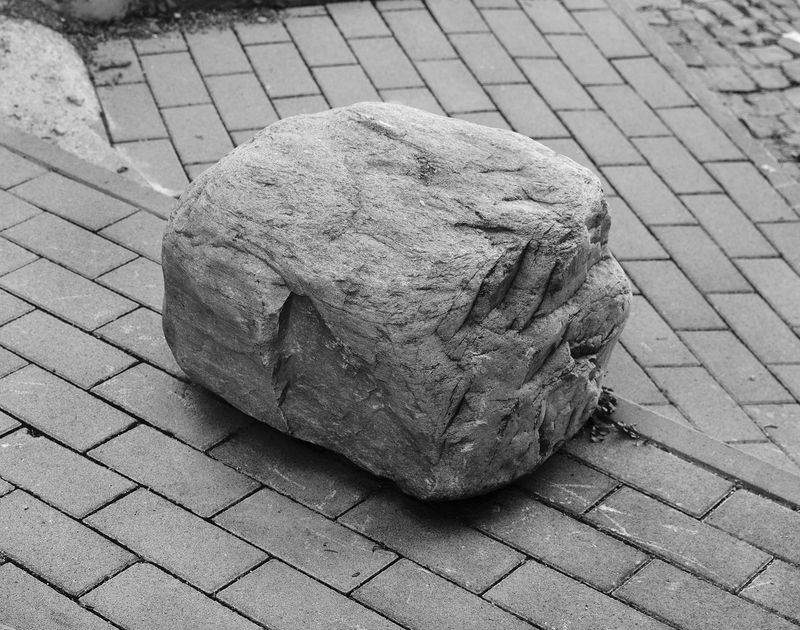
The starting point of the work was the observation of how stones are placed in public space. The considerable effort involved in positioning them, their weight and handling, reveals the means by which we intervene in natural environments, alter them, and relocate their components. This act points to human capacities not only to use landscape, but to actively rewrite it.

© Pedro Rodrigues - Image from the CONTROL OF NATURAL SPACE photography project
i

The starting point of the work was the observation of how stones are placed in public space. The considerable effort involved in positioning them, their weight and handling, reveals the means by which we intervene in natural environments, alter them, and relocate their components. This act points to human capacities not only to use landscape, but to actively rewrite it.

© Pedro Rodrigues - Image from the CONTROL OF NATURAL SPACE photography project
i

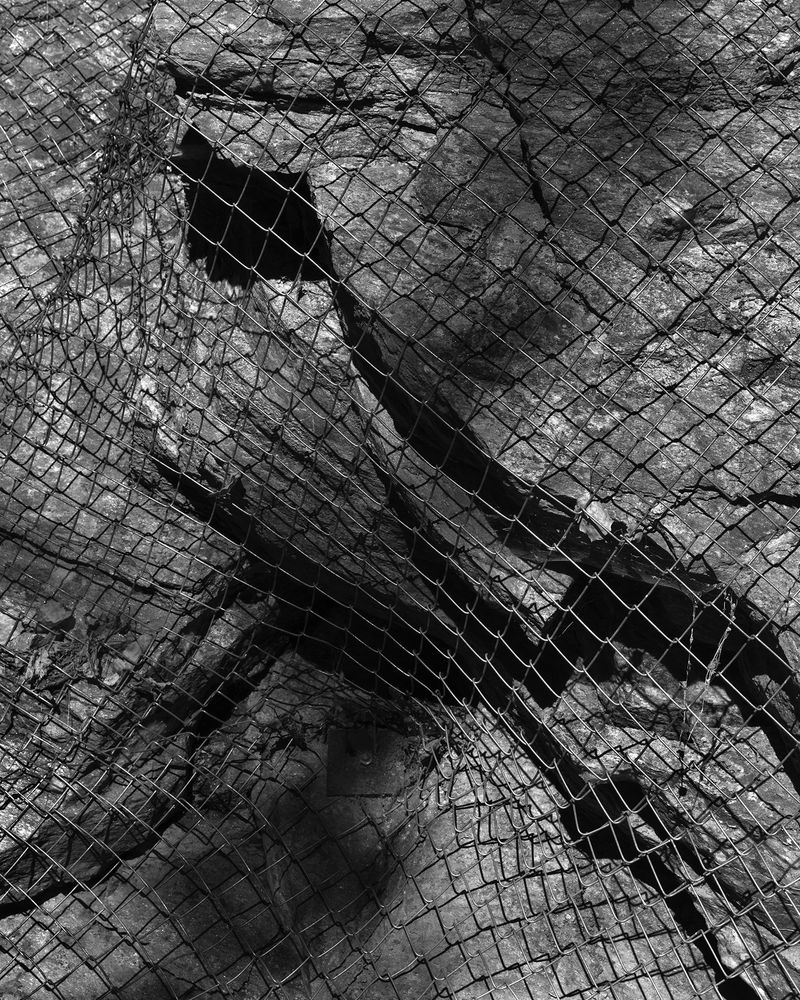
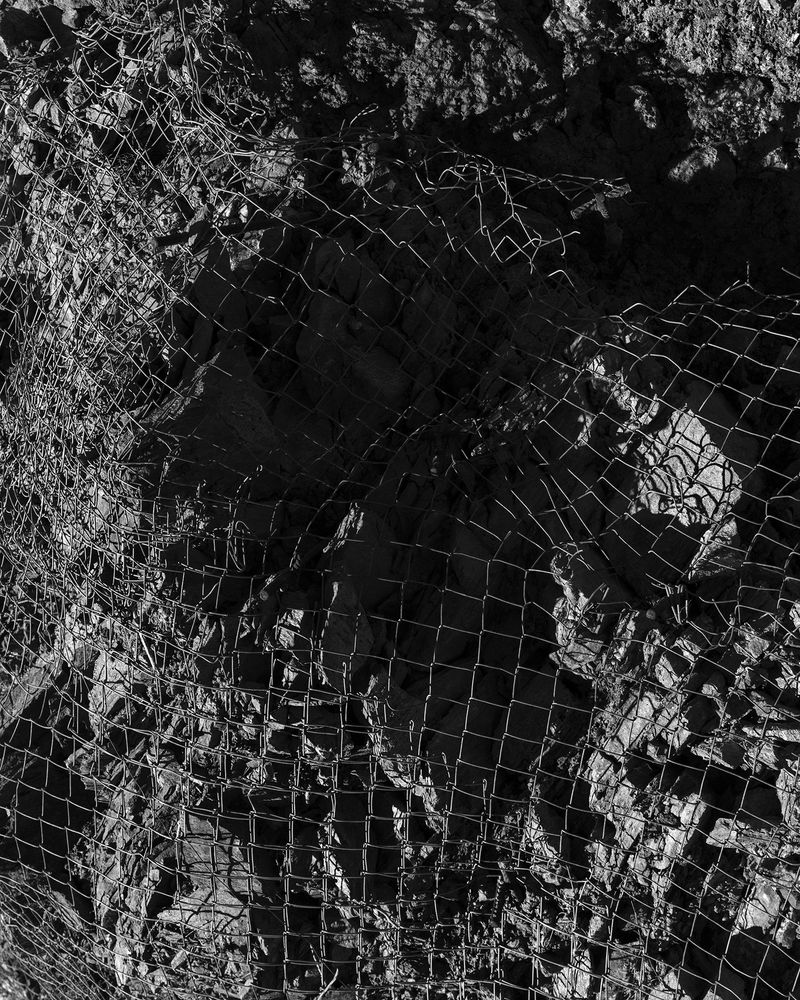
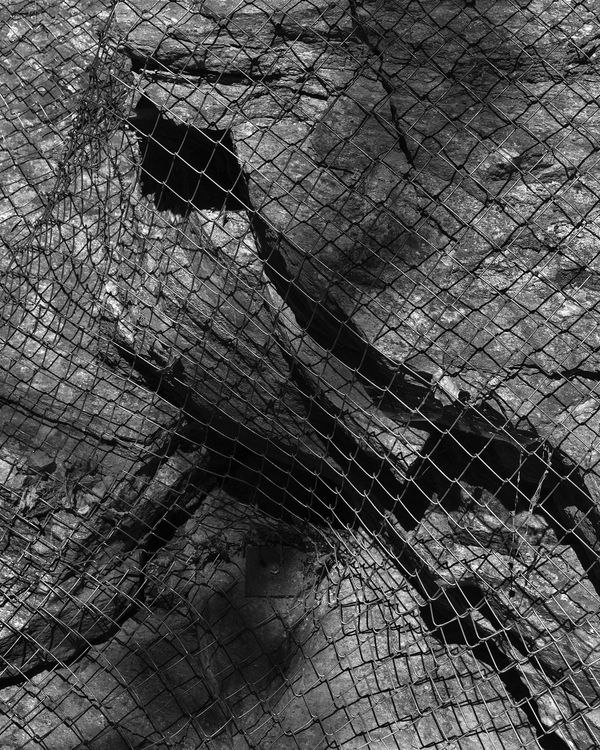
Part of these interventions can be seen in the installation of rockfall nets to stabilize cliffs and walls. They prevent movement while protecting infrastructure and human safety. Such measures alter the landscape and leave lasting traces of human activity, serving as markers of the Anthropocene and illustrating the ways we shape and manage natural environments.

© Pedro Rodrigues - Image from the CONTROL OF NATURAL SPACE photography project
i

Part of these interventions can be seen in the installation of rockfall nets to stabilize cliffs and walls. They prevent movement while protecting infrastructure and human safety. Such measures alter the landscape and leave lasting traces of human activity, serving as markers of the Anthropocene and illustrating the ways we shape and manage natural environments

© Pedro Rodrigues - Image from the CONTROL OF NATURAL SPACE photography project
i

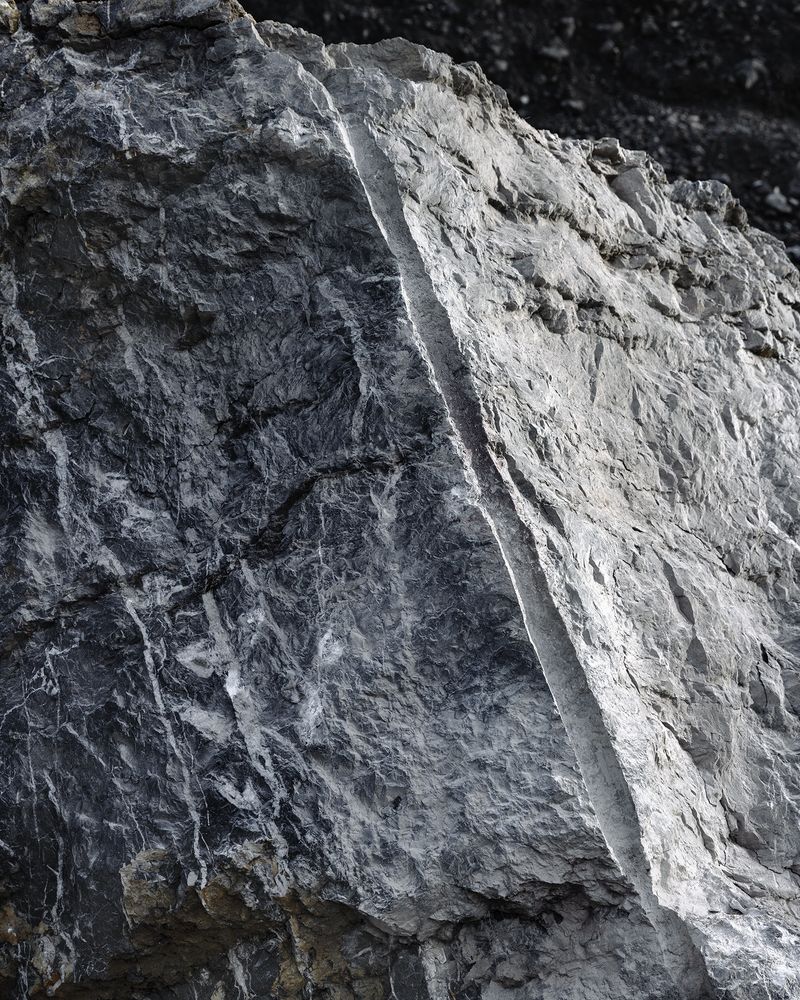
This image shows a drill hole channel created for controlled rock blasting, also in alpine areas. It reveals how human interventions deliberately influence and organize natural structures.

© Pedro Rodrigues - Image from the CONTROL OF NATURAL SPACE photography project
i

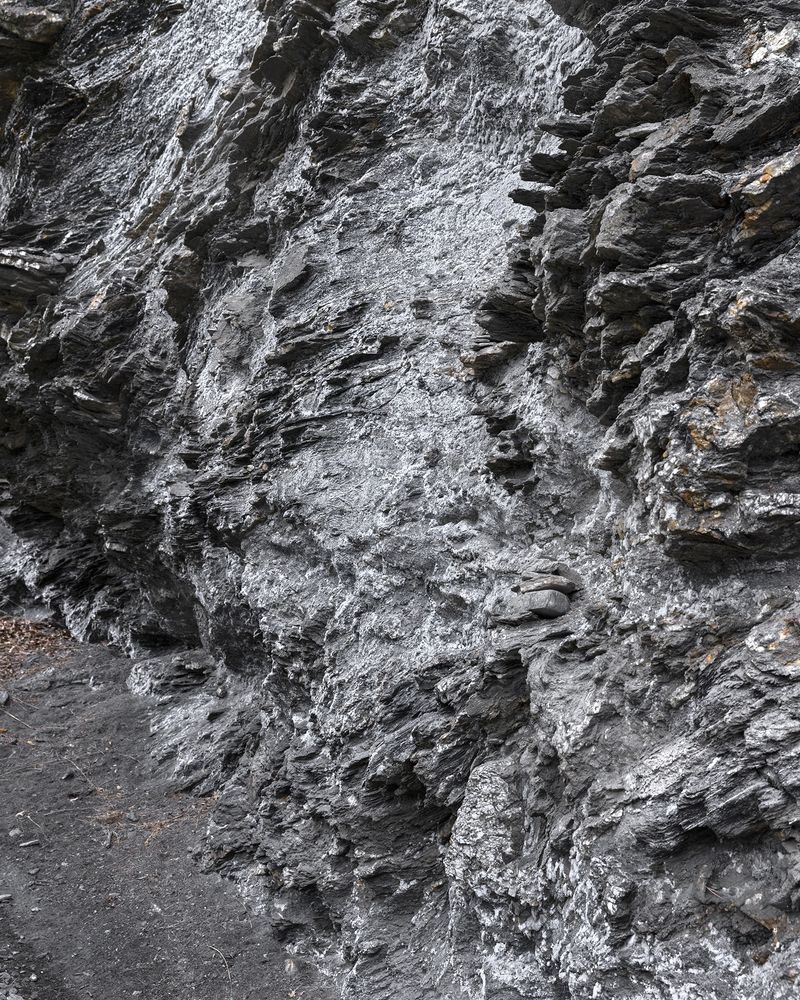
Part of this transformation involves altering natural spaces to the point where it is often no longer clear what is originally natural and what results from human intervention. This blurring not only shapes the landscape today, but will also influence future generations’ perception and understanding of ‘nature

© Pedro Rodrigues - Image from the CONTROL OF NATURAL SPACE photography project
i

Part of this transformation involves altering natural spaces to the point where it is often no longer clear what is originally natural and what results from human intervention. This blurring not only shapes the landscape today, but will also influence future generations’ perception and understanding of ‘nature.

© Pedro Rodrigues - Image from the CONTROL OF NATURAL SPACE photography project
i

The shadow areas bear witness to rockfalls and the movement of material, often only subtly perceptible. Their fleeting forms change with the position of the sun, making the dynamics of the landscape visible. It is a rather invisible observation, yet one that reveals the constant transformation of natural spaces.

© Pedro Rodrigues - Image from the CONTROL OF NATURAL SPACE photography project
i

Through repeated walks, observations of new rock formations and shifting shadows emerge. CONTROL OF NATURAL SPACE reads these barely perceptible changes as signs of gradual processes and places them in contrast with human protective measures and material traces left in the landscape.

© Pedro Rodrigues - Image from the CONTROL OF NATURAL SPACE photography project
i

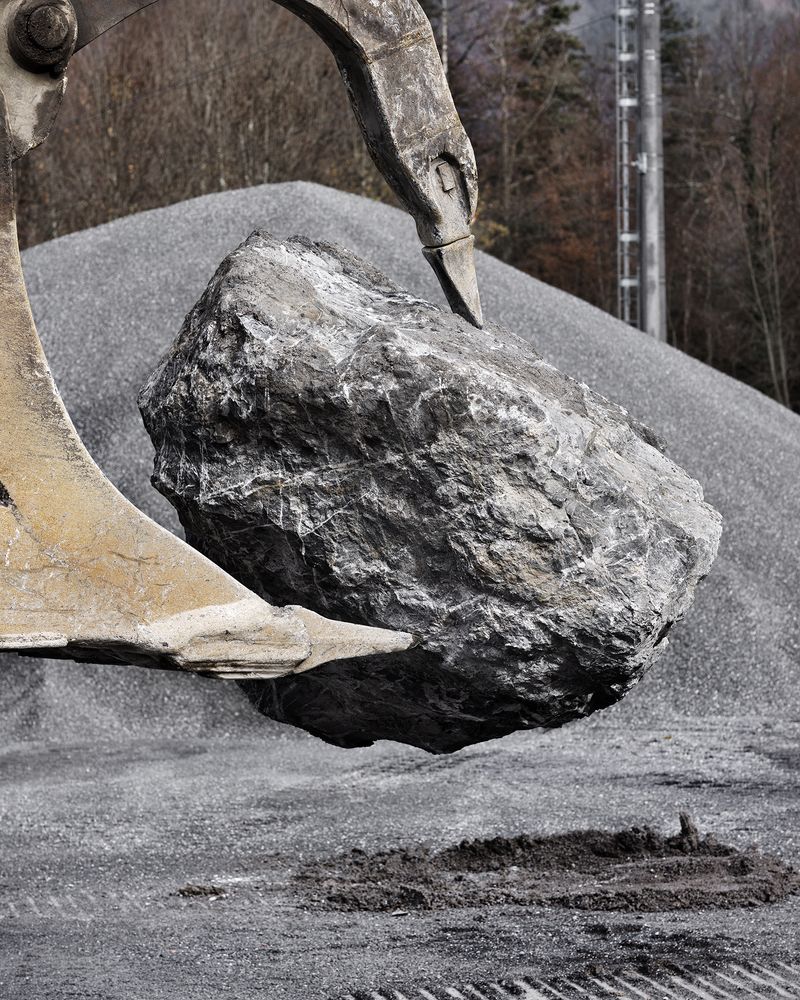
Like two fingers, the excavator bucket holds an 800 kg stone, seemingly effortlessly. This image points to the evolution of machinery and the continuous expansion of human capabilities in handling natural materials.

© Pedro Rodrigues - Image from the CONTROL OF NATURAL SPACE photography project
i

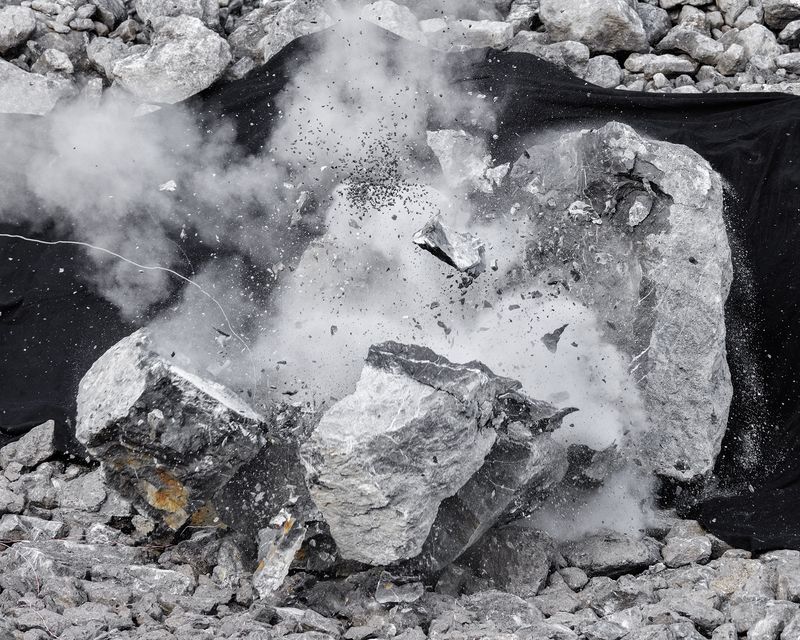
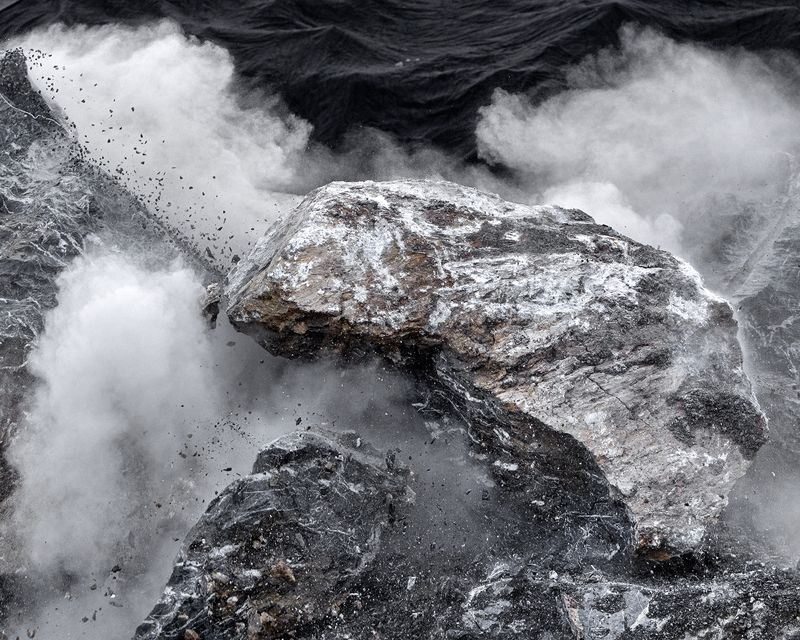
Through photography, I was also able to capture processes of change and the force they generate, processes that often remain hidden due to their speed

© Pedro Rodrigues - Image from the CONTROL OF NATURAL SPACE photography project
i

I used the different forms of the shadow areas as a negative to create a physical object. The result is an autonomous stone composed of plaster, natural rock, and industrial waste such as slag. It makes visible the interaction between humans and nature, showing how natural processes and human interventions intertwine, leave traces, and shape the landscape.