Constraints and Sovereignty – The Body Under Regimes of Space
  • Dates
    2017 - Ongoing
  • Author
  • Locations Germany, France, Czechia, Belgium

Constraints & Sovereignty examines how surveillance architectures channel bodies and choices. Through repeated observation, it contrasts pressure spaces with acts of agency, opacity and tenderness, ending with sleep as ambivalent withdrawal.

Constraints and Sovereignty – The Body Under Regimes of Space
An ongoing photographic sequence on guidance, control, and the politics of visibility.

What the work examines

  • How contemporary environments channel movement, narrow choices, and turn the gaze into infrastructure

  • The tension between “pressure spaces”—surveillance architectures, corridors, gates and thresholds—and counter-images of agency, opacity and tenderness

The visual language

Built through repeated visits and attentive observation, the series reads the built environment as a script. Cameras occupy positions where eyes once rested; doors, fences and barriers redraw the body’s horizon of decision; corridors compress towards predetermined vanishing points. Within these settings, the figure appears as a shadow, a target, or a marginal presence—held at the periphery, coerced to fit cold geometries of control.

From constraint to practice

Yet the sequence refuses the register of victimhood. It centres older queer male bodies—often marginalised by ageism and normative visibility politics—not as symbols but as collaborators in a shared inquiry into presence. Here, sovereignty is practiced in small acts: choosing a stance, holding a threshold, turning away from legibility, remaining strategically unreadable. The body becomes a political field of negotiation, testing how much room a space allows—and where it can be reclaimed.

Form

  • The square repeats as a “frame of constraint”.

  • Two wider-format “sovereignty” images interrupt the grid as breaths/openings.

  • The sequence is structured as two interwoven strands of spatial body politics: surveillance and cognitive pressure on the one hand, and the physical channeling of movement on the other (seven images each).

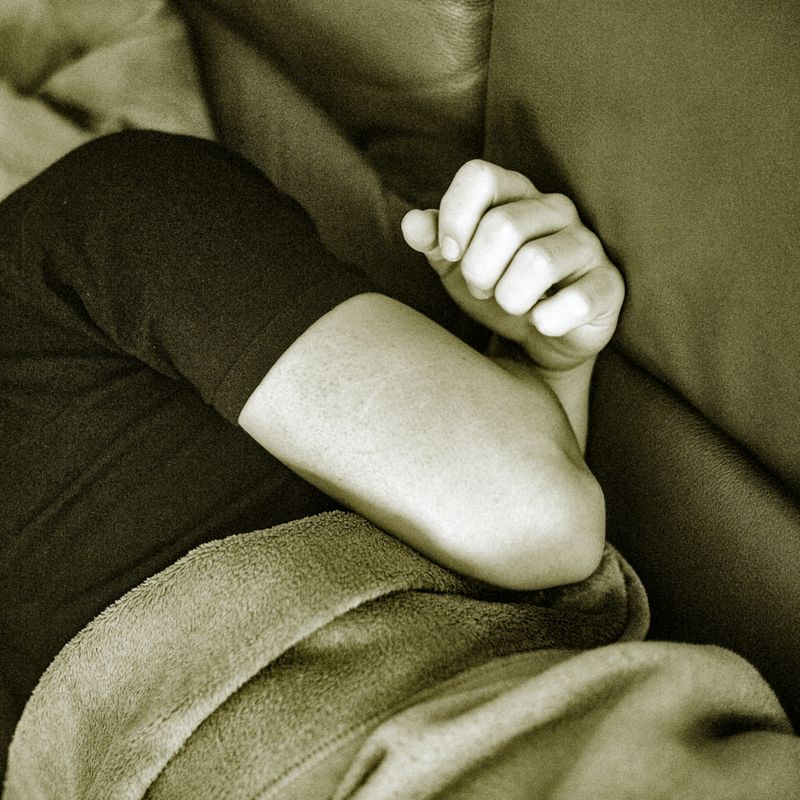
  • The final image shifts into intimacy: sleep as withdrawal from the public gaze, and an ambivalent coda to ongoing self-determination.
This project is a candidate for PhMuseum 2026 Photography Grant

Learn more Present your project
© Marcel van Beek - Image from the Constraints and Sovereignty – The Body Under Regimes of Space photography project
i

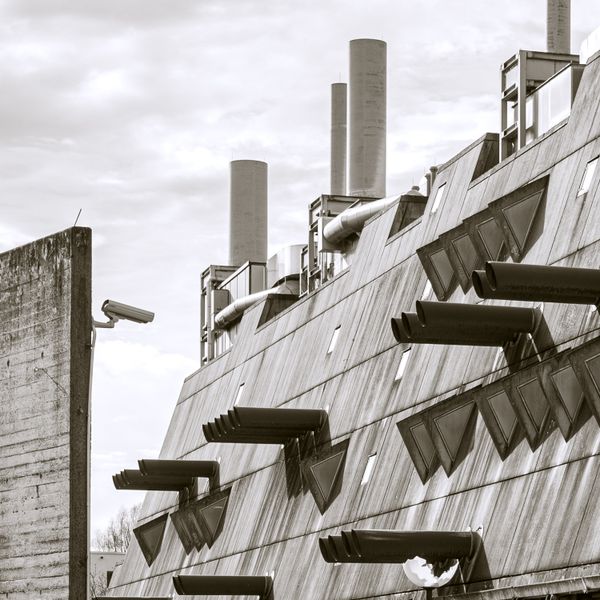
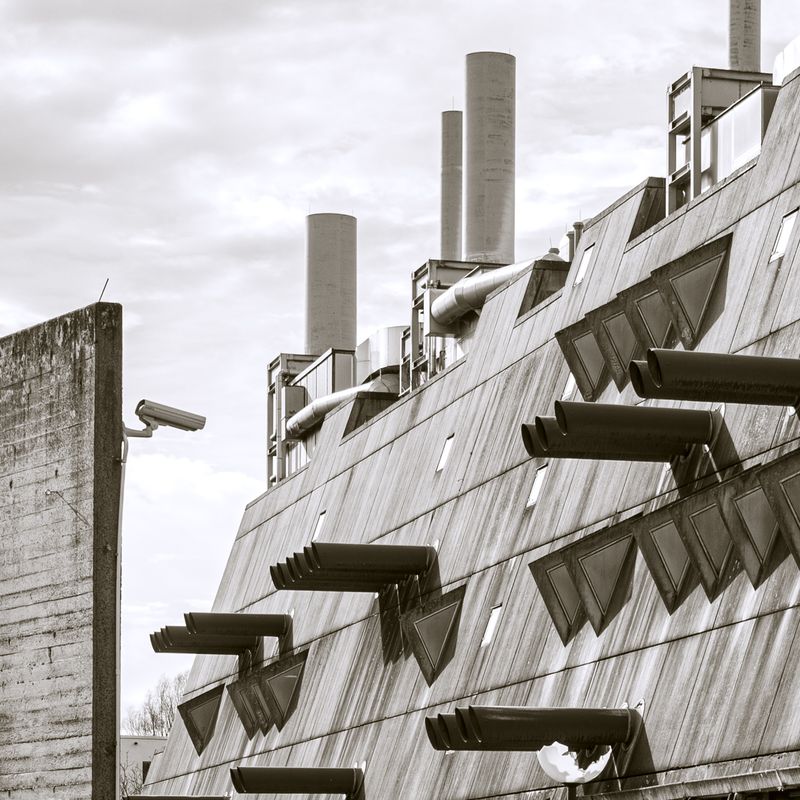
01 "They see you"Opening the sequence, the image frames surveillance as body politics rendered through architecture: control is enacted not by a visible agent, but by the built environment itself. A single CCTV camera, perched at the left edge, is directed towards the “Mäusebunker” in Berlin, its brutalist mass; yet the building’s protruding ducts, vents, and apertures seem to stare back.

© Marcel van Beek - Image from the Constraints and Sovereignty – The Body Under Regimes of Space photography project
i

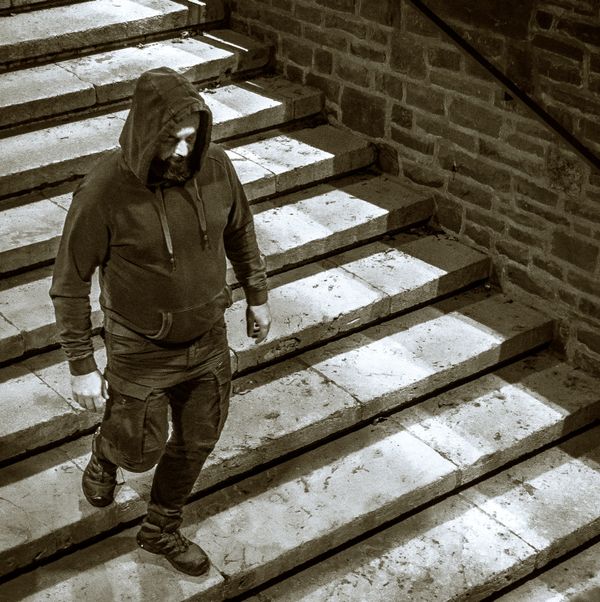
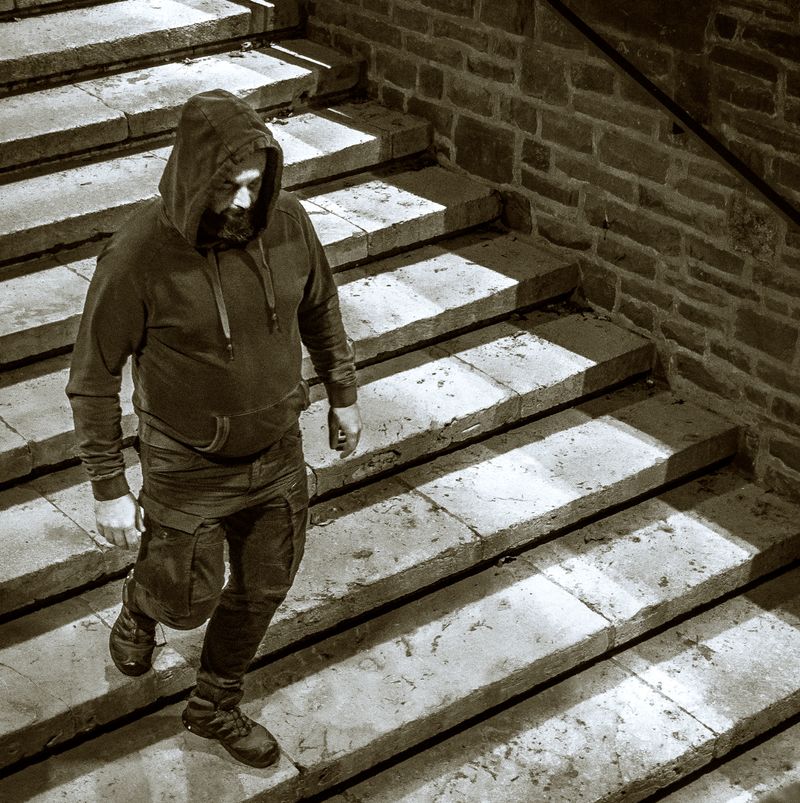
02 Descent into the Underworld Paired with the opening image’s camera-and-concrete apparatus, this photograph shifts surveillance from infrastructure to its human consequence. Shot from a steep, supervisory angle, a lone hooded figure moves down a stairwell as if already captured by the camera’s logic. The body is reduced to a monitored trajectory.

© Marcel van Beek - Image from the Constraints and Sovereignty – The Body Under Regimes of Space photography project
i

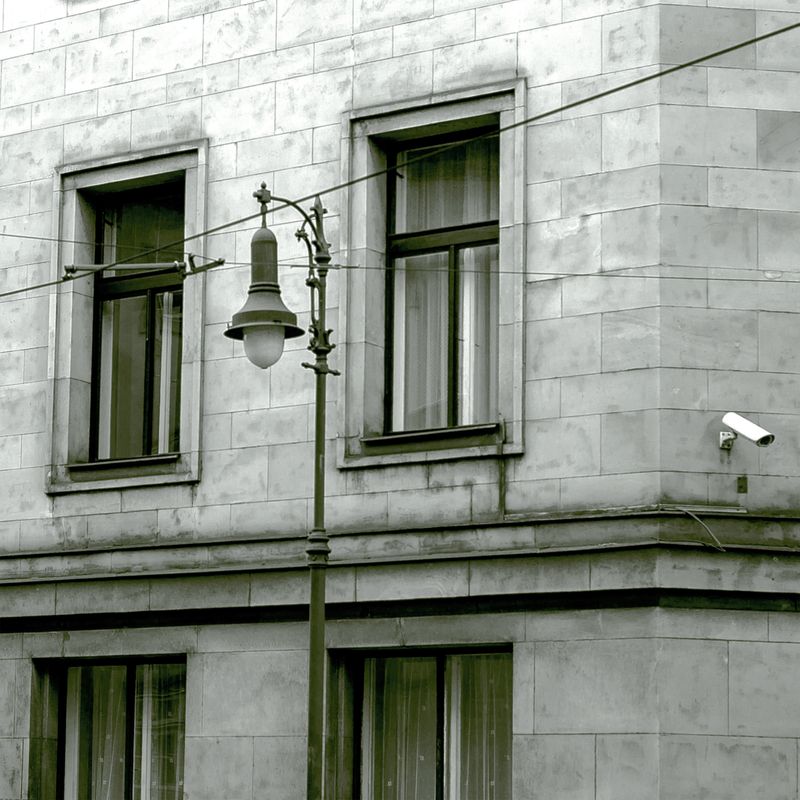
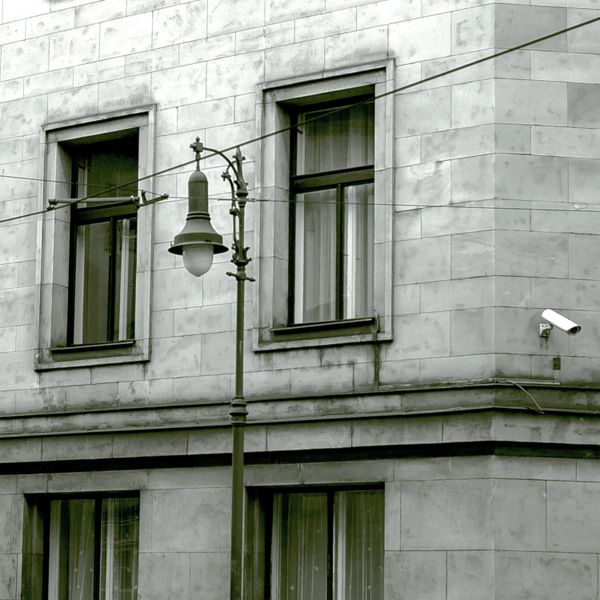
03 The Streets of Europe: PragueA street view in Prague carries a small CCTV camera almost as a detail—easy to miss, precisely because it is ordinary. The greenish cast and softened distance underline ubiquity: surveillance as background condition, not spectacle. In the series, this image widens the theme from the dramatic to the everyday.

© Marcel van Beek - Image from the Constraints and Sovereignty – The Body Under Regimes of Space photography project
i

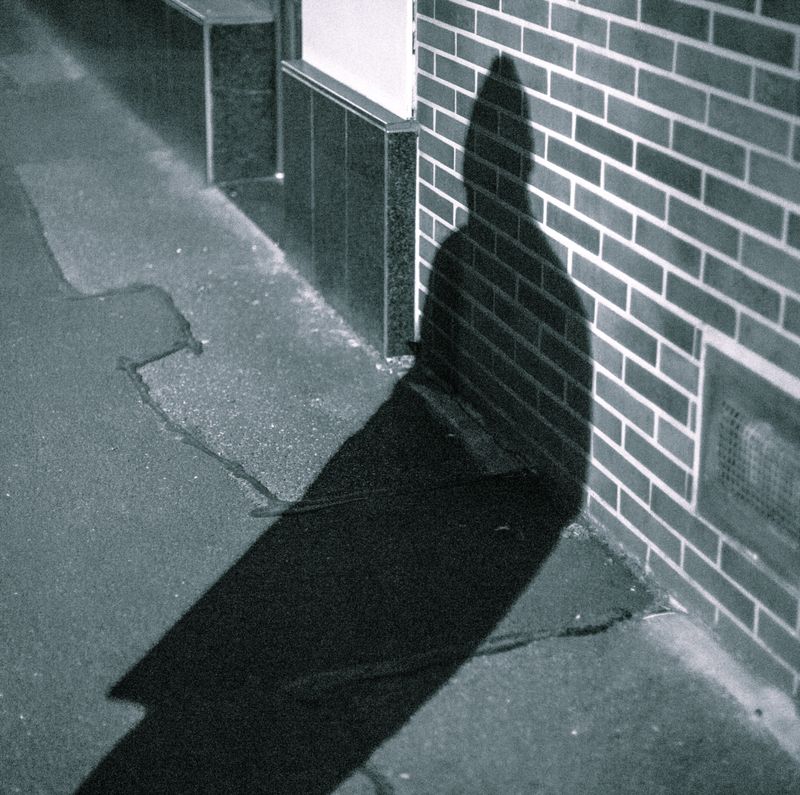
04 The Shadow IOnly a shadow is visible—an oblique self-portrait made by light. The body appears as an imprint rather than a presence, suggesting the internalisation of the gaze: being watched turns into watching oneself. The square crop and granular surface keep the image on the edge between evidence and apparition.

© Marcel van Beek - Image from the Constraints and Sovereignty – The Body Under Regimes of Space photography project
i

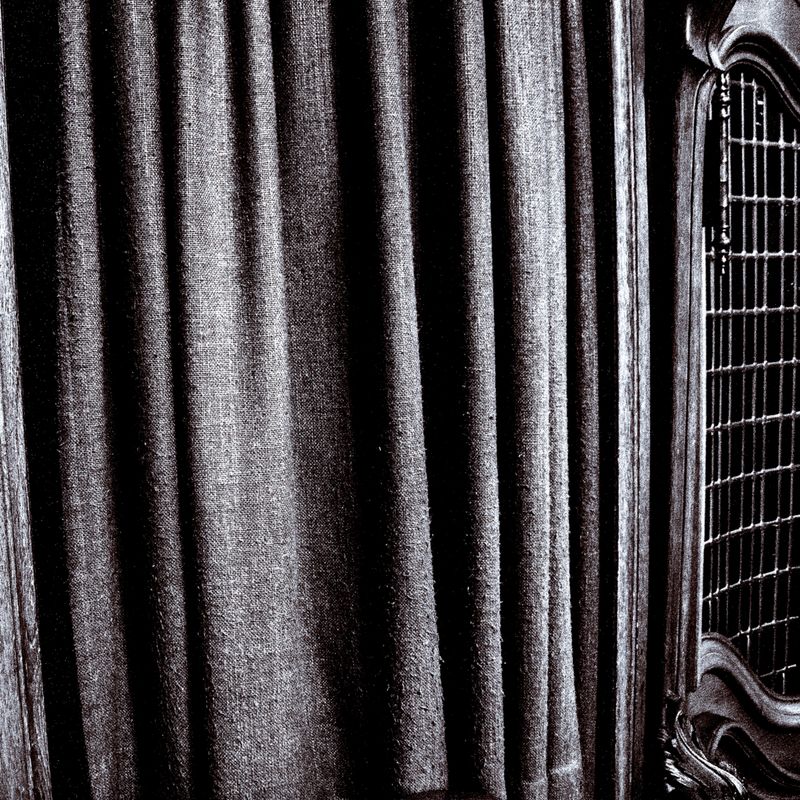
05 The ConfessionalThe work is rendered as a threshold device: curtain, grille and darkness organise who may see and who must speak. Here the series pivots from visible surveillance to internalised control—an institutional choreography of conscience, where power operates through confession, moral judgement, and the disciplined production of “truth”.

© Marcel van Beek - Image from the Constraints and Sovereignty – The Body Under Regimes of Space photography project
i

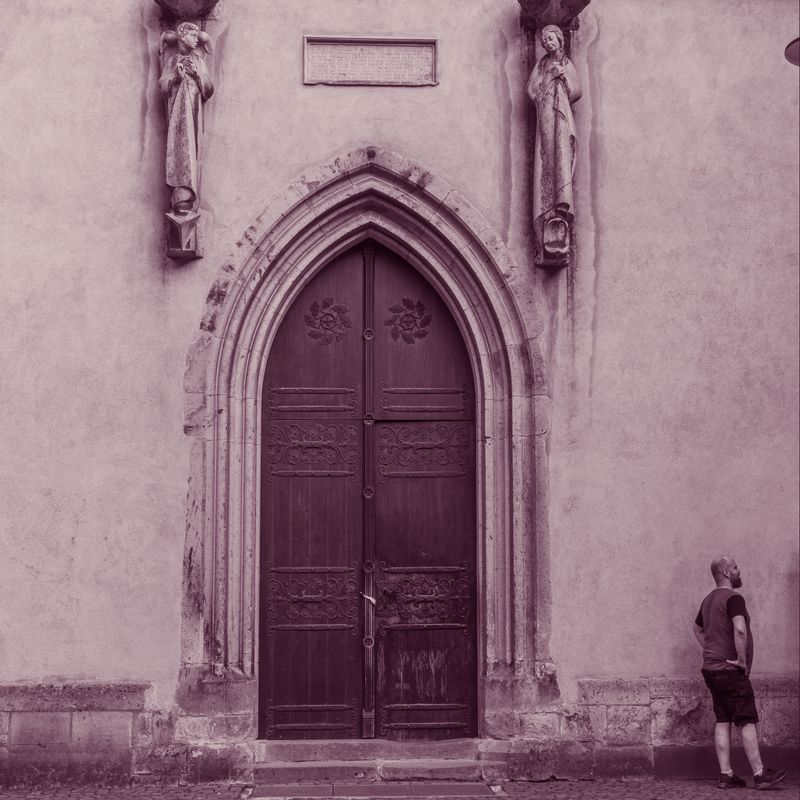
06 Kept outsideA church portal dwarfs a figure pushed to the margin: entry is possible in theory, withheld in practice. Placed as the bodily response to the confessional, the architectural coldness and echoed colour ‘contaminate’ the human scale—institutional space becomes judgement. The image holds a quiet politics of exclusion through proportion and distance.

© Marcel van Beek - Image from the Constraints and Sovereignty – The Body Under Regimes of Space photography project
i

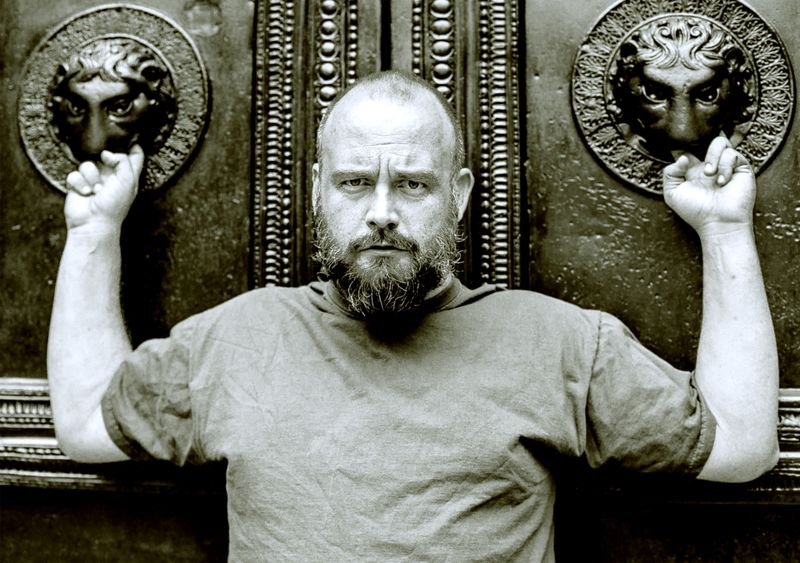
07 The DoorkeeperA direct, frontal portrait interrupts the grid of spaces. The subject returns the viewer’s gaze and refuses to be reduced to a trace. In this sovereign accent, he is not approached as an illustrative model but as a specific actor: his physical presence—and the visible marks of a lived history—are held as evidence and as a deliberate act of self-visibility.

© Marcel van Beek - Image from the Constraints and Sovereignty – The Body Under Regimes of Space photography project
i

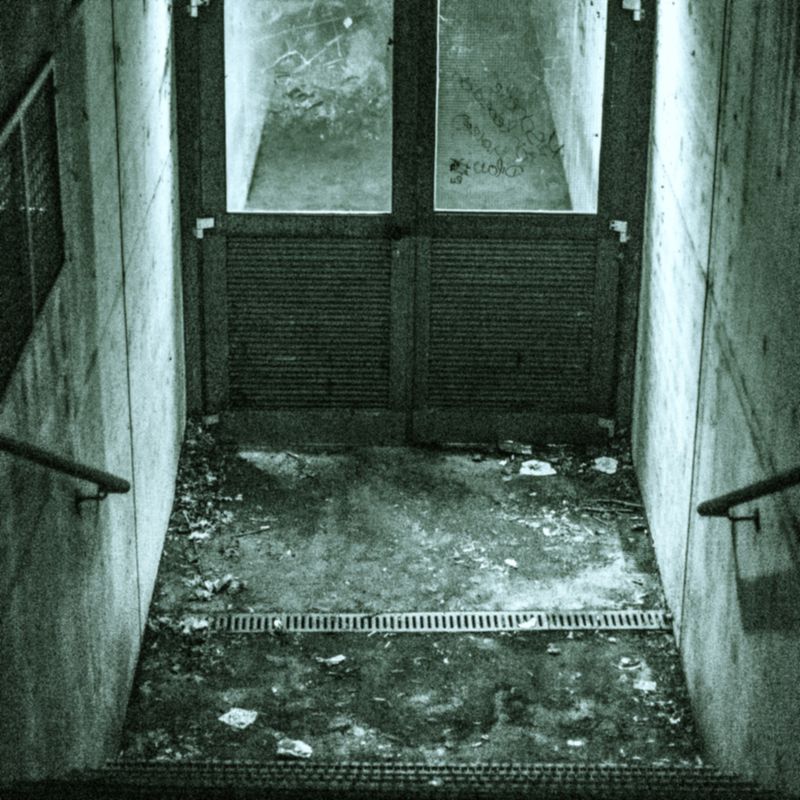
08 Silent FloorA closed door at the end of a stairwell turns movement into suspension. The ‘silent’ surfaces stage an absence of dialogue: the body is kept waiting, routes are decided elsewhere. With this image the series shifts from regimes of seeing and confessing to regimes of moving: control is now about steering, blocking and directing bodies through space.

© Marcel van Beek - Image from the Constraints and Sovereignty – The Body Under Regimes of Space photography project
i

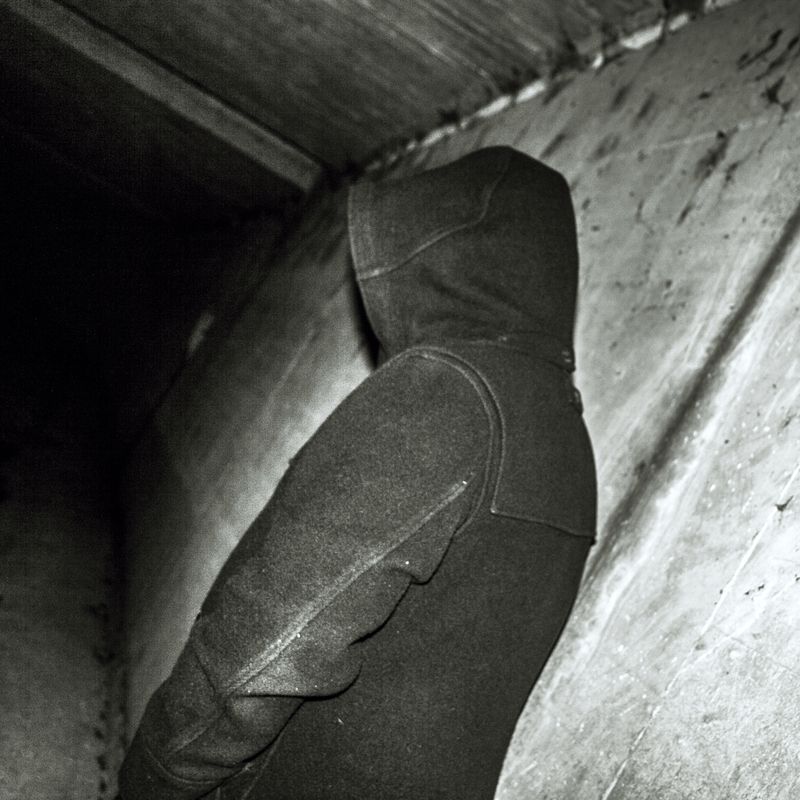
09 The Path No One ChoosesAs the inaugural responsive answer-image in this sub-series, this work marks the first instance where ‘body pressure’ is explicitly articulated within the block on forced passage. It manifests architectural constraints through the body’s forced adaptation: A hooded figure is wedged into a tenebrous corner where the rigid architecture coerces the subject into compliance.

© Marcel van Beek - Image from the Constraints and Sovereignty – The Body Under Regimes of Space photography project
i

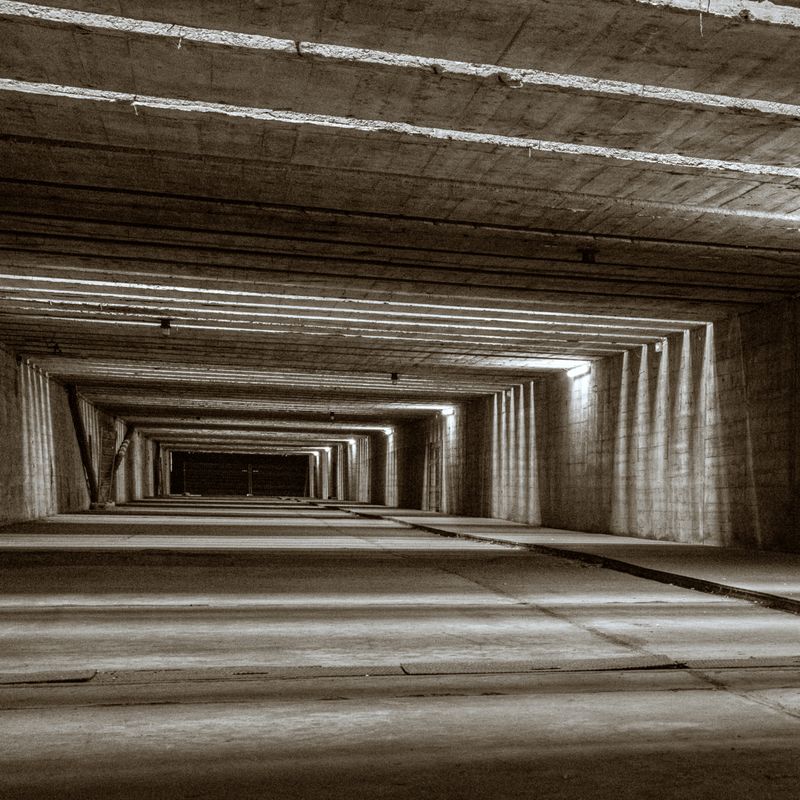
10 Spatial FunnelAn endless corridor narrows into a single vanishing point: architecture as a concrete funnel. The 2025 work updates the series with a cleaner, more ‘designed’ coercion—order that still produces compulsion. Planned colour alignment with its paired body image makes directionality feel like an atmosphere, not just a line.

© Marcel van Beek - Image from the Constraints and Sovereignty – The Body Under Regimes of Space photography project
i

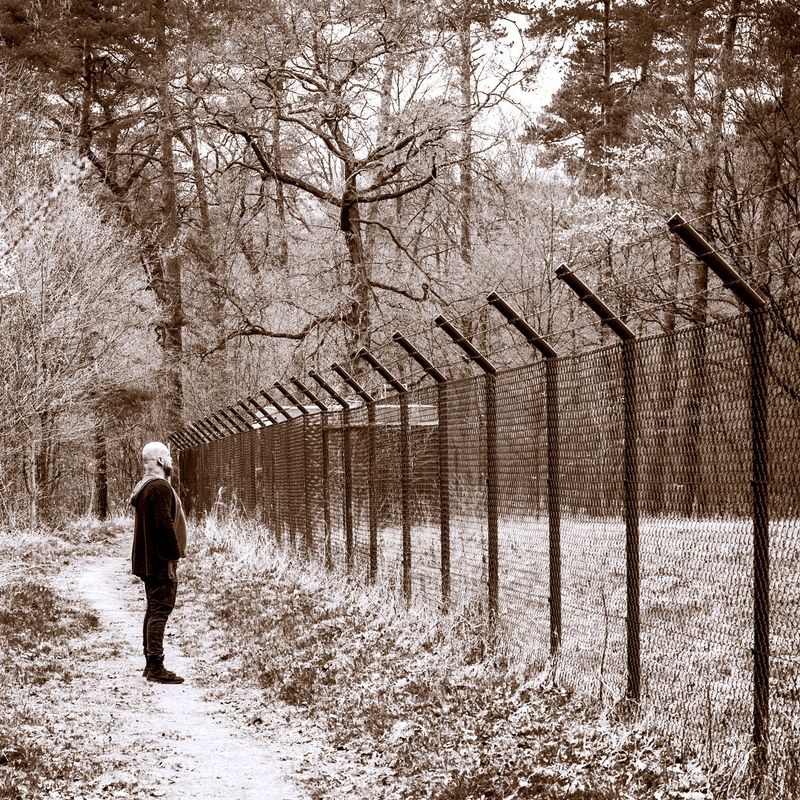
11 Locked outOpen landscape does not equal freedom. Flanking the path, a high fence equipped with anti-climb measures unequivocally governs the parameters of movement; the small figure becomes a marker of compliance. As the response to the ‘Spatial Funnel’, the outdoor scene inherits the same directional pressure—visual ‘contamination’ translating interior control into territorial routing.

© Marcel van Beek - Image from the Constraints and Sovereignty – The Body Under Regimes of Space photography project
i

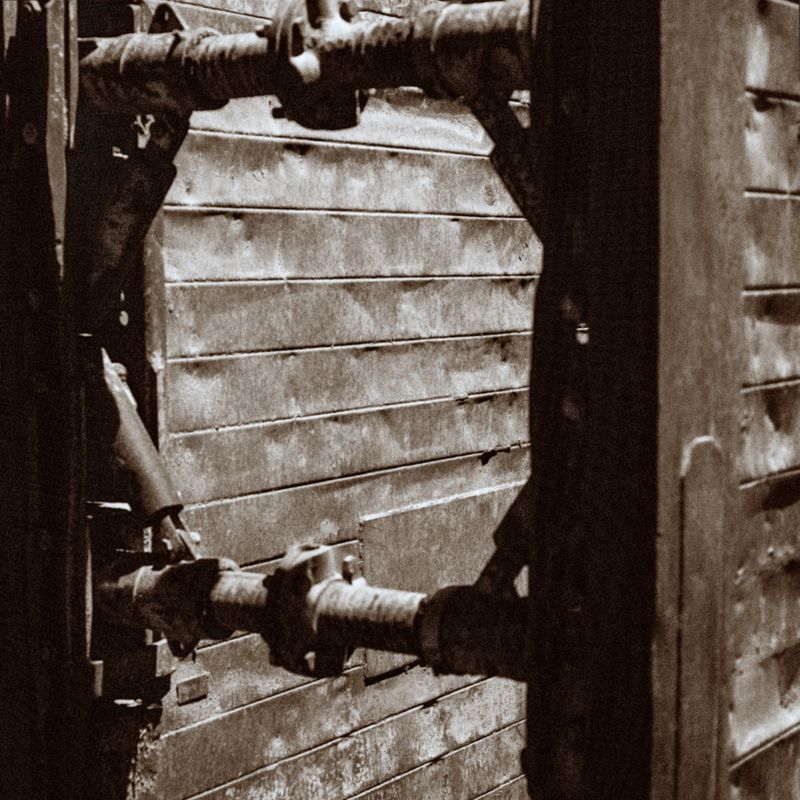
12 Steel ChamberProximate and monolithic, the civil engineering infrastructure—specifically the sheet pilings—creates the impression of a prison-like chamber: bolts, seams and rust suggest endurance rather than passage. The image concentrates power into material: containment that does not need a guard to be effective. Its tight framing keeps attention on the weight of the barrier.

© Marcel van Beek - Image from the Constraints and Sovereignty – The Body Under Regimes of Space photography project
i

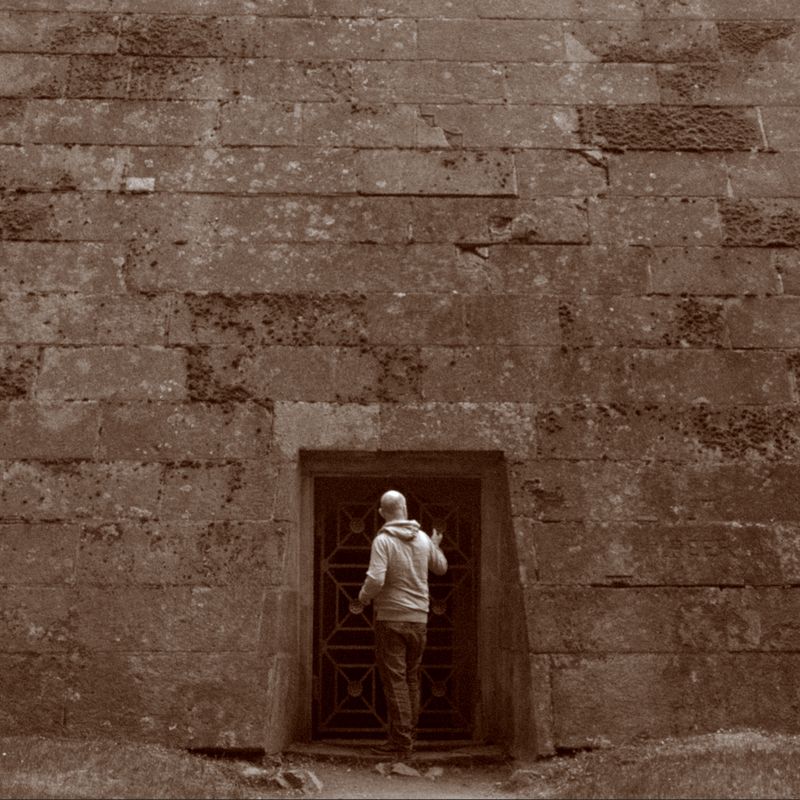
13 No entryA monumental entryway with a small, closed door precludes access through scale alone: the human figure becomes a measure of what cannot be entered. Placed after ‘Steel Chamber’, the same logic of sealing expands from object to landscape—architecture as prohibition. The palette and heavy grain of the preceding work appear to 'contaminate' this scene.

© Marcel van Beek - Image from the Constraints and Sovereignty – The Body Under Regimes of Space photography project
i

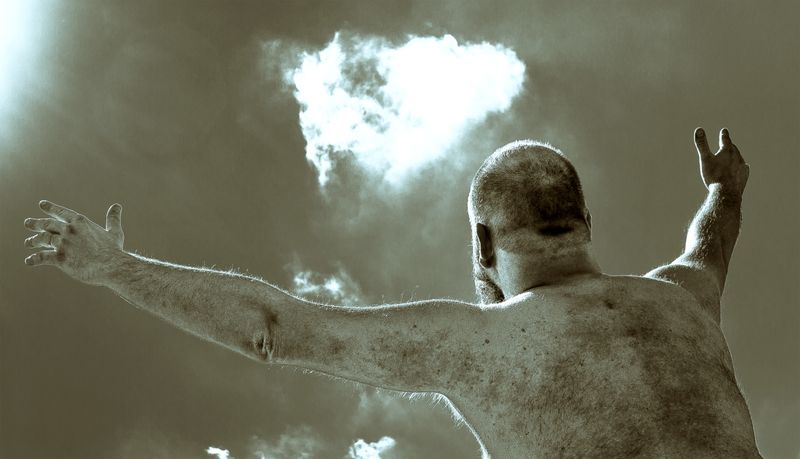
14 Light PrayerThe body claims space rather than being routed through it. The work offers a counter-image to forced passage: light as self-chosen orientation, not surveillance exposure. As the second format break, the wider frame functions as release. As another ‘sovereign accent’ the physical presence and the visible traces of a lived history are documented as an intentional act of resistance.

© Marcel van Beek - Image from the Constraints and Sovereignty – The Body Under Regimes of Space photography project
i

15 Fragile SleepFragile Sleep closes the sequence by returning to the body at its most unguarded—and, paradoxically, at its most defended. Cropped tightly, turned away and half-covered, the figure occupies a domestic interior that should promise safety, yet reads as provisional: a posture of self-protection, as if sleep were a ceasefire that can be broken at any moment.