Confín (Ends of the Earth)
-
Dates2024 - Ongoing
-
Author
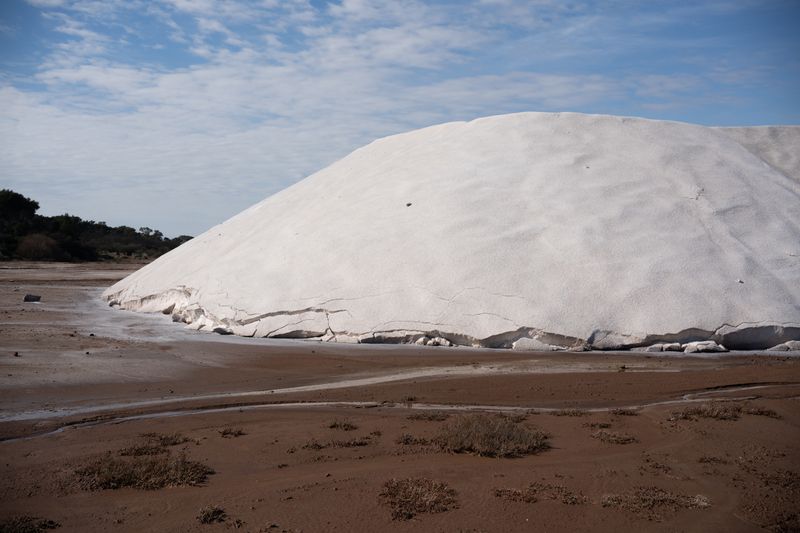
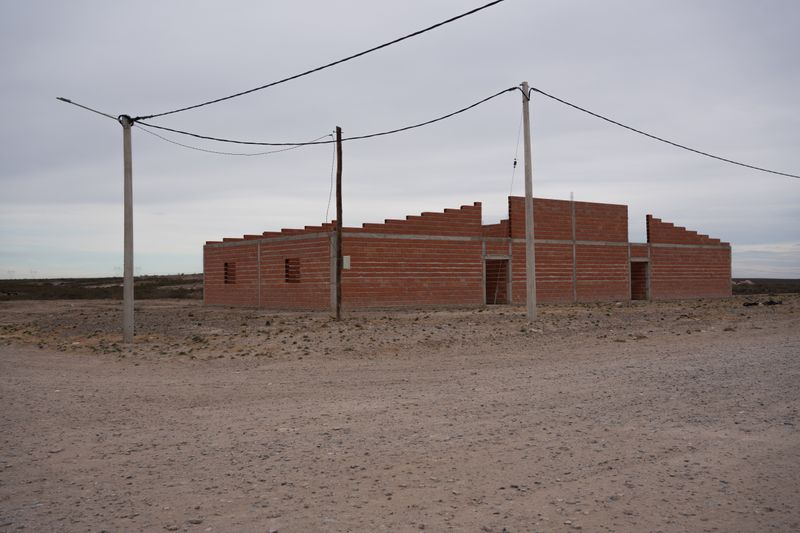
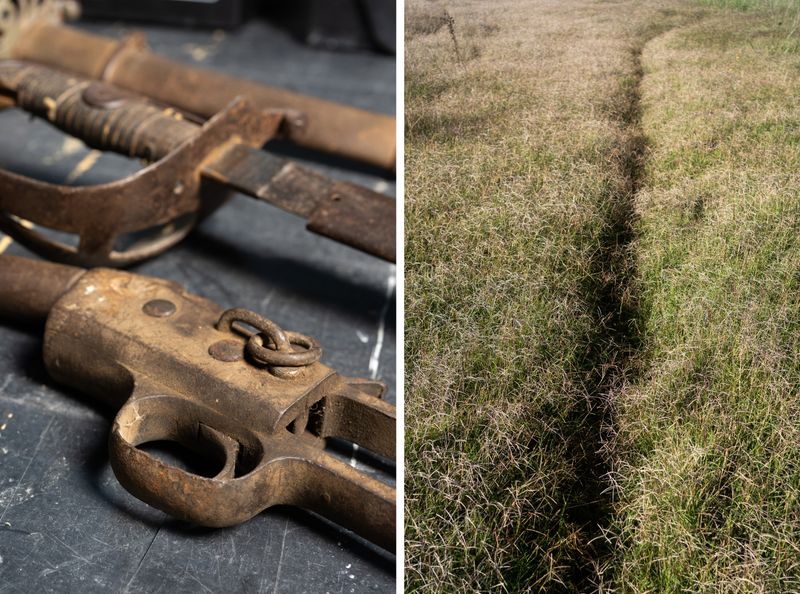
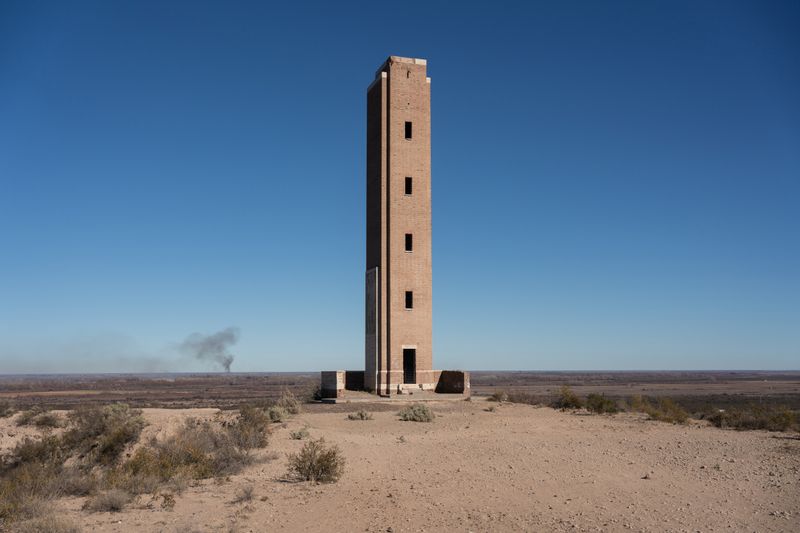
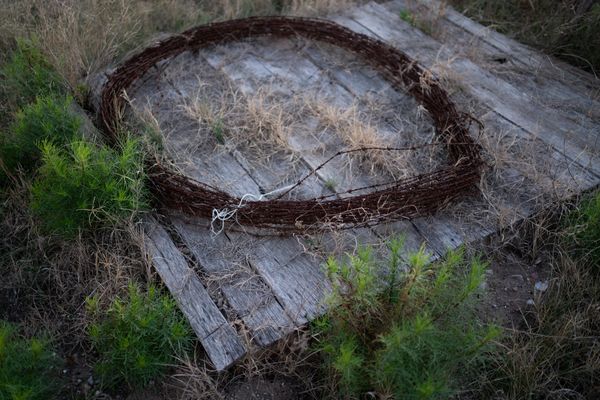
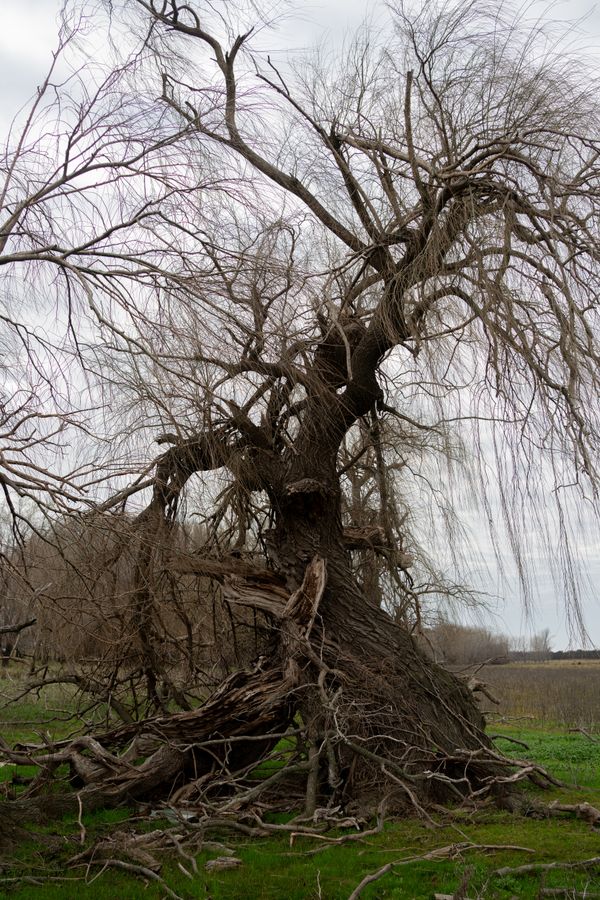
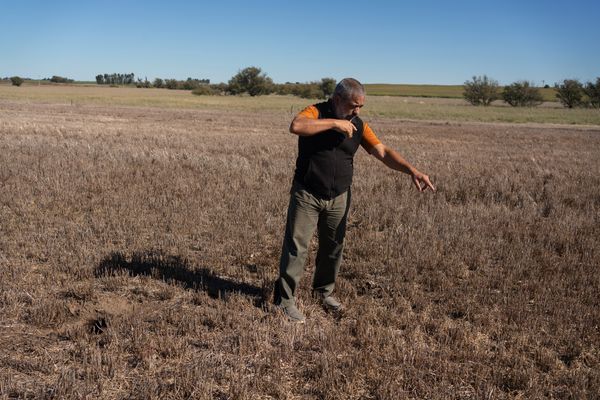
Confín (Ends of the Earth) is a visual project that investigates one of the foundations of the modern Argentine state, the "solution to the Indian problem", by exploring the territories of the former internal frontier with Indigenous nations.
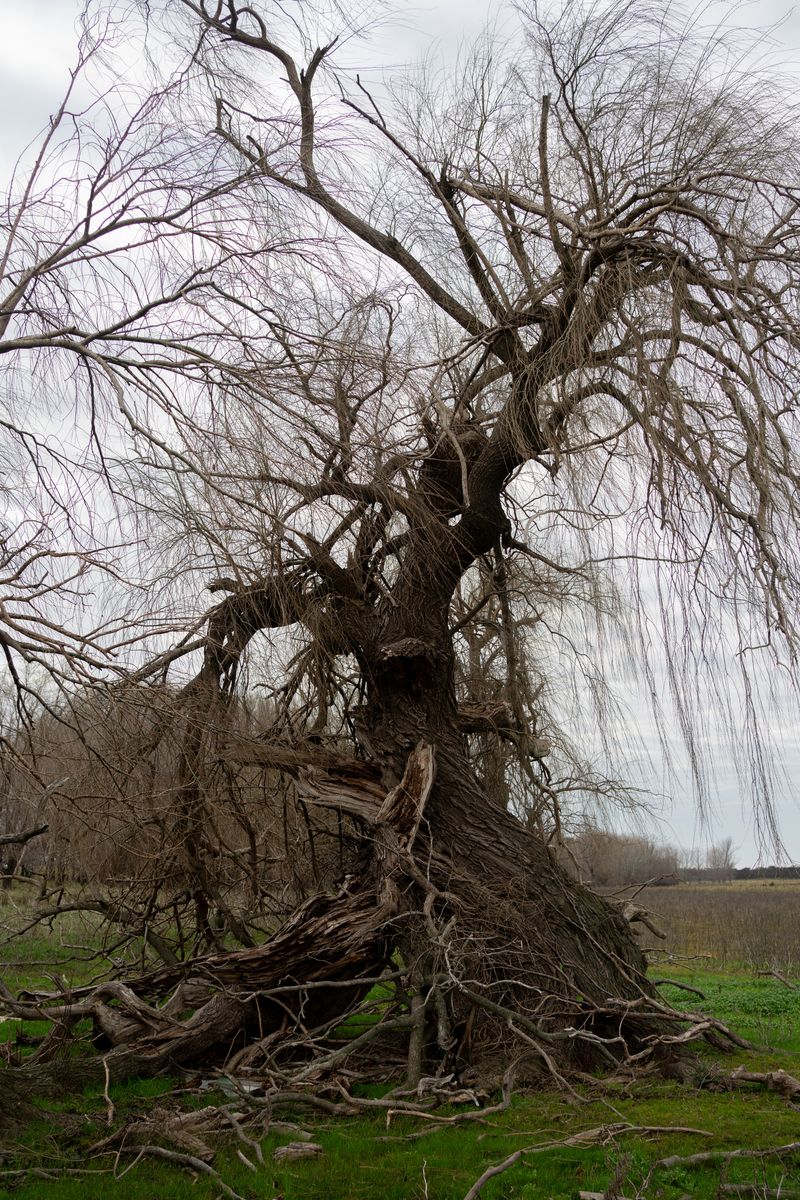
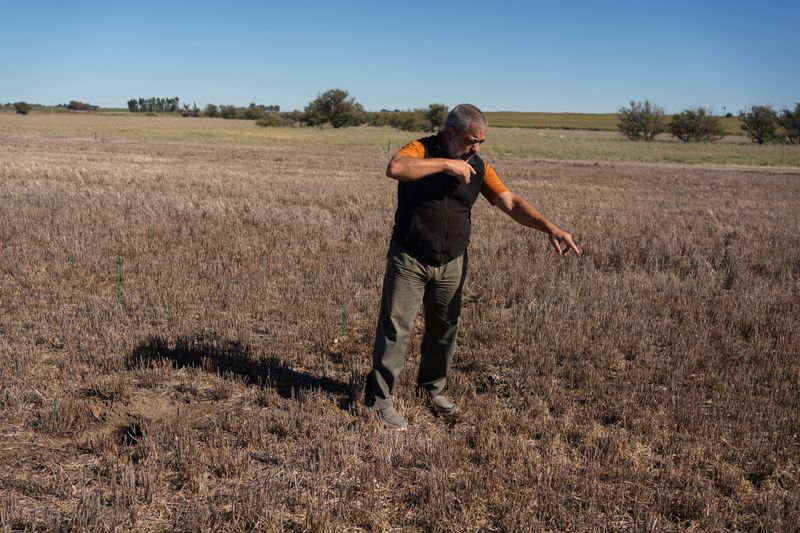
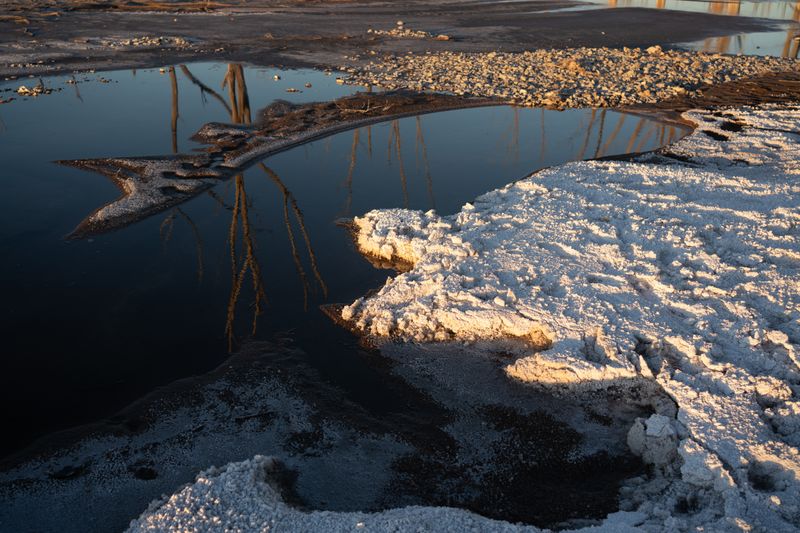
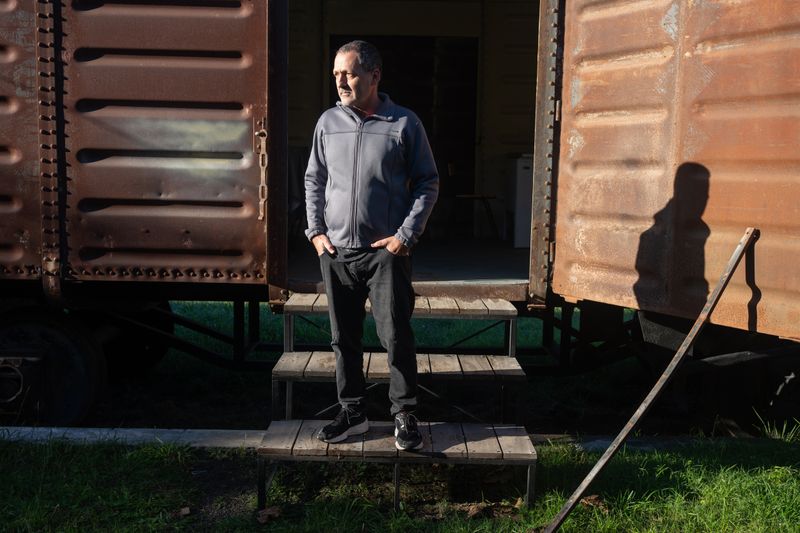
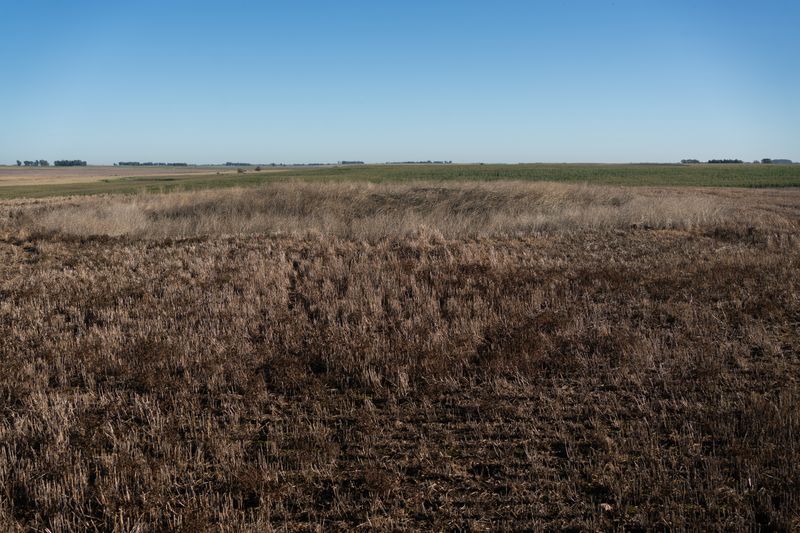
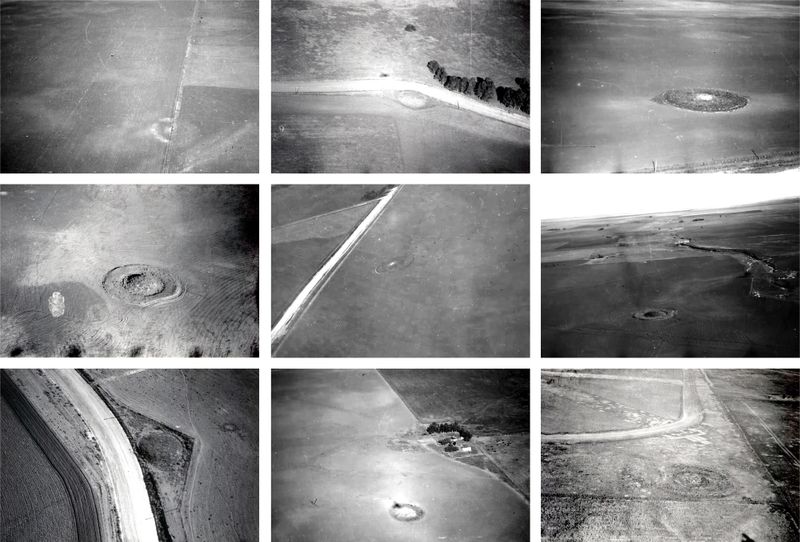
Confín traverses the territories that once formed the southern frontier with Indigenous nations in present-day Argentina searching for traces of that past. It seeks remnants of that origin and clues about the construction of identity among those who now inhabit what was once called "the interior lands" or "the devil's country."
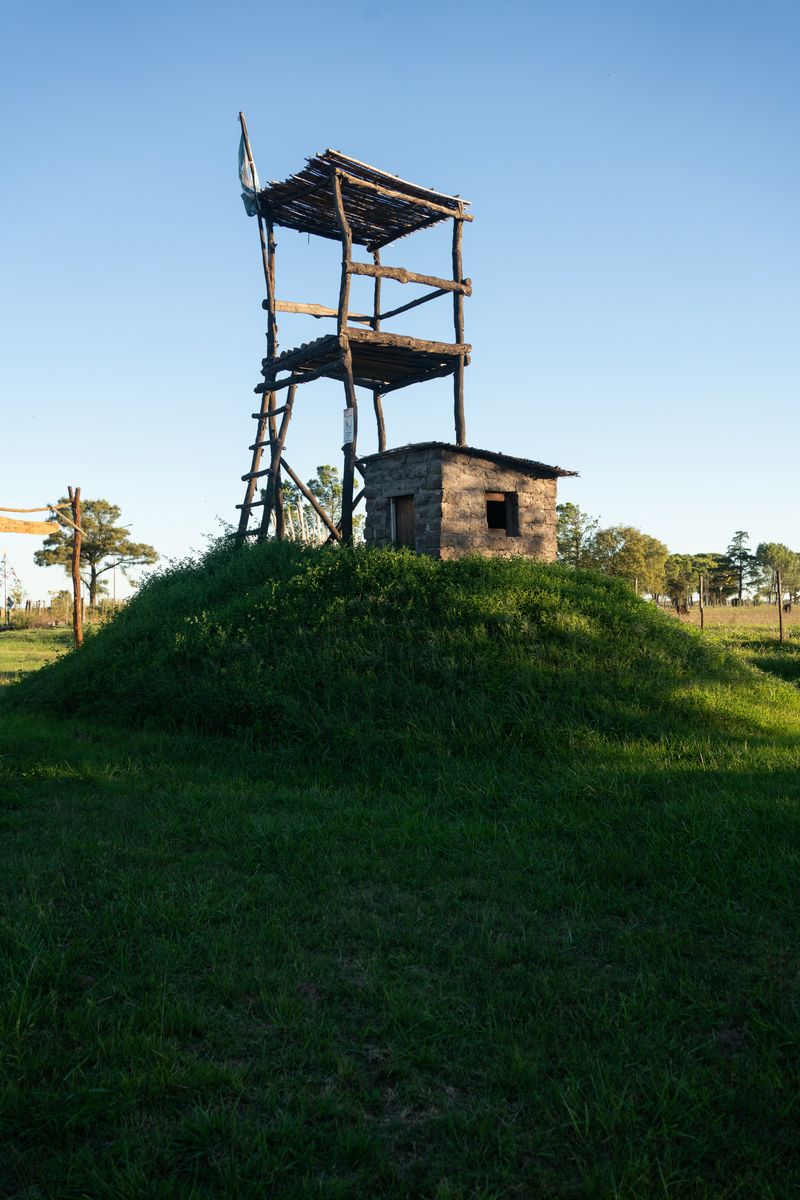
For more than 300 years, the "frontier with the Indian" gradually shifted south-westward, deploying forts and outposts increasingly farther from Buenos Aires and gaining leagues of arable land for the "huinca" (white man). These former fortifications are now agricultural towns in one of the most fertile territories in the world.
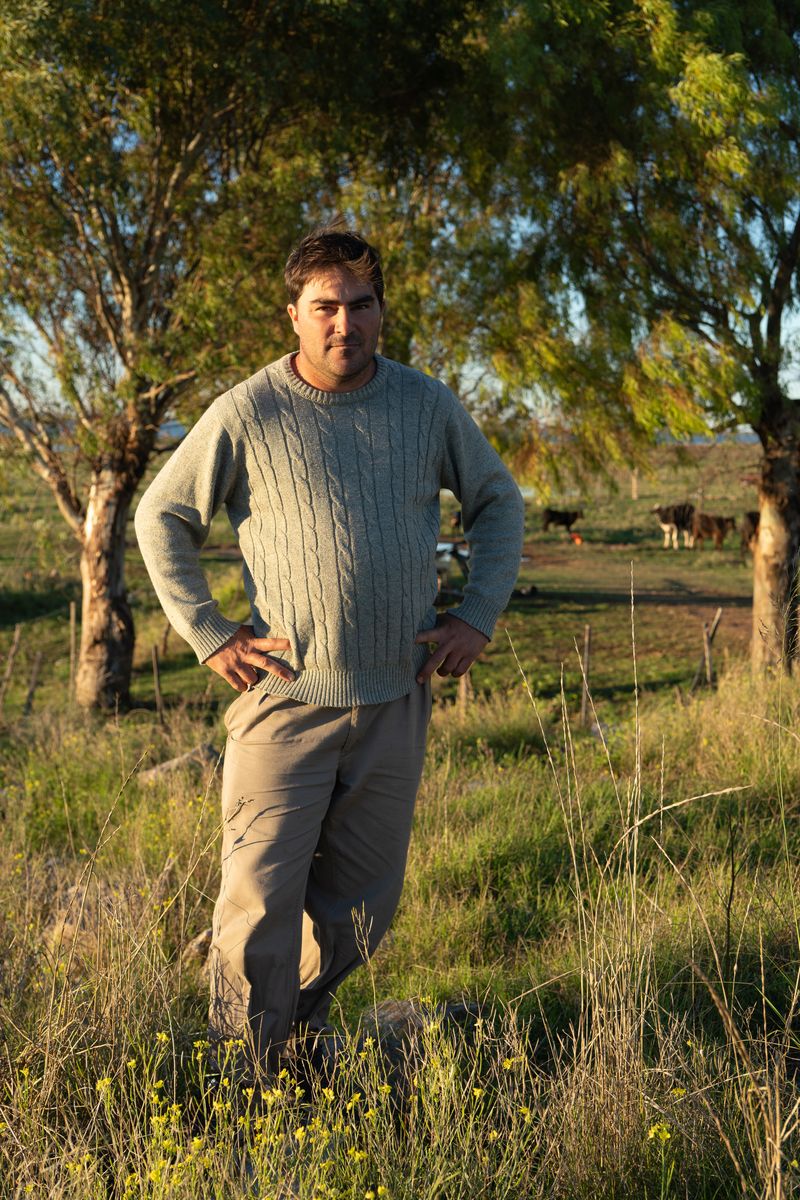
Descendants of european immigrants and Indigenous peoples now inhabit these towns and reinterpret their frontier origins through a wide spectrum of expressions shaped by historical construction and shifting political circumstances.
Confín immerses itself in this overlay of historical moments, blend of peoples, and transformations of the landscape, seeking to approach one of the pillars of Argentine identity.
Historical context
From the Spanish conquest until the late nineteenth century, the relationship between Indigenous peoples and white governments was framed in terms of international relations. Spanish authorities in the Americas, and later those of the future Argentine State, waged wars, forged military alliances, celebrated treaties, and traded with the Querandí, Ranquel, Tehuelche, Mapuche, and other nations.
In 1879, as part of the consolidation of the Argentine state, the territories inhabited by these peoples came to be considered part of the Republic of Argentina. The military campaigns known as the “Conquest of the Desert” were carried out with the aim of expelling the various peoples who had been transformed into intruders. Indigenous combatants were killed or imprisoned, and the rest of the population was taken captive and distributed among wealthy families as semi-slave labor.
The lands seized by the state (the conquered desert) consolidated the large estate system and founded the agro-export model —and the myth of the country as the breadbasket of the world—that has since determined Argentina’s political processes and geopolitical situation.