Conditions of intimacy

-
Dates2023 - Ongoing
-
Author
- Locations Arles, Barcelona, Kunming, Guiyang
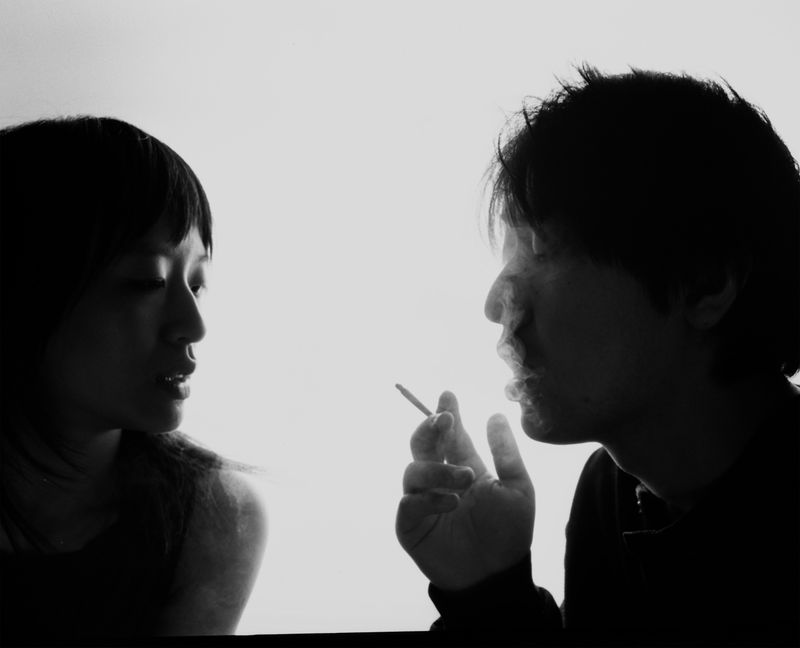
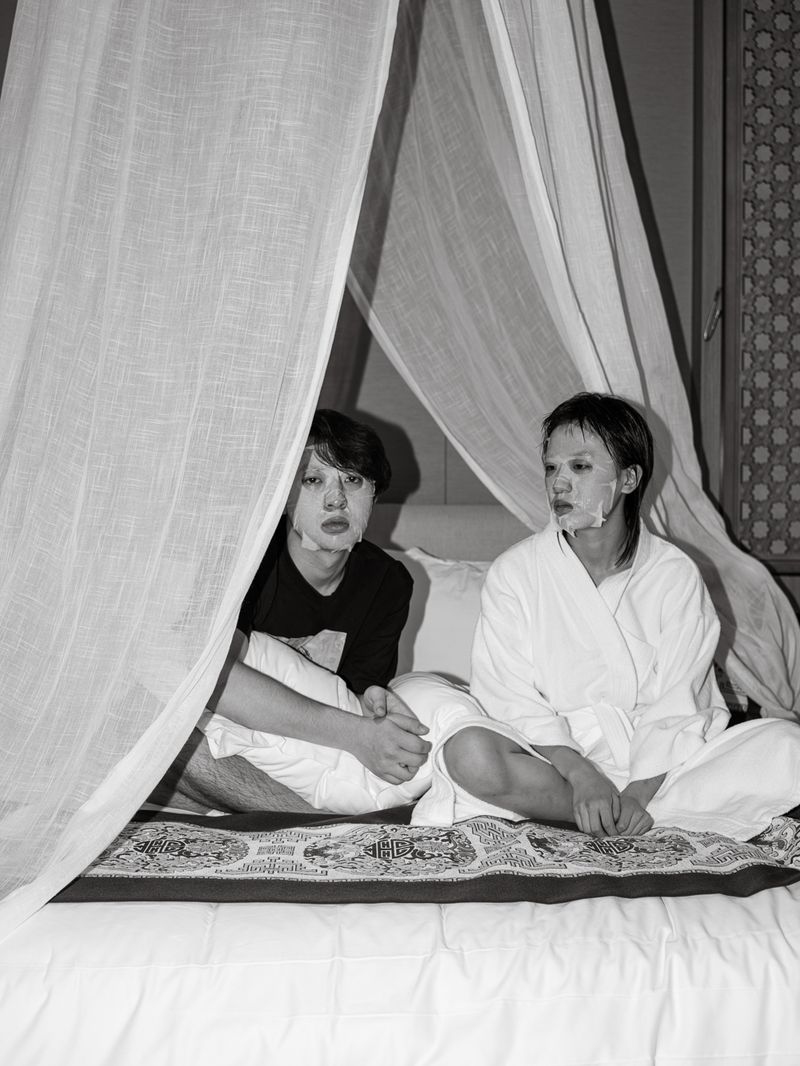
Using self-portraiture, I photograph myself and my partner performing intimacy for the camera. Rather than documenting a relationship, the project examines how photography intervenes, turning closeness into a constructed mechanism shaped by framing, dista
This ongoing photographic project explores intimacy as a mechanism—an arrangement of gestures, distances, permissions, and constraints—rather than as an authentic emotional condition. Using self-portraiture as a method, I photograph myself and my partner performing in front of the camera. The decision to work with my own relationship is not driven by confession or autobiography, but by the desire to remain inside the structure I am examining: to be both the subject and the material through which intimacy is constructed.
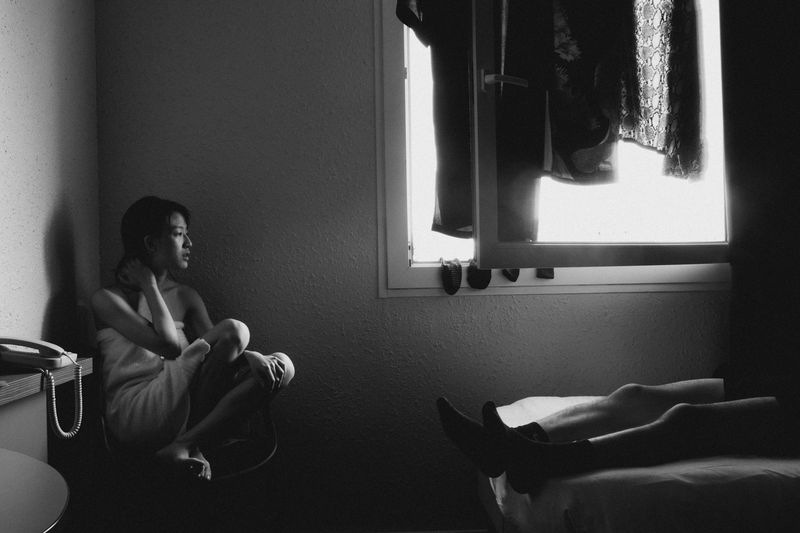
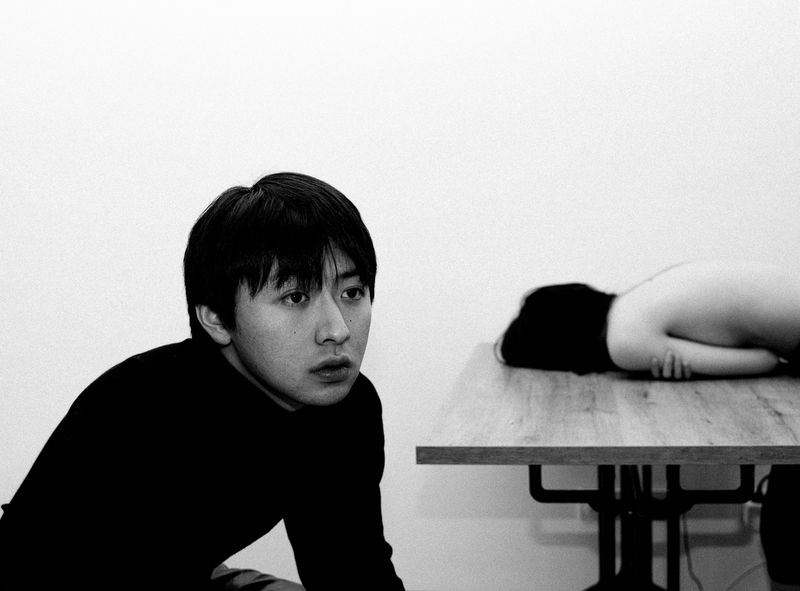
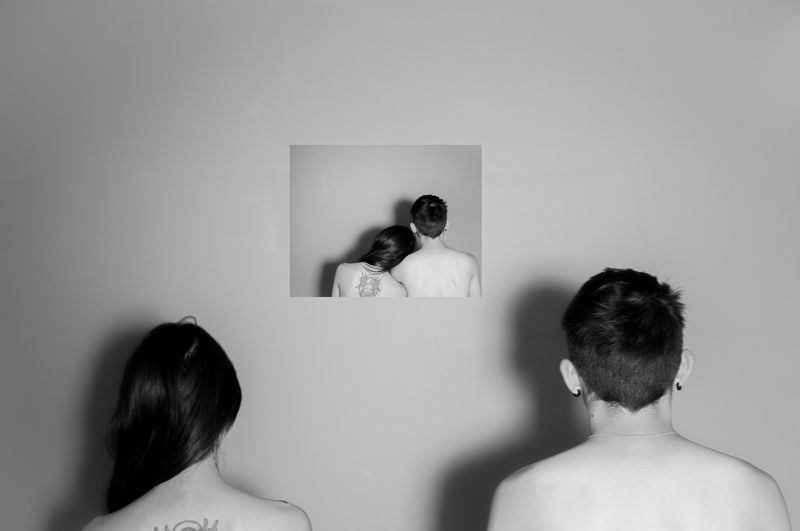
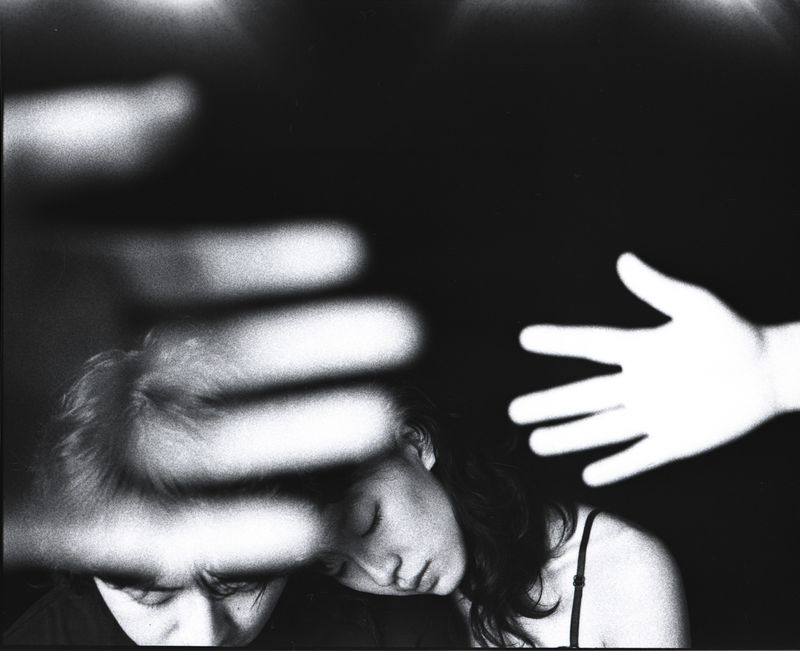
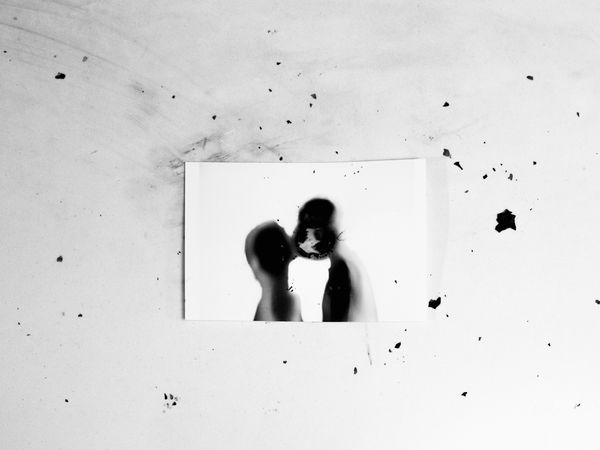
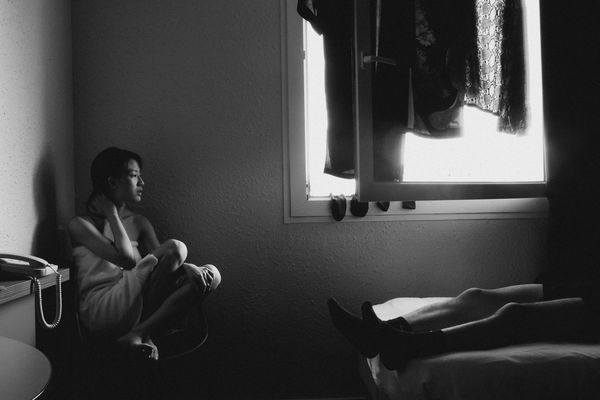
The images are not records of lived moments, but deliberately staged situations. Bodies are placed in relation to one another, actions are repeated, and gestures are held long enough to become unnatural. The presence of the camera is never concealed; instead, it functions as a regulating force that shapes how closeness can occur. Intimacy emerges only through this mediation—through framing, surfaces, distance, and the awareness of being seen.
I began this project from a sense of resistance toward dominant photographic narratives of intimacy that privilege immediacy, vulnerability, and emotional truth. Such representations often rely on the illusion that the camera simply witnesses intimacy as it unfolds. In contrast, my work insists that photography actively reorganizes intimacy, transforming it into a performance that must conform to visual expectations and structural conditions.
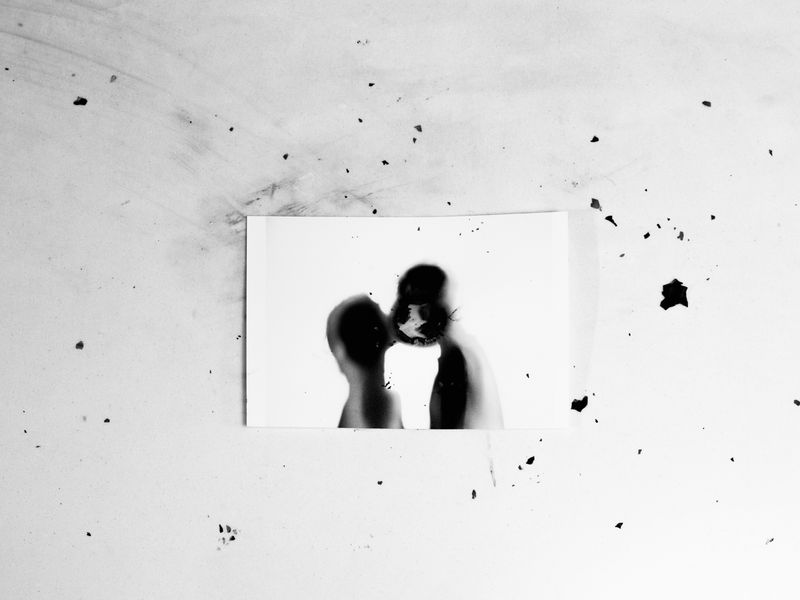
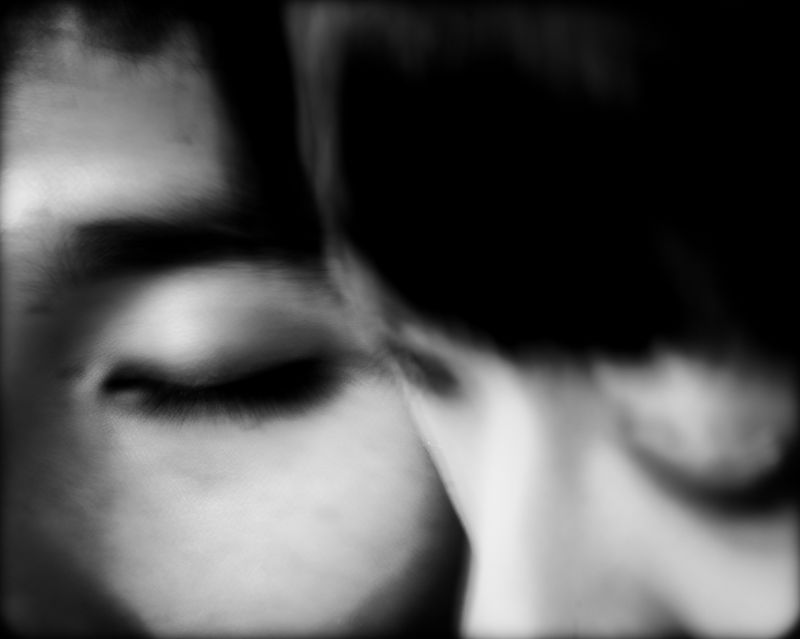
Throughout the project, intimacy appears fragmented or deferred: through bodies that do not fully meet, through images within images, through acts of looking rather than touching, and through moments where visibility is interrupted or denied. These strategies prevent emotional closure and shift attention away from relationship narratives toward the systems that produce them.
Ultimately, the project seeks not to define intimacy, but to question how photography determines what intimacy can look like, how it can be performed, and where it inevitably breaks down. By remaining unresolved, the work invites viewers to consider intimacy not as something given, but as something continuously shaped—and limited—by the act of imaging itself .