Epitaph for Fire and Flower
-
Dates2025 - Ongoing
-
Author
- Topics Fine Art, Archive
- Location France
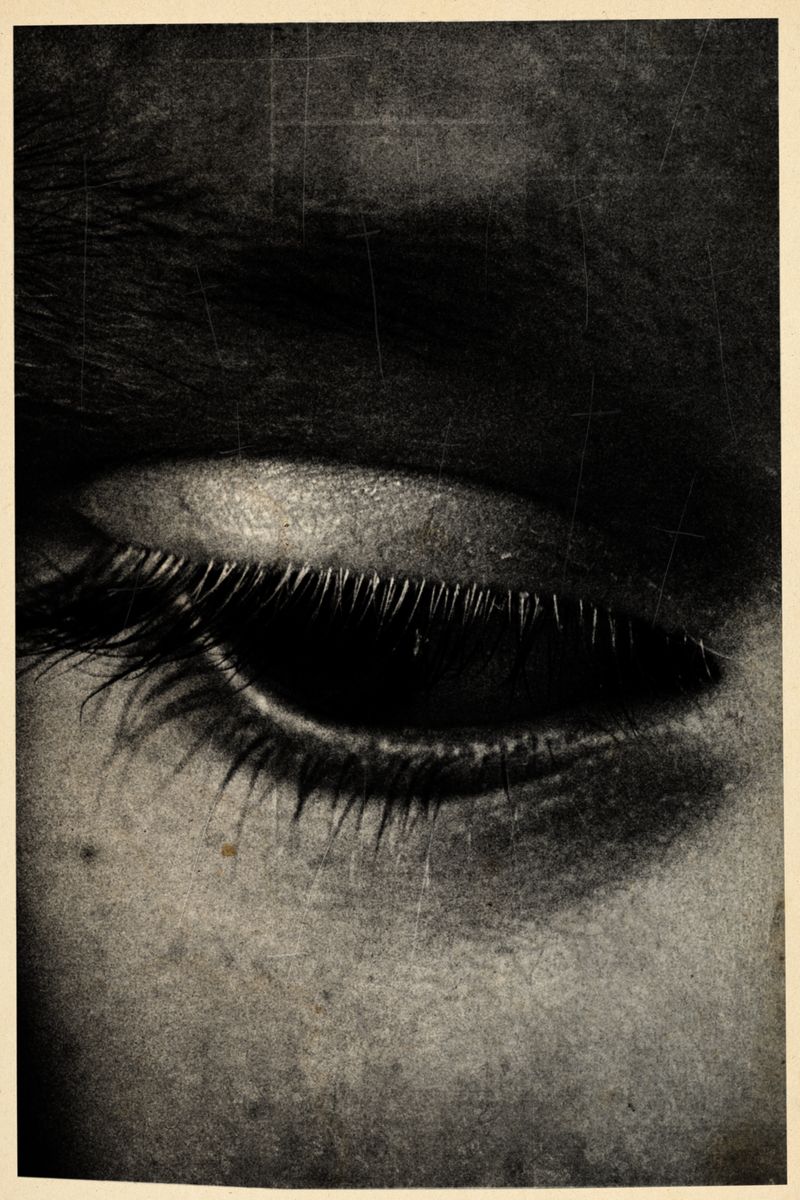
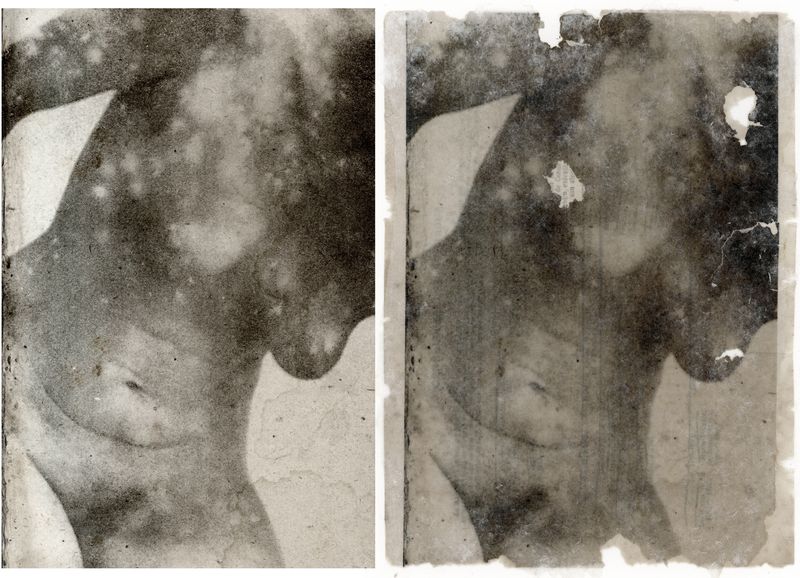
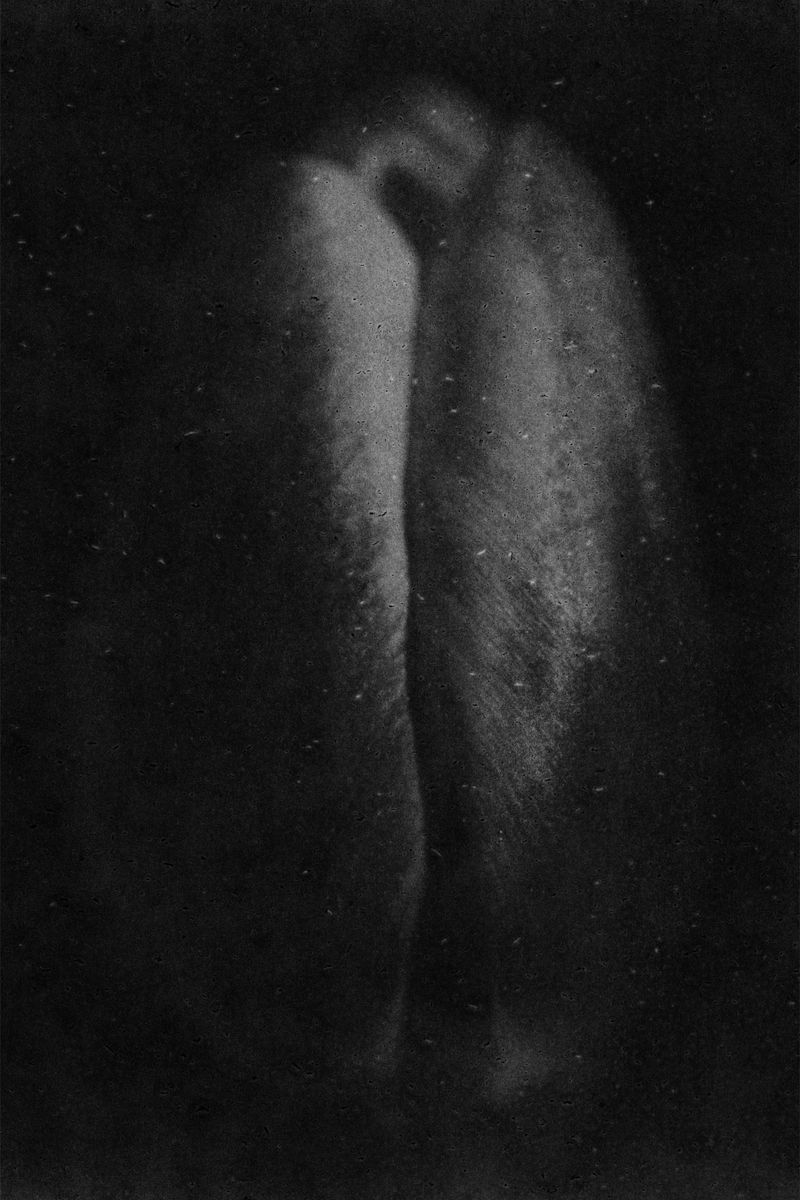
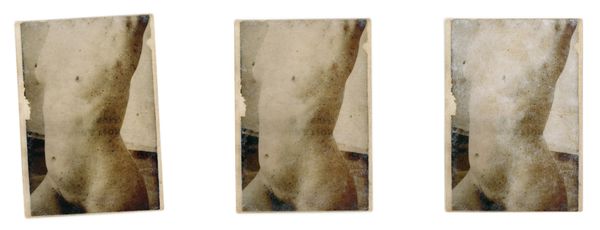
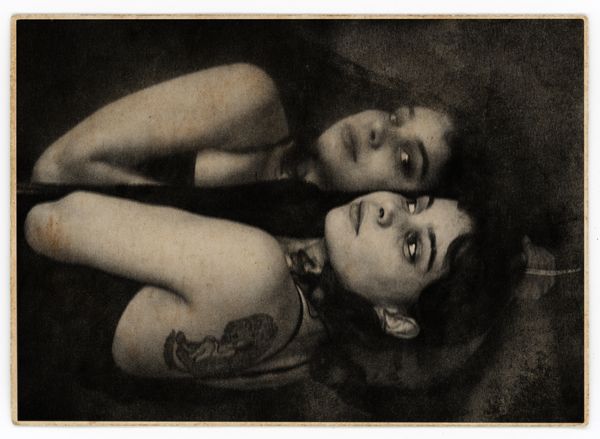
This work views the body as both container and carrier, where time, experience, and inherited structures are inscribed. Photography mirrors the body: not static, but felt and transformed. Holding memory, emotion, loss, and the passage of time.
The title Epitaph for Fire and Flower comes from Sylvia Plath's poem, evoking the fleeting intensity of life and desire, and how attempts to hold them can undo their essence.
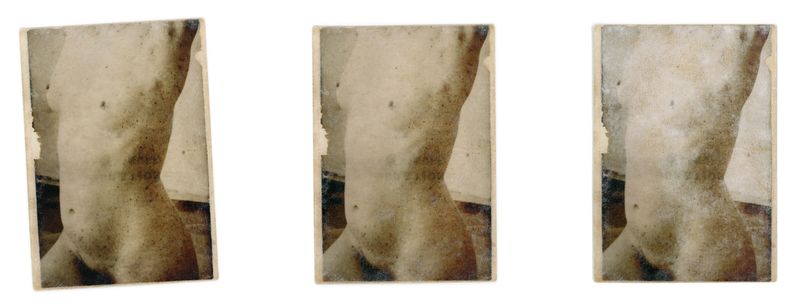
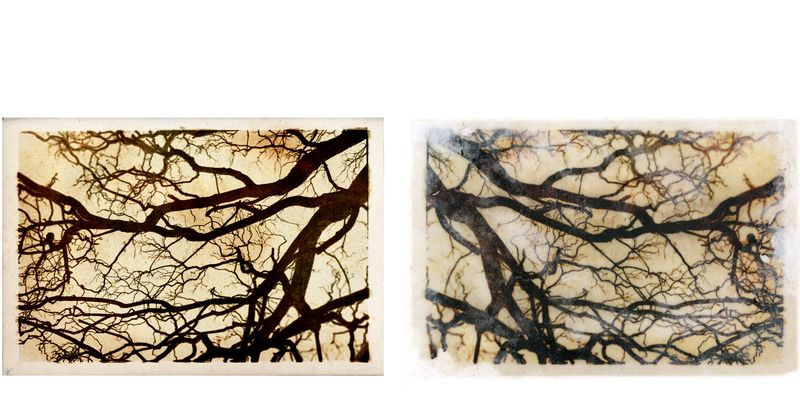
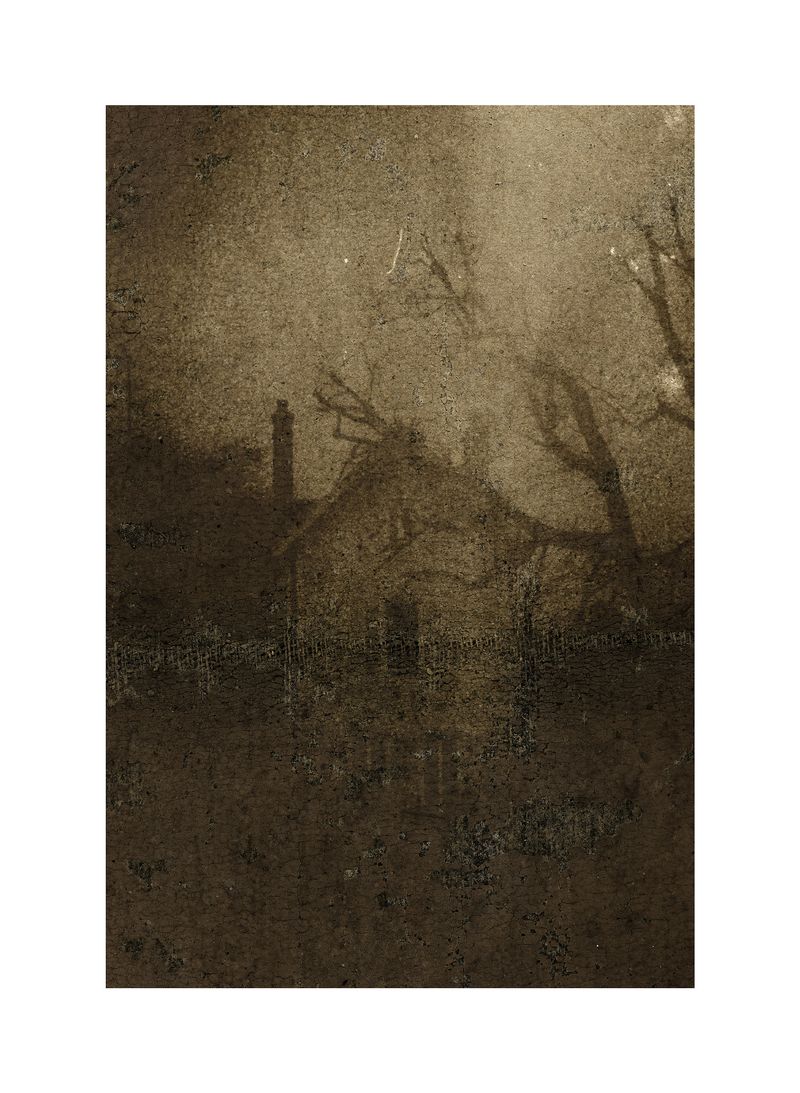
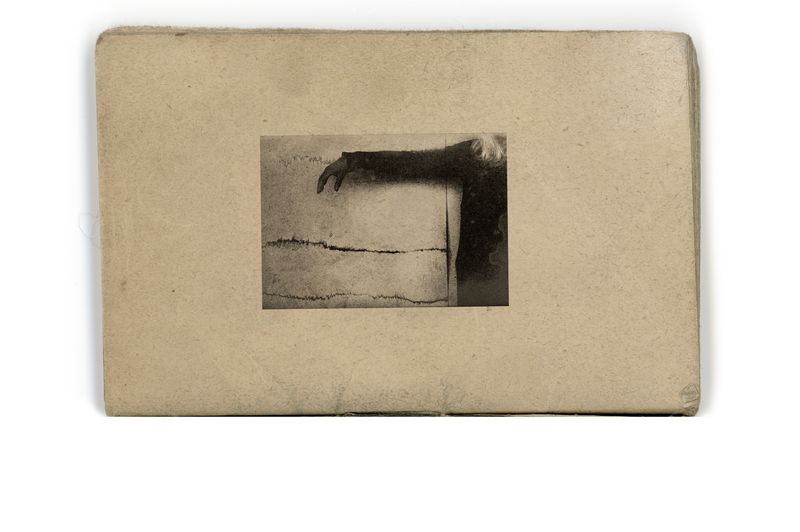
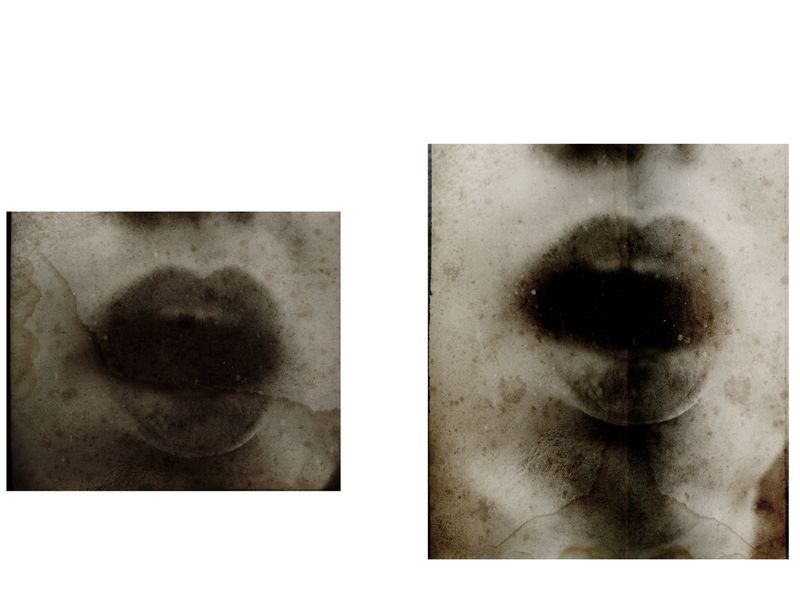
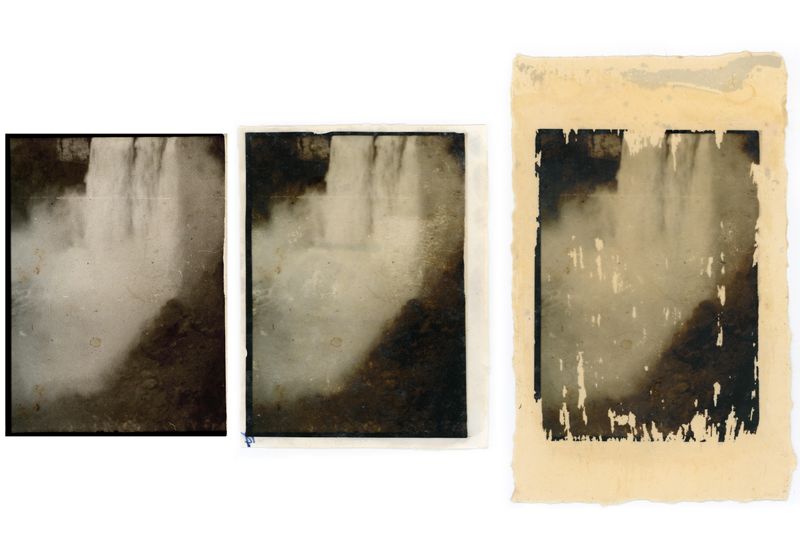
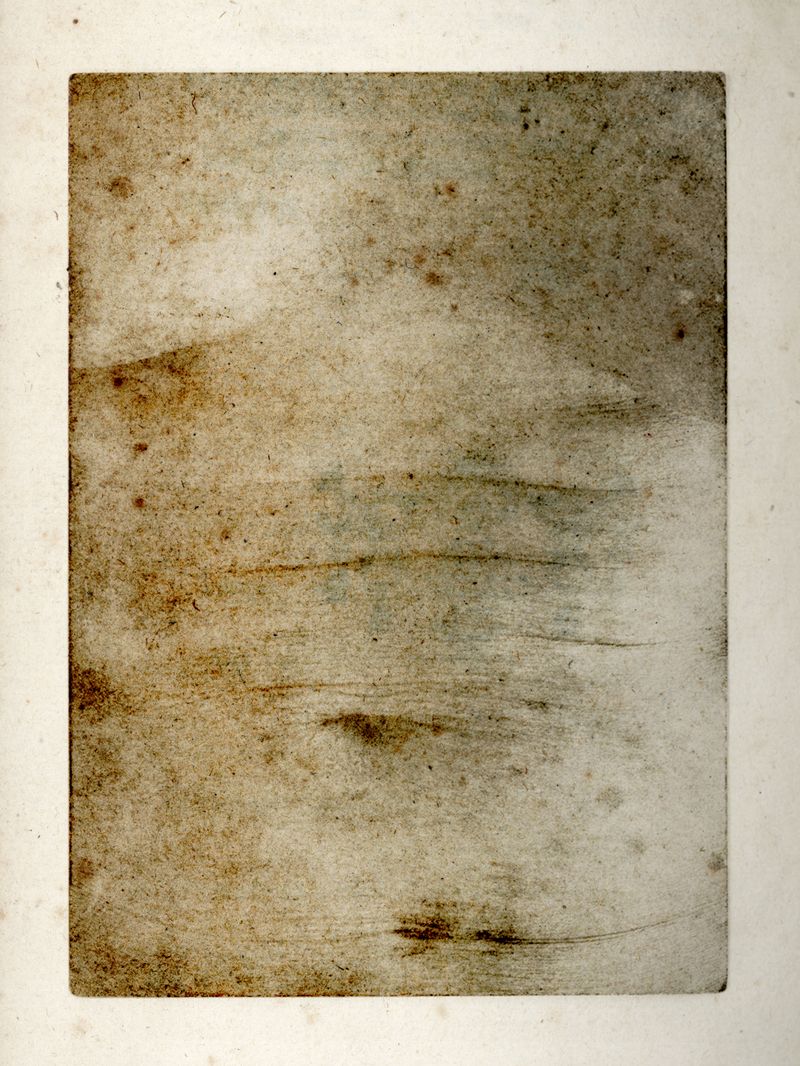
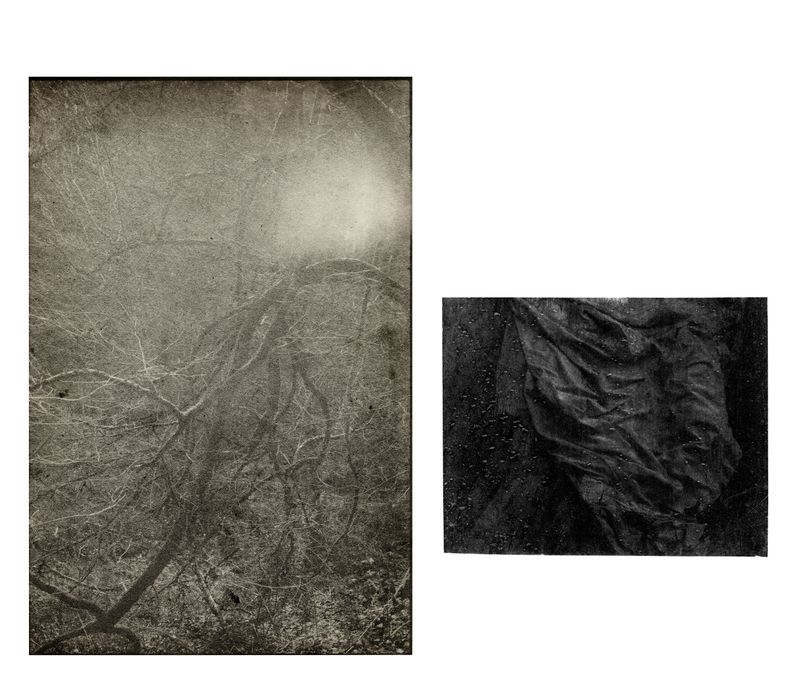
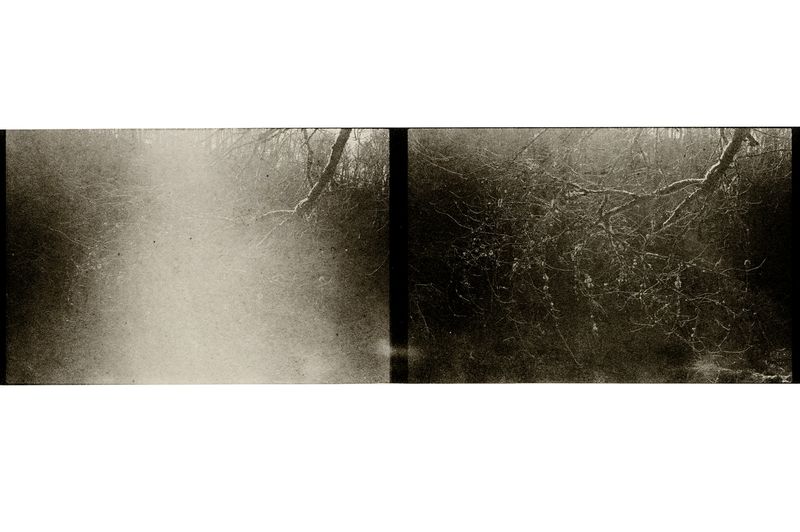
The images are layered and mutable, like memories. Through successive processes—including analog photography, cyanotype, anthotype, image transfers, rescanning, superimposition, and iterative printing—images are gradually transformed, with matter and information stripped away. Continuously reconfigured, they undergo shifts, degradation, and sometimes erasure. These transformations present memory as an active process of rewriting rather than preservation.
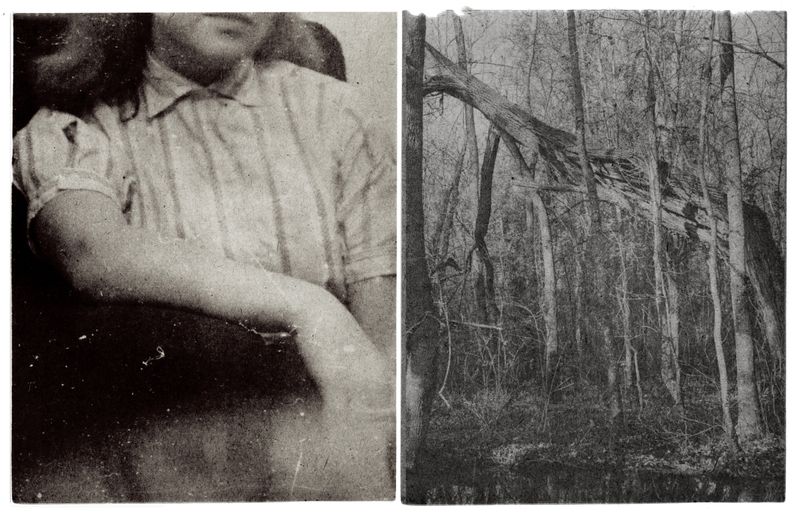
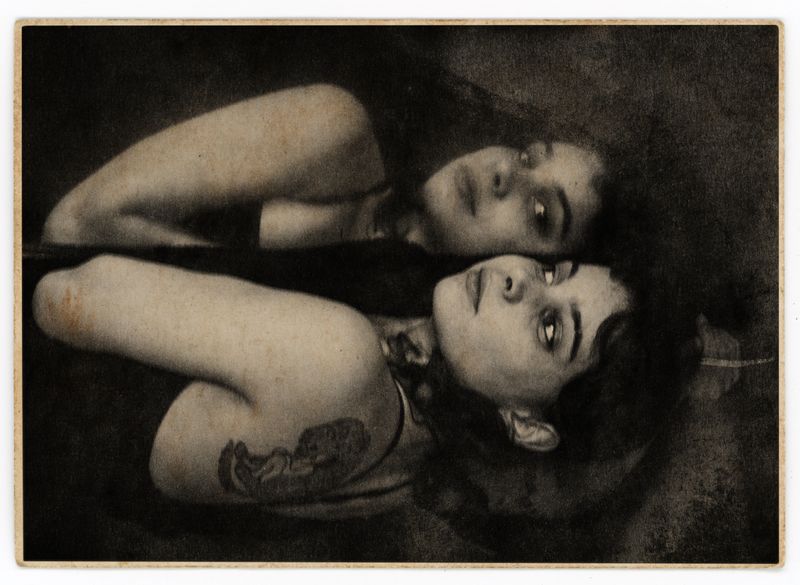
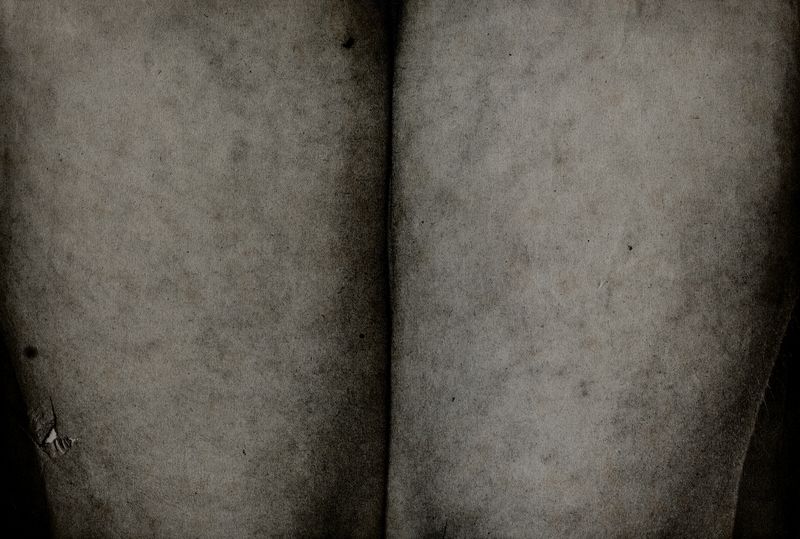
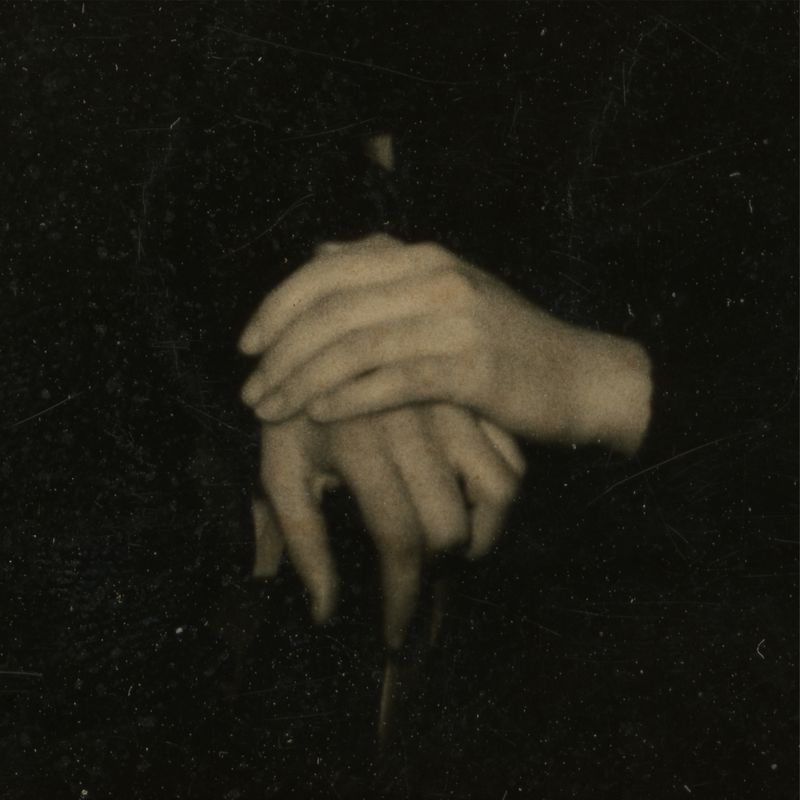
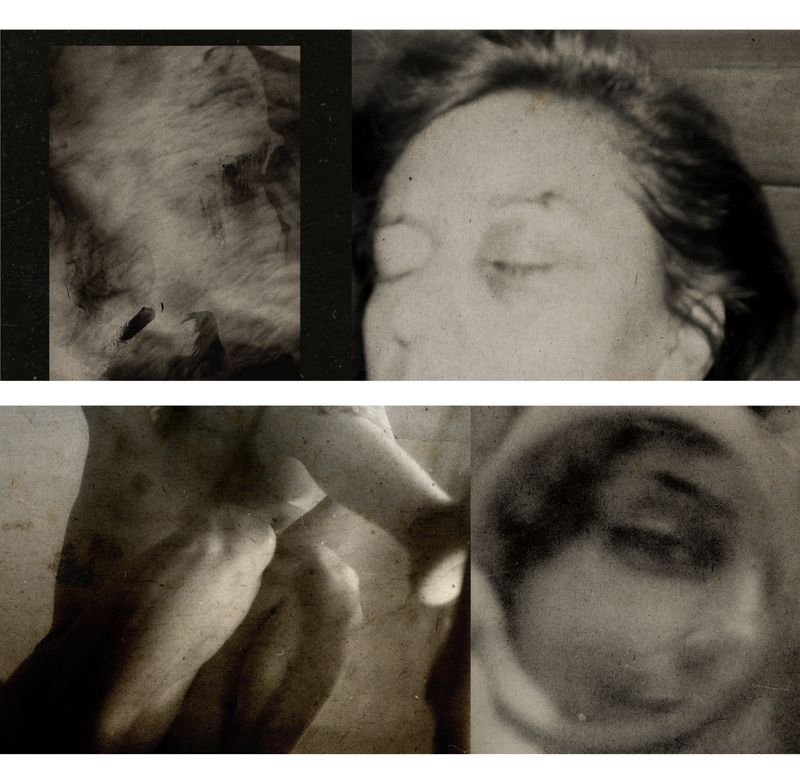
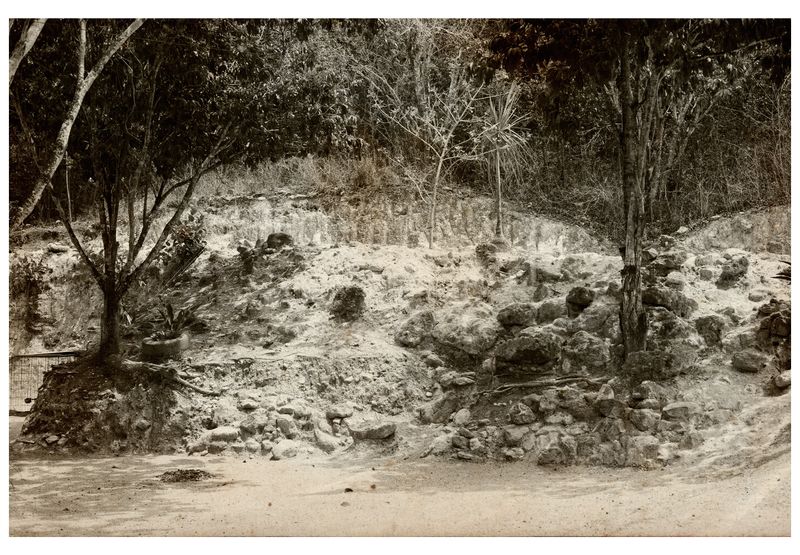
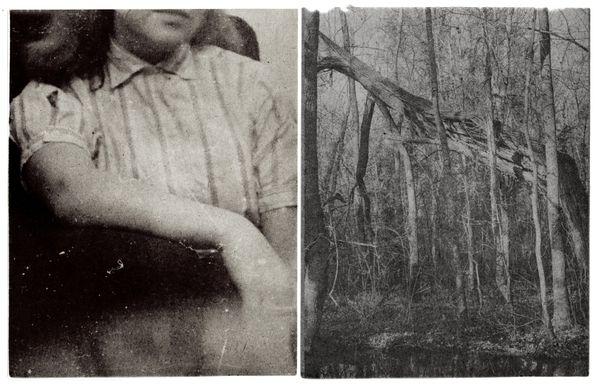
Bodies emerge as living archives. They carry inherited rules, resilience, and traces of lived experience. A woman of the 1950s sits passively beside a fallen tree, depicting the lives constrained and suffocated of her era. Reflections, gestures, hands, marks on flesh, and repeated landscapes trace absence, presence, pleasure, pain, and contradictions. Bodies and landscapes alike are surfaces shaped by time and accumulation.
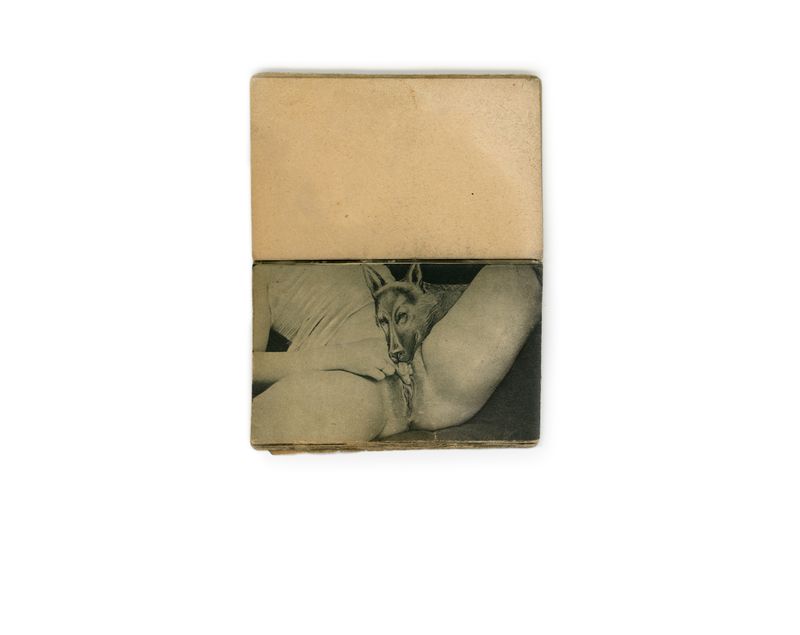
Fragments from pornography and family archives resist fixed meaning. They appear as motifs of desire, fear, and projection. What remains is not a story but a field of sensations: images that move, degrade, echo, and haunt.
Photography here is not about preserving. It is about transformation, alteration, and erasure — a medium where beauty, intensity, and experience are never fixed, but continually rewritten.