Come As You Are
-
Dates2021 - Ongoing
-
Author
- Topics Portrait, Social Issues, Studio
- Location Ireland, Ireland
Come As You Are explores the ways in which external entities have conditioned women to believe that they are not good enough as they are.
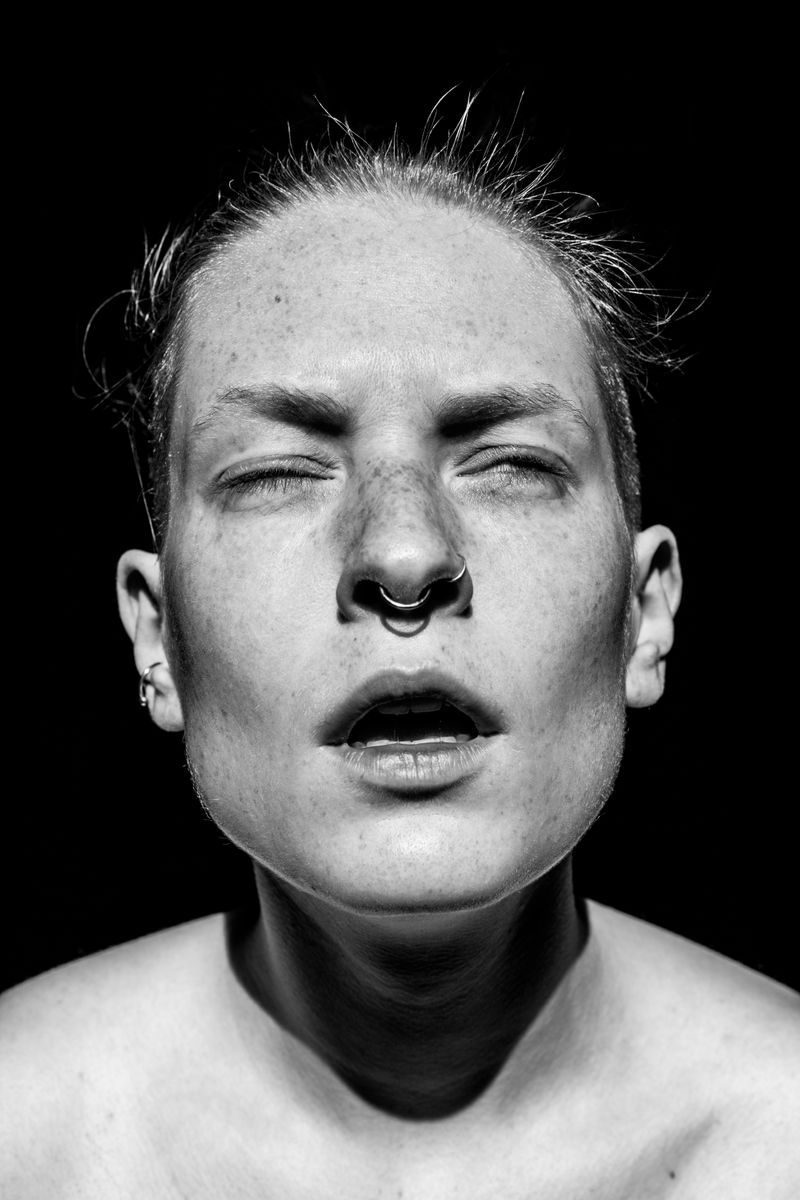
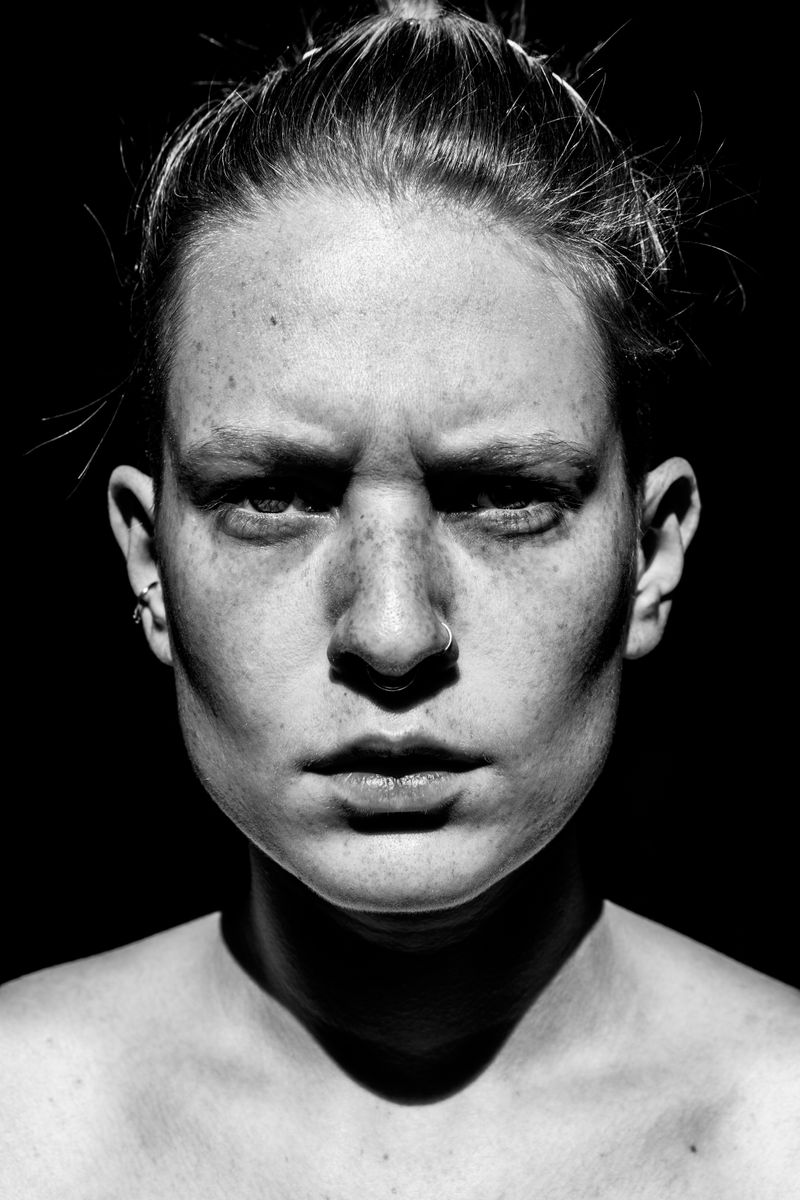
Come As You Are explores the ways in which external entities have conditioned women to believe that they are not good enough as they are. On the surface level, CAYA discusses the stereotypical and superficial aspects of "femininity" that are put upon women by this parasitic, capitalistic culture in which we live. But there is a more poignant underlying narrative discussing the colonisation of our bodies and our minds by these destructive concepts and aggressive invaders. This toxic "suck it up" mentality, that "it could be worse". But just because it could be worse does not mean that this is the best that we can do. Just because it could be worse does not mean that we are not suffering. Just because it could be worse does not mean that we should submit and accept the cards that we have been dealt.
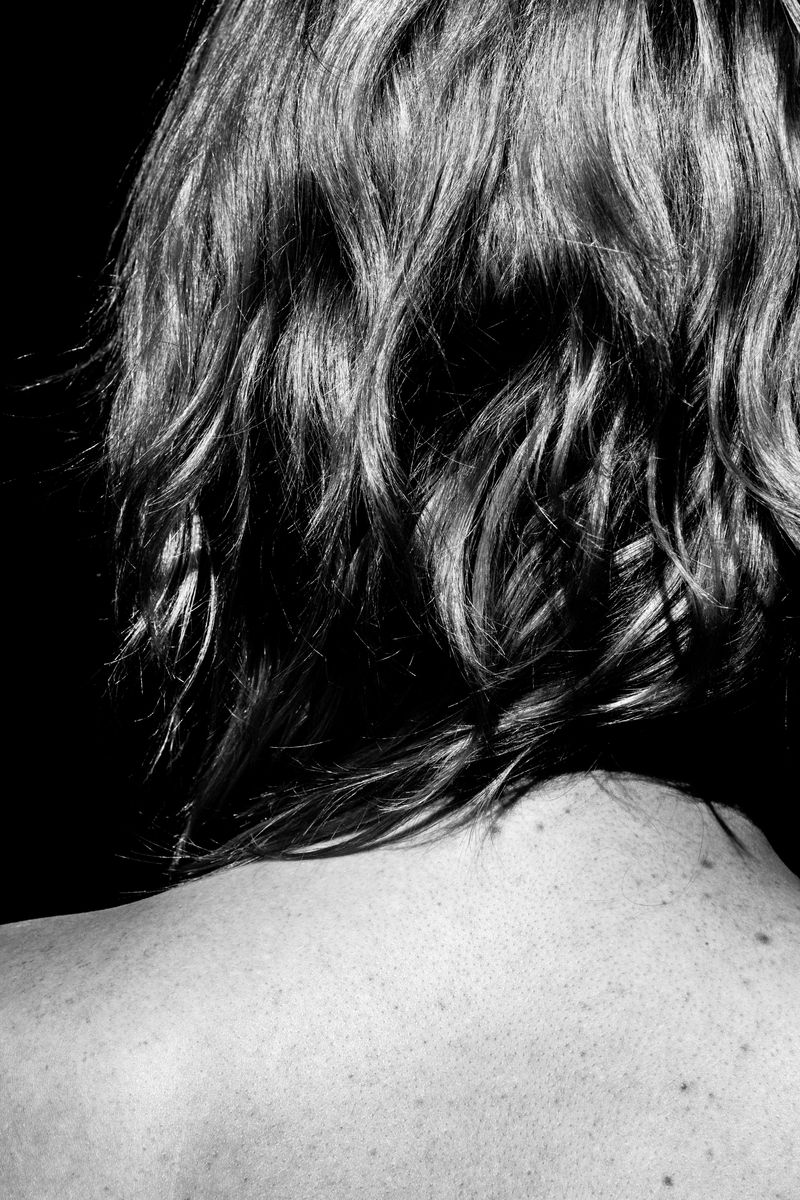
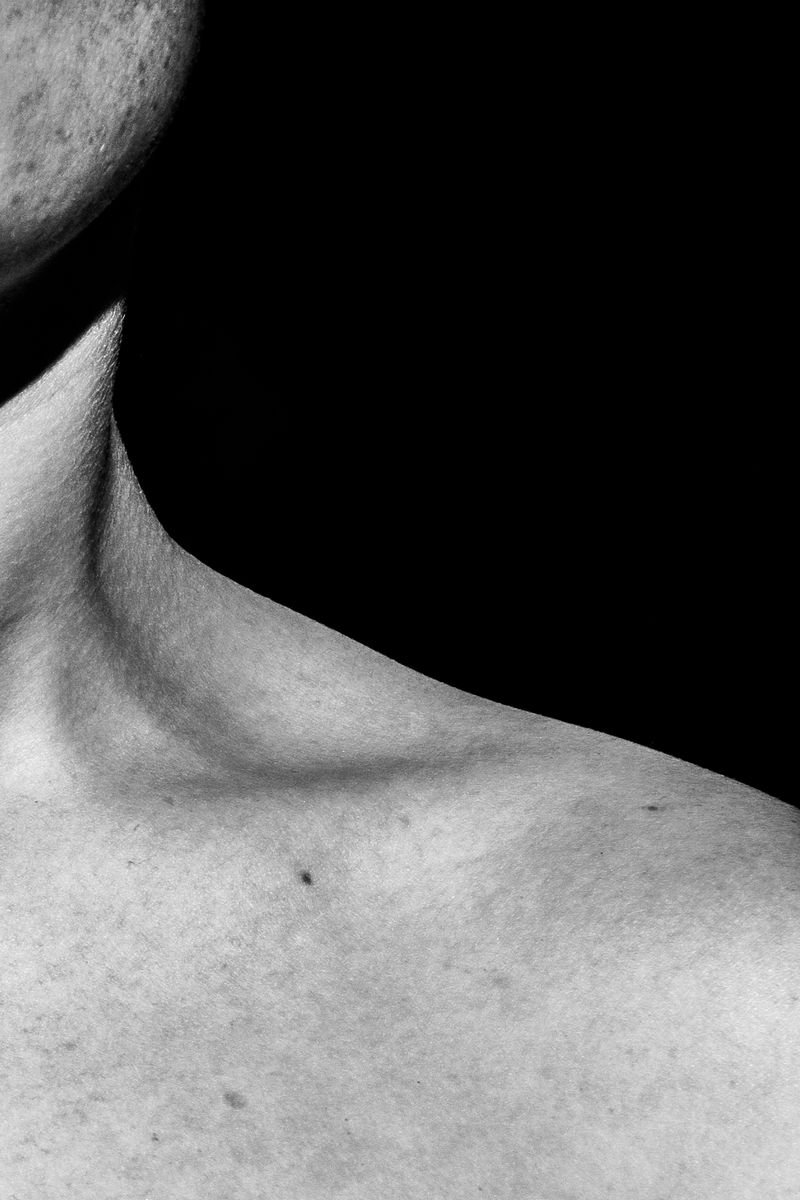
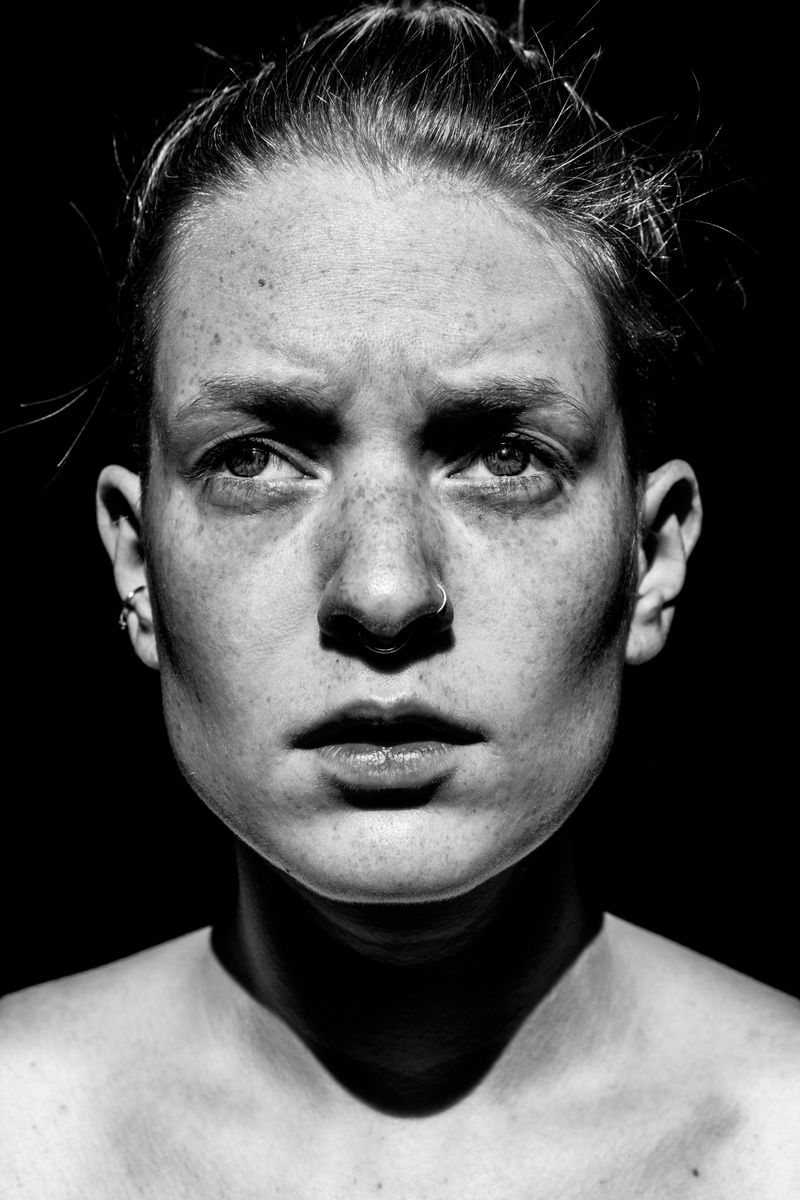
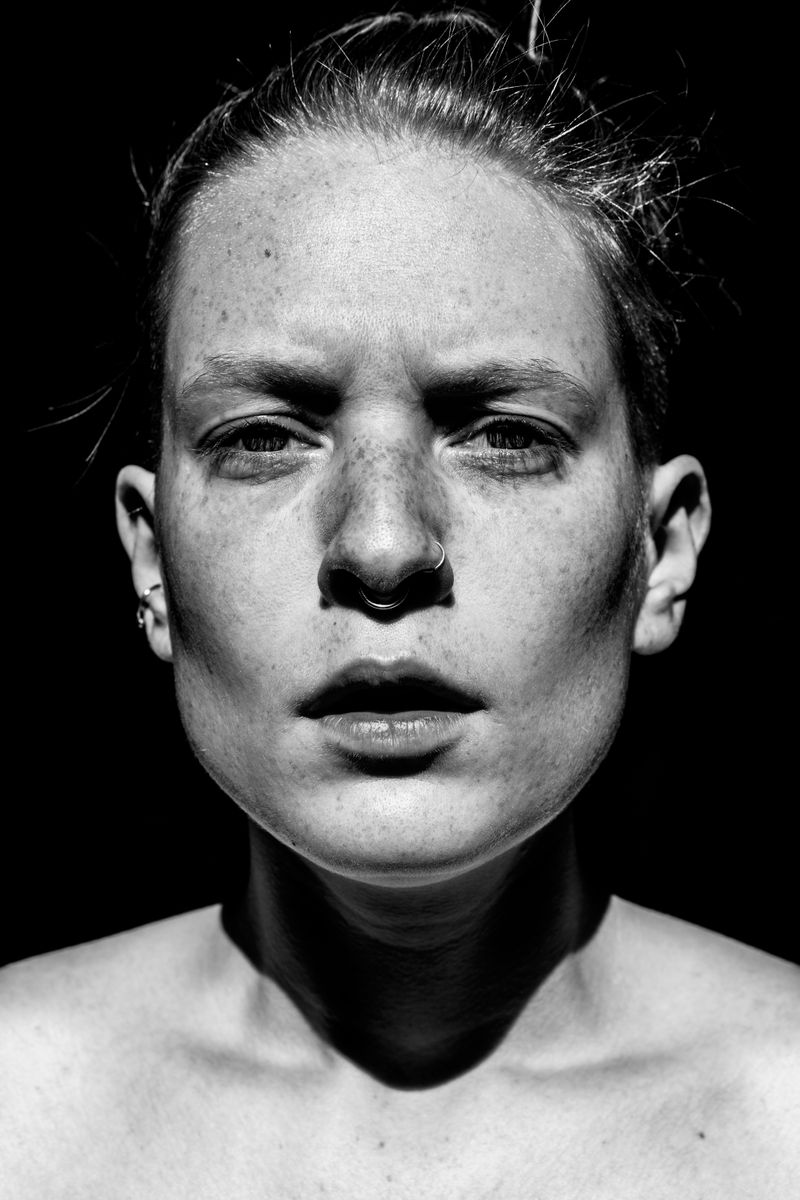
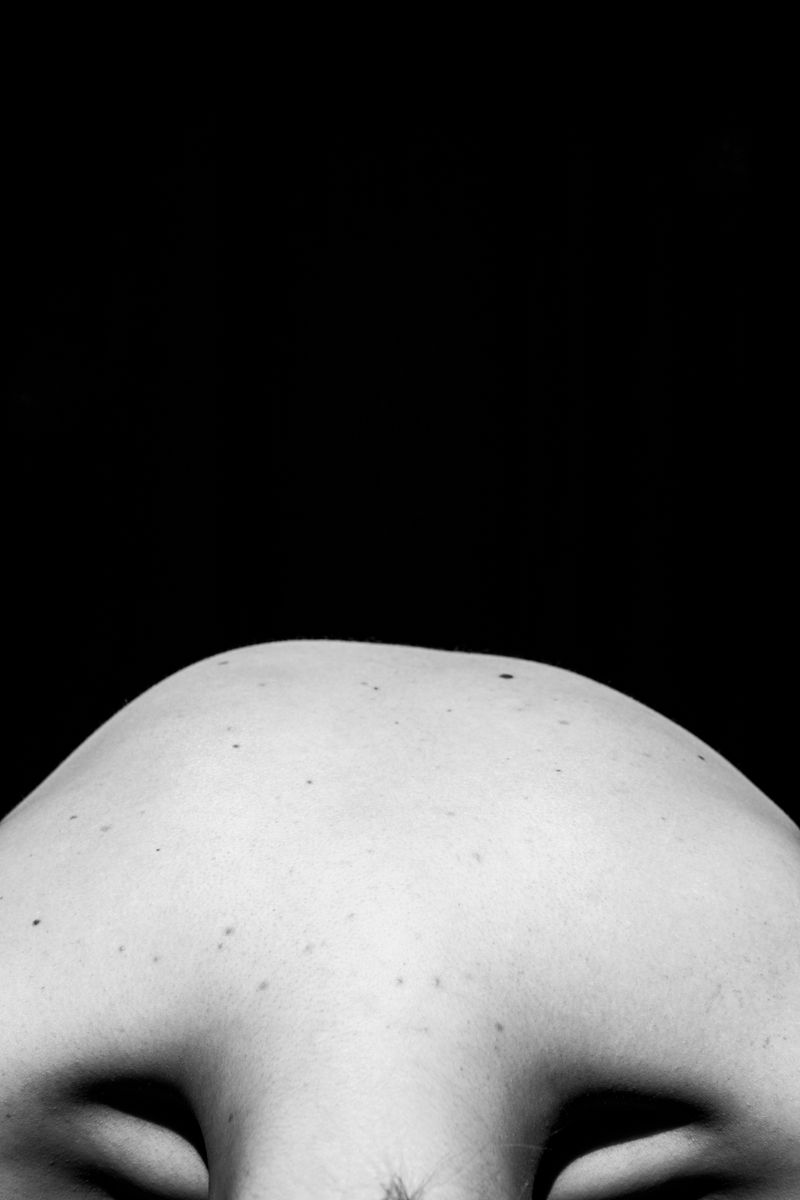
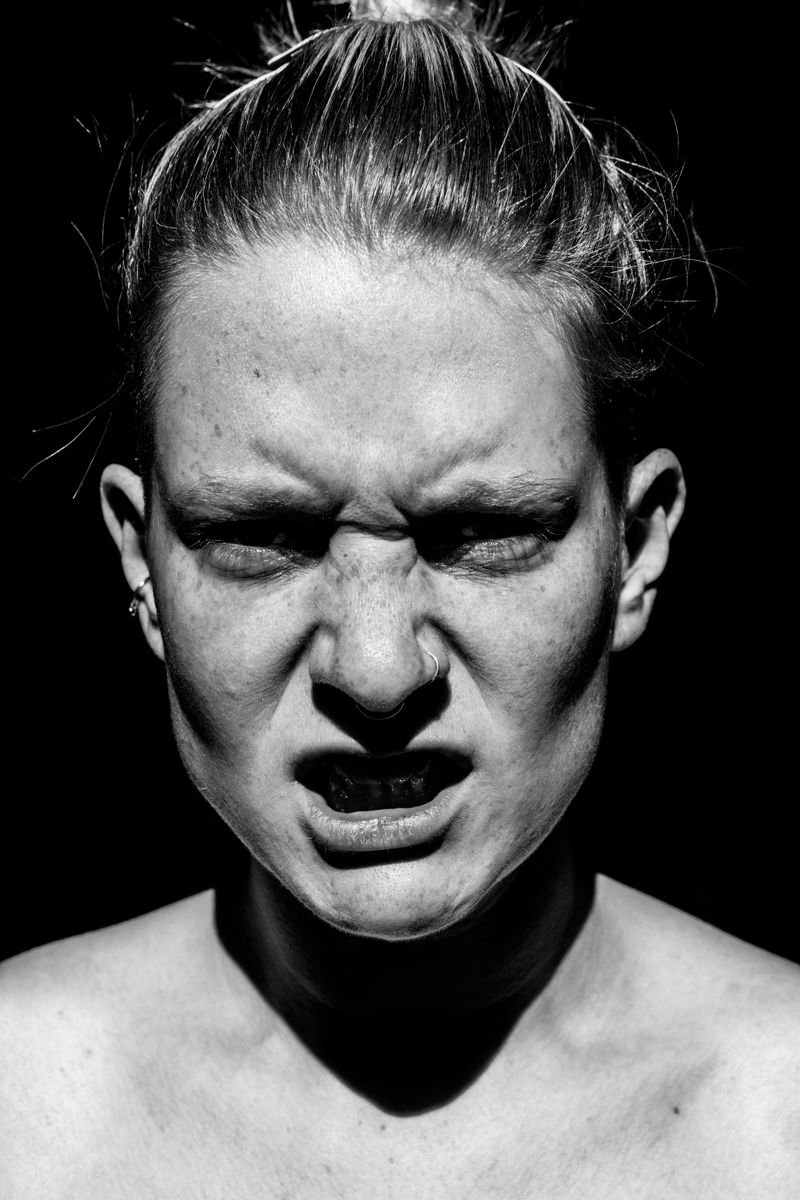
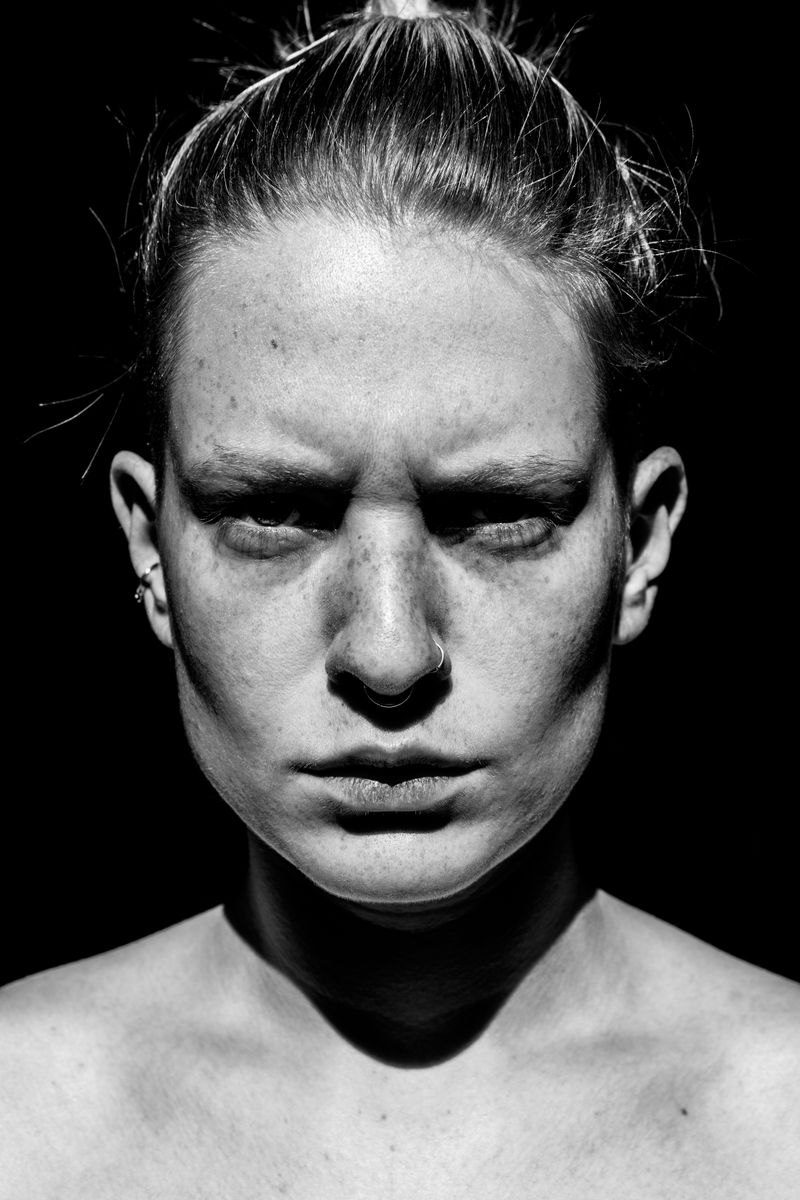
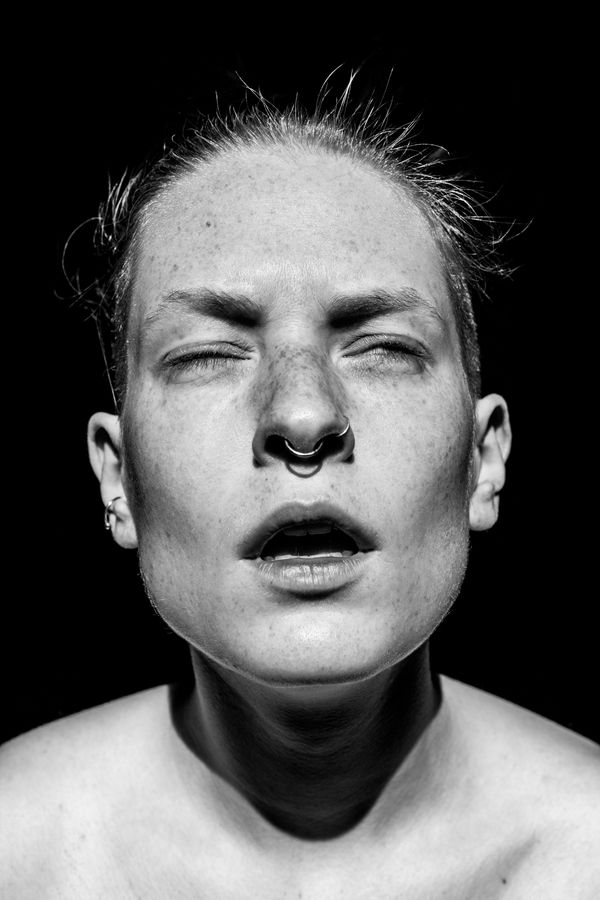
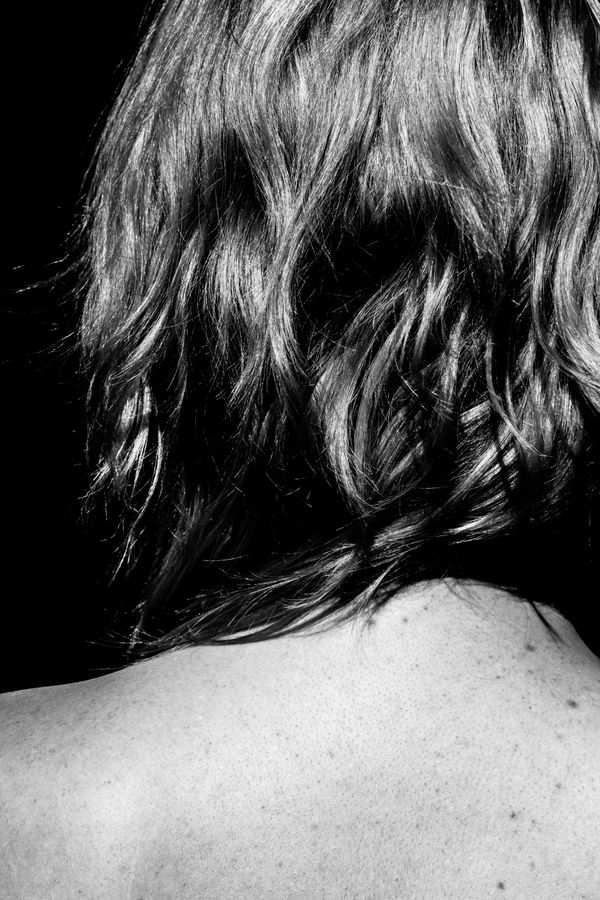
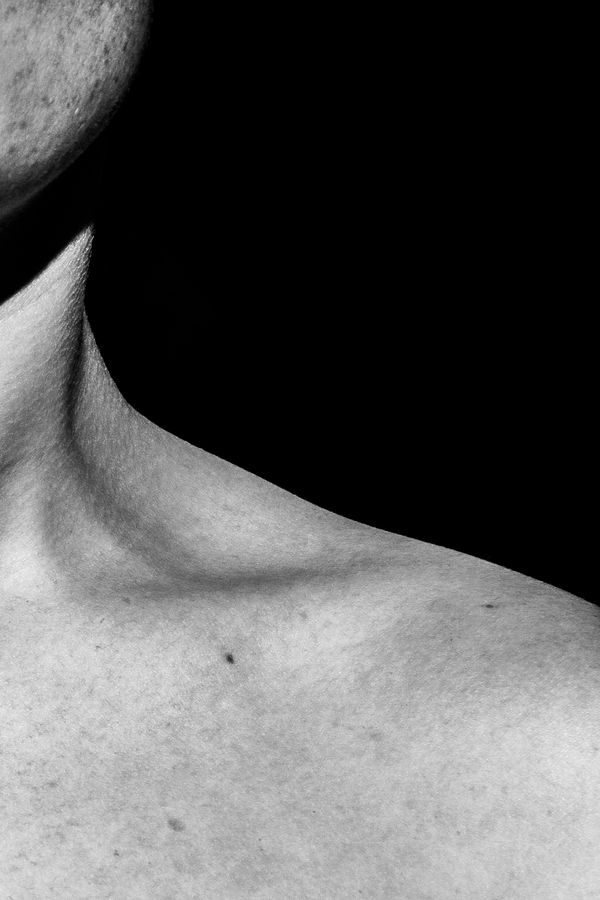
This fifteen-image series is representative of an act and its after-effects; one that the protagonist was ill-prepared for – "I Wasn't Ready" – but will never forget. After the initial act, the protagonist begins to process what they have just experienced. "Head For Thinking (Giving)" is the realisation that they are not allowed to live solely for themselves; that they are expected to give parts of themselves to others, for the benefit of others. Give their time, give their attention, give their energy, give their body, to others. "Shoulder To Cry On" is the realisation that the protagonist wasn't fully prepared to be let out into the world as a "free" woman. The realisation that freedom comes with shackles of its own. The protagonist still holds the innocence of a child in some aspects – still needs to be cared for, and nurtured by the ones who are privy to the ways of this ruthless world.
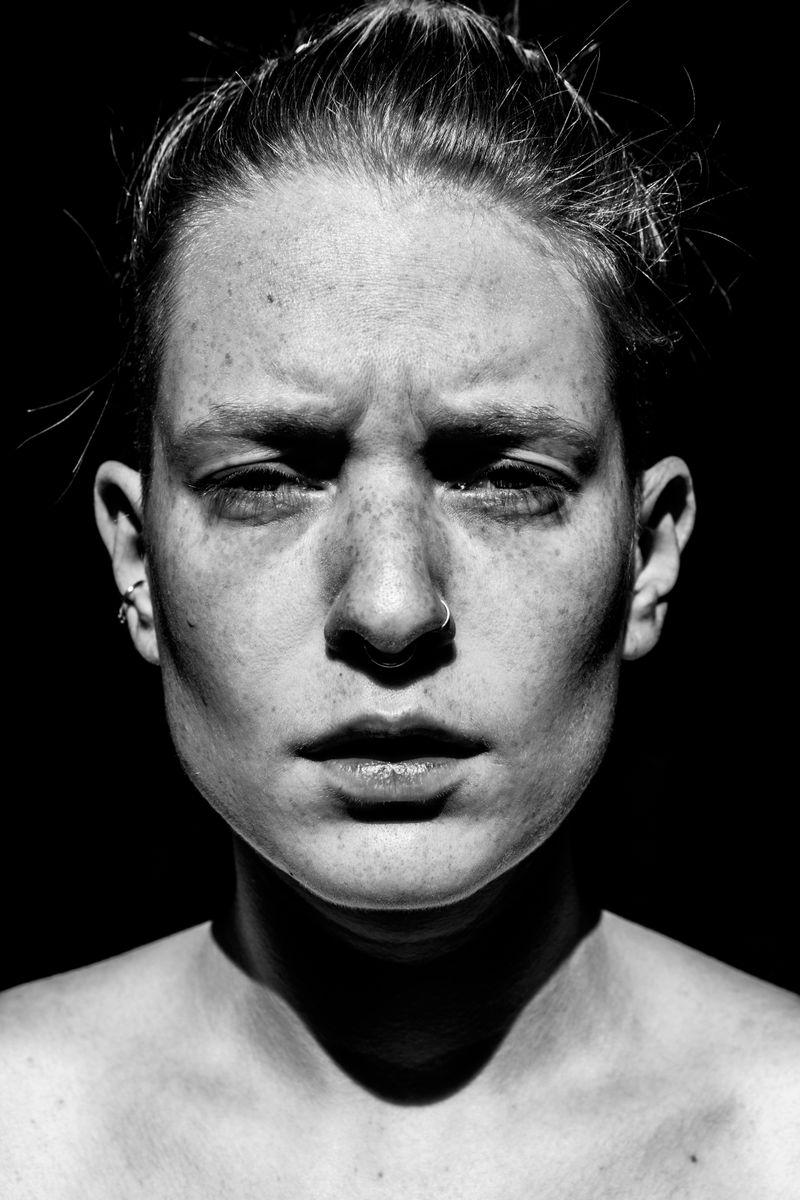
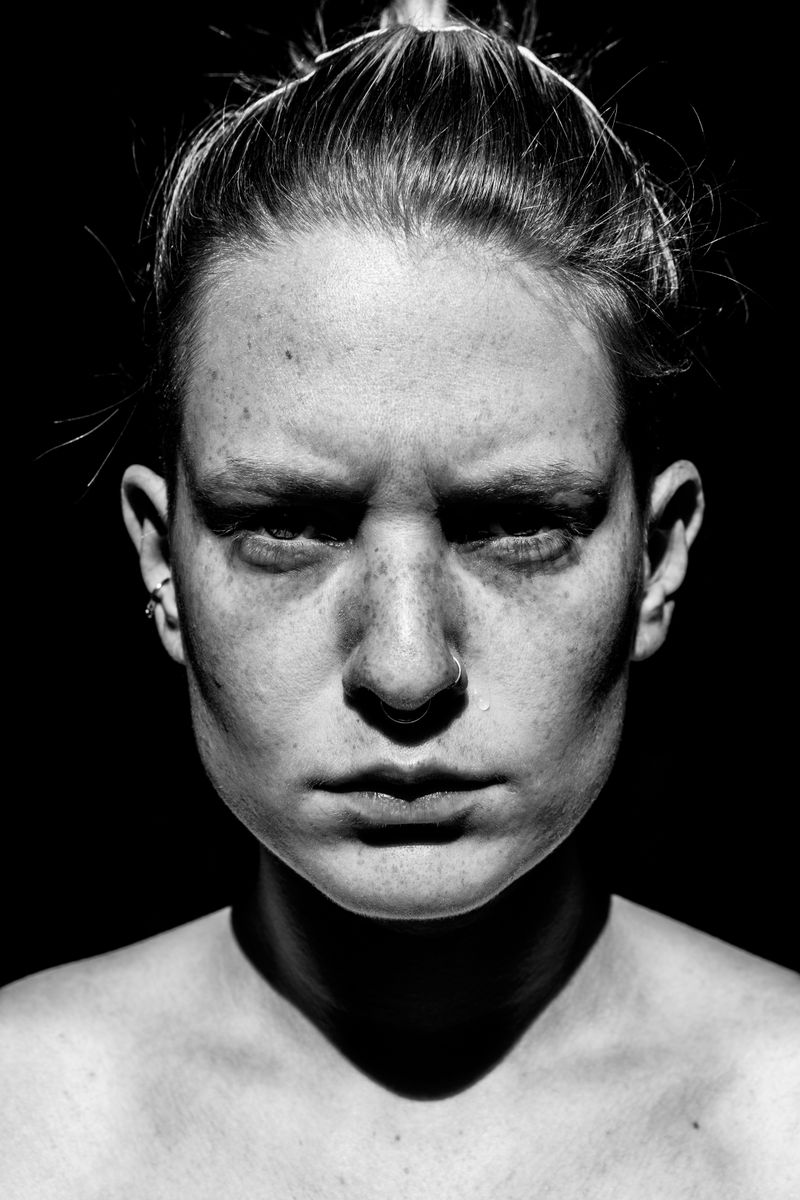
"Pain Is Beauty" is capturing a moment, where the protagonist has been told to deny their own feelings, belittle their experience, and "suck it up". To get over the thing that has changed the way they walk through life forever. The contortions of the face embody the internal battle of repressing the protagonist's traumatic experience; a physical response to a mental discomfort. These suppressed emotions escape the mind in the form of one single tear, which – like their feelings – is brushed away in an instance.
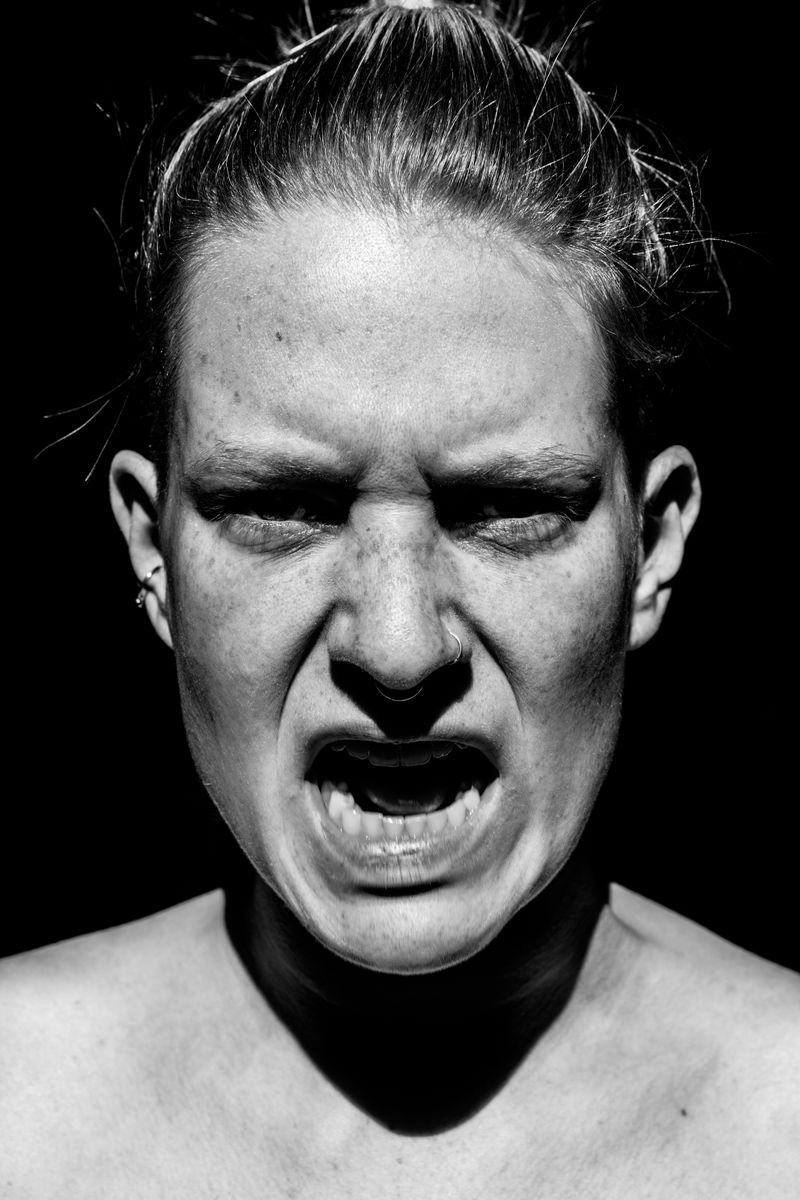
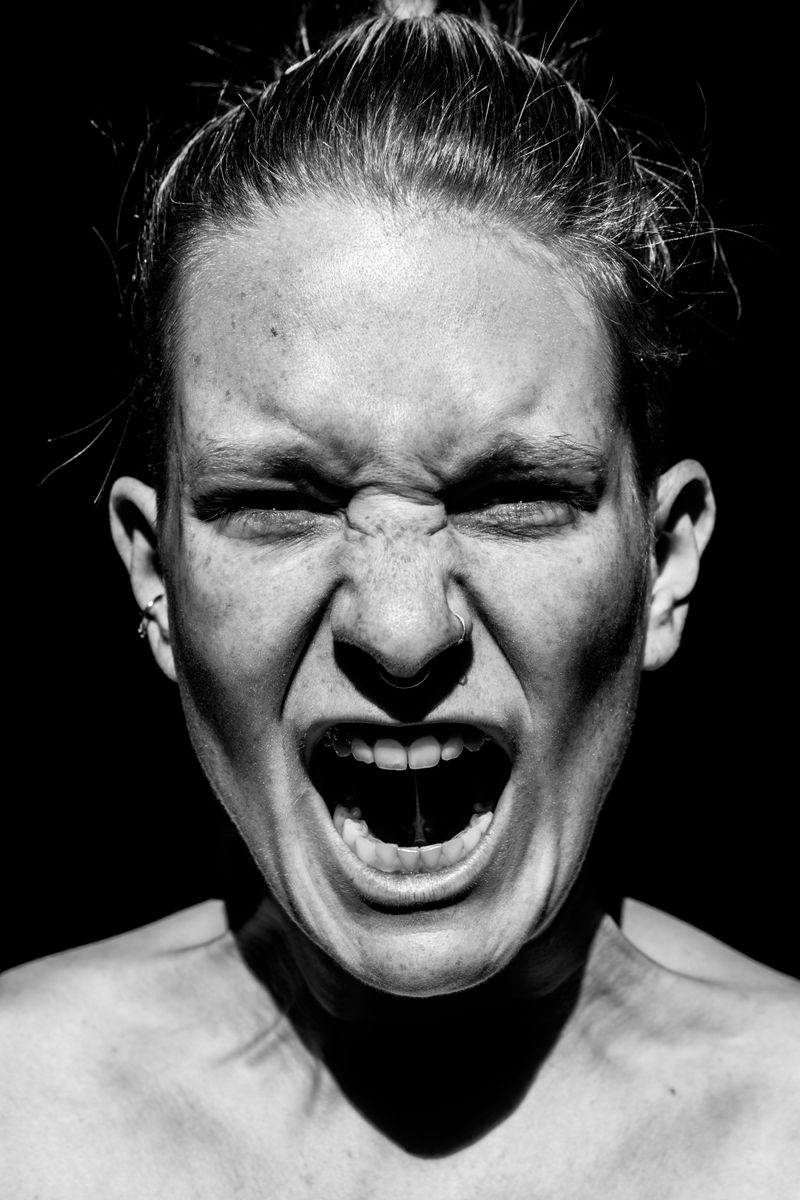
"Make My Skin Crawl" is the knee-jerk, physical response that the body has to an emotional trauma long after it has been experienced. Highlighting the effects that these realisations have on the protagonist – the distaste, the anger, the uncomfortability, the fear. It represents the lingering consequences of some of the more sinister parts of the female experience, which can be involuntarily re-experienced through physical, emotional or psychological triggers.
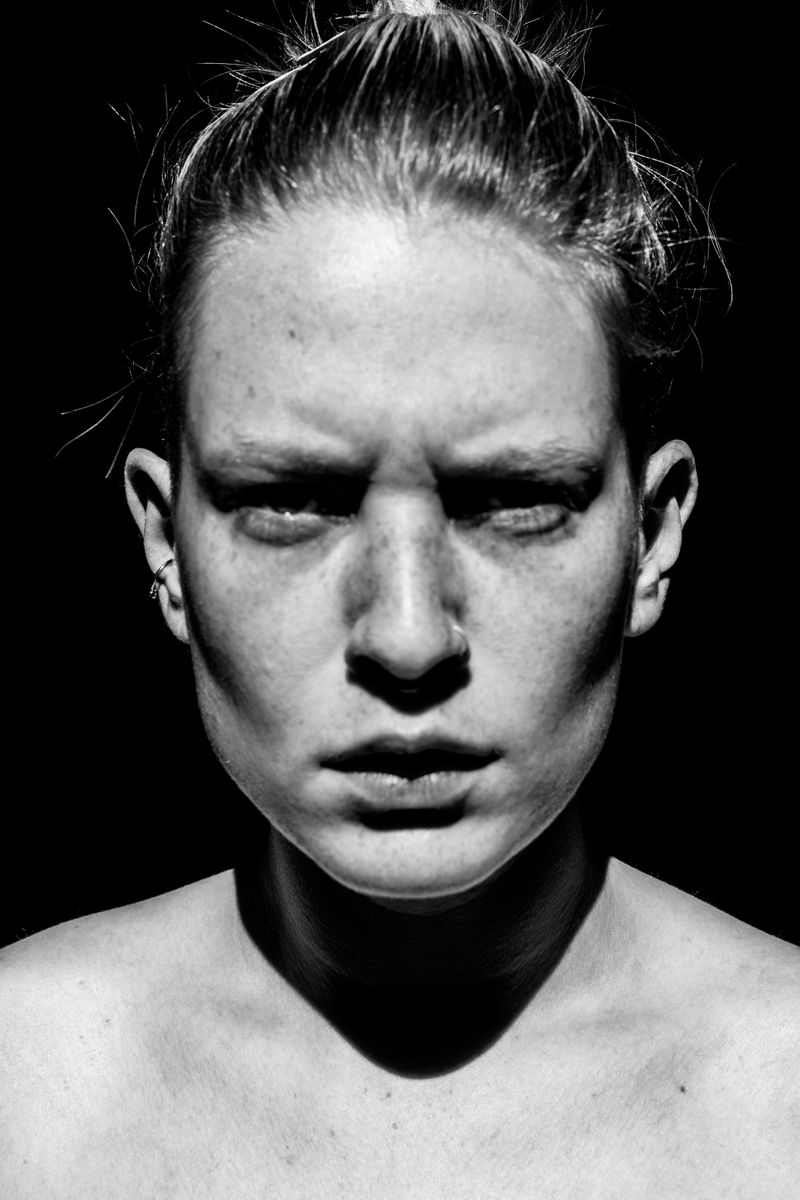
"Not Mad, Just Disappointed" is the resolution that the protagonist comes to after going through this cycle of thoughts and emotions. Their vision was blurred, their outlook on the world skewed and misrepresented; through no fault of their own, simply that no one had shared with them the harsh truths that this world holds. No one told them that what is expected of them isn't always right. And upon learning of these truths, they are now presented with a choice: to conform or to rebel. To accept that they are considered inferior, or to fight back and prove that they are worth far more than others think of them.
Not mad, because you know that everyone has been taught by someone, just disappointed that they never chose to question or go against what it was they had been taught.
Come As You Are asks women to come forth, wholly accept and present themselves to the world for who they truly are: their experiences, their struggles, their emotions, their inner strength, their power, their mind. Too often we are told to detach ourselves from the things that make us seem "weak" and vulnerable. But weakness is only perceived as such by those who have not had to experience it for themselves. Weakness, in and of itself, is powerful, and vulnerability opens up the doors to conversations of change.
This project is accompanied by an open-letter and written word.