Climate Banter
-
Dates2023 - Ongoing
-
Author
- Locations Dubai, Baku
The UN climate talks have become a stage for greenwashed projects over real change, turning the climate crisis into financial opportunities. This project examines the contradictions at these talks, hosted in petro-states.
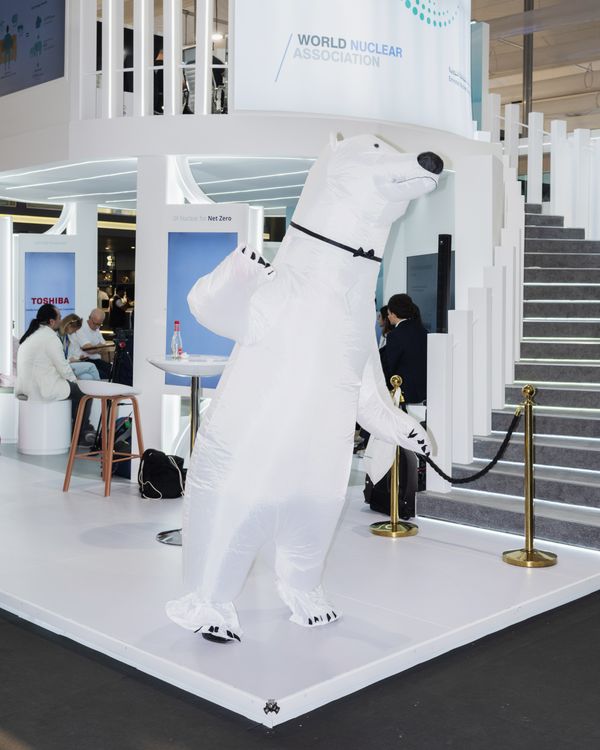
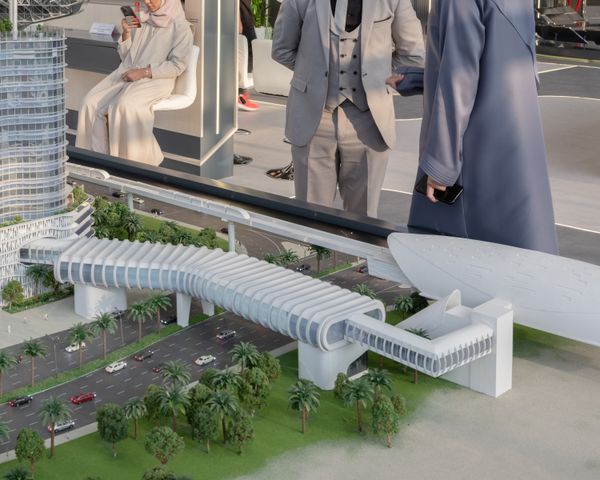
The ongoing climate crisis—and the global efforts to address it—has quickly become one of the biggest financial opportunities since the dot-com boom. With industries and investors flocking to the green economy, the UN climate talks have become a prime stage for those eager to profit while presenting themselves as environmental saviors. The solutions proposed often prioritize financial gain over real ecological change. De-growth, for instance, is absent from the conversation entirely—simply because it isn’t profitable. Instead, we see a marketplace of green-washed mega-projects and superficial innovations, as tempting as a billionaire’s tax break.
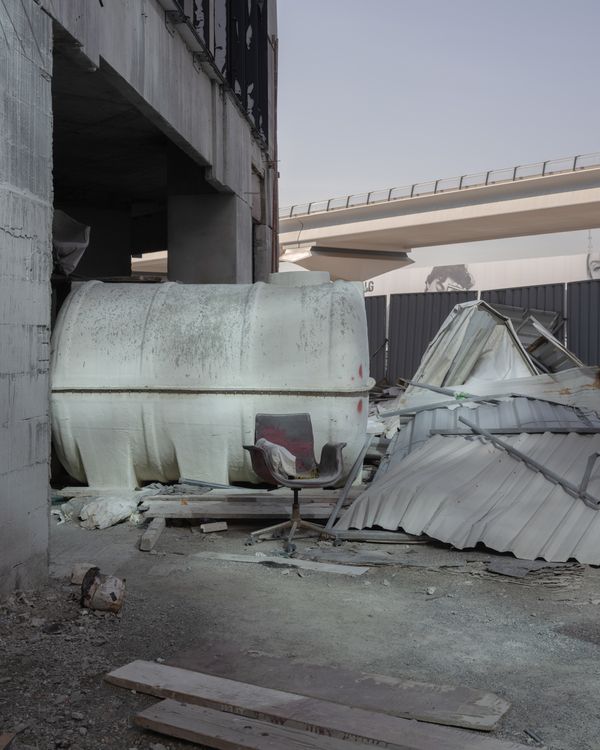
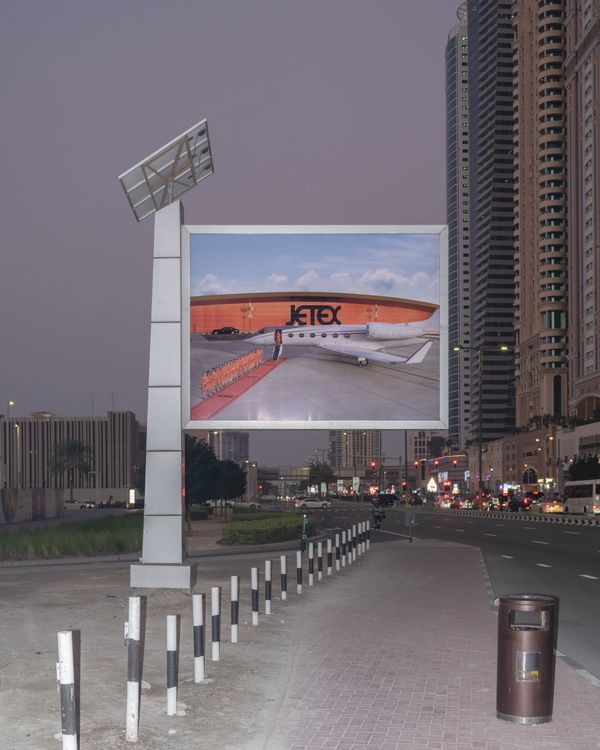
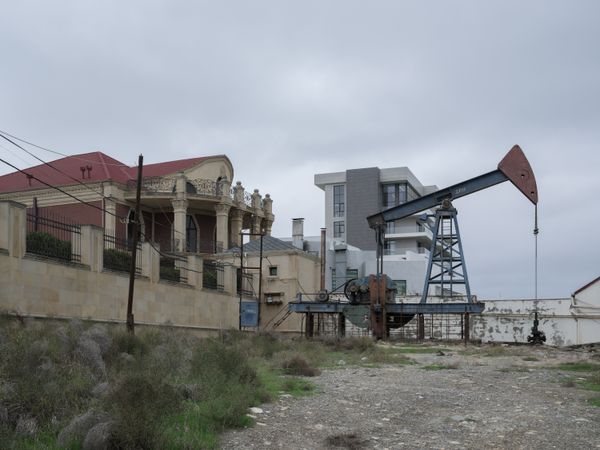
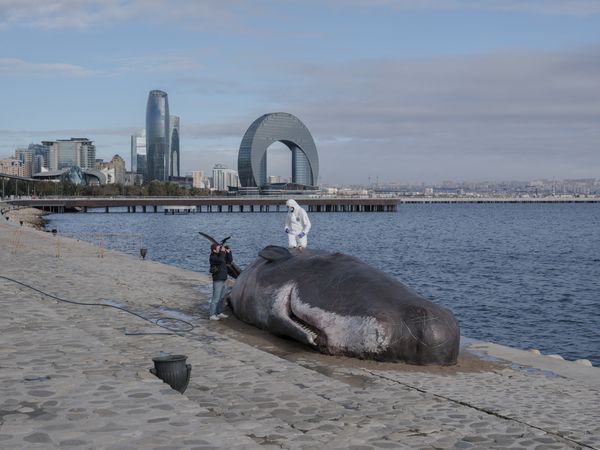
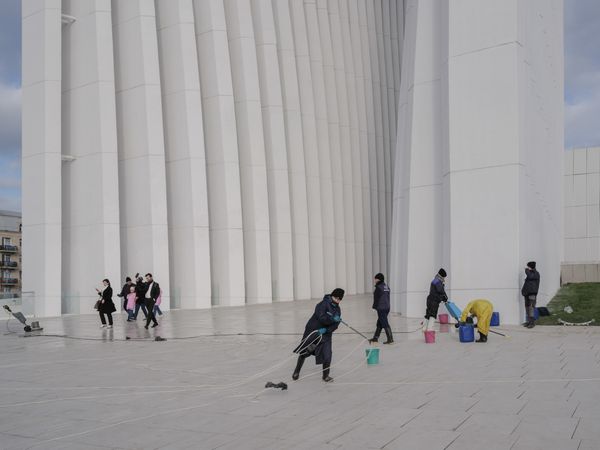
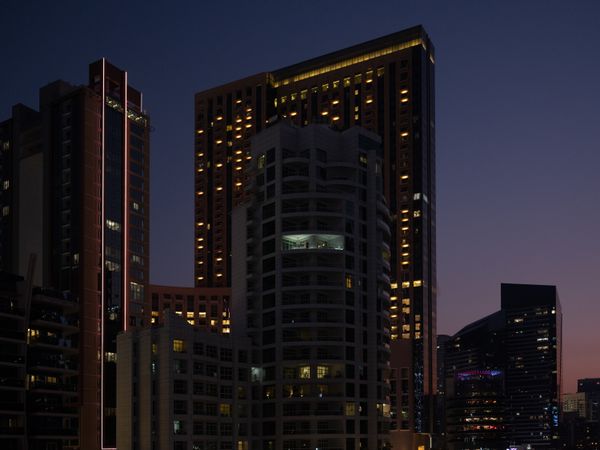
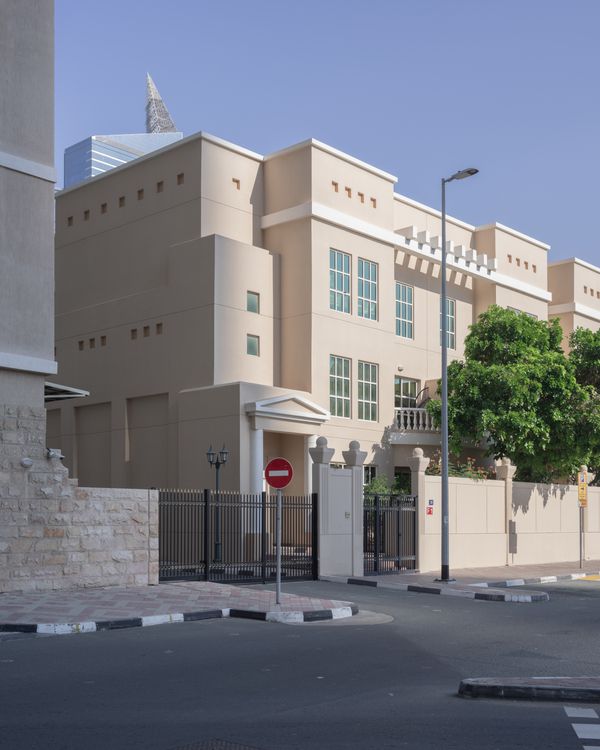
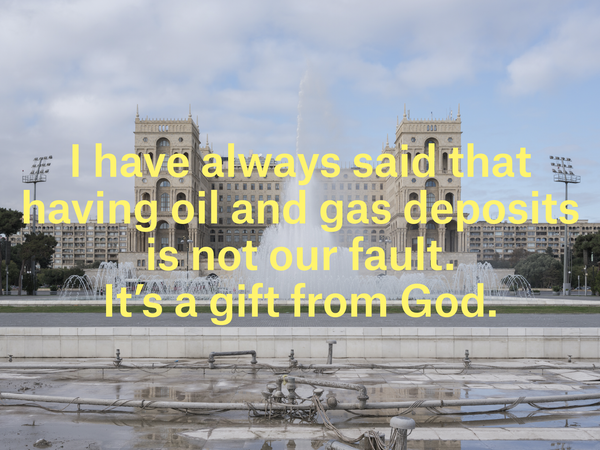
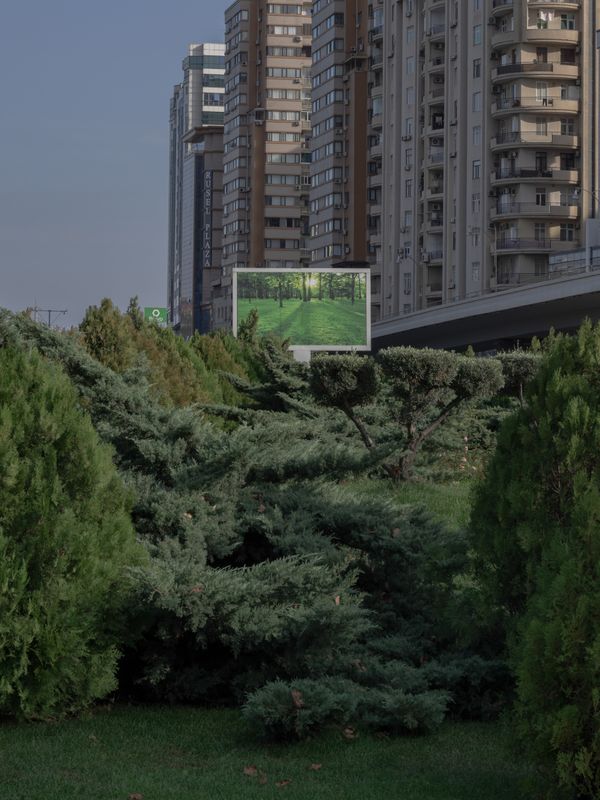
Choosing cities like Dubai and Baku to host these talks underscores the irony at the heart of climate discourse. Both are deeply tied to the fossil fuel industry, standing as symbols of the contradictions within COP. This project not only examines the climate talks themselves but also explores the host cities and their surroundings—revealing the tension between climate action’s ideals and its real-world implementation.
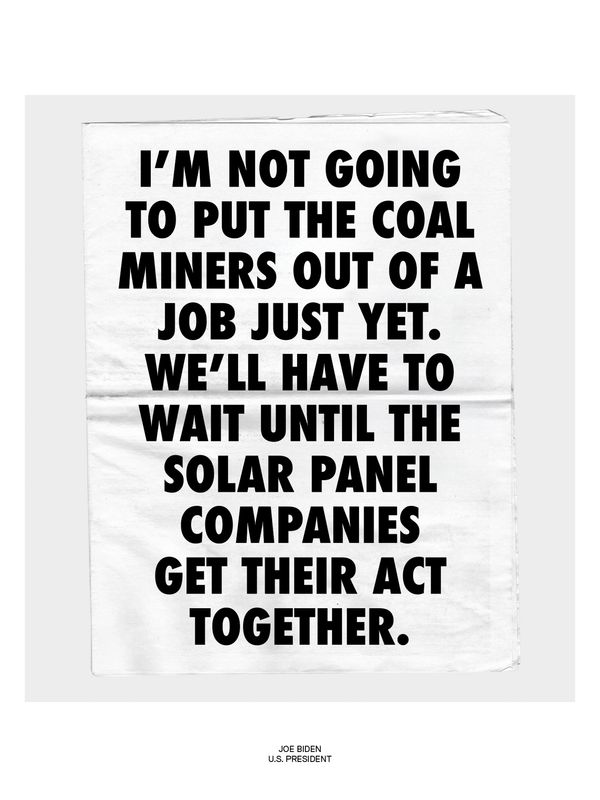
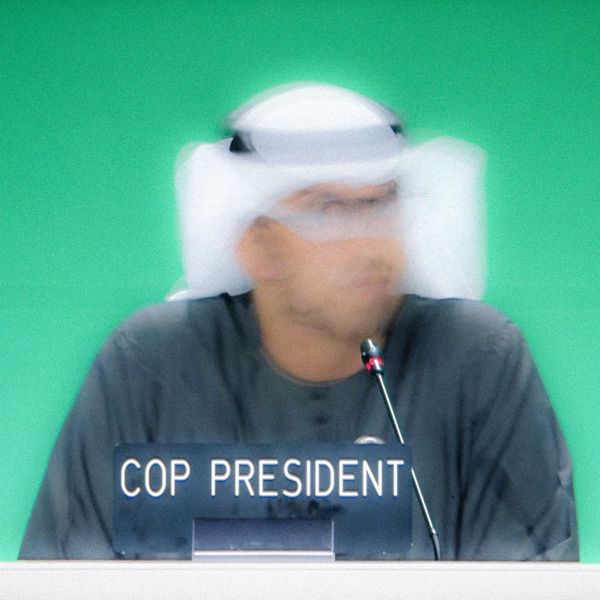
This tension is made even more glaring by the absurd rhetoric we hear from both the host countries and the Western officials involved. They discuss climate initiatives, but their actions—both economic and political—often tell a different story. It’s as if they speak about a different reality, while fossil fuel dependency remains firmly in place.
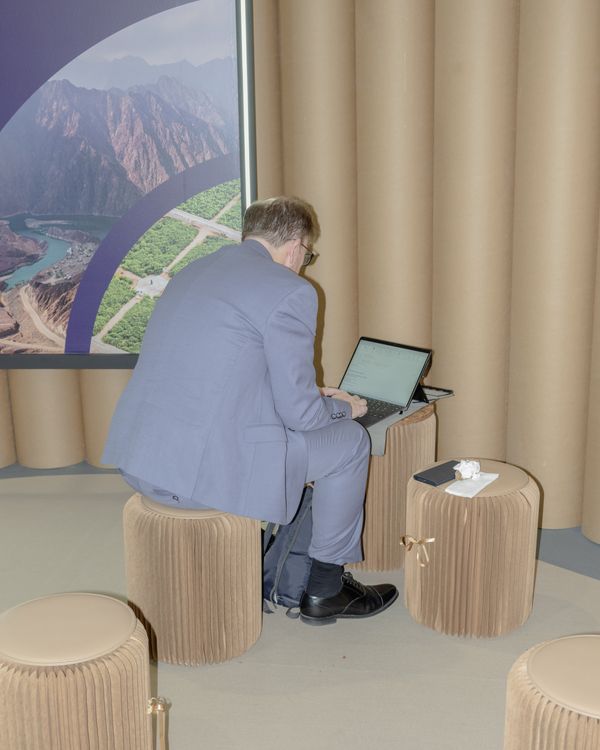
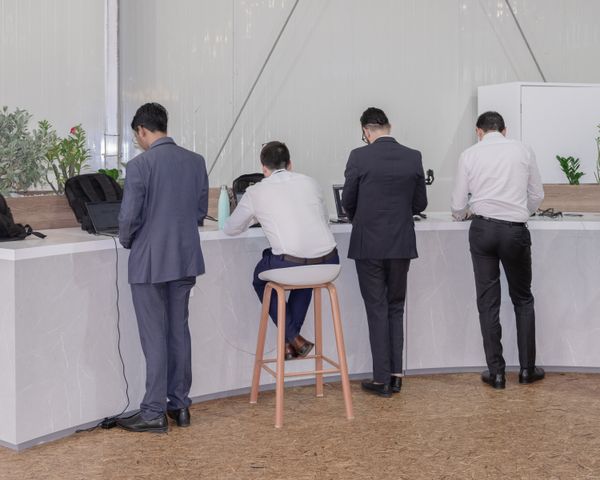
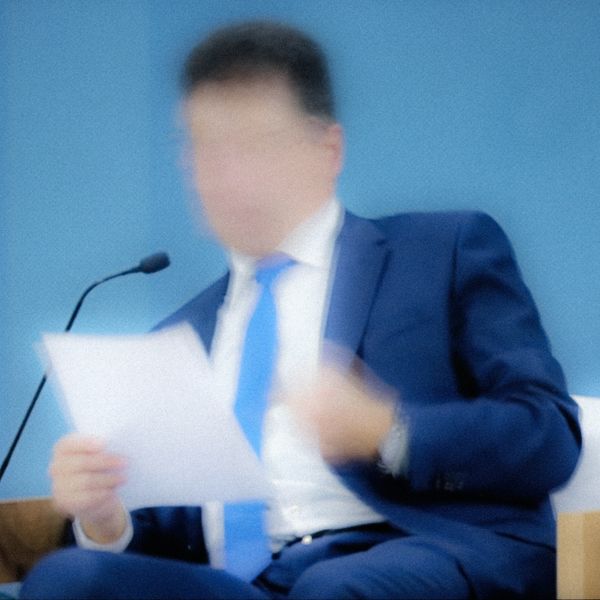
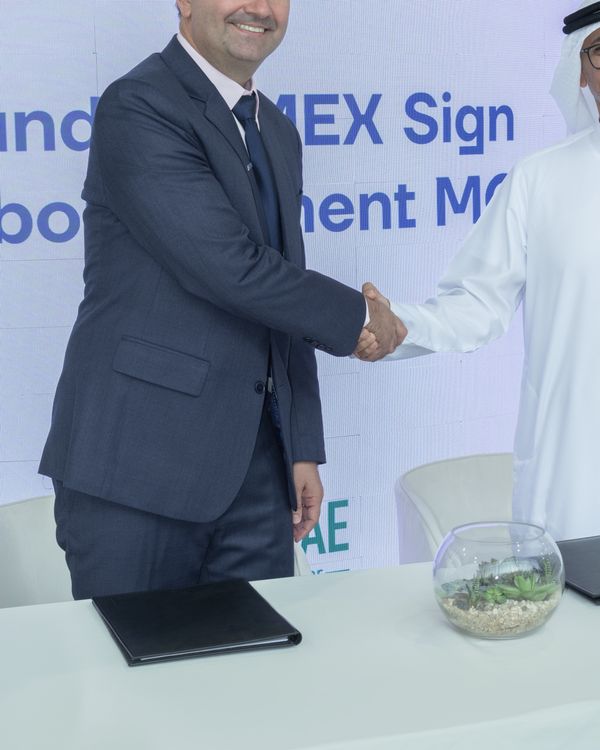
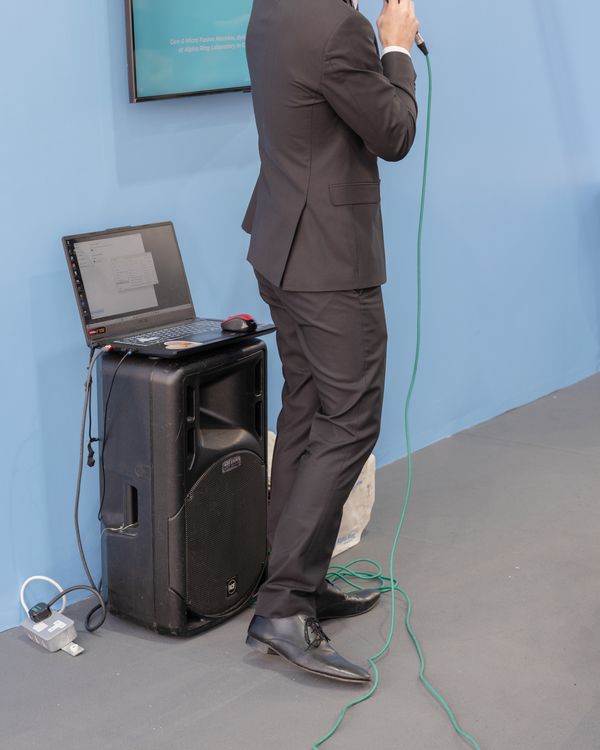
This project seeks to peel back the layers of artifice surrounding the climate talks and show what happens beyond the media spectacle. Without accreditation and as an ordinary citizen, I had access only to spaces that the general public can see—no VIP meetings or insider perspectives. This offers a direct glimpse into the talks as they unfold for those outside the corridors of power. Through photography, I focus on the often-overlooked spaces and moments—the contradictions, power dynamics, and anonymous quiet handshakes happening behind the scenes.
Ultimately, this work invites us to reconsider the forces shaping our future and question whether real progress is possible when those in power remain so deeply embedded in the very systems that caused the crisis in the first place. It highlights the vast gap between these entrenched authorities and organisations advocating for real ecological change, raising the question of whether building bridges is even possible in such a divided landscape.