Cibelis
-
Dates2025 - Ongoing
-
Author
- Topics Contemporary Issues, Editorial, Fine Art, Archive
- Locations Catanzaro, Italy, Nocera Terinese
Cibelis originates from the ritual of the Vattienti, an ancient devotional practice rooted in acts of self-flagellation. Emerging from this context of embodied pain and collective memory, the work explores the fragile power of the image.
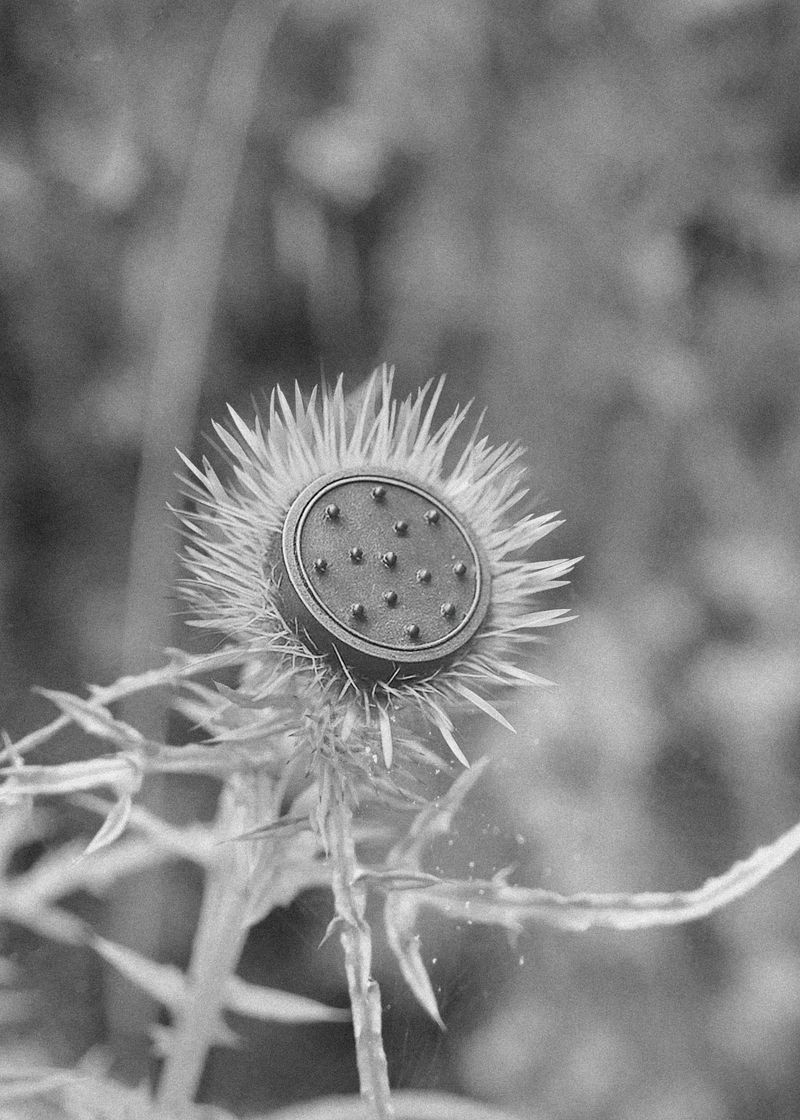
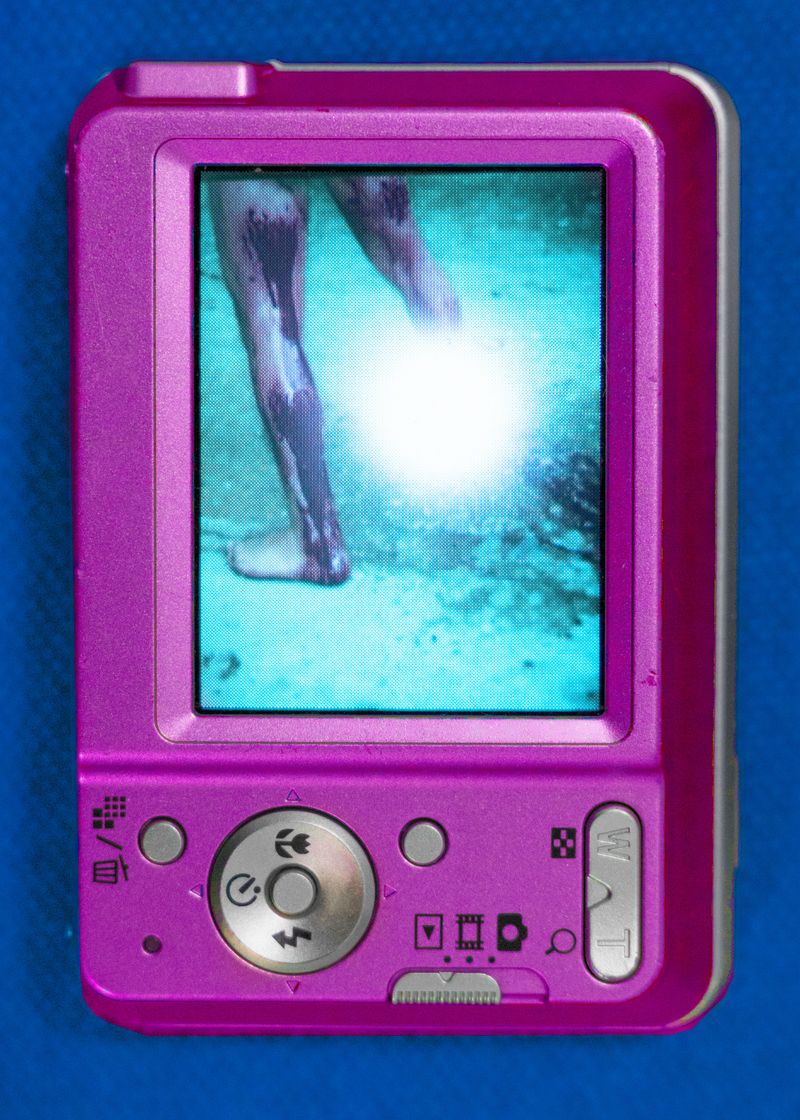
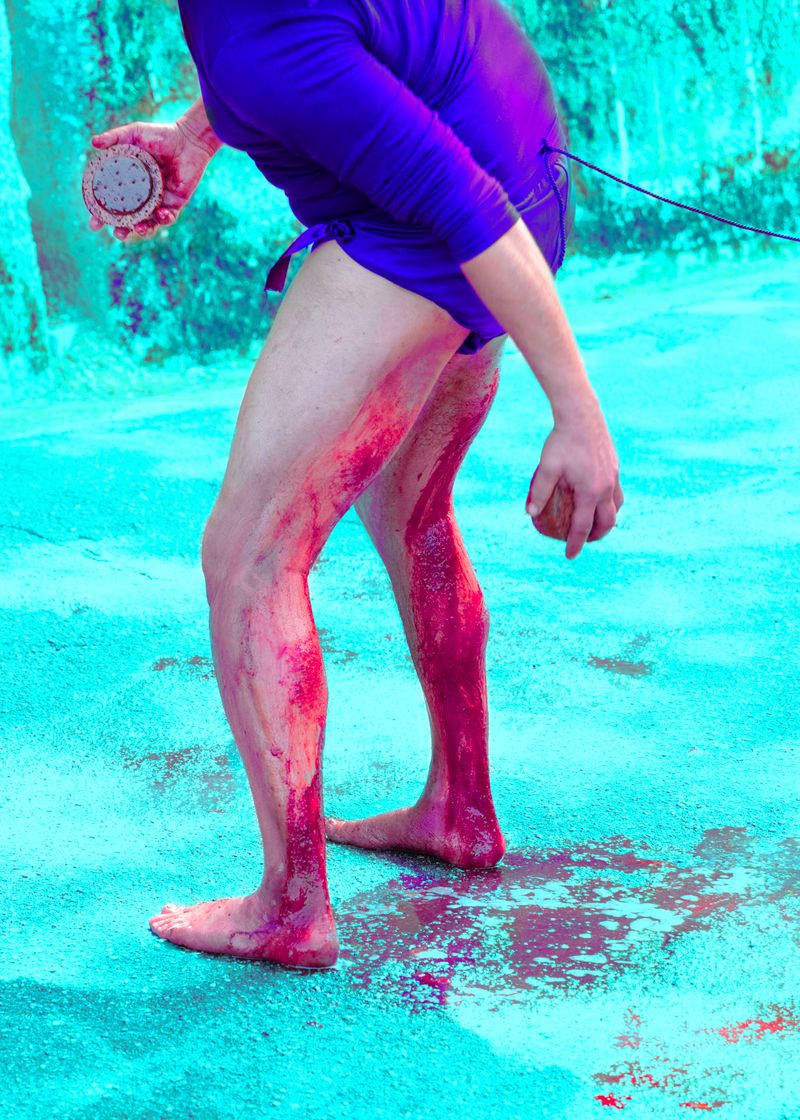
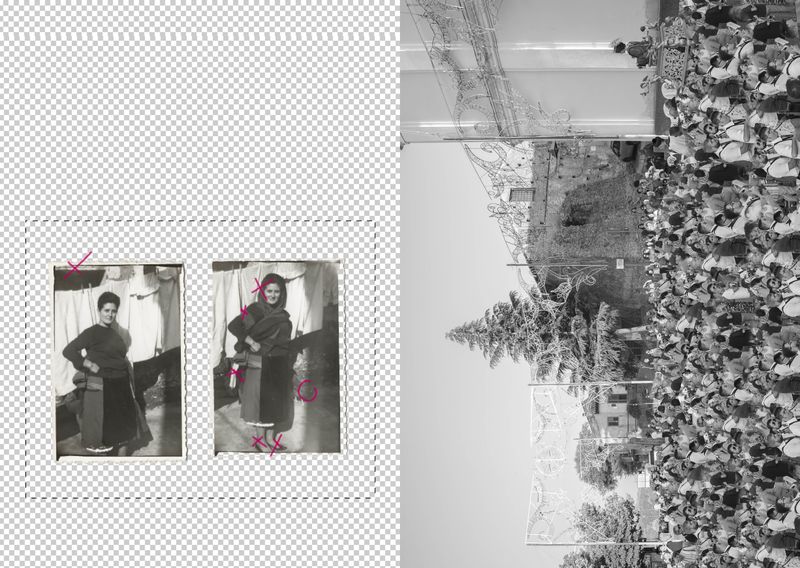
Cibelis originates from the ritual of the Vattienti of Nocera Terinese, a controversial Italian devotional practice that still involves self-flagellation with a tool called cardo. It is a circular cork instrument equipped with shards of glass, which, when in contact with the skin, causes lacerations and bleeding. Every year, during Holy Week, hundreds of Vattienti walk through the streets of the town and cover them with blood.
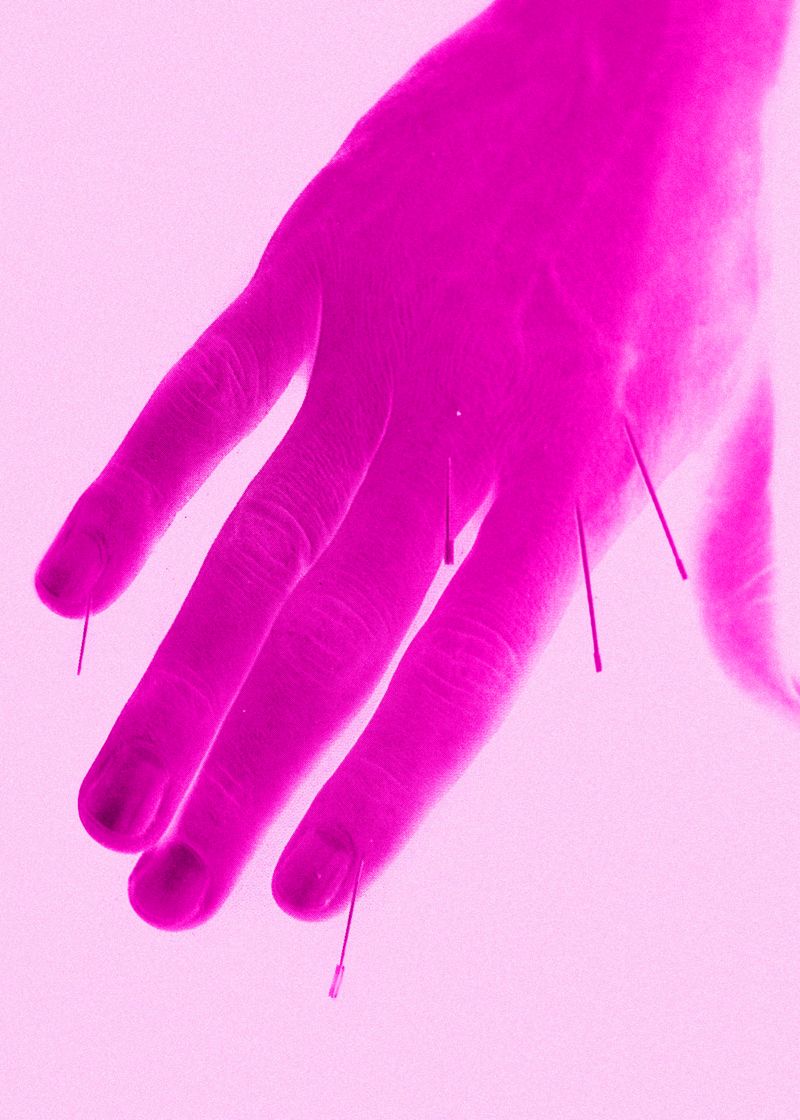
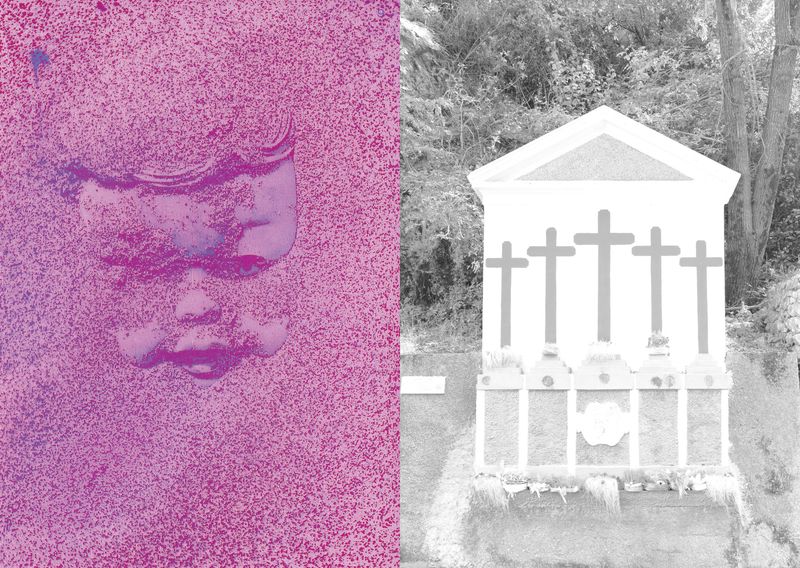
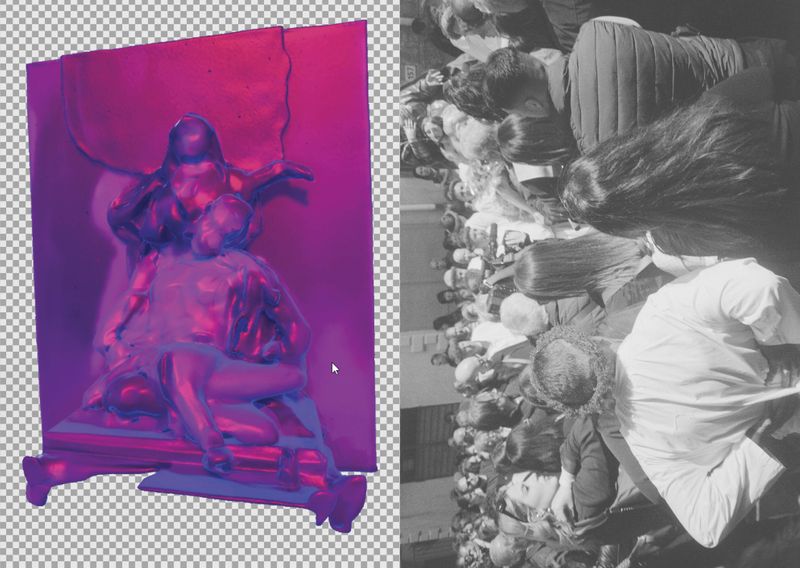
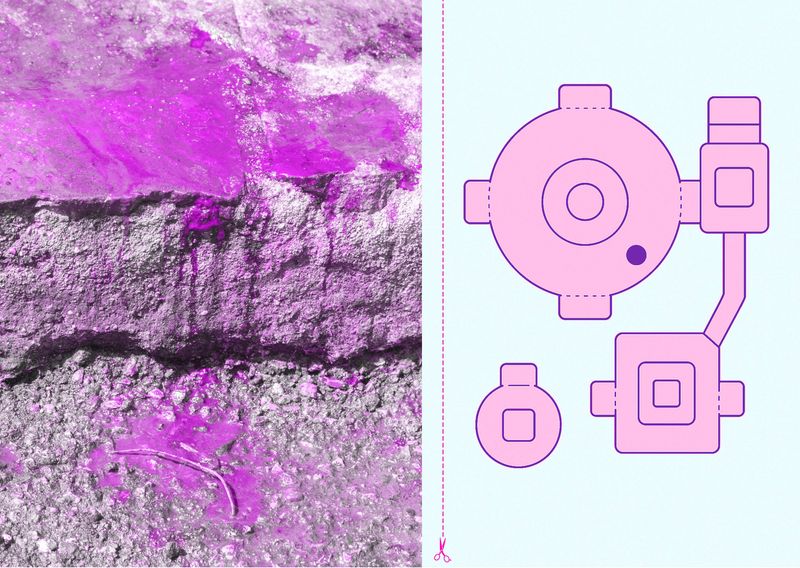
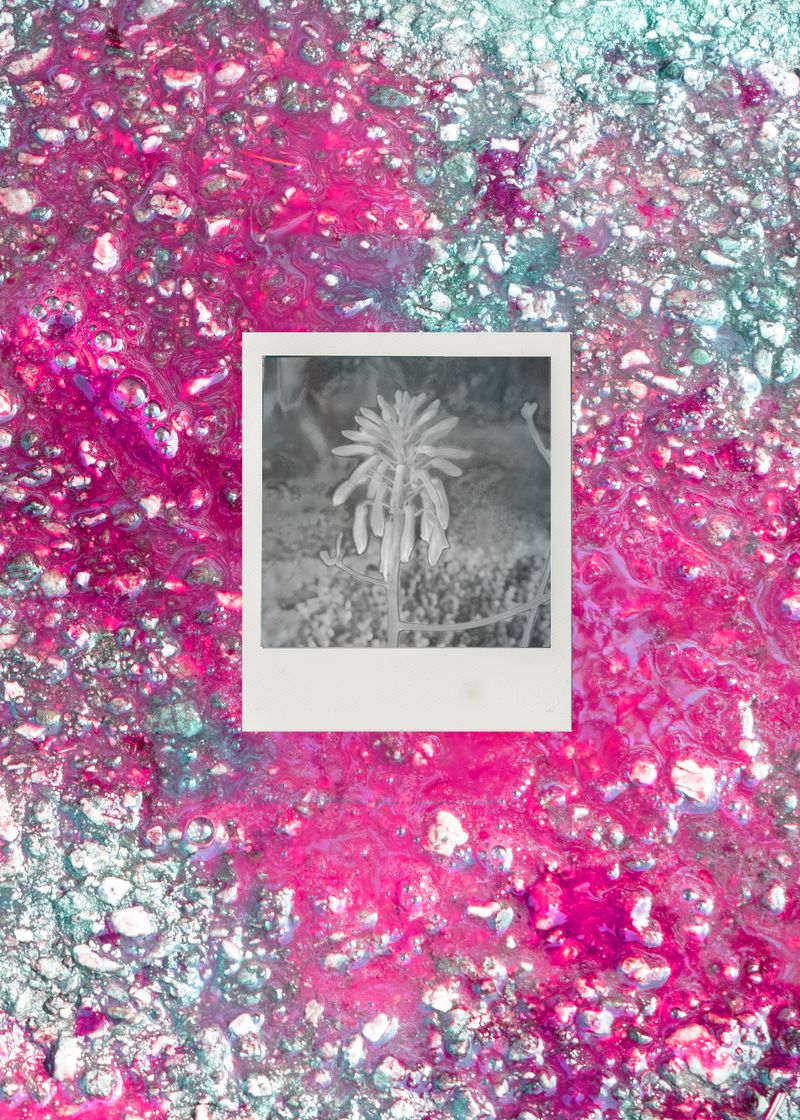
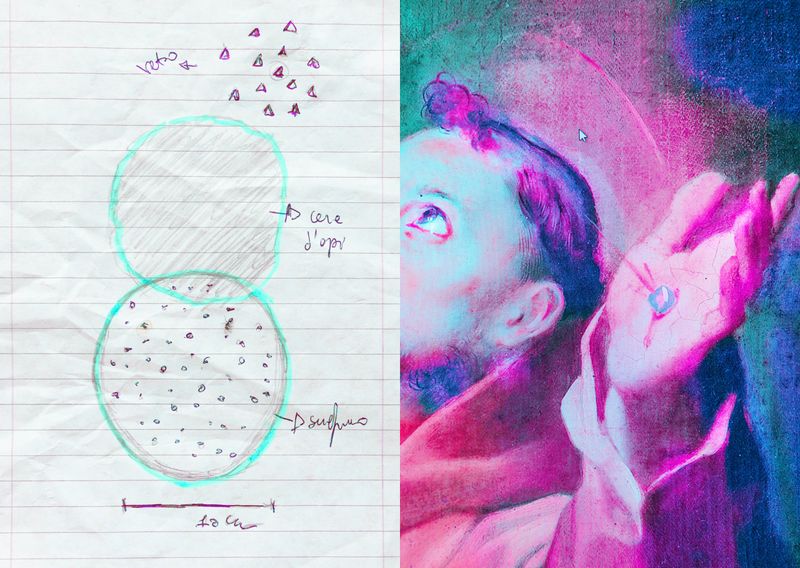
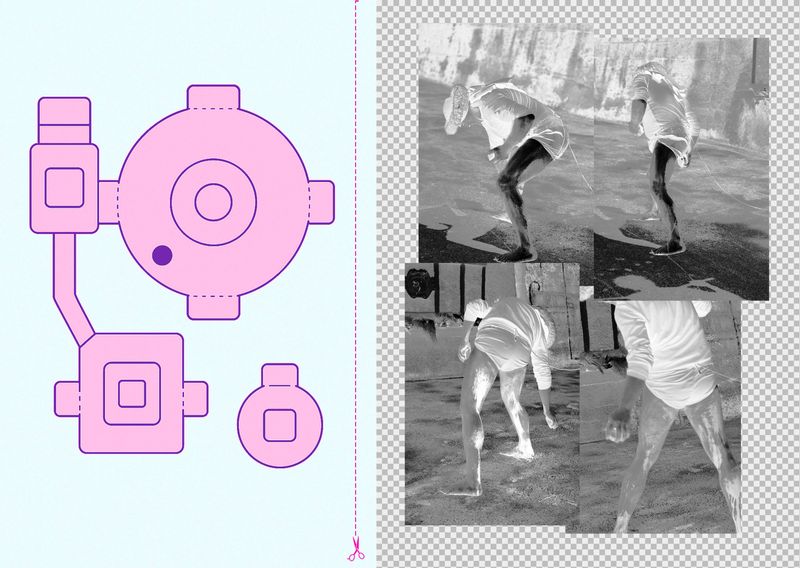
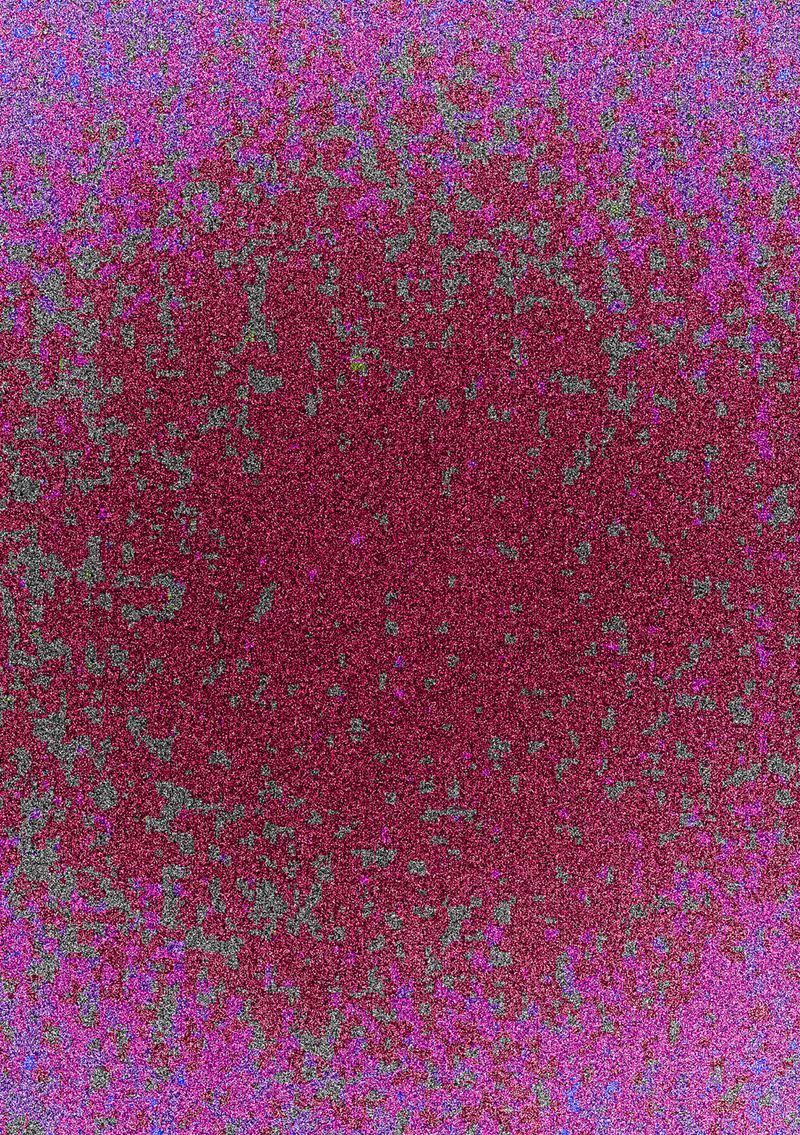
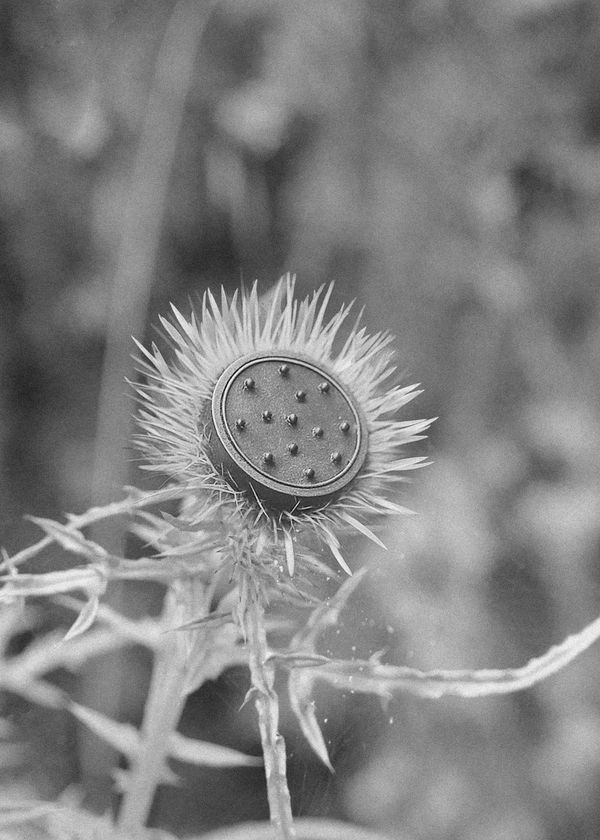
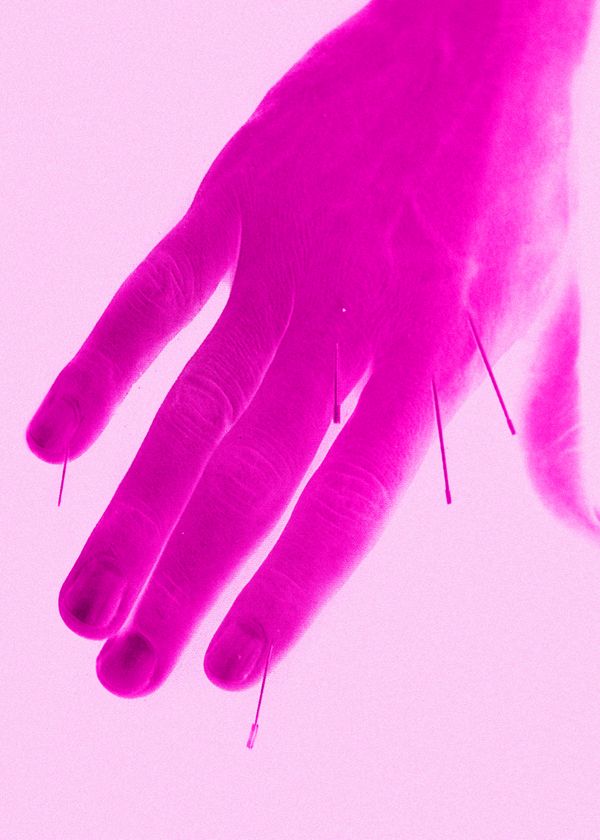
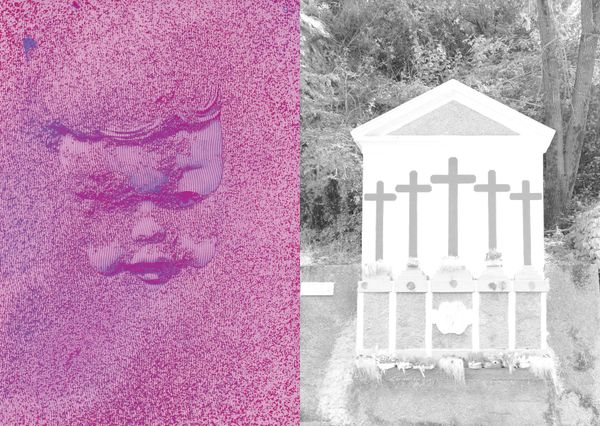
The images of the project inhabit a space suspended between documentation and fiction. Through unnatural chromatic choices, digital insertions and manipulations with Artificial Intelligence, the artist constructs a universe that disrupts the linearity of tradition in order to open it to new interpretations. In this world, the cardo transforms, taking on different manifestations, as part of a taxonomic study.
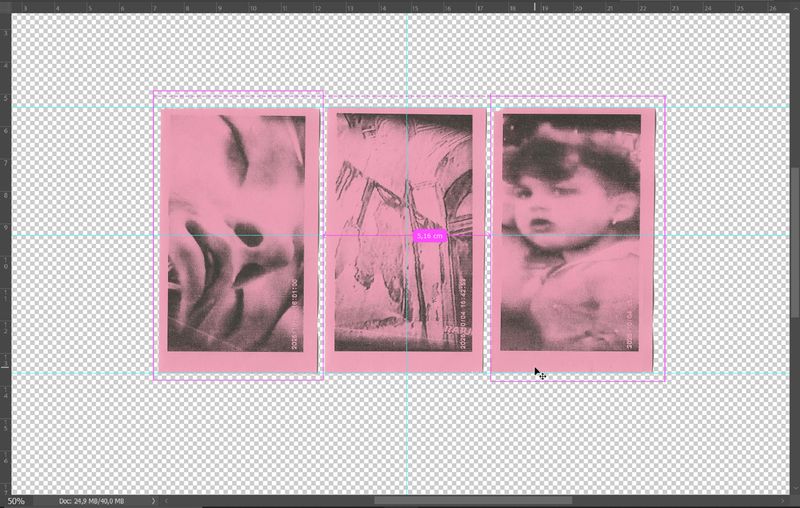
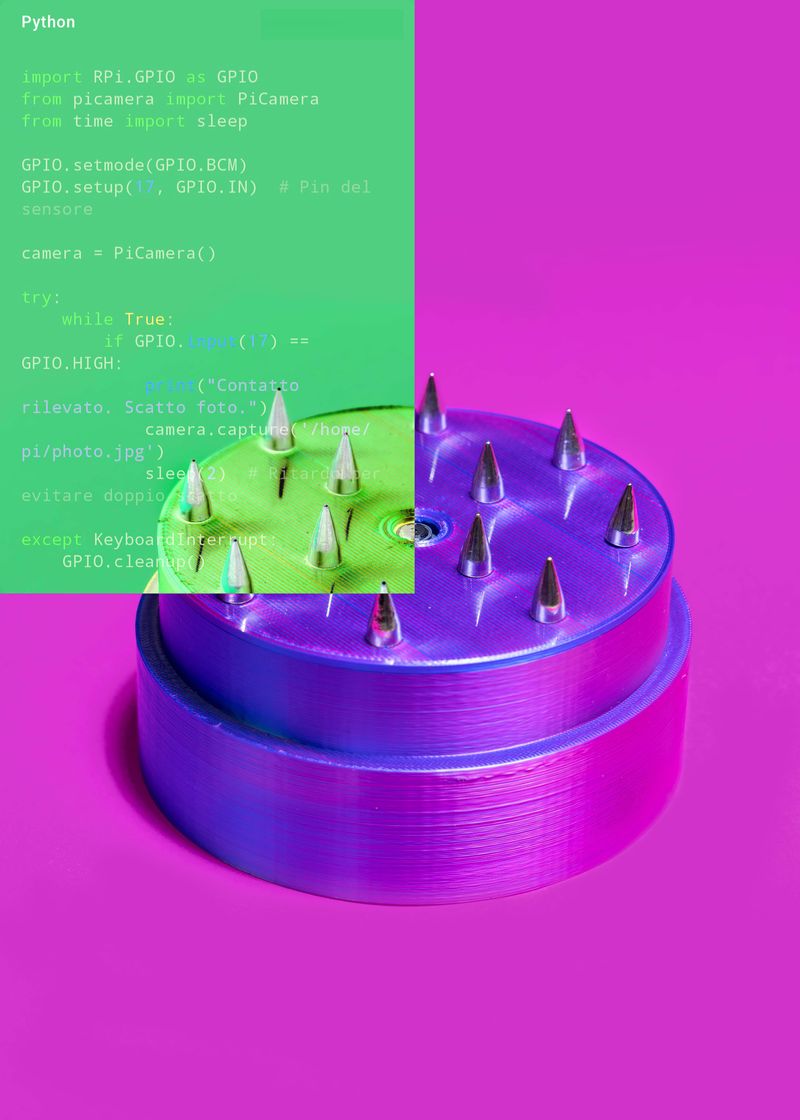
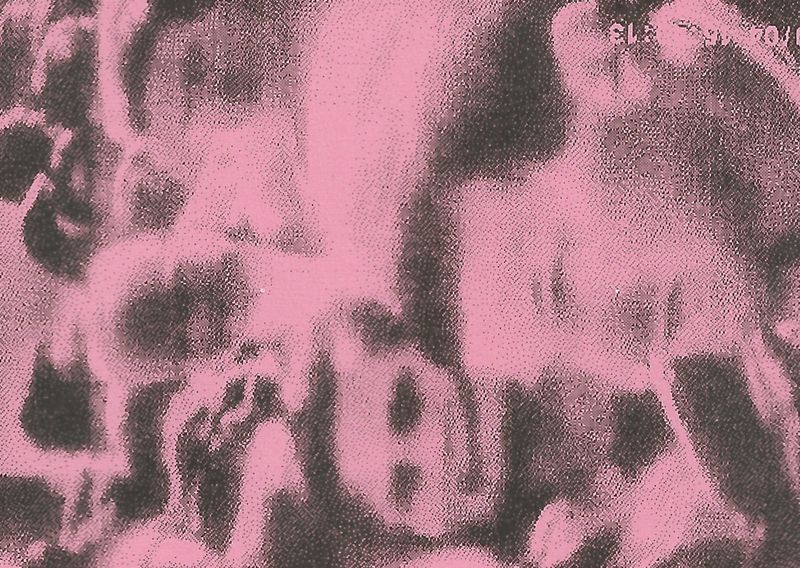
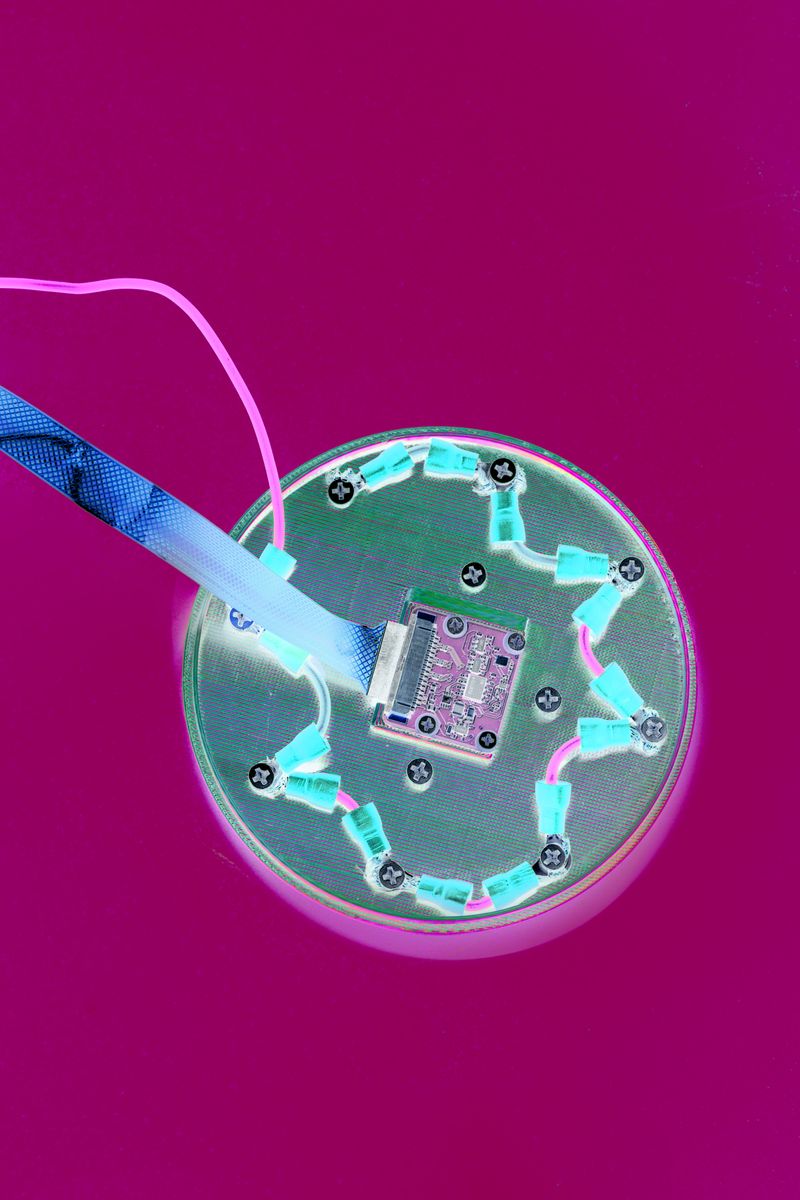
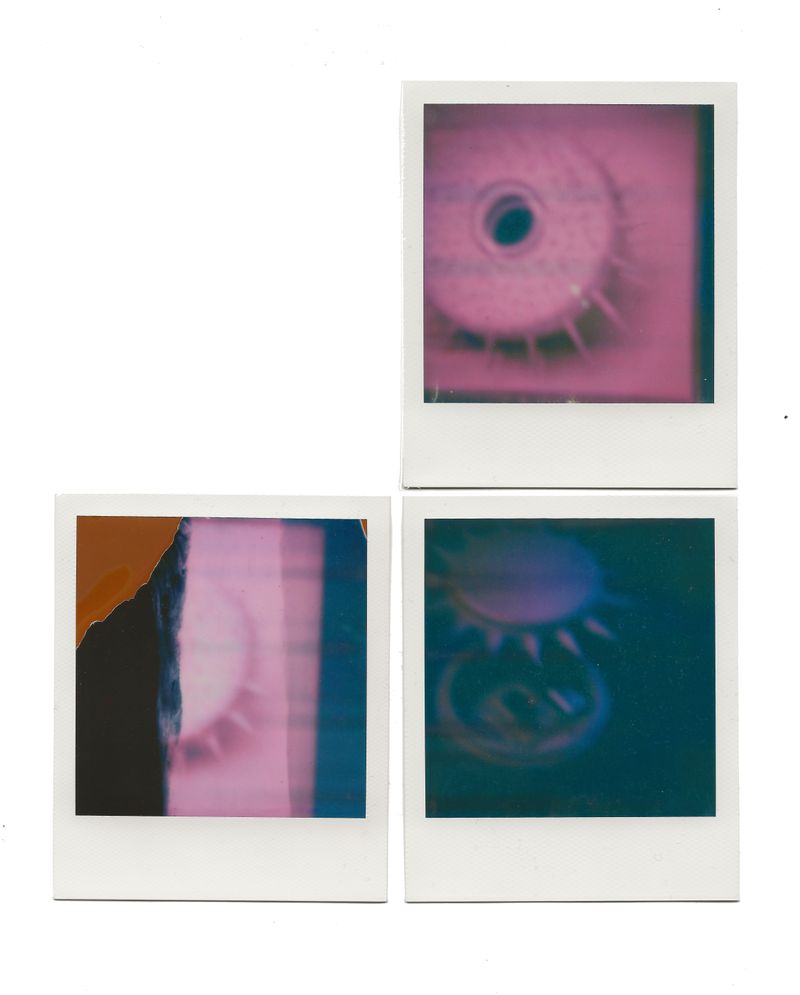
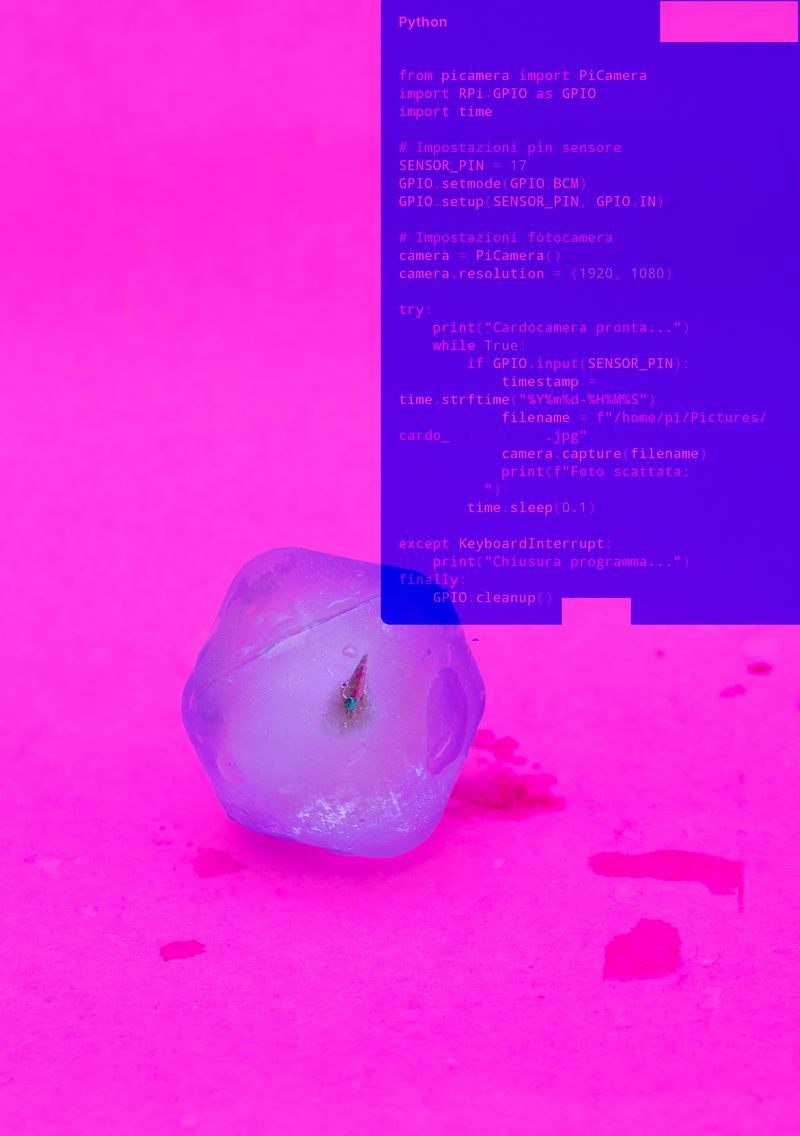
Cibelis is also an investigation into the power of images and their fragility. These are photographs that originate from pain and present themselves to the viewer as uncertain simulacra. This reflection extends to the use of Artificial Intelligence, which becomes an integral part of the work. With the help of AI, the artist created the Cardo-Camera, a functioning device that reinterprets the ritual tool of the Vattienti by transforming it into a photographic camera. Each contact with the skin activates a shot: the act of flagellation, which once produced only blood, now generates images.