Chimera
-
Dates2022 - 2024
-
Author
- Location Atacama, Chile
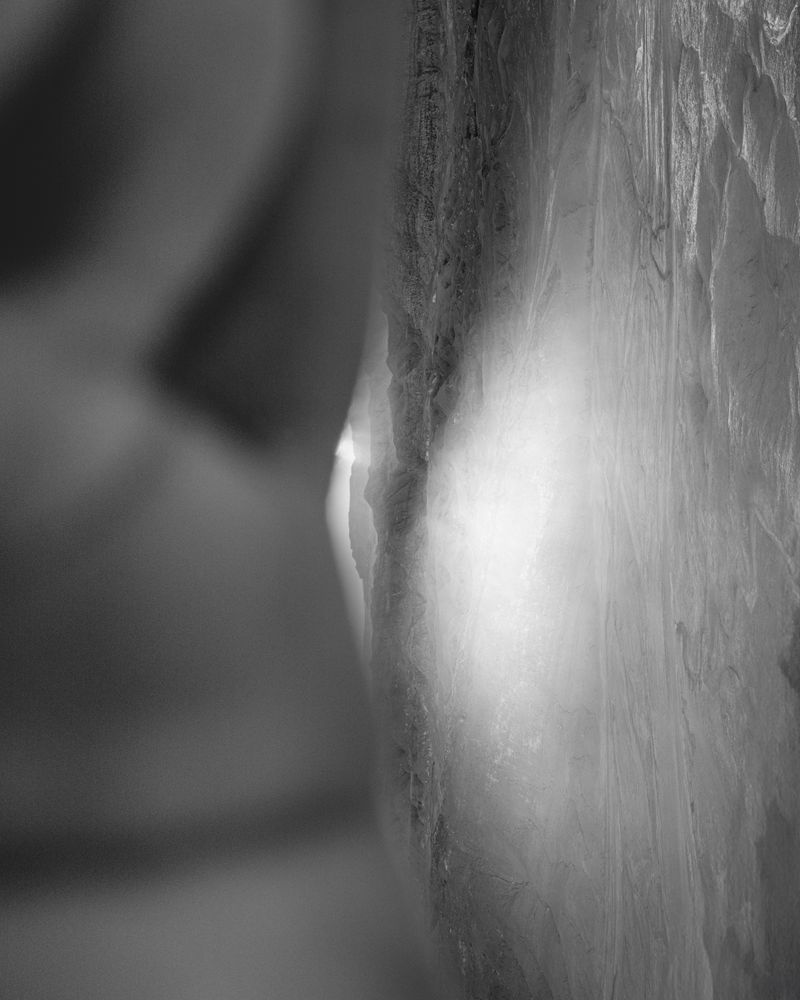
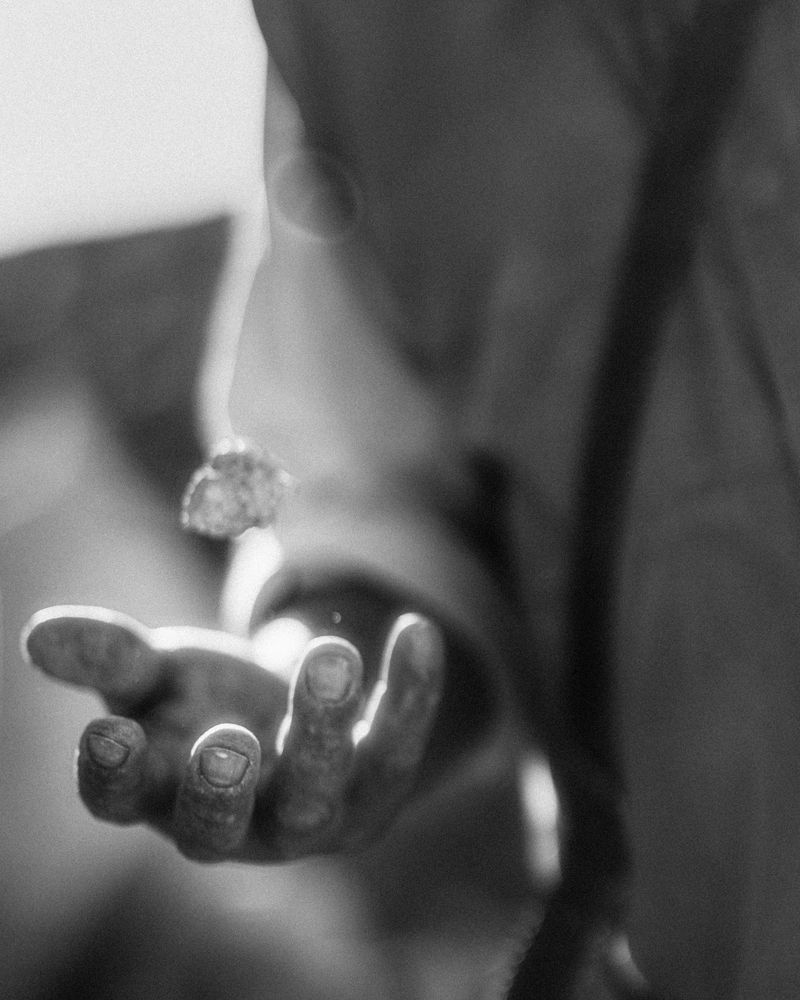
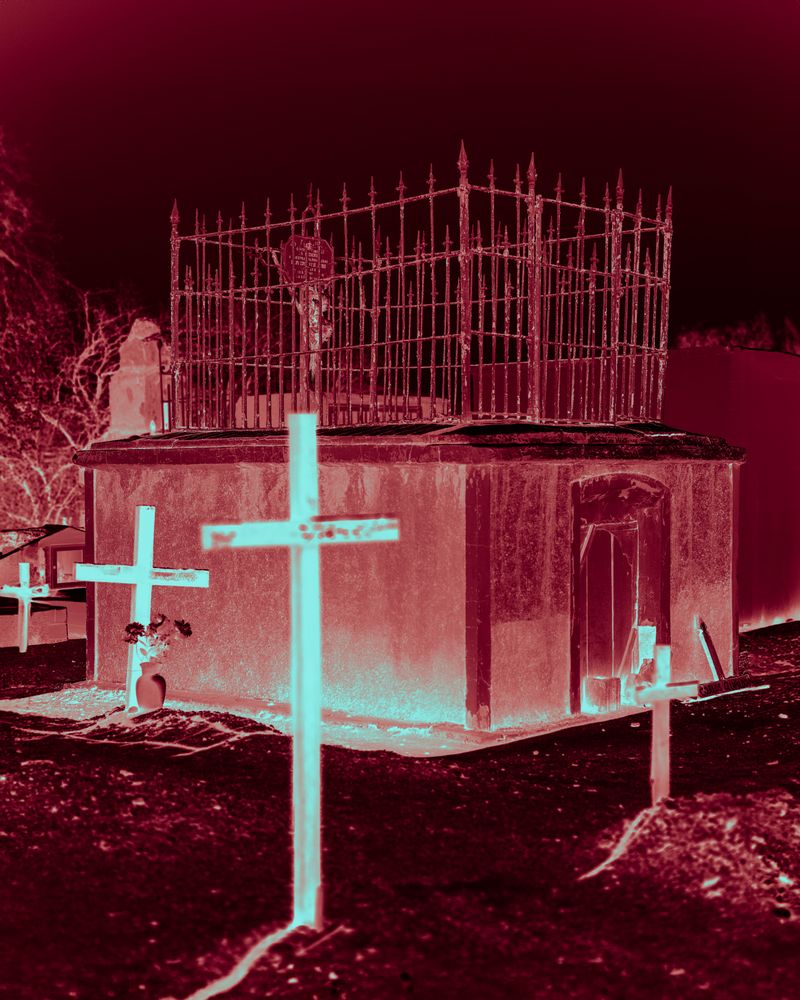
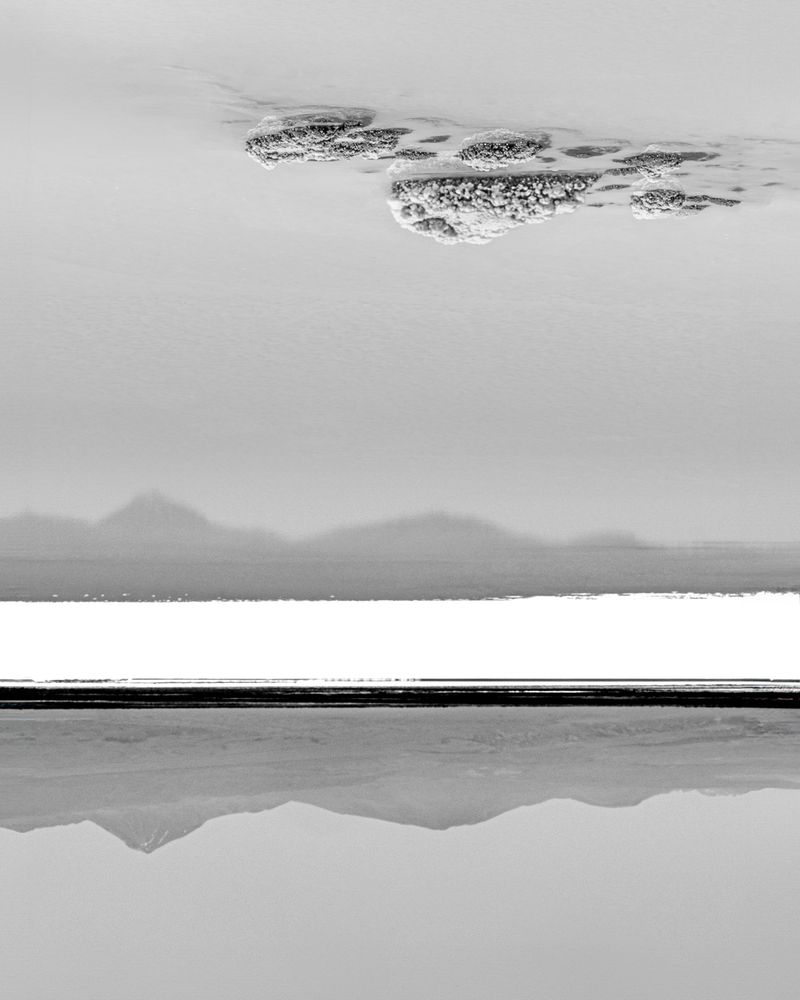
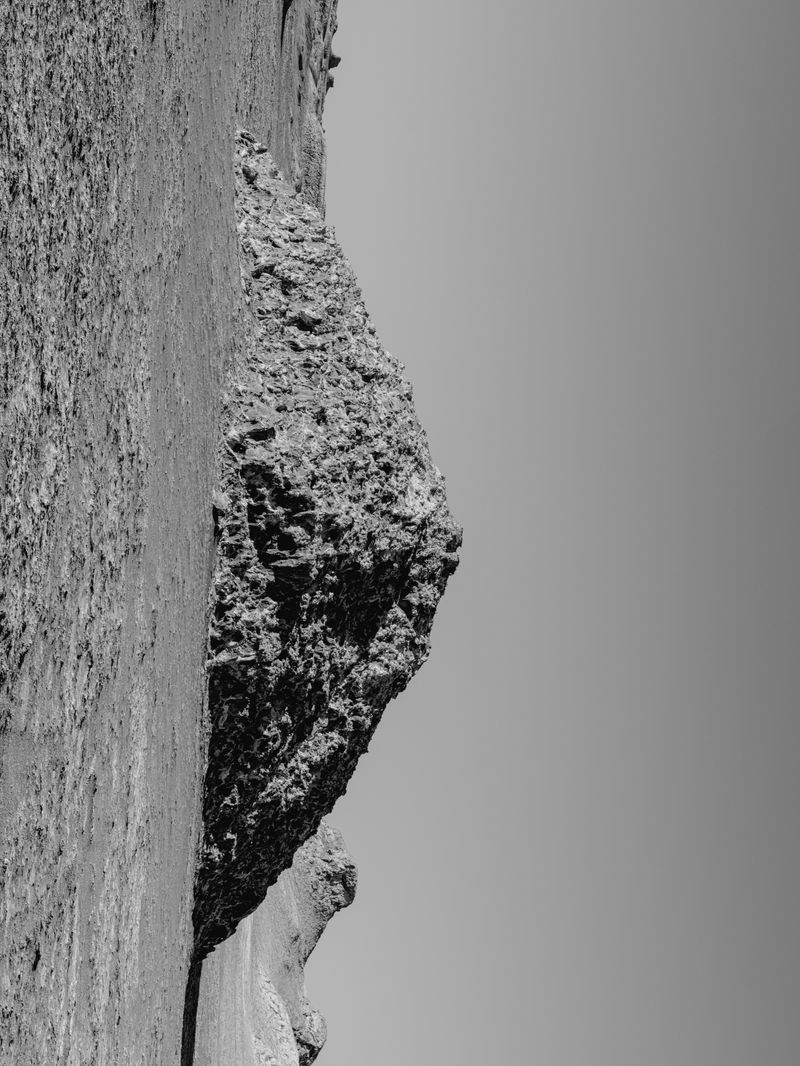
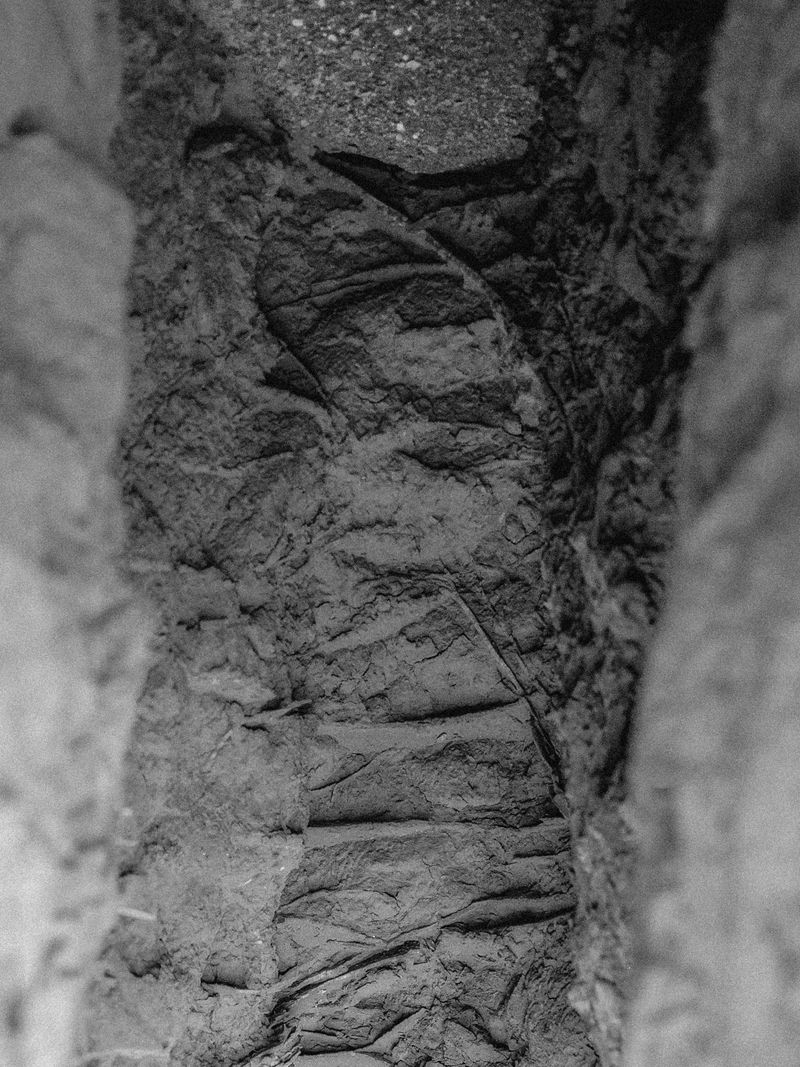
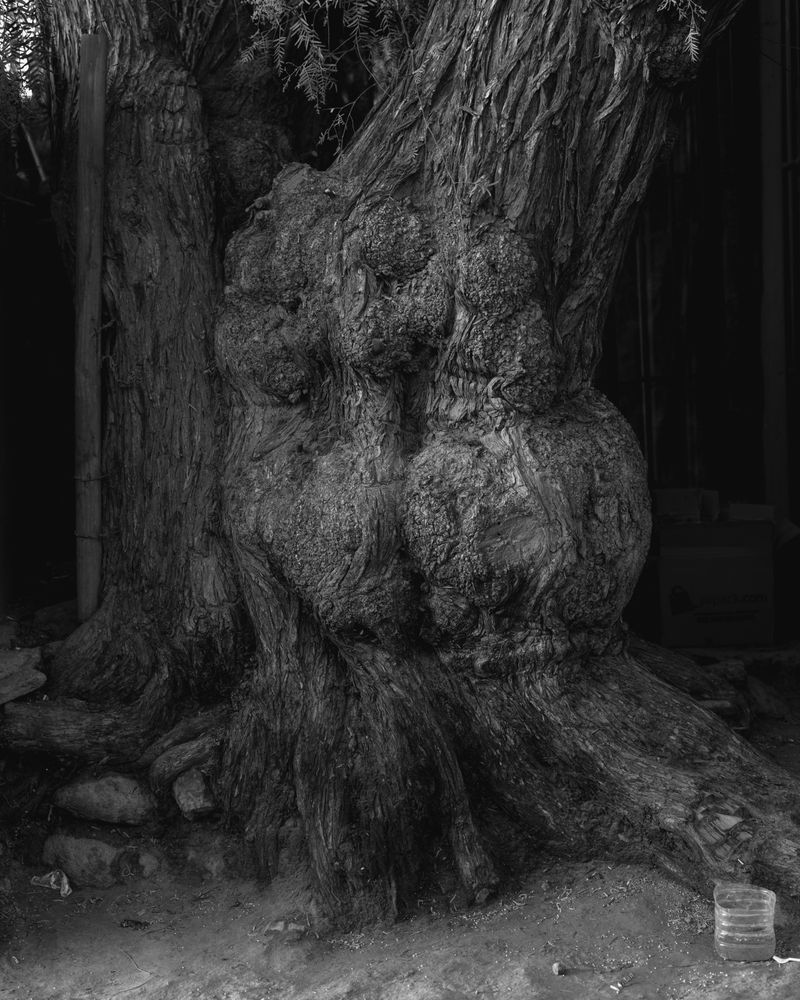
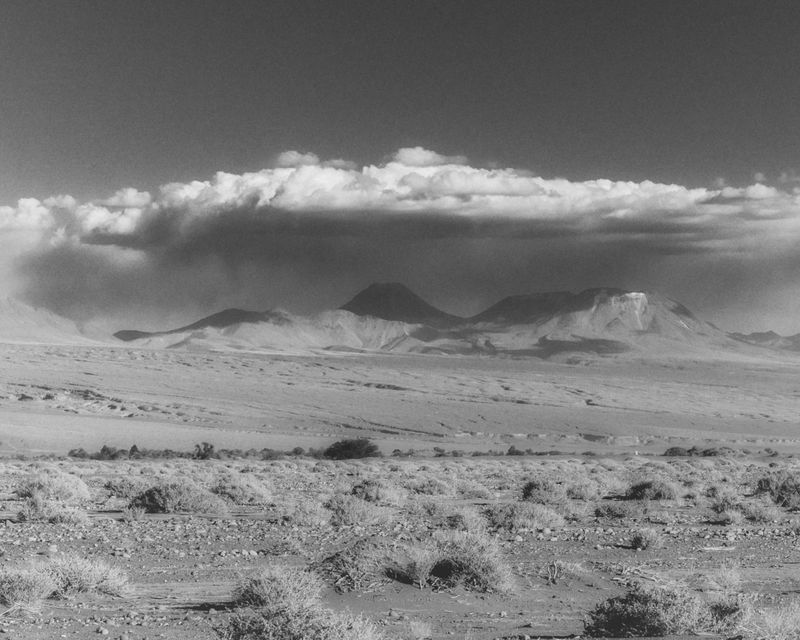
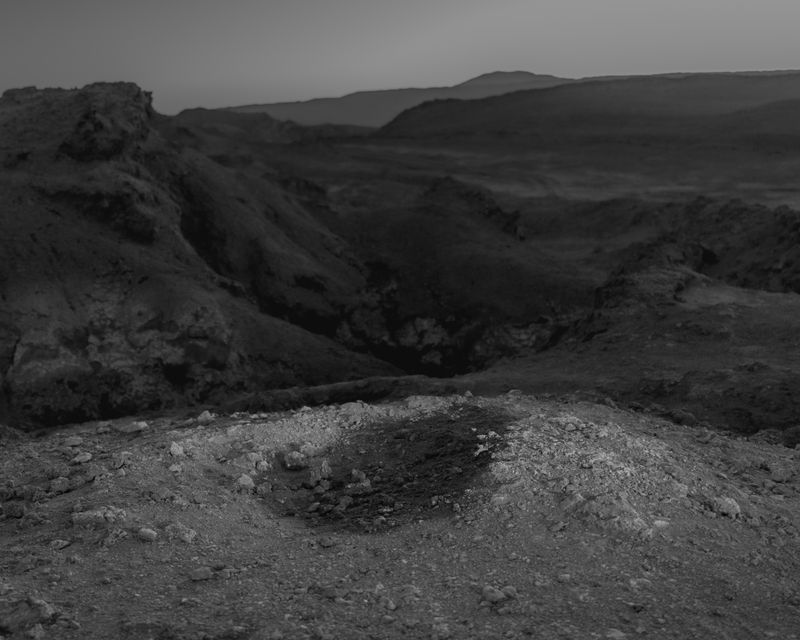
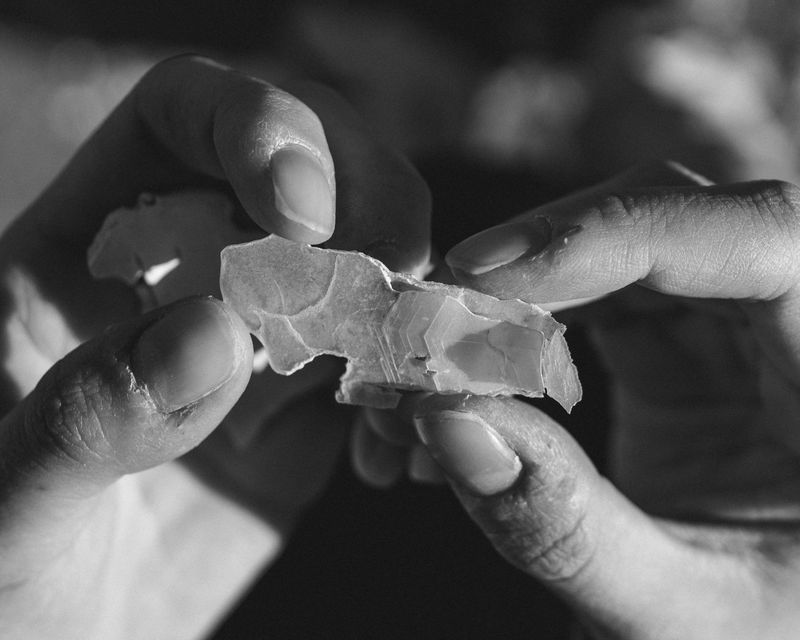
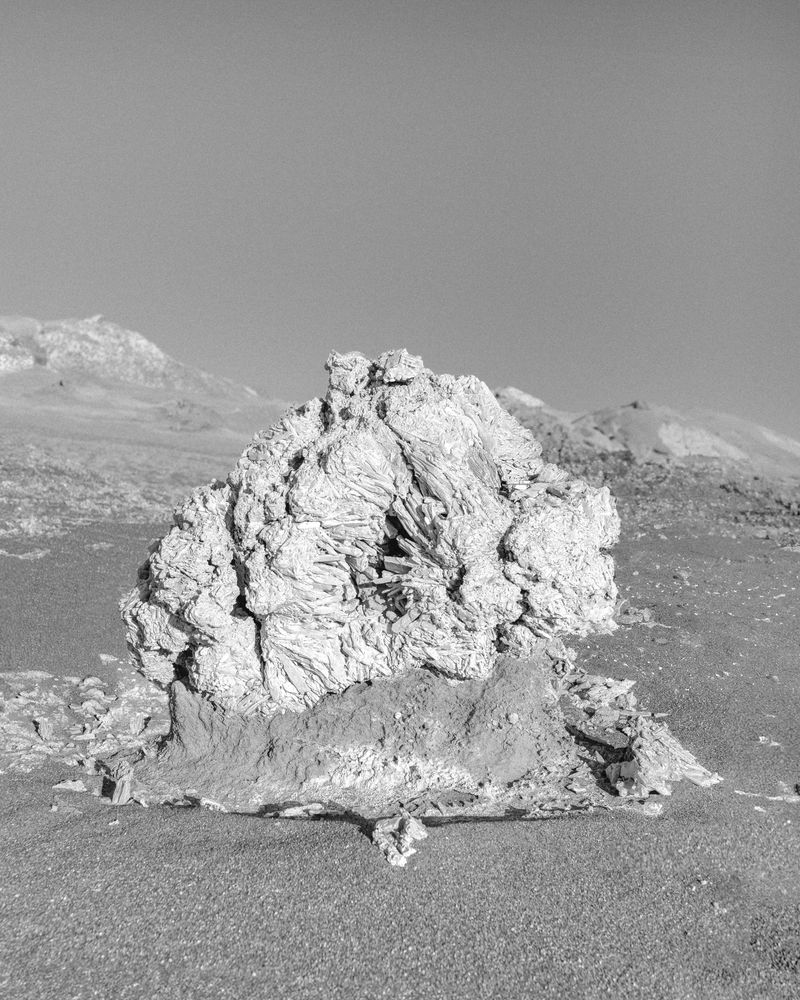
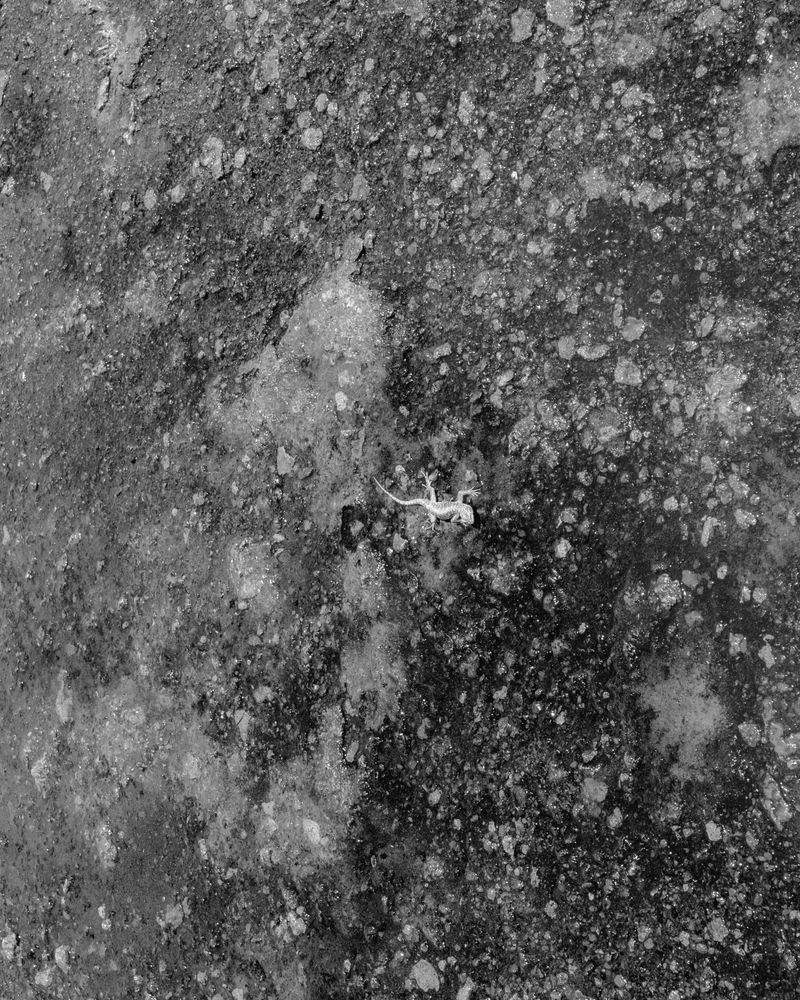
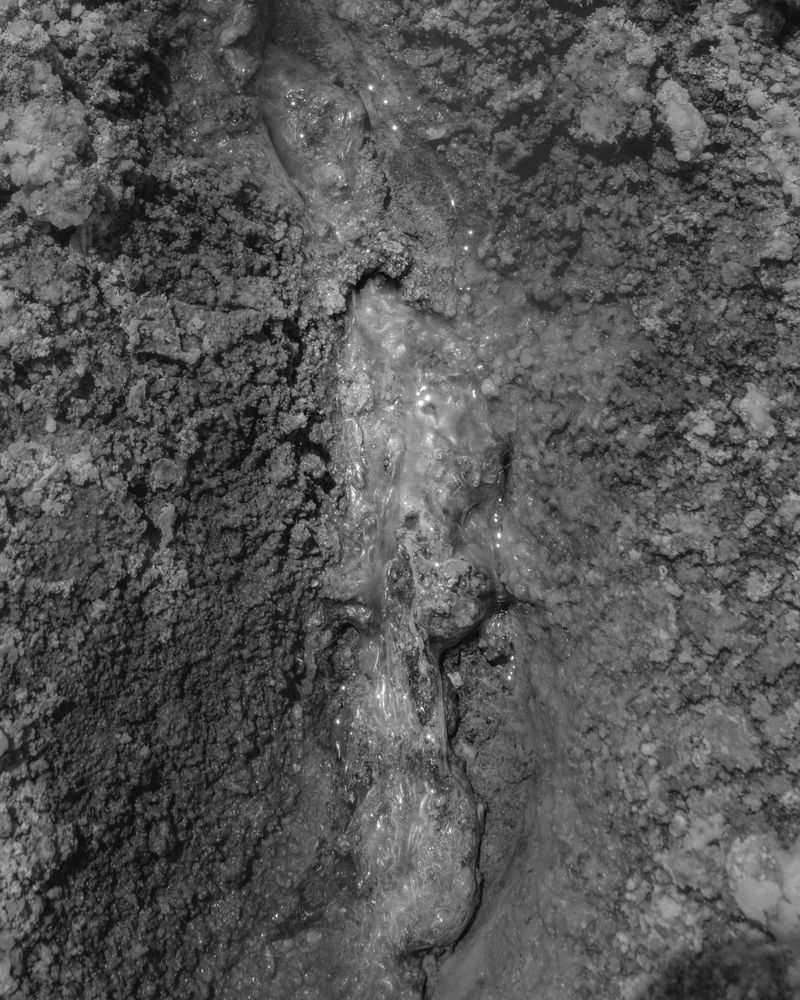
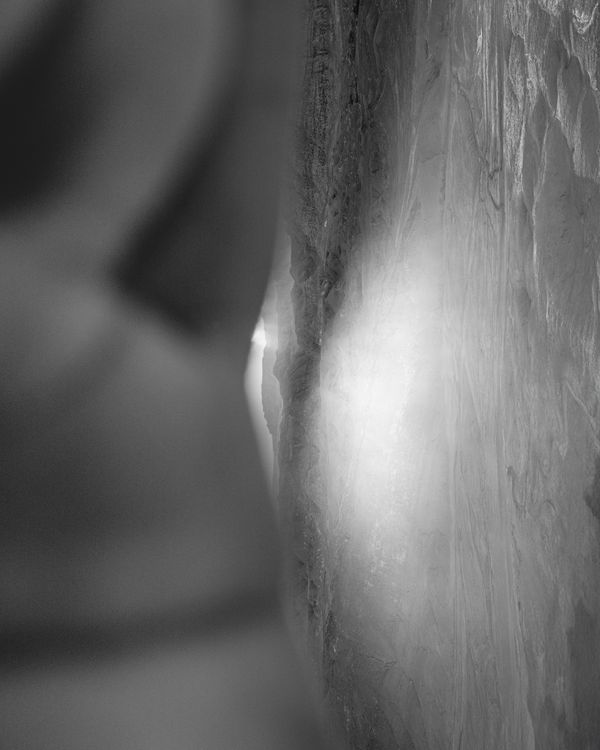
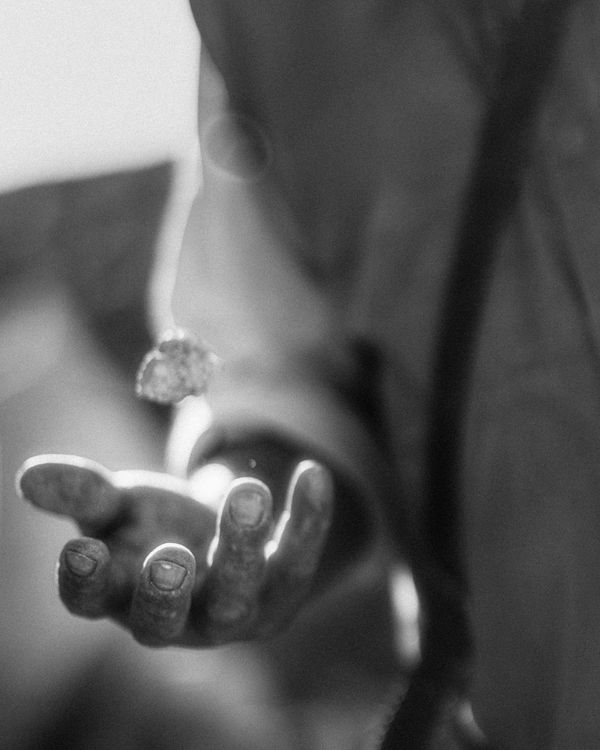
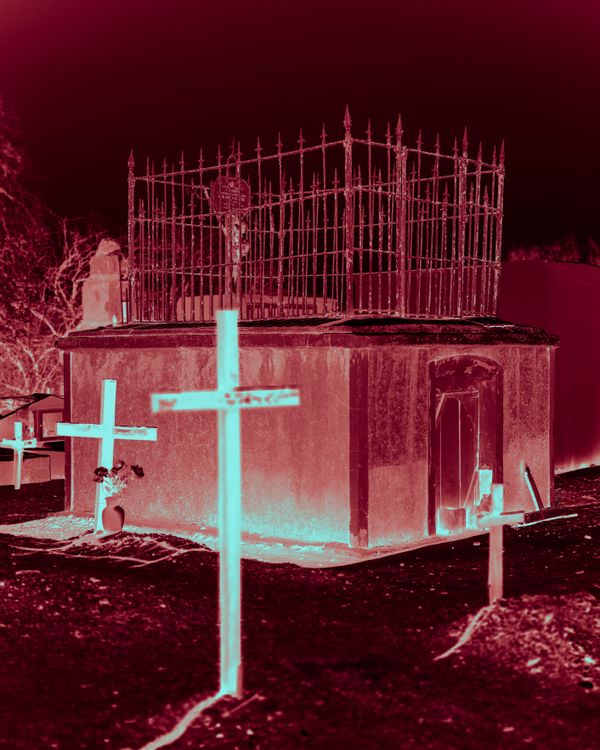
Chimera traces life and decay in the Atacama Desert, where climate shifts collapse ecosystems. It explores storytelling that folds together personal narrative, myth, geological time, and the desert’s own material memory.
A fog desert is a term used to describe a region wherein all flora and fauna, against all the perceived odds, must survive entirely off the moisture brought by fog. The Atacama Desert is the largest fog desert known to humankind; it is the most arid non-polar region on Earth, and the planet’s only true desert to hold less precipitation than even its Arctic plains. Once every seven-year cycle, the formation of a naturally warm air mass over the eastern Pacific Ocean — known as the El Niño phenomenon —displaces the fog with a short period of rainfall, causing the desert to bloom with a superabundance of flowers. In 2017, following an abnormally long period of heavy rainfall — now regarded as one of the most dramatic omens of climate change observed to date — the bloom has erupted after only two years in waiting.
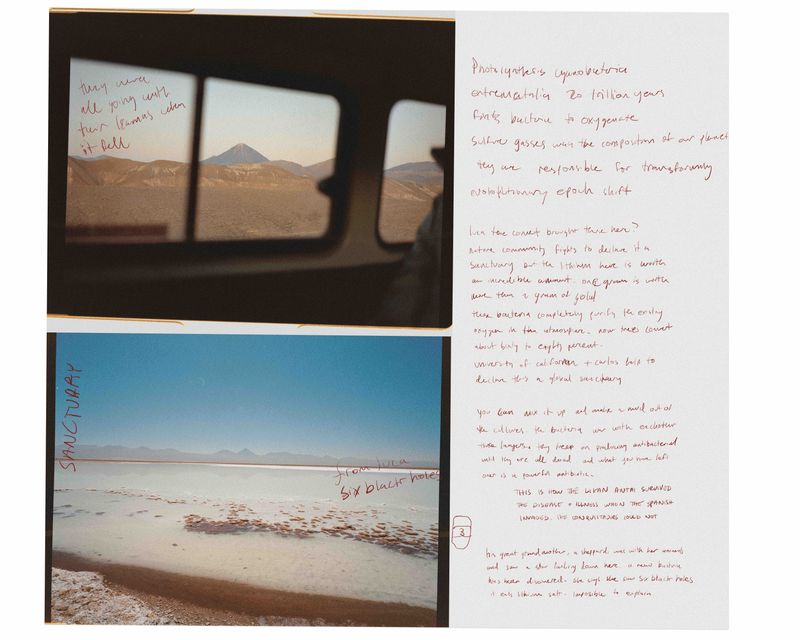
While flowers and water have been historically codified as the cultural symbols of life and healing — and deserts and fog, conversely, imbued with a sense of deathliness and hidden danger — the most recent blooming of the Atacama Desert became an unshakeable symbol of life’s vulnerability to climate change. As the flowers bloomed, the infrastructures of the nearby communities were collapsing under the floods, the ports were closing, the people were stranded. The soil itself has experienced the bloom as an event that was much more about death than it was about life: in a massive extinction event, the storms have single-handedly erased twelve out of sixteen native bacterial cultures responsible for the survival of many, much more complex, species; ultimately sending the biosphere of the entire desert into a state of ecological collapse.
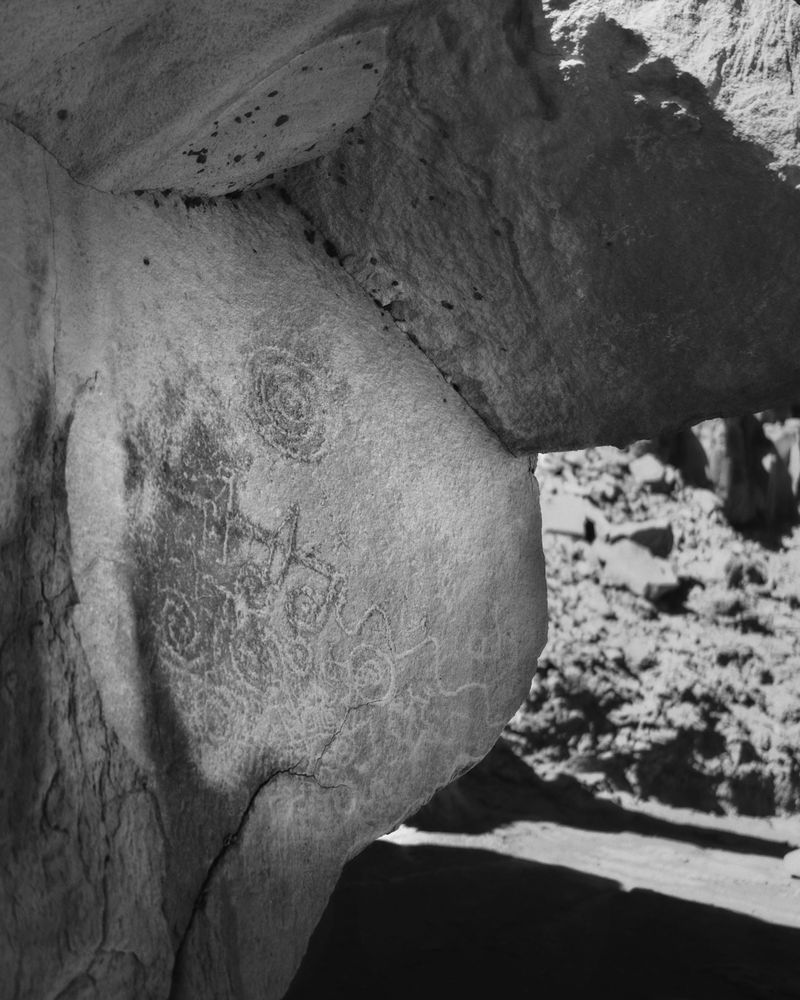
Chimera emerges from this fragile intersection of life and decay, tracing broader narratives beyond environmental disruption. Structured as an evolving journey across scales of time, the project weaves oral storytelling and colonial histories[1] [2], mythic imaginings, and the immense sweep of geological epochs—deliberately entangling mythic and geological narratives to underscore how storytelling can expand to address the vast temporal scales and planetary crises of the Anthropocene.
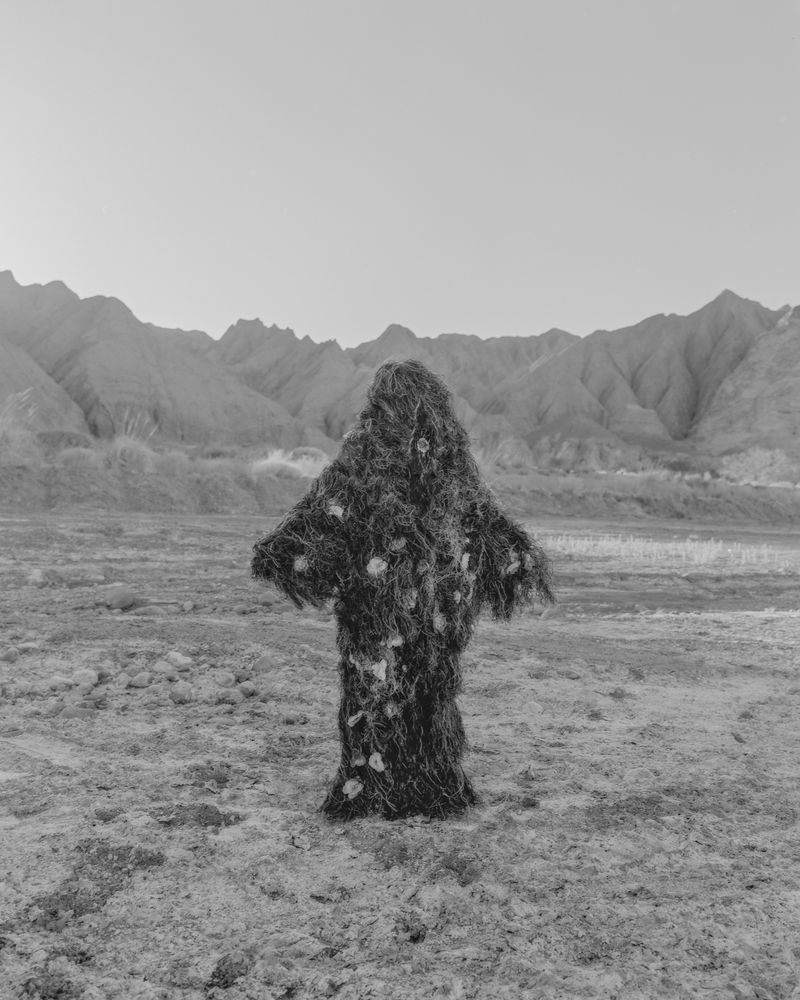
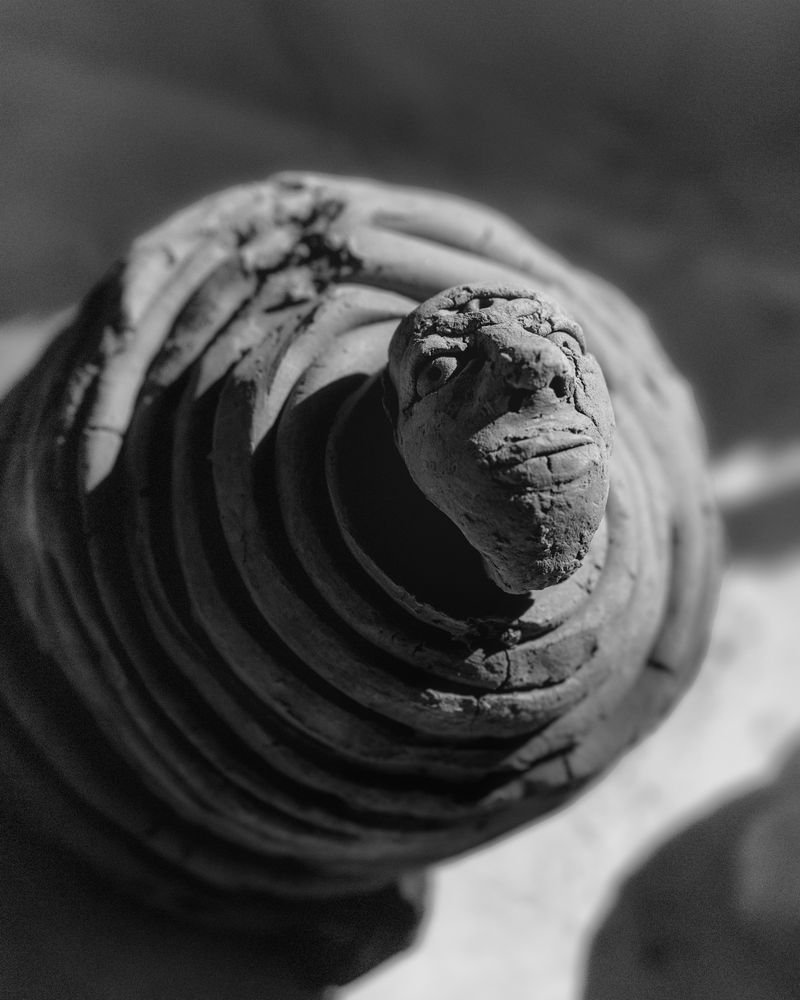
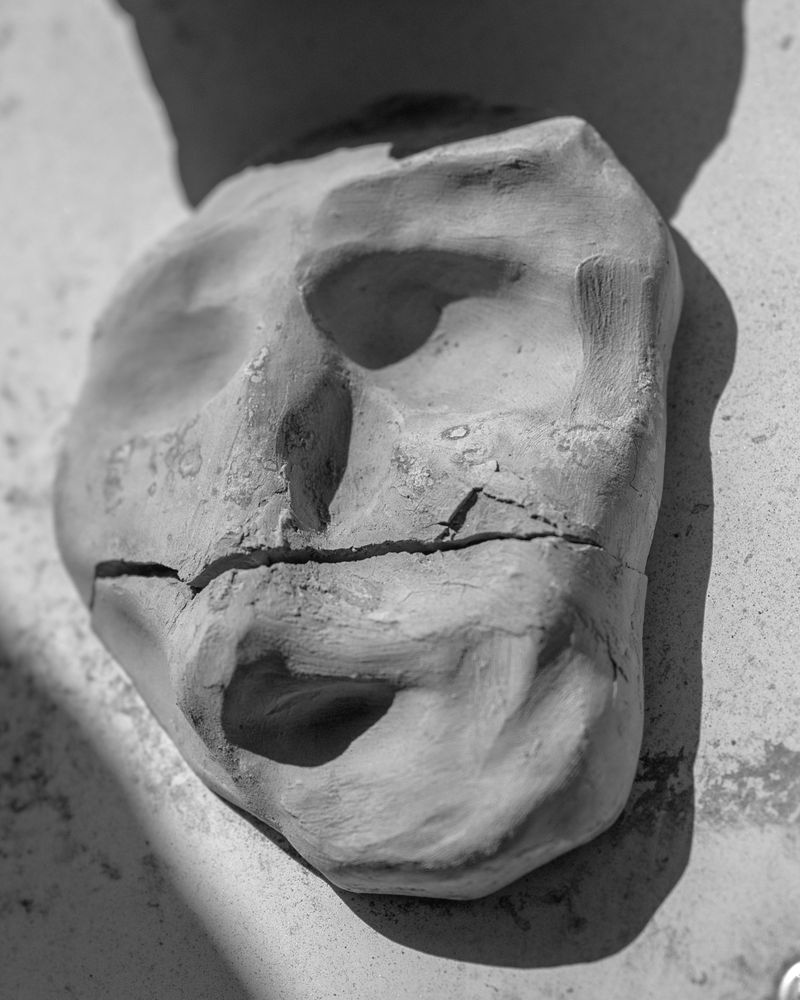
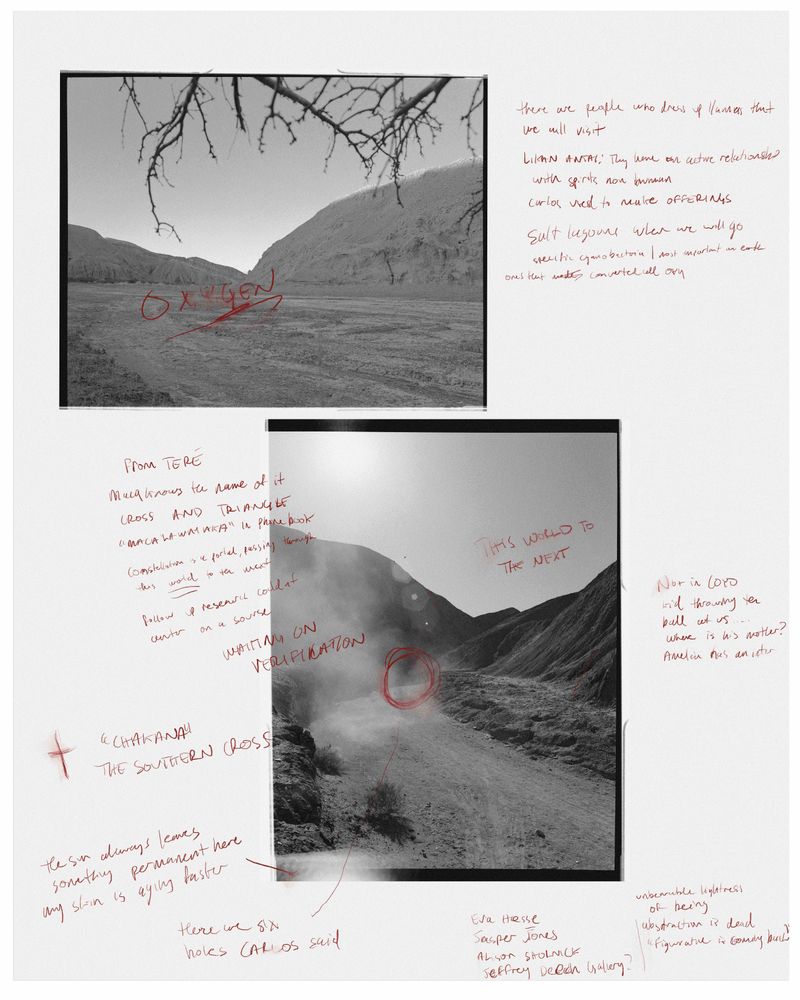
Within this shifting terrain, the desert itself becomes both subject and storyteller[3]. A fictional flower-monster—a hybrid figure embodying ecological and cultural precarity—ushers the final vestiges of species’ lives and their Collective Spirit through the portal of the Southern Cross constellation, known colloquially as Chakana[4]. As this creature traverses the desert’s fragile landscape, it offers a lens through which to explore the liminal spaces between human and more-than-human, the symbolic and the tangible. The narrative unfolds across multiple scales of time, reframing the Anthropocene not as a definitive moment of loss but as a space for reimagining how we tell stories of coexistence. By merging myth and geology, Chimera creates a dynamic confluence of memory, folklore, and planetary change — and invites viewers into this speculative landscape, where the boundaries of life, culture, and time dissolve into a deeply layered ecology of stories.
[1]During fieldwork with a Likan Antay family in Coyo, I gathered oral histories, listened to their cultural myths, and learned about the tangible impacts of resource extraction and climate change on local livelihoods. These experiences informed the project’s visual and narrative structure, emphasizing ethical collaboration and sensitivity to the region’s sociocultural context.
[2]Chimera* reflects the colonial histories of the Atacama, where extraction and dispossession intersect with contemporary environmental fragilities. These histories enrich the desert’s paradoxical narrative without centering human agency.
[3]While aspects of the study were guided by Carlos Vega, his family, and colleagues, Chimera remains rooted in object-oriented ontology, shifting the focus beyond human agency to non-human entities and material realities. This approach centers the desert itself as a narrative force, alongside its climate phenomena and mythical figures.
[4]The Chakana*, or Southern Cross constellation, is a key symbol in Andean cosmologies, representing a bridge between material and spiritual realms. Its use in Chimera aligns with the project’s themes of transition and coexistence, highlighting the portal between life and symbolic afterlife.