Ceci, te vas a ir?

While Cecilia longs for the other worlds beyond the Quiechapa river, her brother asks if she will leave. The project explores the dreamy, spectral dimension surrounding Ceci's departure from her small rural village to Ciudad de México.

You don’t just pass through Candelaría Yegolé. You either arrive there, or you are born there. Cloistered by the mountains of the Sierra Sur in the state of Oaxaca, Mexico, this small rural village of a hundred people is nonetheless far from immobile. Its geographical isolation makes it a place oscillating between the excitement of arrival and the melancholy of departure. The flow of lives leaving and returning reminds of the instability of the Quiechapa river, its current shifting along the seasons and the rains, its waters sometimes limpid, sometimes turbid. Cecilia is a young woman who was born in Yegolé, longing to be carried by the river, seeking the other worlds hiding beyond it.

The propensity for migration toward a more or less distant “norte”, for an eternal or ephemeral moment, makes Yegolé a complex basin of affects. The community sustains itself through the collective organization of campesino labor, traditional festivities and mezcal production. This social nucleus overlaps with the smaller, yet expansive, family one. In Yegolé’s context, family is not limited to blood, but rather extends to the godparents chosen for various religious rites and to relationships of deep affection. It is through the magical spaces of this amplified familiar love that this project was born. Through the privileged bonds that united me to Chilo, Jose, Ceci and Yair’s family.

Since I met her when she was thirteen years old, Cecilia wants to leave. She wants to experience the other worlds that open beyond the river, to emancipate herself from the prescribed role of housewife awaiting her if she stays, and perhaps to continue her studies, to write poems and novels. While many men leave every year to work in the United States, the opportunity to depart is more limited for young girls. This project explores Cecilia’s quest and what she would have to leave behind to follow it. It is an inquiry into worlds that intersect, are dreamt and invented in an era where digital access to a geopolitical elsewhere penetrates both individual and collective imaginations. It is also a sensitive interpretation of the bonds that are confronted to departure and remain suspended in absence, embodied by the unconditional fraternal love between Ceci and her little brother, Yair. Between teasing and mutual protection, the solidarity of this duo is challenged by Ceci’s desire for something else. In this sense, the project offers a thought for those who leave as much as for those who stay, appreciating the emotional complexity required to know how to let go someone, even when we love them very deeply.

To protect herself from the rumors that circulate quickly in the small village, Cecilia did not shared with anyone her dream of leaving. From a curious and vivacious child, she became increasingly silent and mysterious. Over the past year, her family slowly became complicit of her ambitions, until her grandmother took the pretext of Yegolé’s local holidays of the Virgen de Candelaría to come and bring her to Mexico City. Although only about 600km away, the trip lasts almost a whole day with public transportation. The megalopolis represents another world for Ceci, far from the one of Yegolé. Distance becomes an irrelevant data point compared to the disorientation and the anguish, tragic and vivifying, of uprooting.

Ceci, te vas a ir? recounts Cecilia’s last three years leading up to her departure for the city, adopting the surreal and mysterious universe of her dreams and the siblings’ shared imagination. The compositions play on pairs to dialogue both with the power of the fraternal duo and the cycle of life to which it is profoundly bonded. The constant reminder of the dirt serves as a reflection of the affects suspended between the native soil and the host land, while also referring to departure as a form of death. It is a reflection on the importance of human connection and of symbolic and spectral presence as a form of resistance to absence.
© Frédérique Gélinas - Image from the Ceci, te vas a ir? photography project
i

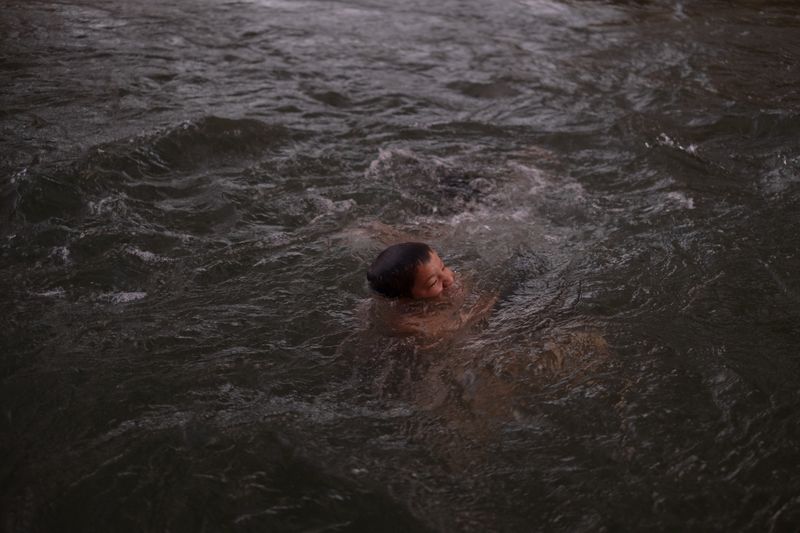
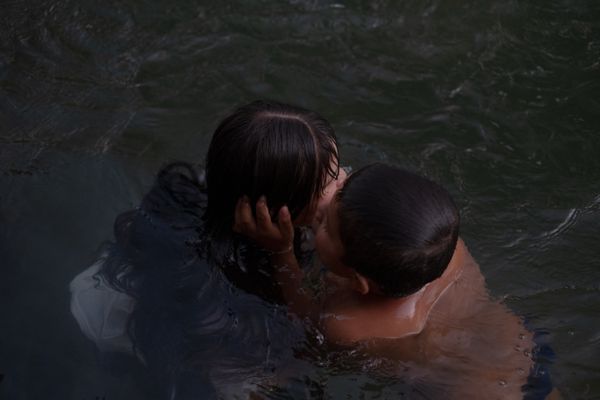
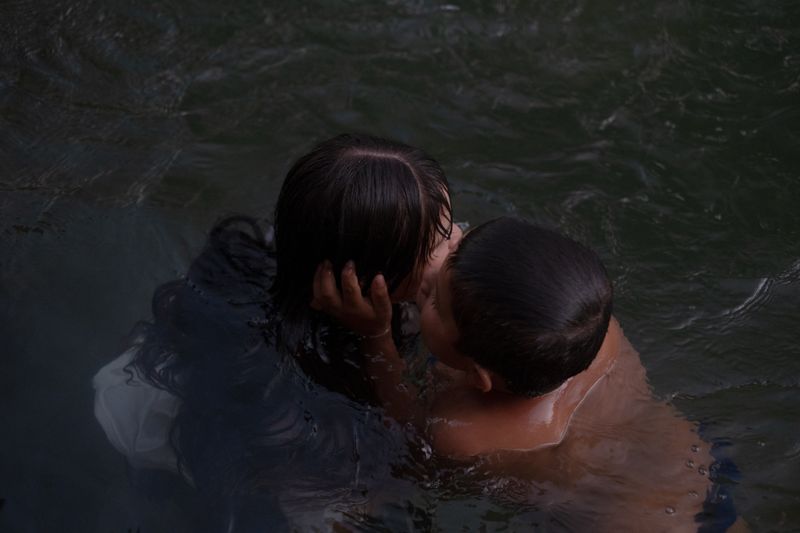
In some houses of Yegolé, there is no running water. The river becomes a point of meeting, a bath and a laundry room. In Ceci and Yair's case, it is mostly a playground.

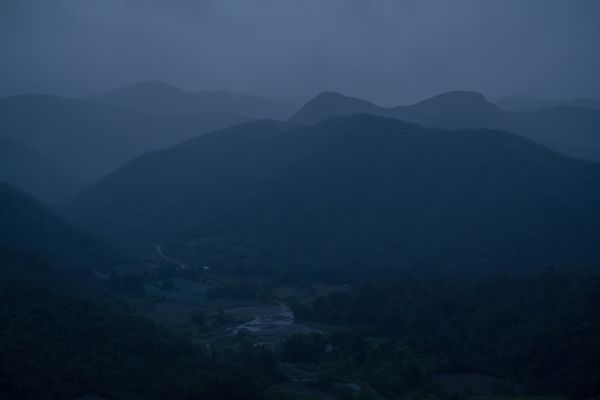
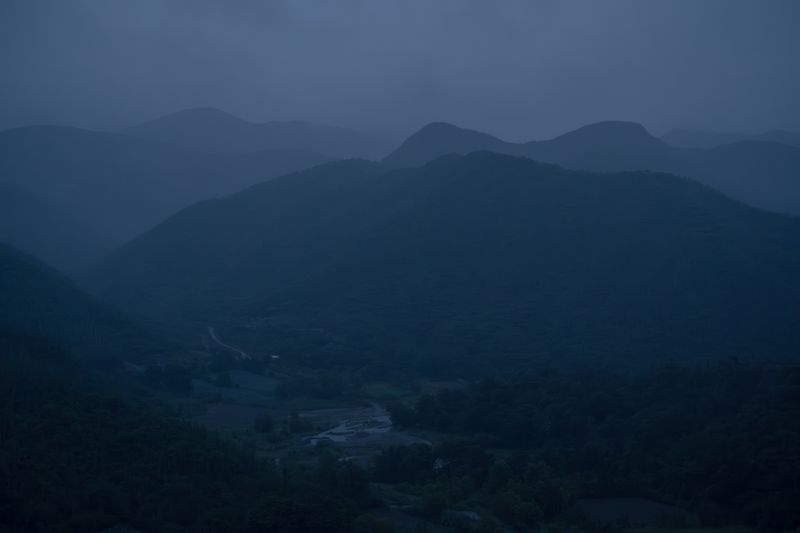
© Frédérique Gélinas - The road to Yegolé, following the Quechapa river.
i

The road to Yegolé, following the Quechapa river.

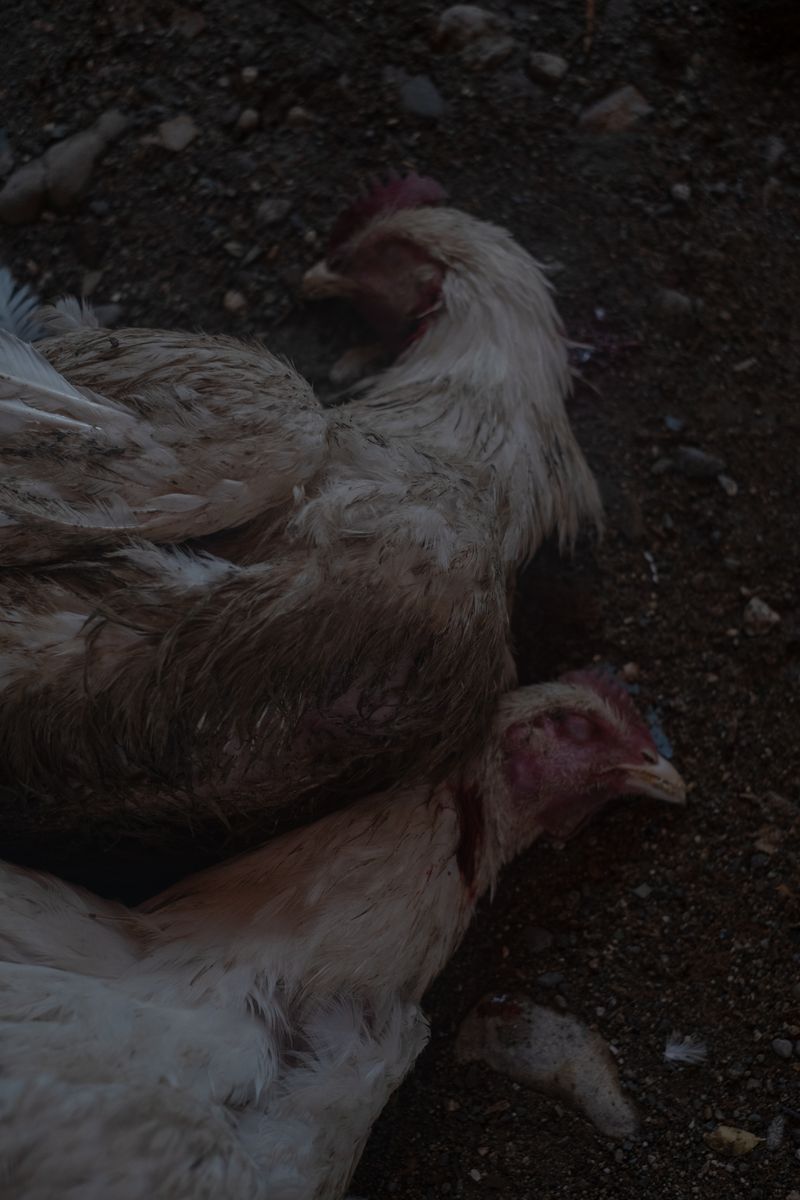
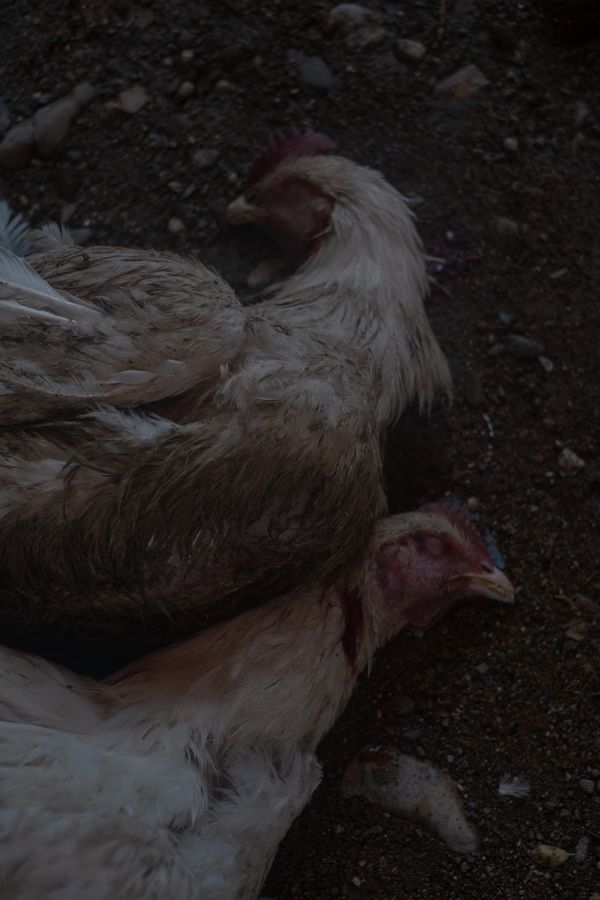
© Frédérique Gélinas - Two chicken during the communal preparation for Chilo and Jose's wedding.
i

Two chicken during the communal preparation for Chilo and Jose's wedding.

© Frédérique Gélinas - Image from the Ceci, te vas a ir? photography project
i

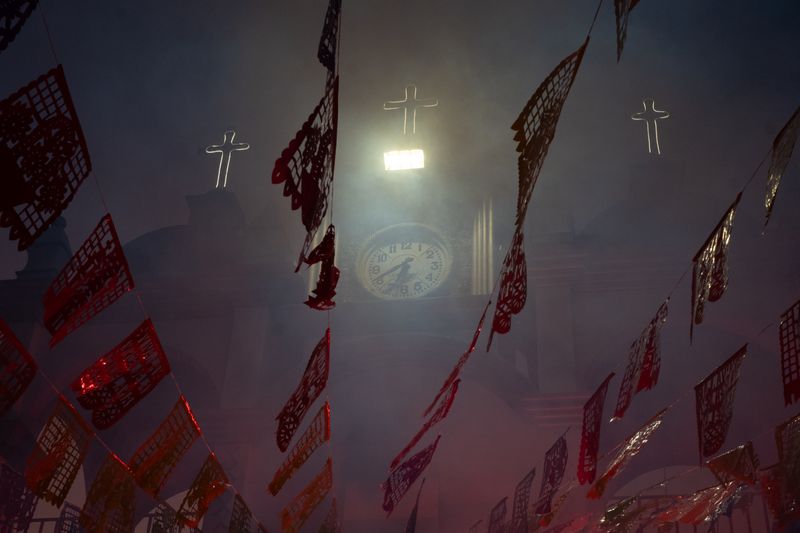
The local church during the Mañanitas, a traditional Mexican Catholic song and prayer performed early in the morning to honor the Virgen de la Candelaría, the patron saint of Yegolé.

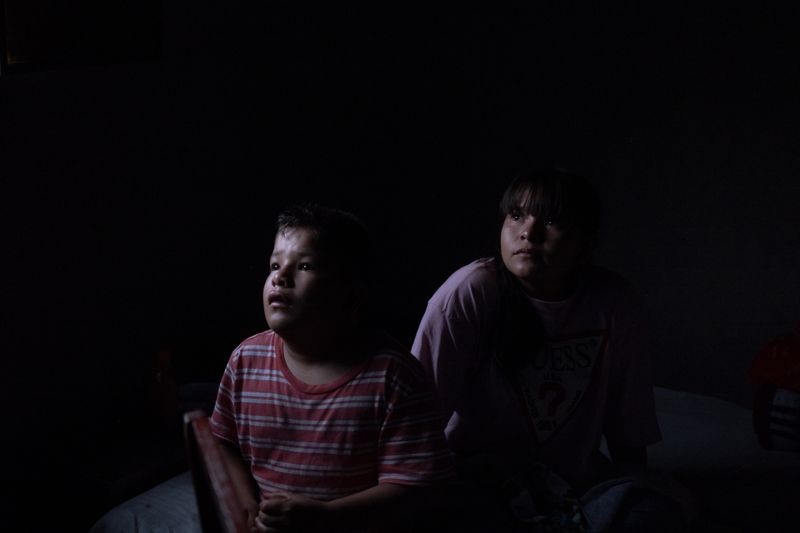
© Frédérique Gélinas - Yair and Ceci watching Chucky the doll on the family's TV.
i

Yair and Ceci watching Chucky the doll on the family's TV.

© Frédérique Gélinas - Image from the Ceci, te vas a ir? photography project
i

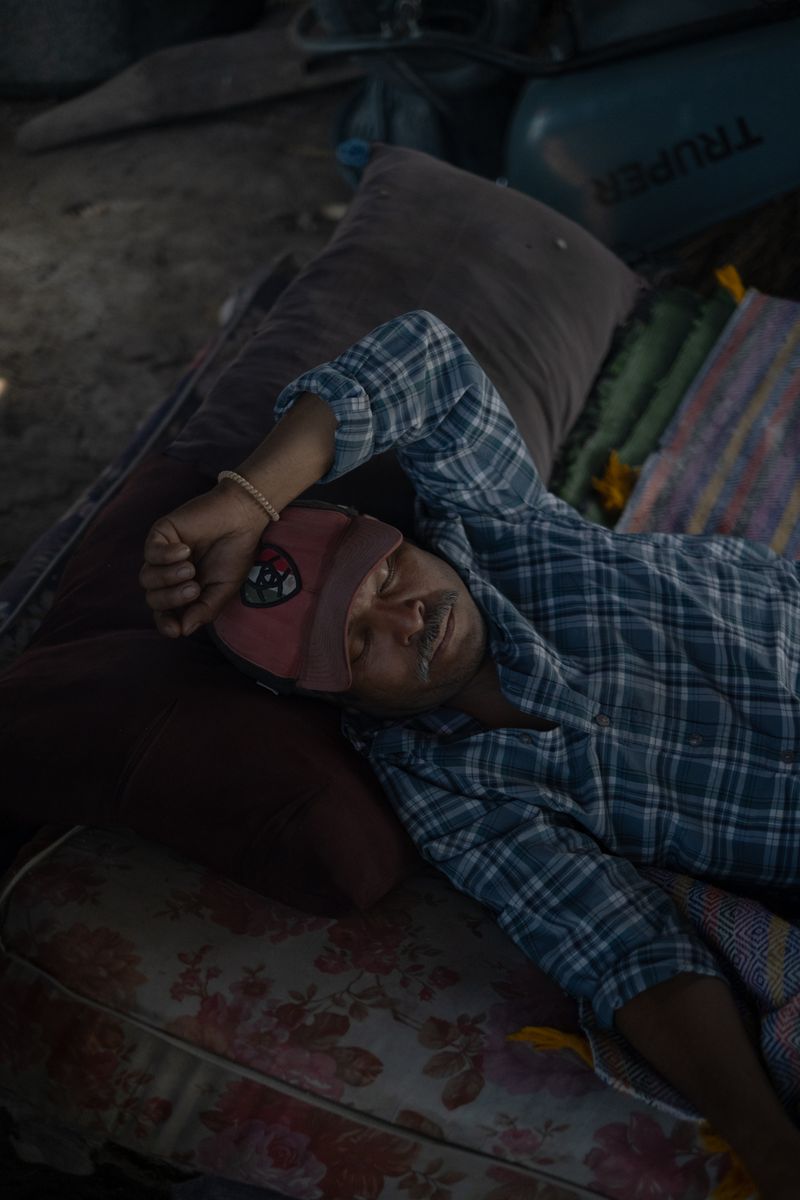
Chilo, Cecilia and Yair's father is a maestro mezcalero. He sometimes sleeps several days in a hut he built himself among his agave fields, up in the cerro (mountain). He likes to spend a couple of days there, where there is no other sound than the wind and the occasional yelping of coyotes.

© Frédérique Gélinas - Image from the Ceci, te vas a ir? photography project
i

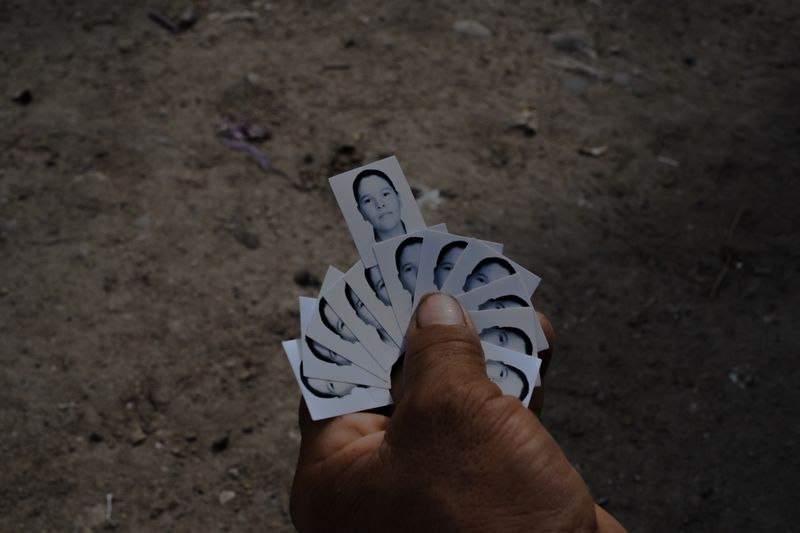
Chilo creates patterns with her daughter’s identity portraits, required by the local school for a government rural scholarship.

© Frédérique Gélinas - Image from the Ceci, te vas a ir? photography project
i

Ceci preparing for her quinceañera, an important rite of passage for young women in Mexico. She went to Mexico City to buy her dress. It was her first time getting away from Oaxaca.

© Frédérique Gélinas - An iguana escaping from the distillation tank in Chilo's palenque, the mezcal small artisanal distillery.
i

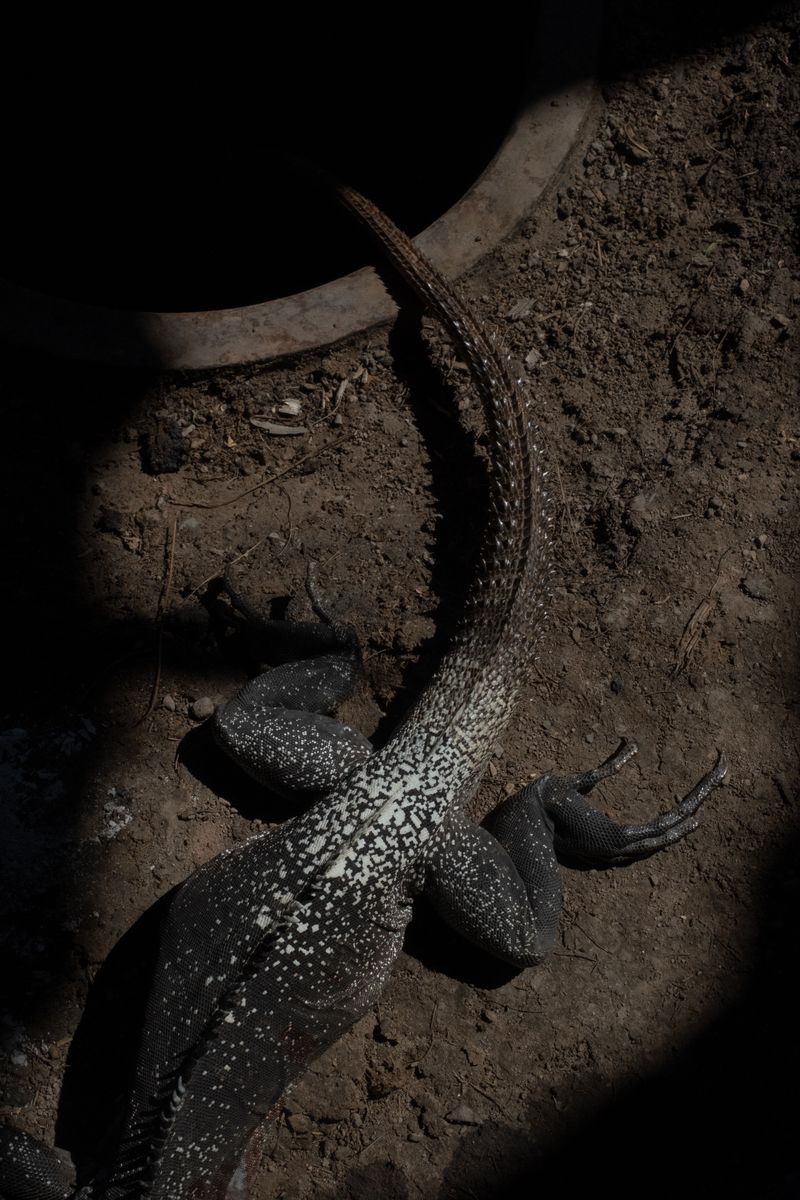
An iguana escaping from the distillation tank in Chilo's palenque, the mezcal small artisanal distillery.

© Frédérique Gélinas - Yair playing alone in the river.
i

Yair playing alone in the river.

© Frédérique Gélinas - Image from the Ceci, te vas a ir? photography project
i

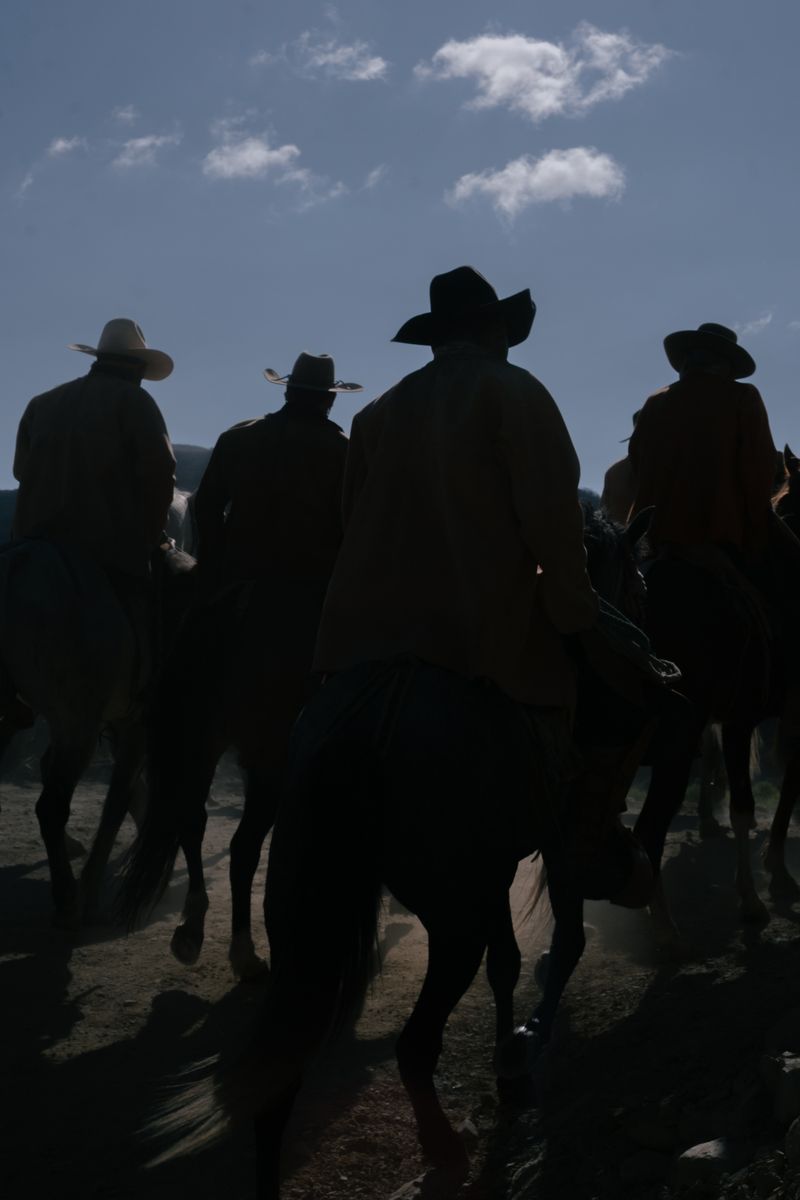
Men riding their horses in Yegolé's streets during the cabalgata (horse parade) in honor of the Virgen de la Candelaría. Inhabitants of other ranchos and pueblos nearby participated to the festivities, multiplying the quantity of persons in Yegolé during these days.

© Frédérique Gélinas - Image from the Ceci, te vas a ir? photography project
i

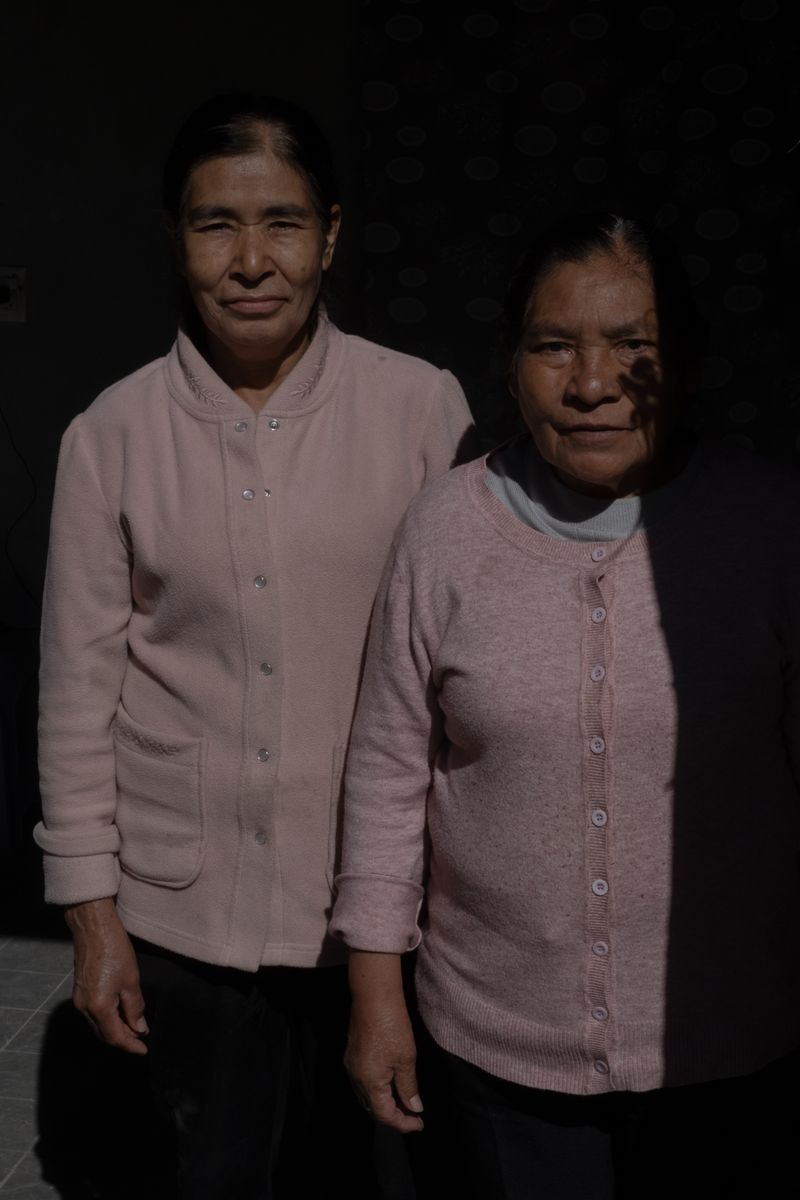
Cecilia's grandmother with her sister. When both their husbands died several years ago, the two sisters had to move in different towns and could not see each other for years because they had no access to car neither free time for traveling while rising their own children.

© Frédérique Gélinas - Image from the Ceci, te vas a ir? photography project
i

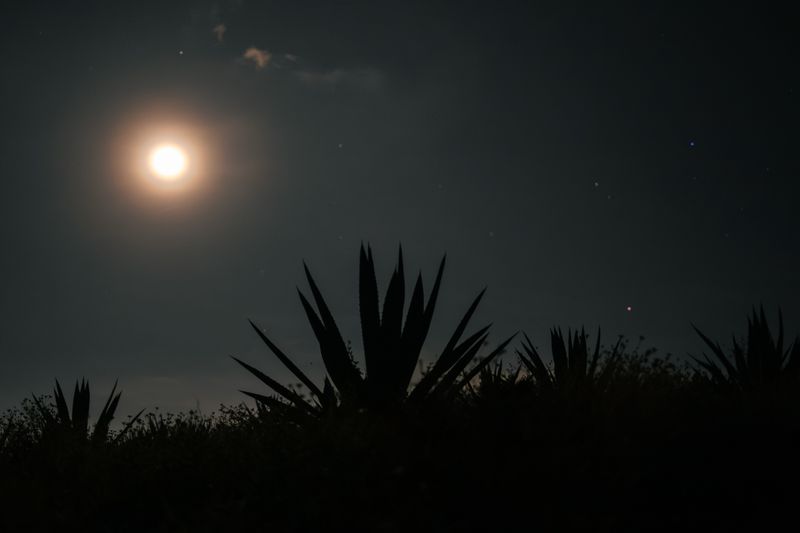
In some communities where it is produced, moon is known to have an important influence on agave's growth and on mezcal's quality.

© Frédérique Gélinas - Ceci walking by the river.
i

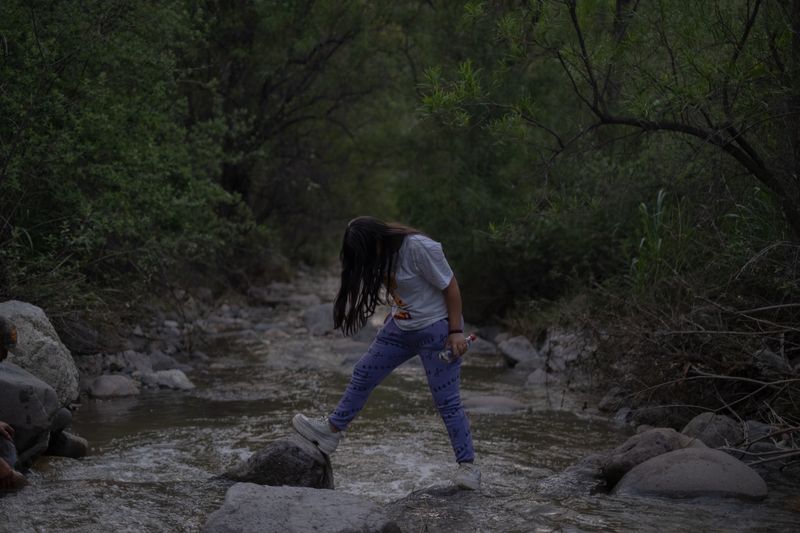
Ceci walking by the river.

© Frédérique Gélinas - Ceci's quinceañera portrait is displayed in the kitchen after she left for Mexico City.
i

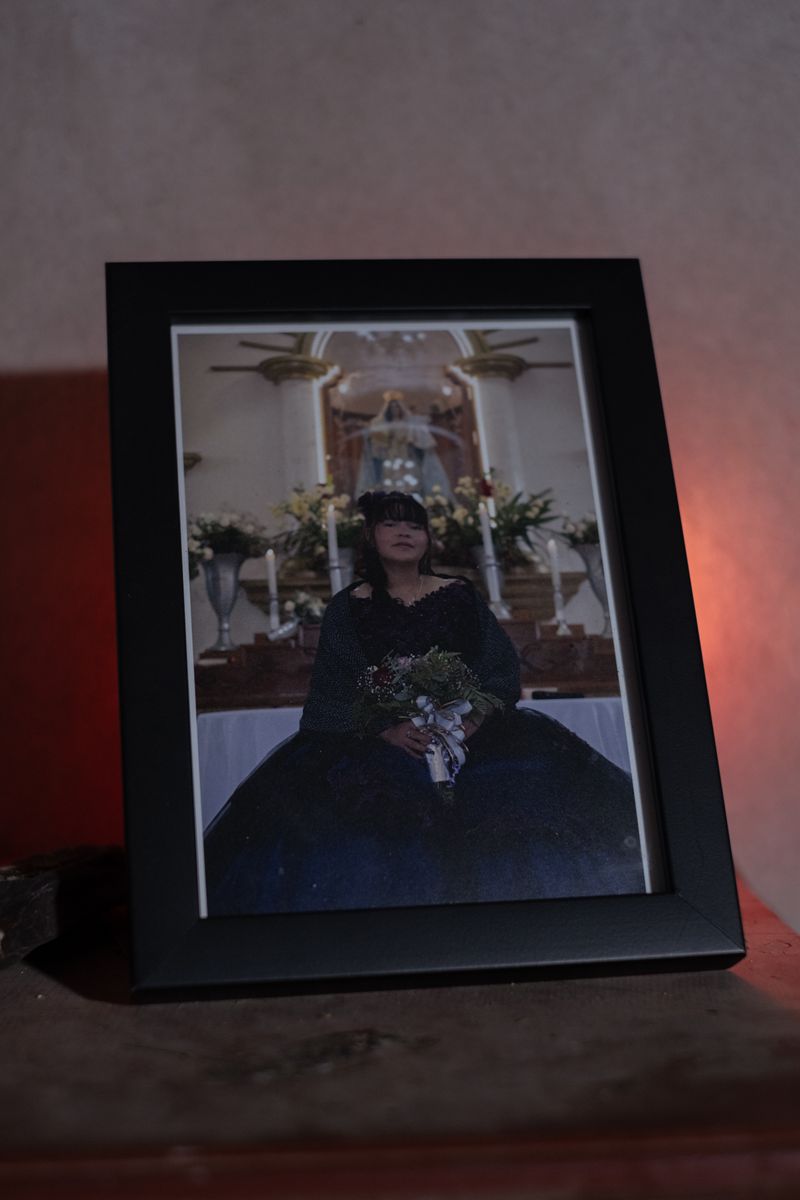
Ceci's quinceañera portrait is displayed in the kitchen after she left for Mexico City.

© Frédérique Gélinas - Image from the Ceci, te vas a ir? photography project
i

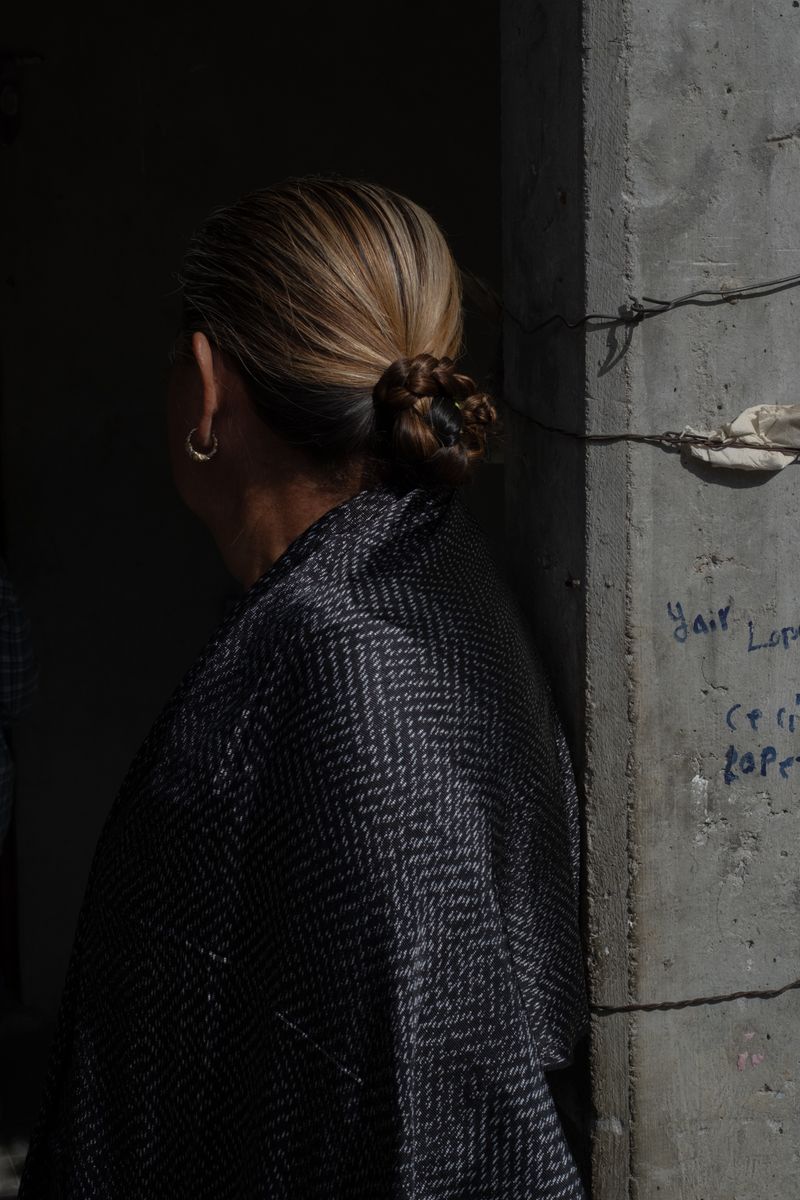
Jose, Cecilia’s mother, waits for her children to dress for Mass. Wrapped in her traditional rebozo, she rests against a patio column on which the children have written their names.

© Frédérique Gélinas - Image from the Ceci, te vas a ir? photography project
i

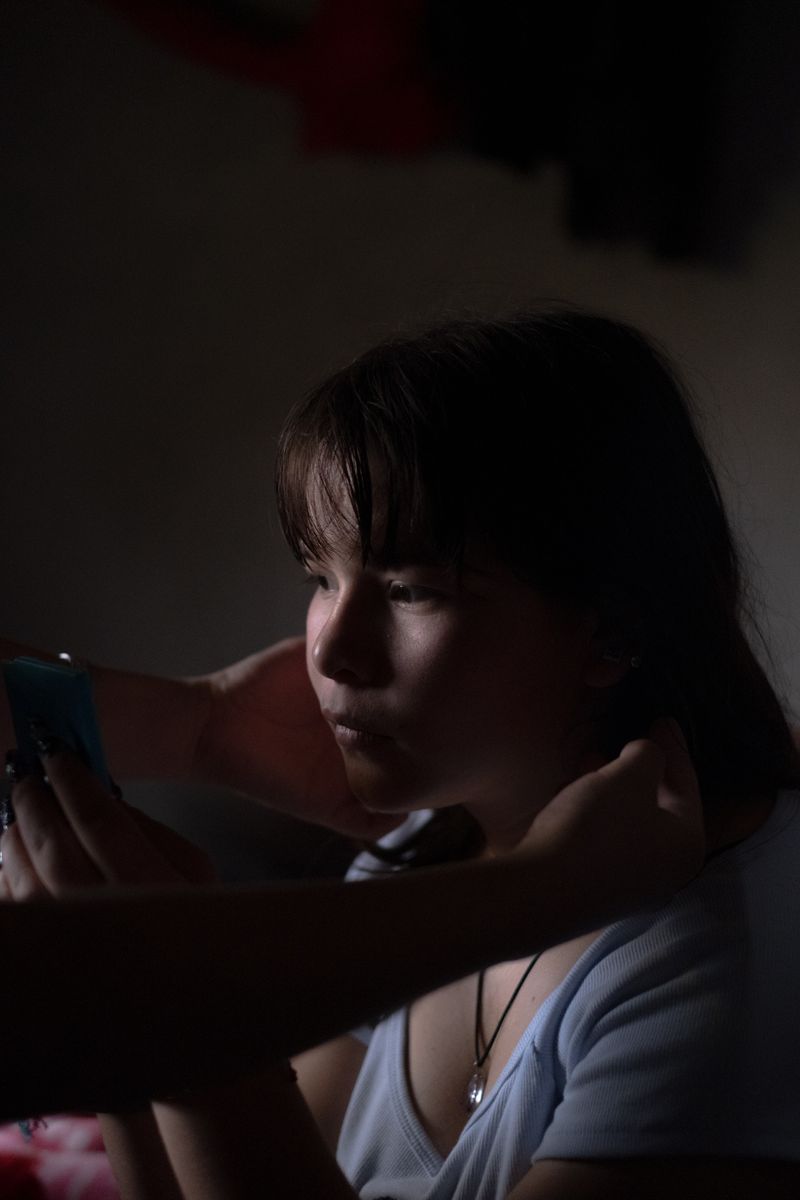
Cecilia during her final school year. In most of the remote communities, the educational horizon often ends with high school. At this moment, Ceci is still torn between the will to continue her studies and the preoccupation to move away from her family.

© Frédérique Gélinas - Image from the Ceci, te vas a ir? photography project
i

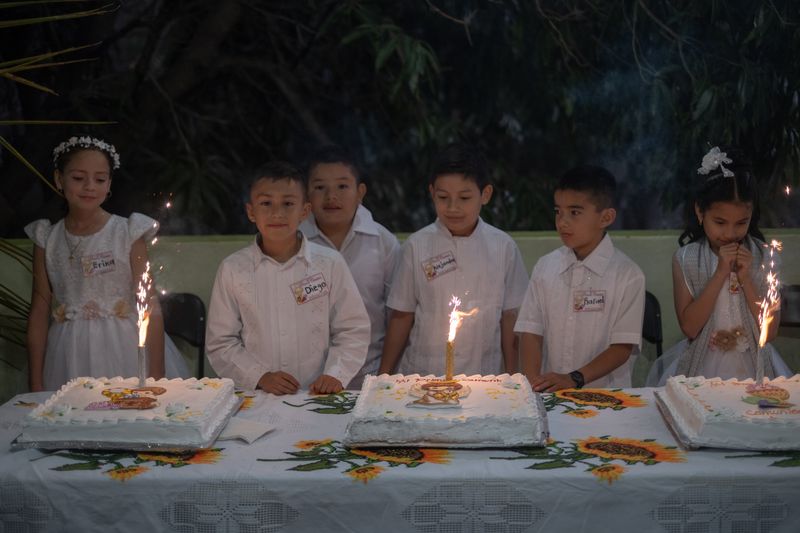
Three days after Cecilia’s departure, Yair celebrated his First Communion. Throughout the day, she followed the ritual from afar, asking for photos of her brother. Though her absence weighed on him and the whole family, Yair found joy in the rite alongside other children his age.

© Frédérique Gélinas - Image from the Ceci, te vas a ir? photography project
i

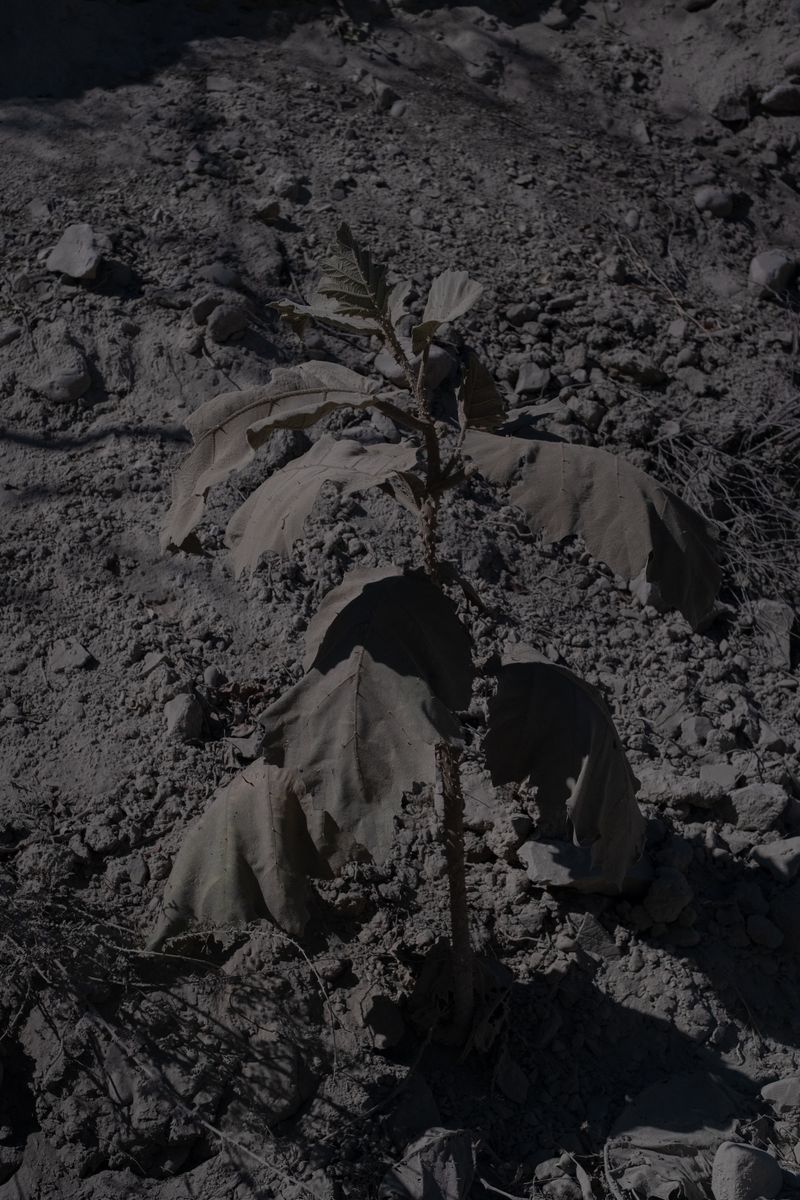
A papaya tree covered in dust along the road from Yegolé to Santa María Zoquitlán, the main road to reach the highway to the city of Oaxaca.

© Frédérique Gélinas - Image from the Ceci, te vas a ir? photography project
i

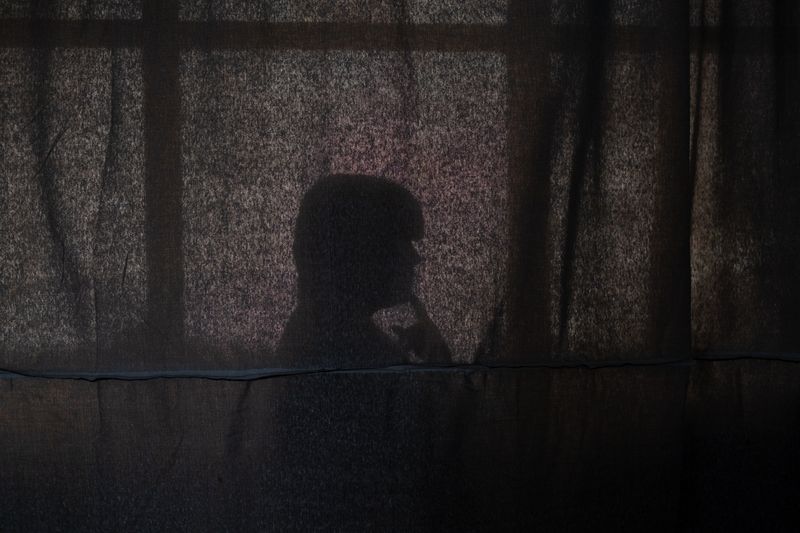
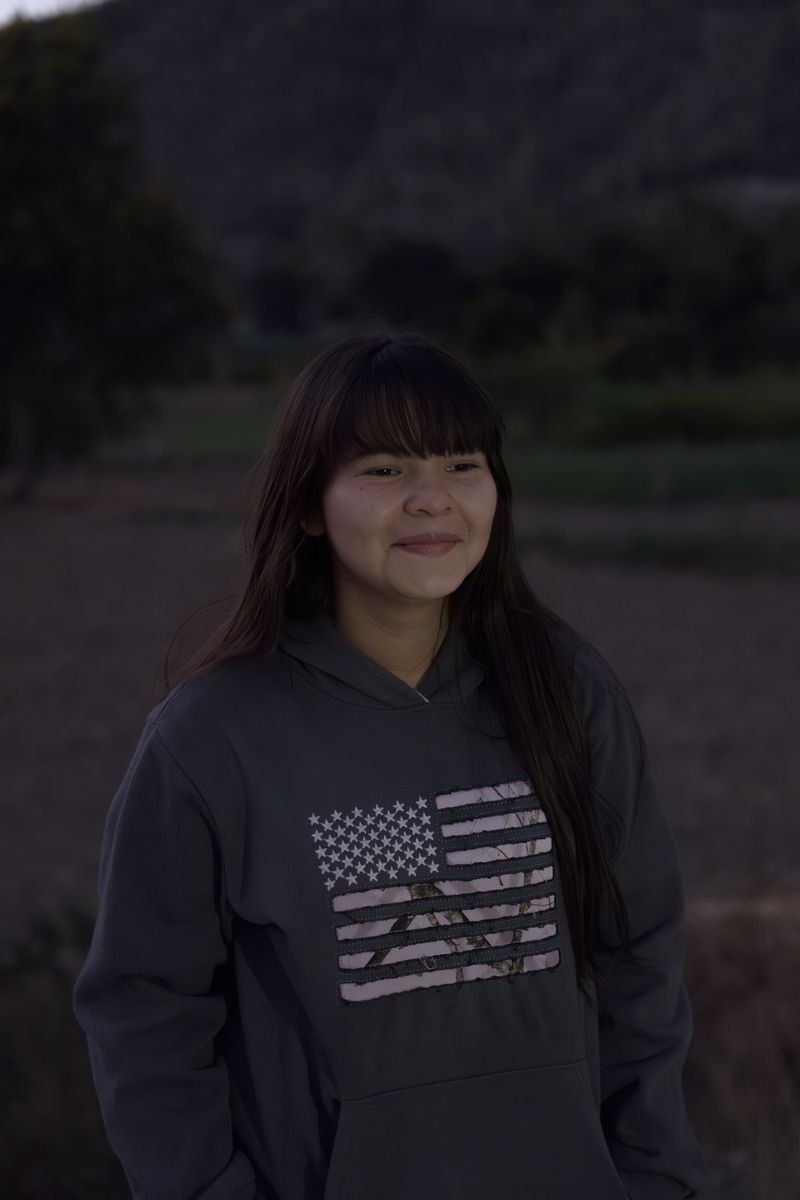
Cecilia on the night before leaving, on her way to her grandparents house to say goodbye. "My grandmother was crying", she told me when we came back.

Ceci, te vas a ir? by Frédérique Gélinas

Prev Next Close