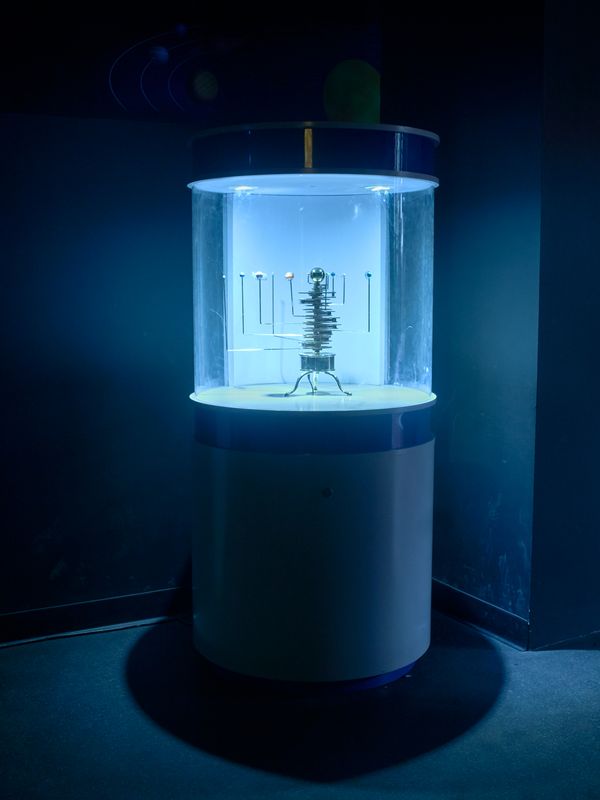
Castle of Innocence

  • Dates
    2019 - 2022
  • Author
  • Topics Archive, Contemporary Issues, Documentary
  • Location San José, Costa Rica

Castle of Innocence examines the power dynamics present in the construction of historical narratives and collective memory through the imaginative space of the Children's Museum of Costa Rica.

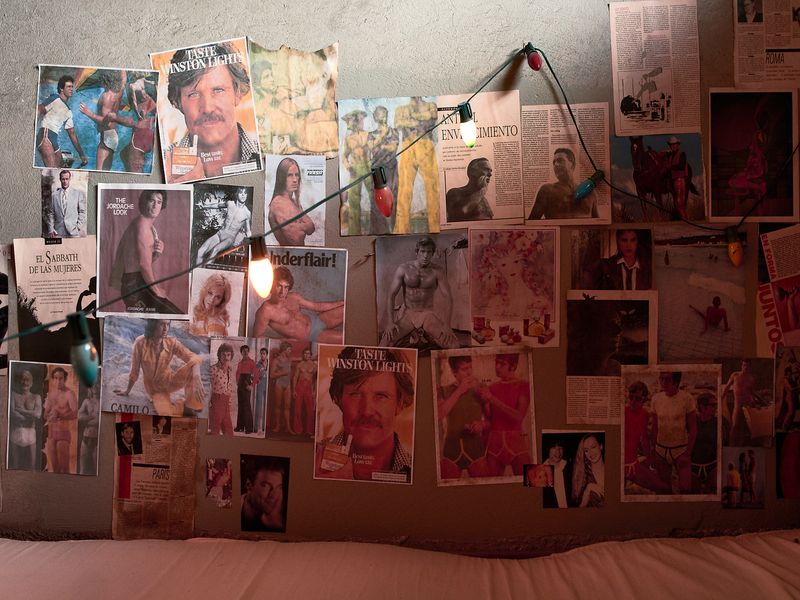
“Castle of Innocence” examines the Children’s Museum of Costa Rica as a contested site of memory, power, and identity. Erected on the foundations of the country’s former central prison—a place of confinement, violence, and state control—the building now operates as an imaginative educational space, concealing its traumatic past beneath layers of playful artifice. The project critically engages with this layered history, interrogating how institutions construct and manipulate collective memory through architecture, display, and narrative.

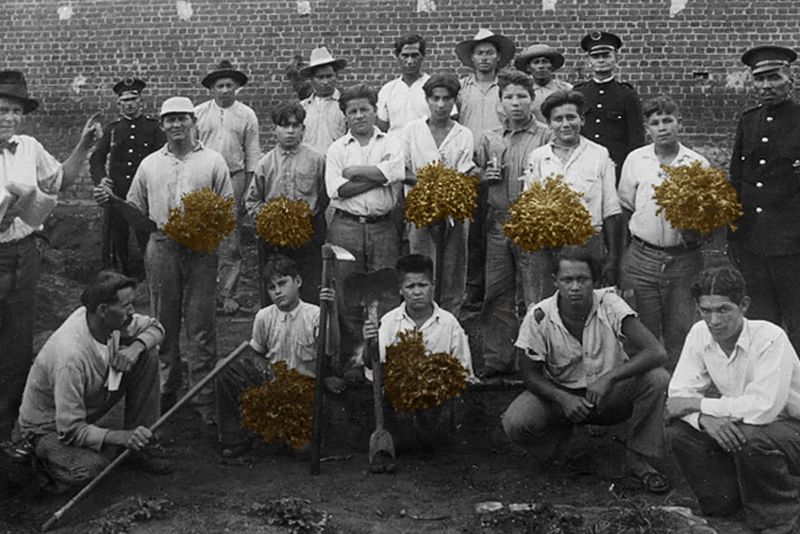
Within the staged environments of the museum, fact and fiction collide, revealing the mechanisms through which dominant knowledge systems are produced and disseminated. By integrating child-like interventions into archival photographs from the prison era and juxtaposing these with present-day documentation of the museum’s objects and constructed spaces, the work challenges photography’s claim to truth, underscoring its potential to reinforce or subvert power.

Set entirely in San José, Costa Rica, the project is grounded in the history of the Penitenciaría Central and its 1994 conversion into the Museo de los Niños. It engages with global debates on how spaces of trauma are sanitized and repurposed, and how national identity is staged for public consumption.

Rejecting the dominant linear ways in which histories are told, the project reveals echoes and continuities between the two spaces and their functions for individuals.Through this comparison, it interrogates the fragile boundaries between protection and control, memory and erasure, education and indoctrination.
© Joel Jimenez - Image from the Castle of Innocence photography project
i

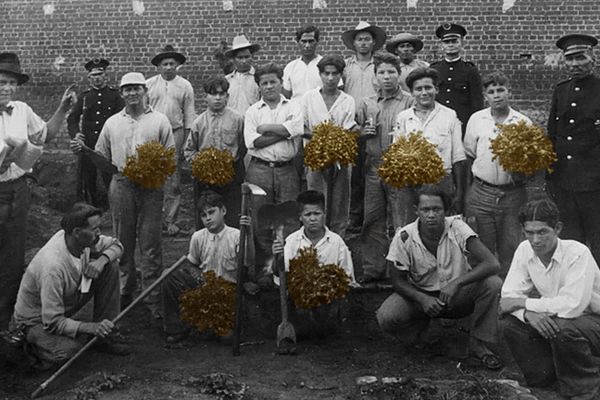
n.d. During the early 20th century, minors caught stealing in the streets, often referred to as “rats”, were sent to the Central Penitentiary. They shared living quarters with older prisoners and were assigned various duties, including agricultural work.

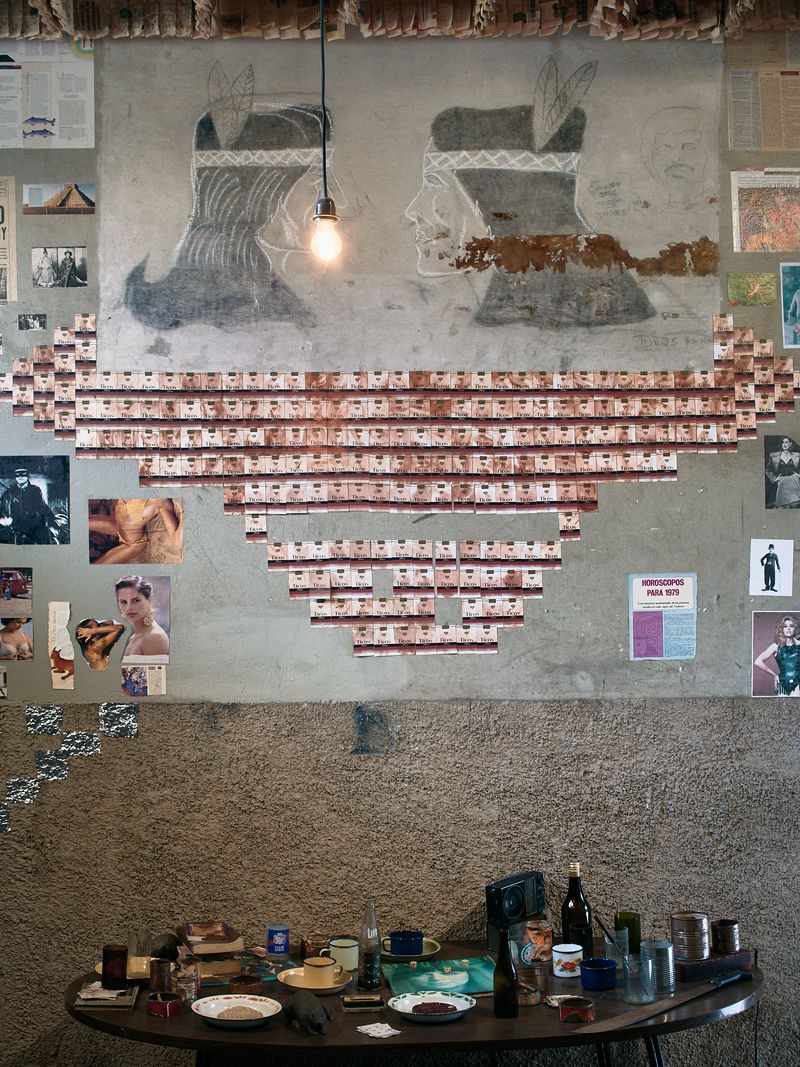
© Joel Jimenez - Recreated prison cell featuring an original mural painted by inmates, salvaged from the walls of the former prison.
i

Recreated prison cell featuring an original mural painted by inmates, salvaged from the walls of the former prison.

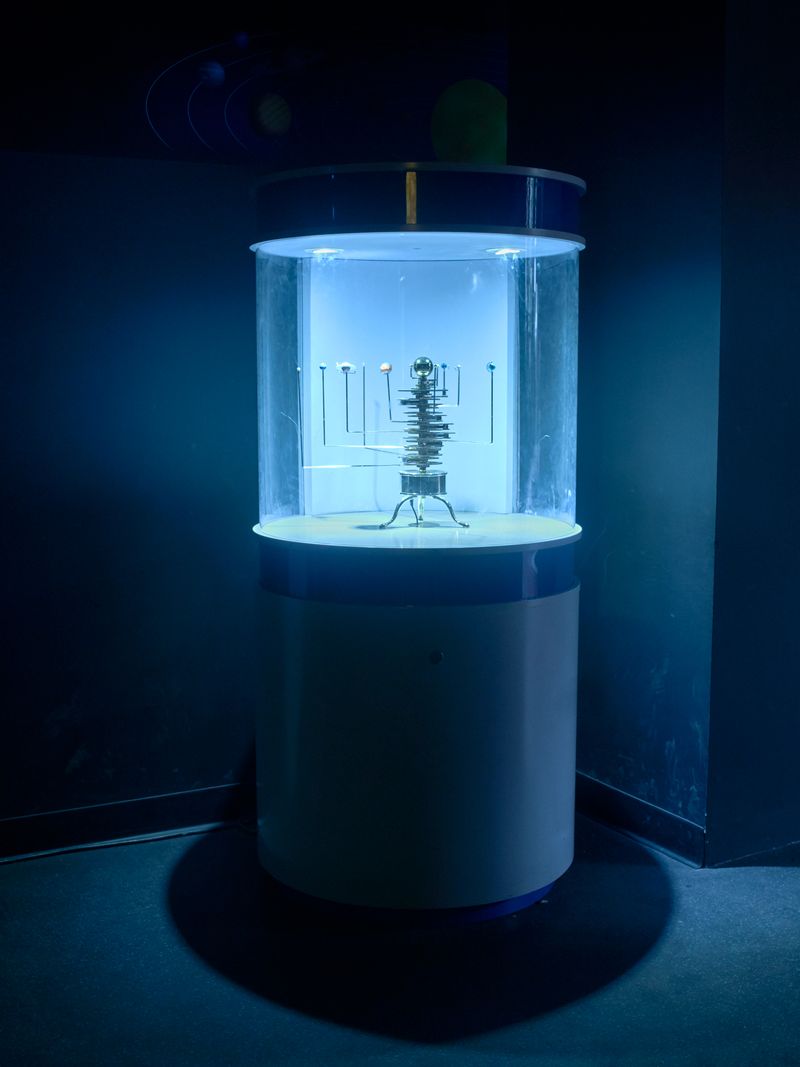
© Joel Jimenez - Non-functional interactive vintage installation depicting the solar system.
i

Non-functional interactive vintage installation depicting the solar system.

© Joel Jimenez - Image from the Castle of Innocence photography project
i

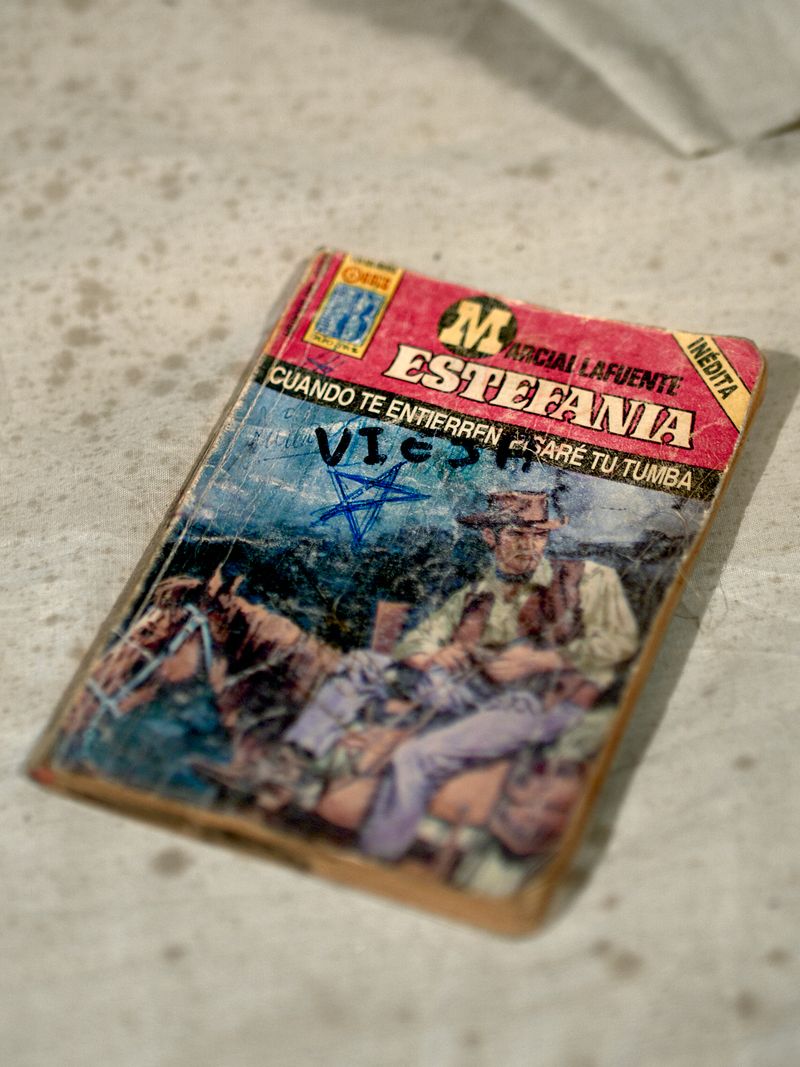
Vintage book titled “When They Bury You, I Will Step on Your Grave” resting on the stained bed of a recreated prison cell.

© Joel Jimenez - Image from the Castle of Innocence photography project
i

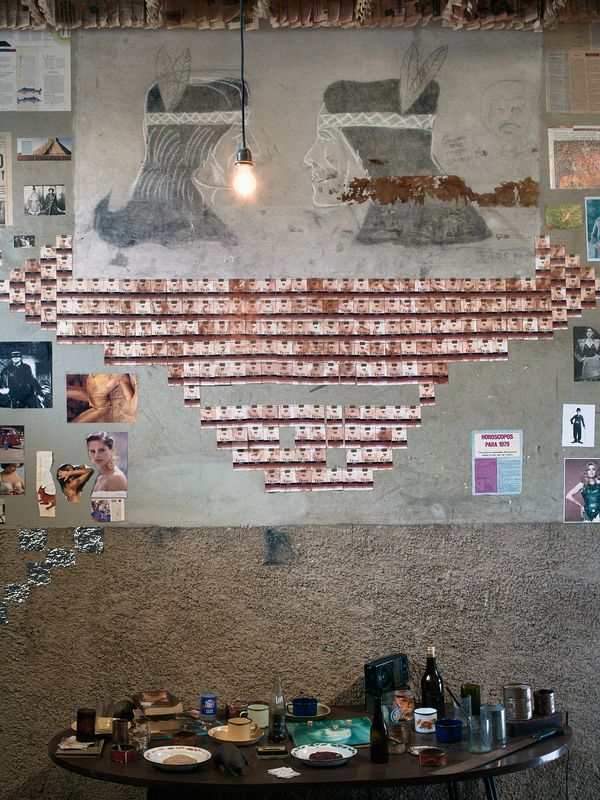
Genuine stamp table utilized by precolonial indigenous cultures from Costa Rica, on display in the Indigenous Heritage section of the Children’s Museum.

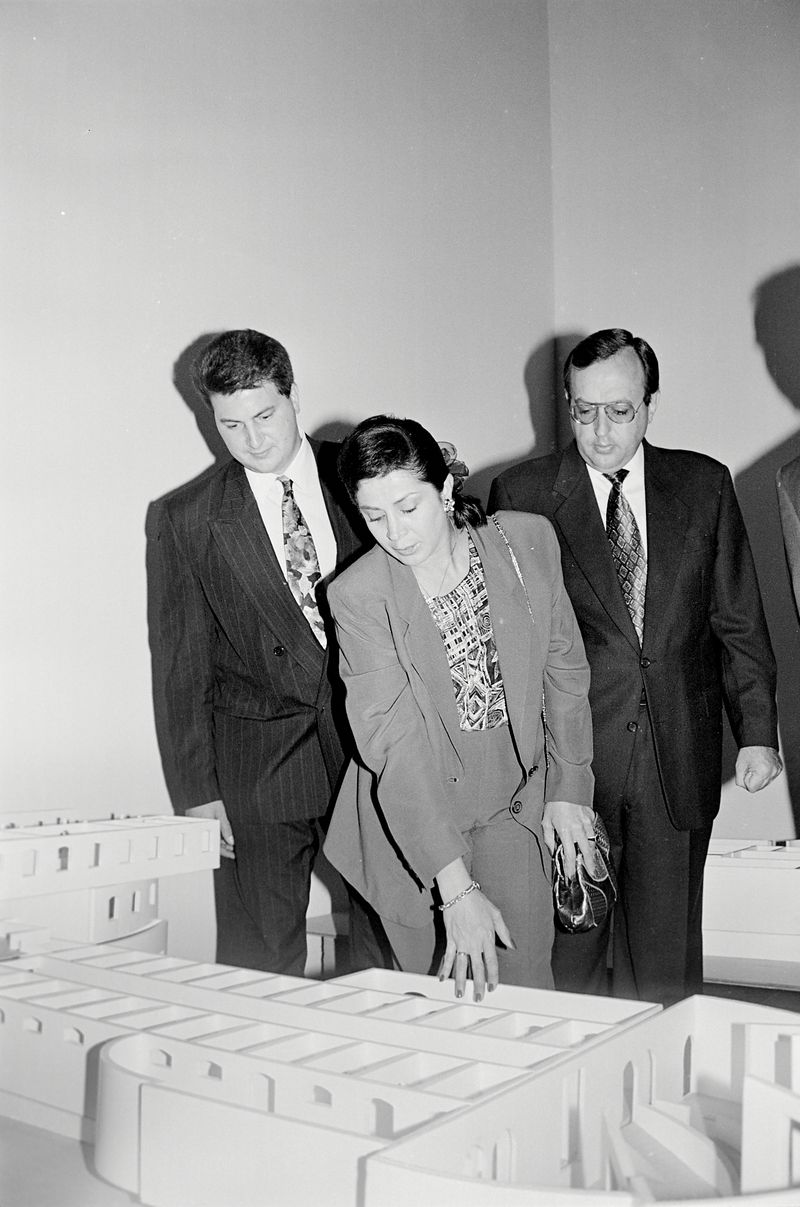
© Joel Jimenez - n.d. Public officials supervising the construction model of the prison’s transformation into the Children’s Museum.
i

n.d. Public officials supervising the construction model of the prison’s transformation into the Children’s Museum.

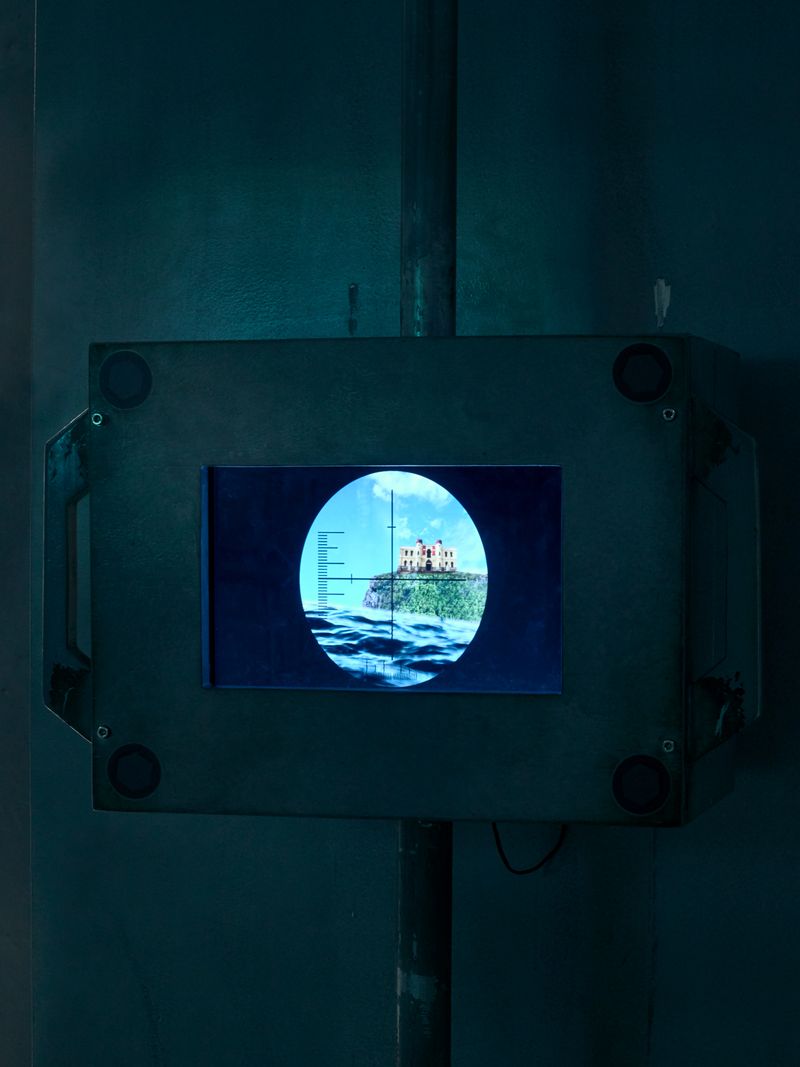
© Joel Jimenez - Simulation of a submarine periscope with an animated display showcasing the Children’s Museum of Costa Rica on an island.
i

Simulation of a submarine periscope with an animated display showcasing the Children’s Museum of Costa Rica on an island.

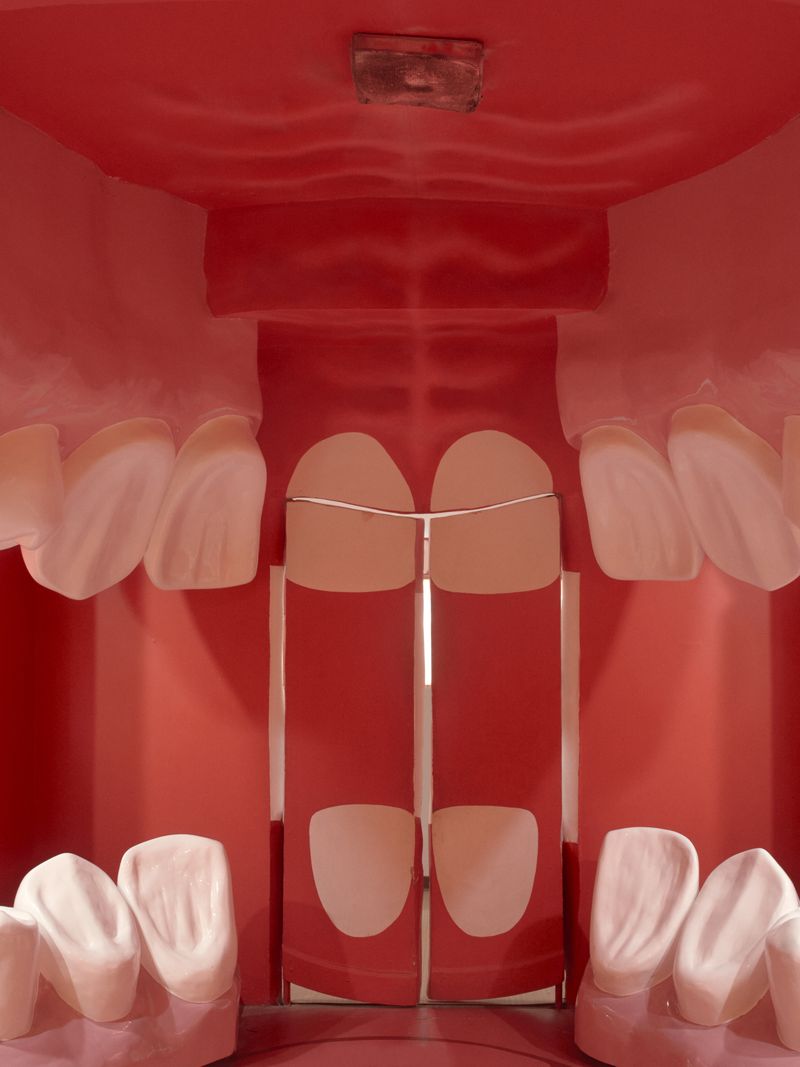
© Joel Jimenez - Museum room designed as a large scale replica of the inside of a human mouth.
i

Museum room designed as a large scale replica of the inside of a human mouth.

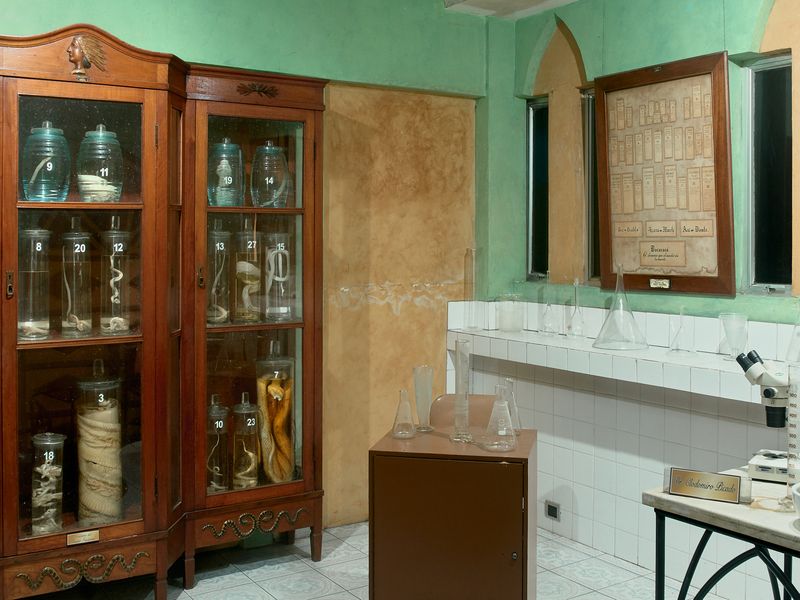
© Joel Jimenez - Recreated serpent venom research laboratory situated in the Science Education section of the museum.
i

Recreated serpent venom research laboratory situated in the Science Education section of the museum.

© Joel Jimenez - Image from the Castle of Innocence photography project
i

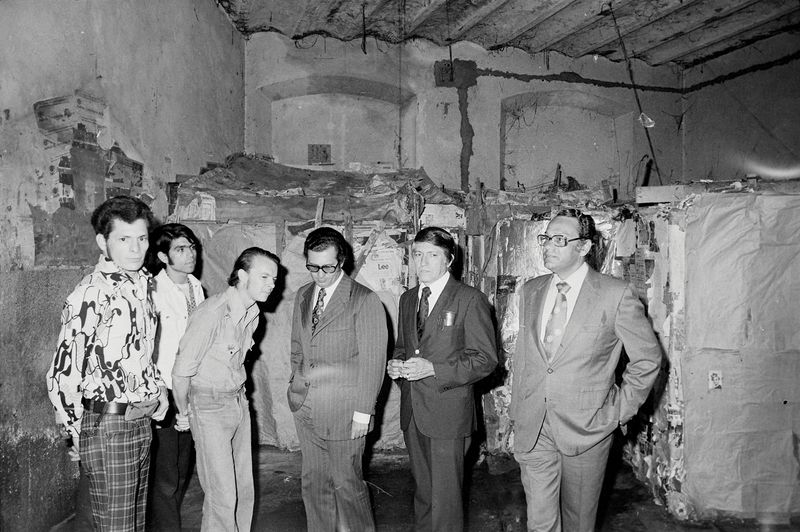
Circa 1974. Inmates and public officials posing for a photograph during a visit to inspect the living conditions of prisoners at the Central Penitentiary.

© Joel Jimenez - Recreated prison cell bed, allegedly utilized for sexual encounters.
i

Recreated prison cell bed, allegedly utilized for sexual encounters.

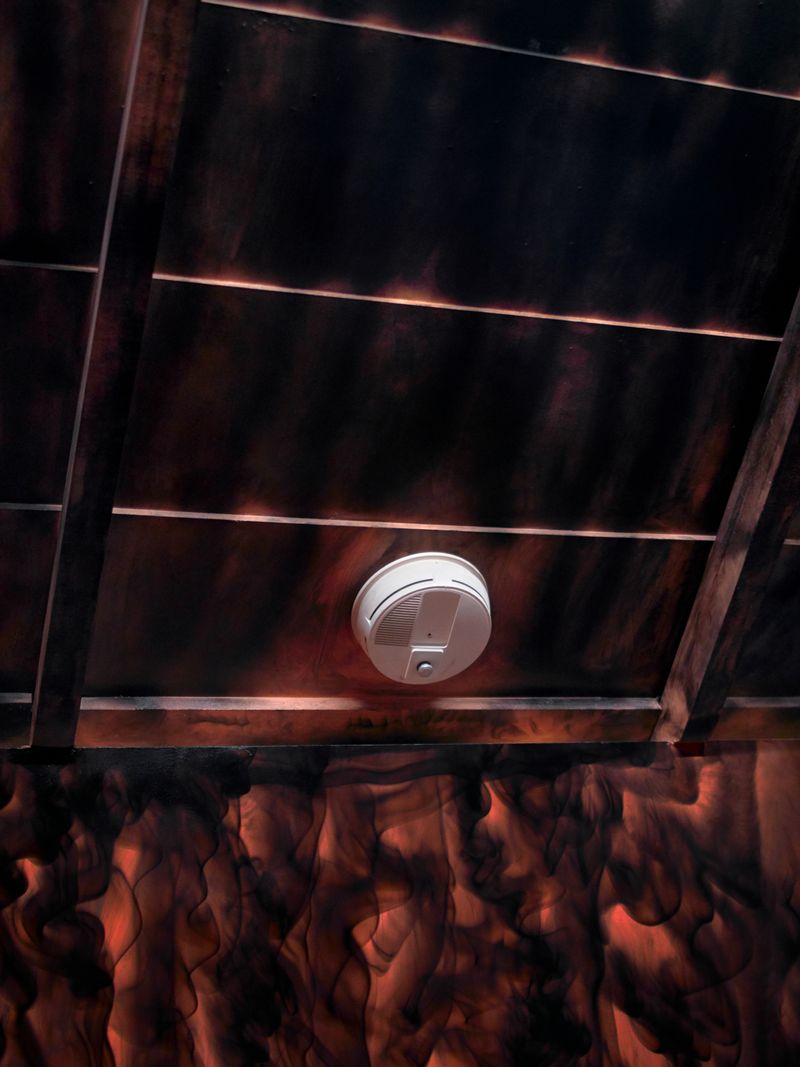
© Joel Jimenez - Detail of a fire simulation room within the Safety Education section.
i

Detail of a fire simulation room within the Safety Education section.

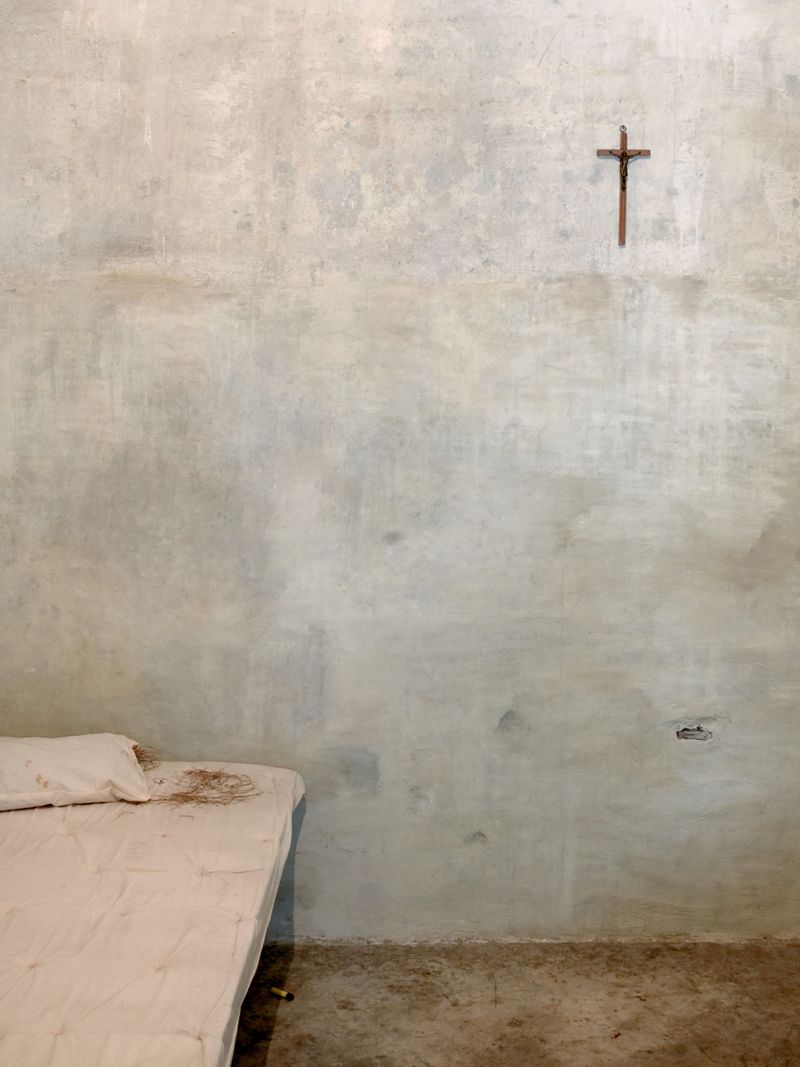
© Joel Jimenez - Recreated prison cell from the early 20th century.
i

Recreated prison cell from the early 20th century.

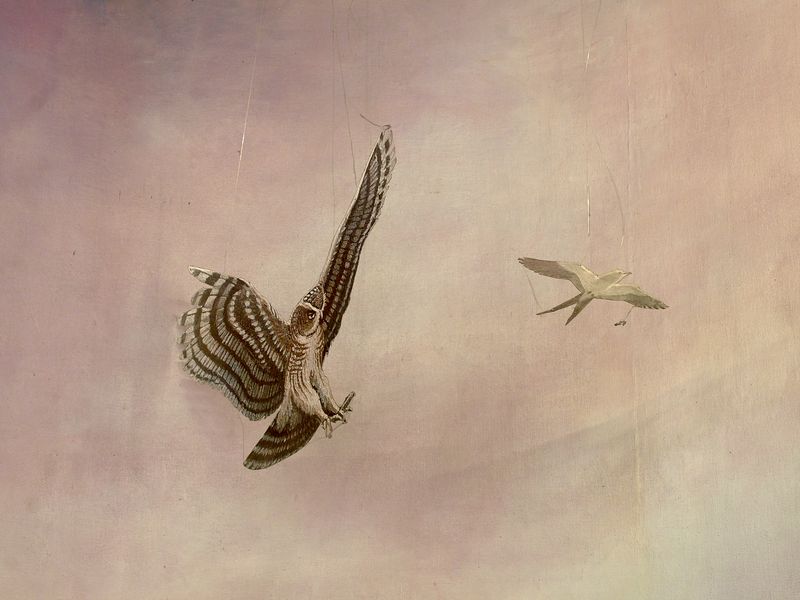
© Joel Jimenez - Detailed depiction of a recreated animal habitat, featuring a bird of prey.
i

Detailed depiction of a recreated animal habitat, featuring a bird of prey.

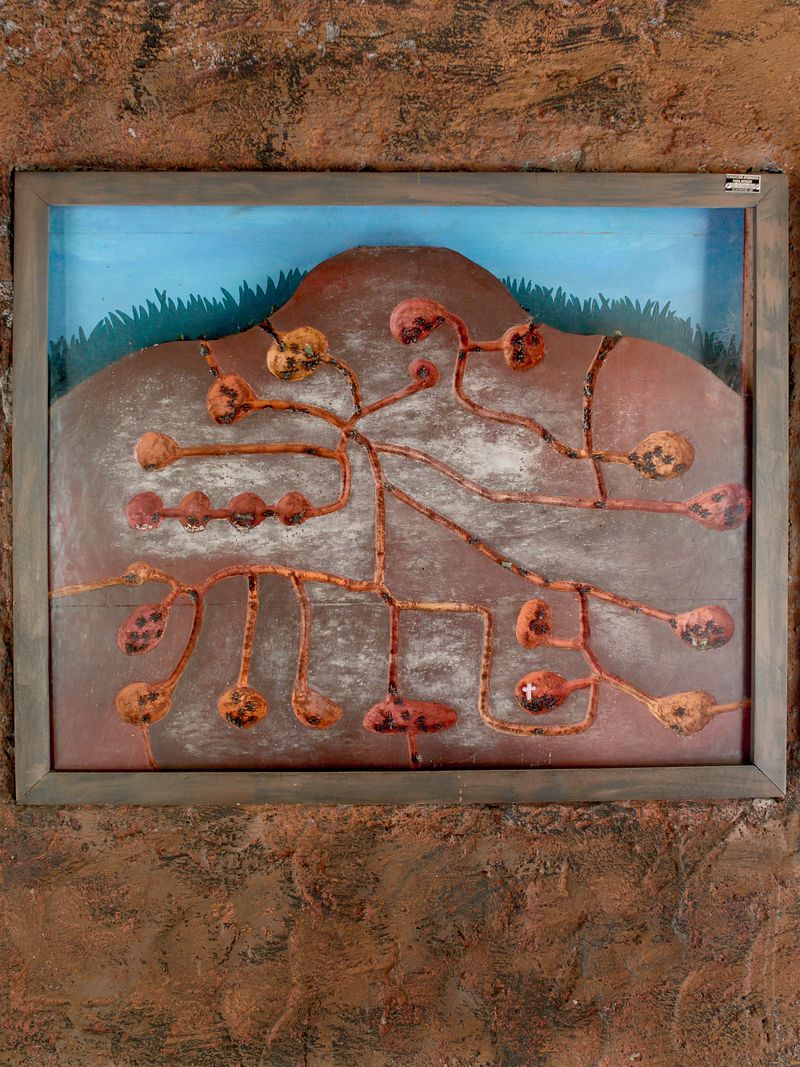
© Joel Jimenez - Ant farm replica.
i

Ant farm replica.

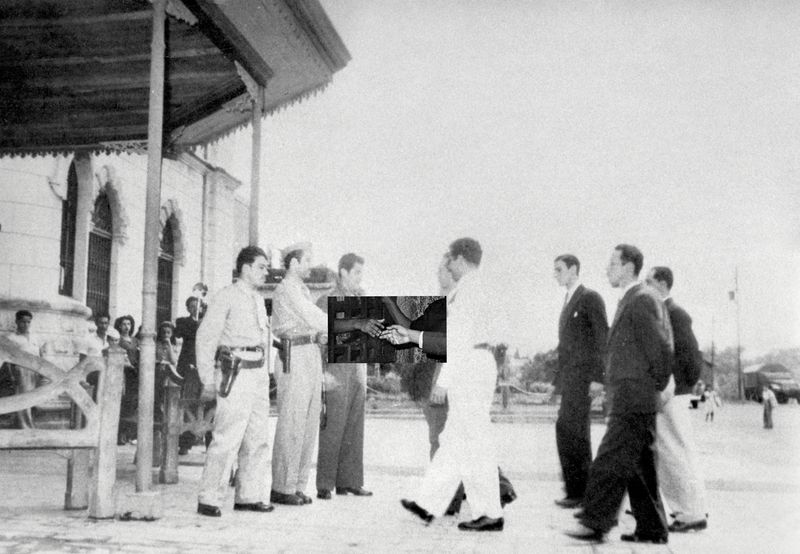
© Joel Jimenez - Image from the Castle of Innocence photography project
i

Circa 1949. Edgar Cardona, Minister of Defence and former soldier, relinquishes control of the prison to the police forces, marking a step in the demilitarization process following the abolition of the military in Costa Rica in 1948.

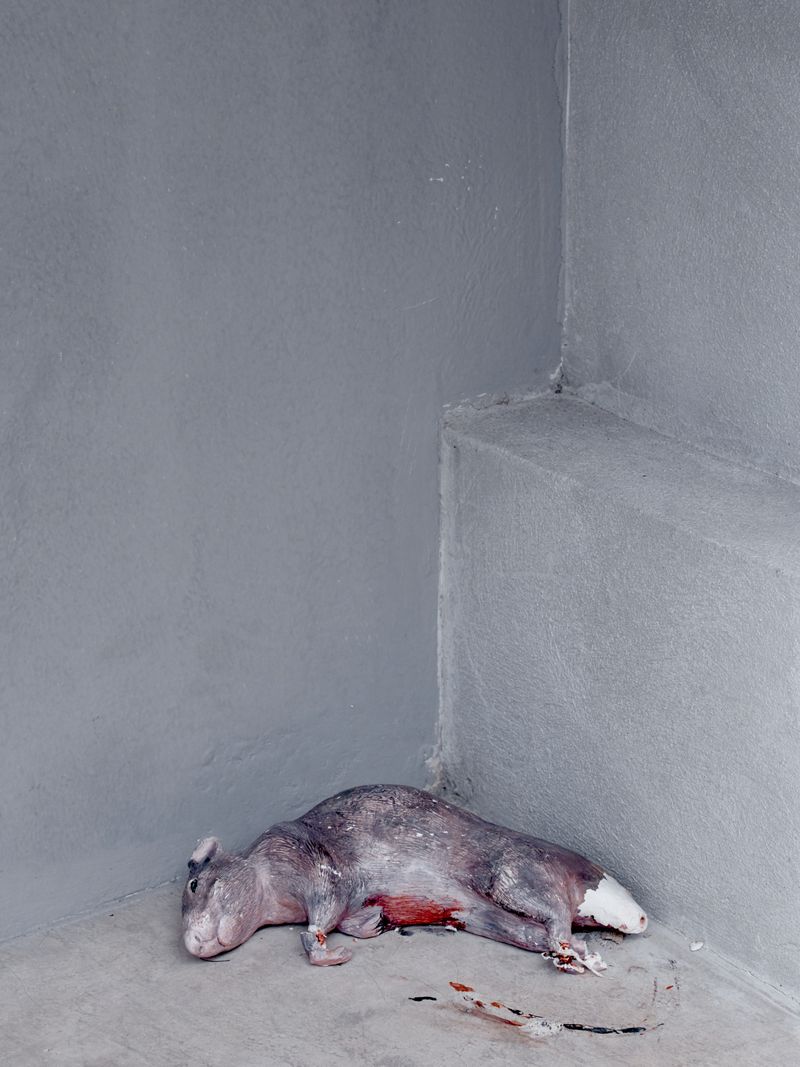
© Joel Jimenez - Deceased fake rat positioned within a recreated prison cell.
i

Deceased fake rat positioned within a recreated prison cell.

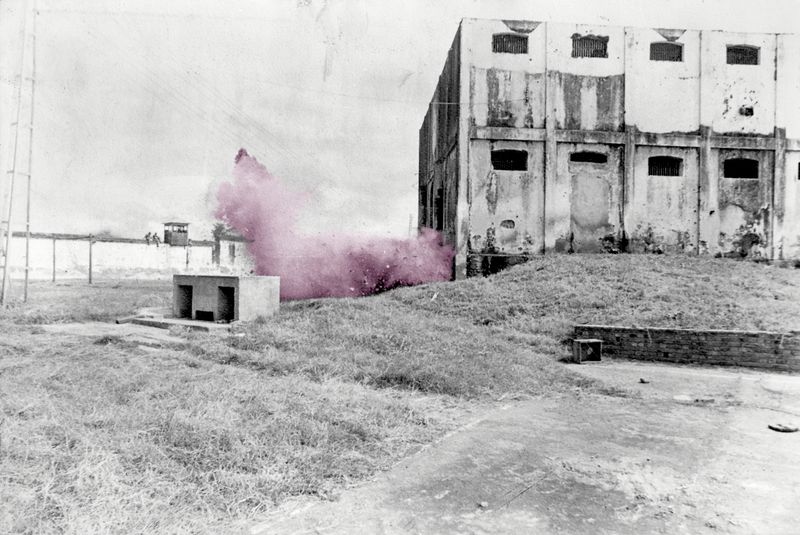
© Joel Jimenez - 1979. President Rodrigo Carazo performs a symbolic detonation to signal the closure of the Central Penitentiary.
i

1979. President Rodrigo Carazo performs a symbolic detonation to signal the closure of the Central Penitentiary.

© Joel Jimenez - Image from the Castle of Innocence photography project
i

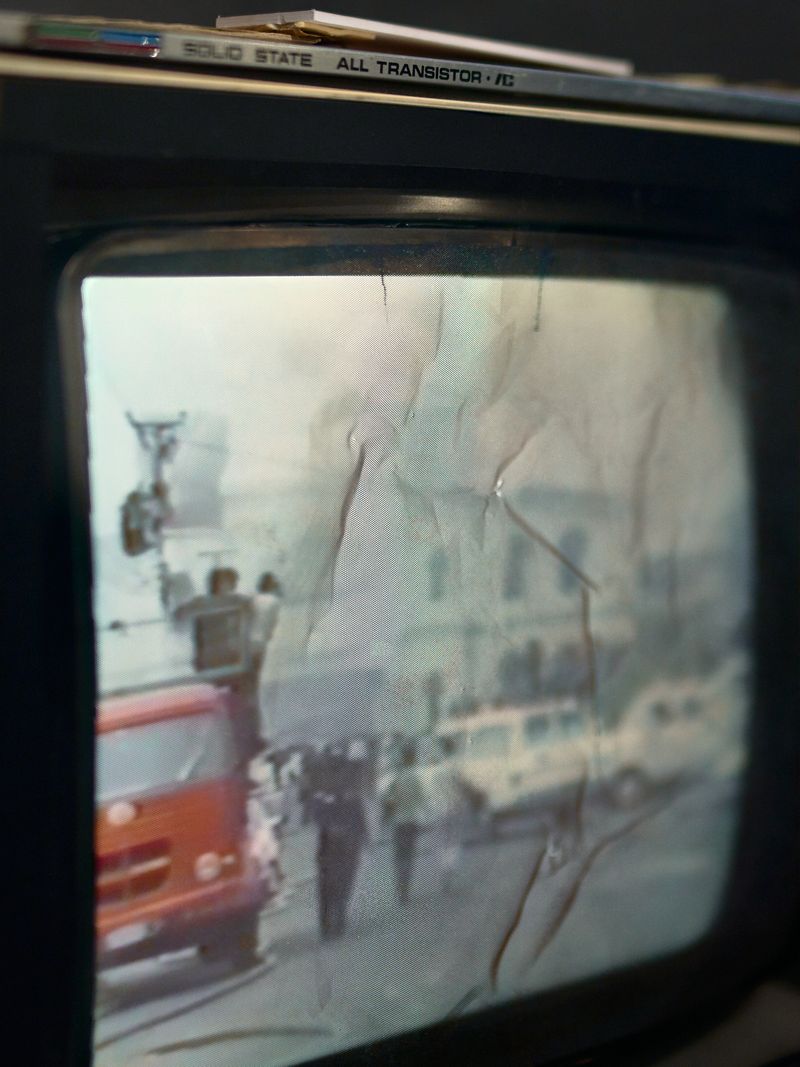
Replica of a vintage television playing news coverage from a devastating fire that struck the Central Penitentiary of Costa Rica in 1979.

© Joel Jimenez - Image from the Castle of Innocence photography project
i

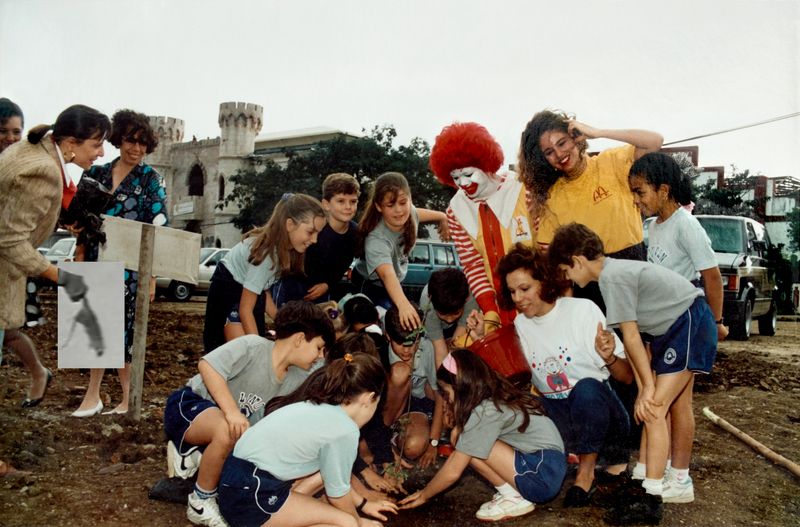
1990. Students from an upper-class private school participating in a tree-planting activity near the abandoned building of the Central Penitentiary.