Caribeños

"Caribeños," a personal project that explores migration, xenophobia, and racism through my history and connections with other people from the Caribbean. This is the first chapter that tells the experiences of Caribbeans in Chile.

Caribeños is a project that explores, based on my personal story, the life experiences of people from the Caribbean intertwined with migration, xenophobia, racism, and inequalities, especially towards Afro Caribbean communities. Through photography, videoart, and soundscapes, my project portrays these communities’ resilience, ancestry, and sorority; values that weave with Native indigenous peoples and Afro-descendant communities still underestimated by the state and society as they move through the Americas.

Caribeños represents a collective search for the ties we share with other people from the Caribbean. The first segment of this project was developed in Chile, where I address my intimate and family experience as a Caribbean migrant woman, along with the stories of Makanaky, Mimy, Martina, and Wiki. Our voices and image expose ways to face racism and xenophobia in this Southern territory that we inhabit. Mimy is Cuban and I am Venezuelan, and alongside Wiki, Martina, and Makanaki, we are part of the almost one-and-a-half million migrants residing in this Chile by December 2021. Insufficient immigration policies have exacerbated racism and xenophobia and in the last years, as a result the term caribeños is now used as a slur in social media. Resignifying to expand the word that we define as ours claims dignity in the diversity of our bodies and memories that centers this project. 

My visual discourse is built around a prompt: For you, what is the Caribbean? For myself, a black Caribbean migrant woman, the Caribbean is my home, a sea with a name. How is it perceived by other Caribbeans? How they inhabit it in crisis, in the distance, and when mourning.

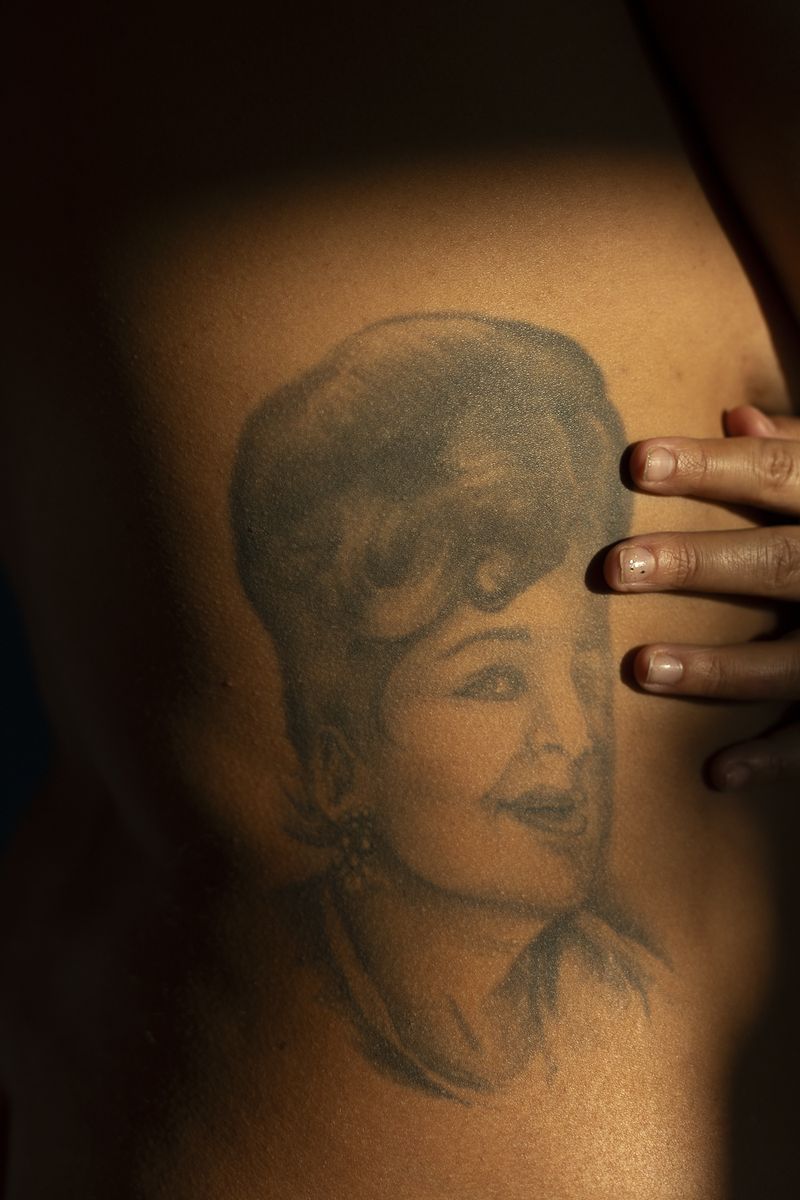
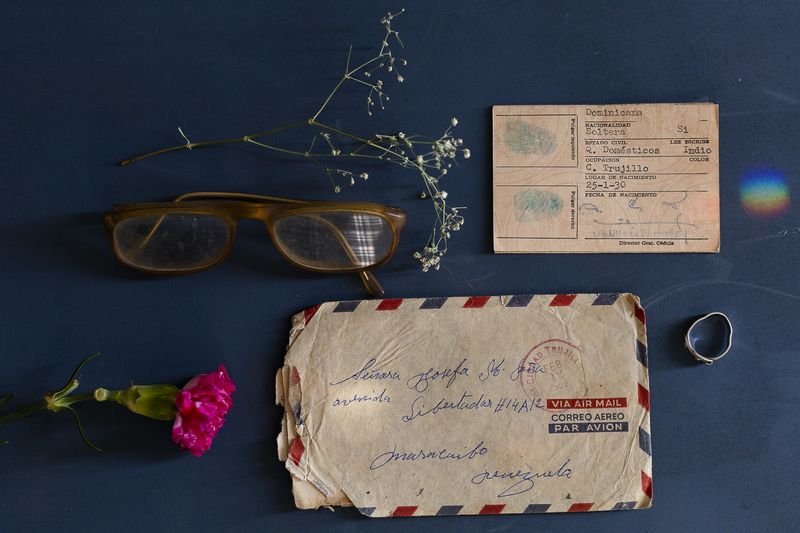
Caribeños recognizes my migrant and black history from my grandmother’s journey, Josefa, a black woman who decades ago abandoned her life in the Dominican Republic to emigrate to Venezuela. Approaching this topic, personally, was only possible because of my own migrant journey. To deepen this project, I expect to travel back home, to La Guaira, Venezuela, so I can examine with different/returned migrant eyes the sea that roots me. This grant will allow me to amplify this investigation and to include the portraits of Caribbean people from La Guaira, where I grew up, on the Venezuelan central coast, seems the next step forward for this project. Ultimately, I expect to conduct interviews to understand how Afro history is rooted, the challenges experienced, and its contrasts and similarities with people like me, migrants who have left Venezuela, and encounter their existence to be still resisting subjugation and structural State failures anywhere they go.
© Dagne Cobo Buschbeck - Image from the Caribeños photography project
i

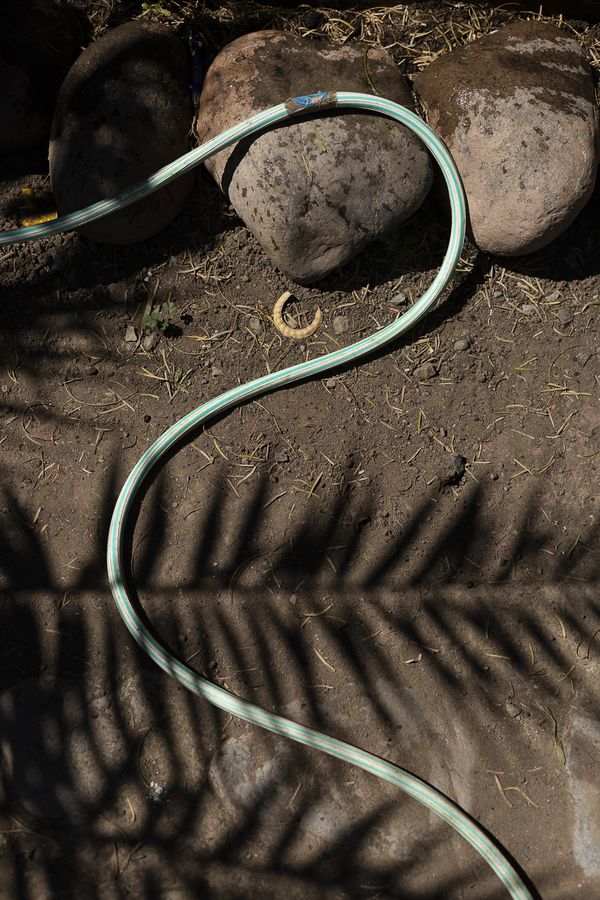
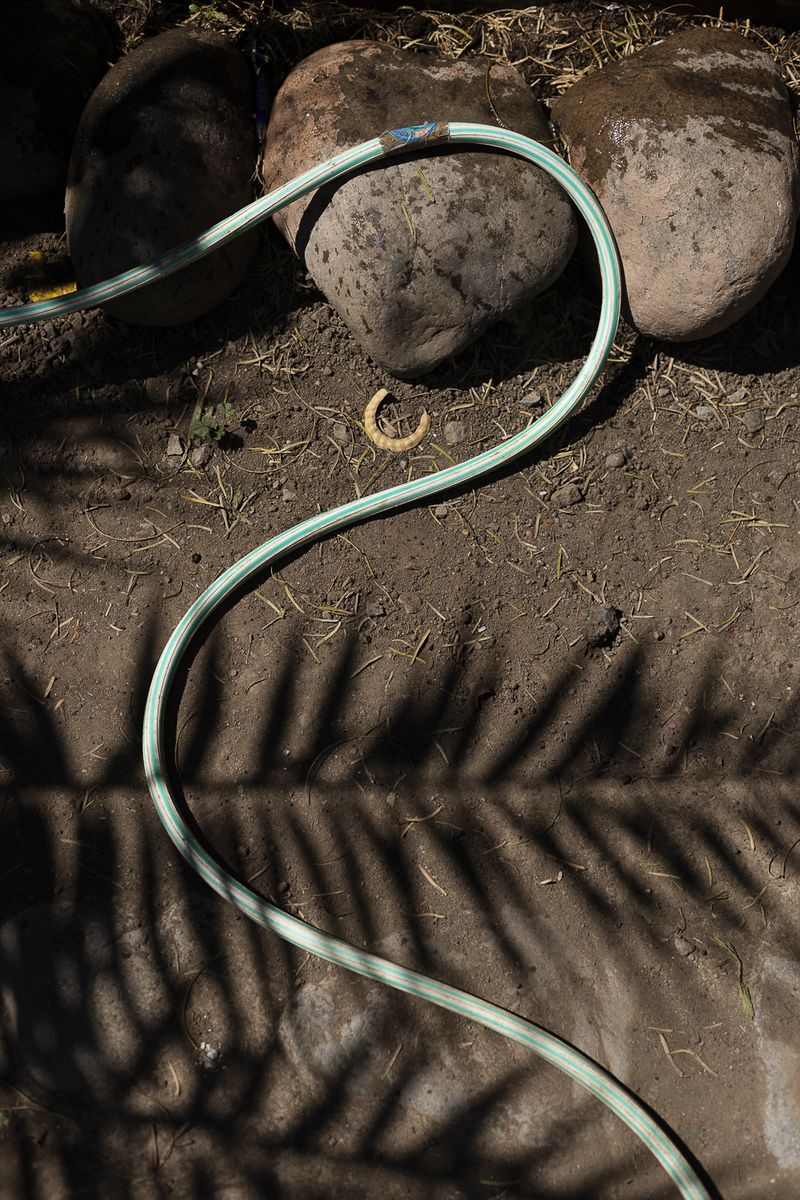
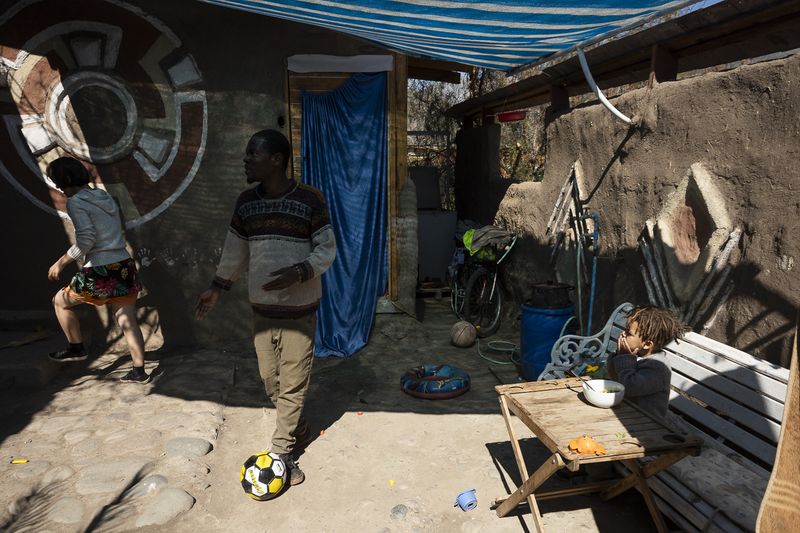
Kinam (not pictured) waters the plants in the yard of his house. Kinam is Makanaky's son. For Makanaky, it is a relief that the heat is beginning after the winter. Putaendo, San Felipe commune in Chile. October 9, 2023. Photograph by Dagne Cobo Buschbeck.

© Dagne Cobo Buschbeck - Image from the Caribeños photography project
i

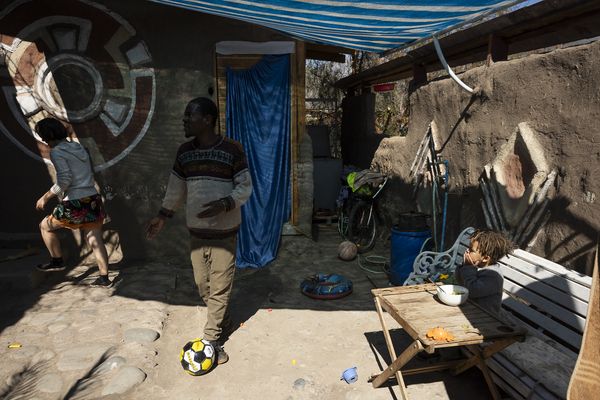
Natalia, Makanaky, and Kinam prepare to have breakfast at their house. Putaendo, San Felipe commune in Chile. October 9, 2023. Photograph by Dagne Cobo Buschbeck.

© Dagne Cobo Buschbeck - Image from the Caribeños photography project
i

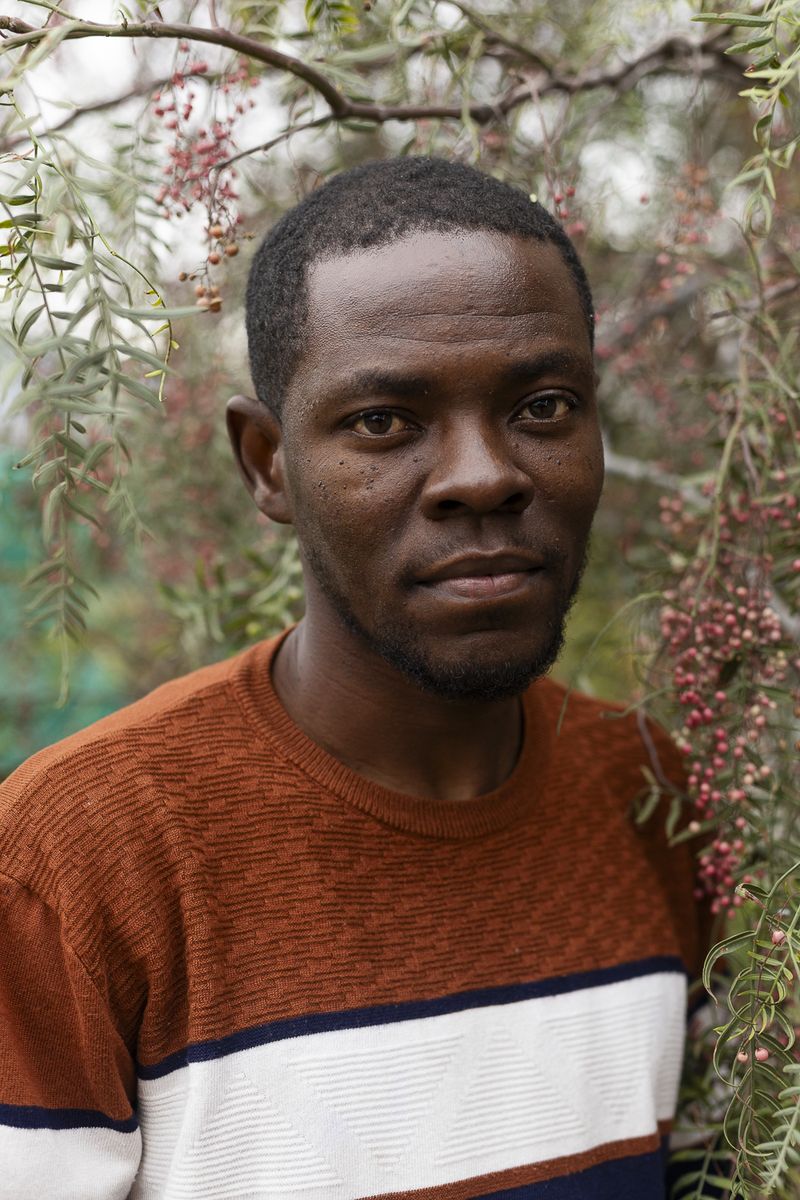
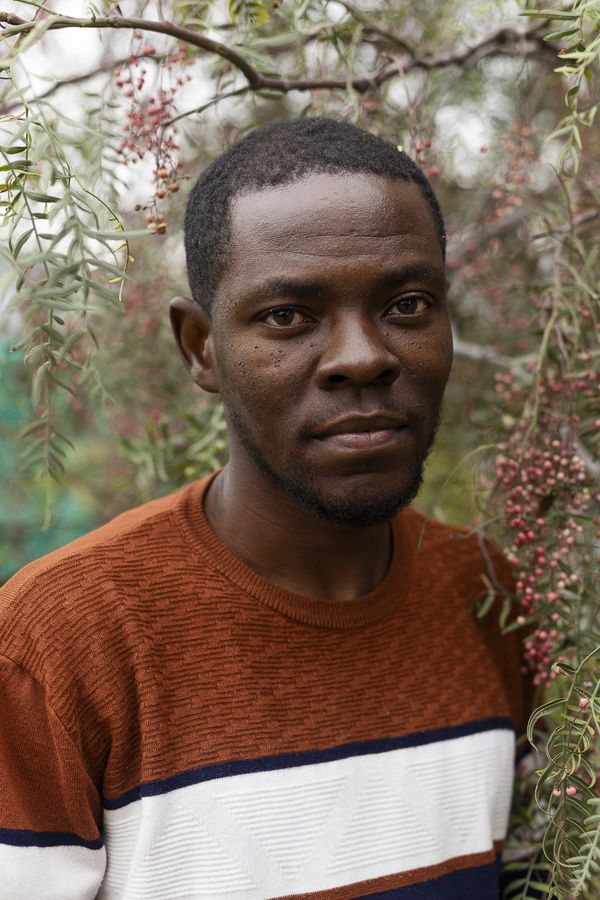
Jean Joseph Makanaki Andain, known as Makanaki ADN, Haitian poet, and slam artist, poses for a portrait in the courtyard of his house under a molle tree, an endemic Chilean species of pink pepper. Putaendo, San Felipe commune in Chile. September 5, 2023.

© Dagne Cobo Buschbeck - Image from the Caribeños photography project
i

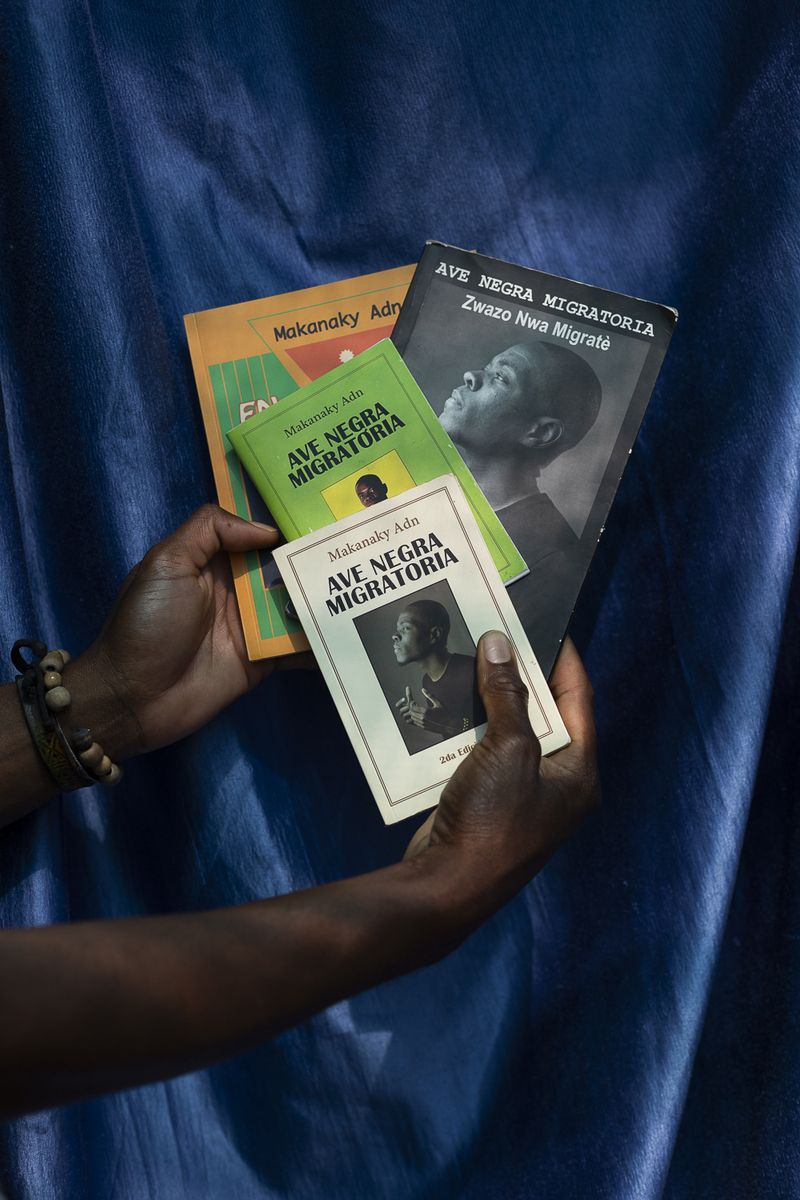
Makanany holds his four books: En Amor Arte, made with Natalia, and Ave Negra Migratoria, in its first and second editions, as well as the Portuguese edition.Putaendo, San Felipe commune in Chile. October 9, 2023. Photograph by Dagne Cobo Buschbeck.

© Dagne Cobo Buschbeck - Image from the Caribeños photography project
i

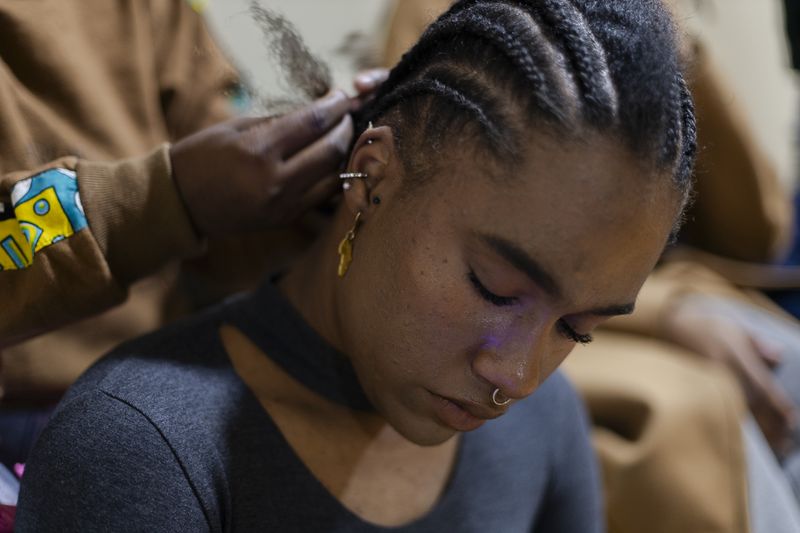
Michelle Montalvo (22) relaxes while her friend Martina Joseph (22) braids her afro hair. Michelle is Cuban. She left her country when she was 13 years old. Santiago de Chile, August 20, 2023. Photograph by Dagne Cobo Buschbeck.

© Dagne Cobo Buschbeck - Image from the Caribeños photography project
i

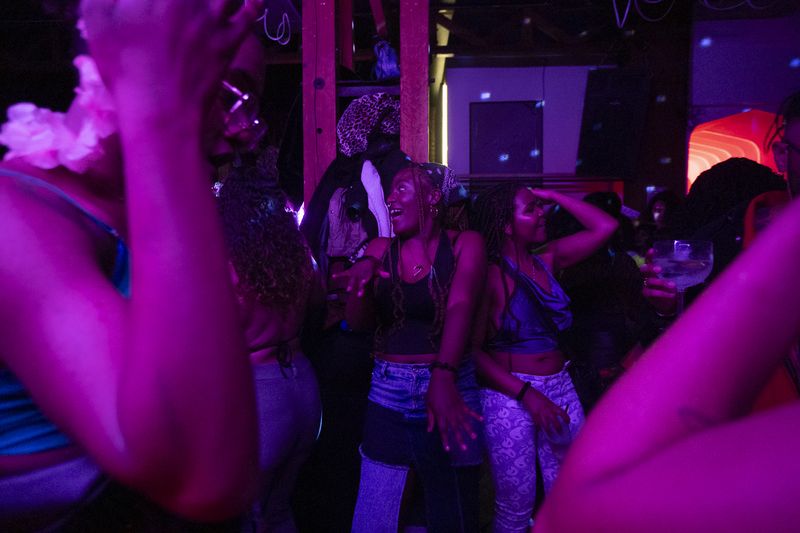
Martina Joseph (22, center), a Haiti migrant in Chile, dances at an Afro-themed party in the Yungay neighborhood in Santiago, Chile, on September 8, 2023. Photograph by Dagne Cobo Buschbeck.

© Dagne Cobo Buschbeck - Image from the Caribeños photography project
i

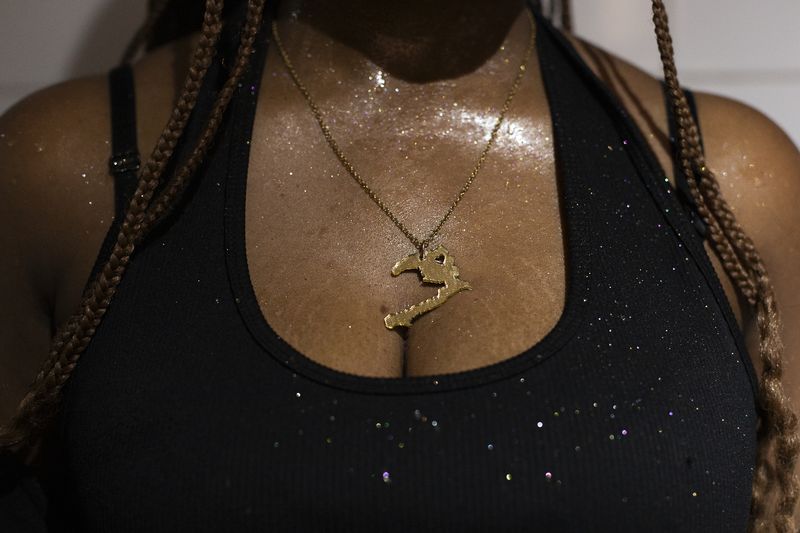
Martina Joseph (22) poses for a portrait of the detail of her slope in the shape of the map of Haiti during a meeting with friends in the Bellavista neighborhood of Santiago, Chile, on September 8, 2023. Photograph by Dagne Cobo Buschbeck.

© Dagne Cobo Buschbeck - Image from the Caribeños photography project
i

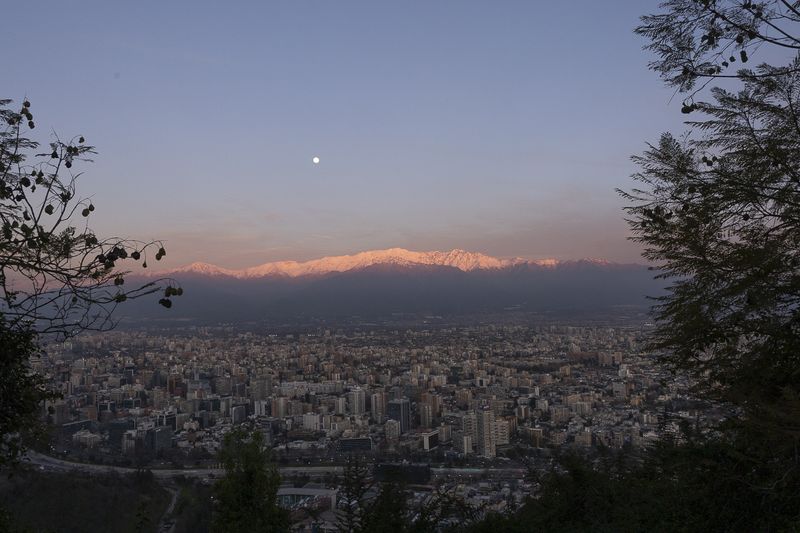
View of Santiago de Chile from San Cristóbal Hill, August 29, 2023.In Chile, there are around a million and a half migrants for December 2021.Photograph by Dagne Cobo Buschbeck.

© Dagne Cobo Buschbeck - Image from the Caribeños photography project
i

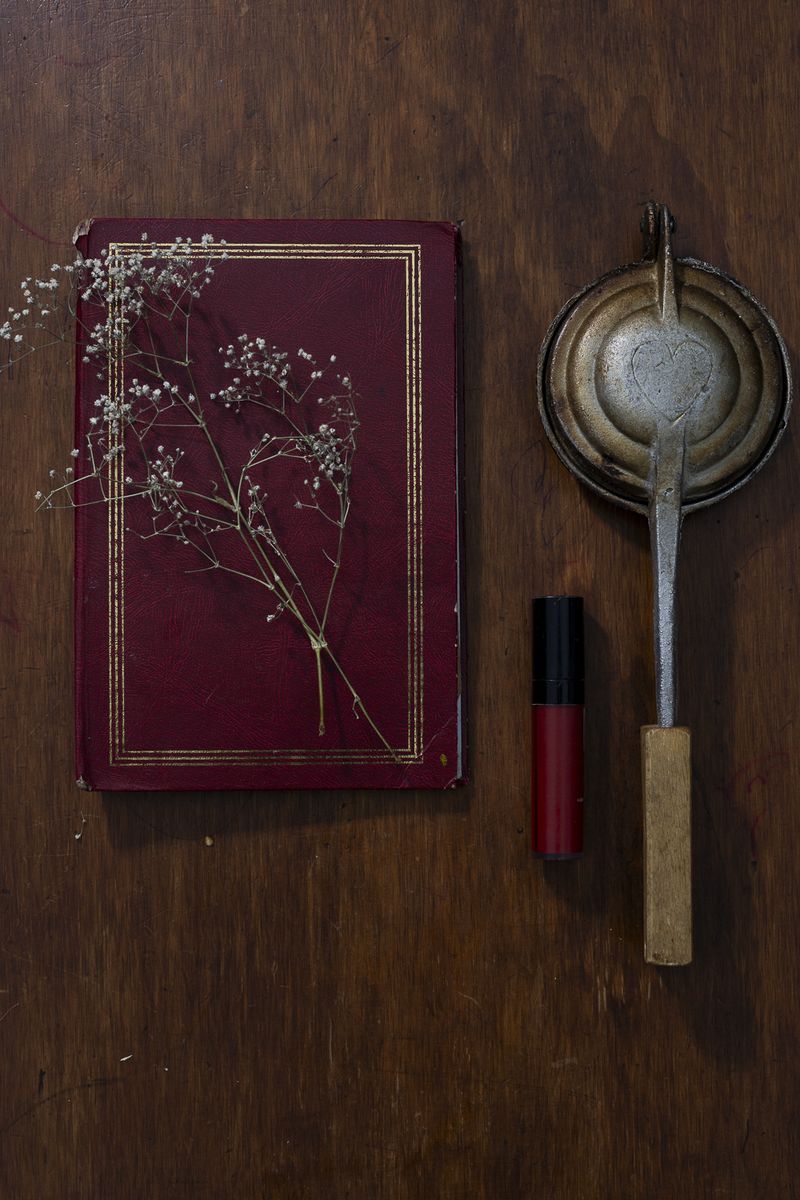
A toaster that Michelle brought and that they use in Cuba, in the middle a lipstick that a friend gave Martina before leaving, and a book of Wiki's memories. Santiago, Chile, September 9, 2023. Photograph by Dagne Cobo Buschbeck.

© Dagne Cobo Buschbeck - Image from the Caribeños photography project
i

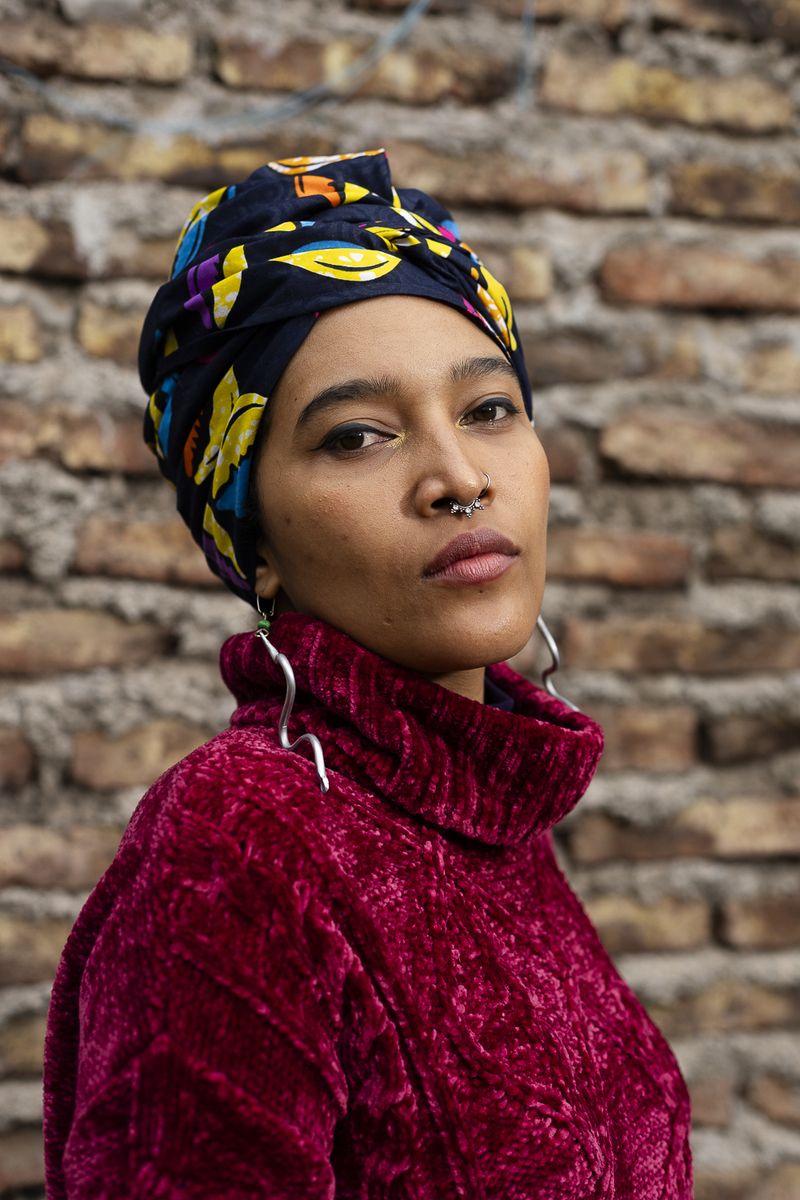
Wiki Pirela (30), a visual artist from Venezuela, poses for a portrait in Santiago, Chile, on September 9, 2023.His work focuses on migration, creating his symbols, and home in uprooting. Photograph by Dagne Cobo Buschbeck.

© Dagne Cobo Buschbeck - Image from the Caribeños photography project
i

Self-portrait of the tattoo with the face of my grandmother Josefa.With migration, I have become more curious about the story of her, a black migrant woman like me.Santiago de Chile, August 31, 2023. Photograph by Dagne Cobo Buschbeck.

© Dagne Cobo Buschbeck - Image from the Caribeños photography project
i

Some things from my grandmother: her Dominican ID, one of the letters her mother sent her, her glasses and a ring she wore, along with a carnation, her favorite flower.Santiago de Chile, August 31, 2023. Photograph by Dagne Cobo Buschbeck.

© Dagne Cobo Buschbeck - Image from the Caribeños photography project
i

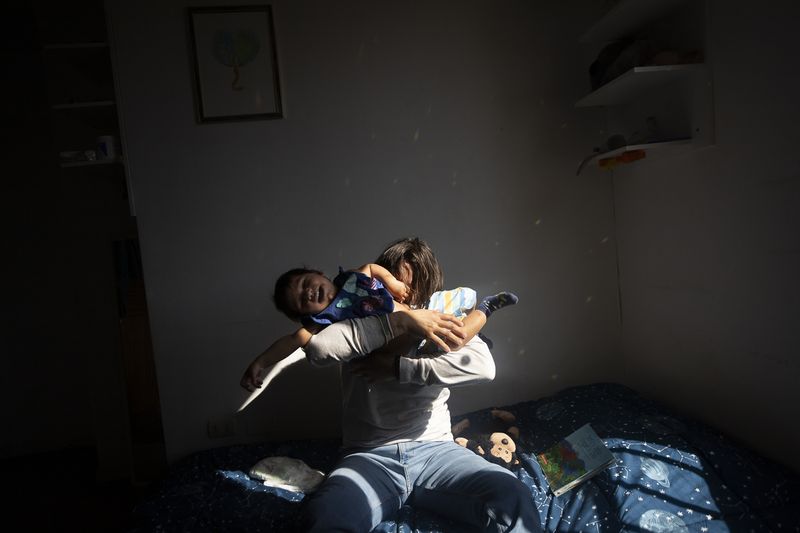
Miguel and my son Merú play in his room during a spring afternoon. Miguel is also Venezuelan and feels Caribbean. Keeping our culture alive in raising our son is essential. Santiago de Chile, October 11, 2023. Photograph by Dagne Cobo Buschbeck.

© Dagne Cobo Buschbeck - Image from the Caribeños photography project
i

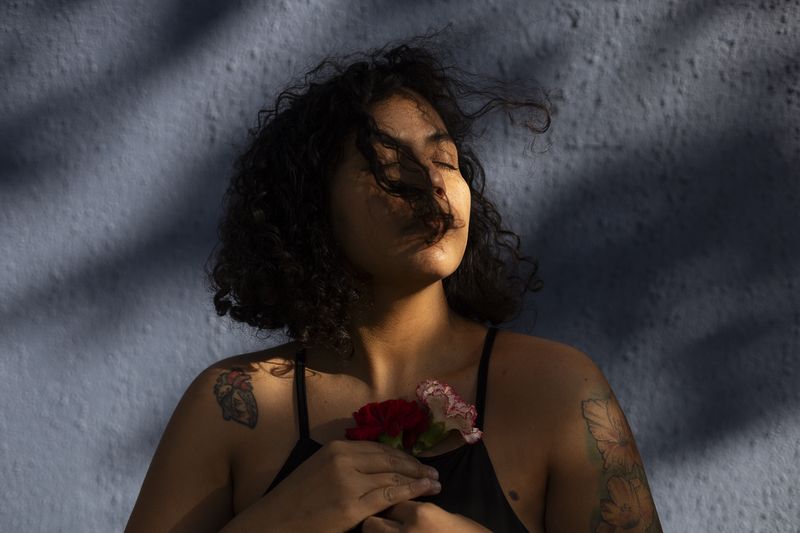
Self-portrait with flowers on a street in my neighborhood. Carnations were my grandmother Josefa's favorite flowers. I buy them on special dates to honor or feel her with me. Santiago de Chile, October 11, 2023. Photograph by Dagne Cobo Buschbeck.

Caribeños by Dagne Cobo Buschbeck

Prev Next Close