Breaking Point

Why do innocent people confess to crimes that they did not commit? This project explores law enforcement overreach in the interrogation room. Specifically, it explores how coercive interrogation tactics lead to false confessions.

Breaking Point is a photographic project that examines law enforcement overreach through the lived experiences of exonerees who were wrongfully convicted after being coerced into false confessions. Each participant was subjected to interrogation practices that prioritized closure and control over truth, revealing how institutional power can override individual rights with devastating consequences.

The project situates false confessions not as isolated miscarriages of justice, but as outcomes of a broader system that allows — and often rewards — coercion, intimidation, and psychological manipulation. Prolonged questioning, isolation, deception, and threats were used to extract compliance rather than facts. Inside the interrogation room, the authority of law enforcement became absolute, and the protections meant to safeguard the innocent failed.

While rooted in past cases, Breaking Point speaks directly to the present. The same mechanisms of overreach that enabled these wrongful convictions echo in contemporary practices across the United States, including aggressive surveillance, detention, and interrogation tactics employed by federal law enforcement agencies such as ICE. When such agencies operates with minimal transparency and accountability, entire communities become vulnerable, and legality drifts dangerously close to abuse.

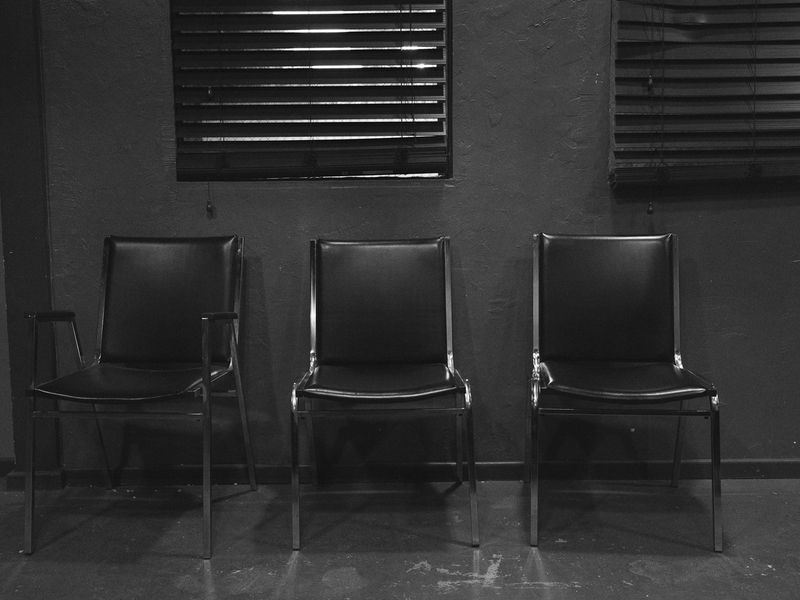
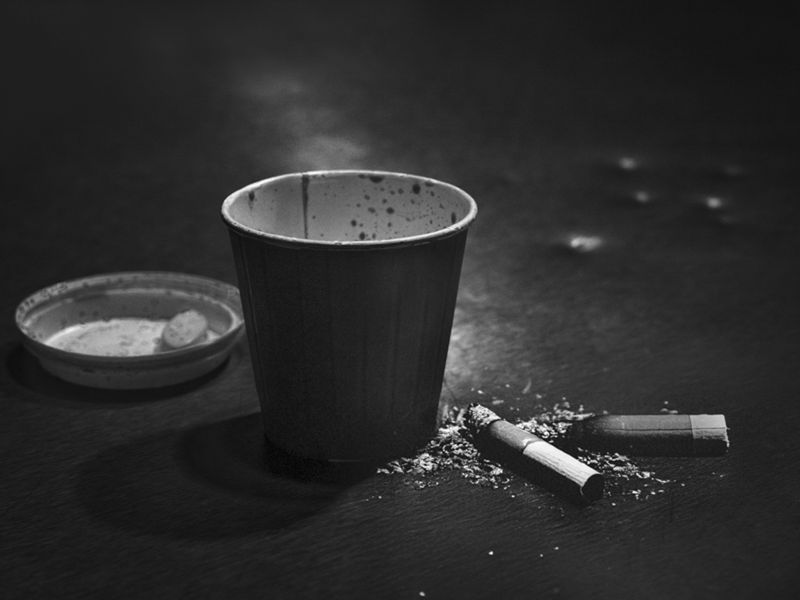
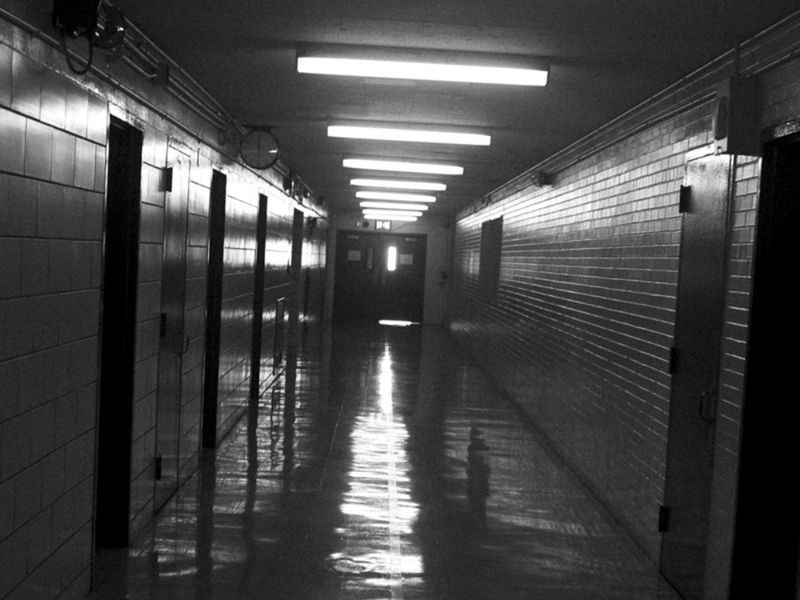
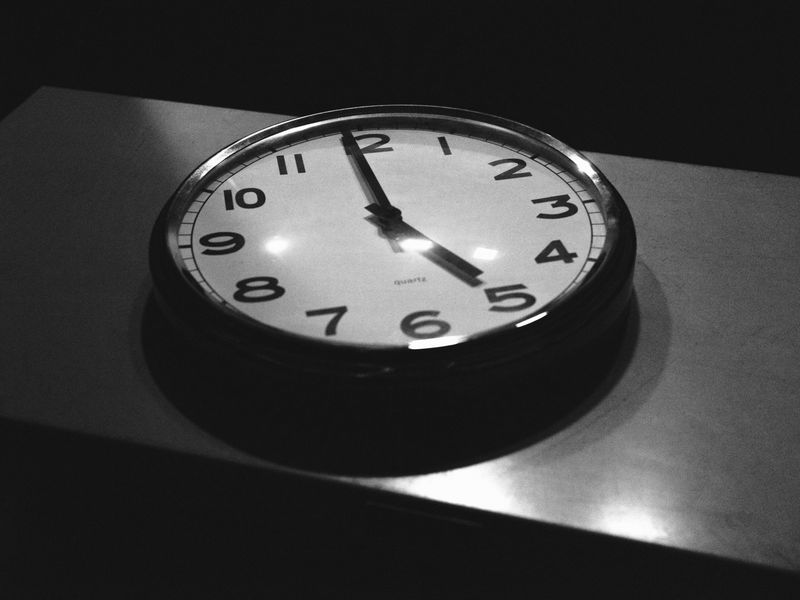
The photographs are developed collaboratively with the exonerees, emphasizing agency in contrast to the powerlessness they once endured. Rather than depicting events literally, the images function as psychological spaces shaped by pressure, silence, and restraint. They ask viewers to confront how easily authority can become coercive, and how quickly justice can be compromised when power goes unchecked.

Breaking Point ultimately challenges viewers to question not only how false confessions happen, but what they reveal about the expanding reach of law enforcement — and the human cost of allowing it to go unexamined.

The project emerges directly from my work as a lawyer at the American Civil Liberties Union, where I helped design and conduct campaigns to reform the American criminal justice system. I came to view that system as deeply flawed, prioritizing expediency and finality over justice. Meaningful change will only occur if the public knows and cares about the system’s deficiencies.
© Robin Dahlberg - Peekskill, New York
i

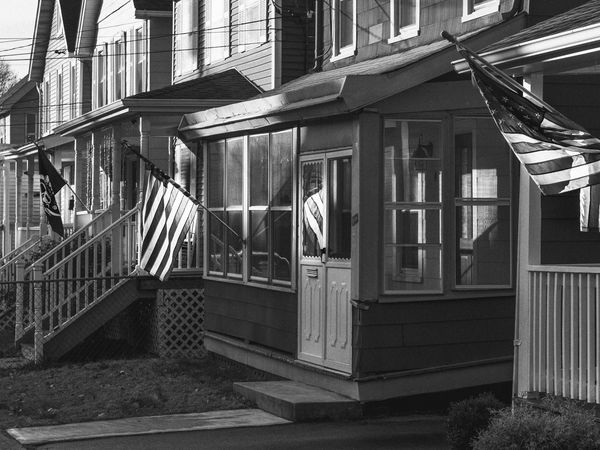
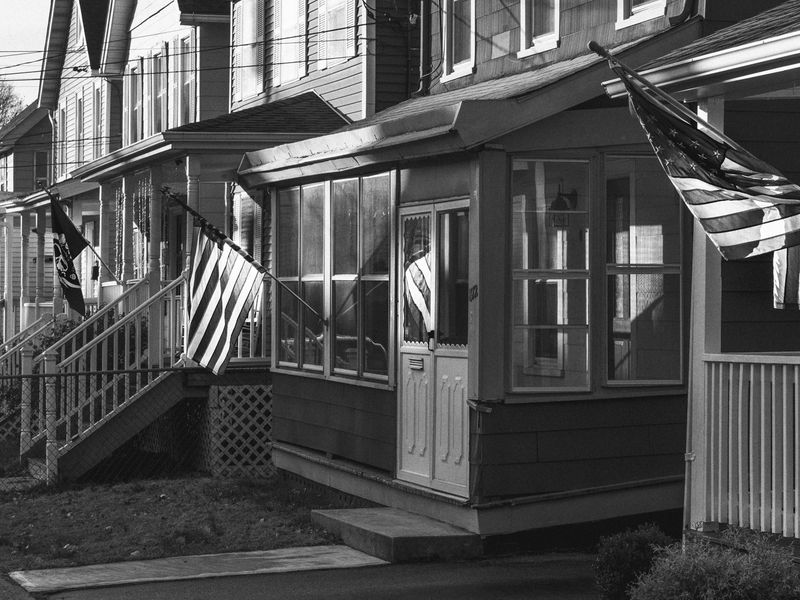
Peekskill, New York

© Robin Dahlberg - Image from the Breaking Point photography project
i

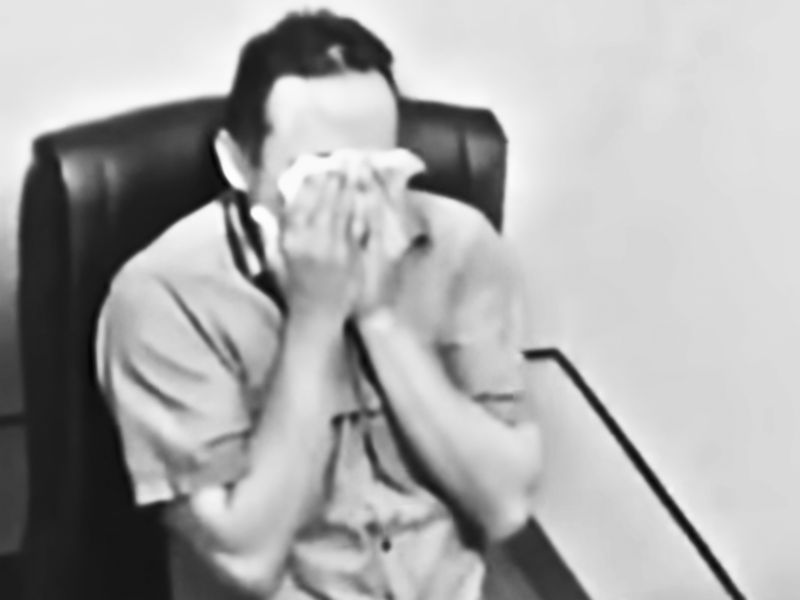
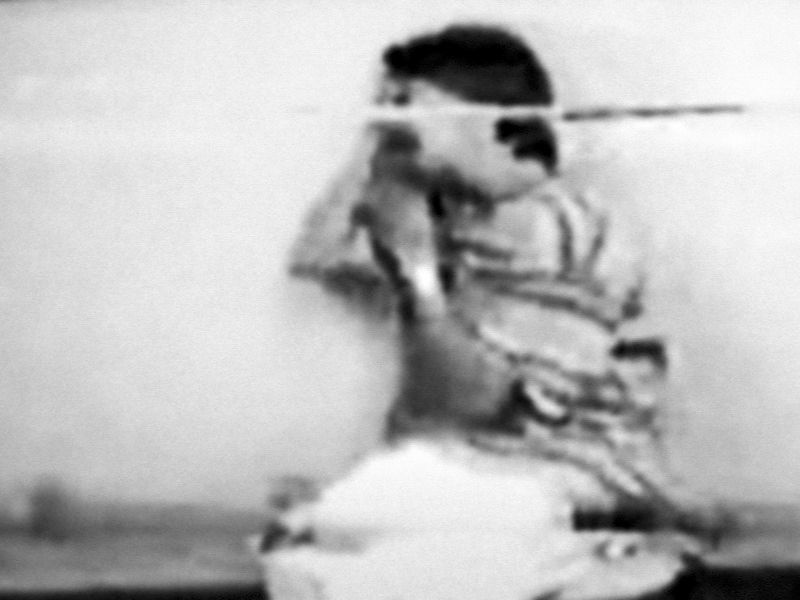
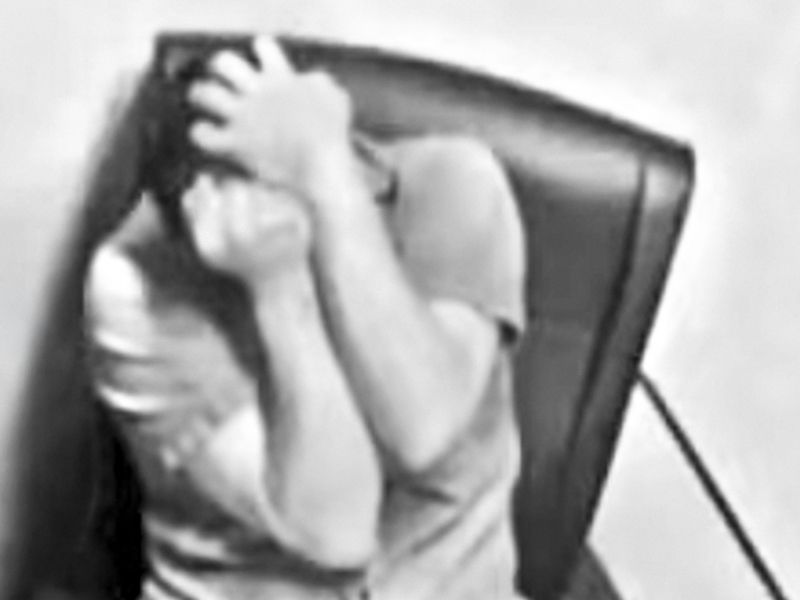
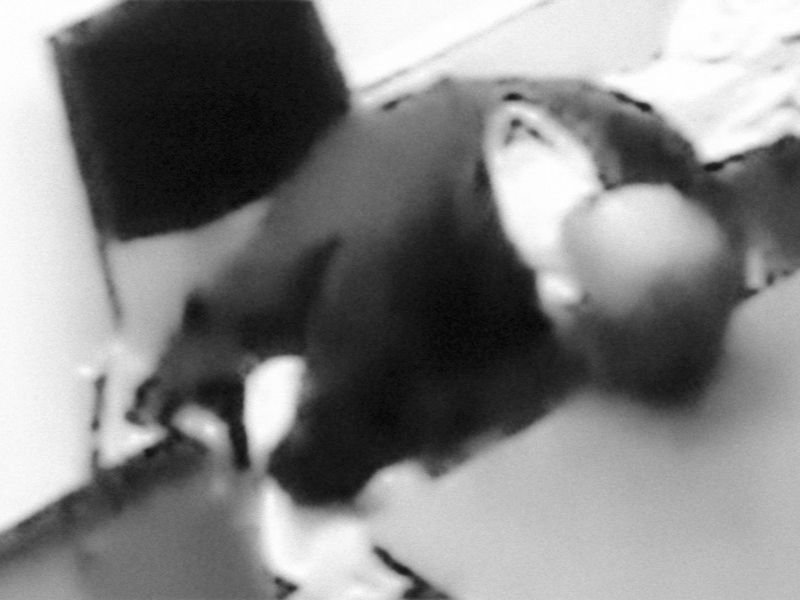
Altered still from a Fontana, California, Police Department video recording of the 2018 interrogation of 53-year-old Tom Perez. After 17 hours of questioning, Perez confessed to murdering his father; days later, police determined that his father was alive and well.

© Robin Dahlberg - Image from the Breaking Point photography project
i

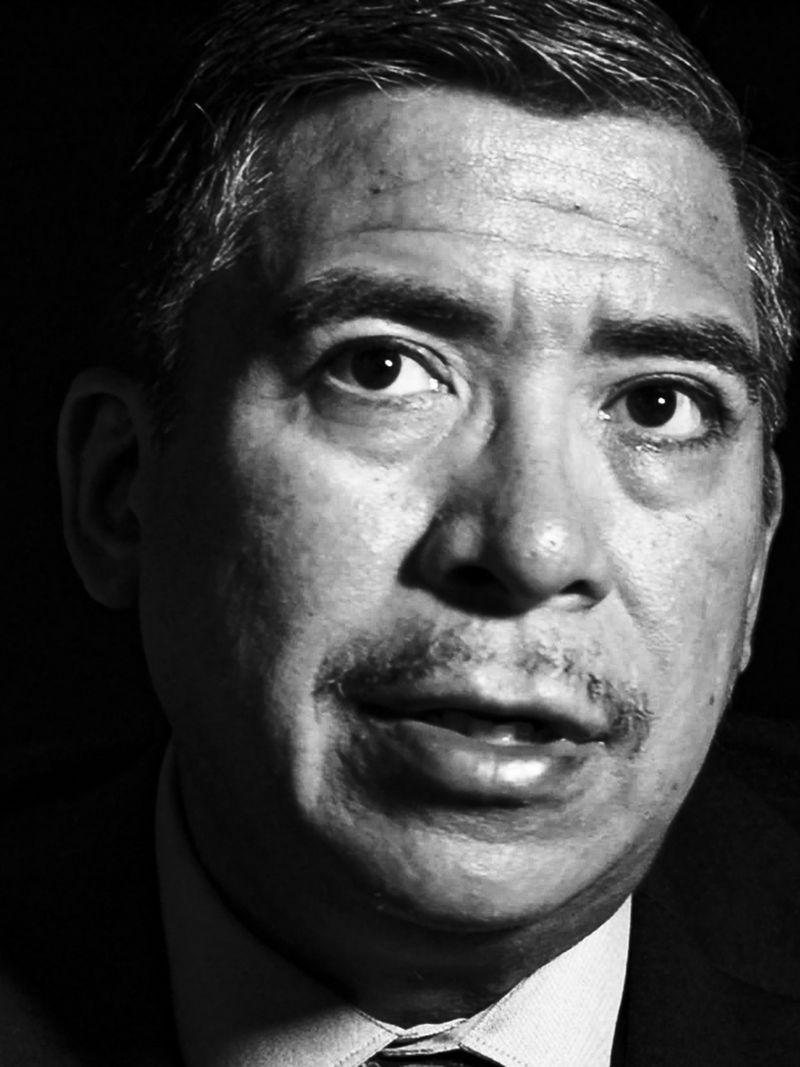
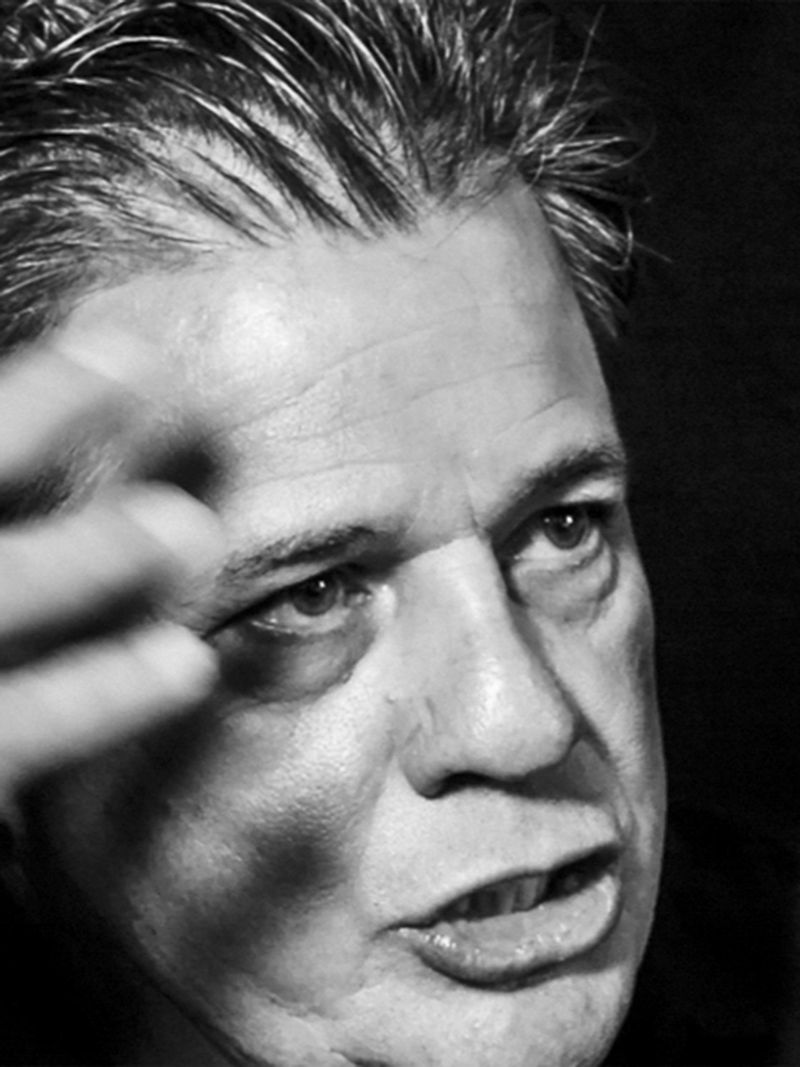
Christopher Ochoa imitates a police detective conducting a coercive interrogation. At the age of 22, he falsely confessed to the 1988 rape and murder of of a young woman in Austin, Texas after being subjected to such an interrogation. over two days. After 12 years in prison, Ochoa was exonerated when DNA testing identified the real perpetrator.

© Robin Dahlberg - Image from the Breaking Point photography project
i

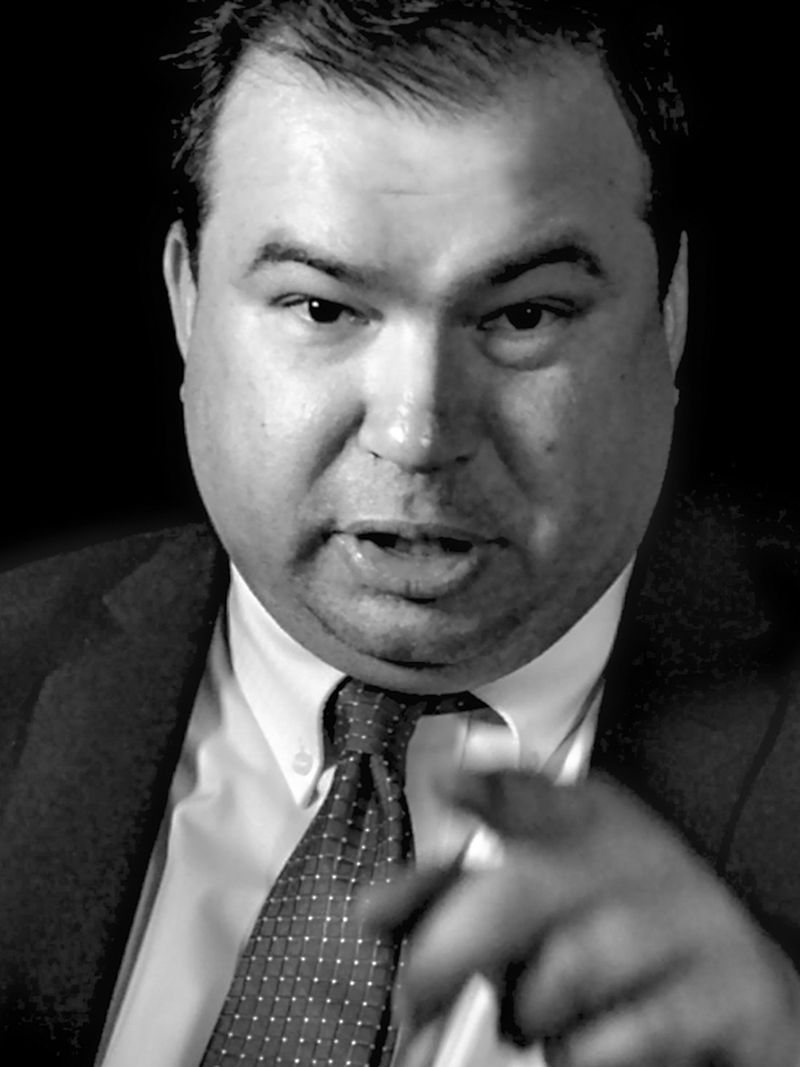
Eddie Lowery imitates a police detective conducting a coercive interrogation. At the age of 22-year-old, he falsely confessed to raping a 74-year-old Kansas woman to bring an an 11-hour interrogation to an end. He spent nine years in prison before DNA testing exonerated him.

© Robin Dahlberg - Screenshot of a video of an actual police interrogation.
i

Screenshot of a video of an actual police interrogation.

© Robin Dahlberg - Image from the Breaking Point photography project
i

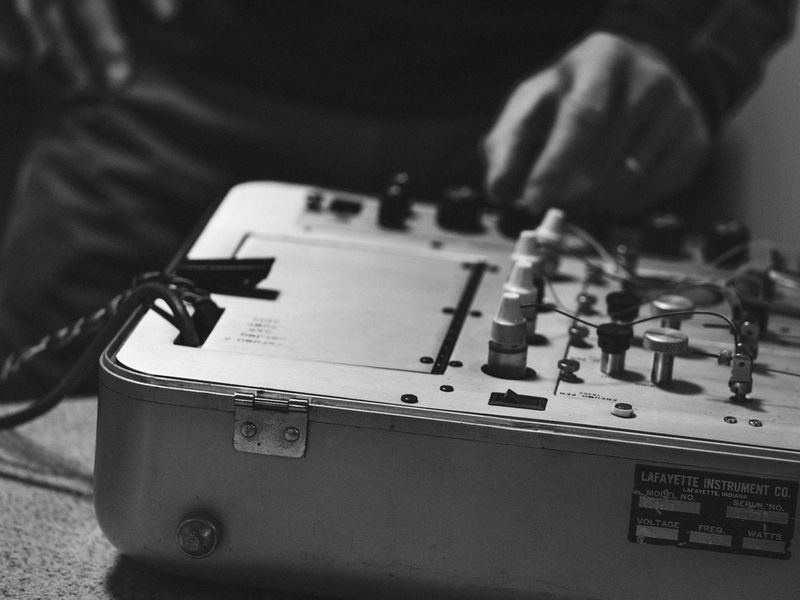
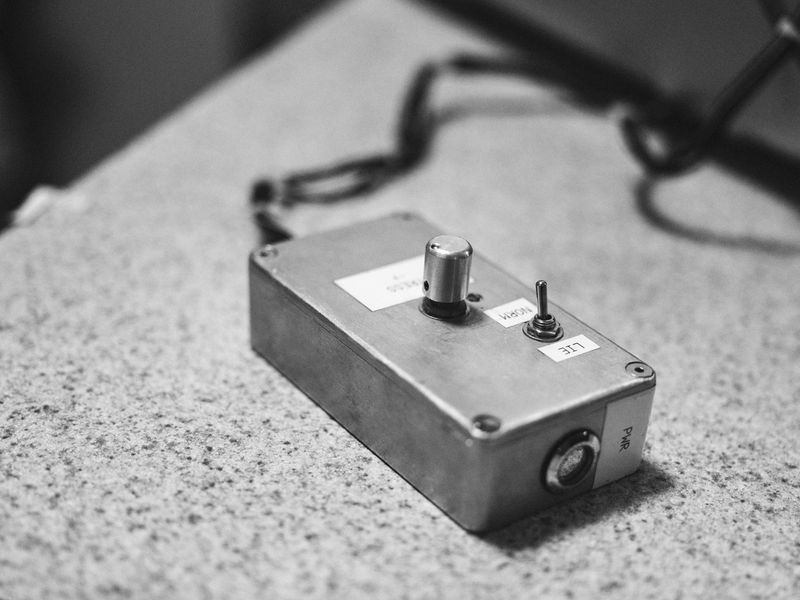
Jeffrey Deskovic impersonates a police detective conducting a coercive interrogation. At age 16, he falsely confessed to the murder of a high school classmate after three bogus lie detector tests and threats by the test administrator. Deskovic spent sixteen years in prison before DNA analysis exonerated himand identified the real perpetrator.

© Robin Dahlberg - Image from the Breaking Point photography project
i

Altered still from a Fontana, California, Police Department video recording of the 2018 interrogation of fifty-three-year-old Tom Perez. After 17 hours of questioning, Perez confessed to murdering his father; days later, police determined that his father was alive and well.

© Robin Dahlberg - Image from the Breaking Point photography project
i

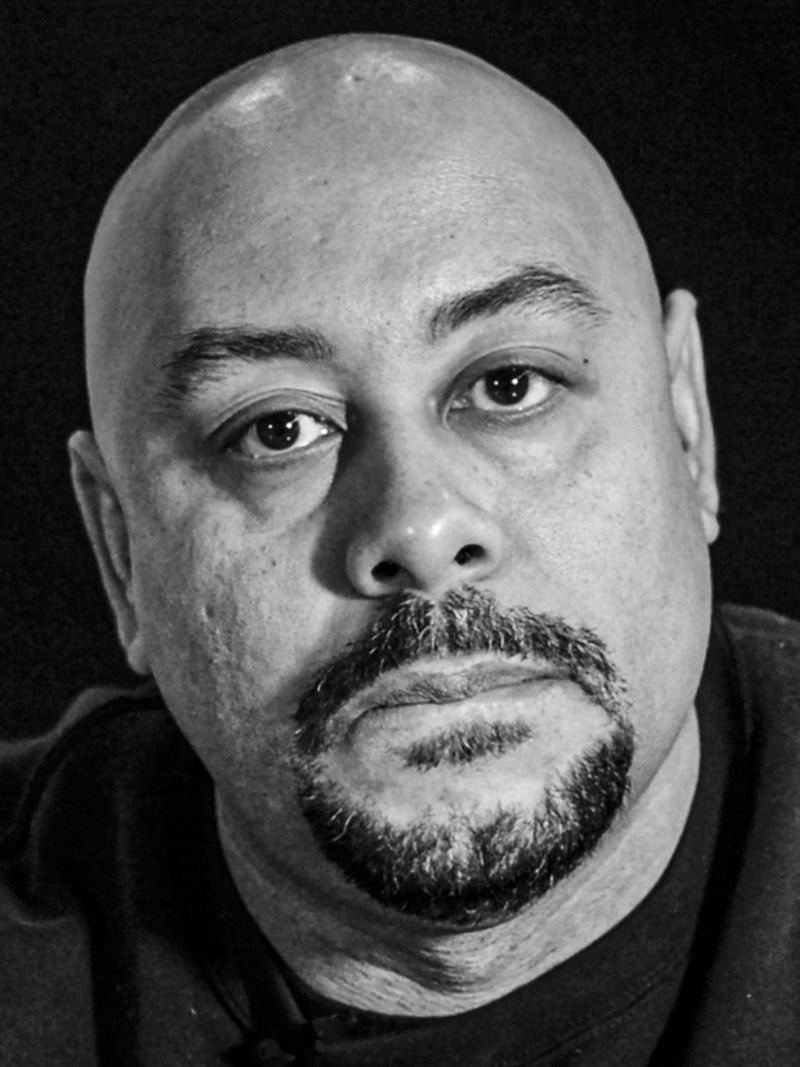
Raymond Santana demonstrates the facial expressions of a police officer conducting a coercive interrogation. At age 14, he falsely confessed to participating in the rape of a jogger in New York City’s Central Par after 15 hours of such an interrogation. He spent more than ten years in prison before DNA evidence led to his exoneration.

© Robin Dahlberg - Image from the Breaking Point photography project
i

03_Lorenzo Montoya. Altered still from a Denver, Colorado, Police Department video recording of the 2000 interrogation of fourteen-year-old Lorenzo Mon-toya. During questioning, Montoya falsely confessed to murder and was wrong-fully imprisoned for thirteen years before being exonerated by DNA evidence.