Breaking Point


-
Dates2012 - 2025
-
Author
- Location New York, United States
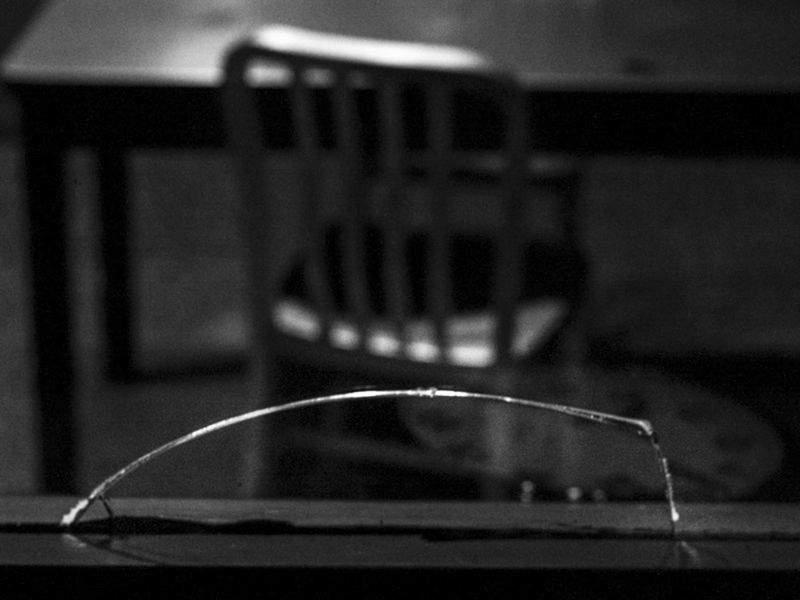
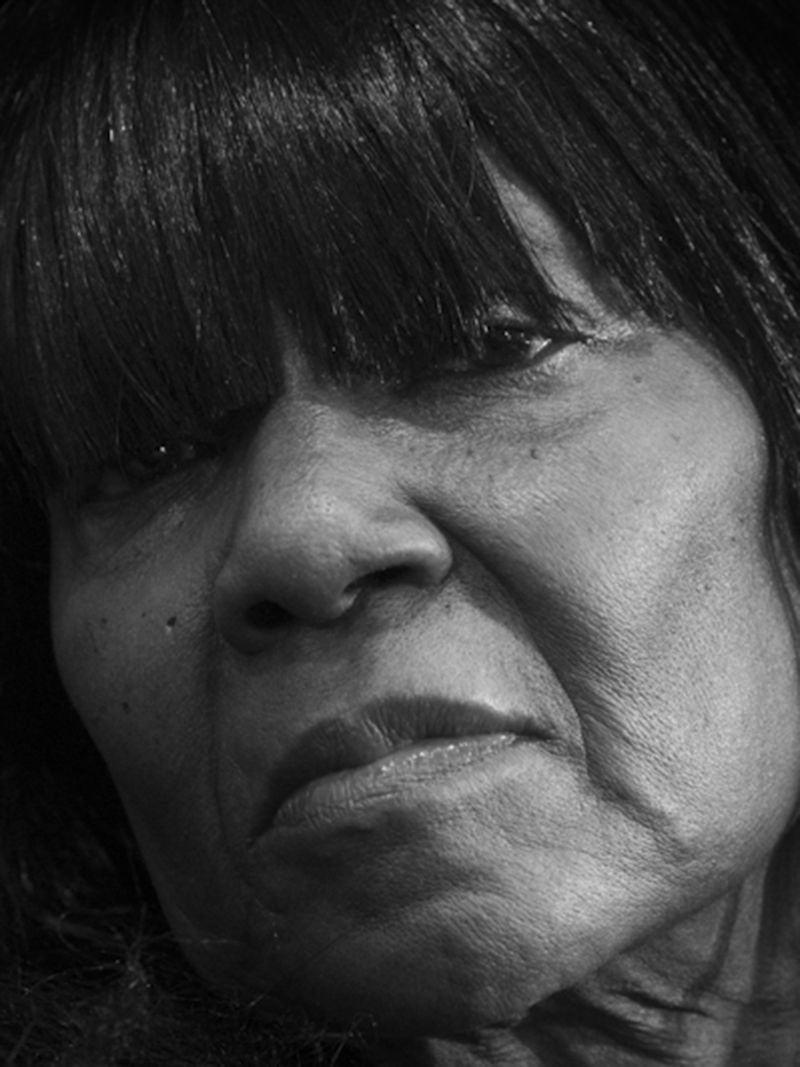
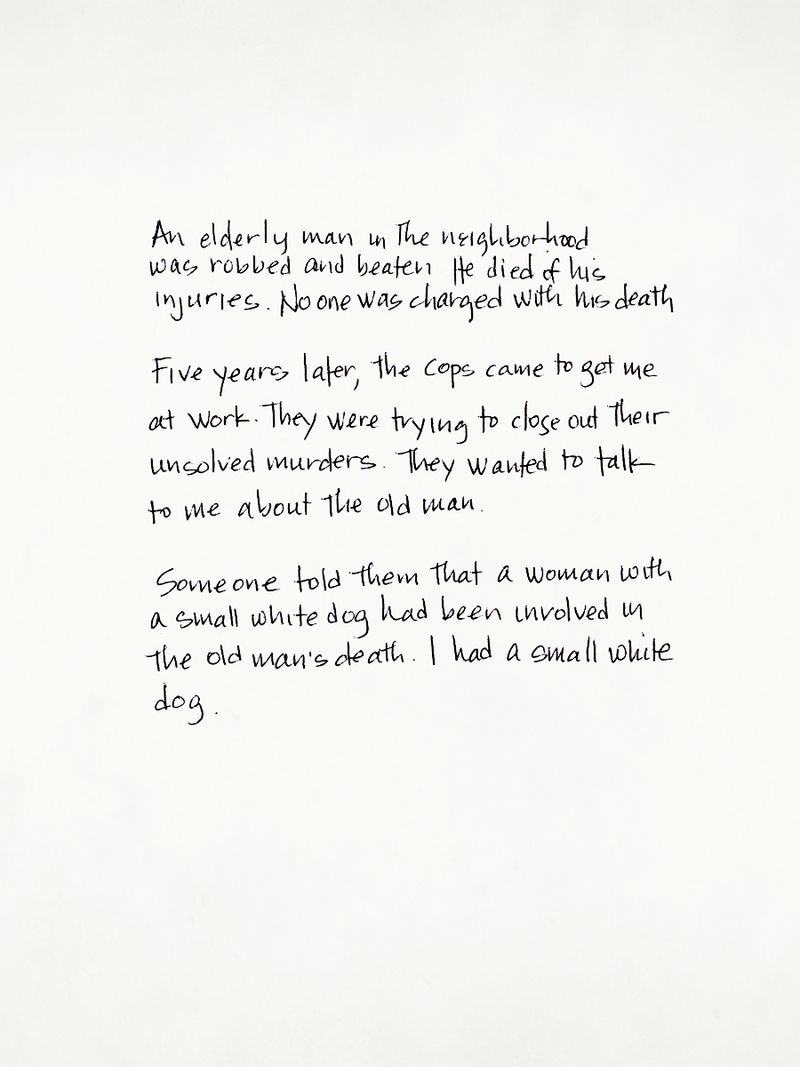
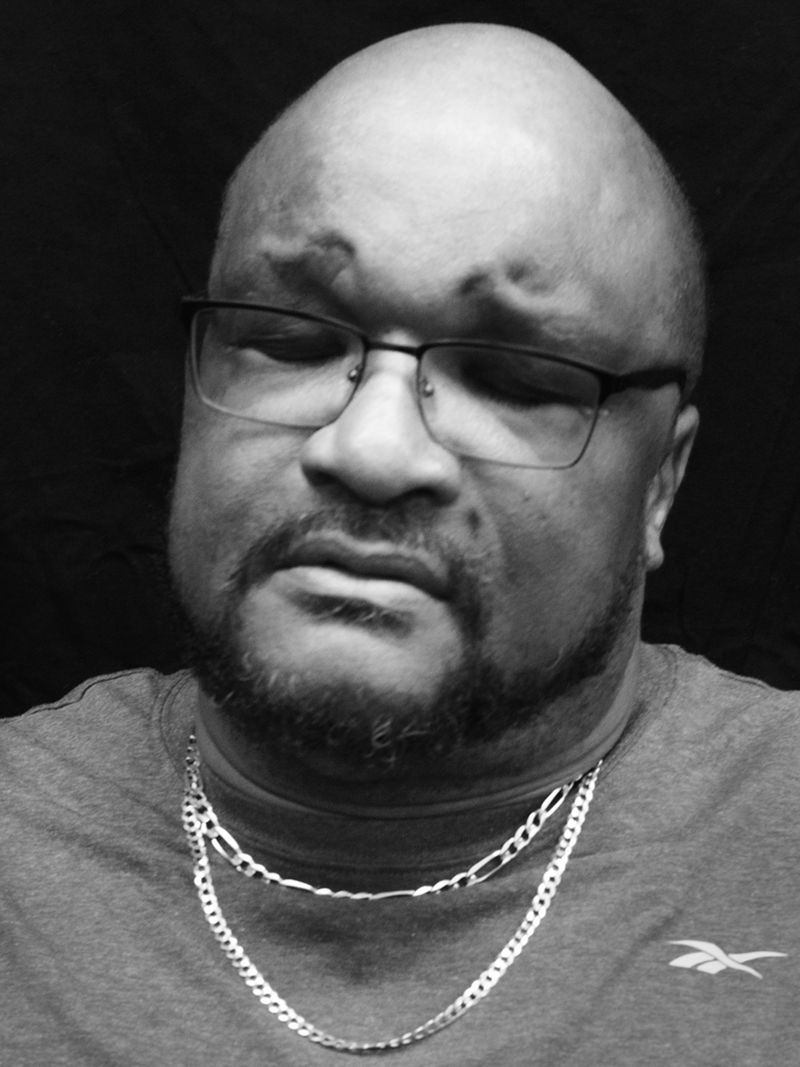
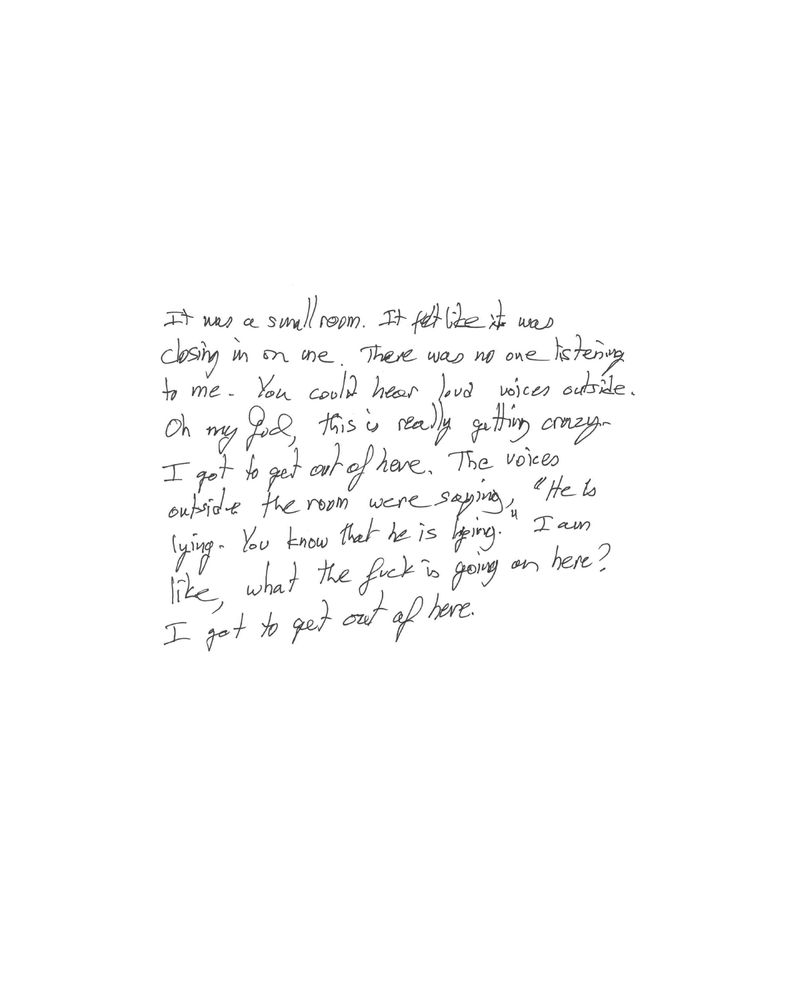
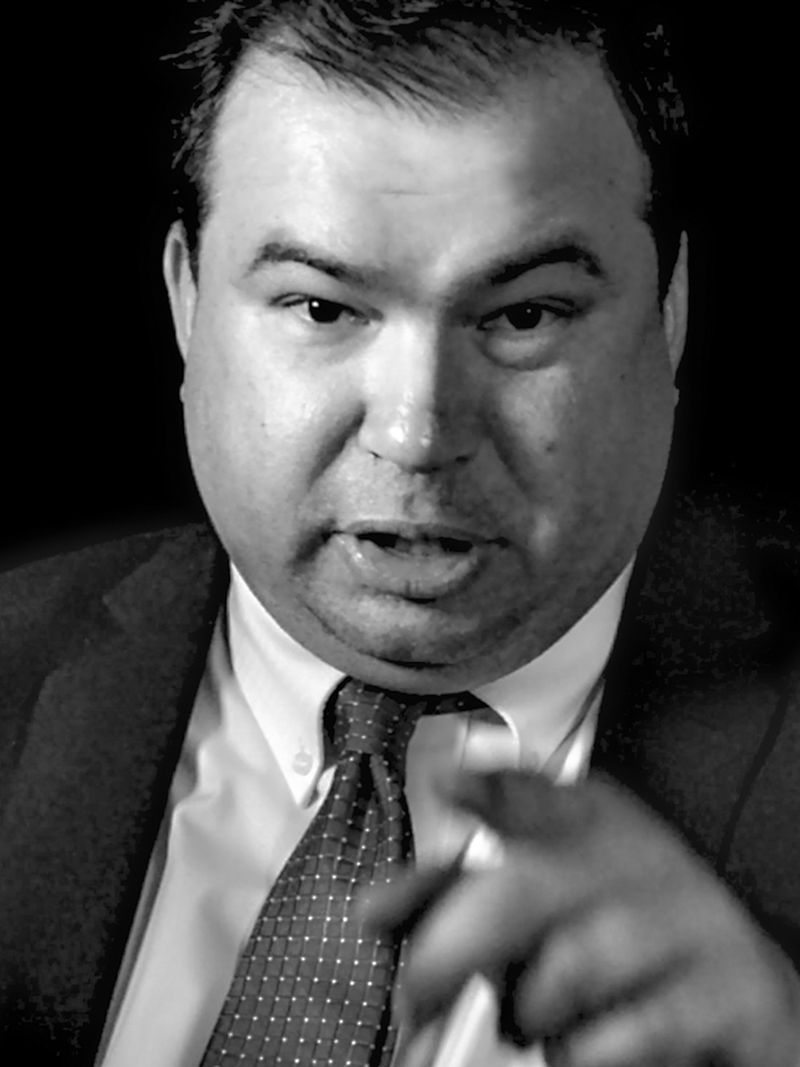
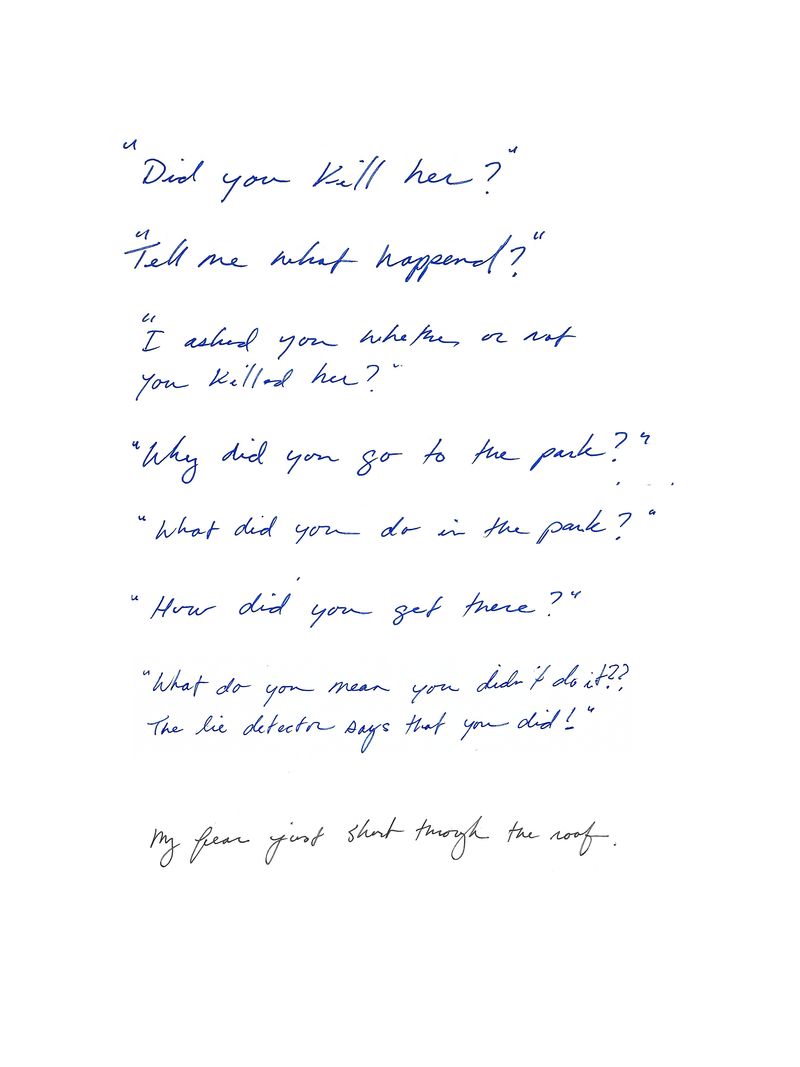
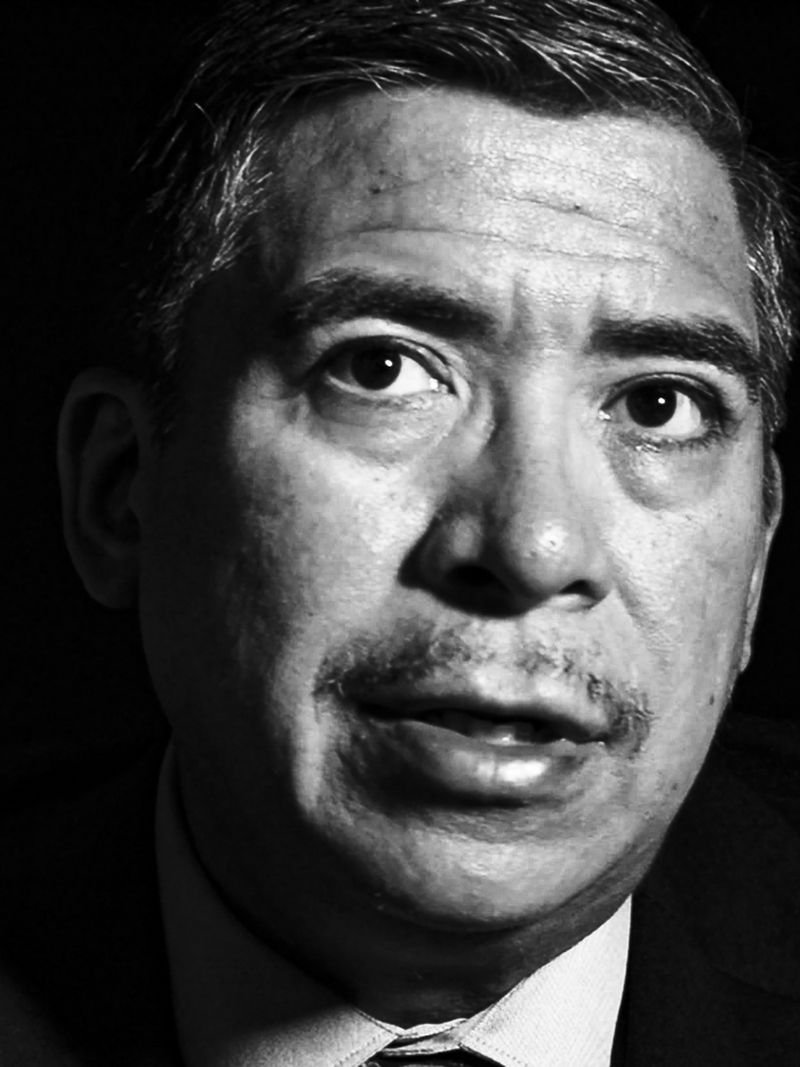
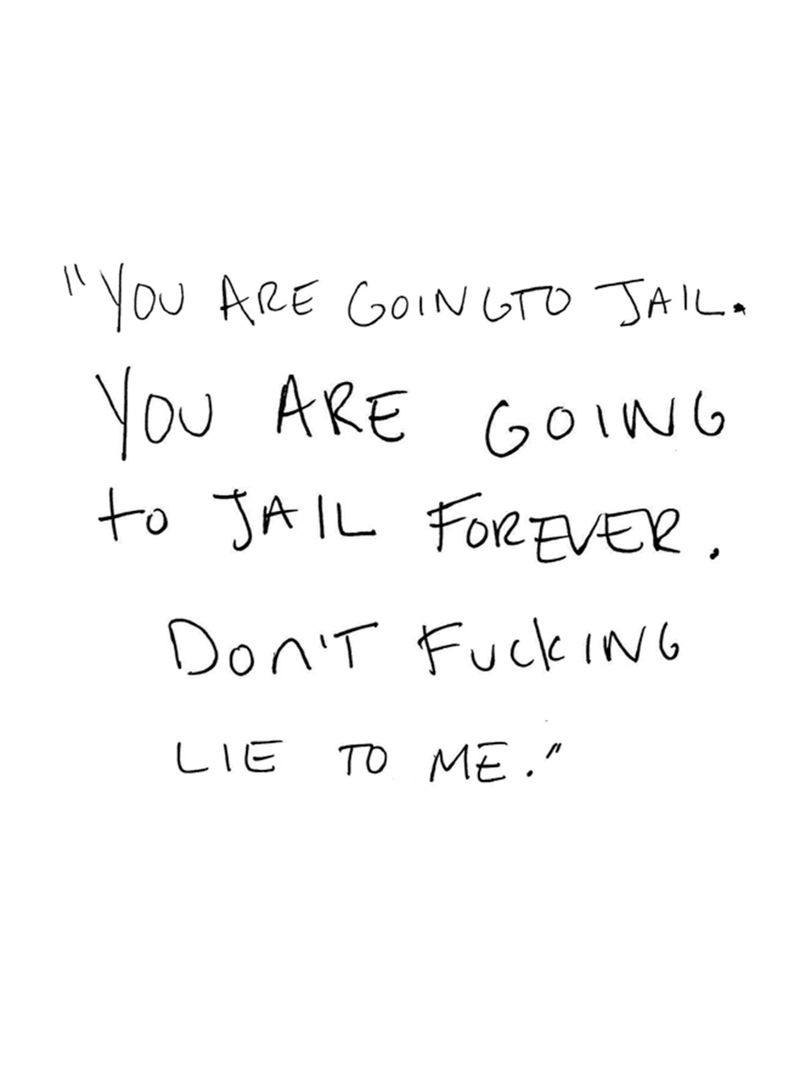
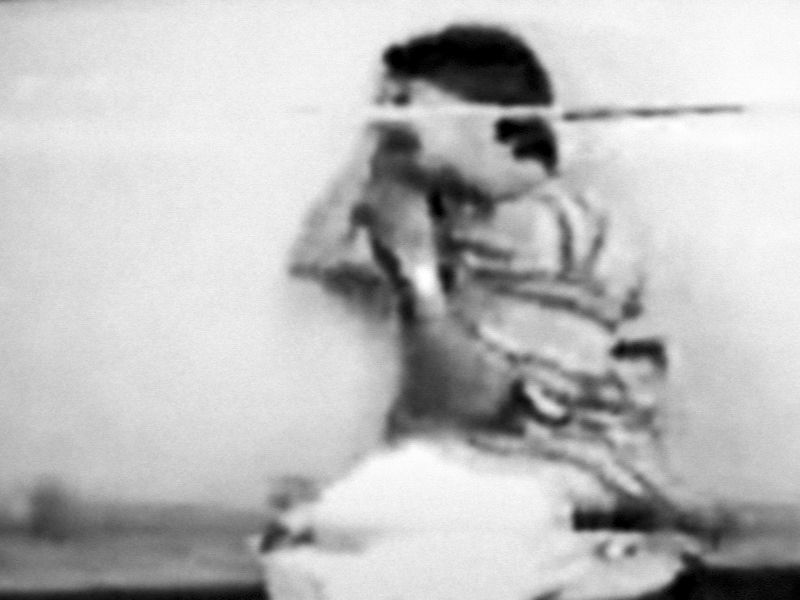
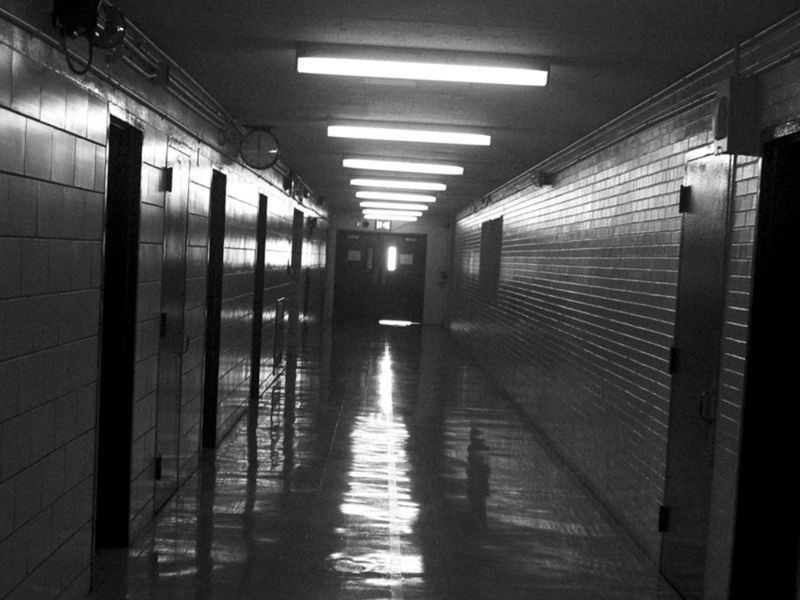
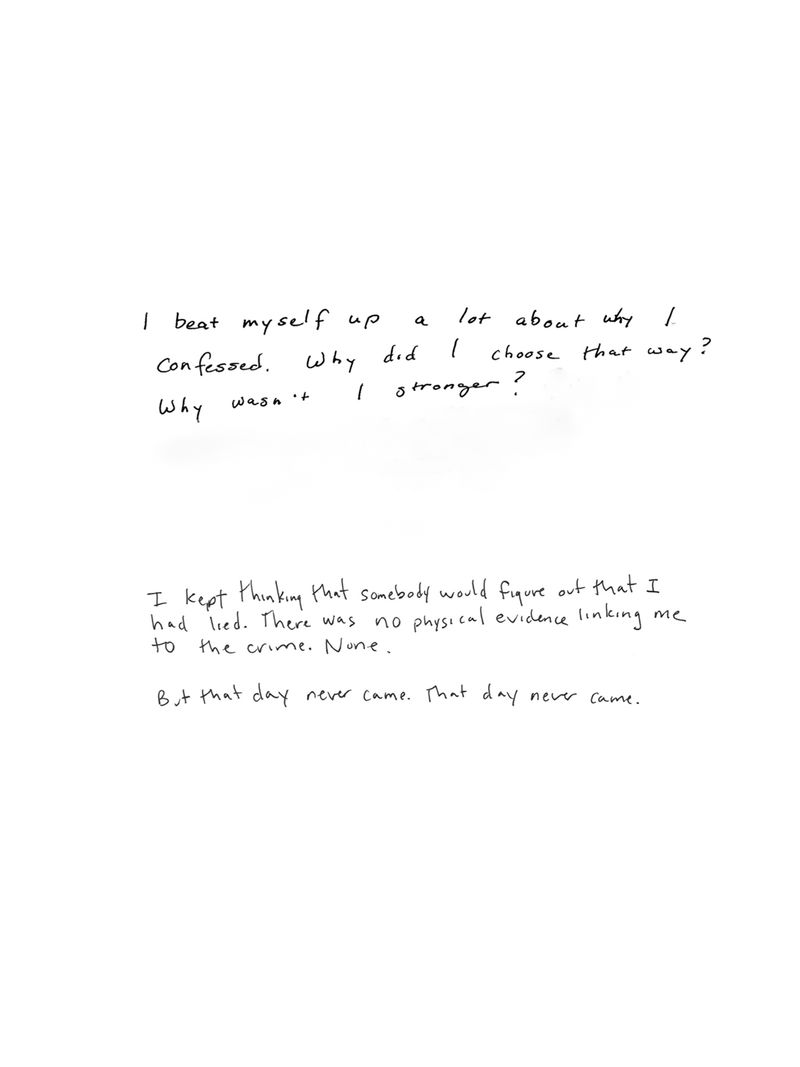
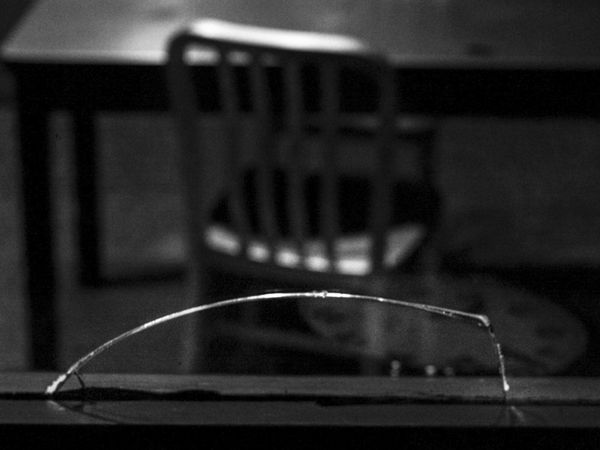
In Breaking Point, I work with six exonerees, all of whom were wrongfully convicted because they confessed to crimes they did not commit, to take an indepth look at coercive police interrogations and their ability to produce false confessions.
Why do innocent people confess to crimes they did not commit? This question has troubled the public for decades. Most of us assume we would never admit to something we did not do—especially if it could send us to prison. Yet false confessions are one of the leading causes of wrongful convictions in the United States. Research shows that coercive police interrogation tactics are often to blame.
These tactics include isolating suspects in unfamiliar surroundings; subjecting them to long, confrontational questioning; denying them access to lawyers or other support systems; lying about the existence or strength of evidence; subjecting them to bogus polygraph examinations; and making false suggestions of leniency. Young people and people with cognitive impairments are especially vulnerable. Many come to believe the only way to stop the pressure is to accept the story the police are pushing, even if it isn’t true.
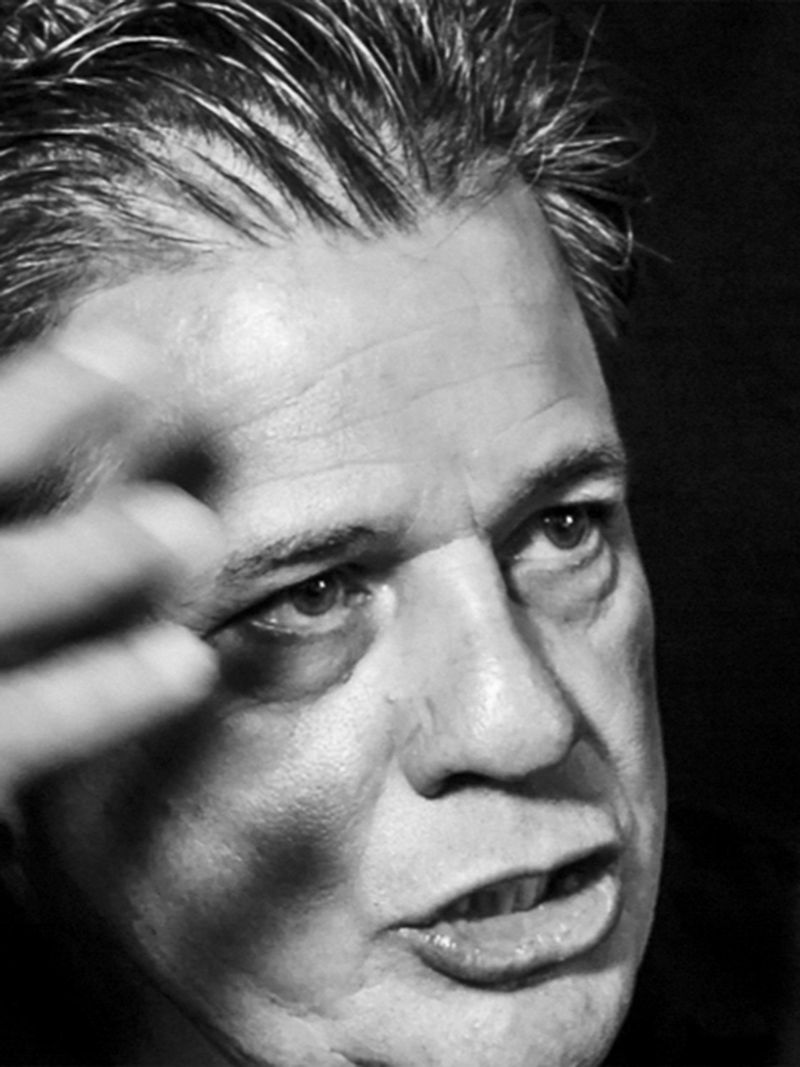
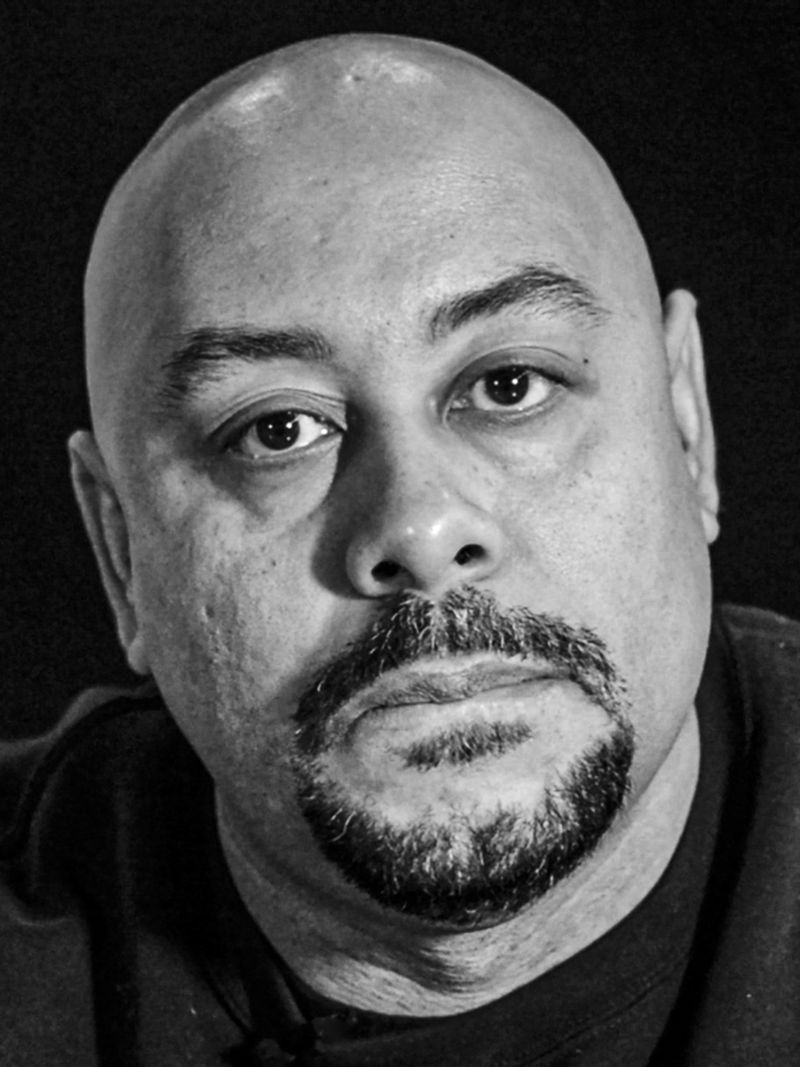
In her project entitled Breaking Point, Robin Dahlberg explores this problem directly. She collaborates with six exonerees – Jeffrey Deskovic, Vanessa Gathers, Brian Halsey, Eddie Lowery, Christopher Ochoa, and Raymond Santana – all of whom falsely confessed and were wrongfully convicted as a result. Together, their experience demonstrate how coercive interrogations can lead innocent people to admit to crimes they did not commit—and how those confessions can destroy lives.