Border
-
Dates2017 - Ongoing
-
Author
- Topics Portrait, Landscape, Contemporary Issues
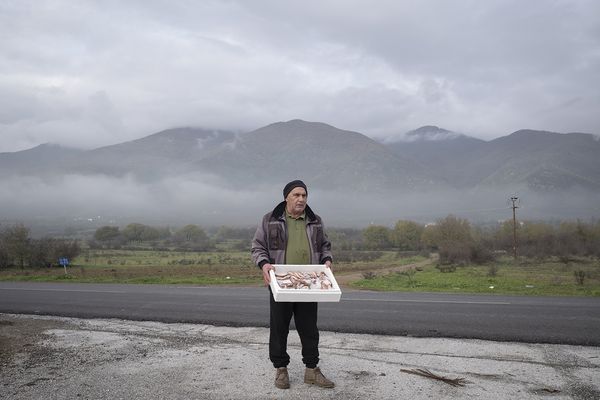
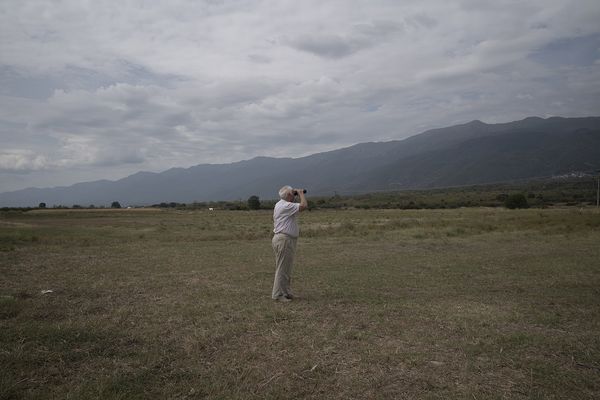
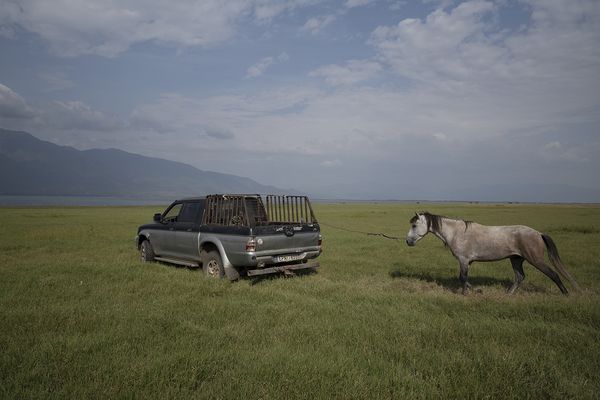
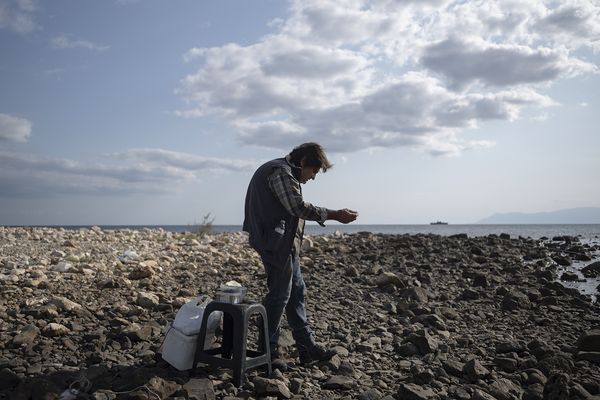
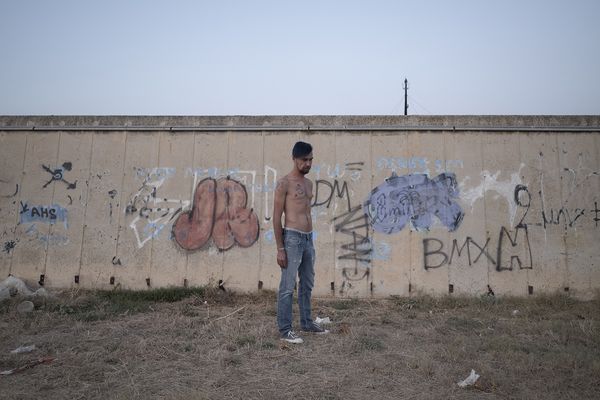
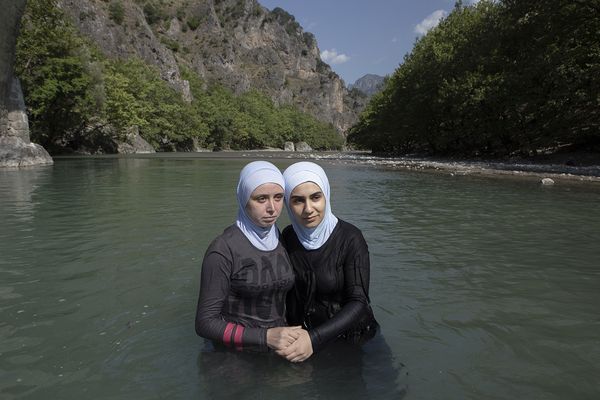
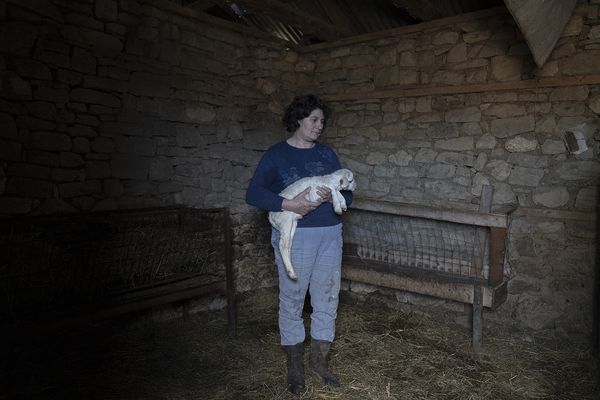
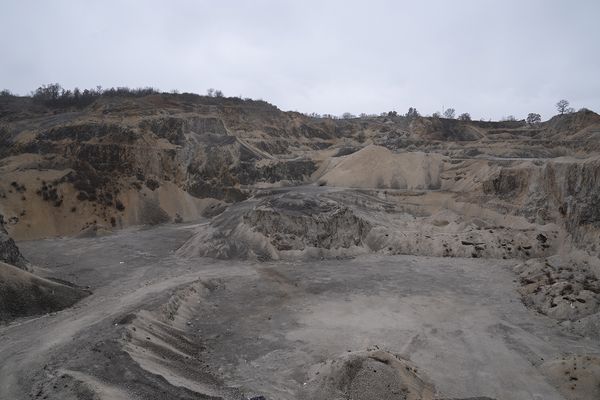
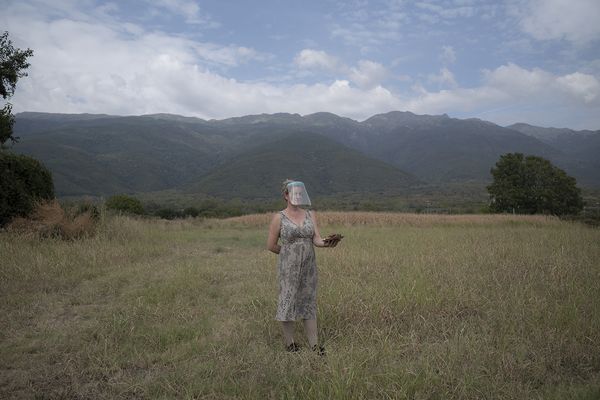
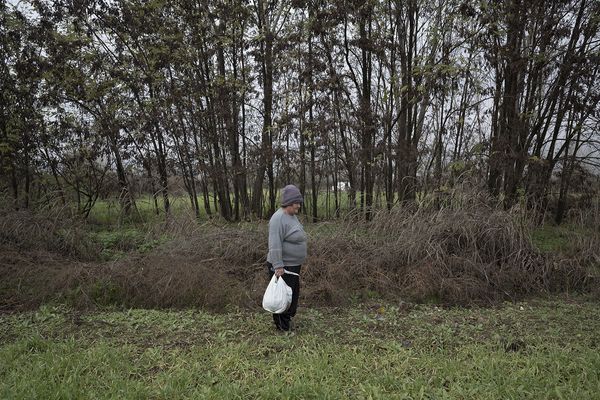
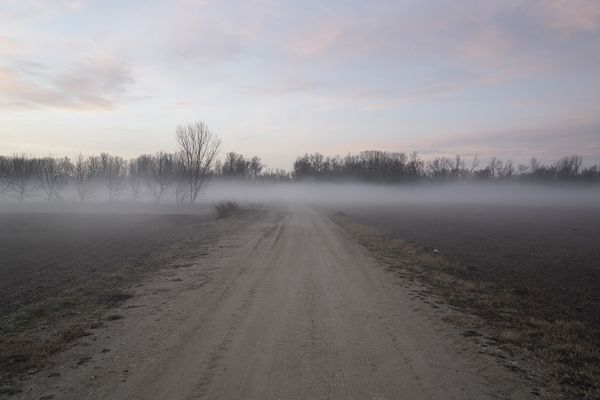
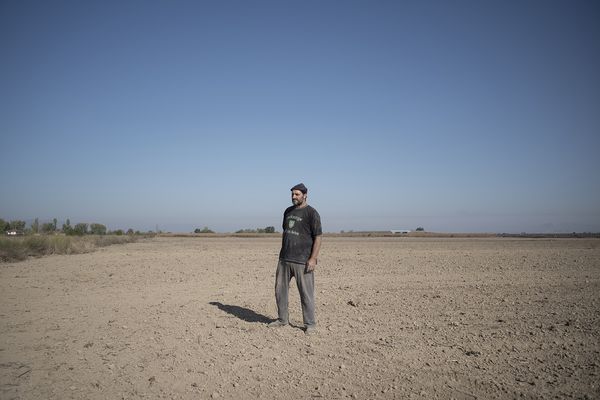
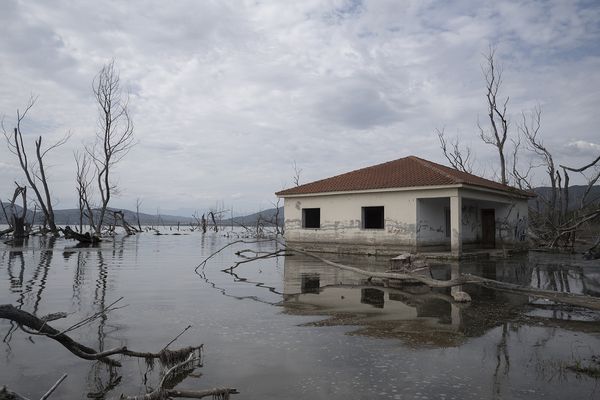
This project attempts to create visual stories of the balkan borderlands, stories of hope and despair that align with the contradictions which are engraved on the borders themselves.
I spent every weekend during my childhood in a mountain village situated next to the border-line dividing Greece and Albania. Among the few inhabitants of the village my father was repeating in a tantra-like manner that our kin were on the other side of the border. At the age of seven I crossed this border illegally in order to meet relatives and I still carry the image of my mother sliding in my pocket a piece of bread for the road, myself to cry scared of the unknown I was about to cross and my father leading me to the other side. At that moment, but in a way still now, I was unable to grasp the seemingly magical power of a thin map-line to keep apart relatives and friends and to divide fields and mountains.
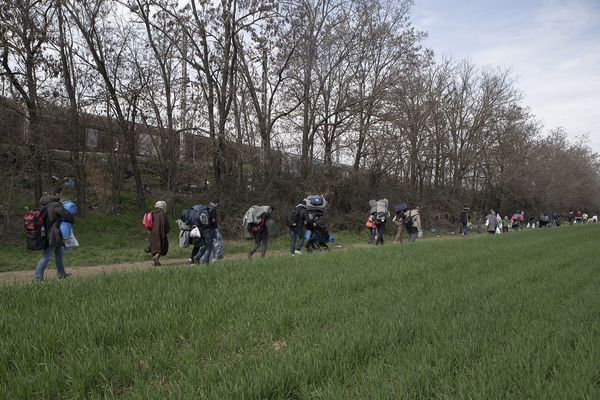
I understand this project as a way to attempt to come in terms with these special places, borderlands, by producing images of their conflicting essence continuity and division. National borders and borderlands in their modern form have a history of no more than 3 centuries that more or less coincides with that of the modern nation state. Especially in the Balkans, borders have been the bloody outcome of a process immitating a dormant volcano, of which you can never be certain when it will active again. Furthermore, during the last two decades balkan borderlands are yet again at the center of public imagination despite or rather because of their marginality. The people who attempt to approach safery that Europe stands for in their imagination, running away from war and hunger, have to go through this liminal spaces. There, seems to be the power that will transform them from helpless anonymous into refuggees entitled to protection and support. While this has become the border reality of the last few years, the here and now of the corona virus crises has yet produced new lenses through which borders and borderlands can be looked at. At a time that social distancing has paradoxically become a criterium for one's solidarity to others, national borders, have gain new importance as the technology of keeping people apart par excellence.
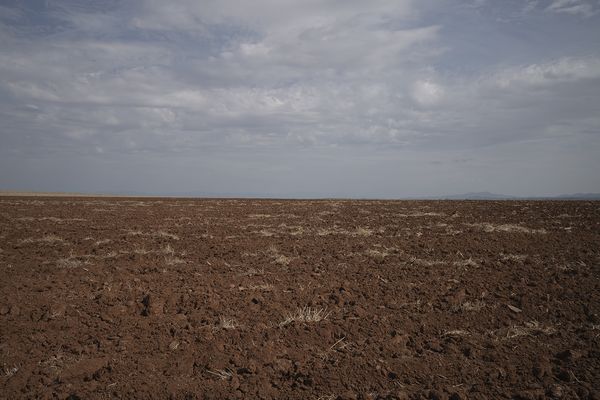
I have already travelled to all four borderlands between Greece and its neigboring countries producing images of the spaces and the people that cross them, live there or are positioned there as part of nation state apparatuses. I intend to continue this work by visiting all border areas of the region, aiming to bring forward their day to day reality, focusing on the way the exclusion of the border is experienced by all those that in a way consume and produce the borderline at the same time. Depopulated villages, refuggees, deserted fields, humming border cities, realities that constantly negate themselves.