Blood is thicker than water
-
Dates2021 - 2023
-
Author
- Locations Russia, France
Set in the artist’s grandmother’s village house in Russia, the series explores women’s labour, care and inherited memory through staged photographs, self-portraits and family archives, tracing the gestures and rituals passed down across generations.
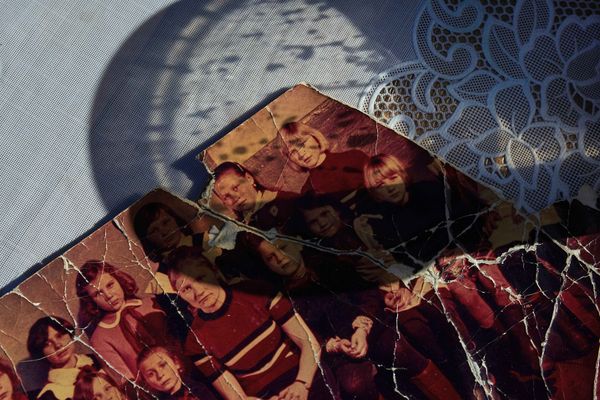
For as long as I can remember, women have occupied the centre of my family. My great-grandfathers died in the war, my grandfather passed away young, and I never knew my father. In the absence left by the men, the women became the pillars of our family history.
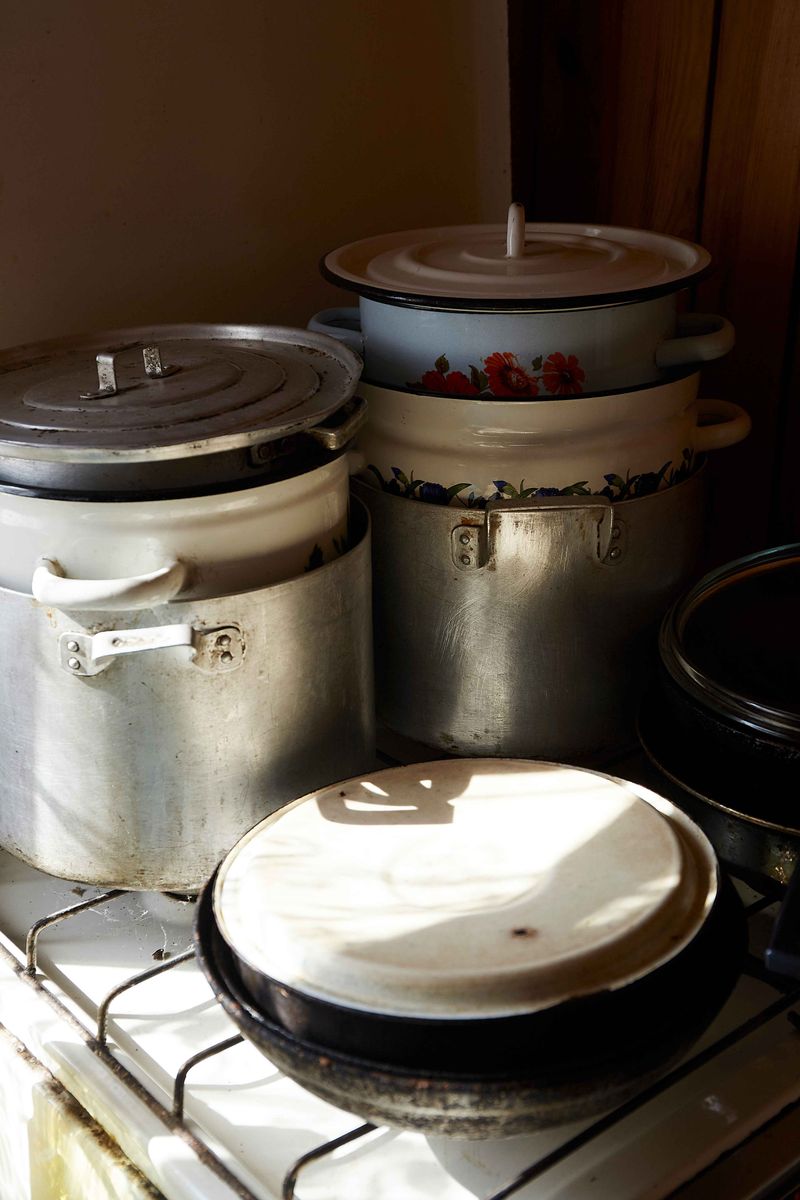
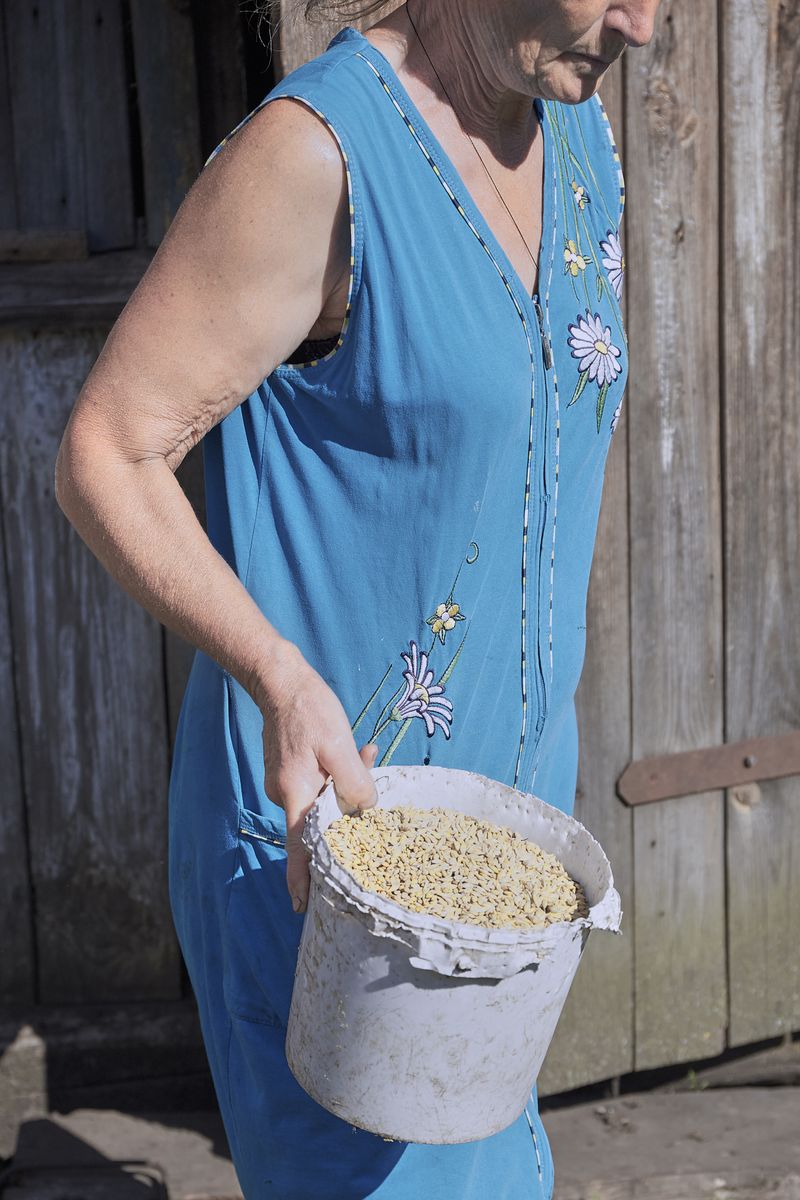
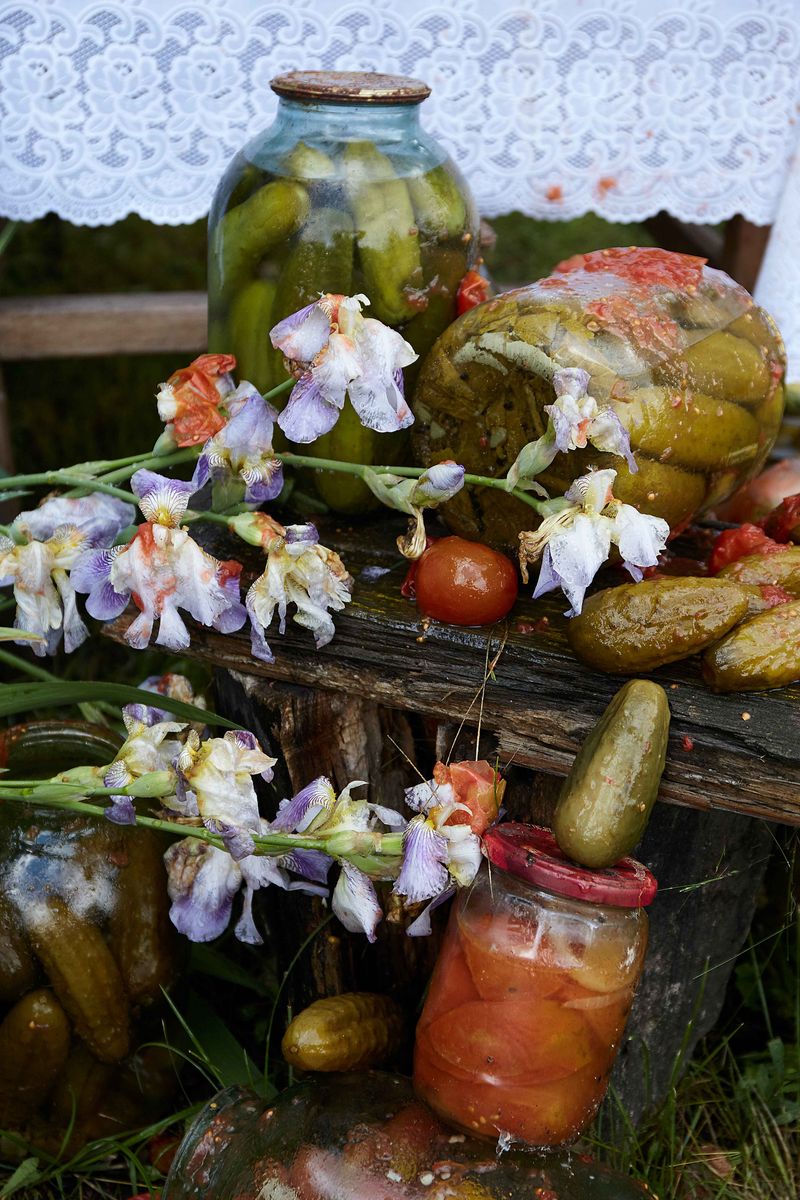
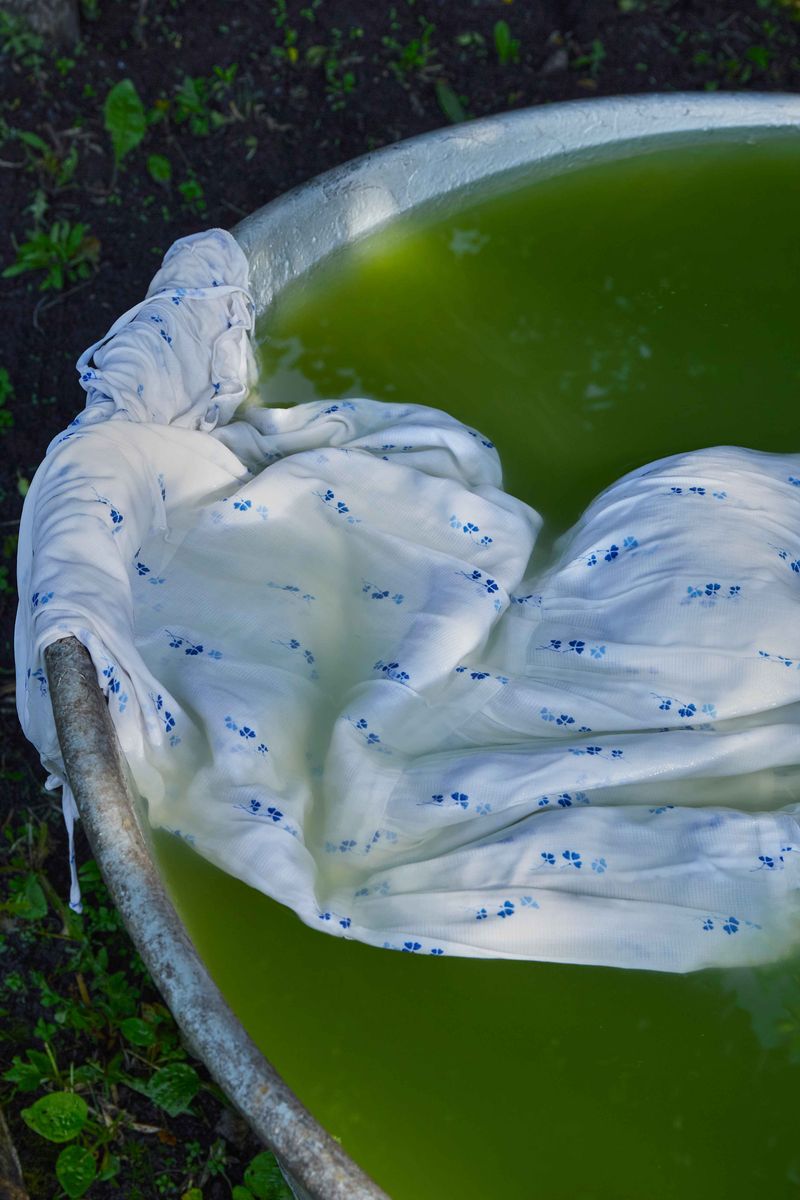
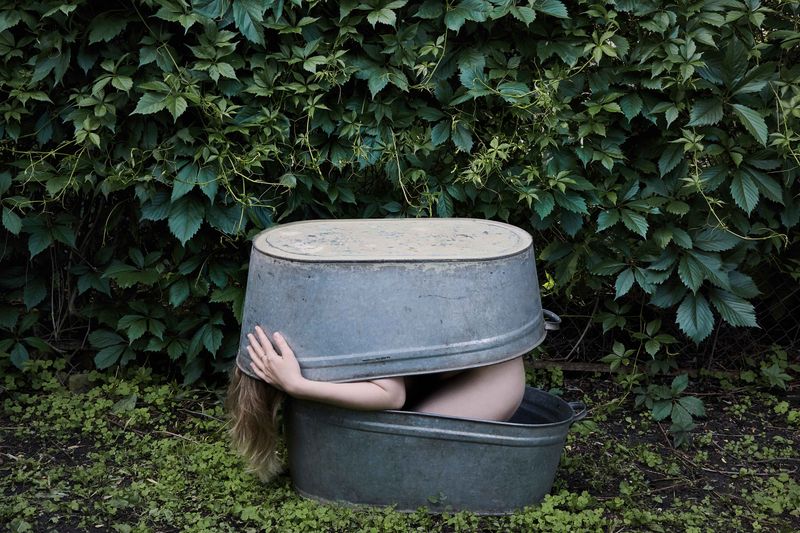
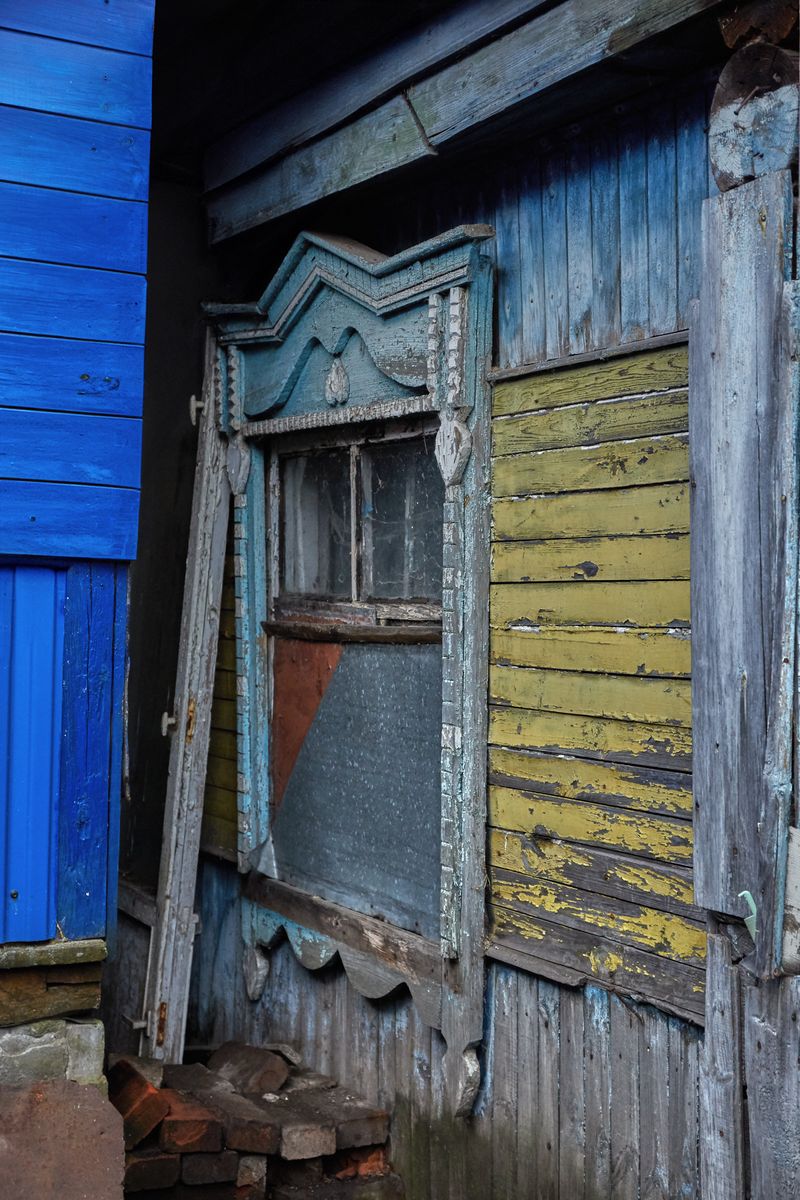
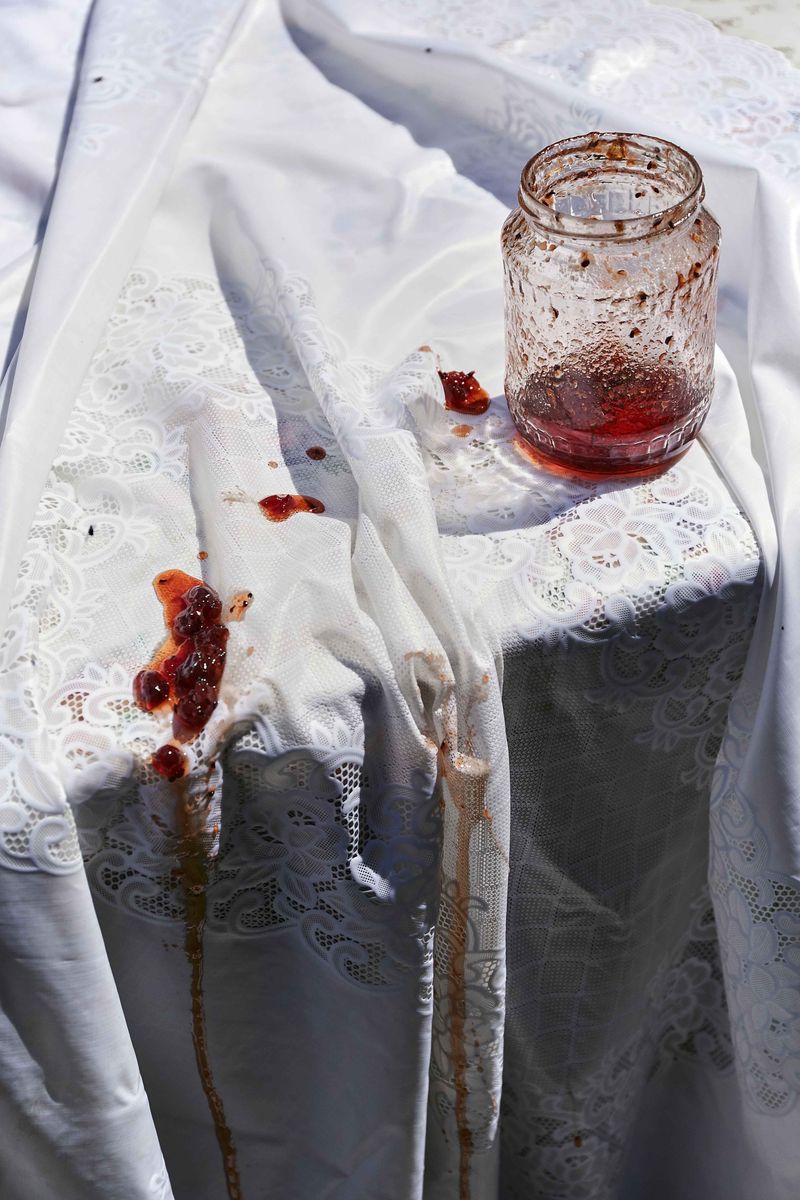
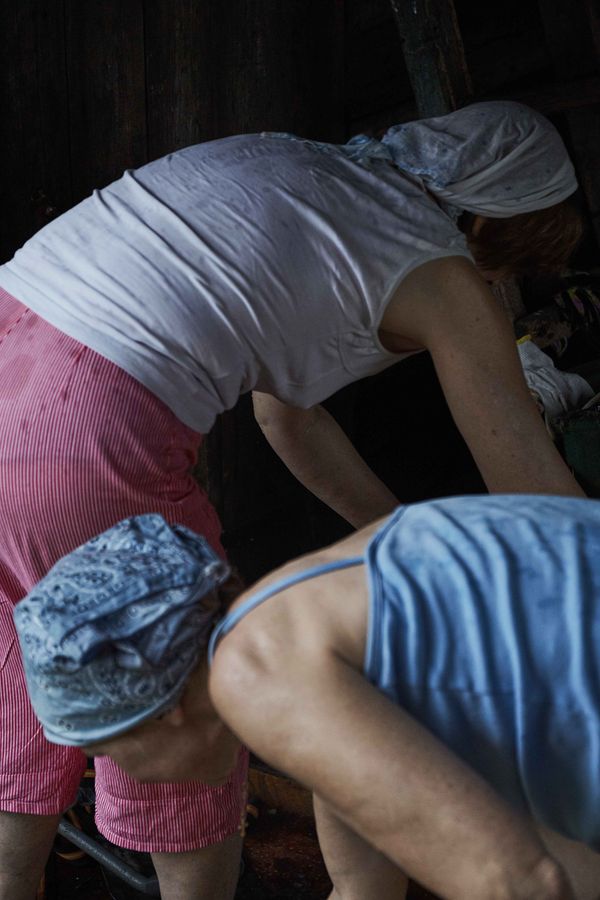
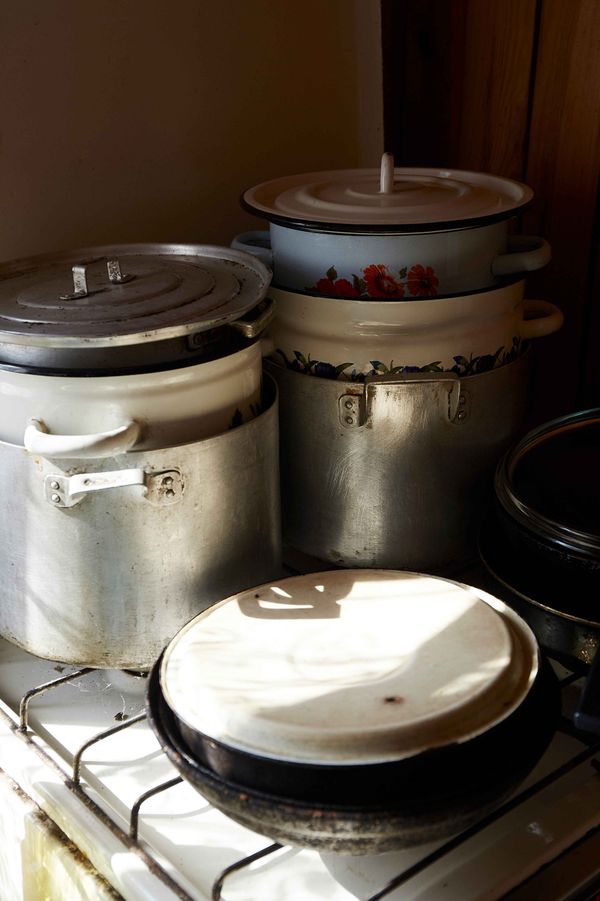
The series unfolds in my grandmother’s village house, where my mother and her siblings were born and raised. Today, mainly the daughters – my mother and her sisters – return to visit my grandmother. As I remember from childhood visits, the house was always animated with their constant activity. The women of my family ran the house and garden; cooked meals; washed laundry in large copper basins in the yard; and heated the bathhouse with firewood. Orthodox traditions were carefully followed; the rhythms and customs of rural life persisted despite newer, more efficient, urban ways of doing things.
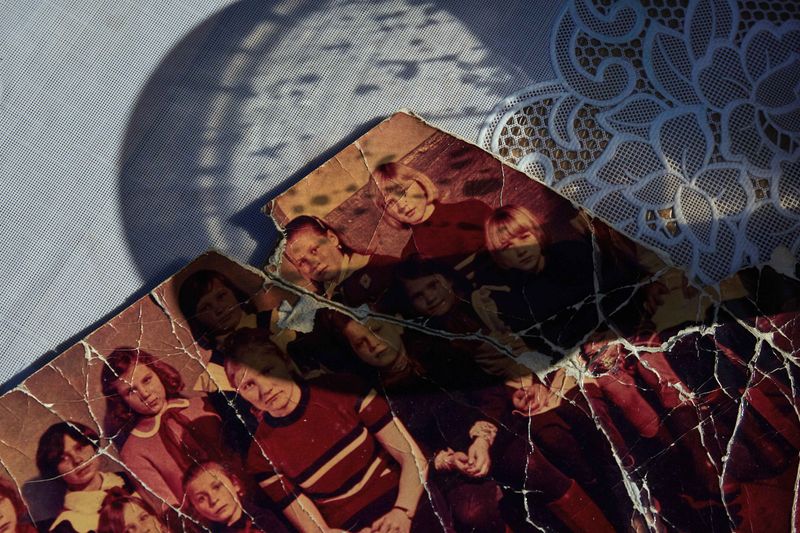
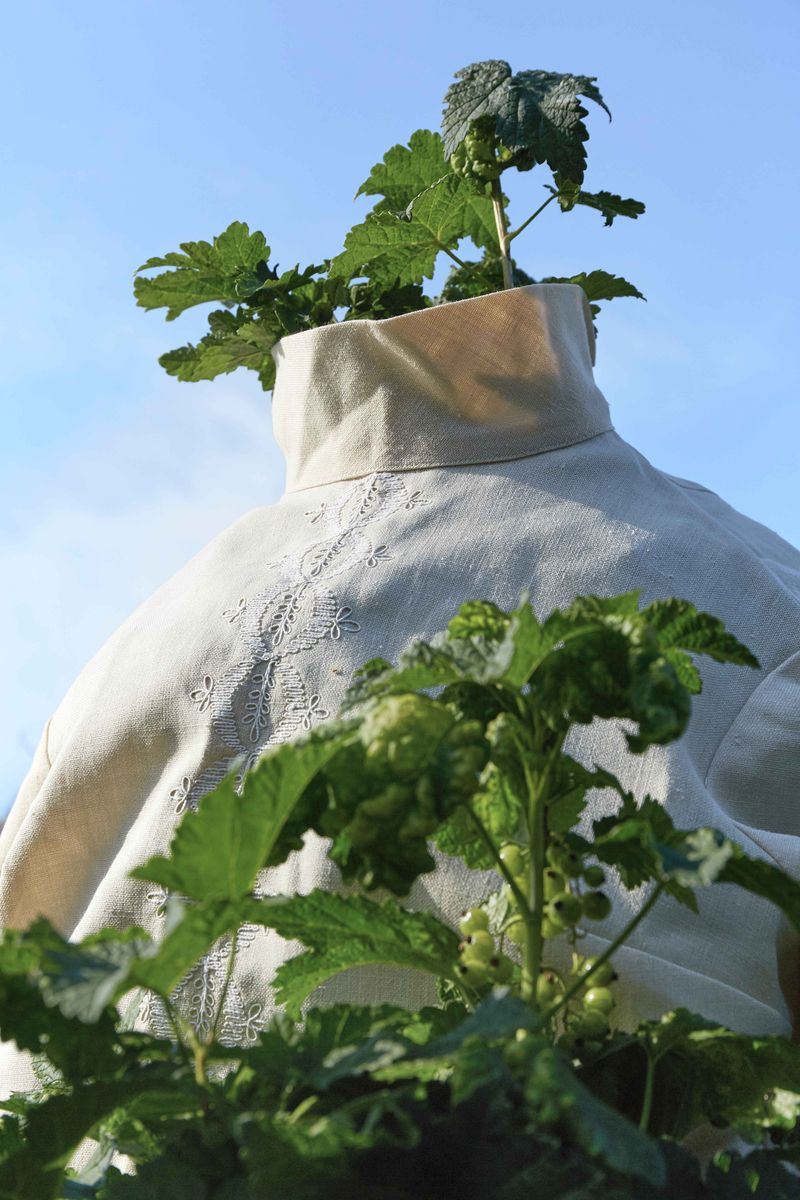
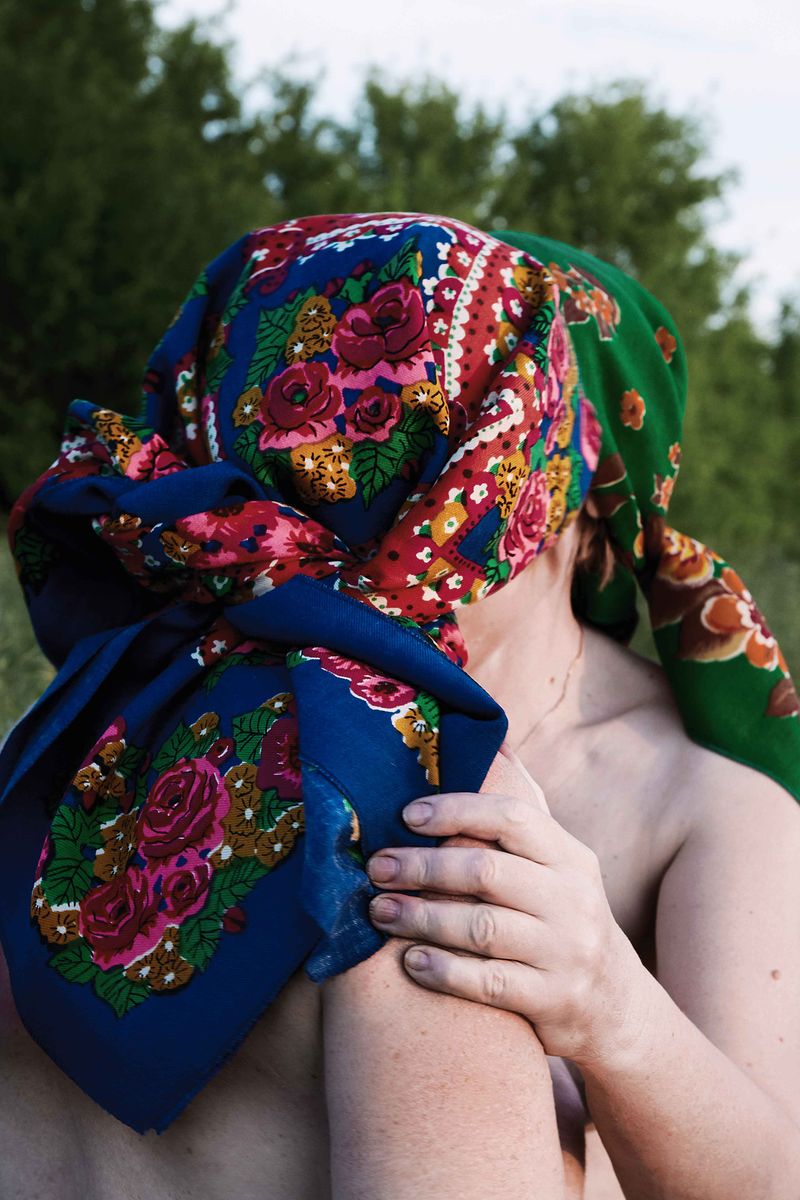
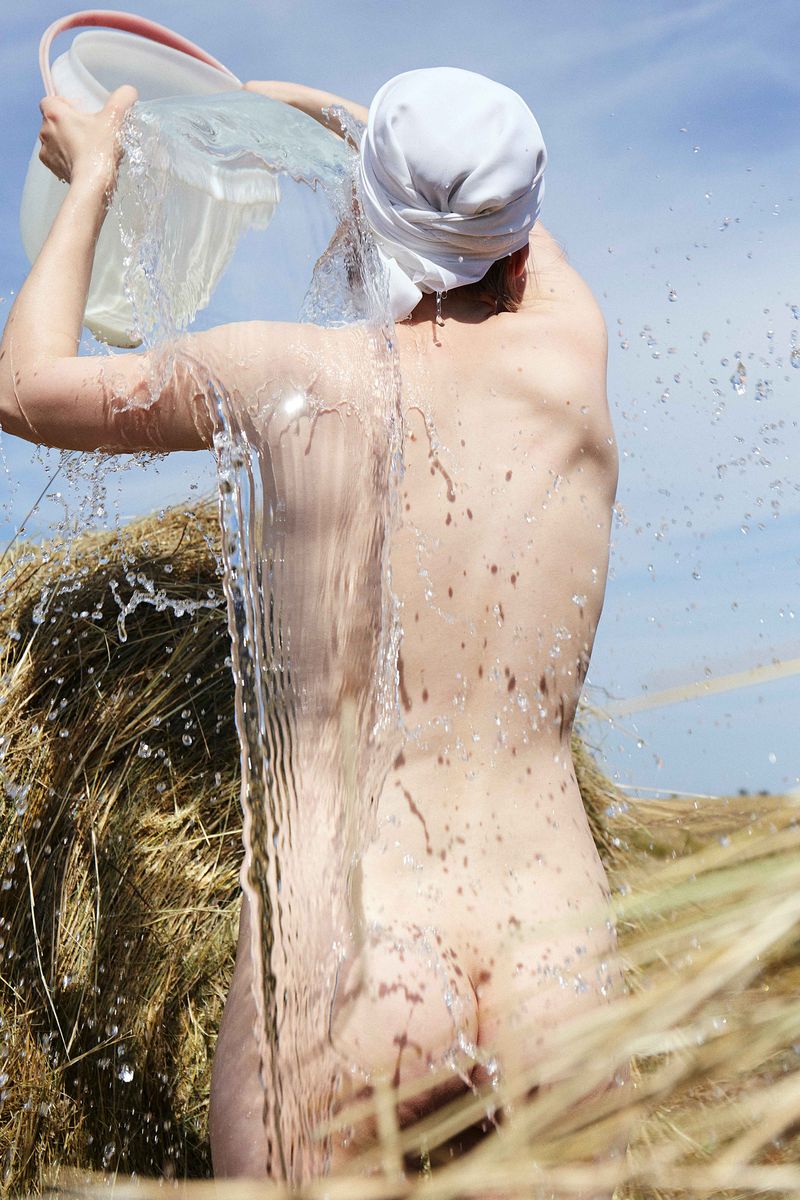
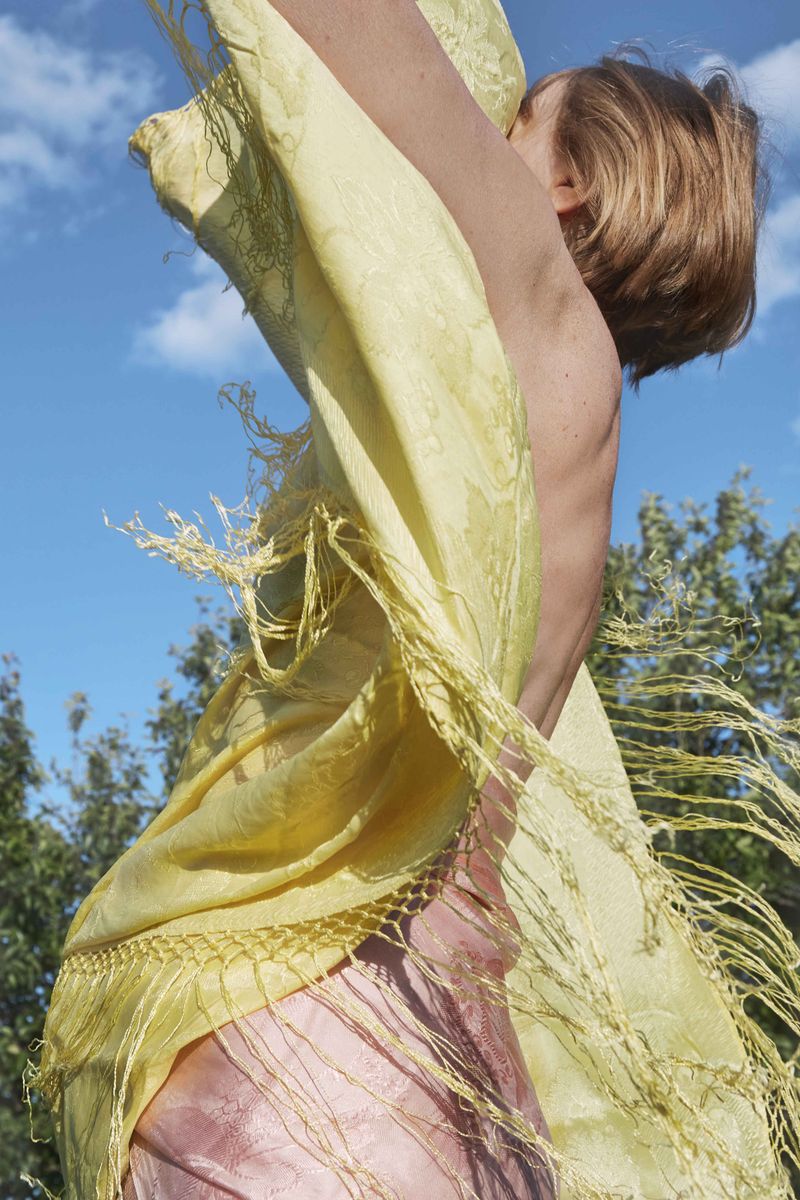
For this project, I reconstructed fragments of childhood memories, weaving together staged scenes and spontaneous moments. Beyond the beauty of these everyday gestures, I was drawn to their postures and their body language. The gestures themselves, and the logic behind them, seemed to carry traces of previous generations of women, blurring the line between family habits and a broader rural way of life.
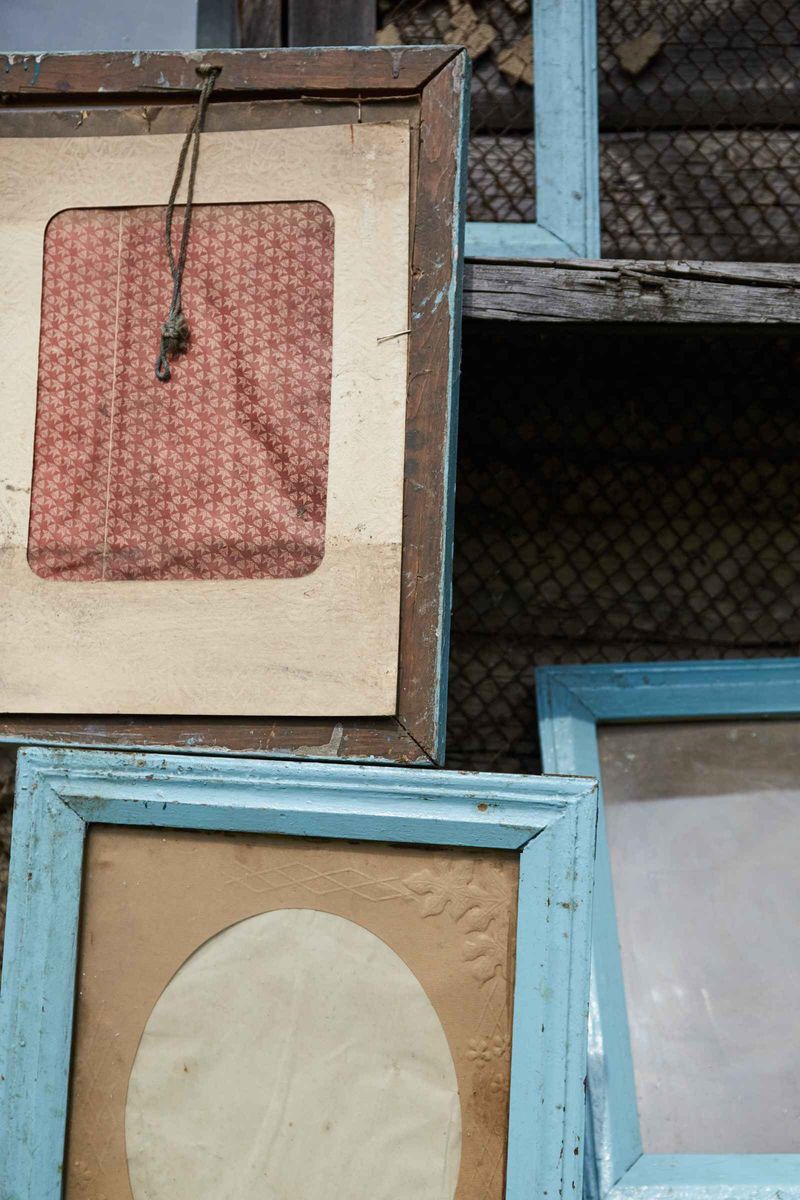
As the series developed, I began to look closely at my family’s past and the history and traditions of Russian village life. Through conversations with my grandmother, anthropological research, and archival accounts of rural life from the late 19th century to the 1980s, a broader picture began to emerge. I learnt that for centuries, life in rural Russia was organised around survival; people were often valued primarily for their capacity to work and their contribution to the family and community.
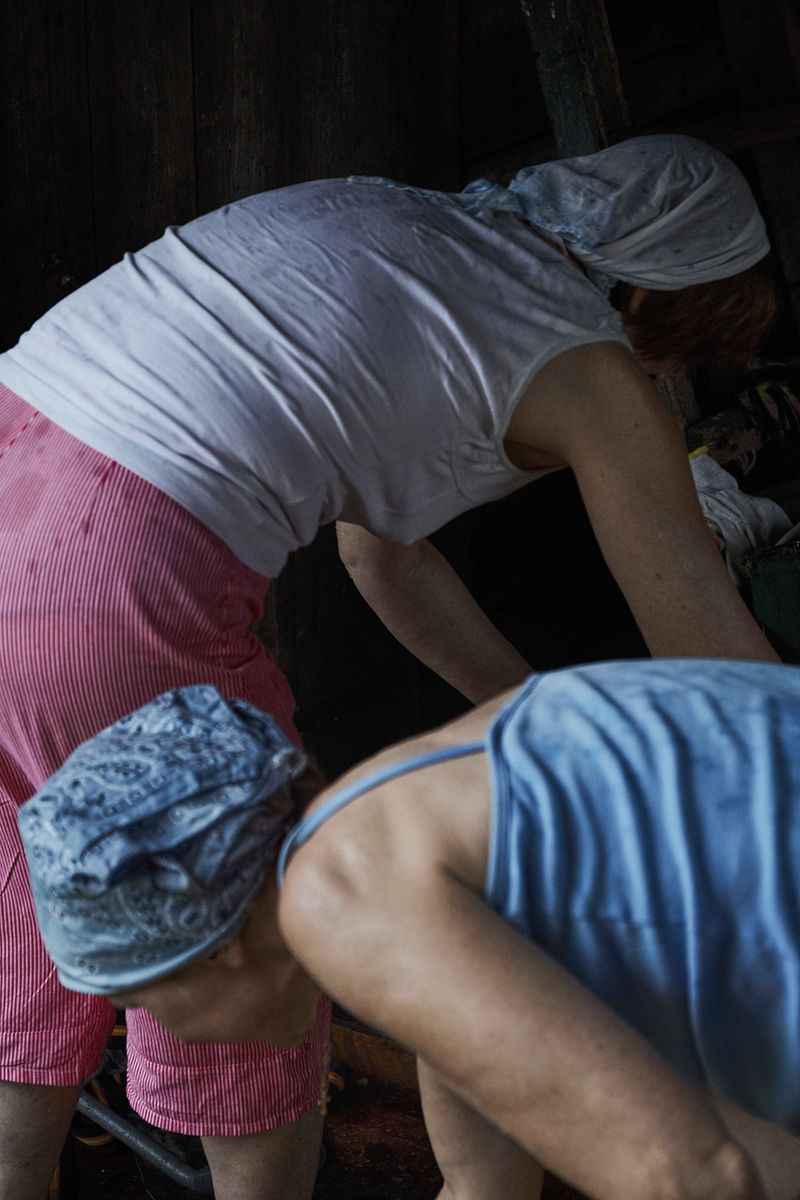
Women carried a particularly heavy burden within this system: alongside giving birth and raising children, they maintained the household, prepared food, sewed clothing, cared for livestock, and performed countless other tasks. Their labour was incessant and largely invisible, treated as an unquestioned part of everyday life. For generations, this existence was marked by exhaustion, submission, and violence.
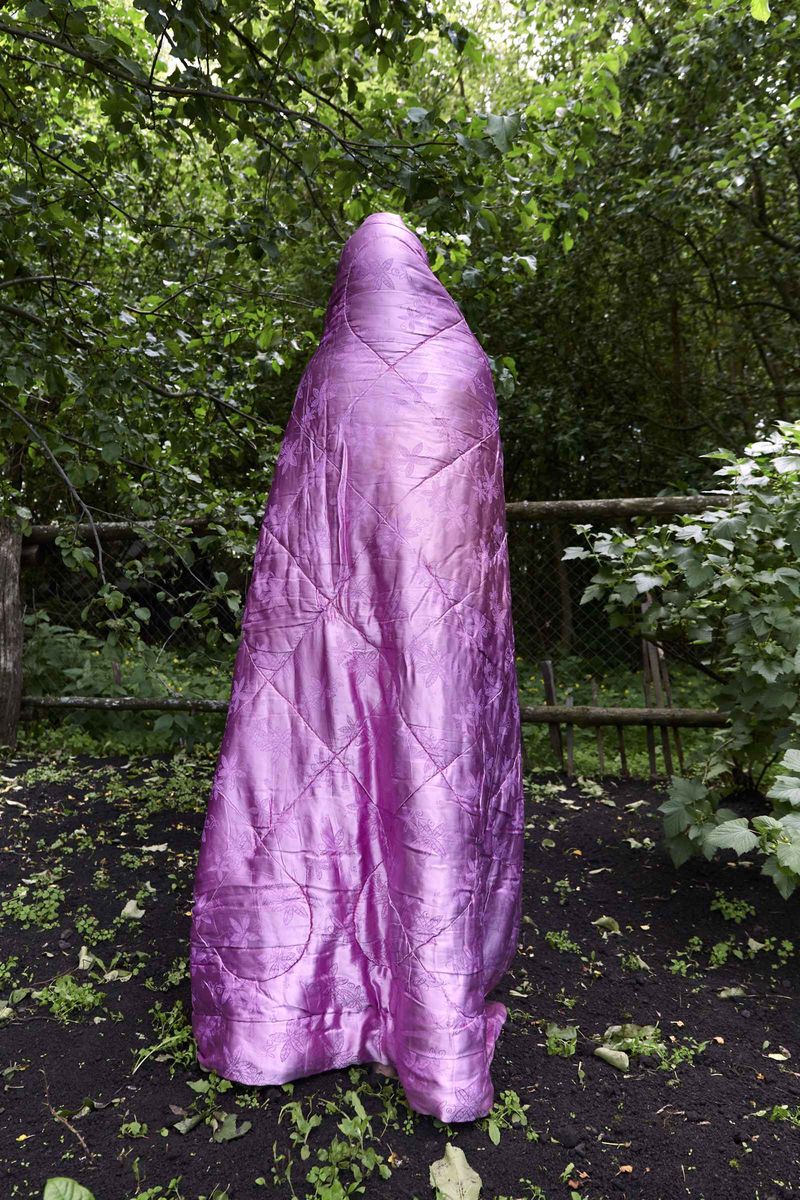
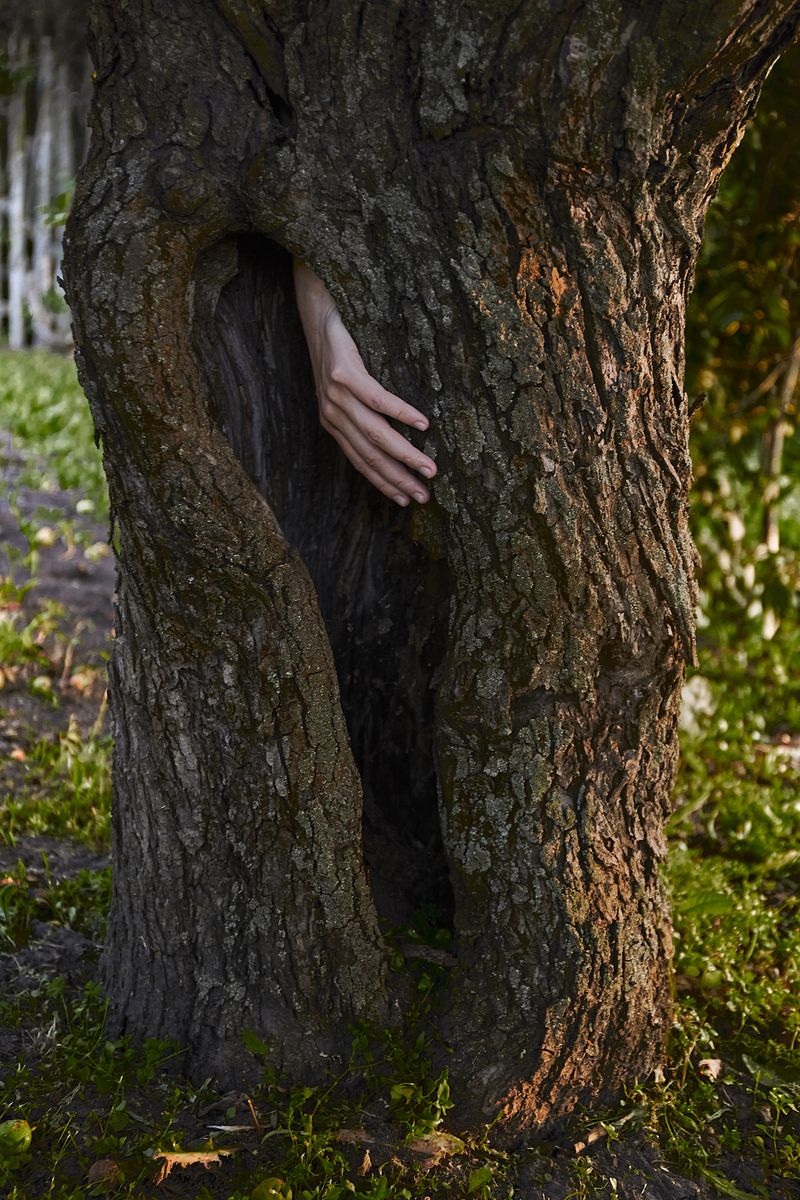
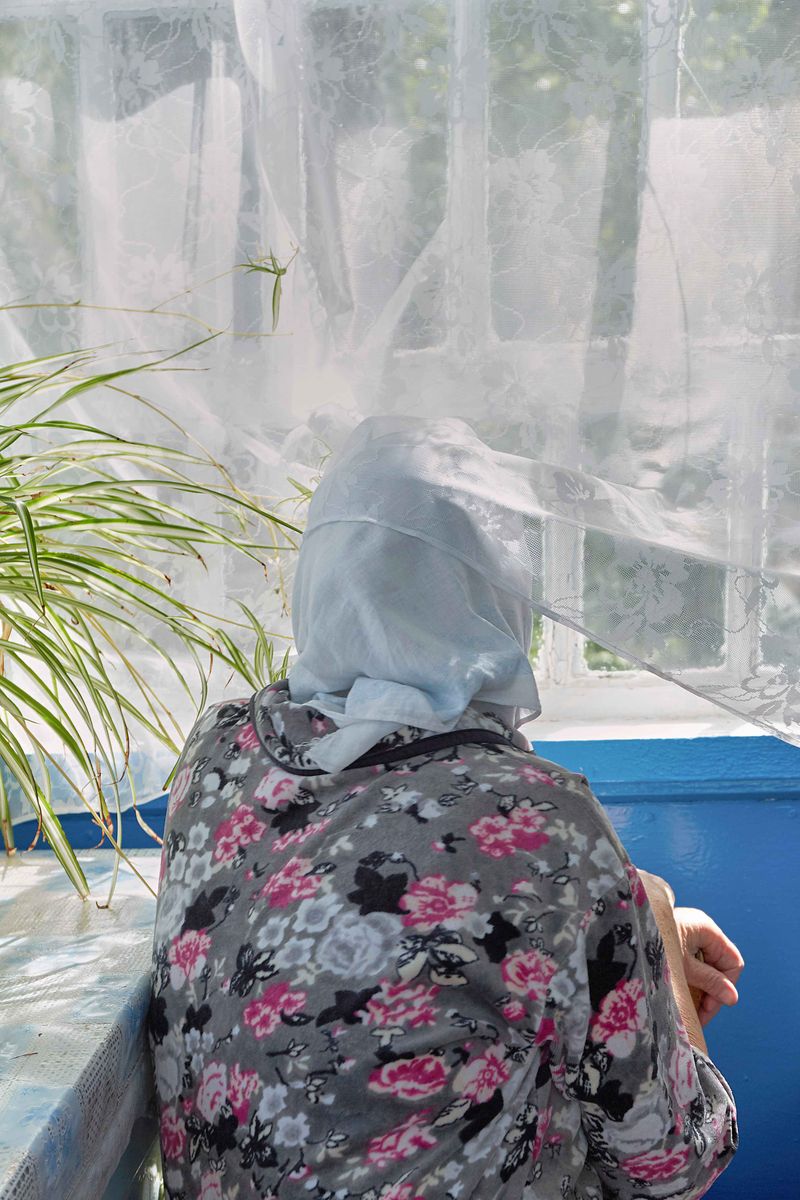
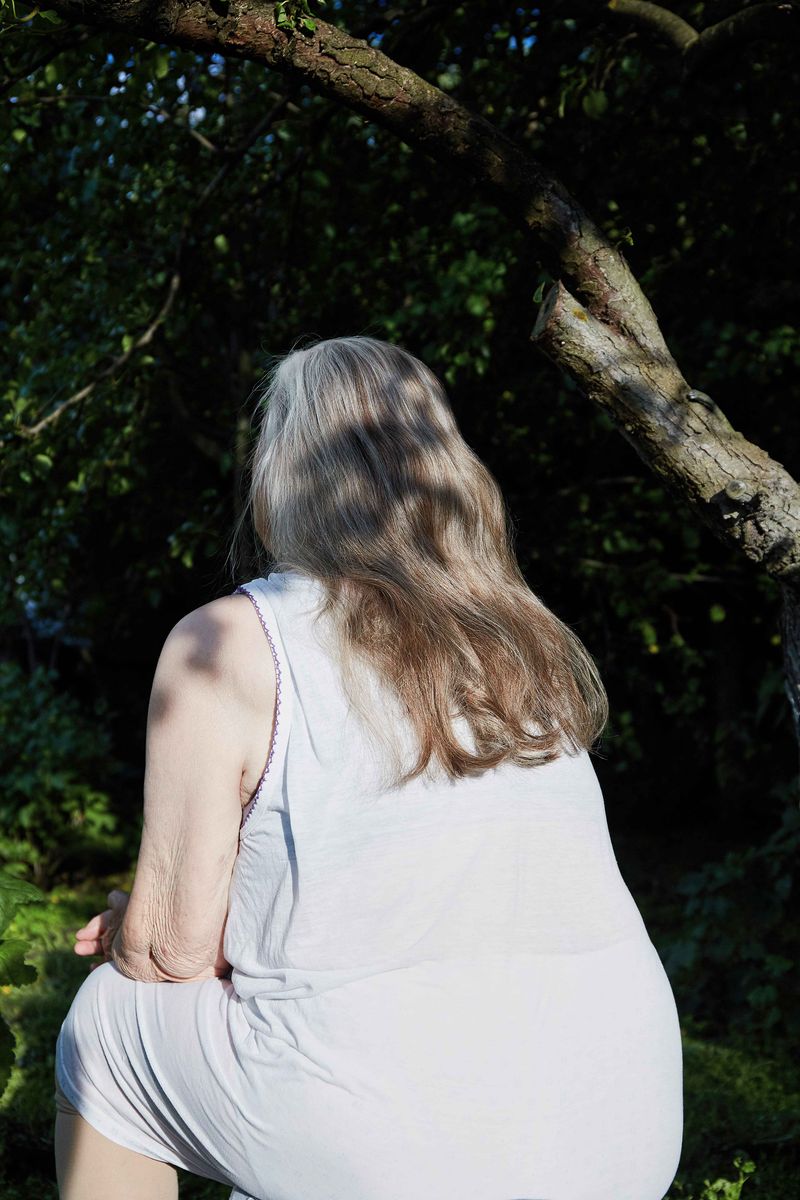
The women in my family often turned away from the camera, refusing to show their faces – out of modesty, fear of appearing unattractive, or perhaps unconsciously continuing this legacy of invisibility. I did not try to change this or force them to show more than they wanted to. I began to realise that I too could no longer remain an invisible spectator, observing their lives through the lens. This story was also my own, and through self-portraiture, I entered the frame, trying to understand through my own body what it meant to be them, with them, for them, and after them.
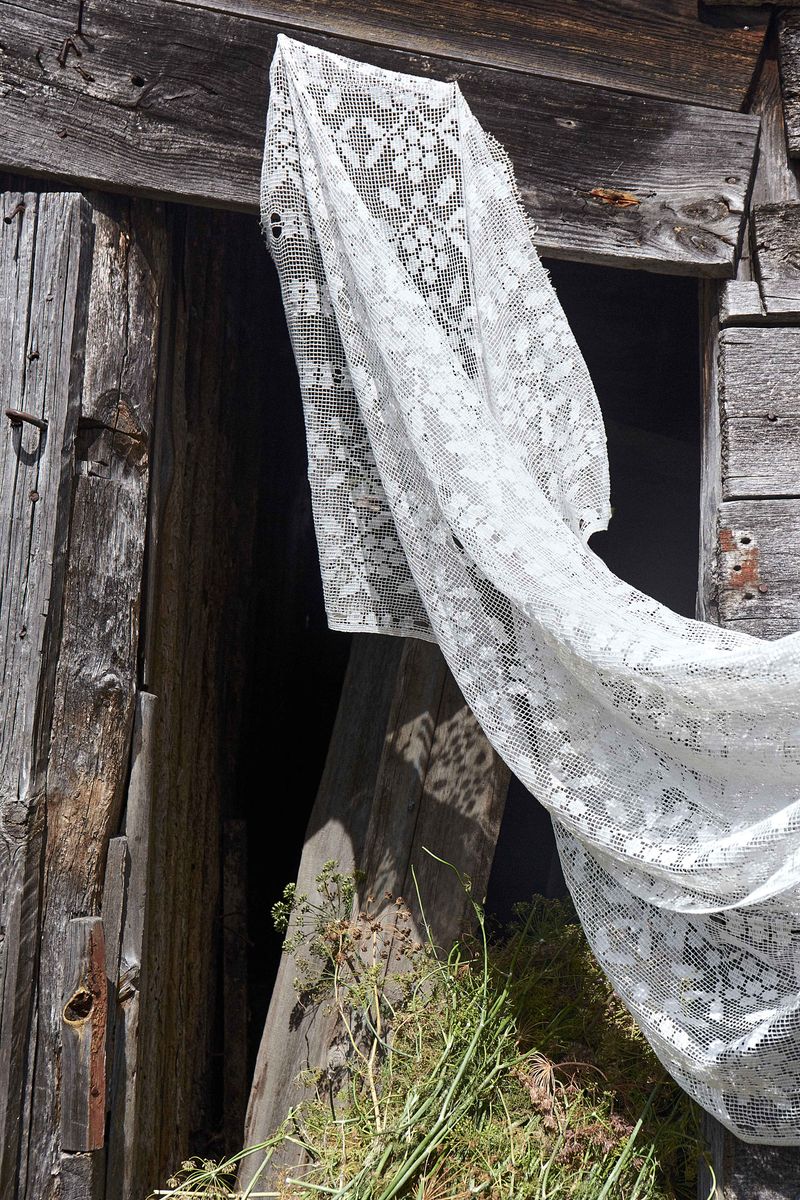
Behind the beauty and poetry of village life are bent backs and calloused hands of generations of women who gave their lives and health to caring for others; their labour remained largely unseen and unrecorded. As I photographed them, I tried to capture this world in all its contradictions. Already changing, it is gradually disappearing. Photography became a way not only to preserve something of this world, but to bring to light what so often remained behind the scenes.