Blind Spot
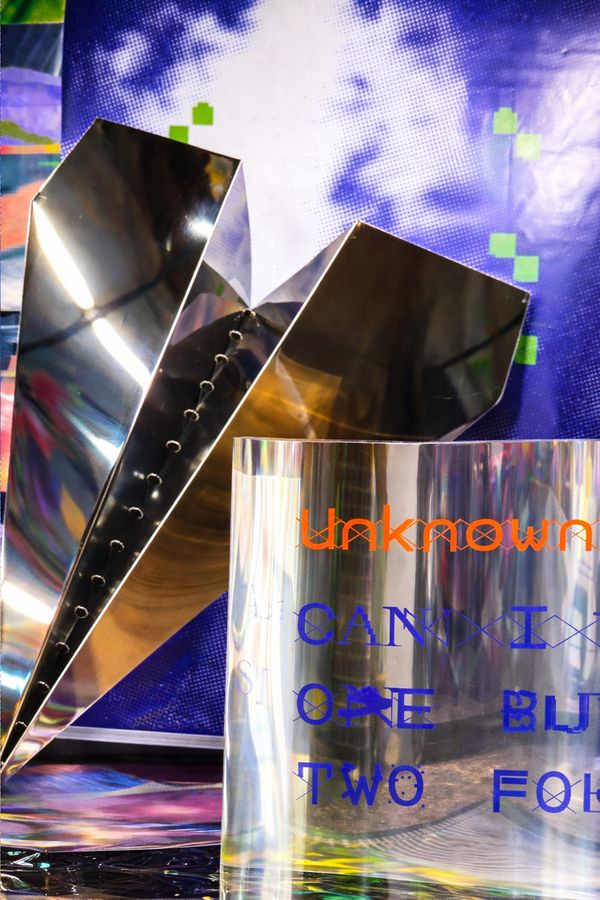
-
Dates2025 - Ongoing
-
Author
- Location London, United Kingdom
Blind Spot explores those moments when machine vision fails. Combining archival imagery, distorted calibration fields, and synthetic portraits, it stages subtle visual disruptions within systems of prediction, surveillance, and control.
Conflict today rarely takes the form of direct confrontation; it unfolds through technological systems of observation, prediction, and automated decision-making. Blind Spot examines how images have shifted from representation to infrastructure, shaping surveillance, governance, and everyday perception through continuous monitoring rather than overt action.
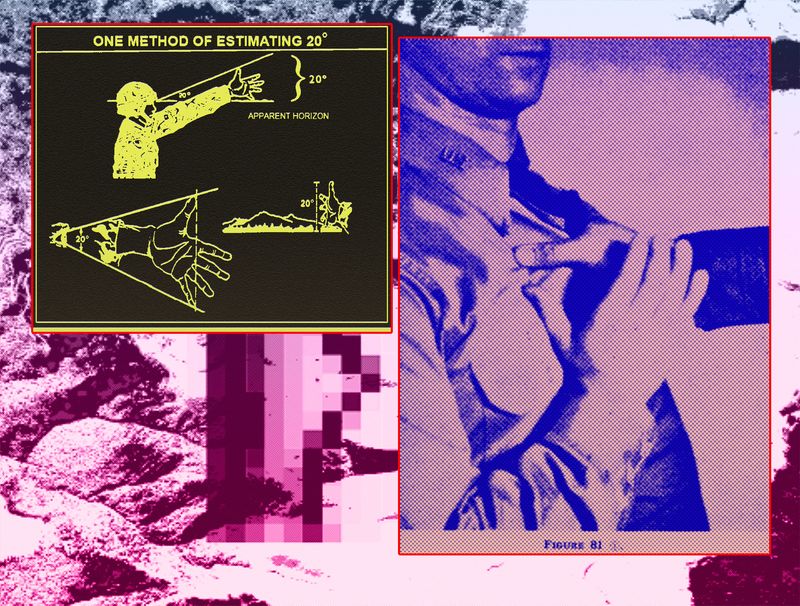
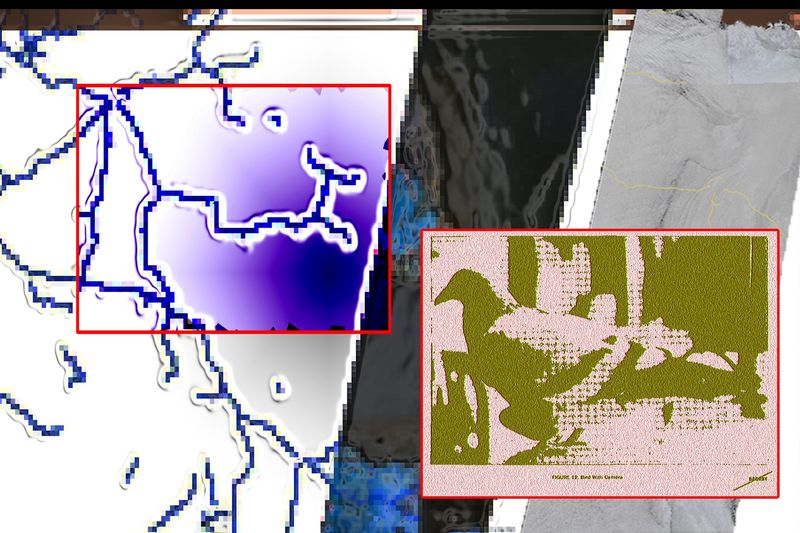
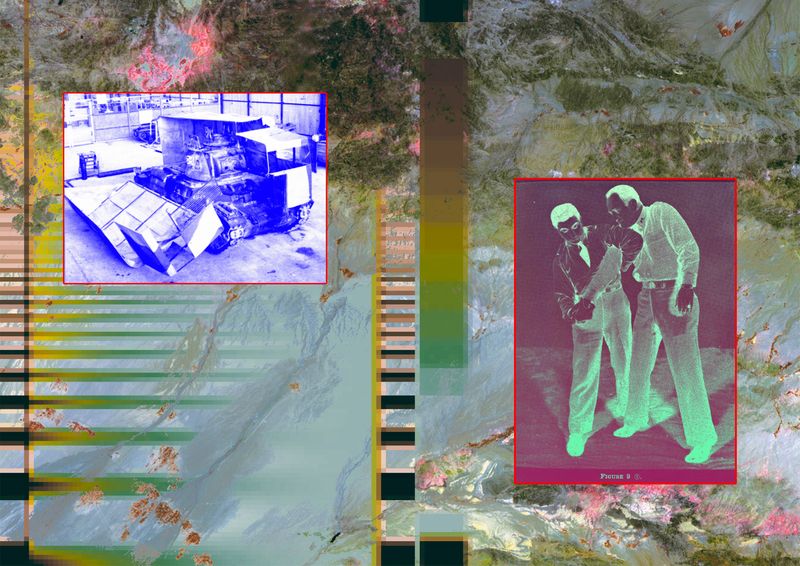
Drawing on declassified wartime archives, including camouflage studies, military deception strategies such as inflatable dummy tanks, spy pigeons, and training manuals, the project traces a longer history of images designed not simply to communicate but to guide, mislead, and stabilise systems of vision. These materials reveal how visual input has long informed strategic decisions, behavioural prediction, and territorial control.
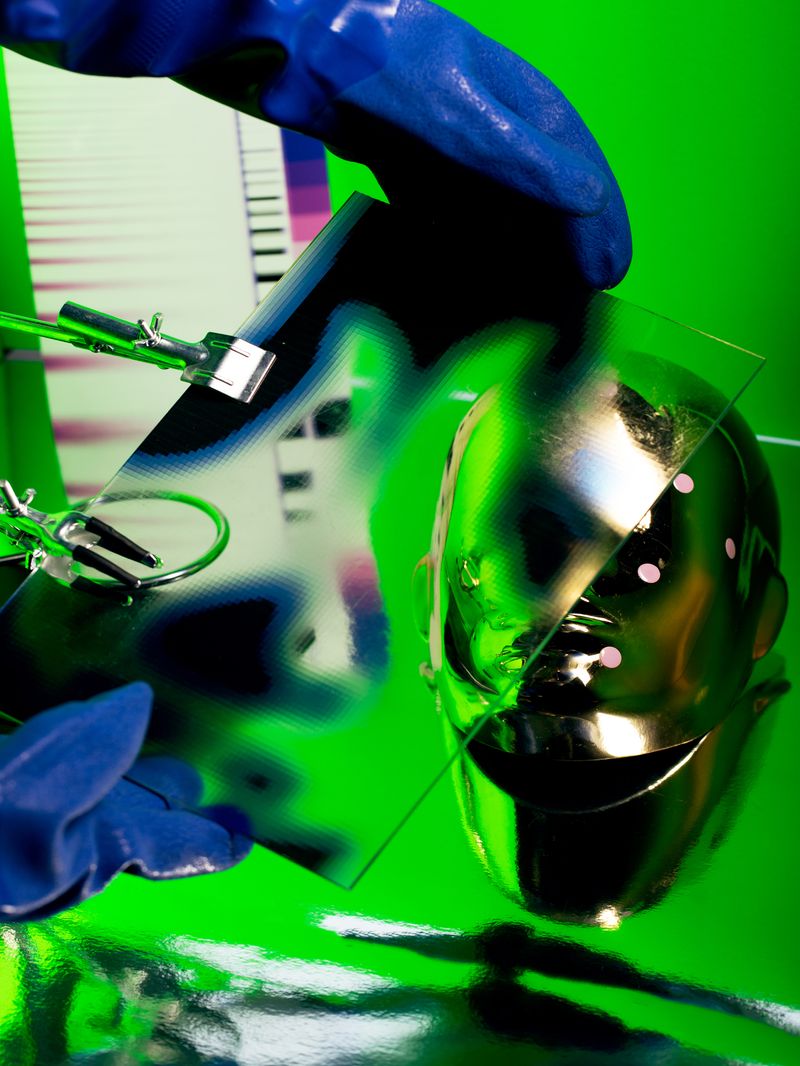
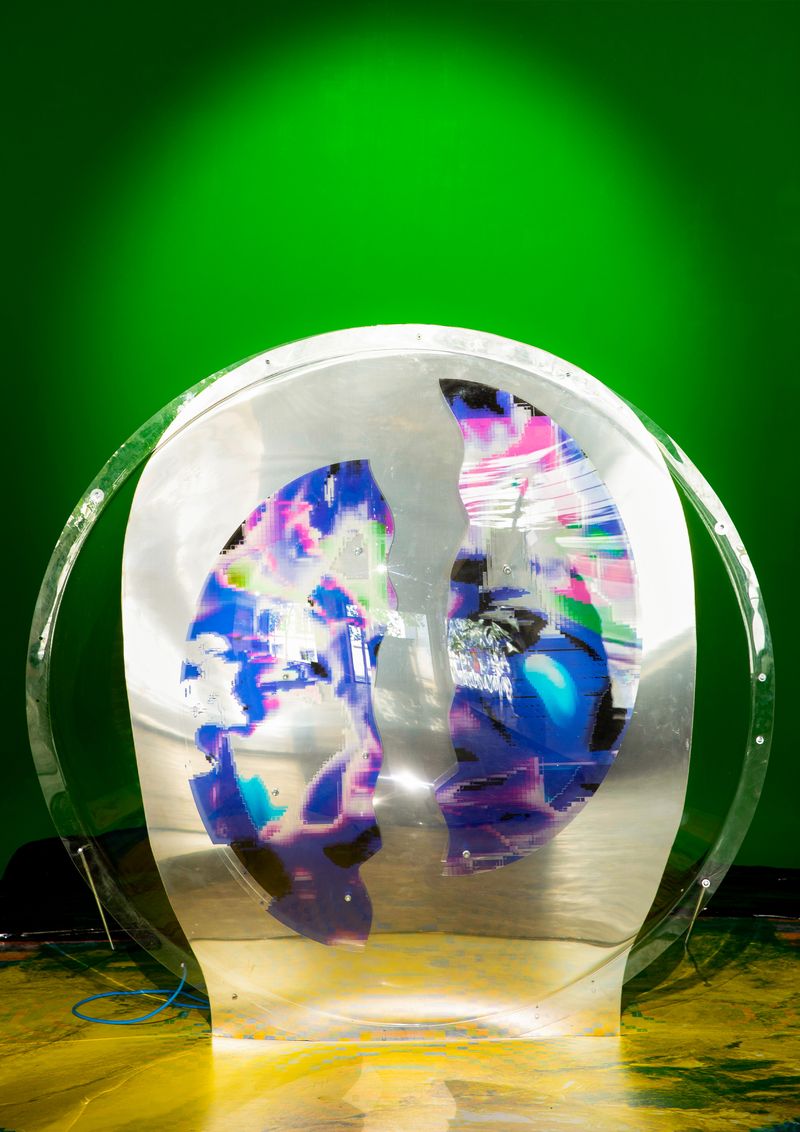
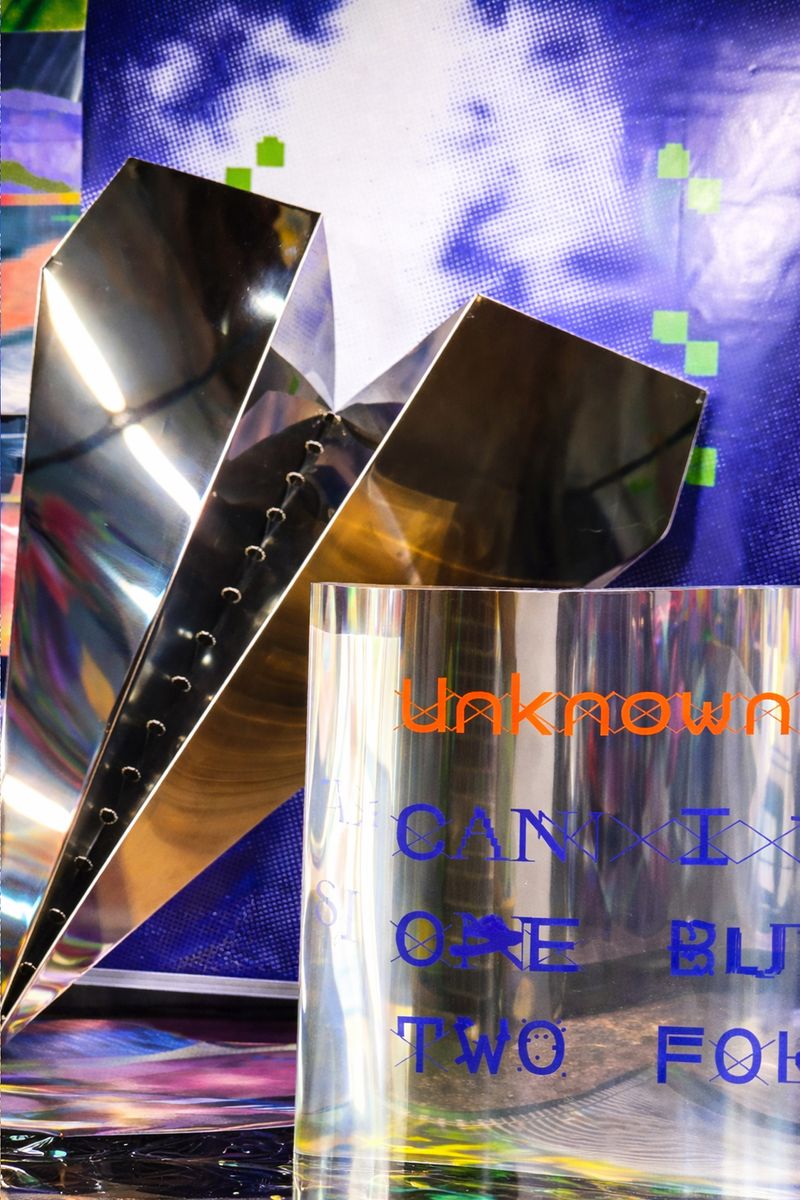
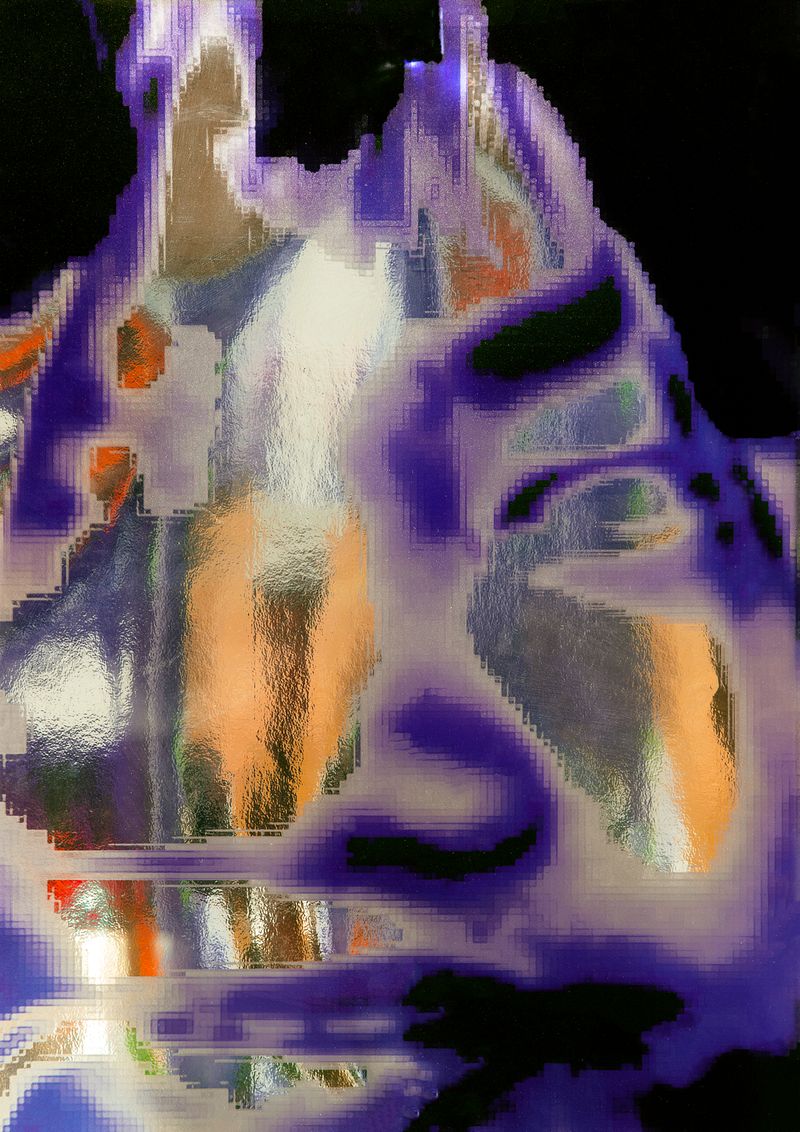
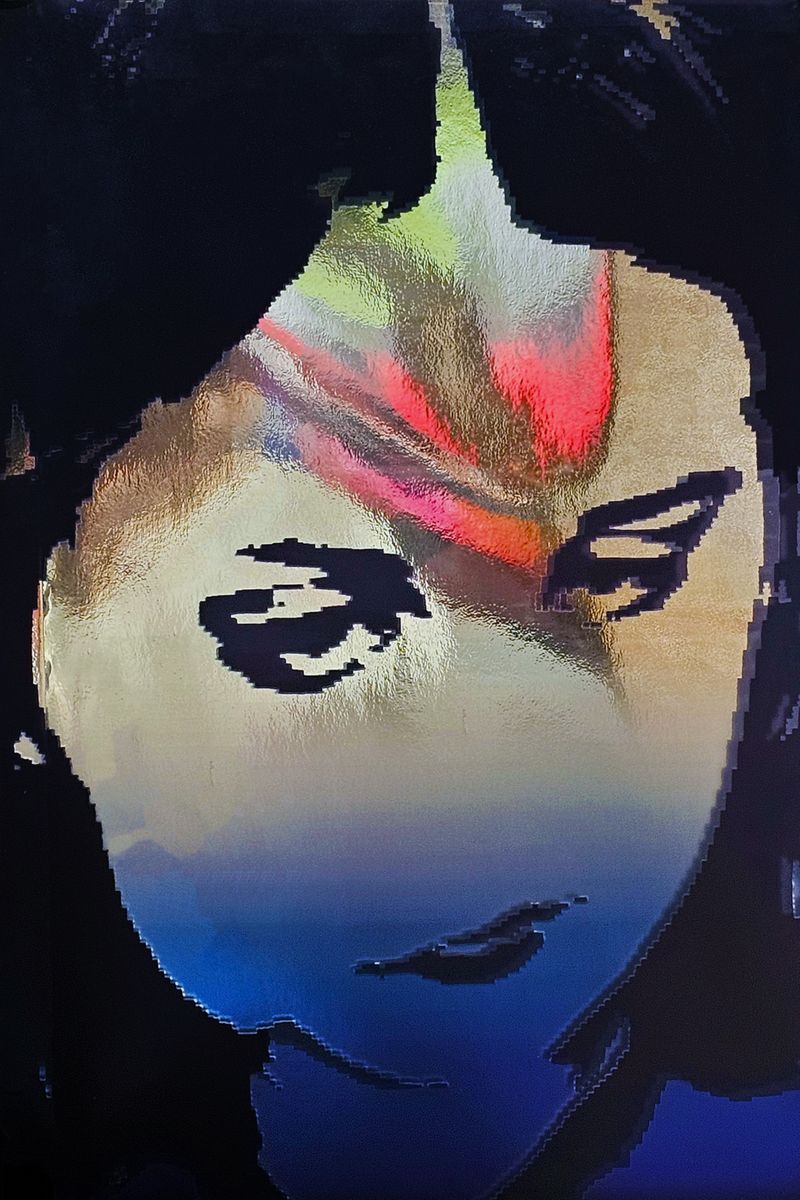
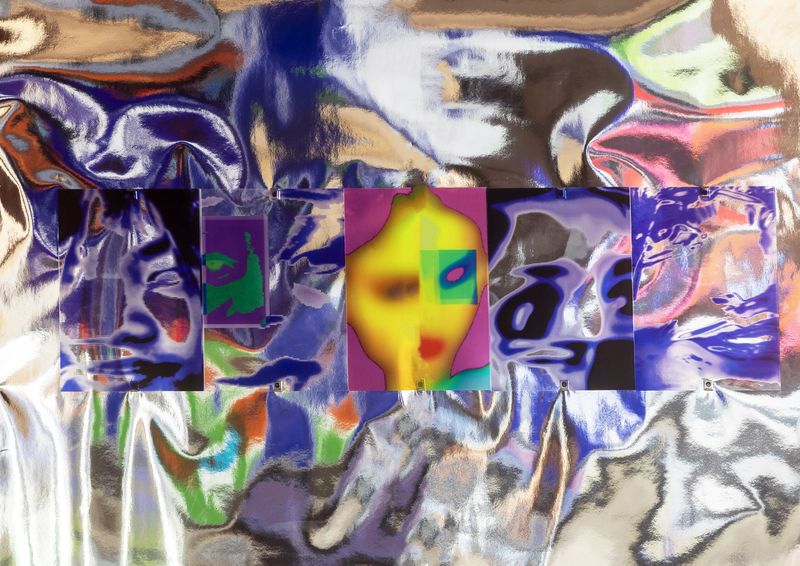
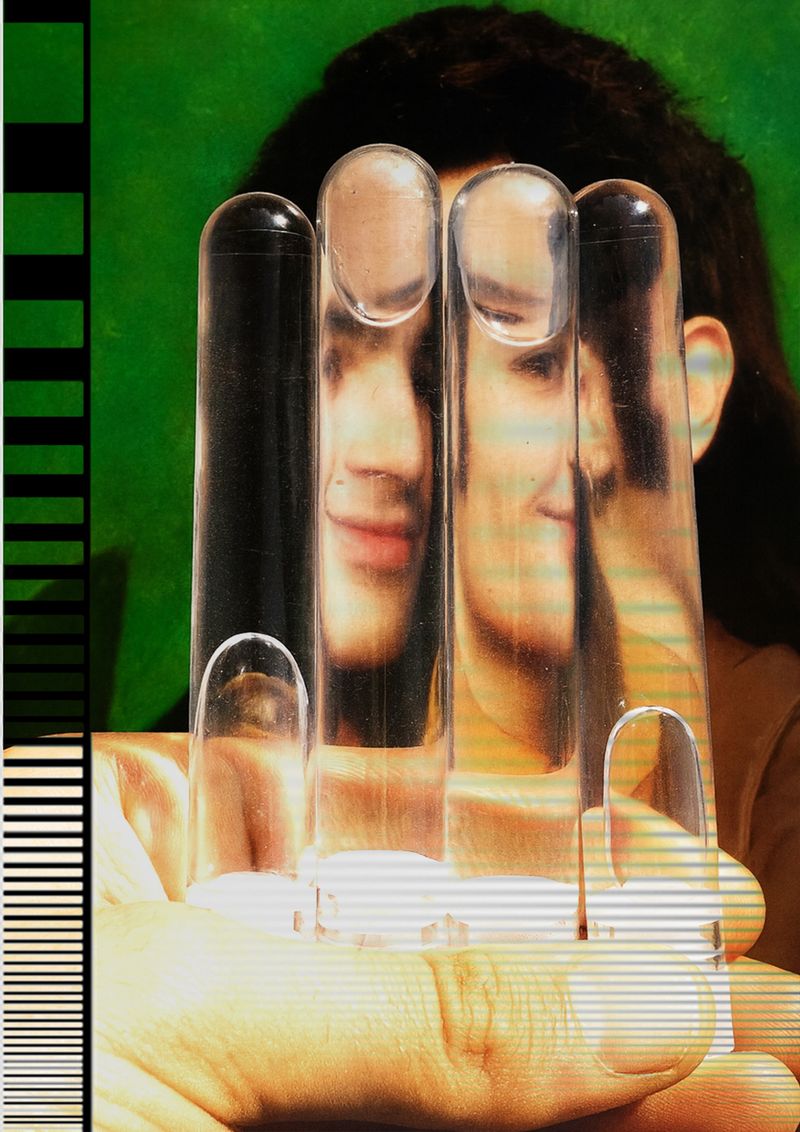
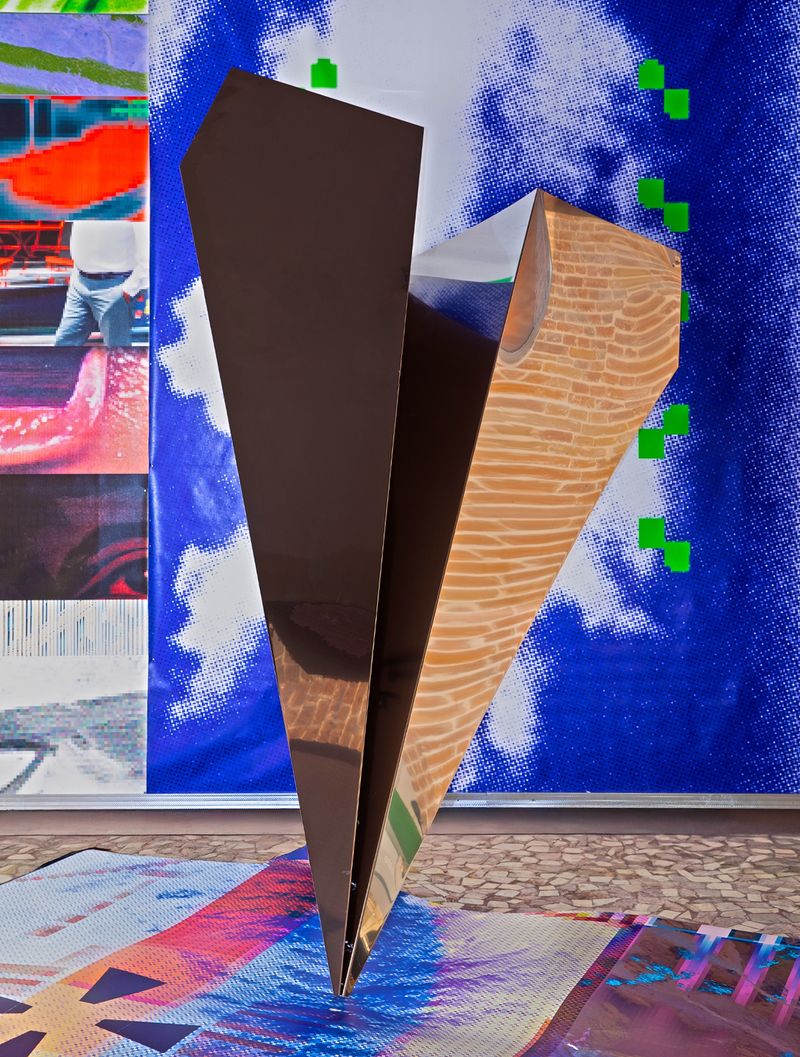
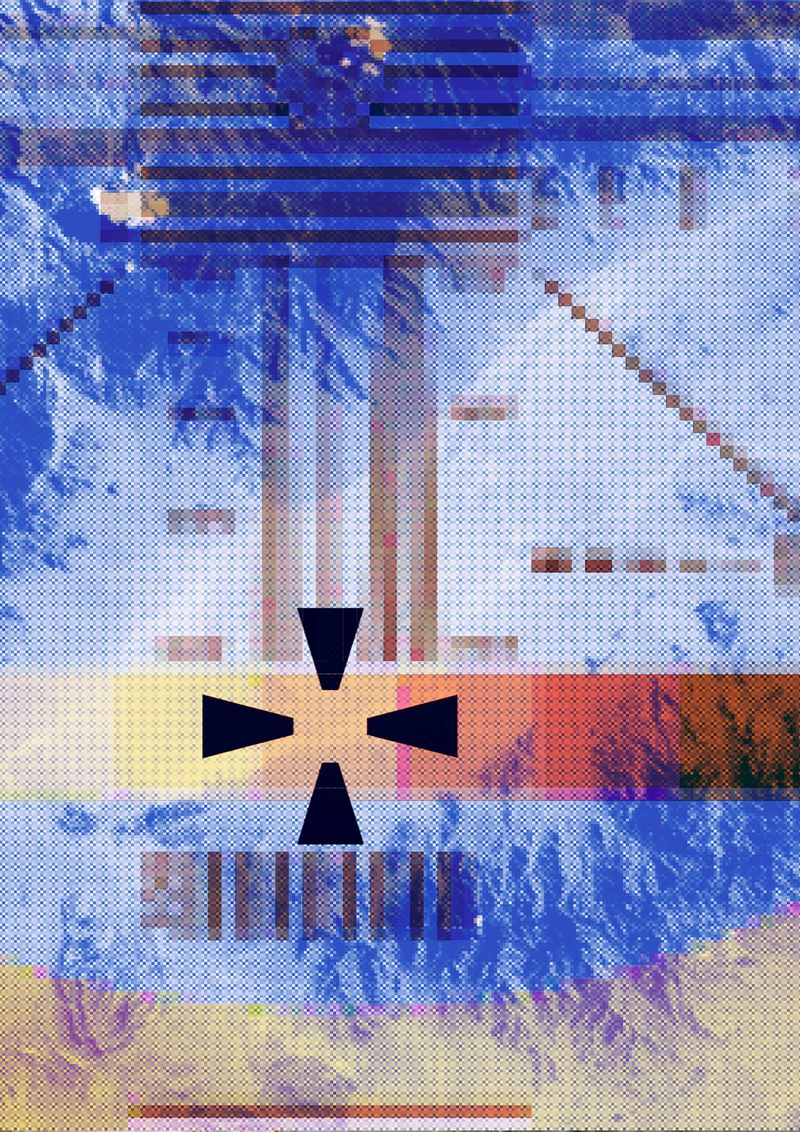
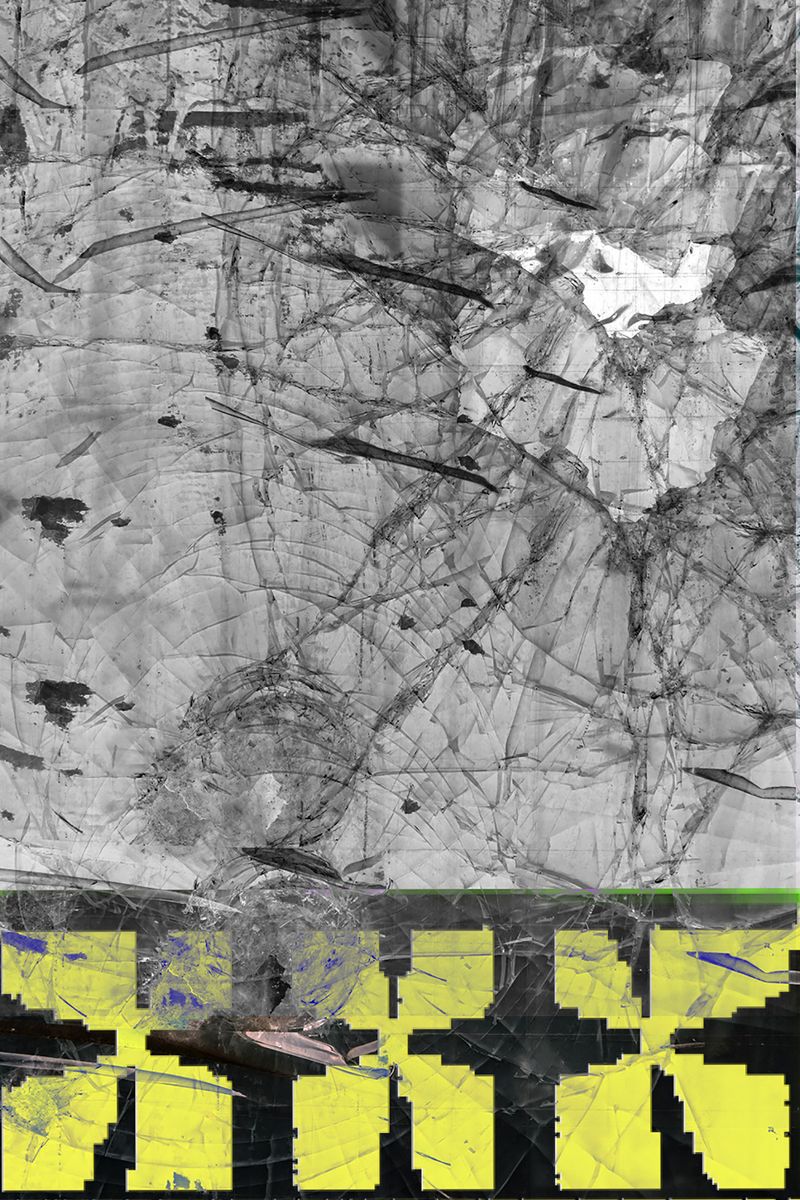
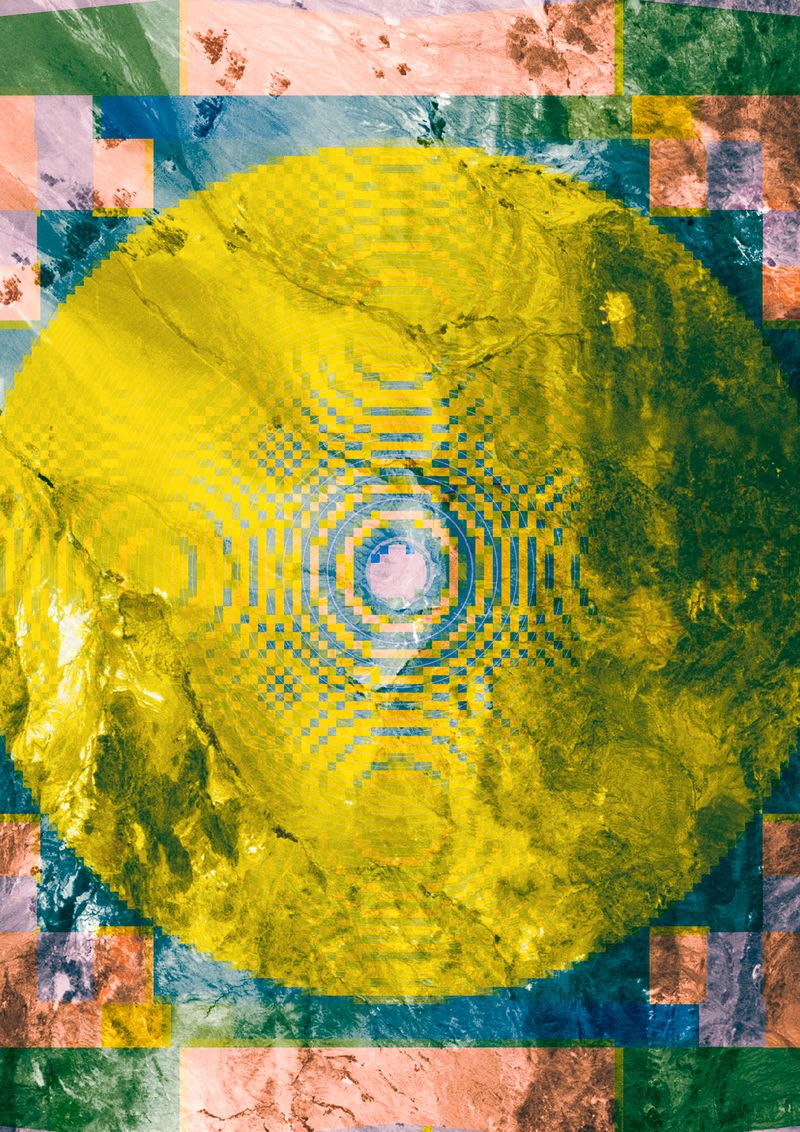
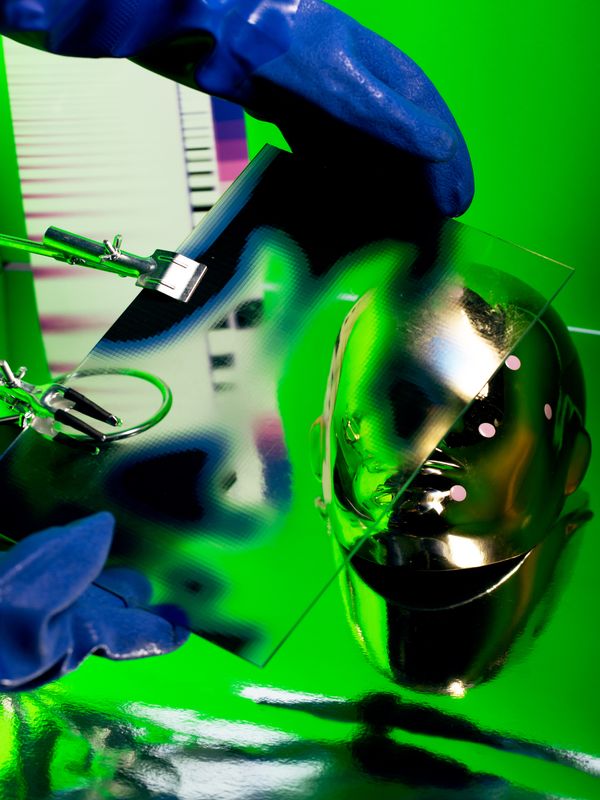
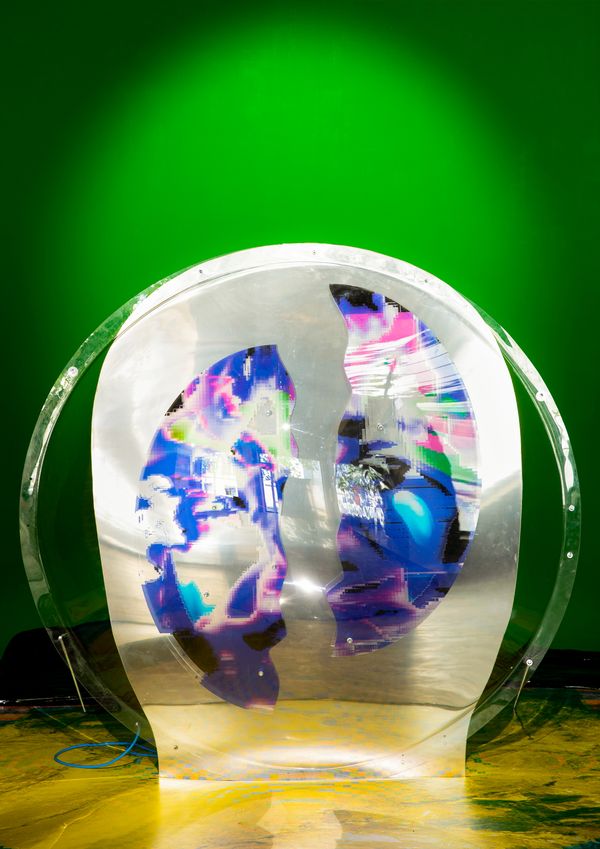
Working across expanded photographic forms, the project reactivates these strategies within contemporary environments shaped by machine vision. Distorted calibration markers, corrupted satellite composites, GAN-generated portraits, and fragmented interface imagery are transformed into sculptural photographic surfaces that resist stable recognition. Reflective metals, Perspex, lenticular optics, and optical distortions act as image interfaces where visibility persists while certainty begins to collapse.
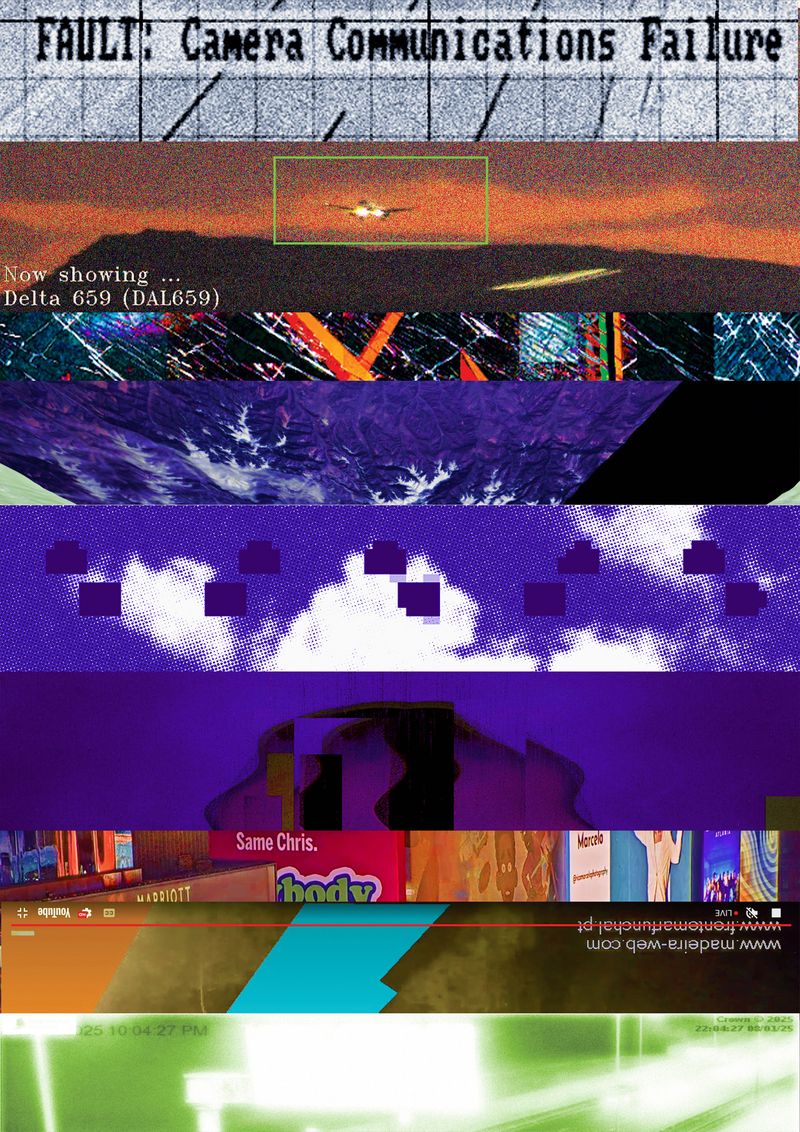
A recurring figure is a failed aircraft, staged as a speculative collision between technological optimism and systemic vulnerability. Satellite datasets and calibration fields, once intended to stabilise sensing infrastructures, reappear as disrupted terrains where navigation falters. The aircraft becomes a symptom of technological confidence encountering its own limits.
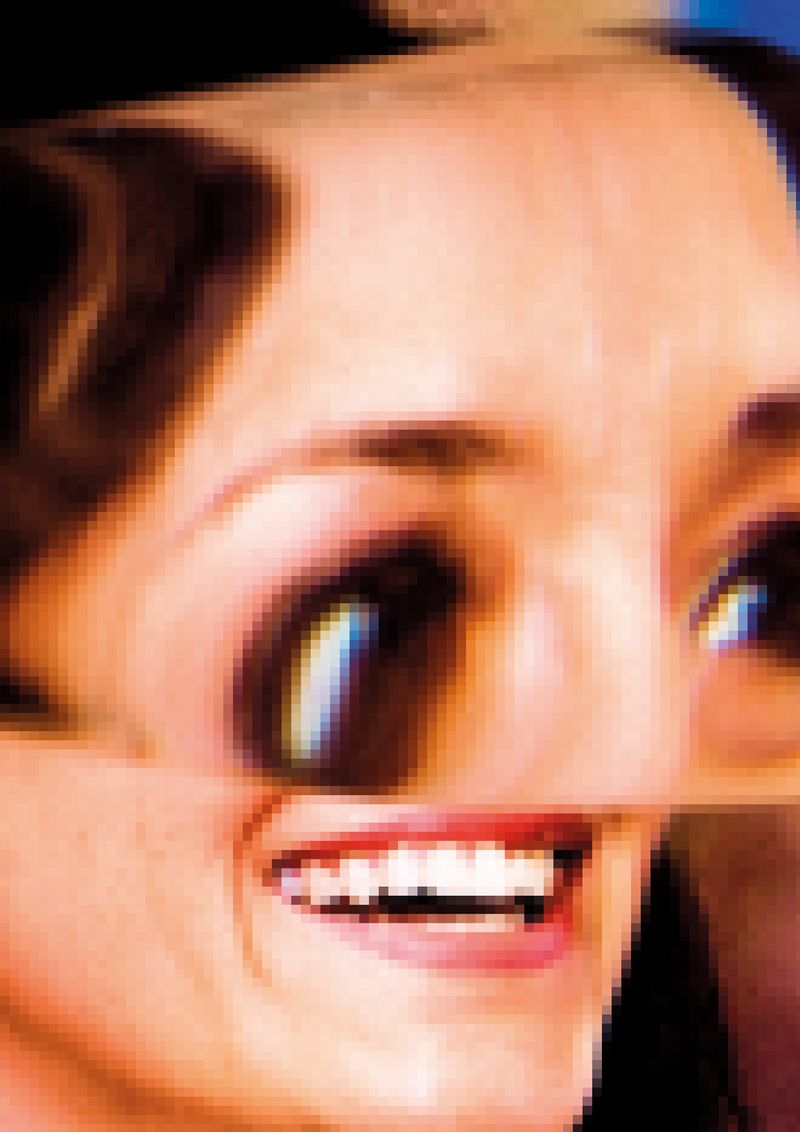
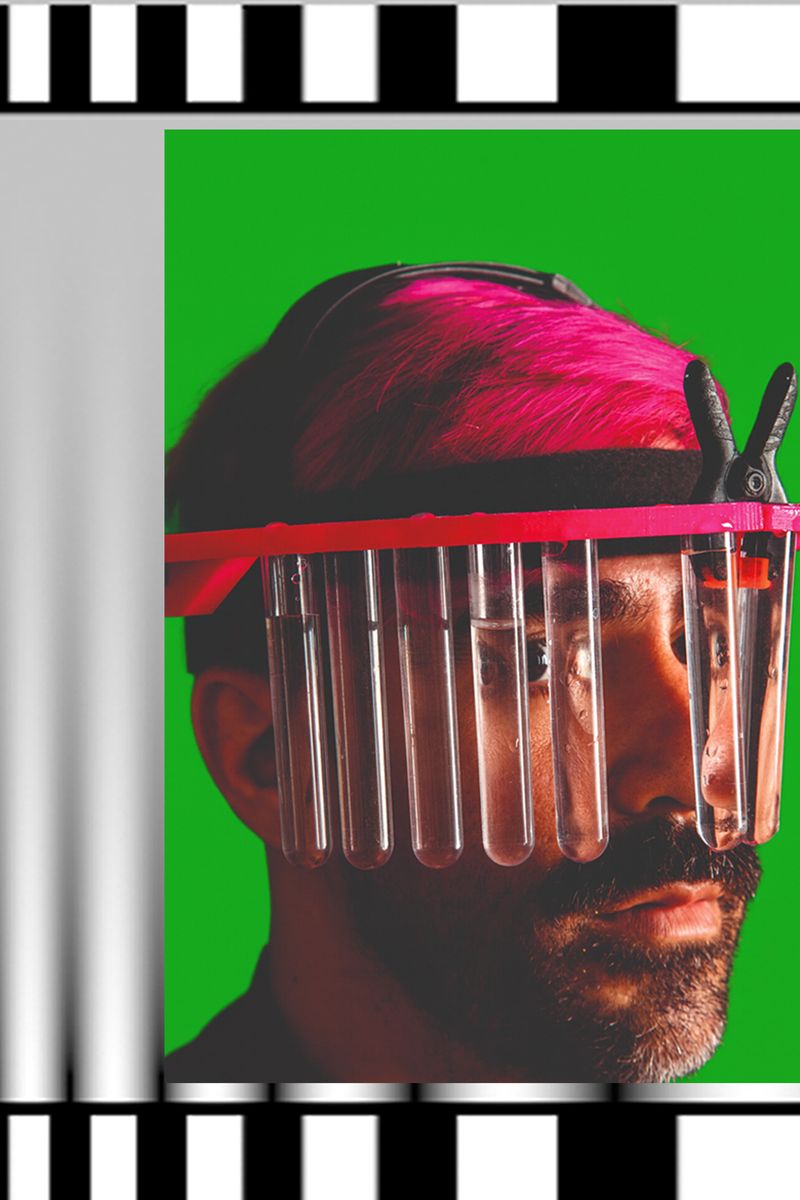
Portraiture similarly destabilises recognition. Stacked, deformed GAN-generated faces accumulate into dense biometric noise that overwhelms classification systems, while optical masks built from lenses, reflective surfaces, and refractive materials scatter biometric data without fully disappearing. Opacity emerges here not as concealment but as negotiation, suggesting ways of remaining visible without becoming fully legible.
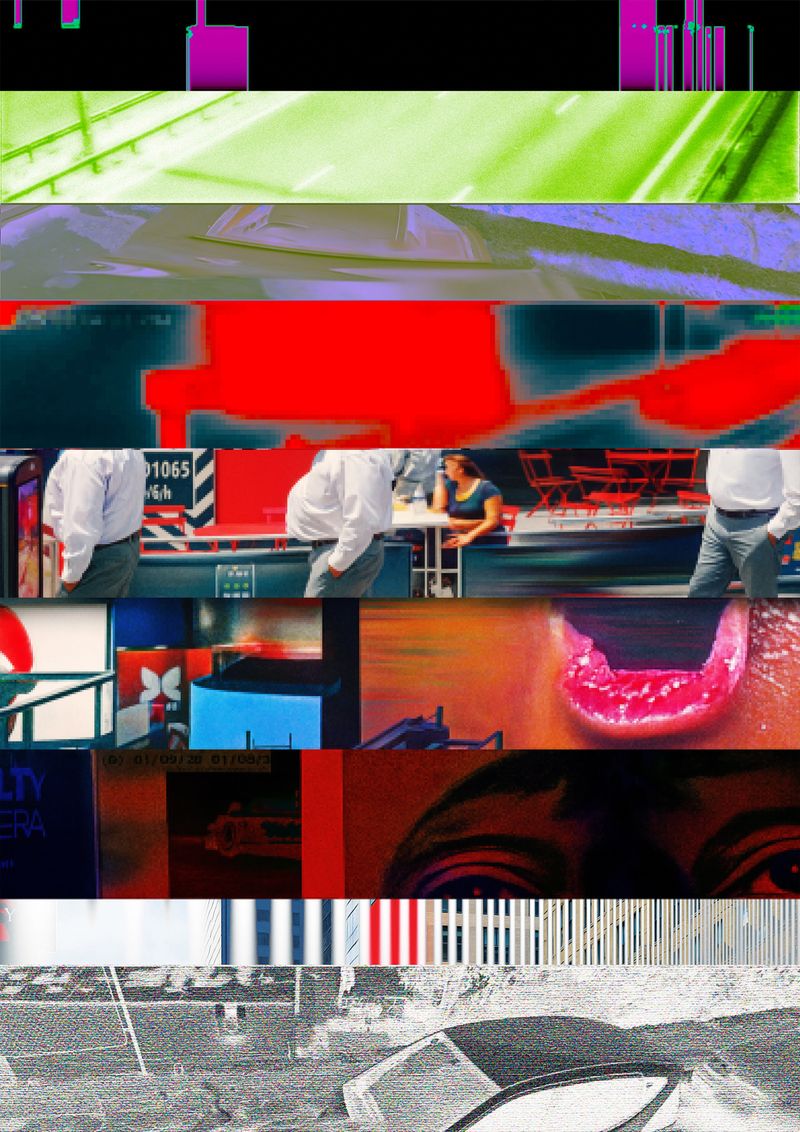
Datasets once used for prediction, including CCTV fragments, LiDAR scans, aerial imagery, and interface feeds, are reassembled into counter-archives of automated seeing. Calibration panels mutate into adversarial patterns, landscapes resist mapping, and environmental elements such as reflections, clouds, and shifting light further destabilise technological perception.
Ultimately, Blind Spot foregrounds the blind spots embedded within contemporary surveillance infrastructures — moments where technological authority falters through systemic instability, environmental interference, or intentional opacity. Rather than opposing these systems directly, the project proposes photography as a form of visual countermeasure: images that gently misalign, delay, and complicate automated perception, introducing ambiguity into environments increasingly organised around clarity, efficiency, and control.