Beyond the lake

  • Dates
    2021 - Ongoing
  • Author
  • Location Galicia, Spain

Beyond the Lake is a cinematic journey through Galicia, where reality and legend intertwine with depopulation and environmental challenges. Through intimate images, it explores a fragile landscape struggling to preserve its identity amid relentless change

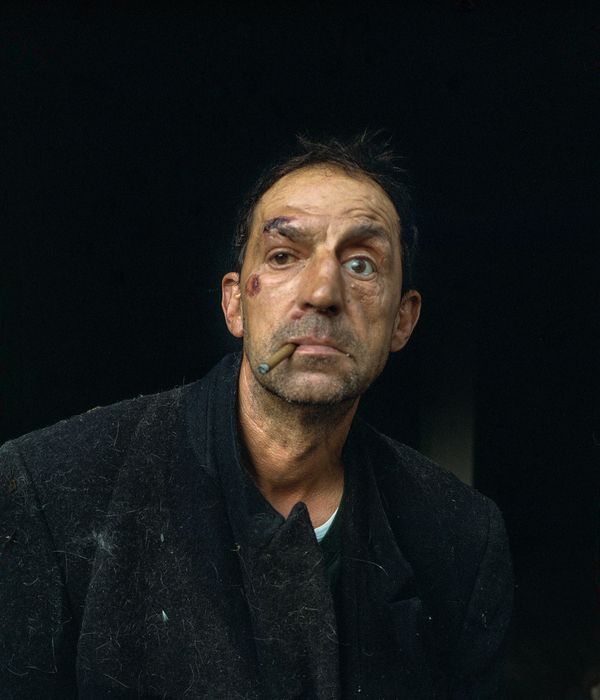
Tony used to come home with nuts, claiming Rosemary had given them to him. But Rosemary only existed in Tony’s dreams. Adolf and Raúl’s house was set on fire while they were inside due to disputes over communal land. María spent her entire life as an emigrant, leaving her only son, Emilio, in Galicia. A few years after María returned, Emilio died from the alcoholism he had struggled with since adolescence. The wild horses of Sabucedo barely have space to roam, as the land they once roamed freely has been drastically reduced. Aceredo village was frozen in time when the Lindoso reservoir submerged it in 1992, marking the end of an era for its inhabitants.

All these stories are echoes of rural Galicia and its border with Portugal, a place where history and myth blur, caught between the richness of its traditions and the struggles of its present. Galicia now faces a paradigm shift—rural depopulation, land abandonment, and environmental degradation threaten both its people and its identity. Climate change manifests in extreme events, such as the sudden drying of reservoirs, while industrial expansion accelerates the decline. The massive replanting of eucalyptus, a non-native species, serves corporate interests at the expense of biodiversity, fueling forest fires and soil depletion. The proposed Altri textile fiber plant embodies this model—requiring 46 million liters of water daily, it endangers the Ulla River and the region’s fragile ecosystems. Ultimately, Galicia is caught in a system that prioritizes short-term profit over long-term sustainability, leaving its rural communities struggling to hold on.

Beyond the Lake is also a deeply personal research. I am both an observer and a part of this reality. The son of a father lost too soon to alcoholism, the grandchild of emigrants—three of my grandparents left Galicia, and I, too, lived abroad for 16 years. Some of the photographs were taken in my village, even in my own house—places that hold the weight of generations shaped by exile, abandonment, and the fight to preserve an identity under constant threat.

This project is a metaphorical journey into the essence of Galicia—a narrative constructed with a cinematic atmosphere that transports us to an indeterminate time, where social and political realities blend with Galician legends and its border with Portugal. It is a land of contradictions: sorrow and labor as defining traits, deeply rooted emigration, the tension between what is cherished and what is neglected, between tradition and destruction. Syncretic beliefs, mythology, and the duality of strength and oppression—forces that have long shaped the Galician people—continue to define the pulse of this land. Through images, Beyond the Lake seeks to capture this fragile balance, where nostalgia and resilience intertwine, and where the land itself becomes a mirror of a people’s enduring struggle to exist beyond the forces that threaten to erase them.
© Carlos FS - Image from the Beyond the lake photography project
i

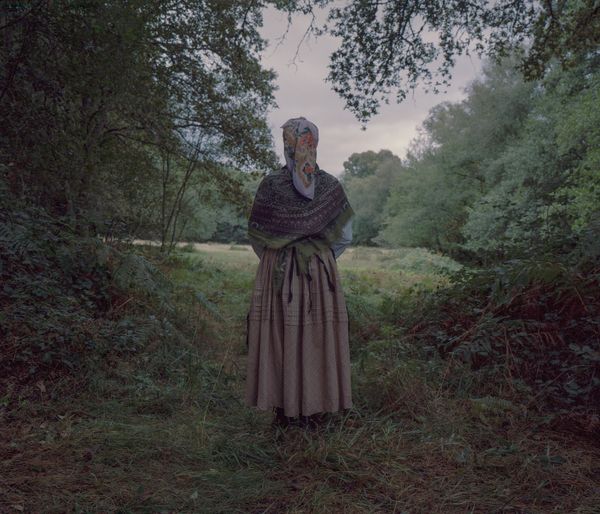
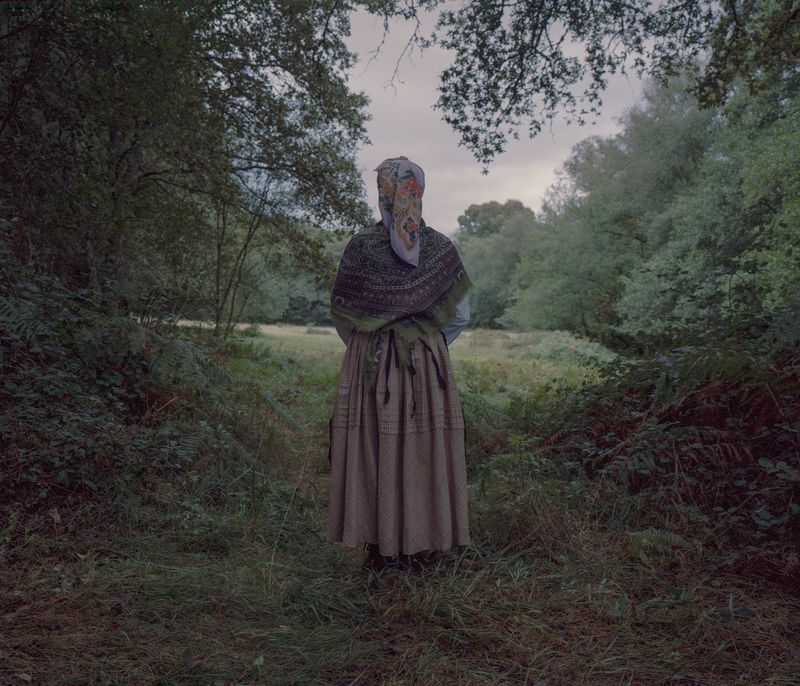
Amid Galicia’s lush landscapes, a woman in traditional attire stands before a meadow at the forest’s edge. The rich vegetation, nurtured by constant rainfall, reflects the region’s enduring green legacy. Her silhouette embodies Galicia’s deep connection with nature.

© Carlos FS - Image from the Beyond the lake photography project
i

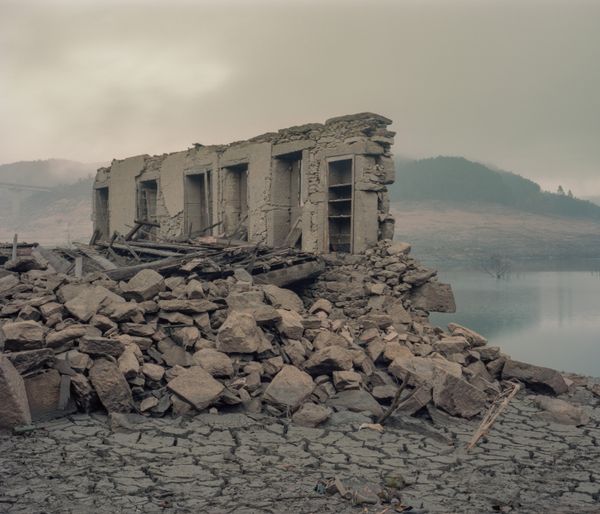
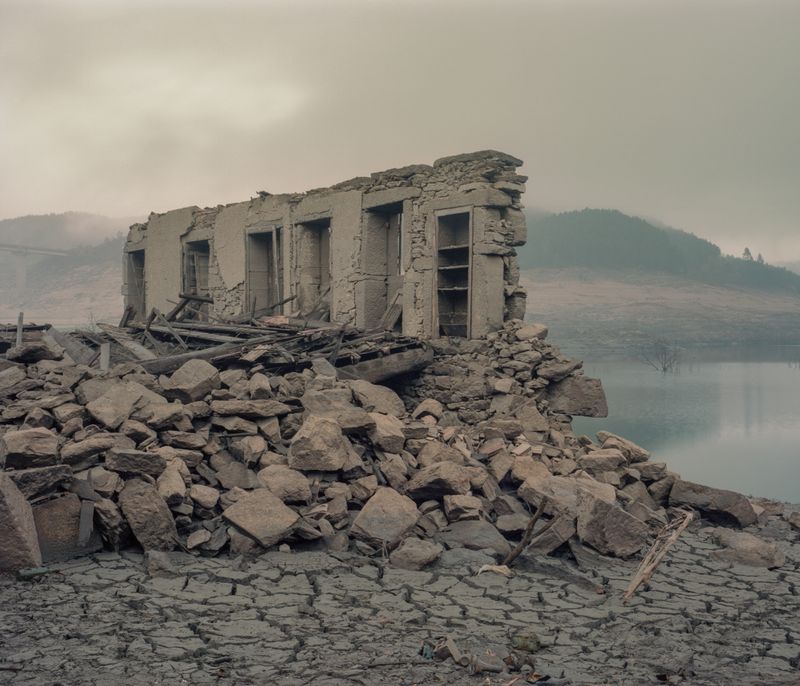
In 1992, the Lindoso reservoir submerged Aceredo and nearby villages, freezing them in time. Three decades later, drought has nearly drained the reservoir, exposing remnants of lives once thriving there. In the image, a demolished house stands as a haunting reminder of the region’s neglect.

© Carlos FS - Image from the Beyond the lake photography project
i

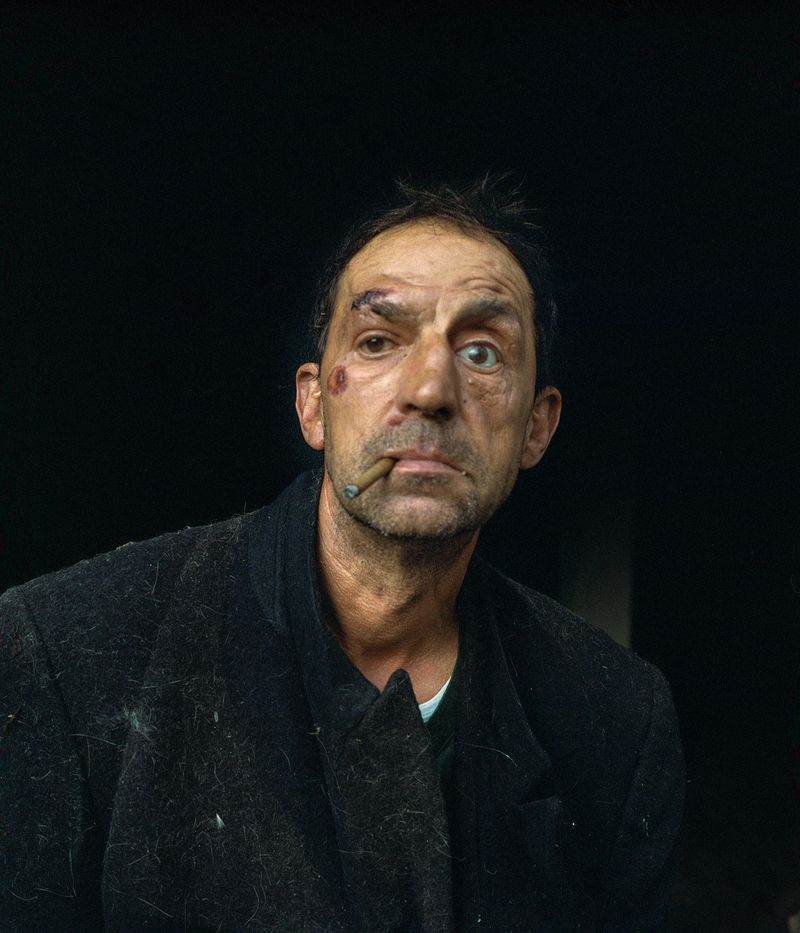
Tony, from Atas, a remote village on the Galicia-Portugal border, grew up with alcoholic parents and became one himself. As a child, his father encouraged him to drink wine. Alcohol cost him his job, his health, and even an eye in a drunk-driving accident. Now, he survives on state aid and family support, trapped by depression, unemployment, and the isolation of his village.

© Carlos FS - Image from the Beyond the lake photography project
i

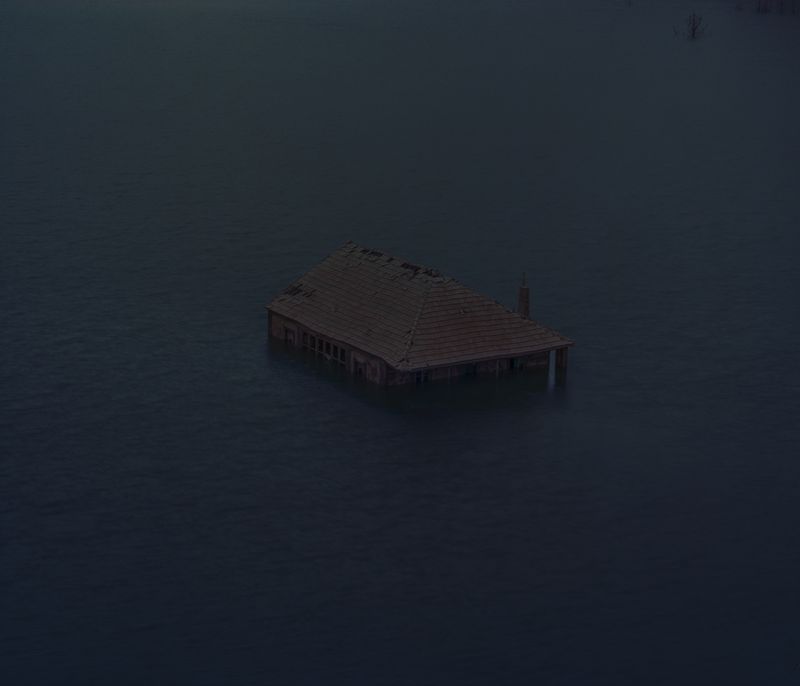
In the 1970s, a forest ranger’s house was built in O Bao, on the Galicia-Portugal border, to protect the forests. Submerged by the Limia River dam in the 1990s, it resurfaced 30 years later due to drought, now appearing like a ghostly relic of the past. Former resident Francisco Gallato reflects: “Perhaps time will one day heal the pain of past emigrations and abandonments.”

© Carlos FS - Image from the Beyond the lake photography project
i

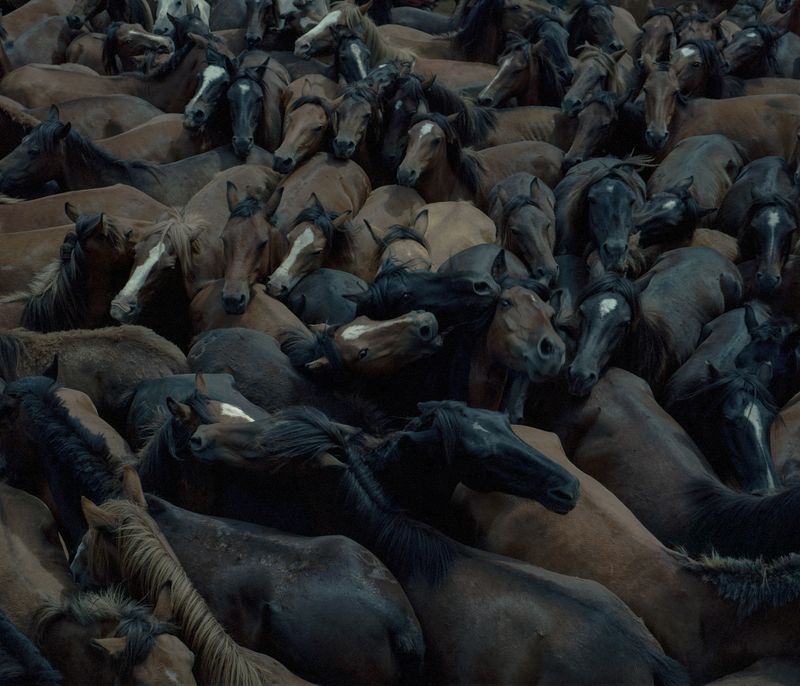
The Galician wild horse, or Besta, is deeply tied to Galicia’s history and landscape. In the past 50 years, its population has dropped from 22,000 to under 10,000 due to rural abandonment, fires, and invasive species. Though the largest colony in Europe, it faces extinction. These horses play a vital role in biodiversity and climate resilience, yet their future remains uncertain.

© Carlos FS - Image from the Beyond the lake photography project
i

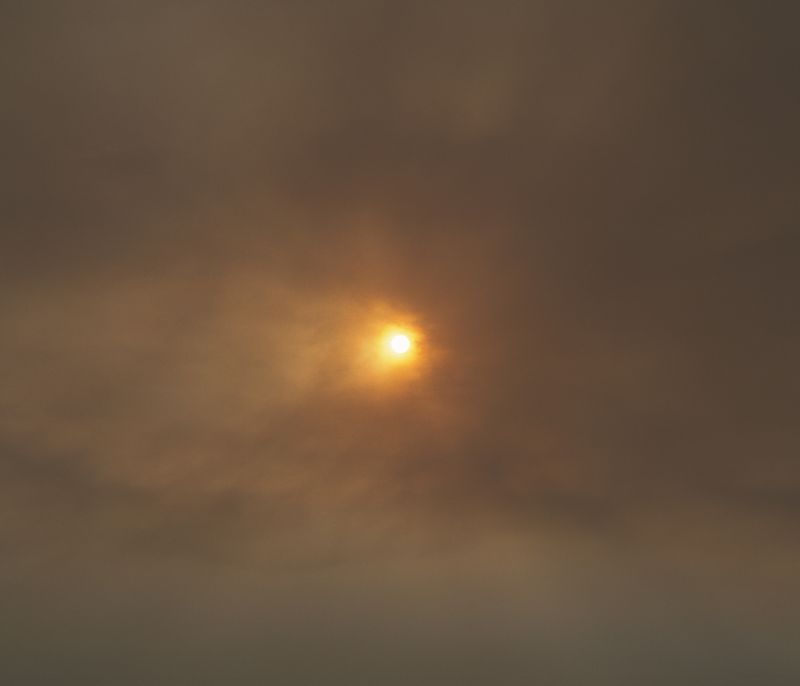
The sun is veiled by smoke from a forest fire in Galicia, a region accounting for 80% of Spain’s wildfires. In 2021 alone, over 9,000 fires burned more than 35,000 hectares. These disasters devastate biodiversity, degrade air quality, and threaten the health of local communities.

© Carlos FS - Image from the Beyond the lake photography project
i

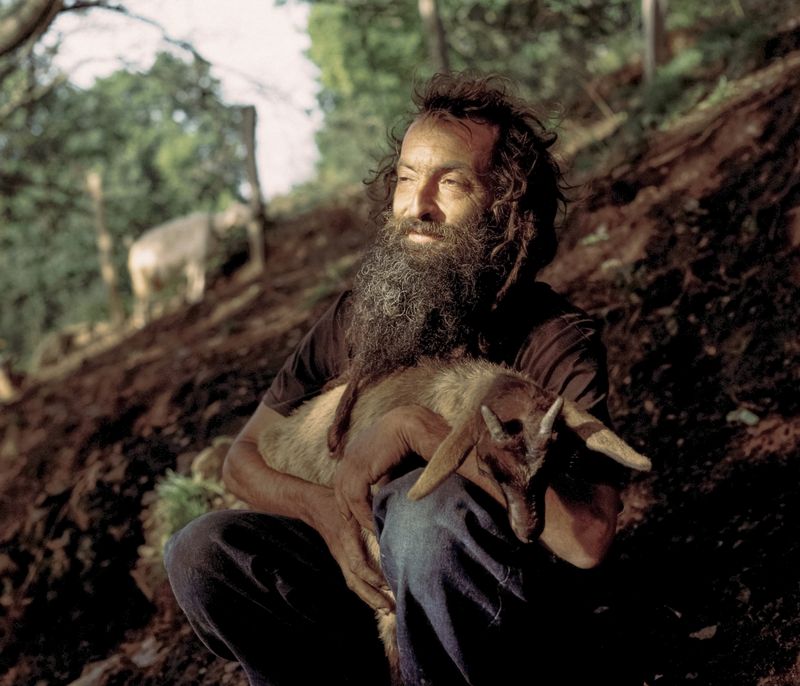
Nacho, 40, left Zaragoza to embrace isolation in the Galician mountains. Living in an old stone house without electricity, he cares for his goats like family, spending his days guiding them through the hills. Surviving on vegetables and goat’s milk, he finds freedom in self-imposed solitude, dreaming of living as his goats do—feeding on the land, detached from society’s constraints.

© Carlos FS - Image from the Beyond the lake photography project
i

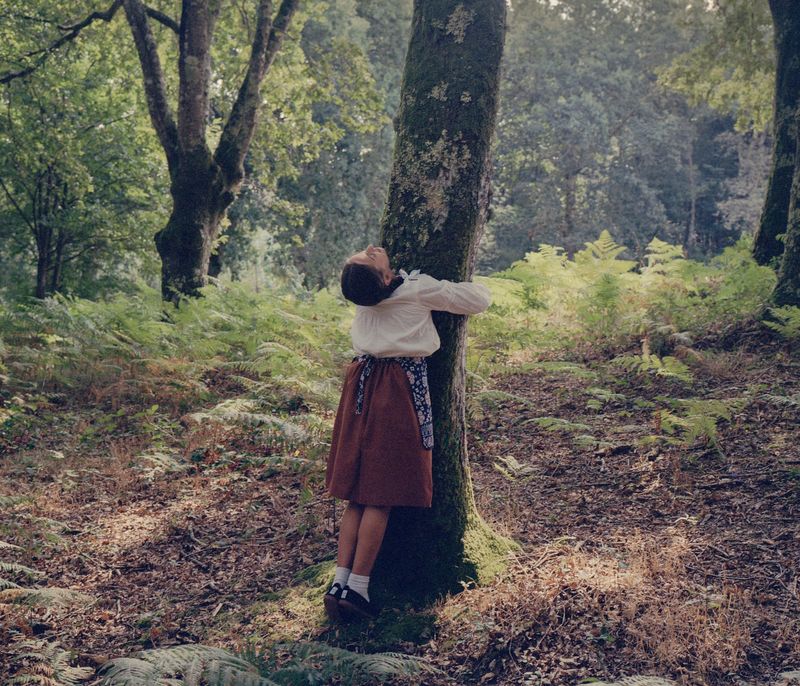
Sabela, a young Galician girl, hugs a tree in the forests of Palas de Rey, symbolizing Galicia’s deep bond with nature. Nearby, Altri plans a cellulose plant that will consume 46 million liters of water daily and expand invasive eucalyptus plantations. Her gesture contrasts with an industrial model threatening biodiversity, highlighting the environmental and social dilemmas Galicia faces today.

© Carlos FS - Image from the Beyond the lake photography project
i

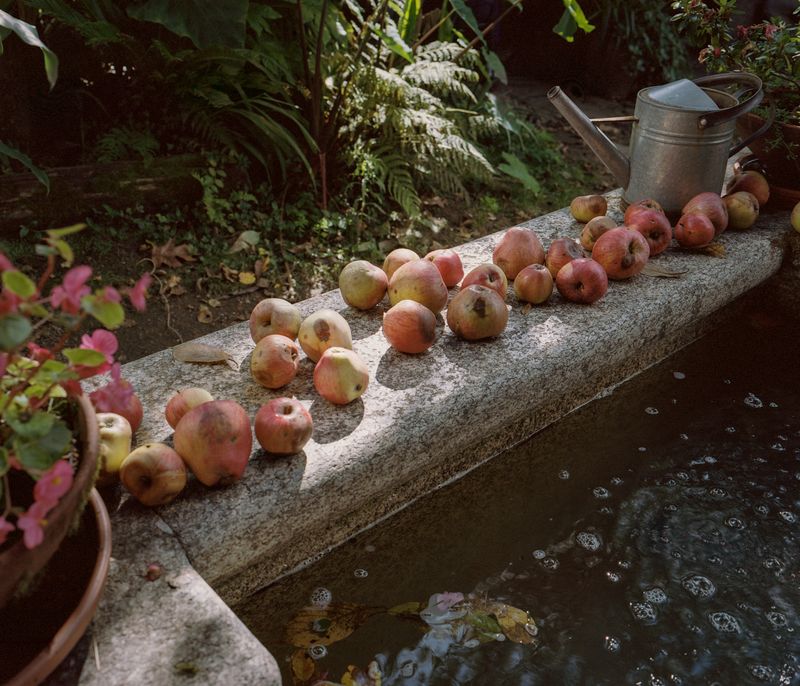
Rotting apples lie on a stone fountain in Santiago de Compostela, contrasting with Galicia’s lush landscape, shaped by 1,573 liters of annual rainfall. Despite its water abundance, Galicia faces devastating forest fires, sometimes accounting for 80% of Spain’s total. This paradox underscores the impact of land management and rural abandonment on the region’s fragile environmental balance.

© Carlos FS - Image from the Beyond the lake photography project
i

Martina, a teacher from Teo, poses in Palas de Rey during a break from Son de Aldea, a festival that in 2024 focused on water as a protest against the Altri cellulose factory. The industry threatens local biodiversity, water resources, and expands invasive eucalyptus. Through this play, the community raises awareness of the environmental and social risks Altri poses to the region.

© Carlos FS - Image from the Beyond the lake photography project
i

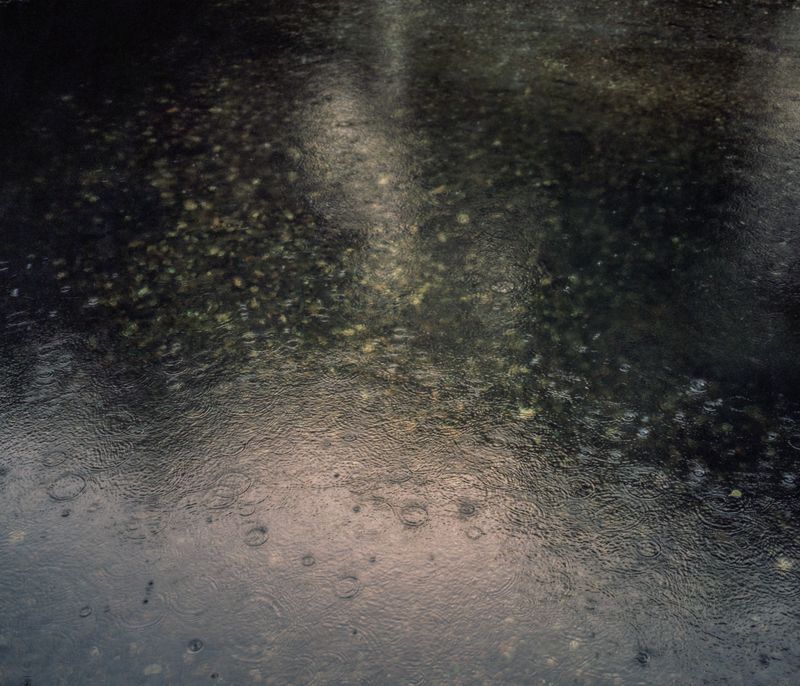
Raindrops ripple across the Támega River in Verín, reflecting Galicia’s water abundance, with rainfall averaging 1,000–1,500 mm, exceeding 2,000 mm in the mountains. Yet, pollution, industrial projects like Altri, and forest fires threaten its ecosystems. Rural abandonment and undergrowth fuel fires, highlighting the paradox of a water-rich region facing severe environmental pressures.

© Carlos FS - Image from the Beyond the lake photography project
i

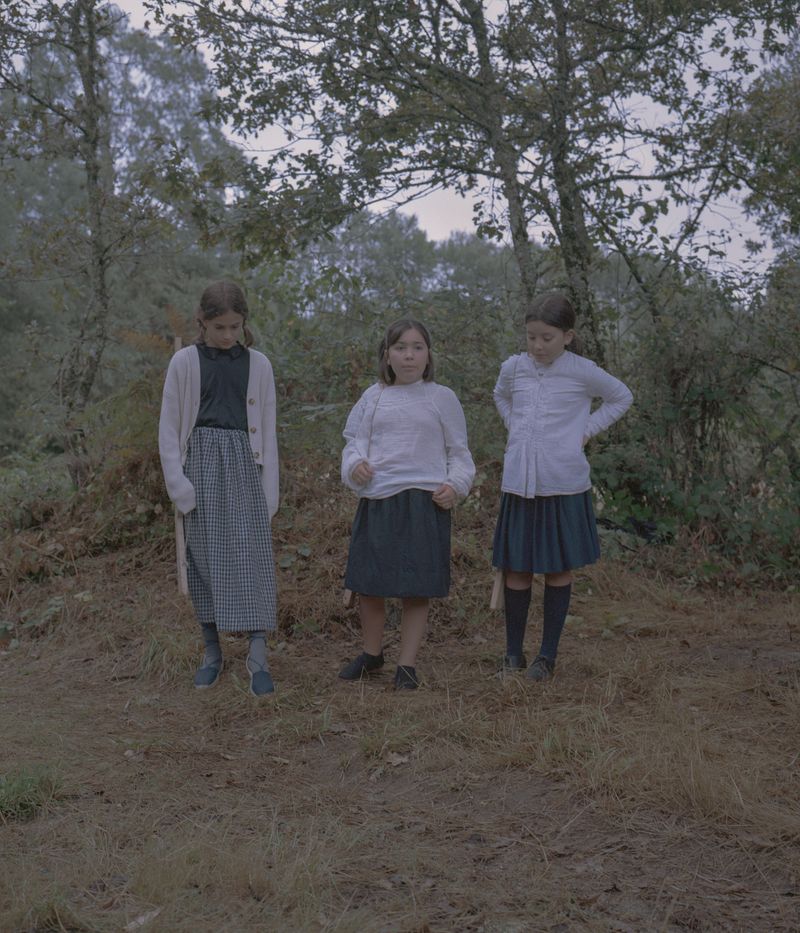
Son de Aldea is a traditional festival in Palas de Rey celebrating rural heritage. Villagers dress in old clothes and live for two days as in the past, preserving traditions like folk games, crafts, and ancient instruments. In the photo, three children play in the forest, dressed in traditional Galician attire, embodying the spirit of a bygone era.

© Carlos FS - Image from the Beyond the lake photography project
i

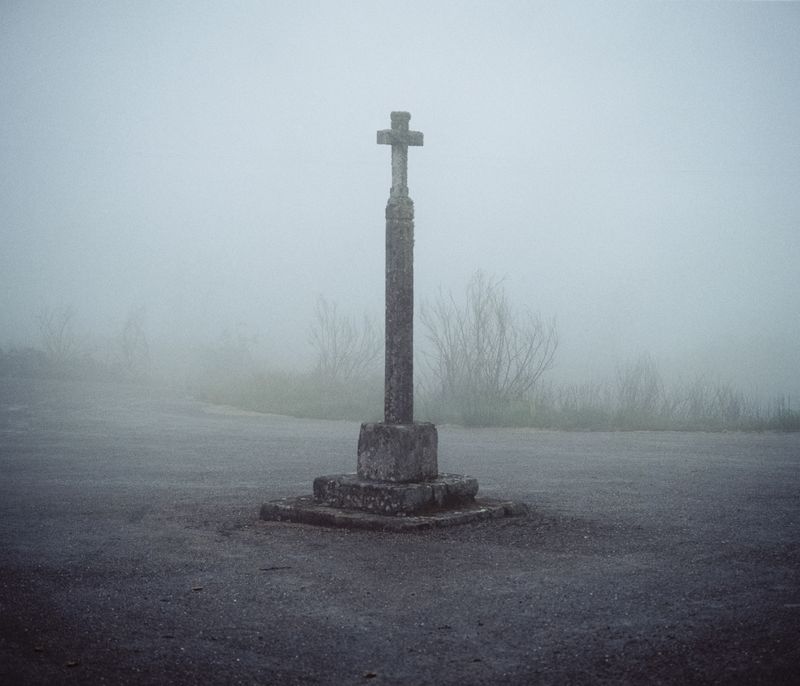
Galicia has a deep religious and mystical tradition, with legends like A Santa Compaña, a procession of tormented souls wandering at night. To avoid joining them, one must reach a Cruceiro, stone crosses found near churches and crossroads, said to offer protection. With around 12,000 across Galicia, Cruceiros symbolize faith and, as Castelao wrote, serve as “a pardon from heaven”.

© Carlos FS - Image from the Beyond the lake photography project
i

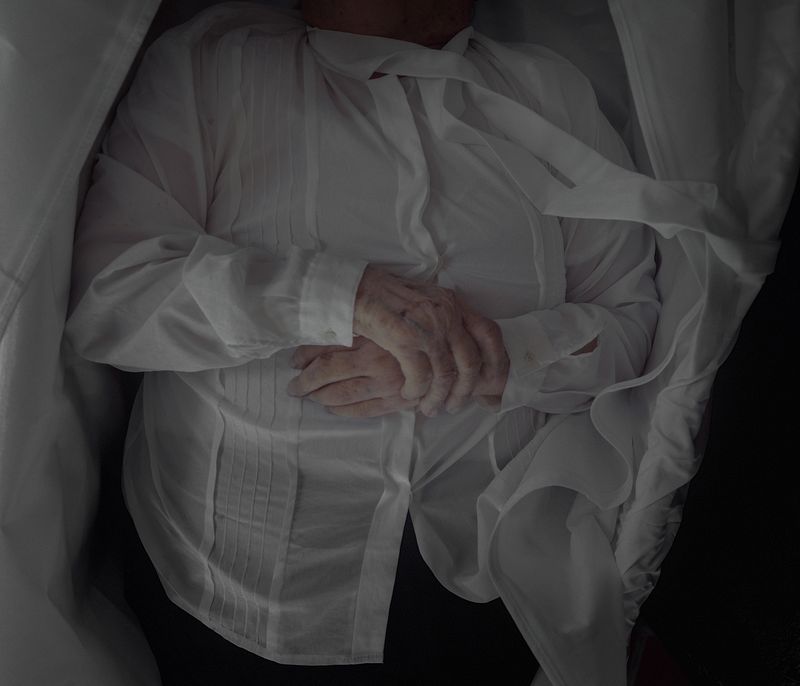
Maria, born in Atás in 1929, had her son Emilio at 26. Frowned upon for marrying while pregnant, she emigrated to Germany for work, leaving Emilio behind. Raised by alcoholic uncles, he too became an alcoholic. Maria returned years later, but Emilio, feeling abandoned and stigmatized, died at 50 from alcoholism. In trying to give him a better life, she unknowingly shaped his tragic fate.

© Carlos FS - Image from the Beyond the lake photography project
i

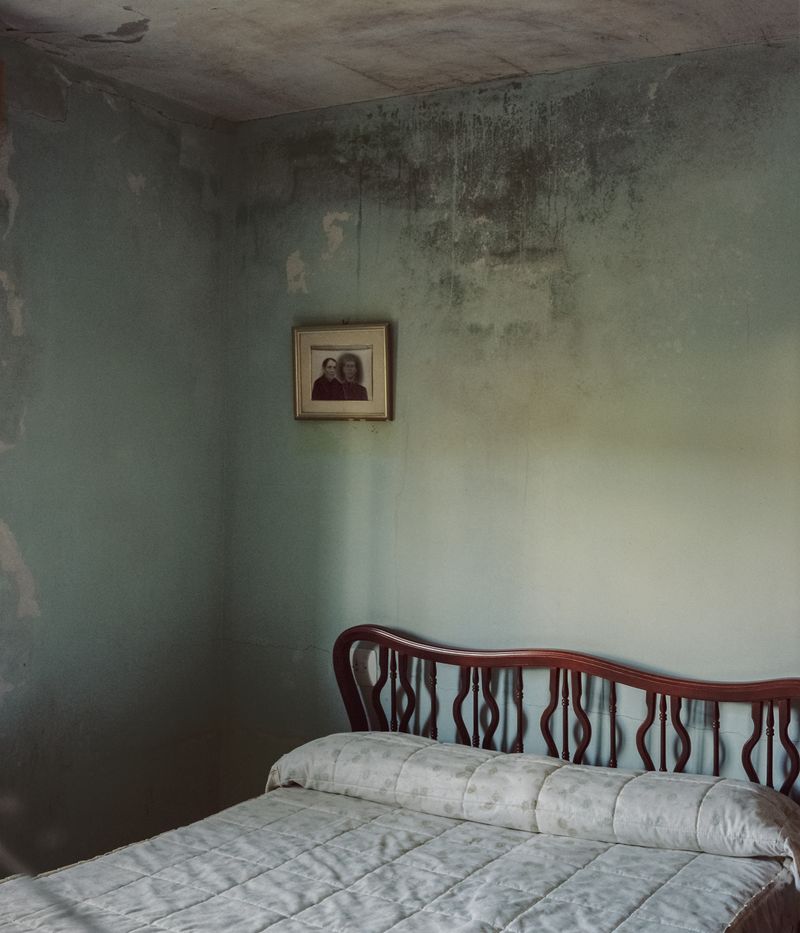
During Galicia’s emigration waves of the 70s–90s, many emigrants built large homes, dreaming of their return. Yet, many never came back, leaving these houses empty. In the image, time and neglect mark a damp wall in an abandoned home. A portrait of the owners’ parents hangs there—a silent reminder of lives that never returned to fill the space they once envisioned.

© Carlos FS - Image from the Beyond the lake photography project
i

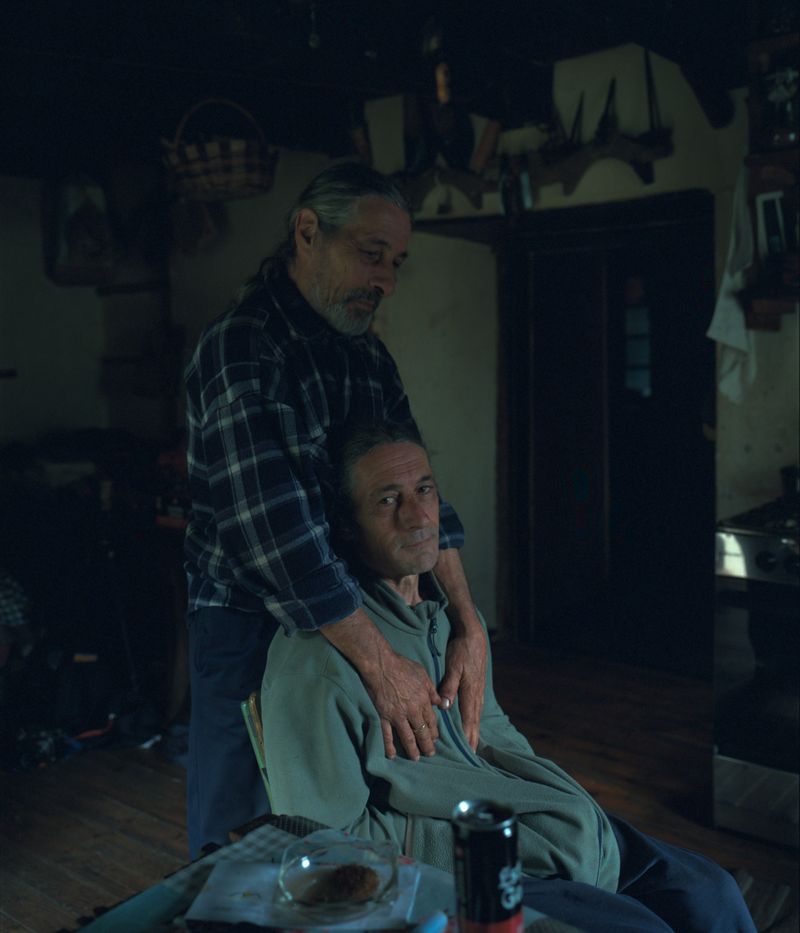
Twins Adolf and Raúl left Barcelona city to settle in Barcela, an abandoned Galician village near the Grandas de Salime reservoir. Accused of seeking economic gain from communal land, they faced hostility. One night, neighbors tried to burn their house with them inside. Now, marginalized by the village, they have lived in near isolation for almost five years, rarely leaving their home.

© Carlos FS - Image from the Beyond the lake photography project
i

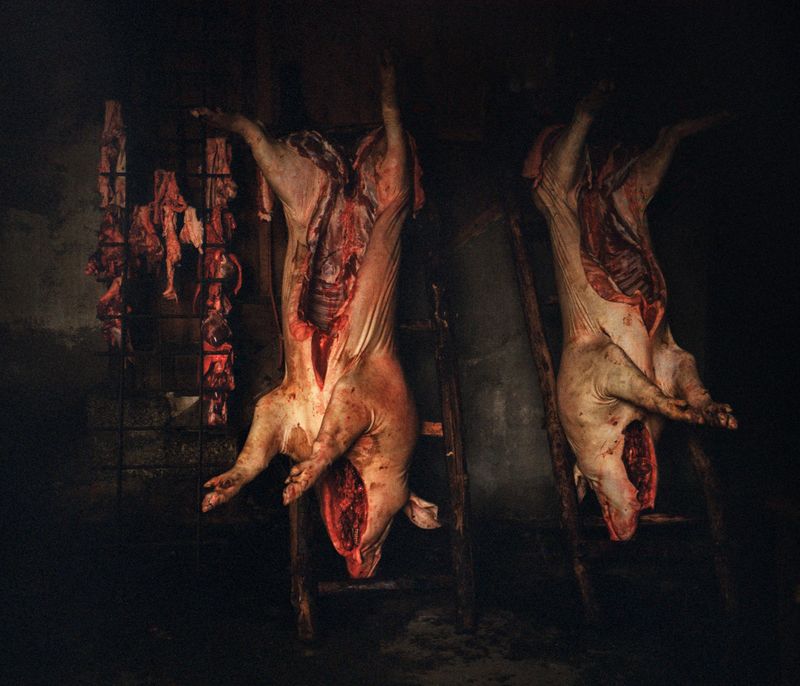
The matanza do Porco was a vital Galician tradition, where rural families slaughtered pigs for yearly sustenance. Beyond food, it was a communal event. Though now banned for health and welfare reasons, some still practice it clandestinely, preserving a piece of Galicia’s cultural heritage.

© Carlos FS - Image from the Beyond the lake photography project
i

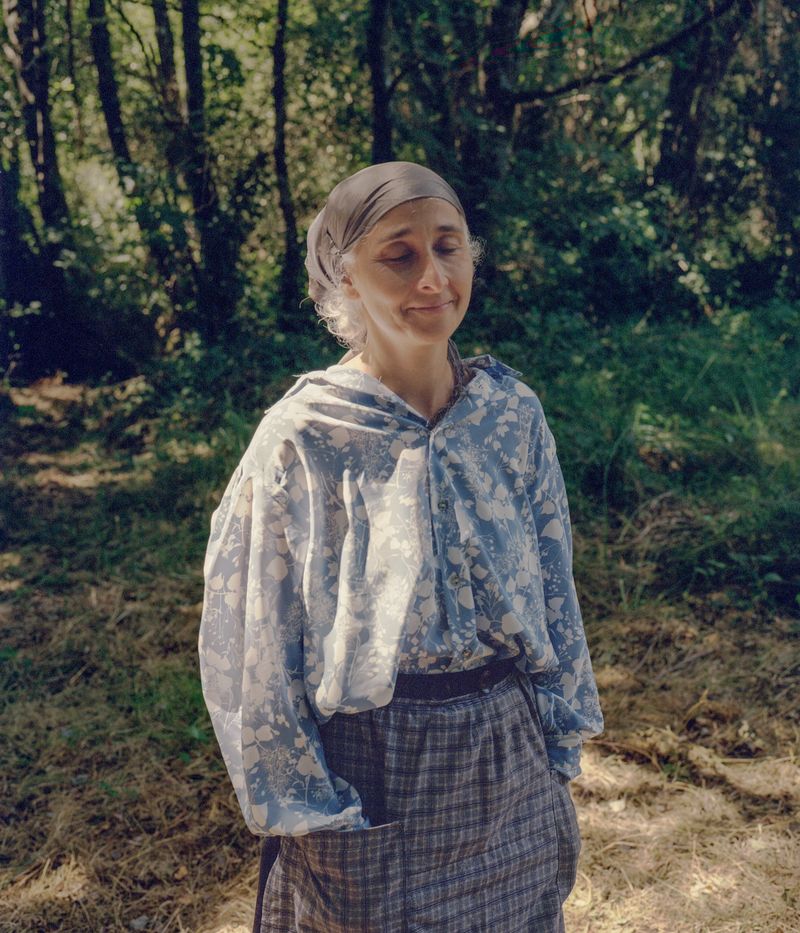
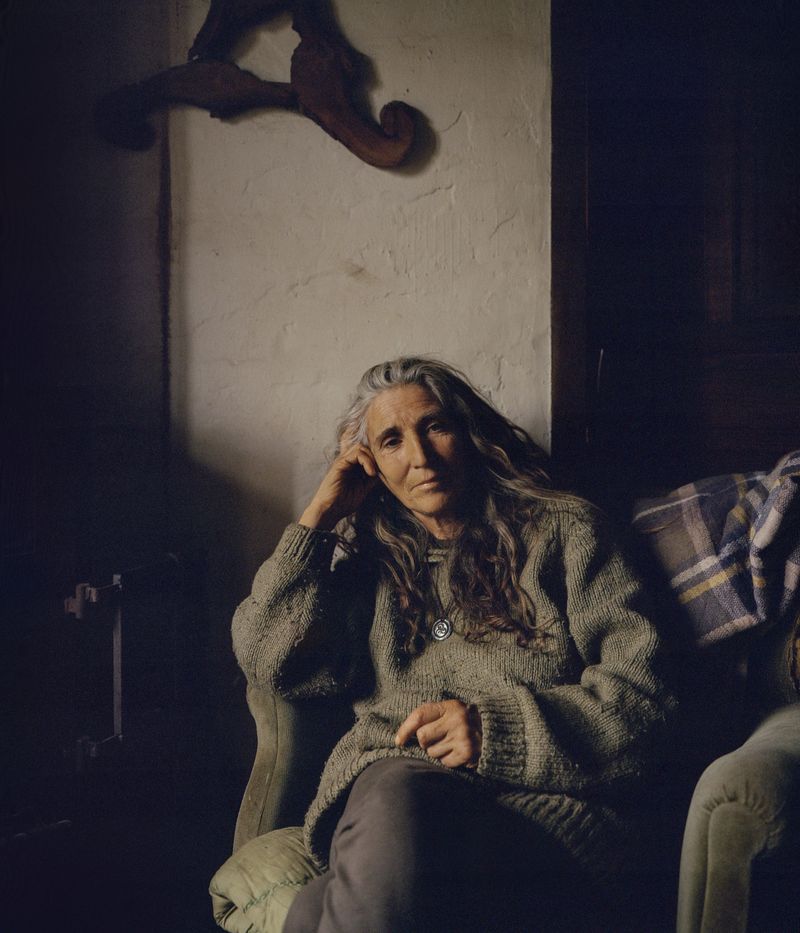
Guillermina, from a wealthy Lugo family, left city life to join a hippie commune in the abandoned village of Vilauxín, where she raised four children by three fathers, giving birth at home without medical care. Now in remote Escanlar, often isolated by weather, she lives off the land, disconnected from the modern world, spending her days cutting wood, gardening, and walking through the forests.

© Carlos FS - Image from the Beyond the lake photography project
i

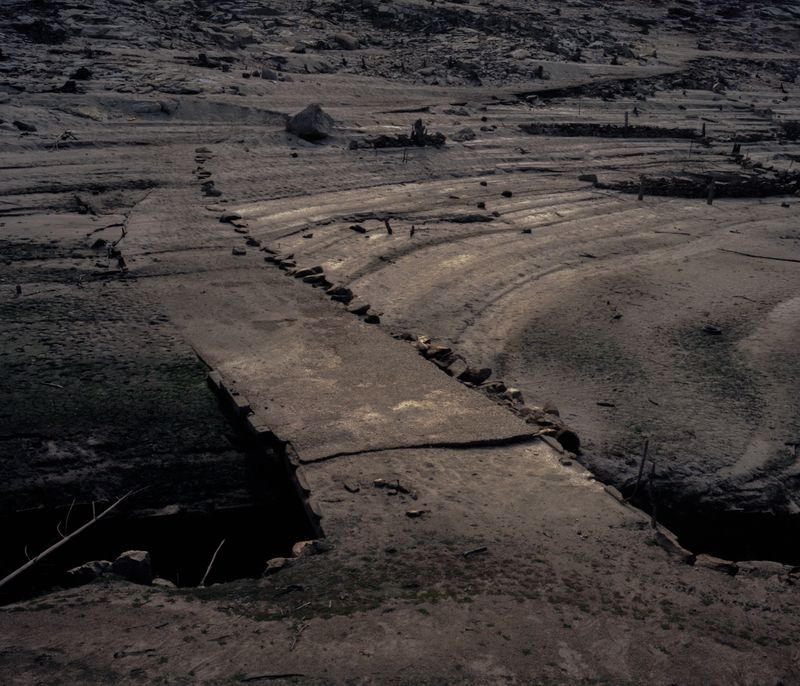
The ruins of a collapsed bridge in A Reloeira evoke the Christian Bridge to Hell, symbolizing choices with dire consequences. Once thriving, A Reloeira was submerged by the Lindoso Reservoir in 1992, displacing rural communities. Galicia’s mysticism, blending pagan and Christian traditions, lingers in its lost villages, where folklore and ancestral narratives still shape its identity.

© Carlos FS - Image from the Beyond the lake photography project
i

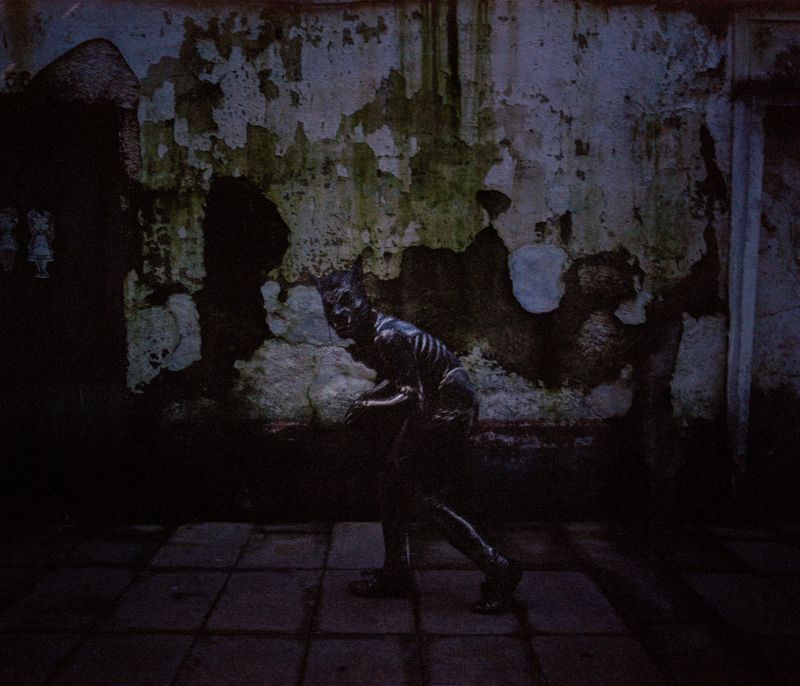
In rural Galicia, the supernatural blends with daily life, especially in Montalegre’s Sesta 13 festival, which revives myths of witches and monsters. Steeped in Galician folklore, it evokes rituals and mysterious creatures lurking in the shadows. The celebration suggests a threshold between life and death, with Galicia’s dense forests and solitary landscapes as the perfect backdrop.

Beyond the lake by Carlos FS

Prev Next Close