BETWEEN SIN AND SALVATION



-
Dates2025 - 2026
-
Author
- Topics Daily Life, Social Issues, Contemporary Issues, Editorial, Fashion
The work interrogates how Catholic doctrine and Singapore's sociopolitical systems discipline homosexuality and desire. Set between the 1980s and contemporary Singapore, the work launches semiotic inquiries into subjectivities of love and belonging.
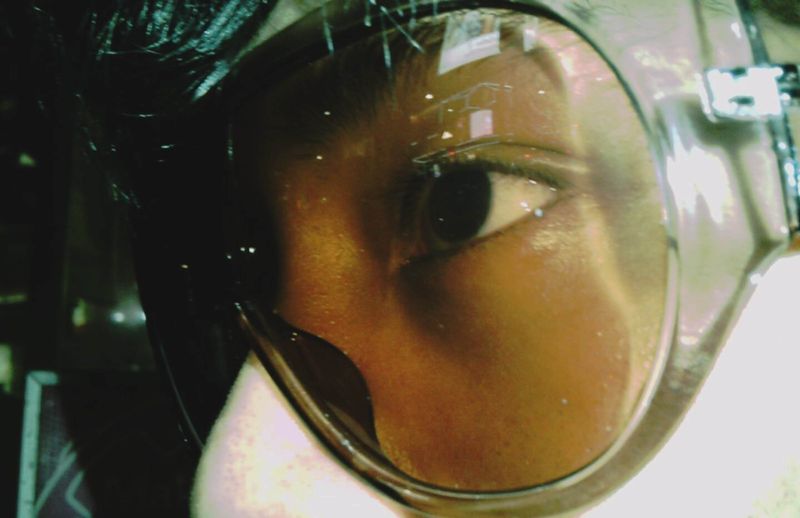
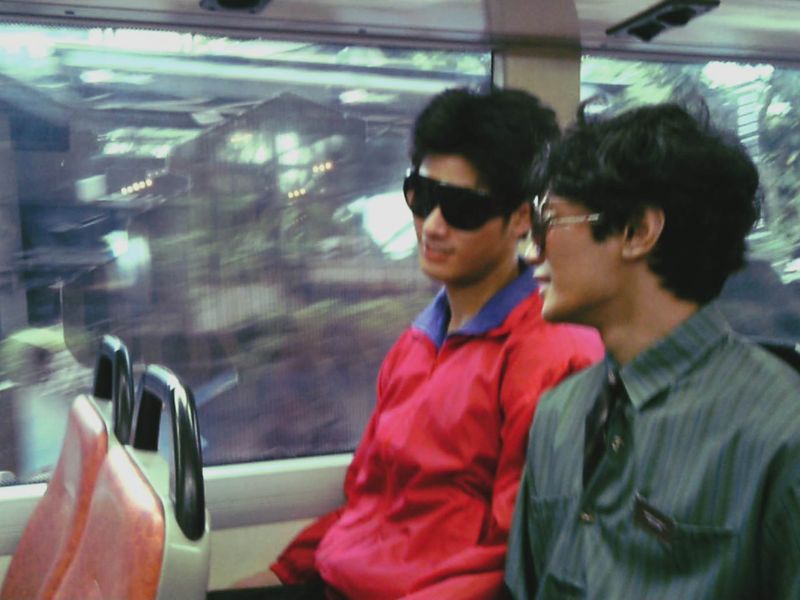
Between Sin and Salvation is a multidisciplinary photographic project that examines how identity is negotiated at the intersection of religion, sexuality, and sociopolitical culture in contemporary Singapore. Situated between the visual language of 1980s Singapore and the present day, the work reflects on the unspoken tensions between memory, devotion, and desire, asking how individuals fashion themselves within systems that simultaneously recognise and regulate their existence.
Developed through an autoethnographic and phenomenological approach, the project draws from the lived experiences of gay Catholics navigating the contradictions of belonging. While Catholic doctrine distinguishes between homosexual orientation and homosexual acts, Singapore's broader sociopolitical landscape continues to shape how sexuality is expressed, concealed, and understood. Through photography, moving image, and publication design, the project investigates how these tensions become embodied and performed through dress, gesture, space, and ritual.
The work explores a series of interconnected subjectivities: public and private, confession and concealment, presence and absence, fact and fiction, straight and curved. These visual and conceptual binaries reveal the moral contradictions that emerge when personal identity encounters institutional frameworks. Fashion functions not merely as adornment, but as a semiotic and political language through which the body negotiates competing demands of faith, desire, and social acceptance.
Employing a retrofuturistic aesthetic that oscillates between historical memory and speculative futures, Between Sin and Salvation imagines reconciliation rather than rupture. Its photographs envision alternative possibilities of belonging where inherited beliefs, cultural expectations, and private longing are not mutually exclusive. In doing so, the project positions photography as both document and proposition: a medium capable of rendering visible overlooked experiences while opening new ways of imagining identity beyond fixed categories.
Ultimately, the work asks how love, faith, and personhood might coexist within institutions and societies that have long understood them as incompatible.