Between Silence & Survival

-
Dates2025 - Ongoing
-
Author
- Locations Canada, Rwanda
Memory, survival and intergenerational resilience more than thirty years after the 1994 Genocide against the Tutsi, through the lives of women survivors, those who were children in 1994, and a new generation in Rwanda and Canada.
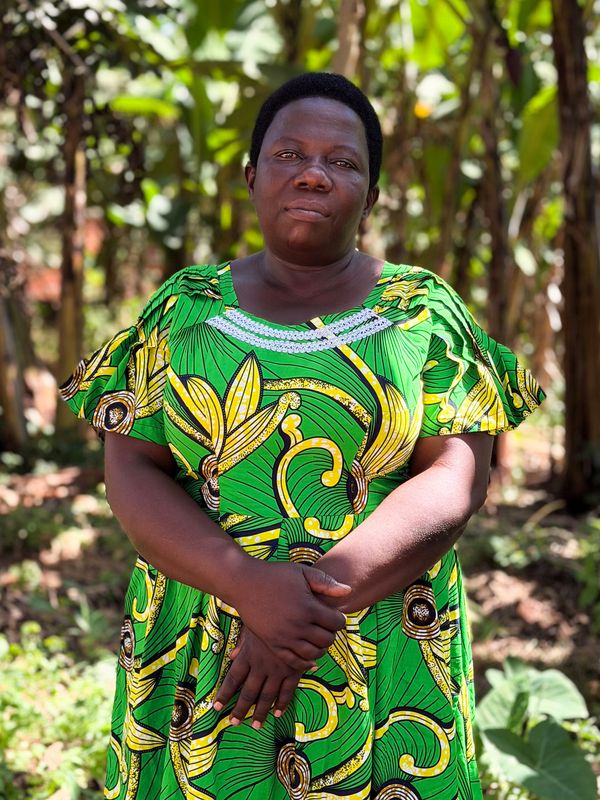
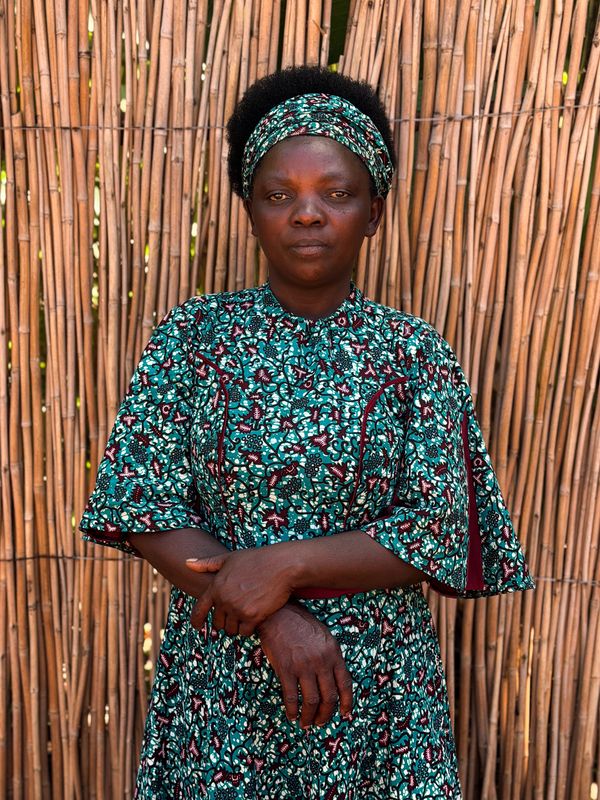
Between Silence & Survival is an ongoing documentary project examining memory, survival, reconciliation, and intergenerational resilience more than thirty years after the 1994 Genocide against the Tutsi in Rwanda.
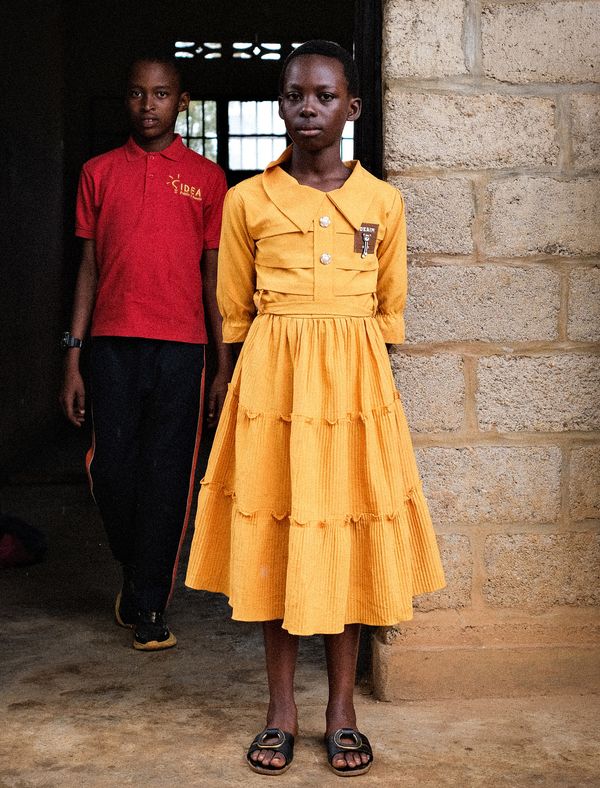
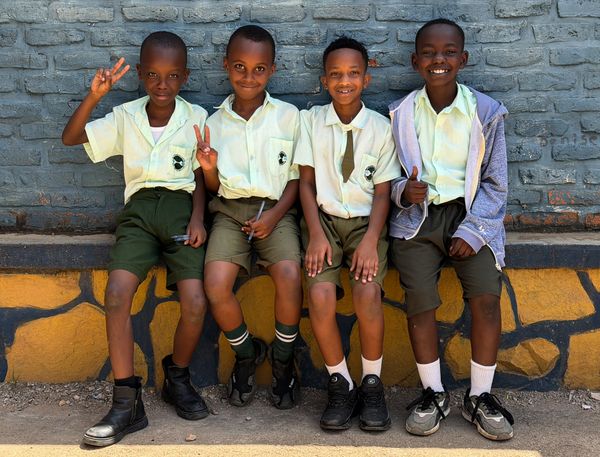
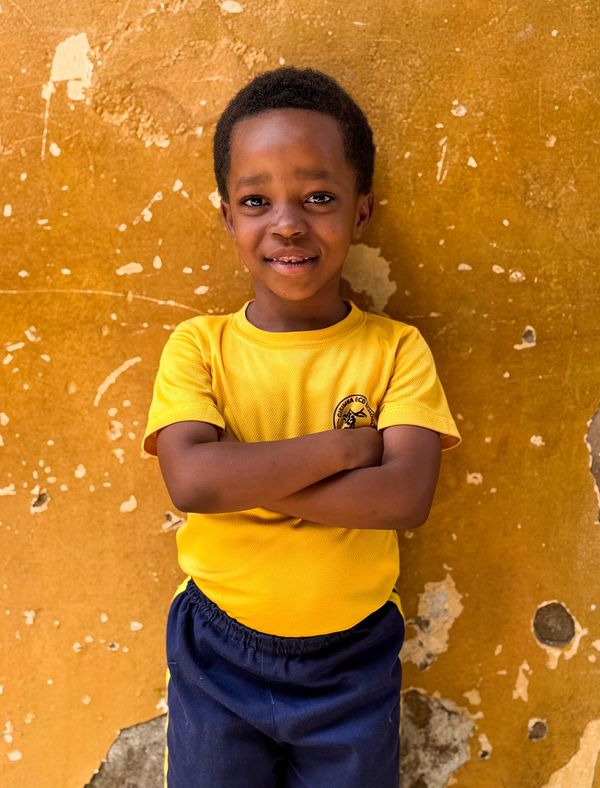
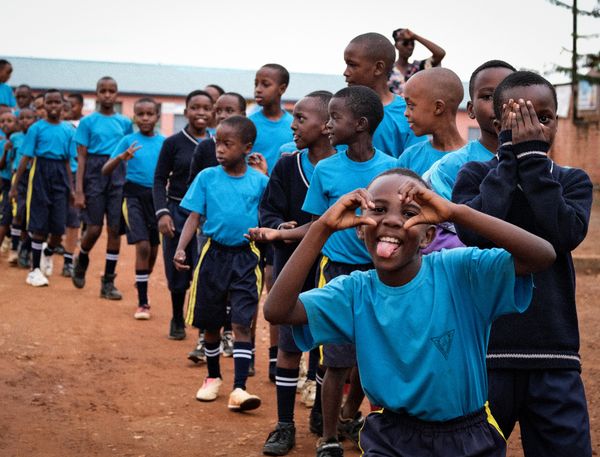
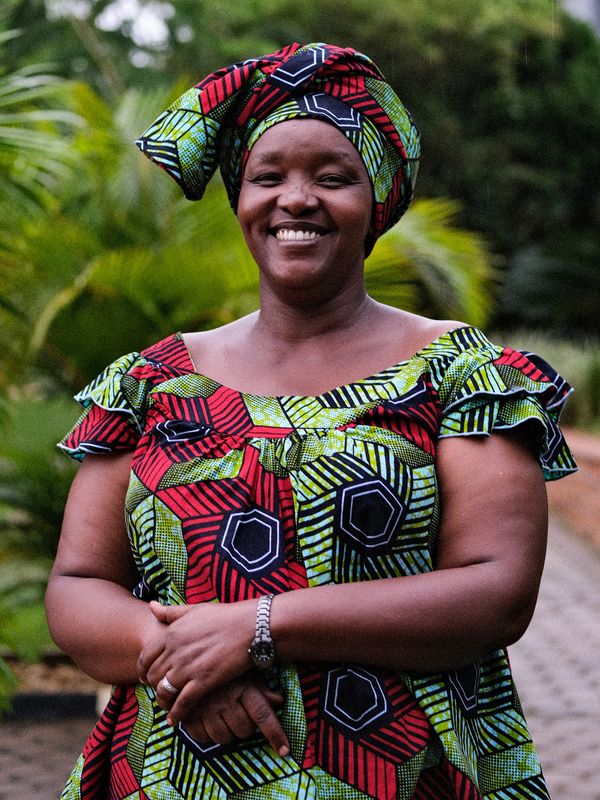
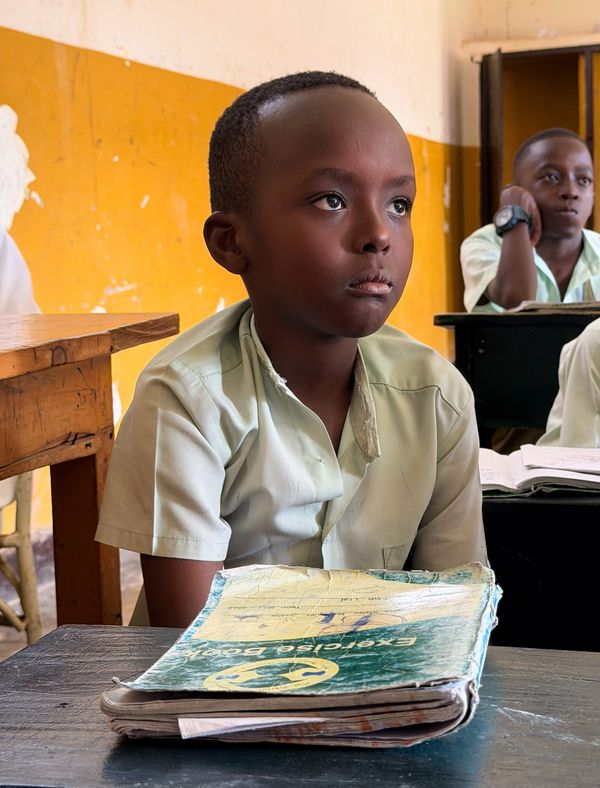
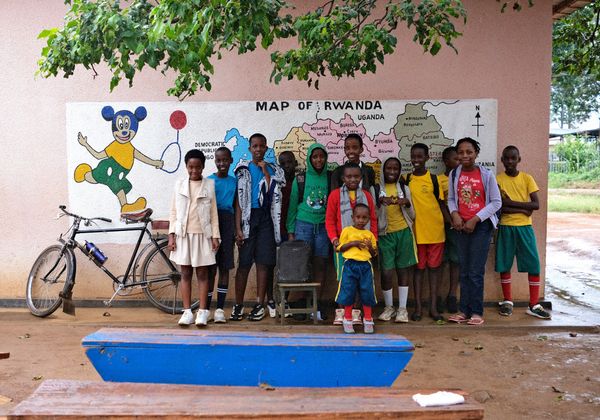
It centres on women who survived the genocide, on people who lived through it as children and are now adults, and on a younger generation growing up in a Rwanda profoundly shaped by that history but no longer defined solely by it.
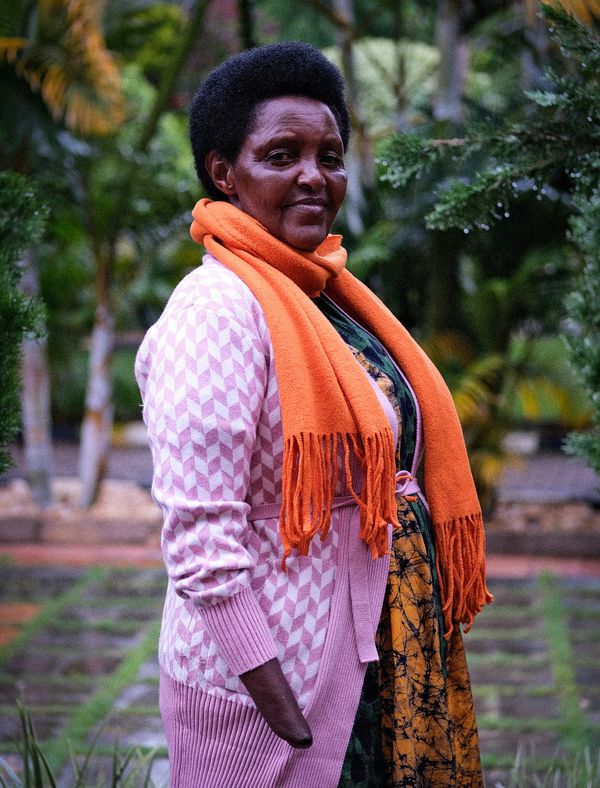
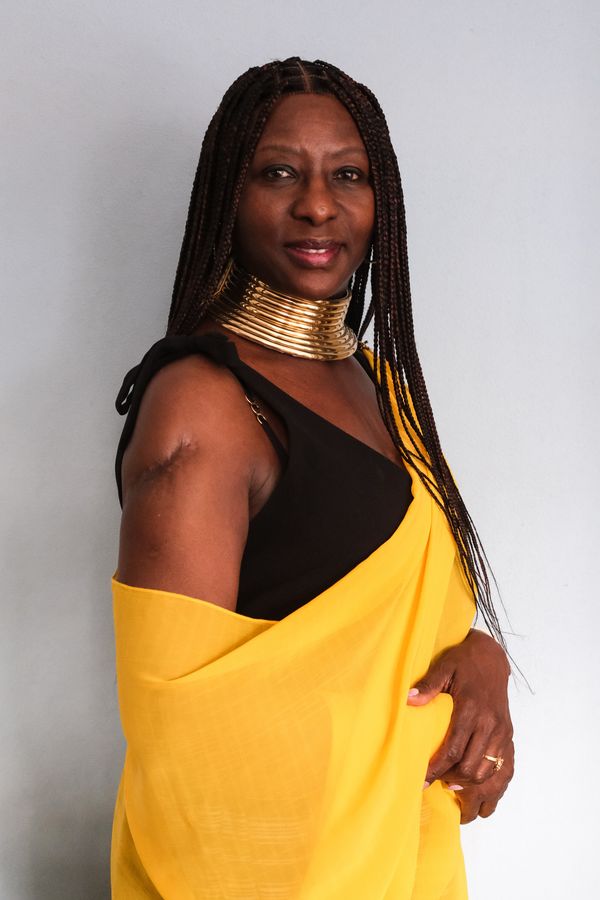
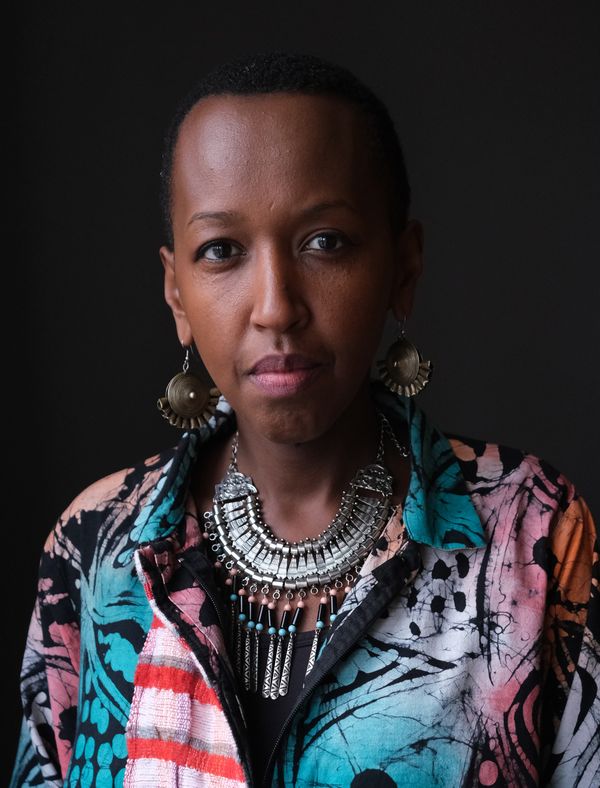
The project began in Montreal, with three survivors I met and photographed over time, and it was through them that I was drawn toward Rwanda. I started researching this work in 2025, and with the support of a Canada Council for the Arts grant received in early 2026, I travelled to Rwanda later that year to photograph and to listen. I worked with memorial, women's, educational and cultural organizations — among them IBUKA, AVEGA, the Gisimba Memorial Centre, the Rwanda Women's Network and the Dallaire Institute — who facilitated access and supported the development of this work. I worked with an interpreter in both Canada and Rwanda, and every portrait was made with the informed consent of the person photographed, documented in writing and following a trauma-informed approach. Alongside the photographs, I recorded interviews that form part of the project's testimony archive.
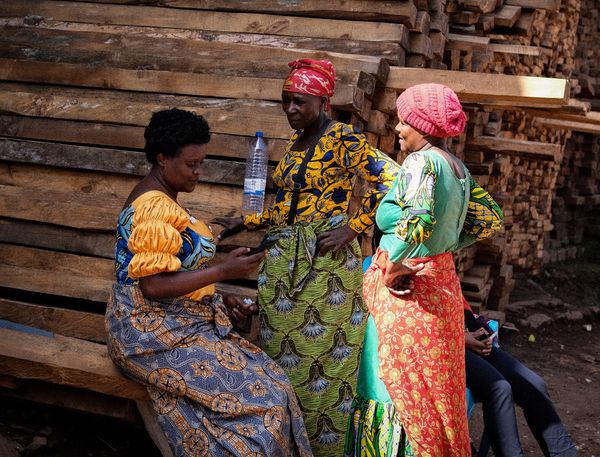
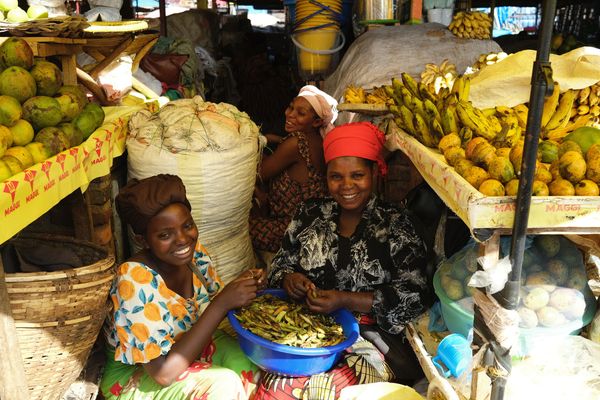
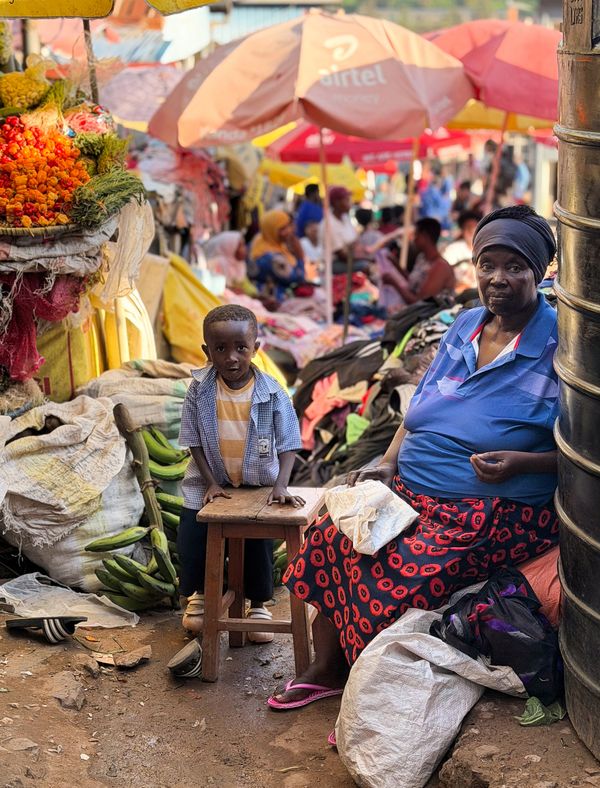
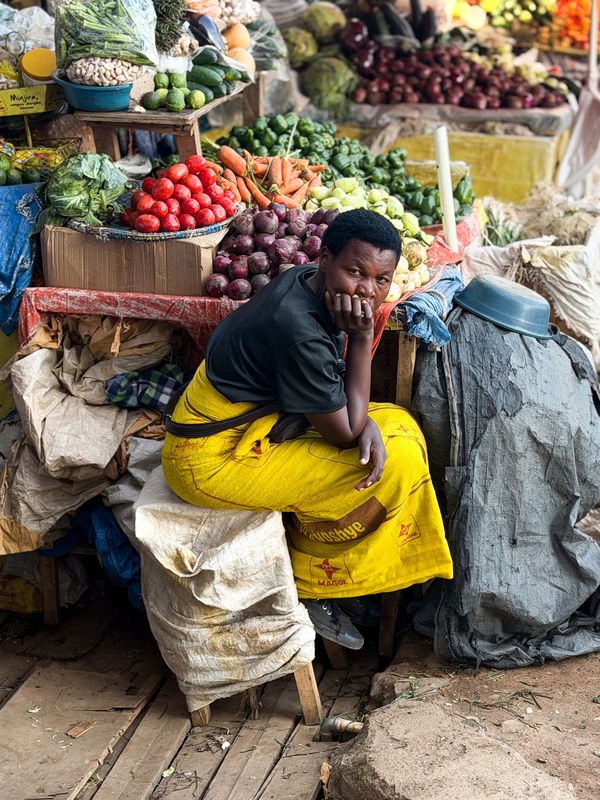
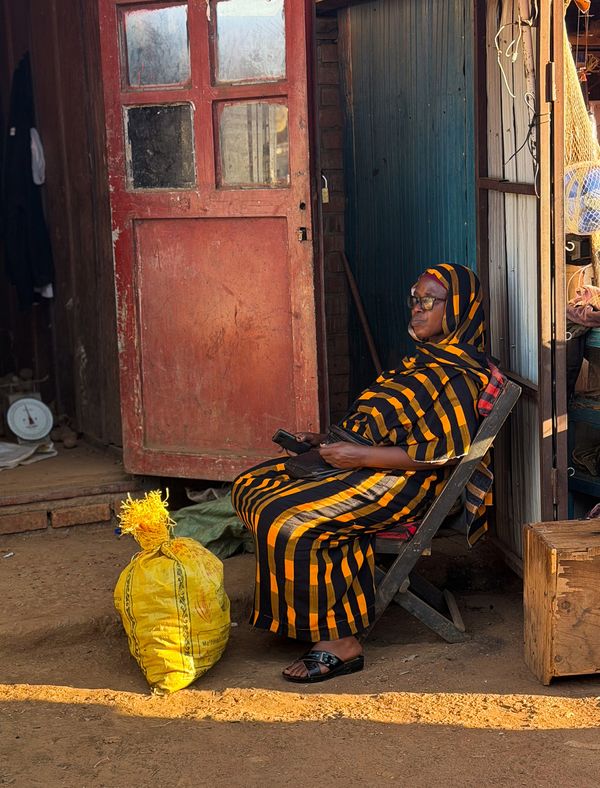
I began expecting to photograph the aftermath of trauma. What I found was more complex. Alongside profound loss were humour, intimacy, ordinary routines, motherhood, schooling, community, and an insistence on continuing to live. The work shifted from a study of trauma toward a question about what happens after survival: how people rebuild, how memory is carried forward, and how a new generation lives alongside a history it did not directly experience.
The photographs move between portraiture and observation of everyday life. Rather than reconstructing the violence of 1994, I am interested in its presence within contemporary lives — and in the dignity, contradictions and hope that exist beyond it. The images made in Canada sit alongside those made in Rwanda, tracing how a historical event continues to shape lives across borders.
This photographic work forms the core of a larger multidisciplinary exhibition currently in development, where it will sit alongside moving image, survivor testimony, sound, children's drawings, and a separately curated selection of historical archival photographs by international photographers. Everything submitted here is my own contemporary work.
At the centre of the project are the people I met, and a question that continues to guide it: what does it mean not simply to survive history, but to continue living after it?