Behind the Reflex
-
Dates2026 - Ongoing
-
Author
- Location Reykjavík, Iceland
Behind the Reflex explores the moment perception turns back toward the self. Through photography, it sustains attention where experience remains unclaimed, interrupting identification and allowing moments of open, non-appropriated contact.
Behind the Reflex is a photographic inquiry into a subtle but pervasive mechanism within experience: the reflex through which perception is continuously redirected back toward the self. What is seen, felt, or sensed rarely remains open; it is almost immediately reorganized as something that belongs to someone. In this return, experience is stabilized, but also reduced, no longer encountered as it unfolds, but mediated through identity.
The project begins from the lived recognition of this reflex, not as an abstract concept but as a perceptual tension. Within this condition, there are brief and unstable moments in which the return to the self does not fully take hold. Experience does not disappear, nor is subjectivity erased, but the automatic movement of appropriation weakens. What remains is a form of contact that is not yet organized as meaning or ownership.
Photography emerges here not as representation or expression, but as a form of interruption. The act of photographing sustains attention at the threshold where experience has not yet been fully claimed. Rather than fixing or defining what is seen, it allows perception to persist in its openness, without immediately collapsing into identification.
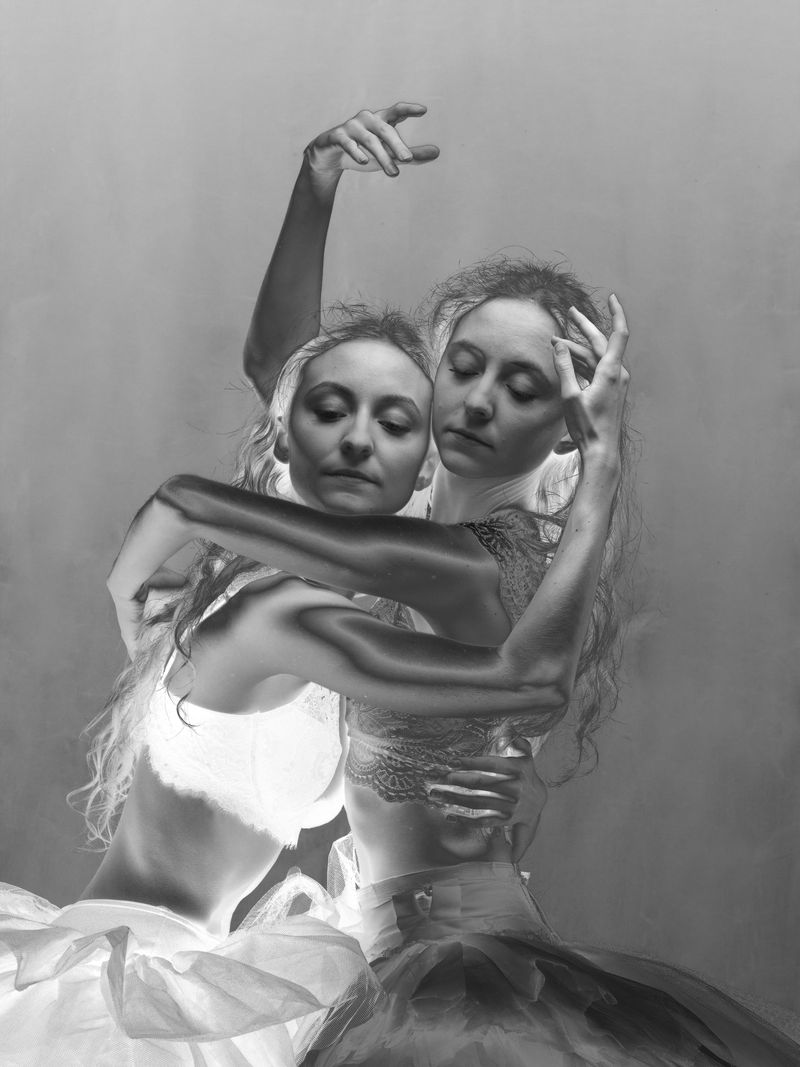
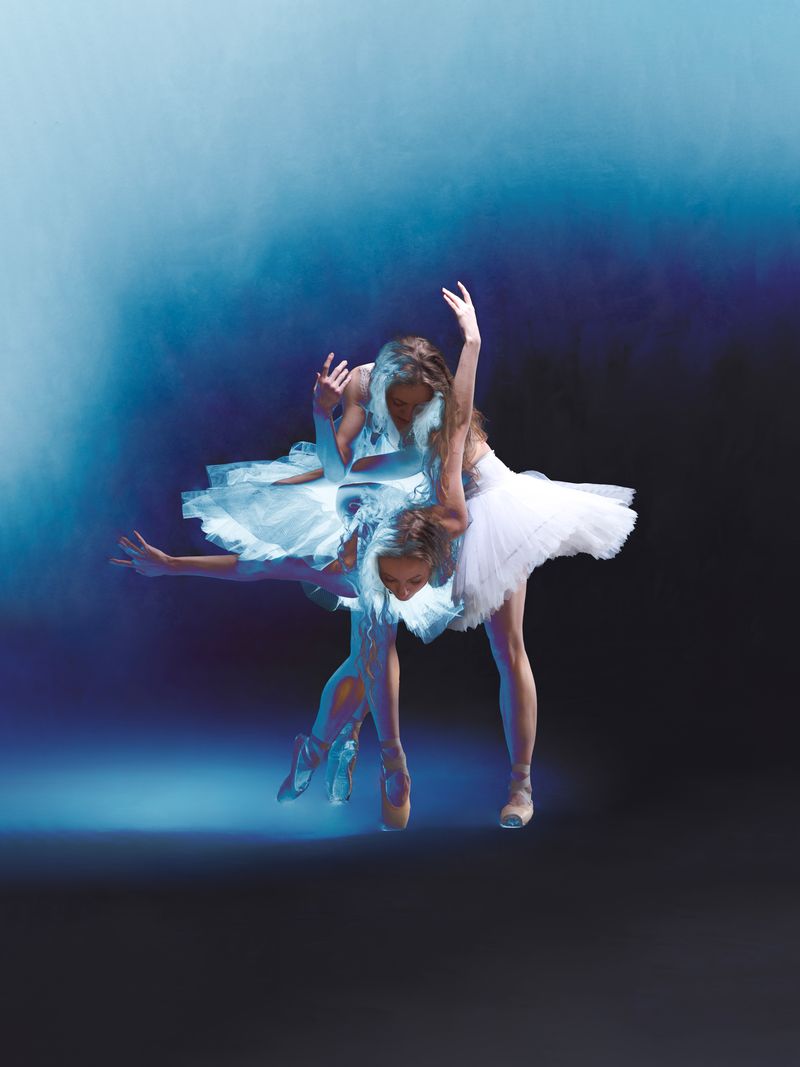
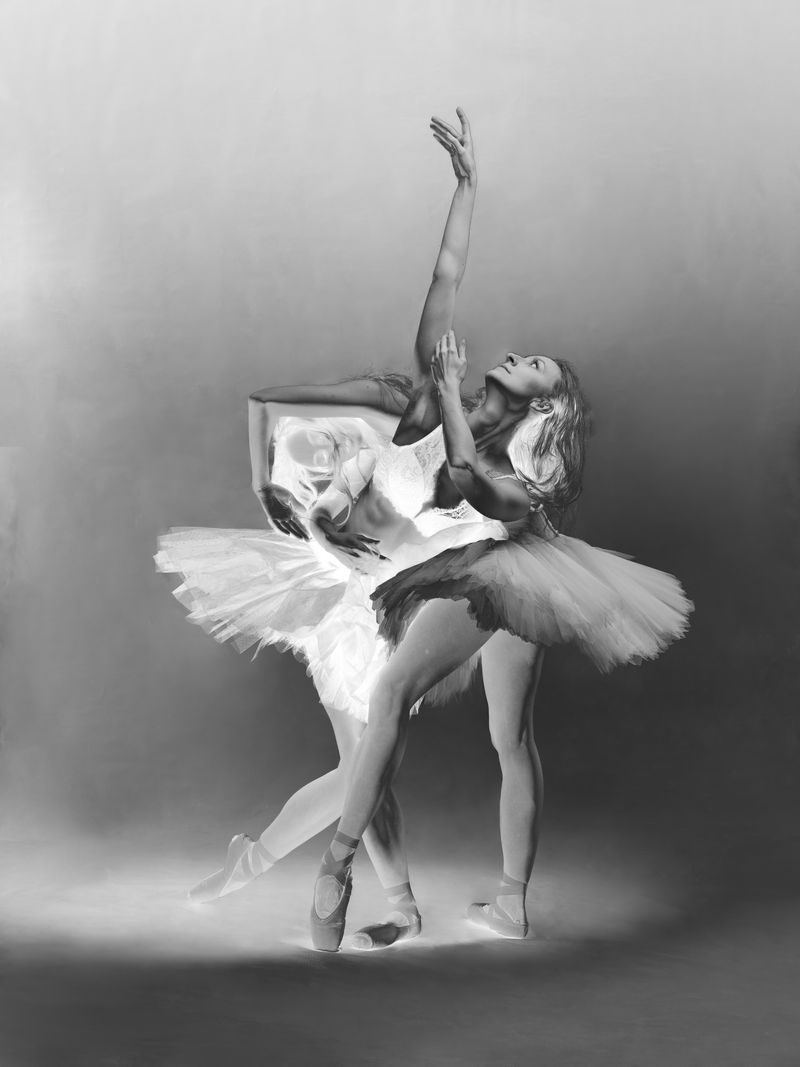
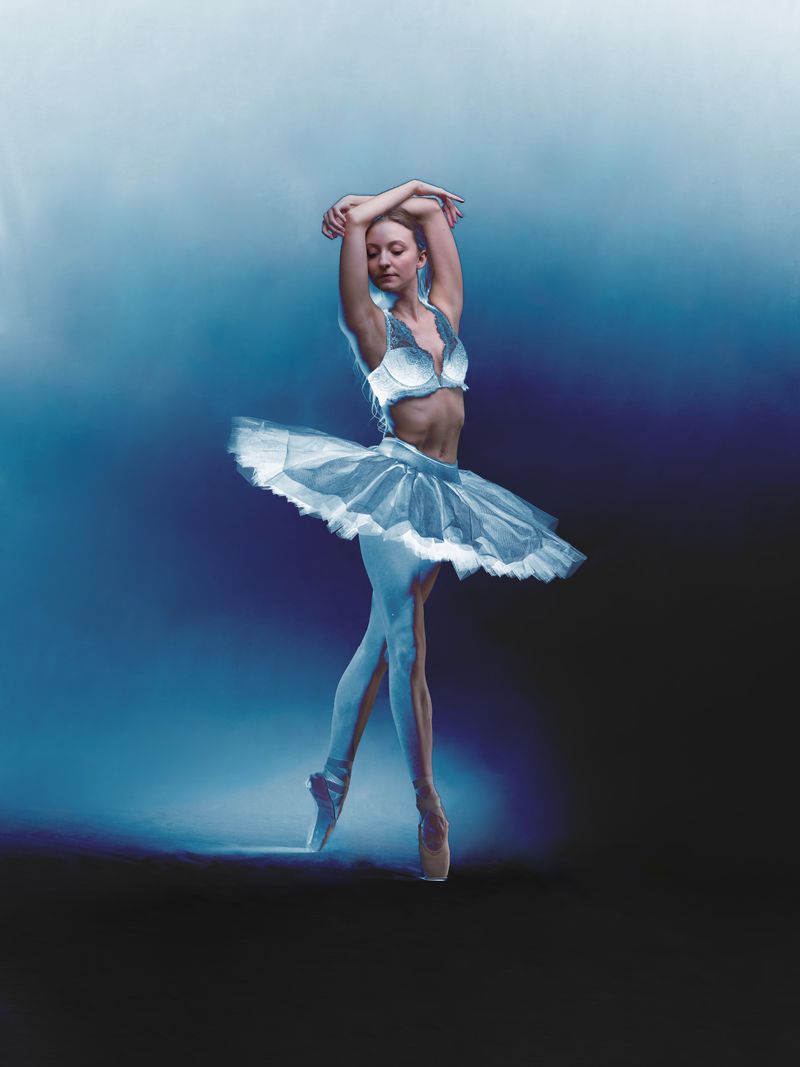
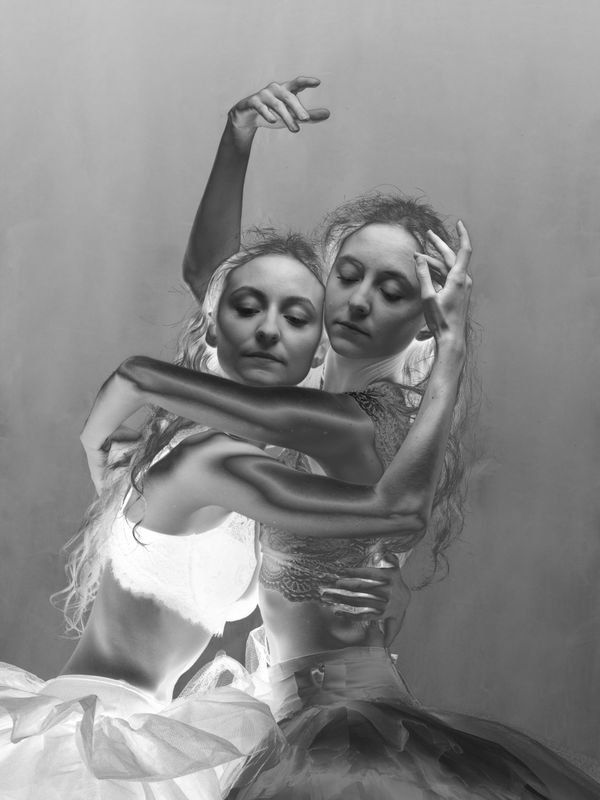
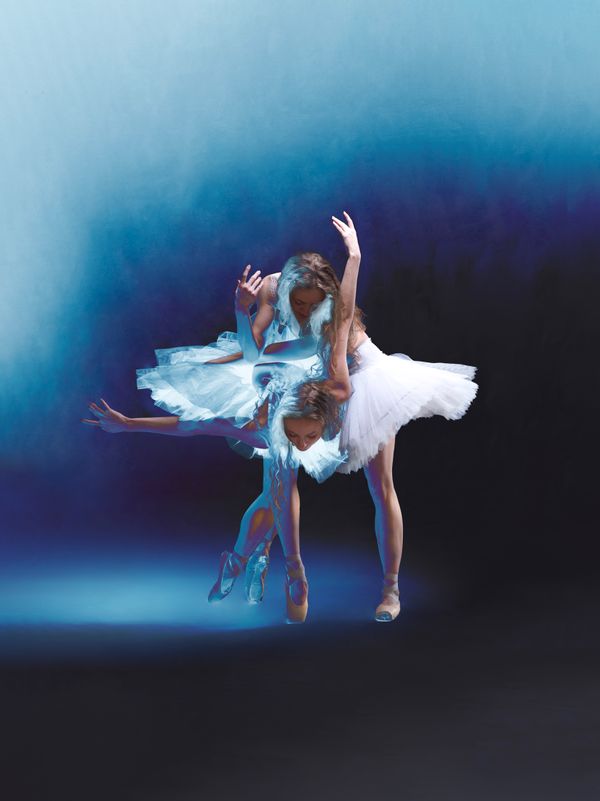
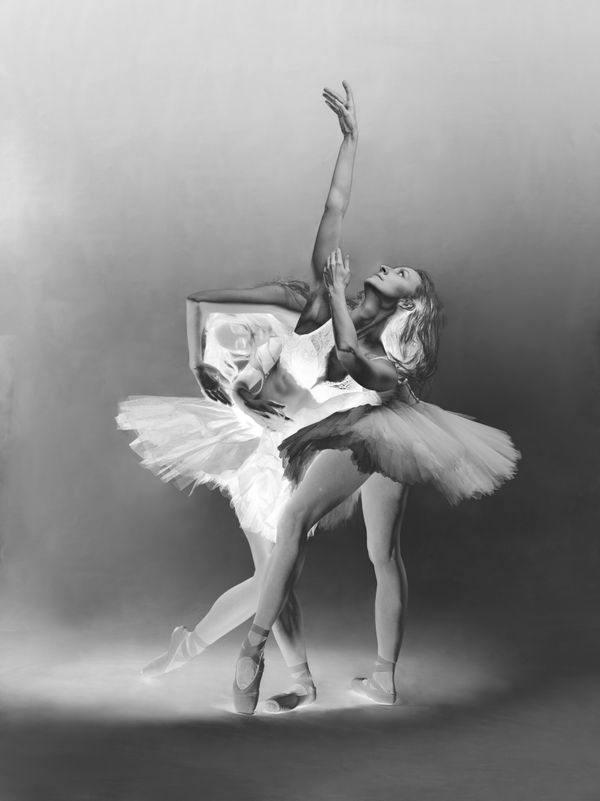
Developed in collaboration with twin dancers, the project introduces a perceptual instability that complicates recognition. Their physical similarity delays identification, preventing perception from settling into fixed categories. Movement is approached as relation and continuity rather than expression, allowing attention to circulate between bodies, space, and light.
The resulting images are not documents of a personal narrative nor representations of an inner state. They are traces of moments in which experience remained open, where perception did not fully return as identity. What they retain is not meaning in a conventional sense, but a quality of contact that precedes interpretation.
Behind the Reflex proposes an ethical orientation toward experience: a way of relating to what occurs without immediately appropriating it, allowing it to remain, however briefly, outside the structures that define subjectivity.