ART THERAPY

My series “Art therapy” is an homage to some of the most inspiring modernist artists, attempting to help me align with the new reality of my home country Ukraine and the state of world in general.

Photographic art for me is a creative self-expression, a way of making sense of reality and a consequent therapy to accept the results of this realization. My series “Art therapy” is an homage to some of the most inspiring modernist artists, attempting to help me align with the new reality of my home country Ukraine and the state of world in general. I chose modernism as an inspiration since this was a game-changing art movement embracing a new industrial world. I used mixed media to create each work as a contemporary photo installation. As part of a therapeutic process, I only worked with self-portraits.
© Julia Wimmerlin - Image from the ART THERAPY photography project
i

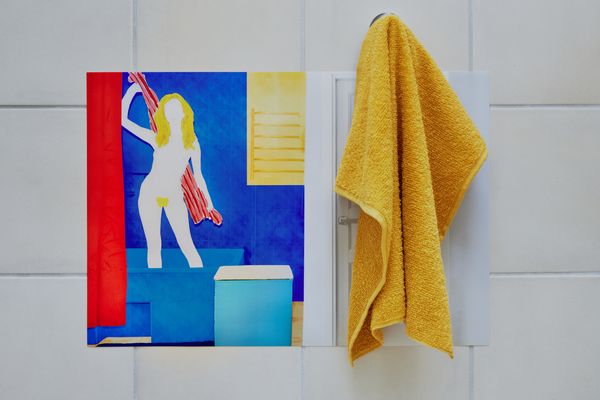
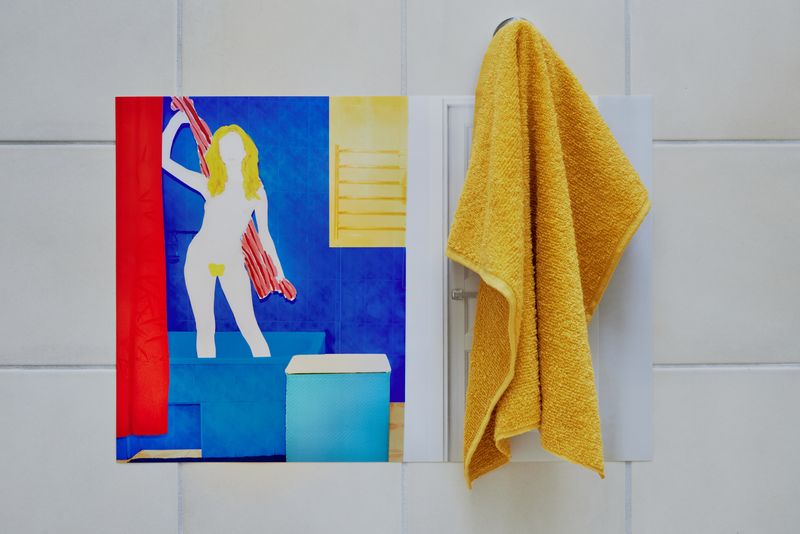
Bare. Drawing inspiration from Tom Wesselmann's pop art ideals in the consumer age, my reinterpretation of "Bathtub nr.3" delves into the Ukrainian experience, where traumas and emotions are laid bare and are widely circulated by world media in a cry for help.

© Julia Wimmerlin - Image from the ART THERAPY photography project
i

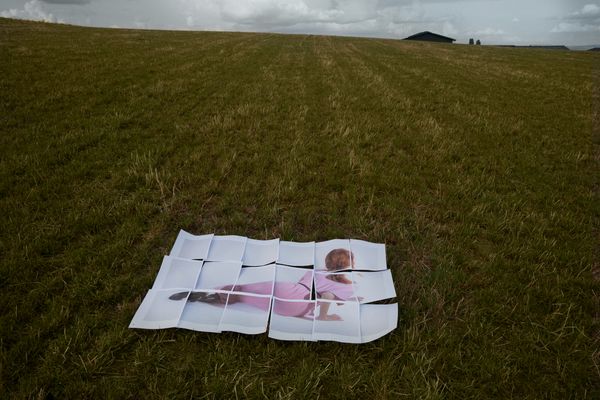
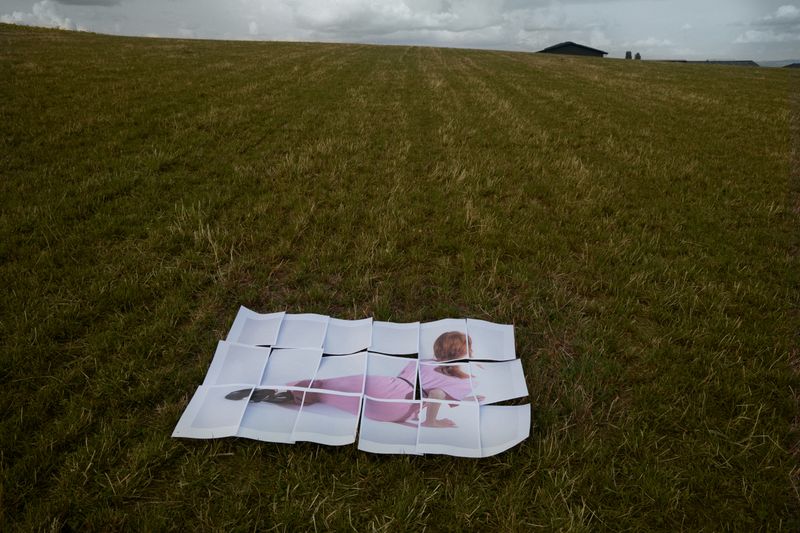
Fortitude. In my reinterpretation of "Christina's World," I evoke Andrew Wyeth's original contemplation of isolation and connection to the land. Amidst Ukraine's war reality, the figure in the landscape symbolizes a renewed connection to the homeland, navigating challenges with a resilient spirit, akin to Christina's contemplative journey.

© Julia Wimmerlin - Image from the ART THERAPY photography project
i

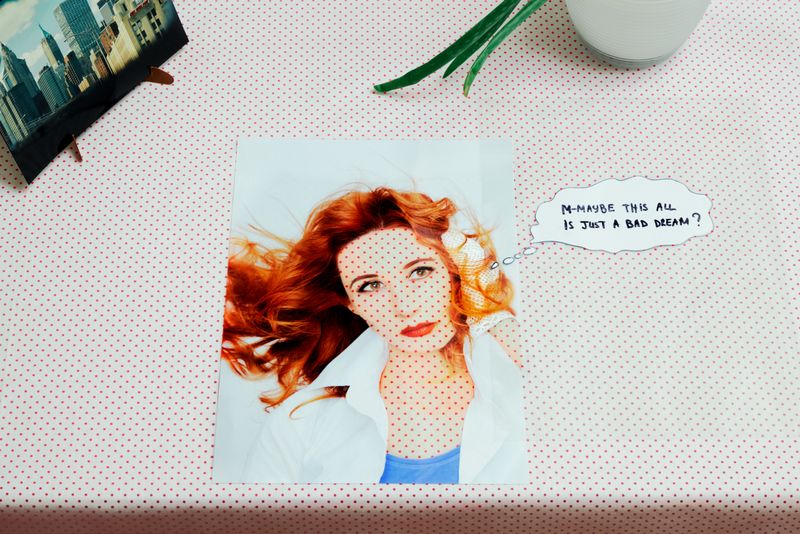
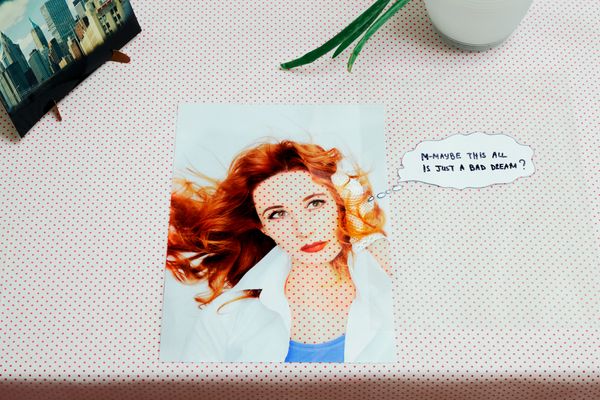
Identity. Roy Lichtenstein's "M-maybe" serves as a commentary on cultural identity. Lichtenstein's playful appropriation of comic book imagery challenges perceptions of dismissible, mass-produced art.

© Julia Wimmerlin - Image from the ART THERAPY photography project
i

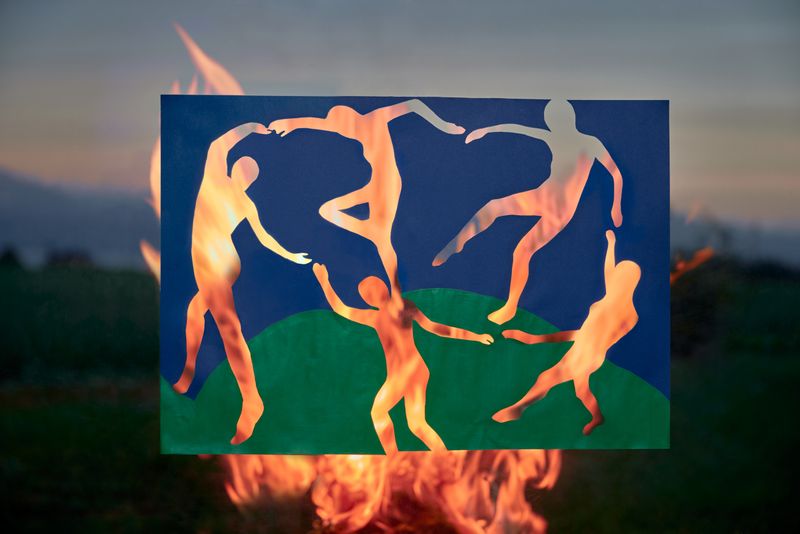
Purification. Inspired by Henri Matisse's "Dance," I juxtapose the joyful essence of life with the oxymoron of my current reality. Utilizing the emptiness of cutouts and the dual nature of fire—both destructive and purifying—I infuse new meanings into this once-happy dance.

© Julia Wimmerlin - Image from the ART THERAPY photography project
i

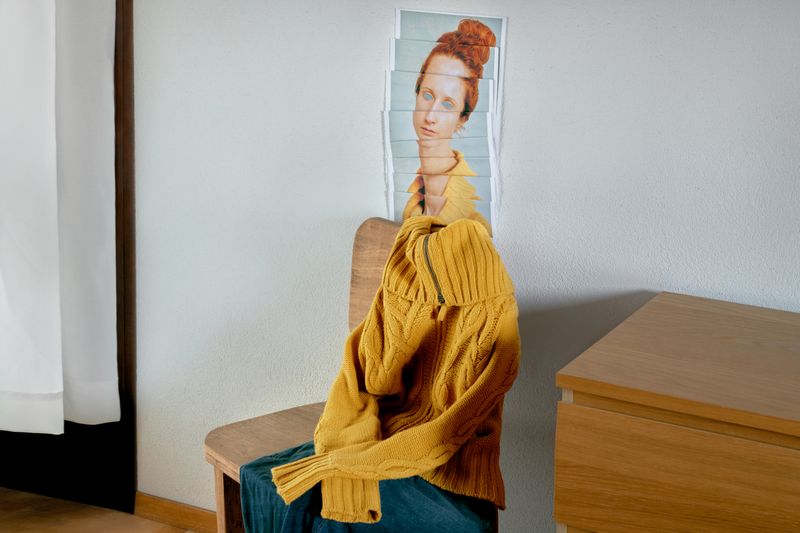
Recovery. Amedeo Modigliani's sculptural fertility goddess, embodied in “Portrait of Jeanne Hébuterne in Yellow”, finds new meaning against the backdrop of Ukraine, known as a European granary. The symbolic hues of blue and yellow echo Ukraine's identity, infusing the painting with hope for the nation's recovery.

© Julia Wimmerlin - Image from the ART THERAPY photography project
i

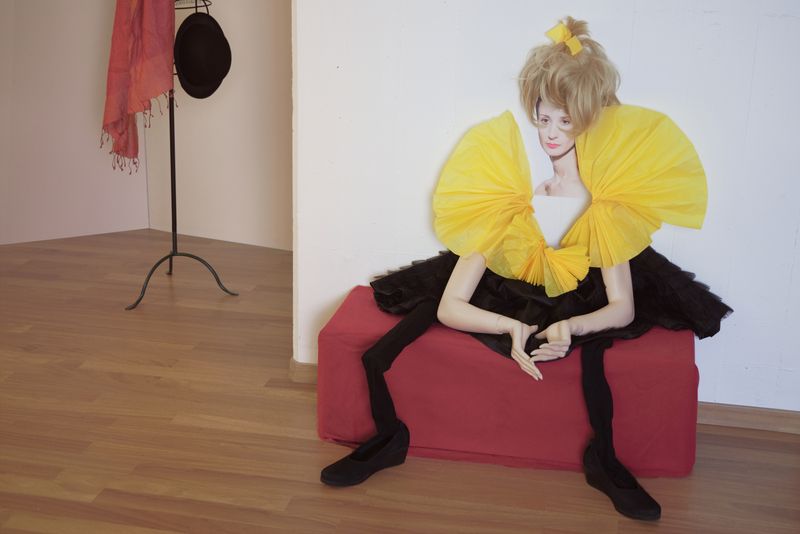
Resilience. My reinterpretation of Henri Toulouse-Lautrec's "Seated Clownesse" resonates with the allegorical cover of American Vogue featuring Olena Zelenska, Ukraine’s First Lady, by Annie Leibovitz. Echoing painter’s respect for his model challenging societal norms - a woman choosing a man's job - Olena embodies resilience.

© Julia Wimmerlin - Image from the ART THERAPY photography project
i

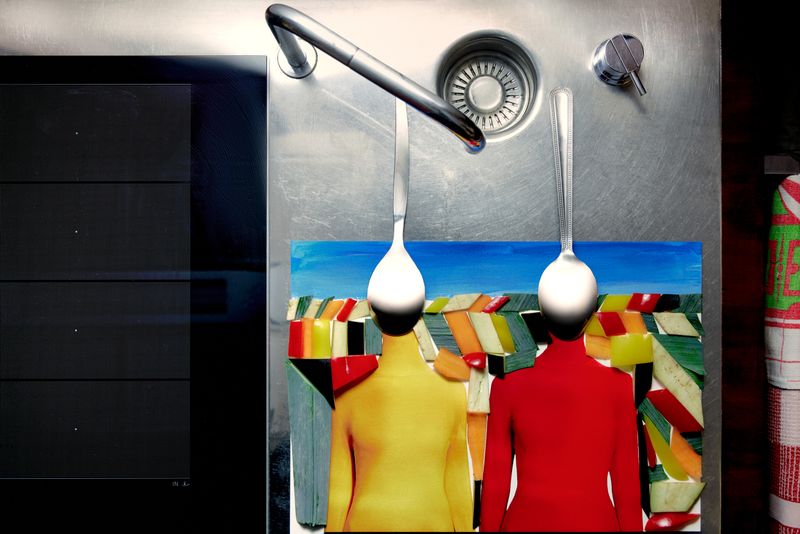
Resistance. Kazimir Malevitch's "Peasants" was dedicated to Holodomor, the Ukrainian Famine of 1932-33, a result of Soviet strategy to erase Ukrainian identity. Malevitch's abstraction becomes a symbol of the Soviet desire to see Ukraine faceless, assimilated into a broader Russian identity.

© Julia Wimmerlin - Image from the ART THERAPY photography project
i

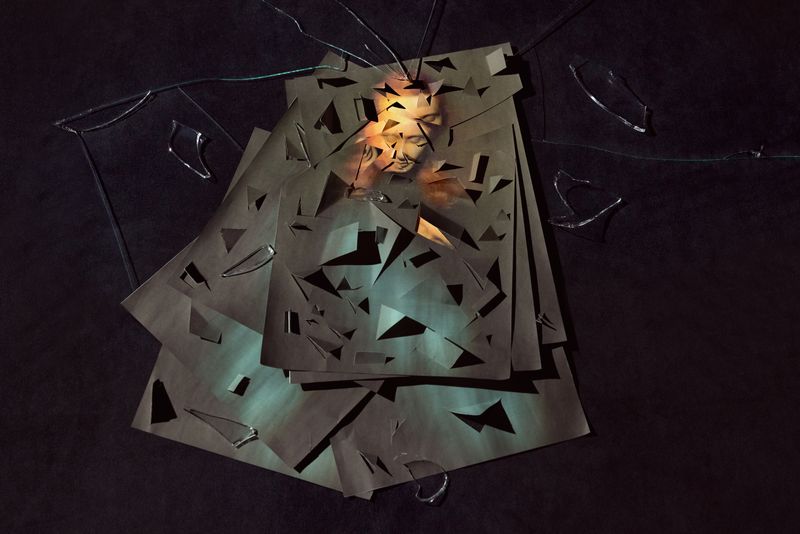
Shattered. My reinterpretation of Picasso's "Portrait of Ambroise Vollard" captures the essence of Ukraine's current reality as I mirror the deconstruction of Vollard's face in the disintegrated surroundings. The closed eyes symbolize a dark present, while varied planes evoke a shattered glass—akin to Ukraine's shuttered windows and lives on a larger scale.