Anew

  • Dates
    2013 - Ongoing
  • Author
  • Locations Lower Silesian Voivodeship, Wrocław, Poland, Wałbrzych

Long-term documentary on Lower Silesia – a territory that became a part of Poland after WW2 – and identities that formed there since.

Anew is a long-term documentary project about the evolving identity of Lower Silesia—a region that became part of Poland after World War II but remains, in the public imagination, recognised as “ex-German.” As part of the so-called Recovered Territories, as they were called by the communist government, the region experienced both physical and symbolic erasure: streets were renamed, graveyards removed, and a millennium of German history overwritten by a state-sanctioned narrative of belonging.

Into this newly “blank” space came repatriates, displaced persons, and migrants: from former Polish eastern territories, Lemkos forcibly relocated during the Vistula Action, Greek civil war refugees, and re-emigrants from France. These communities found common ground in labor. Industry became the region’s backbone, supplying not only work but also housing, culture, and meaning. But after 1989, most of this infrastructure collapsed, leaving behind economic voids and fractured identities.

Today, Lower Silesia is a site of layered transformation: multicultural, post-industrial, and increasingly shaped by new waves of migration from Ukraine, Belarus, Korea, and beyond. Its capital, Wrocław –once a center of resistance and alternative culture – now stands as a symbol of these tensions and convergences. The Millennium Flood of 1997, when citizens came together to defend the city, is often cited by sociologists as the first moment a true Polish Lower Silesian identity began to take shape. What is it now? What is the sum of stories in the plural?

Anew draws on over a decade of fieldwork and archival research, combining photography and oral history. Structured as a non-linear narrative inspired by paragraph novels, it invites readers to assemble their own path through the region’s fragmented memoryscape. The project was awarded the 2024 Young Poland scholarship from the Polish Ministry of Culture and National Heritage, the President of Wrocław’s Artistic Grant, and the Pix.House Talent of the Year award in the Scholar category – all three supporting parts of the fieldwork, which is now completed. In 2025, Anew was also being presented as part of the Futures Photography platform.
This project is a candidate for PhMuseum 2026 Photography Grant

Learn more Present your project
© Paweł Starzec - Image from the Anew photography project
i

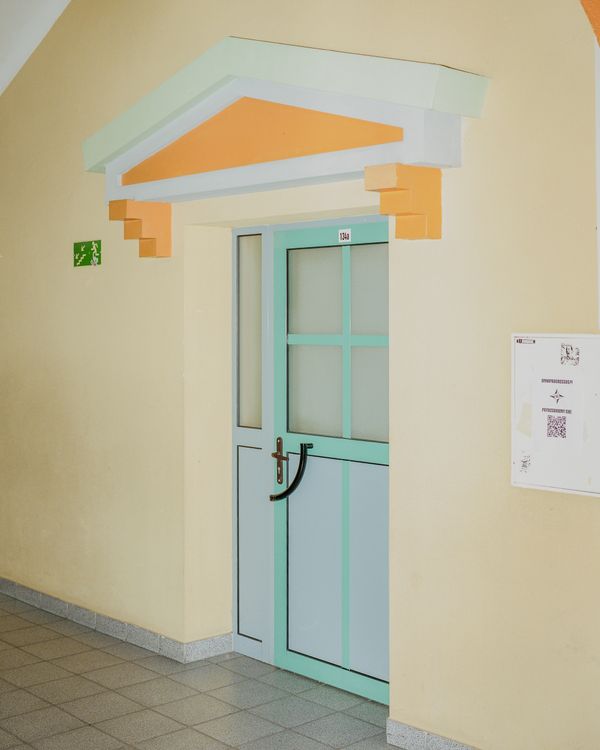
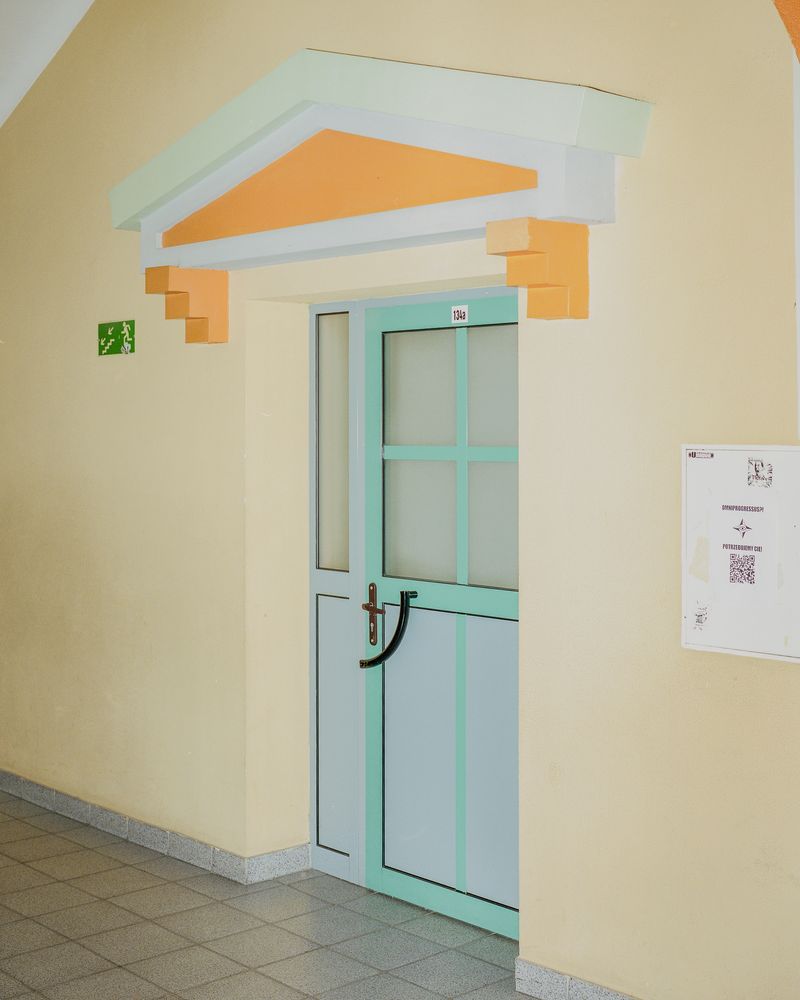
Built in the early 20th century as German military barracks, the building later became a Soviet army base in postwar Poland. Then, it entered Polish queer history through Michał Witkowski’s Lubiewo. After it was taken over by the University of Wrocław’s Faculty of Social Sciences and renovated with faux antique columns lining the corridors.

© Paweł Starzec - Image from the Anew photography project
i

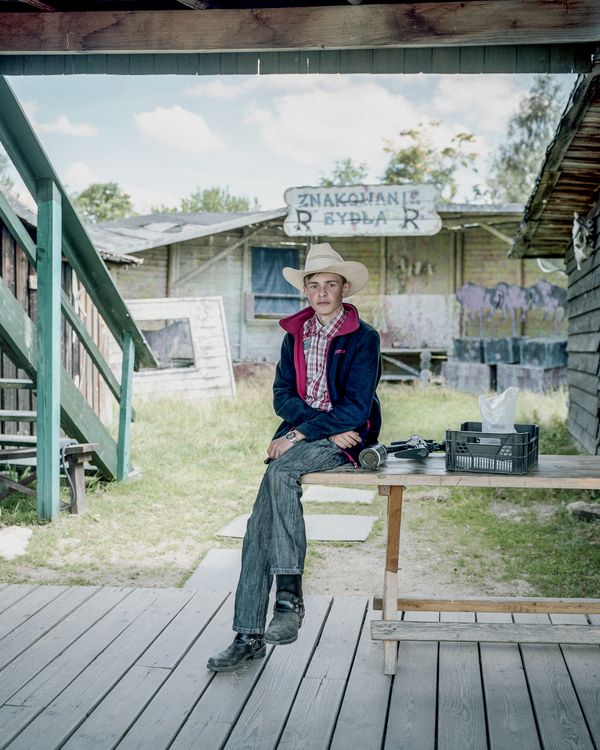
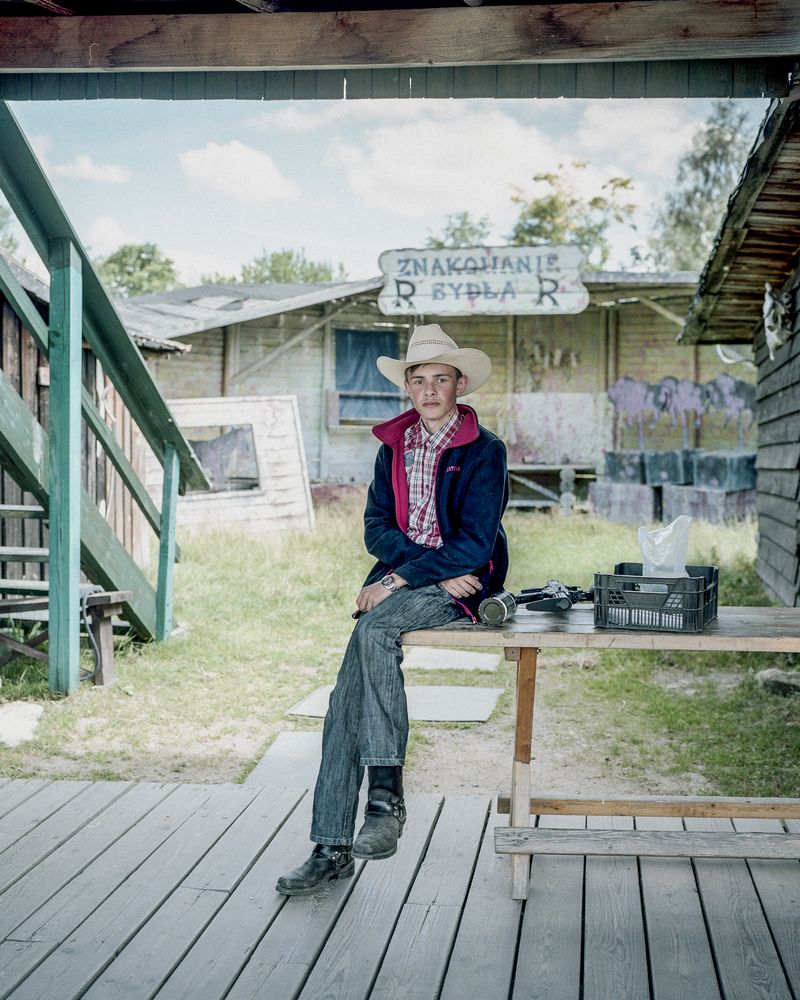
Western City is a private Wild West themed funfair located at the foot of Śnieżka, the highest peak of the Sudetes, on an area of about 65 hectares. On July 4, 1998, on the anniversary of the American Declaration of Independence, it was opened by the city’s owner and Sheriff, Jerzy Pokój, with a shot in the air.

© Paweł Starzec - Image from the Anew photography project
i

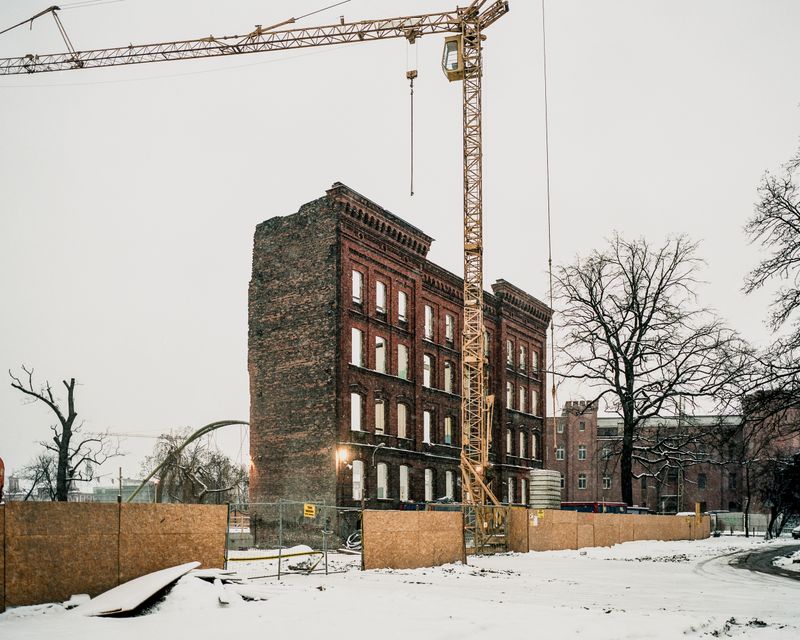
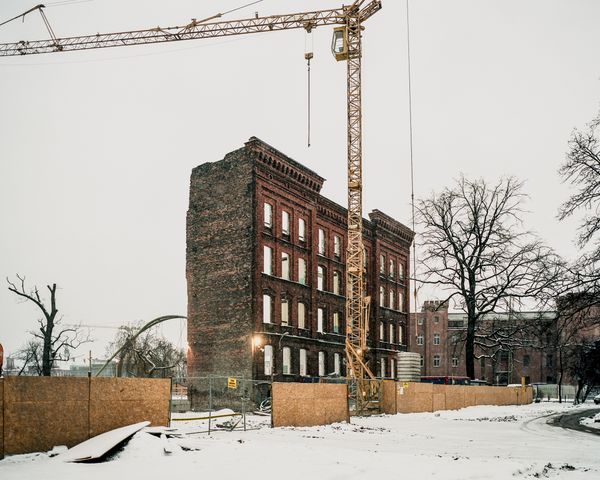
The former elementary school at 5–7 Drobnera Street in Wrocław, a listed municipal monument, was sold to a private investor. Despite its historic status, only the original façade will be preserved—a reconstruction approach often dubbed the “Wrocław school of renovation.”

© Paweł Starzec - Image from the Anew photography project
i

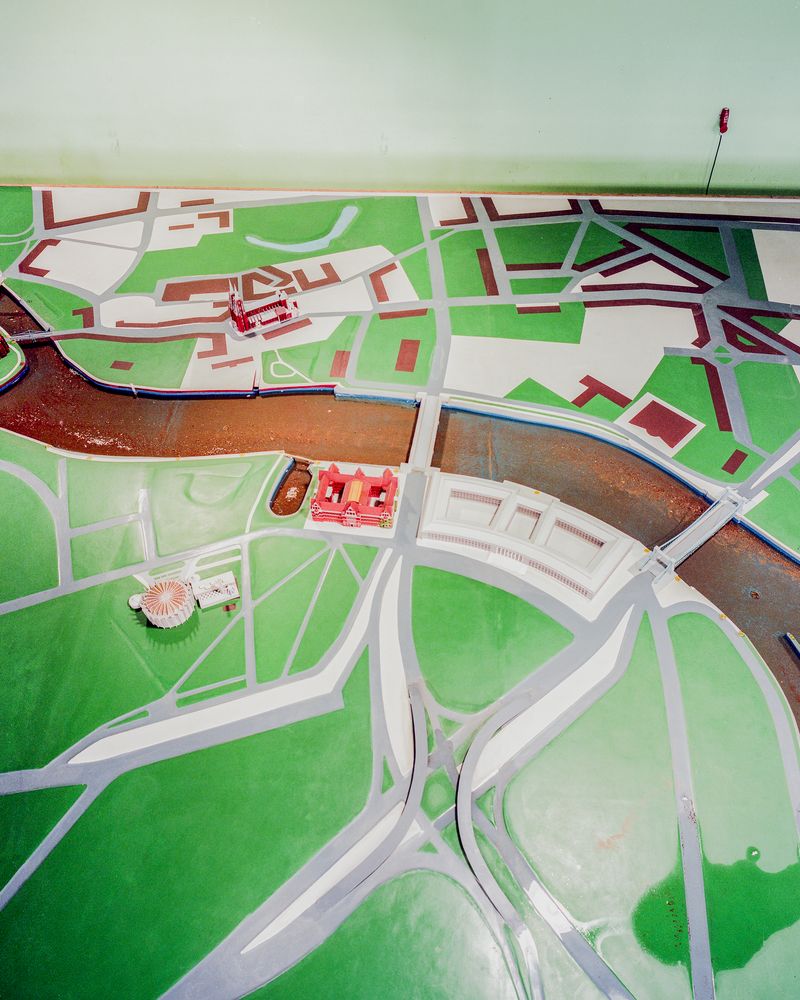
Often called the City of a Hundred Bridges, Wrocław has between 101 and 118 bridges, many of them landmarks. Built in 2006 at a 1:200 scale by the Institute of Environmental Engineering at the Wrocław University of Environmental and Life Sciences, this model recreates the city center with its characteristic buildings and hydrotechnical structures.

© Paweł Starzec - Image from the Anew photography project
i

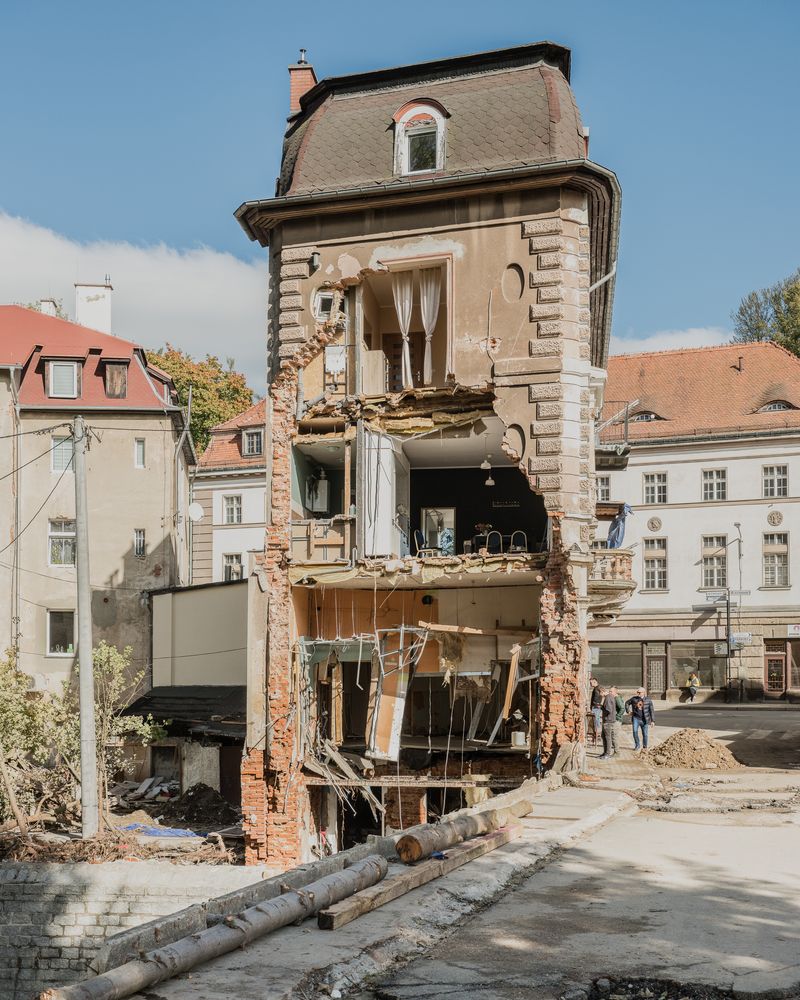
In September 2024, nearly six months’ worth of rain fell in just three days, causing widespread flooding as rivers rose rapidly. The disaster worsened after a dam collapsed in Stronie Śląskie, devastating the town and downstream Lądek Zdrój; in some areas, water levels reached 150 cm above those of the 1997 millennium flood.

© Paweł Starzec - Image from the Anew photography project
i

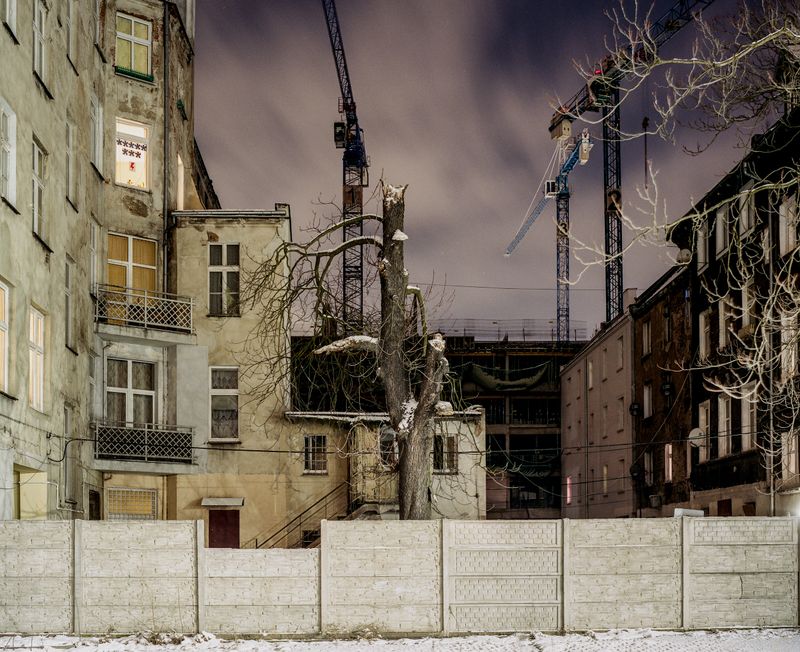
Wrocław’s Przedmieście Oławskie, nicknamed the Bermuda Triangle, was long seen as a particularly dangerous area. After the city became part of Poland, this district of old tenement houses and post-industrial sites from the early 20th century was quickly inhabited, and remained severely underfunded.

© Paweł Starzec - Image from the Anew photography project
i

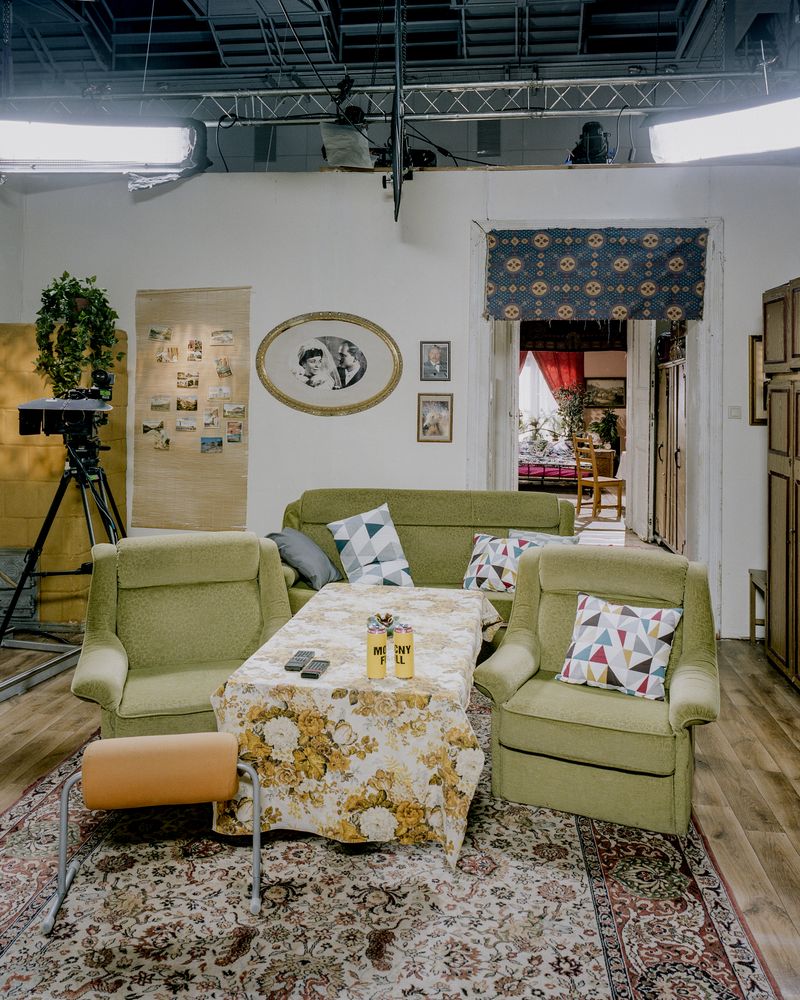
Bermuda Triangle was fictionalised in TV series Świat według Kiepskich (The Lousy World), which aired from 1999 to 2022. Created by Janusz Sadza and based on his experiences in the area, the series reflects life in the Triangle setting – run-down tenement houses, coal stoves, shared corridor toilets, and heavy drinking.

© Paweł Starzec - Image from the Anew photography project
i

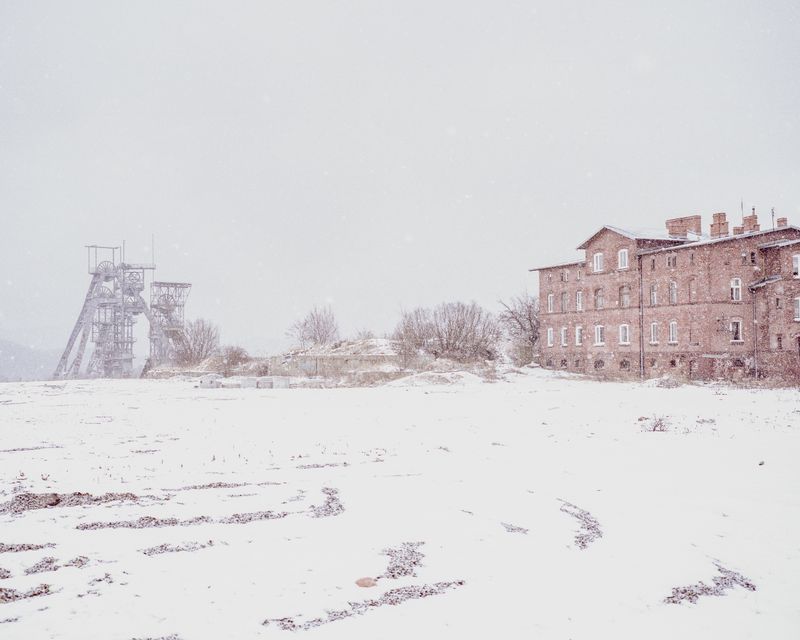
Wałbrzych, second biggest city of the region, was called the Polish Detroit until a few years ago. When in 1994 the coal mines – the industry that constituted the most important element of the local economy and identity – were closed, the city and its surroundings experienced an absolute economic collapse.

© Paweł Starzec - Image from the Anew photography project
i

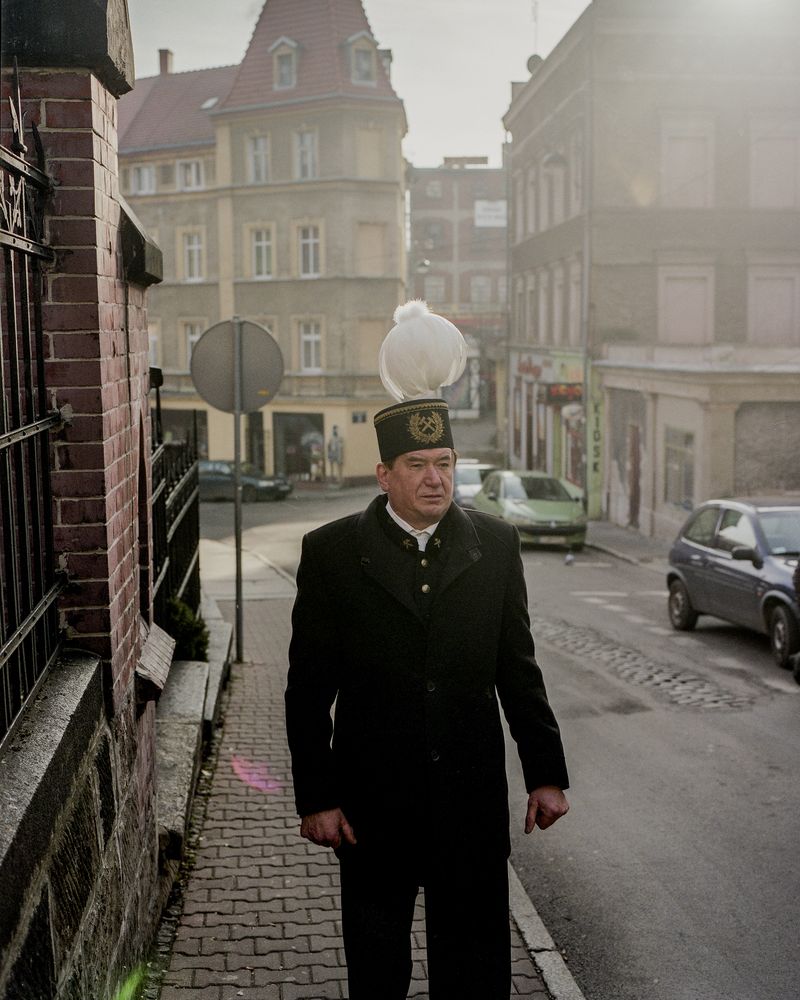
Wałbrzych still celebrates Barbórka – name day of St. Barbara, patron saint of miners. Celebrated with a parade, it is mostly attended by former Green and White Feathers – which means higher, safer office jobs in mining uniforms. There are associations of former miners, trying to maintain what once was a central point of local identity.

© Paweł Starzec - Image from the Anew photography project
i

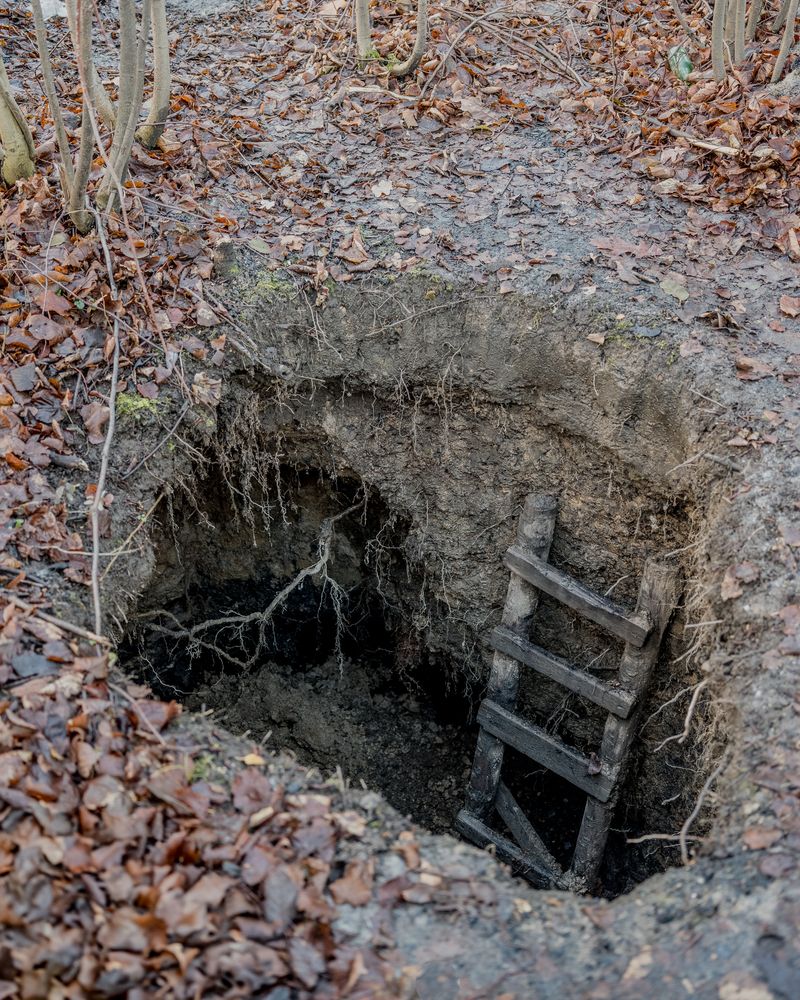
Biedaszyby (lit. Poverty shafts) are an illegal coal shafts, whichappeared across Wałbrzych after the mines closed, often dug near surface outcrops or as deep, narrow holes. Many were built by former miners using their skills, but the work remained extremely dangerous. At least nine people have died in such shafts over the past 30 years.

© Paweł Starzec - Image from the Anew photography project
i

In August 2015, Piotr Koper and Andreas Richter, two treasure hunters, reported to the city council that they had likely identified the place where the Golden Train was hidden. According to various sources, a nazi freight train filled with stolen valuables was supposed to leave the besieged Wrocław in the last days of World War II and dissolve without a trace.

© Paweł Starzec - Image from the Anew photography project
i

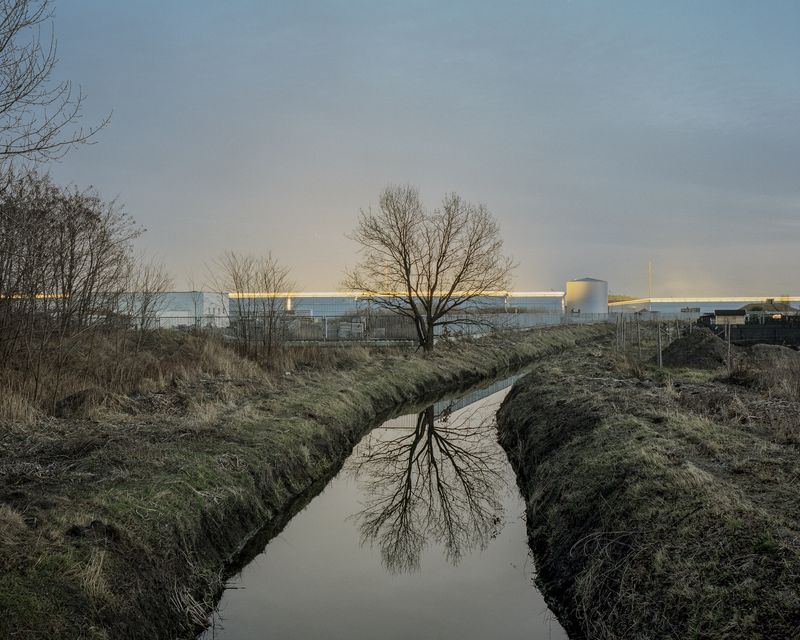
The tomato greenhouses in Siechnice, among the largest in Europe, stand alongside Wrocław’s expanding suburbs. Together with intensified agricultural production, this has sparked conflict over light pollution: although the greenhouses are partly covered at night, their glow remains visible for kilometers at dusk.

© Paweł Starzec - Image from the Anew photography project
i

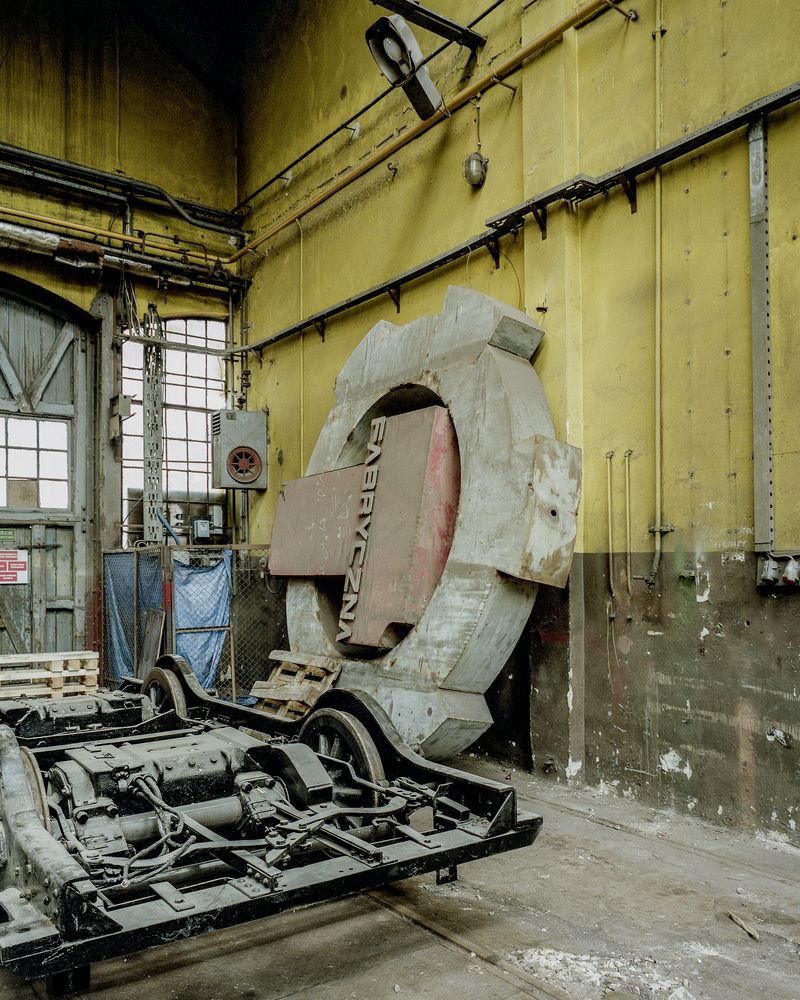
From the 1970s until 2019, a welcome sign for Fabryczna (the Factory District) stood at Wrocław’s western entrance. This area was once home to the city’s largest industrial plants, many of which were restructured or shut down after 1989. The sign was eventually removed due to neglect, which posed a structural hazard – its rusting began to threaten with collapse of the structure.

© Paweł Starzec - Image from the Anew photography project
i

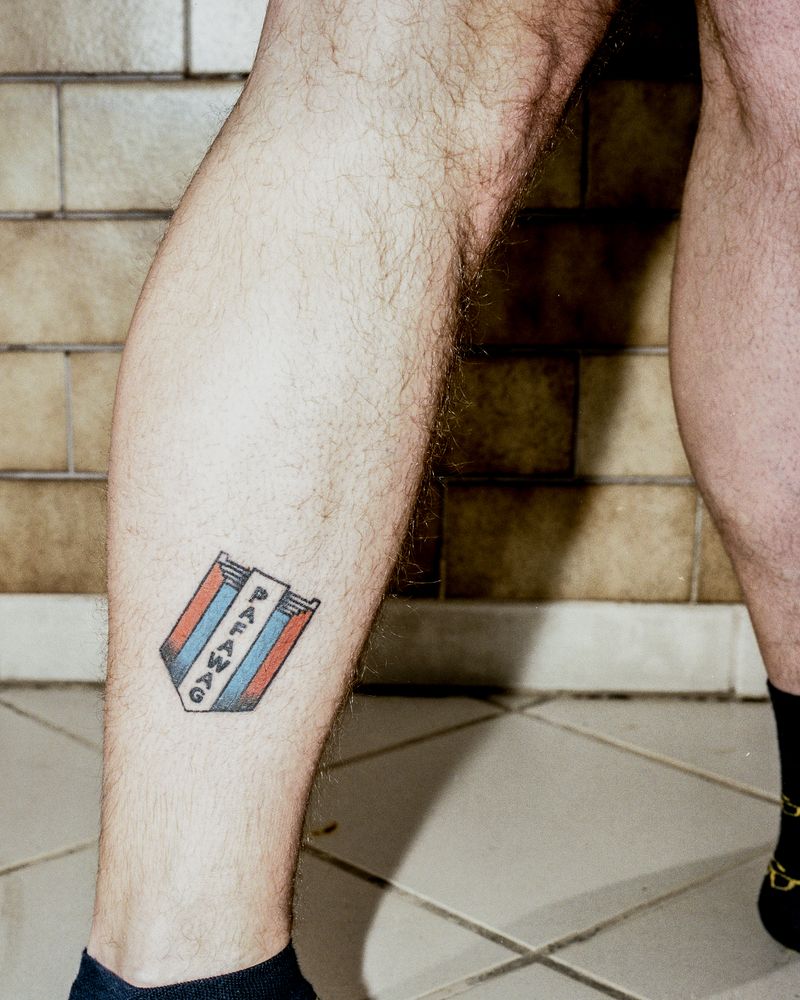
Although Pafawag – the massive locomotive factory reopened after the Polish takeover in 1945 – was later bought by international capital, its legacy endures. Zygmunt Czerniak, once a Pafawag engineer, is commemorated by his grandson with a tattoo of the defunct factory sports club, reflecting how central the factory was to workers’ lives.

© Paweł Starzec - Image from the Anew photography project
i

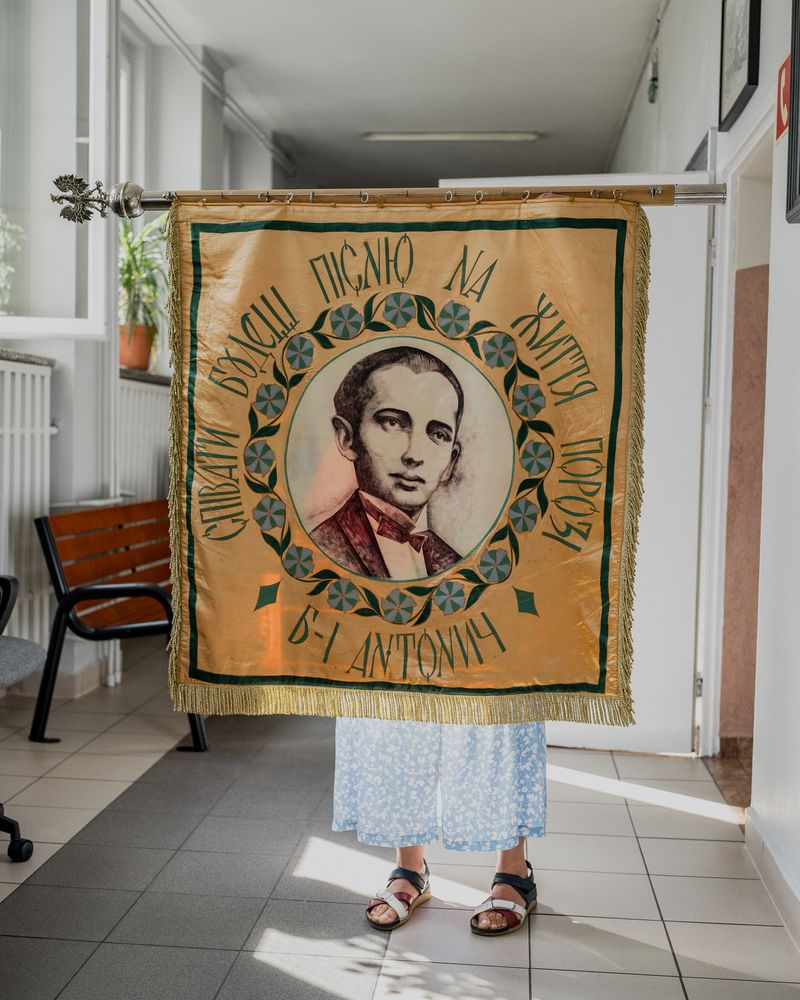
IV LO in Legnica with Ukrainian as the language of instruction is the oldest Polish high school with this profile of education, founded in connection with the activity of the Ukrainian Union in Poland following the post-war forced migrations and resettlements within the framework of the Vistula Action, that affected mostly Lemkos people of nowadays Ukraine.

© Paweł Starzec - Image from the Anew photography project
i

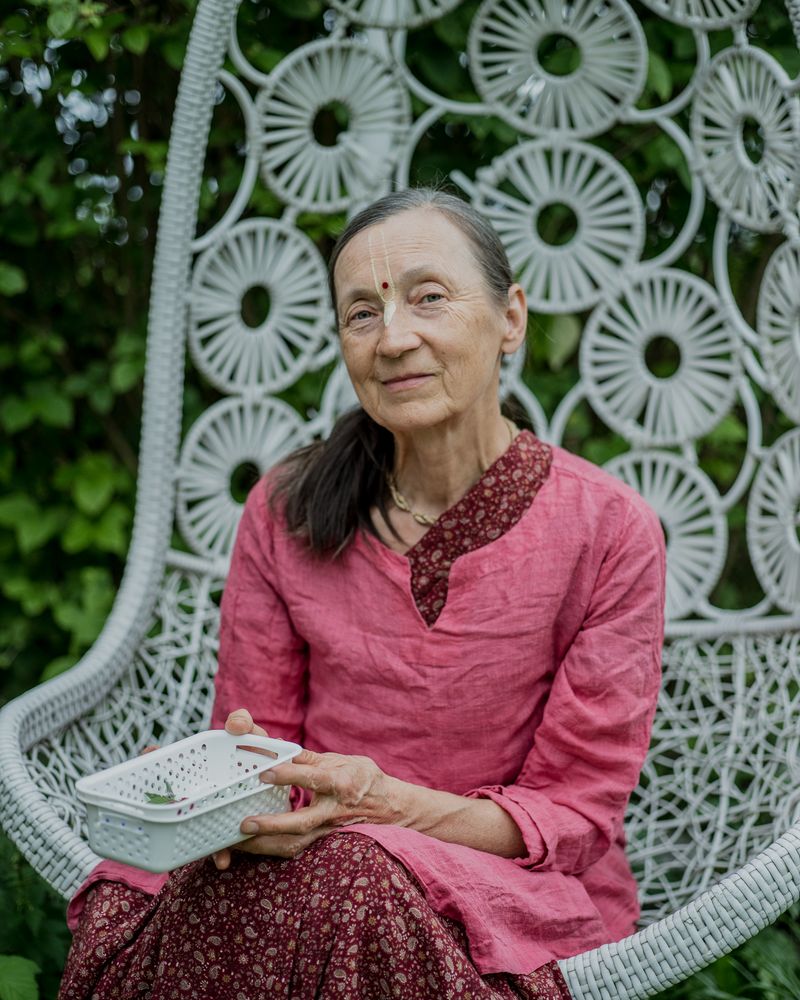
Founded in 1980 in the remote mountain village of Czarnów, Nowe Śantipur became Poland’s first Hare Krishna center. Operating illegally at the time, it hid as a rural house before expanding to include monks’ quarters and cow shelters; today, the region also hosts other Hindu and Tibetan Buddhist communities.

© Paweł Starzec - Image from the Anew photography project
i

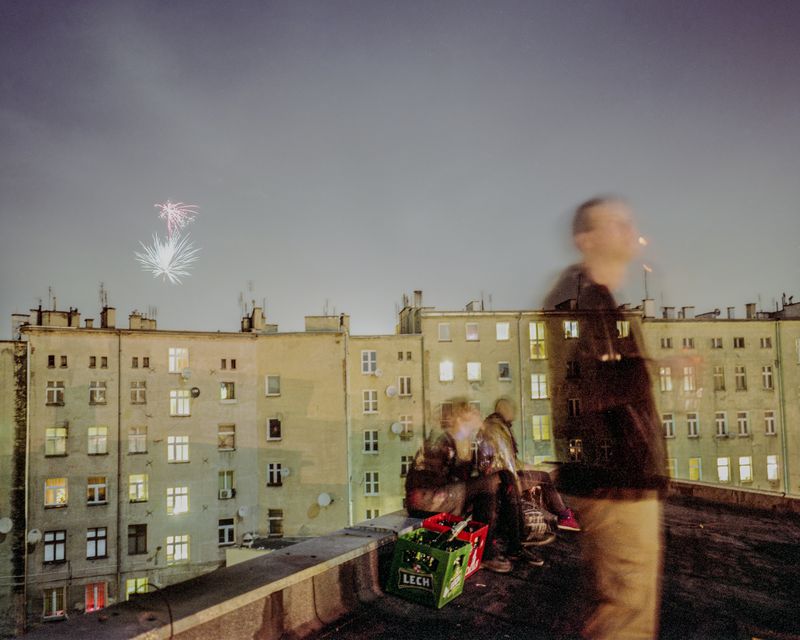
Since the 1970s, Wrocław has been a major center of Polish independent culture, with the country’s first squat and a strong punk scene. The former squat-turned cultural center CRK in Nadodrze hosted thousands of people and initiatives over two decades; despite its role in securing Wrocław’s 2016 European Capital of Culture title, many independent spaces were later taken over or shut down.

© Paweł Starzec - Image from the Anew photography project
i

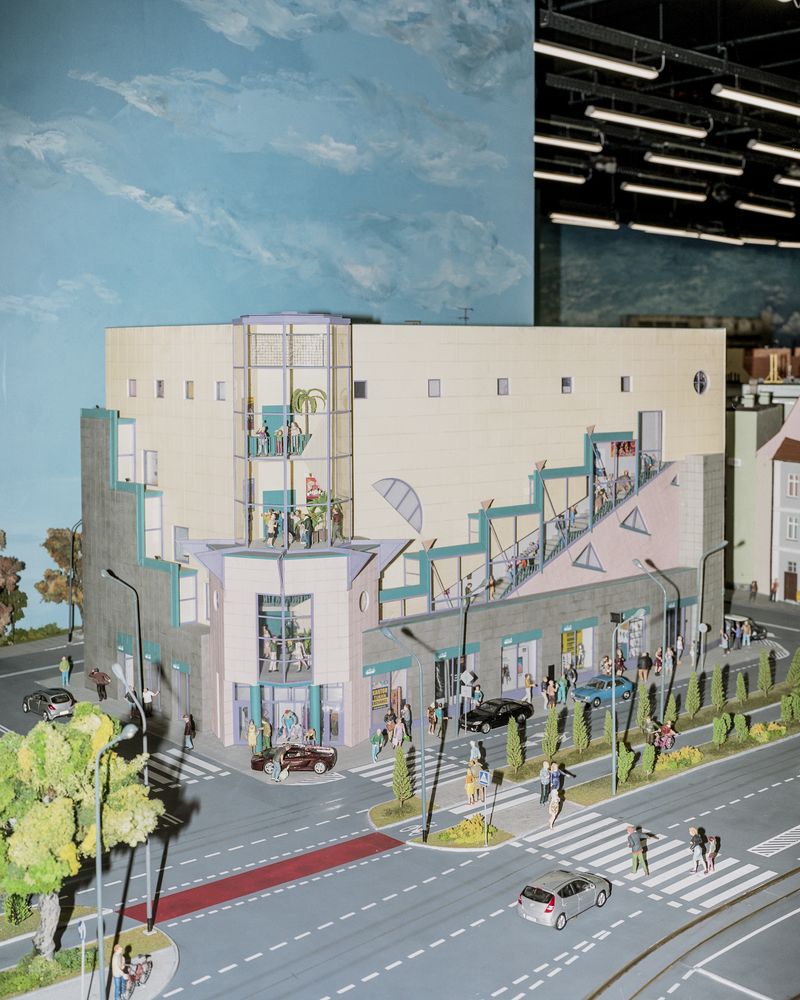
Opened in 1993 on Świdnicka Street, Solpol was a postmodern department store designed by Wojciech Jarząbek in just five days at the request of investor Zygmunt Solorz. Its colorful façade and bold geometry made it a widely debated landmark and a vivid symbol of Poland’s early capitalist transformation.

© Paweł Starzec - Image from the Anew photography project
i

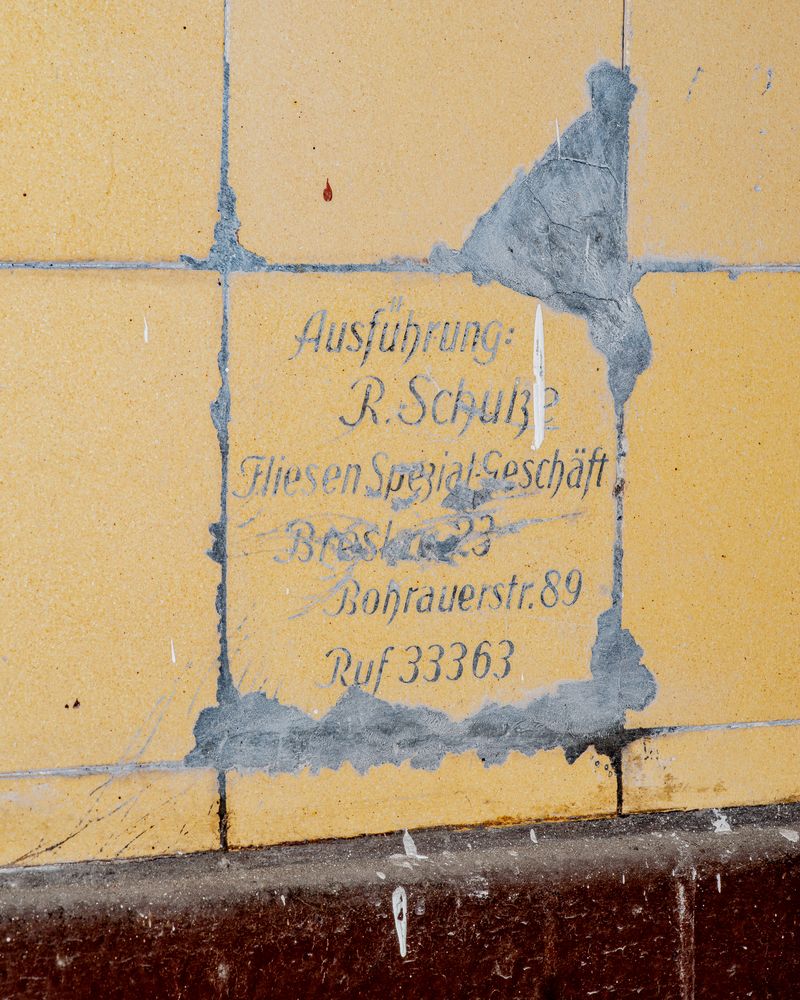
A prewar tile naming the construction company’s owner remains visible on the building, along with marks from repeated attempts to remove it and scratches erasing the German city name. Despite postwar efforts to eliminate traces of German culture, the tile still sits in its original place eighty years later.

© Paweł Starzec - Image from the Anew photography project
i

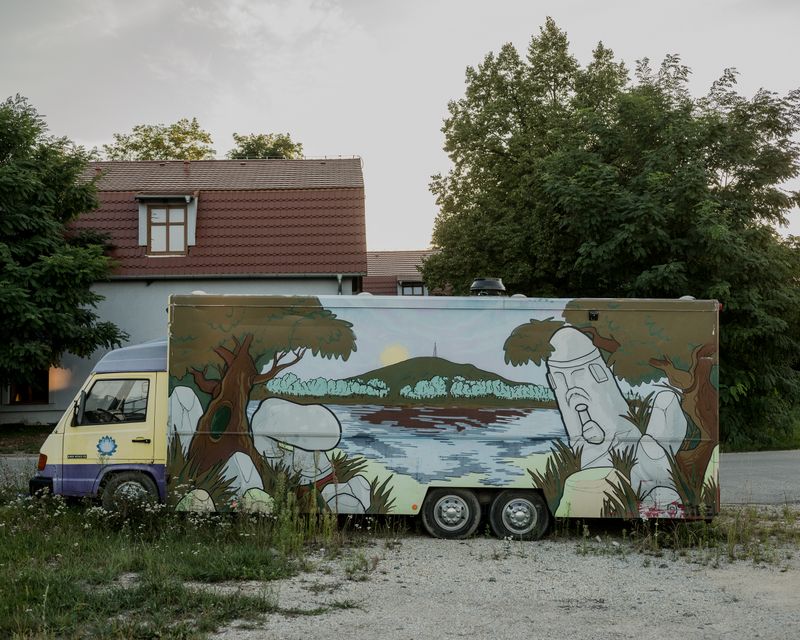
Ślęża (German: Zobtenberg), a 718 m mountain in the Sudeten Foreland, stands out for its relative height and visibility. Its name may have inspired “Silesia” via the nearby Ślęza River. A center of Bronze Age and Slavic pagan worship, it hosted a monastery in the 12th century and remains significant for some modern religious movements.