and then I ran
-
Dates2023 - Ongoing
-
Author
- Location Ireland
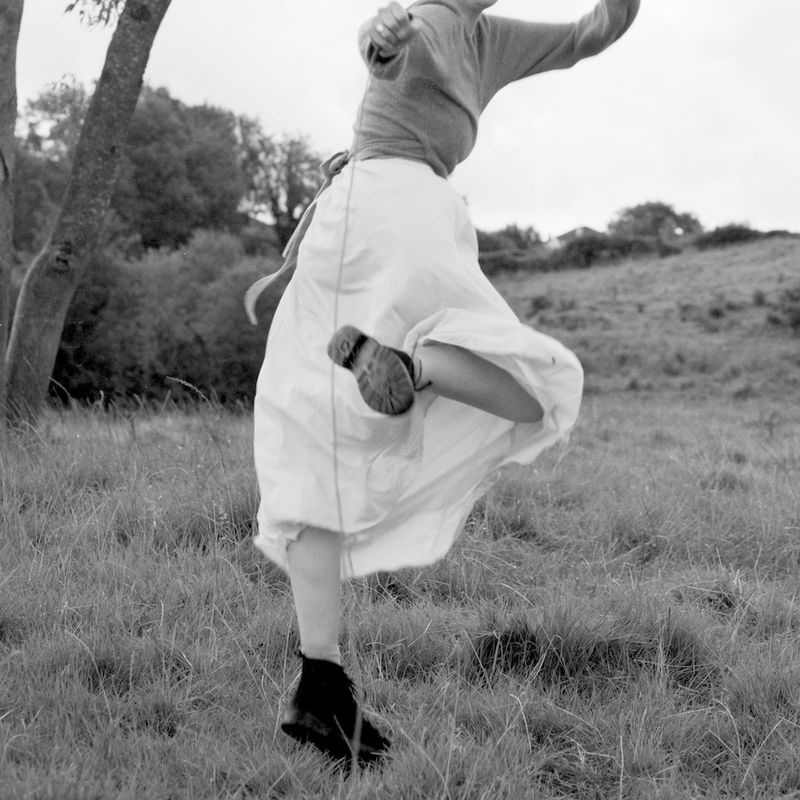
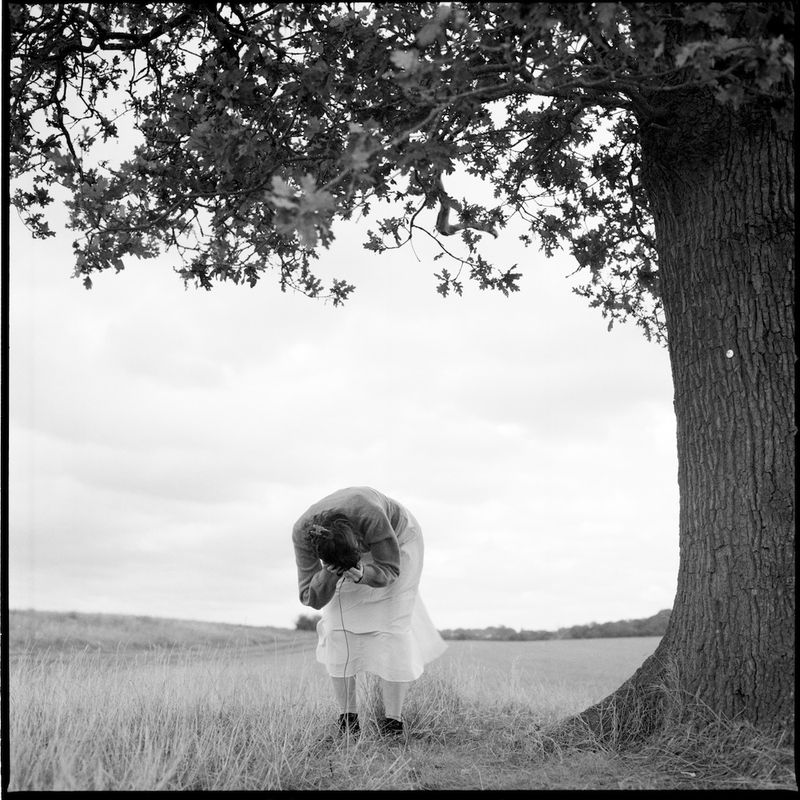
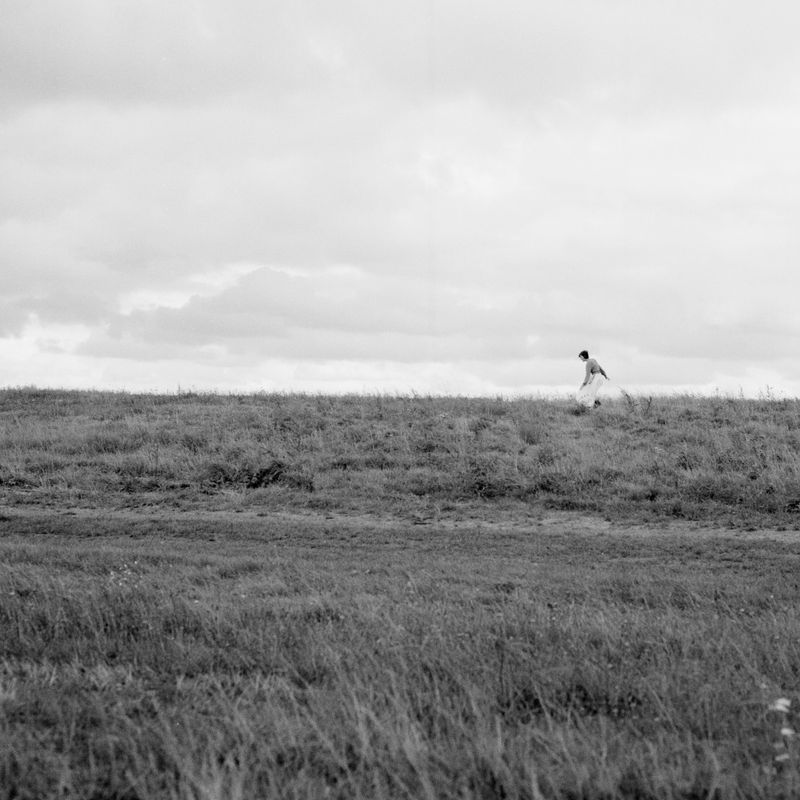
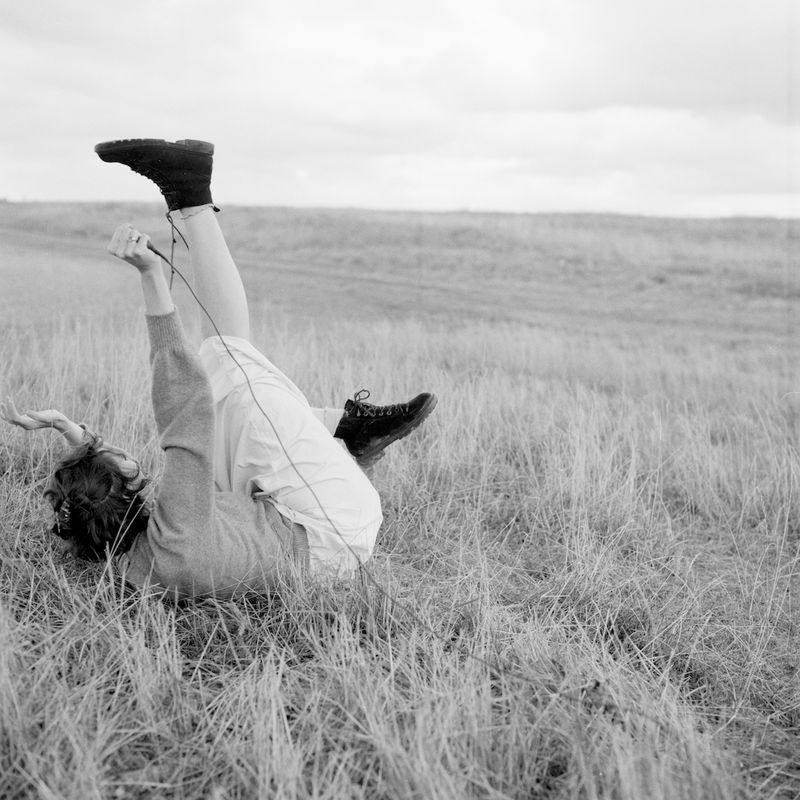
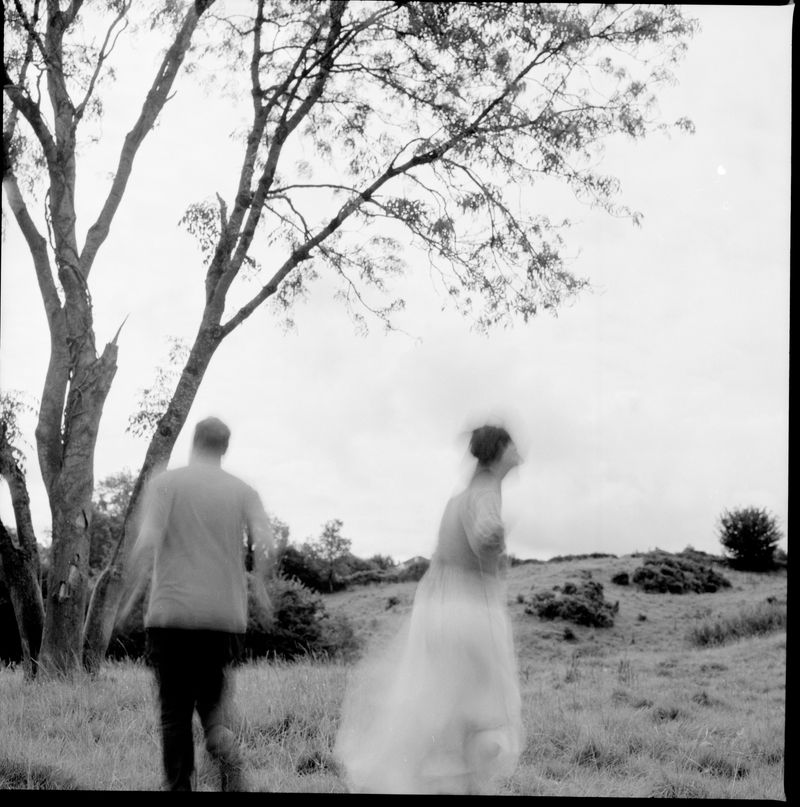
‘and then I ran’ employs self-portraiture, as well as image and text, visualising the narrative of my grandmother’s recollection of escaping a mother and baby home, 1964, Ireland. I use performative elements to reenact my grandmothers escape.
and then I ran
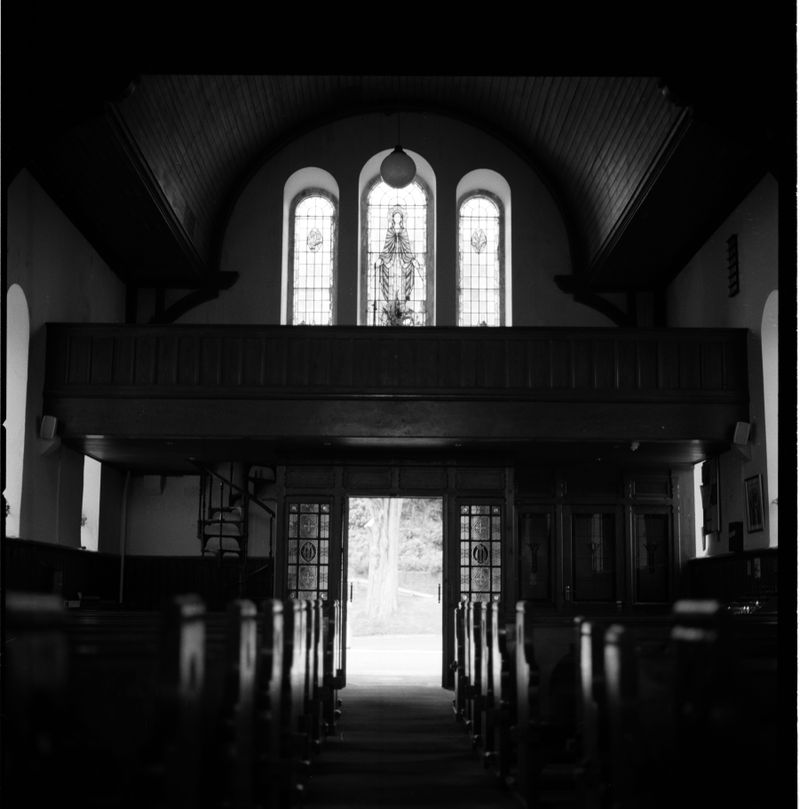
‘and then I ran’ employs self-portraiture, image and text, visualising the narrative of my grandmother’s recollection of escaping a mother and baby home, 1964, Ireland. Mother and baby homes were run for over 200 years, funded by the government and run by religious order. These homes forced unwed mothers into secrecy while neglecting to provide adequate care for mothers and babies. The project explores Ireland’s deep shame culminating from the separation and exportation of babies, as well as oppressive conditions experienced by these women.
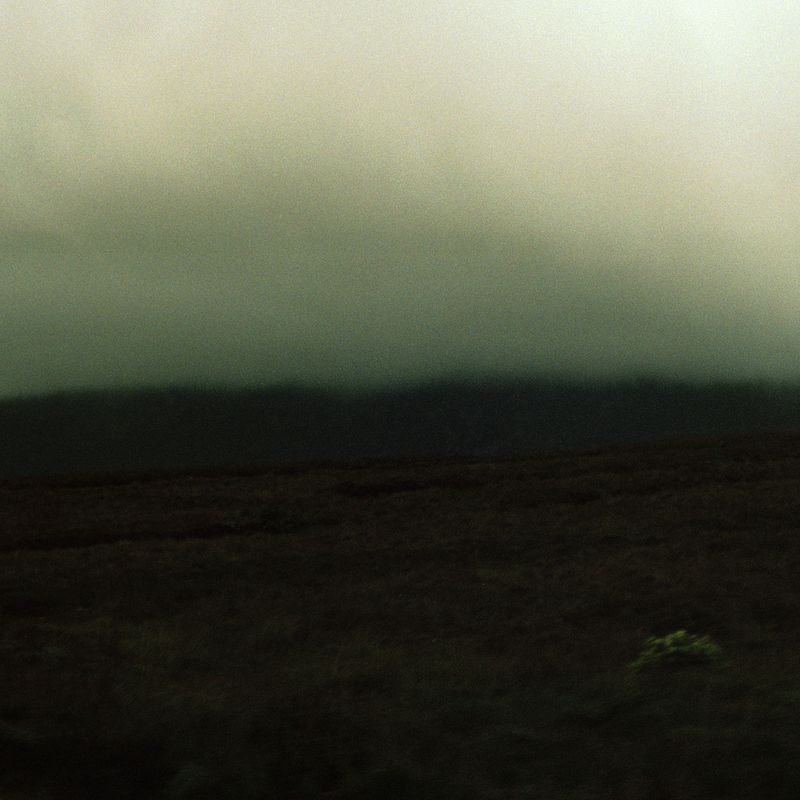
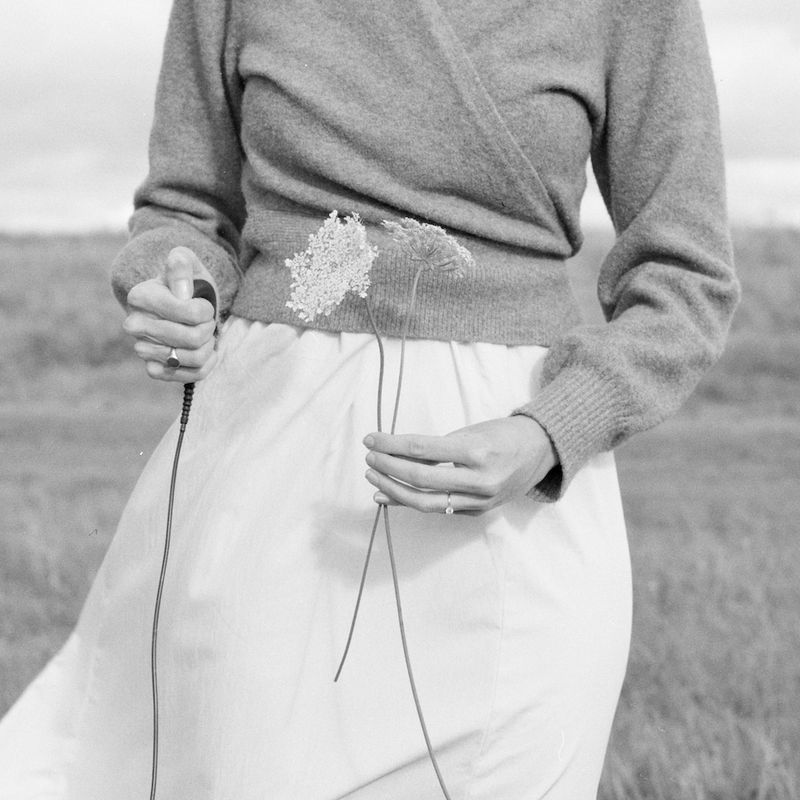
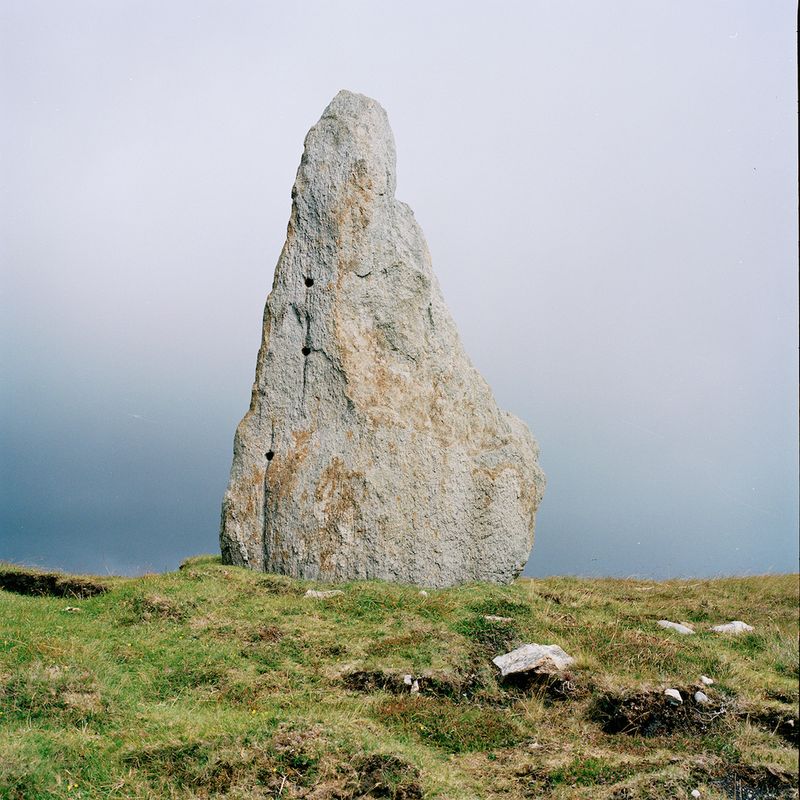
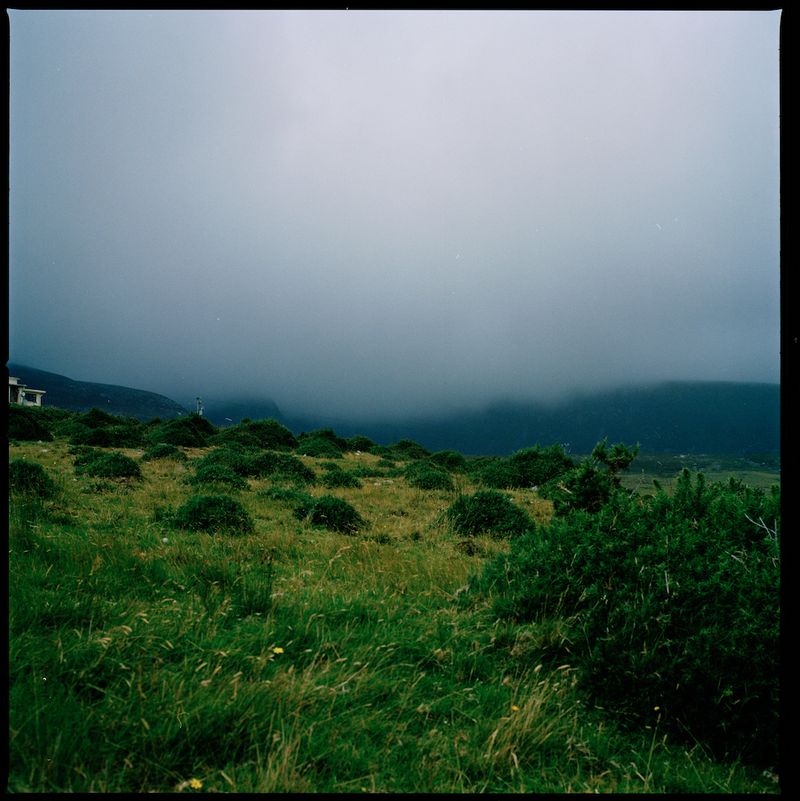
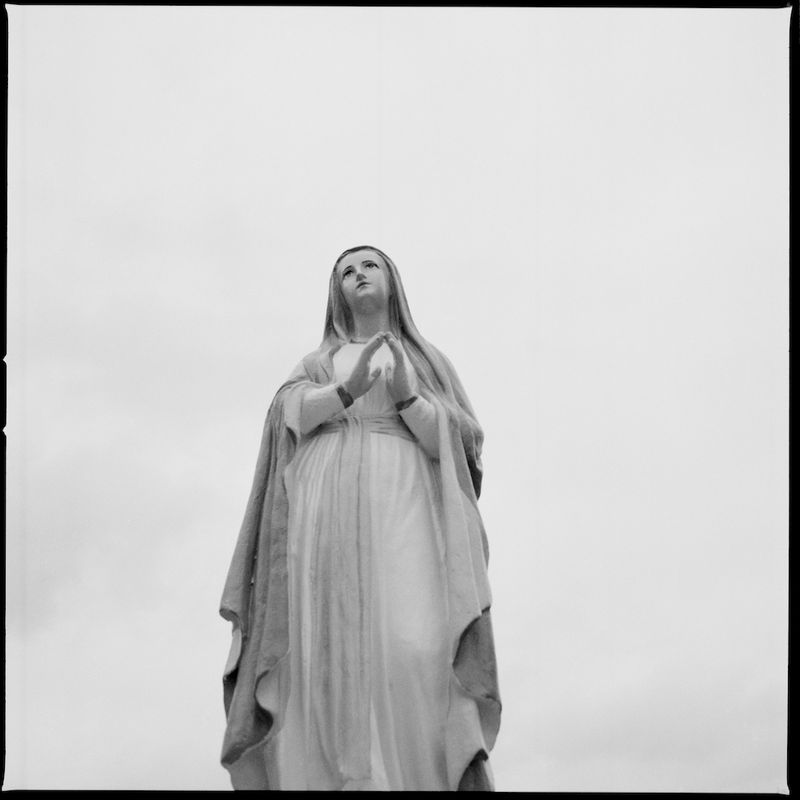
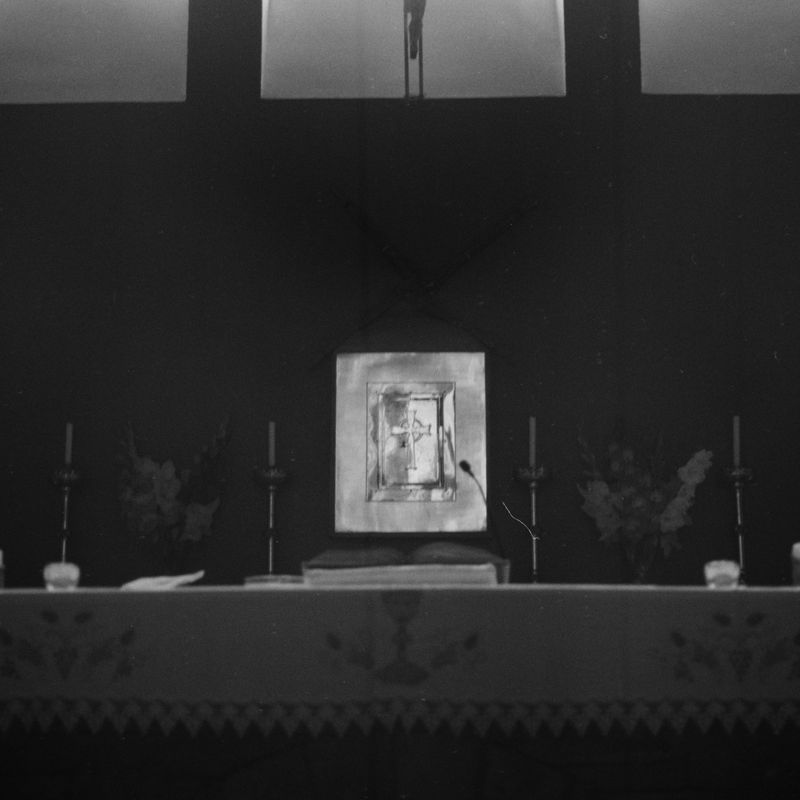
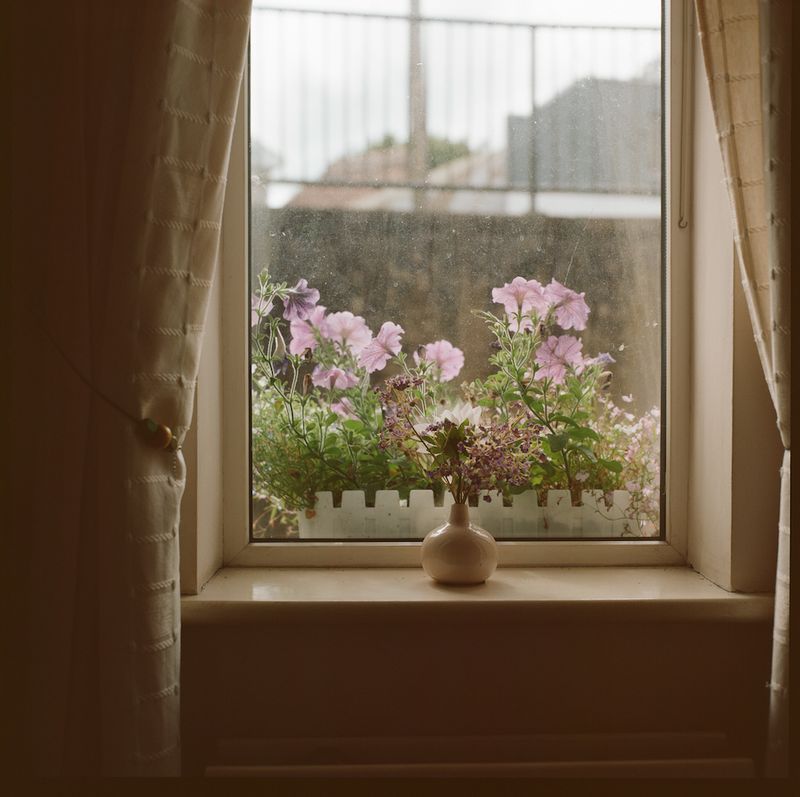
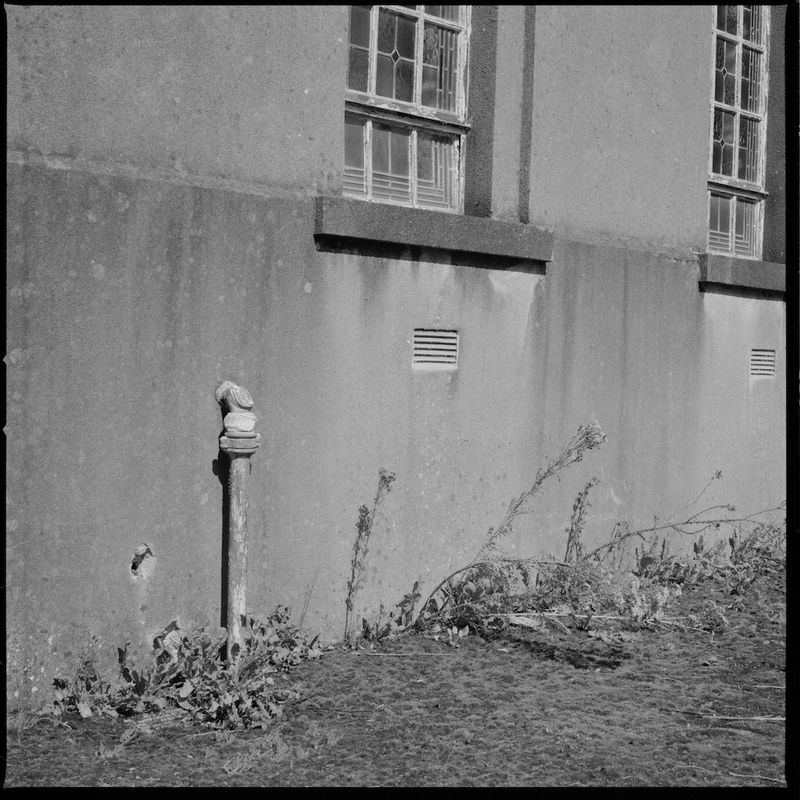
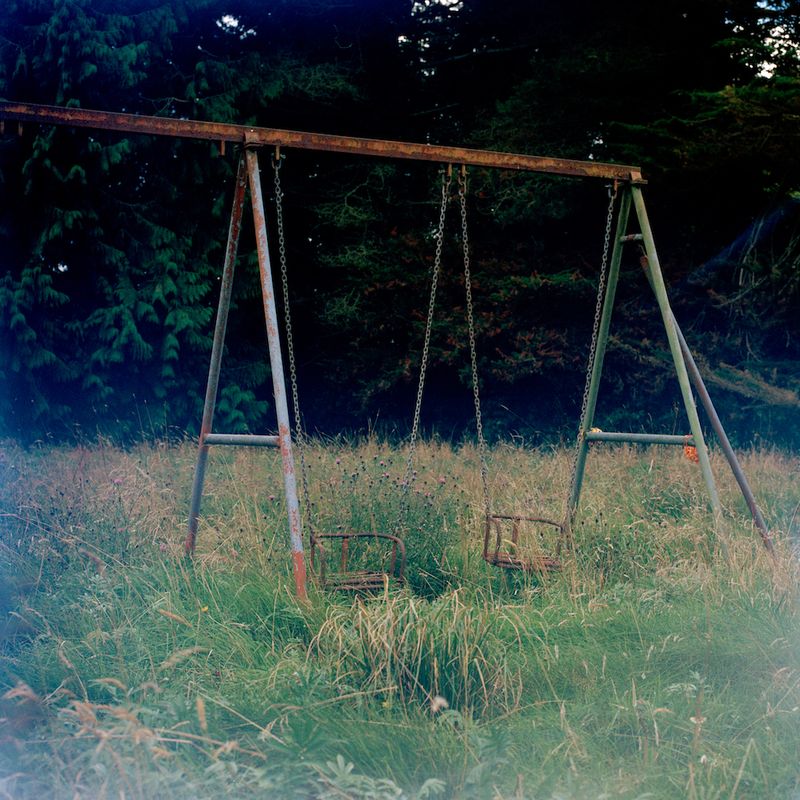
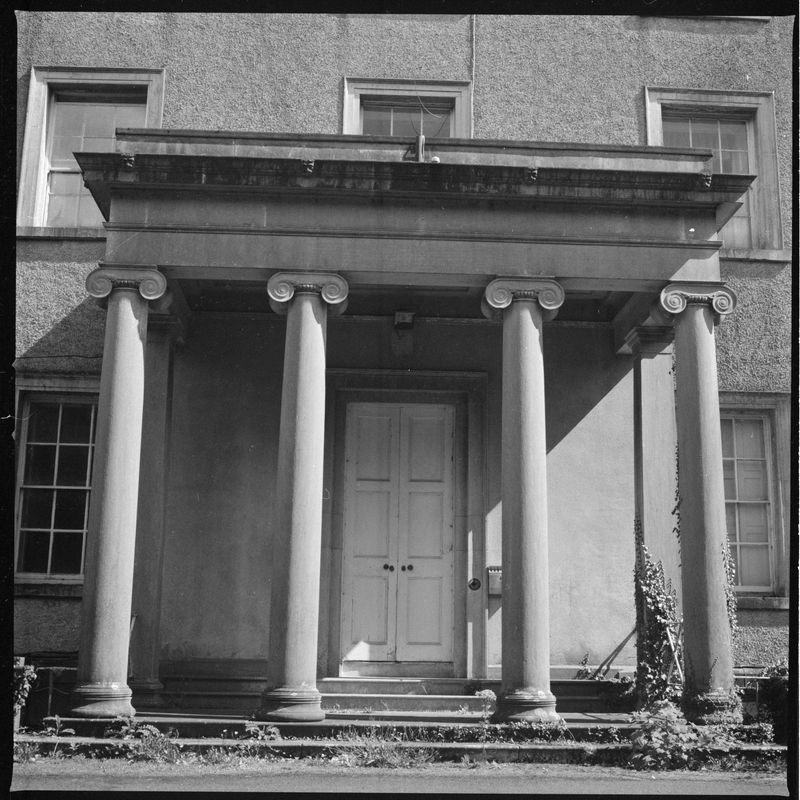
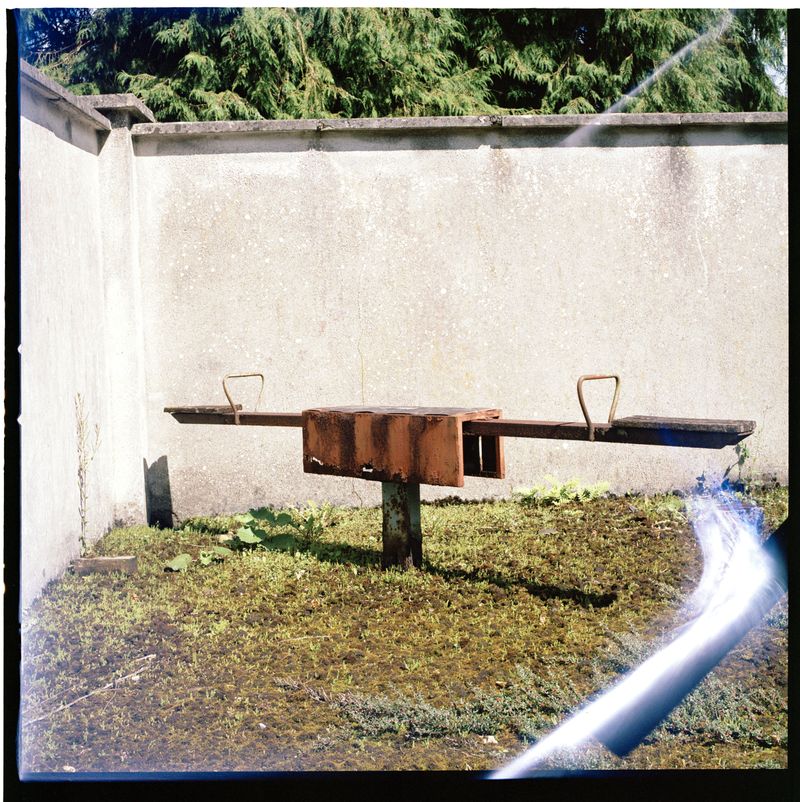
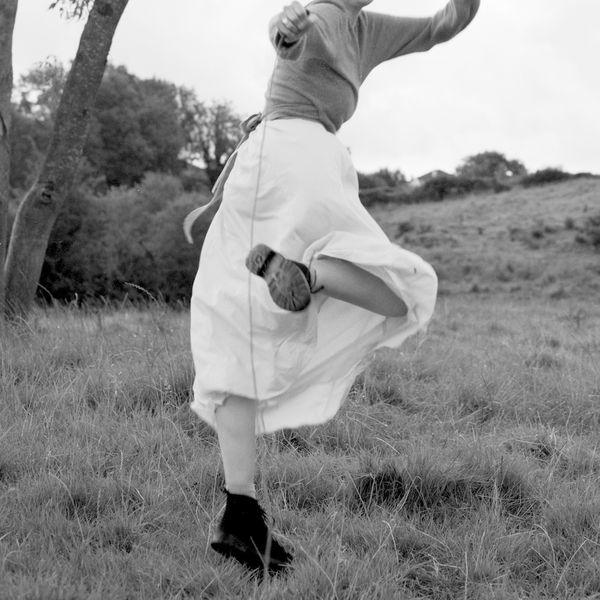
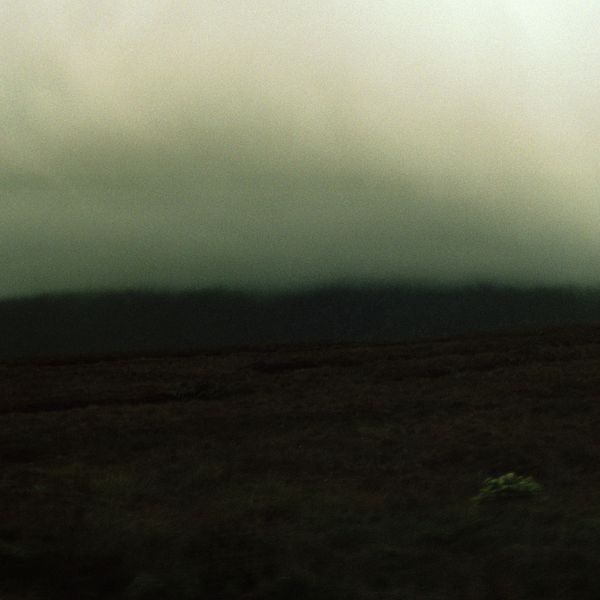
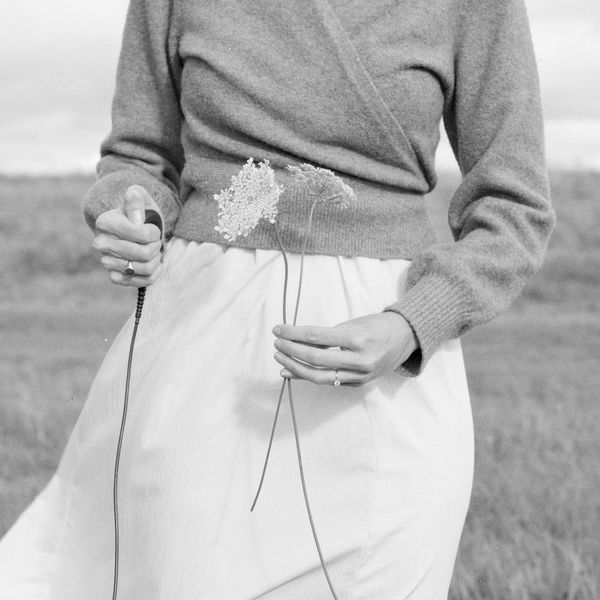
‘and then I ran’ has three elements interlaced throughout. Black and white images are performative reenactments referring to my grandmother's escape and a visual representation of loss. The colour landscape imagery brings the viewer to a specific landscape or still life to revisit a memory. Repetition lies throughout the work to nod to Freudian theories of “repetition compulsion” caused from trauma, a cycle in which you enact content that has been suppressed, repeating instead of remembering. The mixture of the three elements sit between current day and history, going back in time to discuss ideas of freedom, distress and confinement. The work discusses the oppressive conditions and psychological maltreatment experienced by women in Ireland. From 1922 until 1998, around 56,000 women and 57,000 children were placed into these homes.
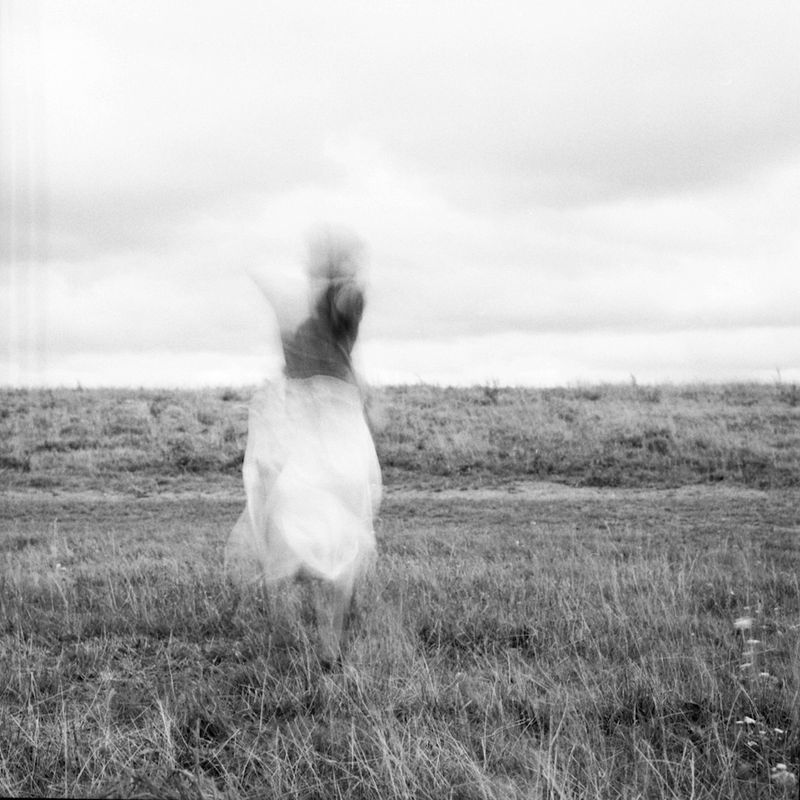
The work uses different photographic techniques such as long exposure to create blur and distortion as a nod to the loss of identity that these women had to go through. In certain homes, such as the one my Grandmother Muriel was admitted into, a practice whereby women were compelled to change their names was common. This was associated with the shame of giving birth and intended to diminish personal identity. Muriel had to adopt the name “Bernadette”, like many others who were named after female saints.
I chose not to show my face in the self-portraits as I was re-enacting my grandmother's story, while this also asks further questions regarding the loss of identity and suppression of Irish women throughout history. The long exposures convey the idea of trauma induced memory deterioration, while the re-enactments of falling resemble my grandmother's fall while she was fleeing Castlepollard mother and baby home. The image of falling also links with the historical and outdated term "fallen women", with its historical connotations associated with the strict moral values of the Catholic Church and the archaic idea of women who were unmarried and became pregnant.
Through these photographic methods, I could visualise and resurface those feelings of uncertainty and loss in a disguised form.