And Soon We March

-
Dates2025 - Ongoing
-
Author
- Location United States
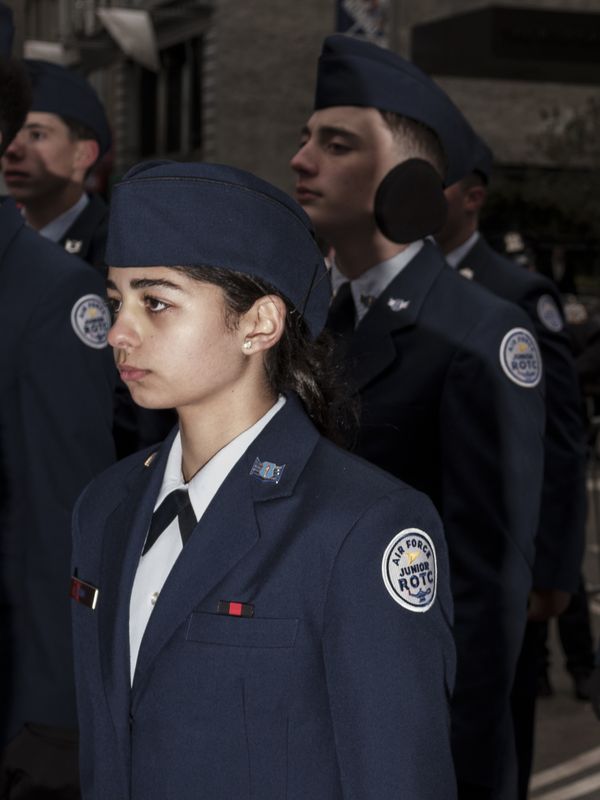
This project examines how the United States acclimates its youth to the idea of war, investigating how military presence across everyday landscapes and cultural influences shape young people's perceptions of conflict from an early age.
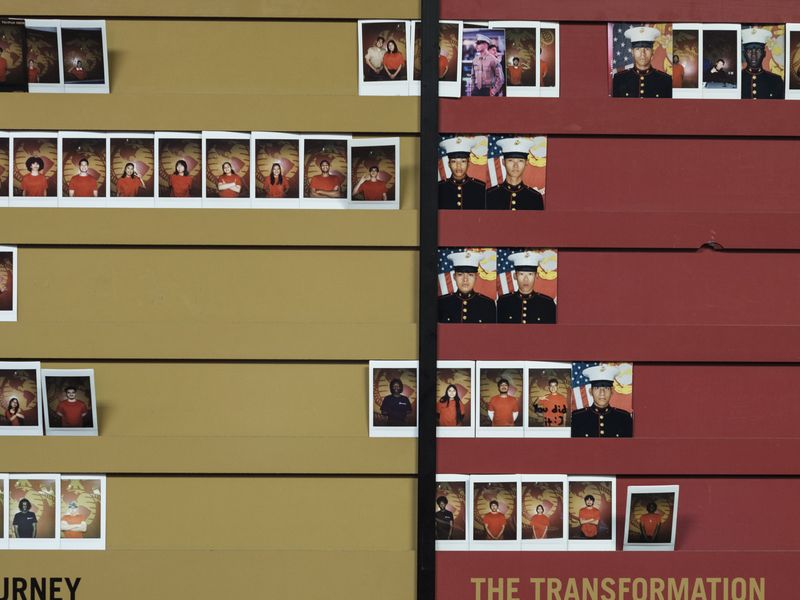
How does growing up amid a renewed national enthusiasm for military engagement subconsciously shape young people? And Soon We March examines how the United States, the world’s largest military power, acclimates its youth to the idea of war.
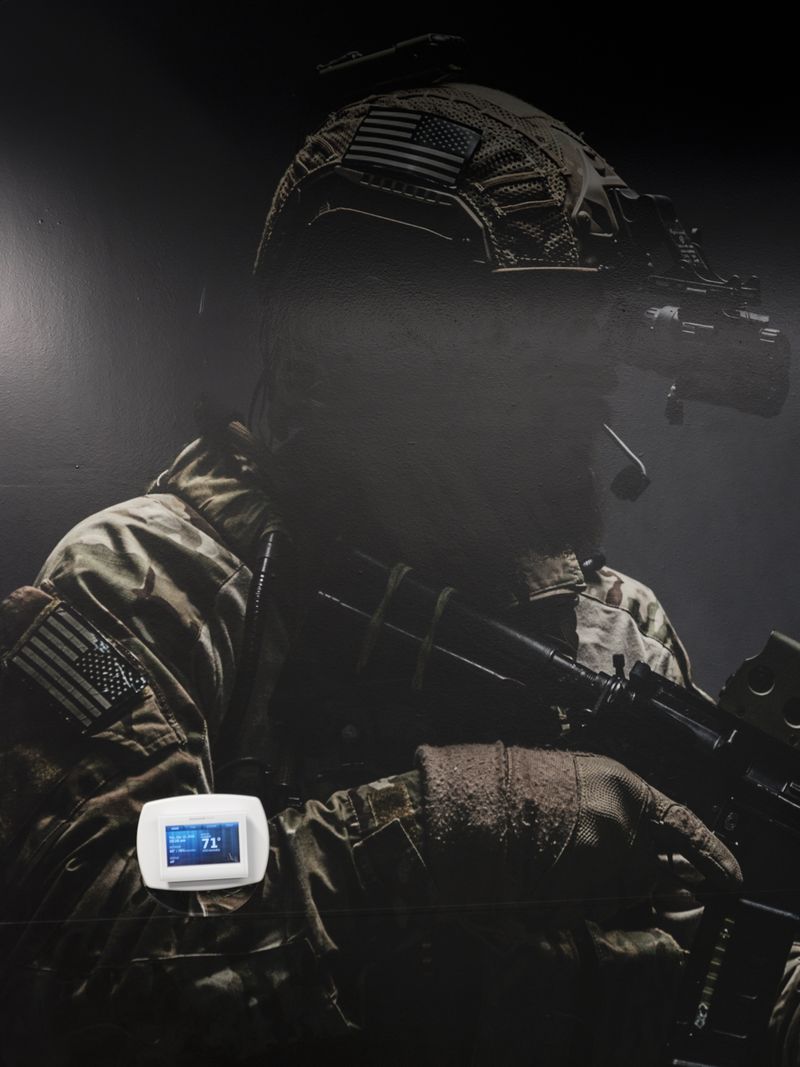
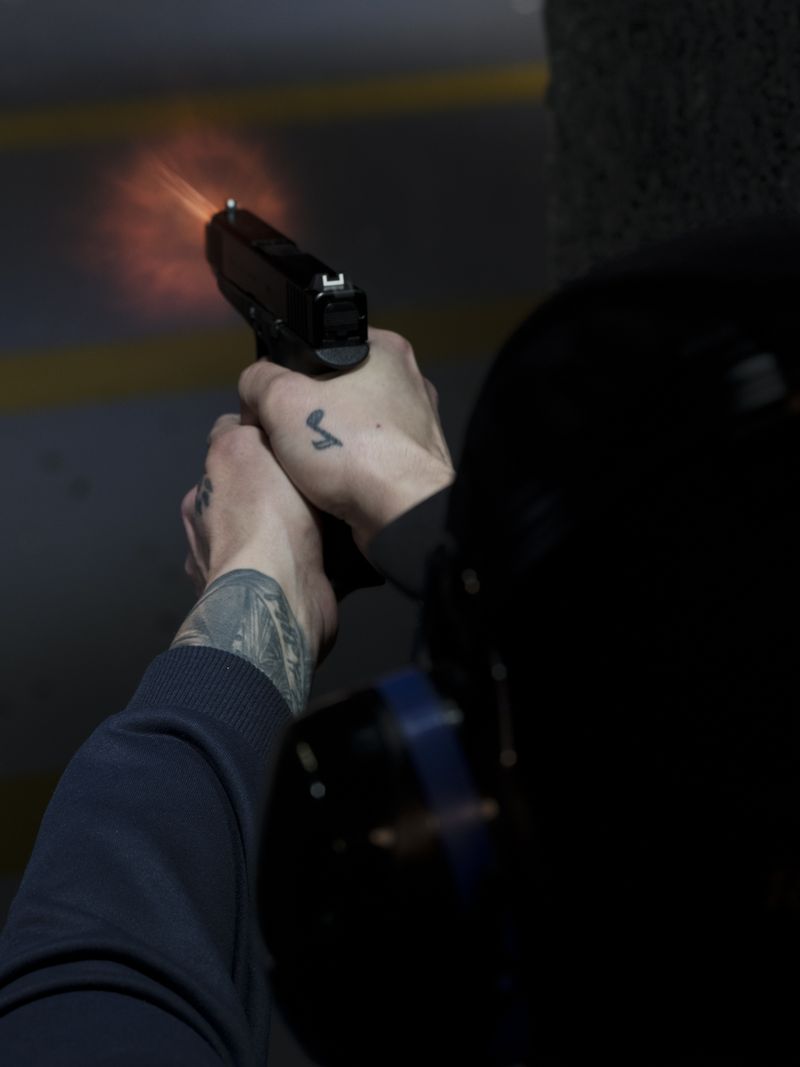
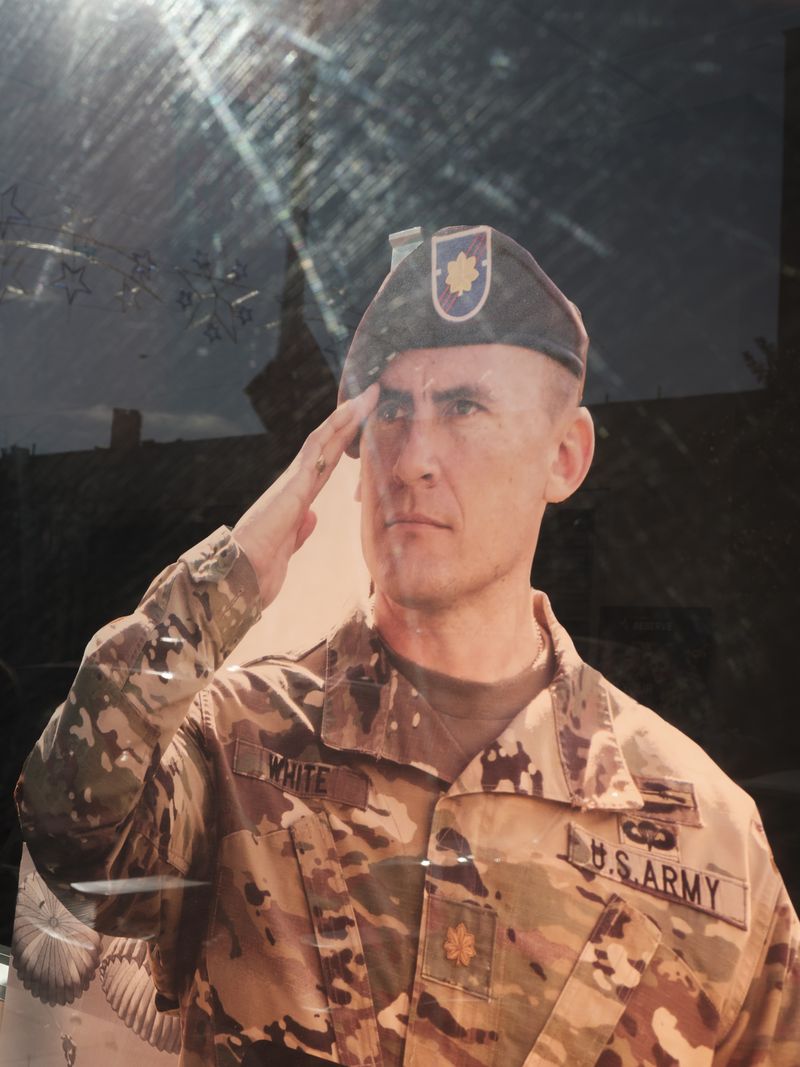
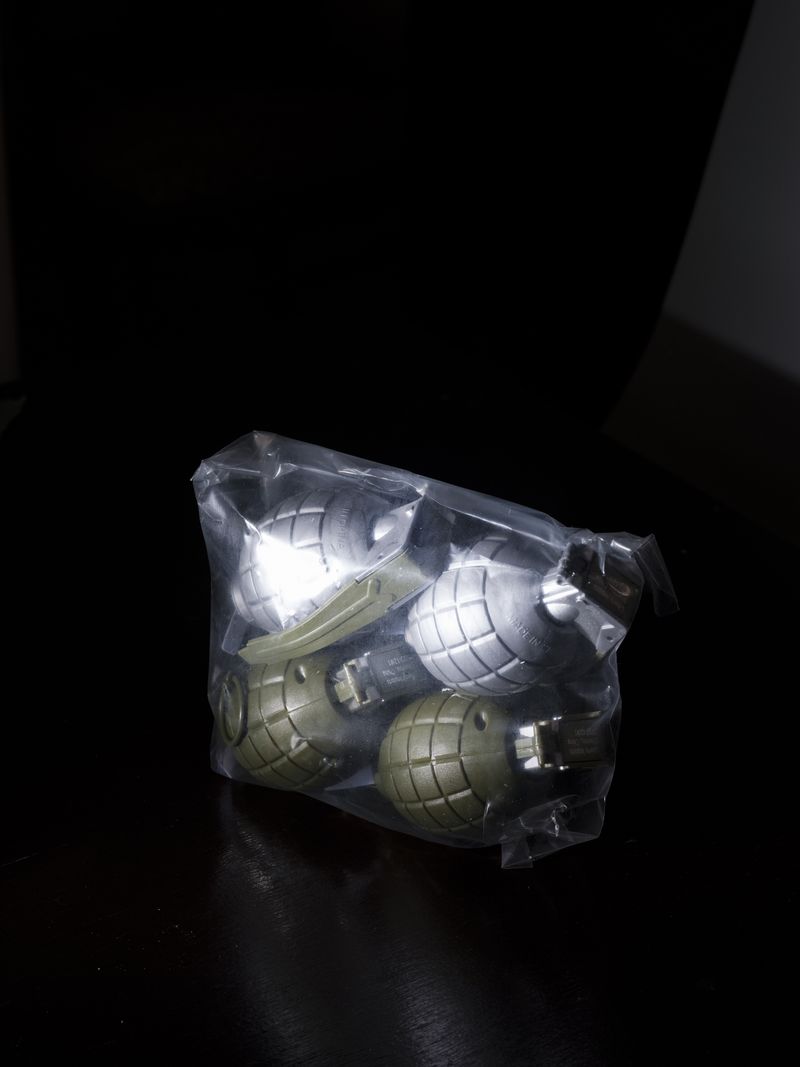
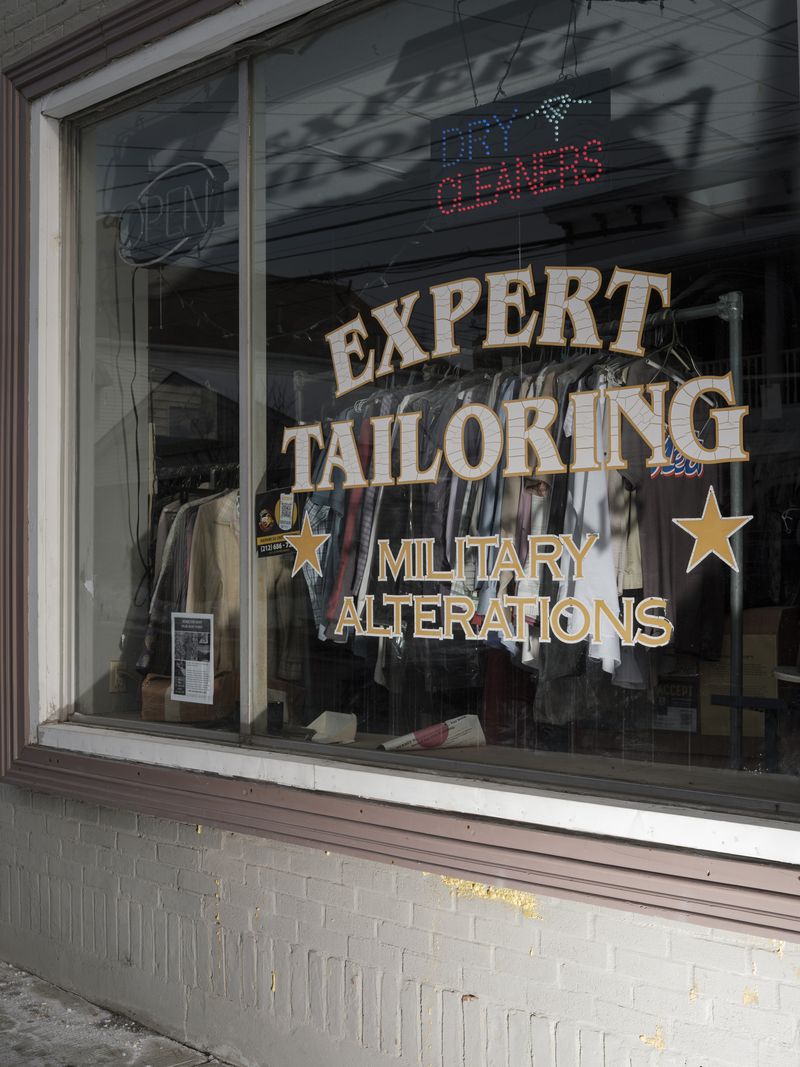
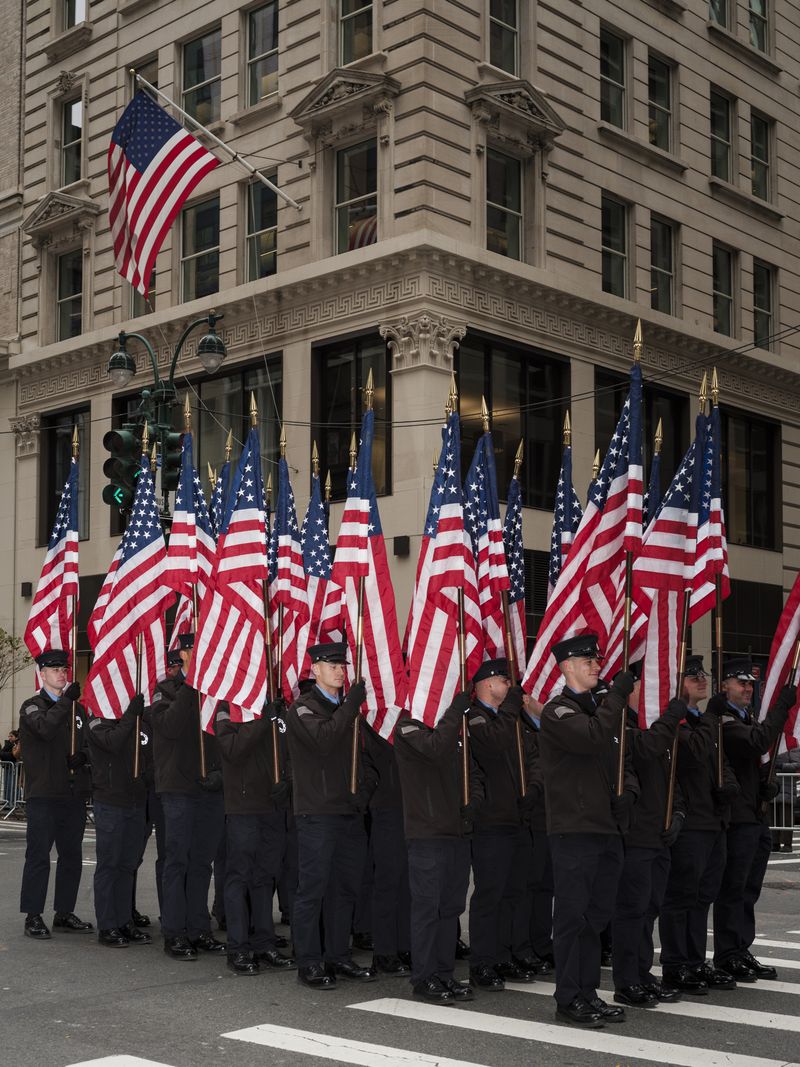
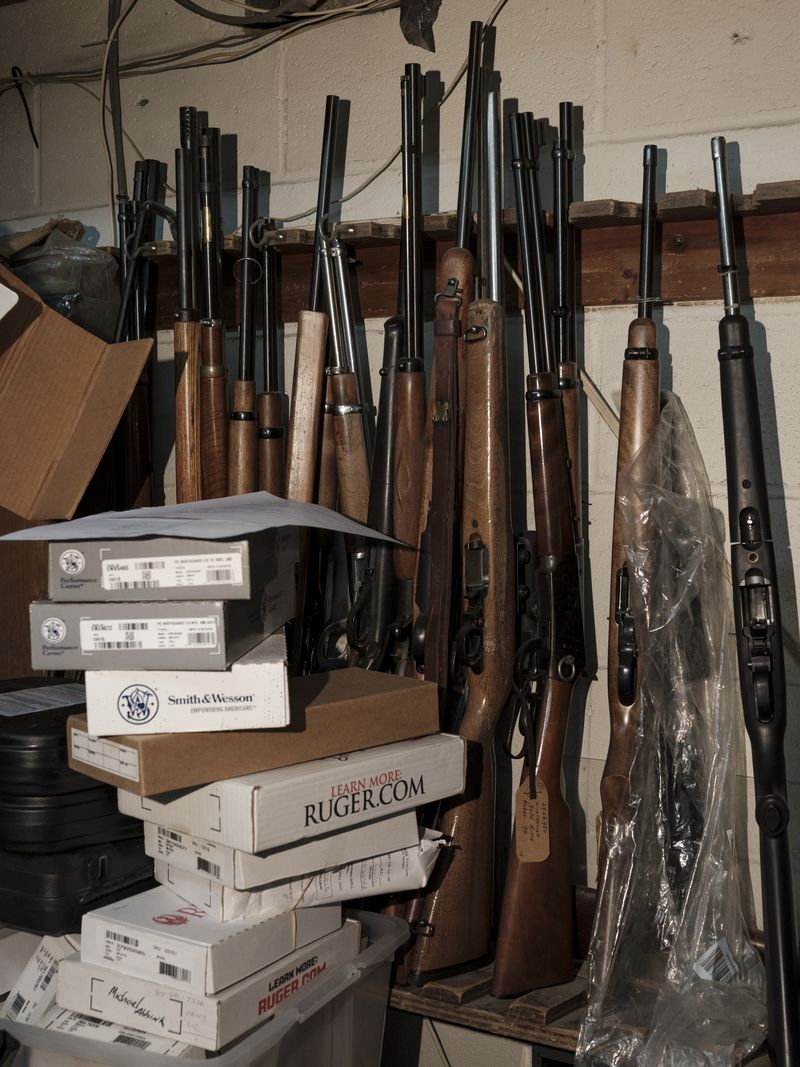
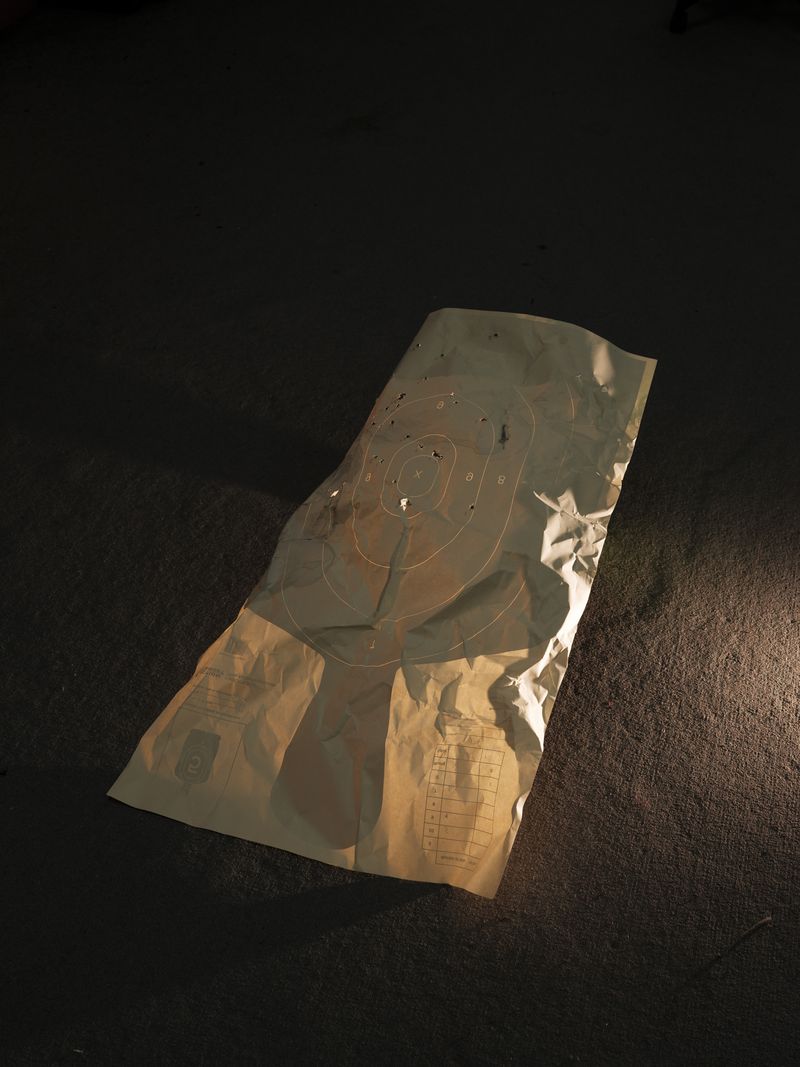
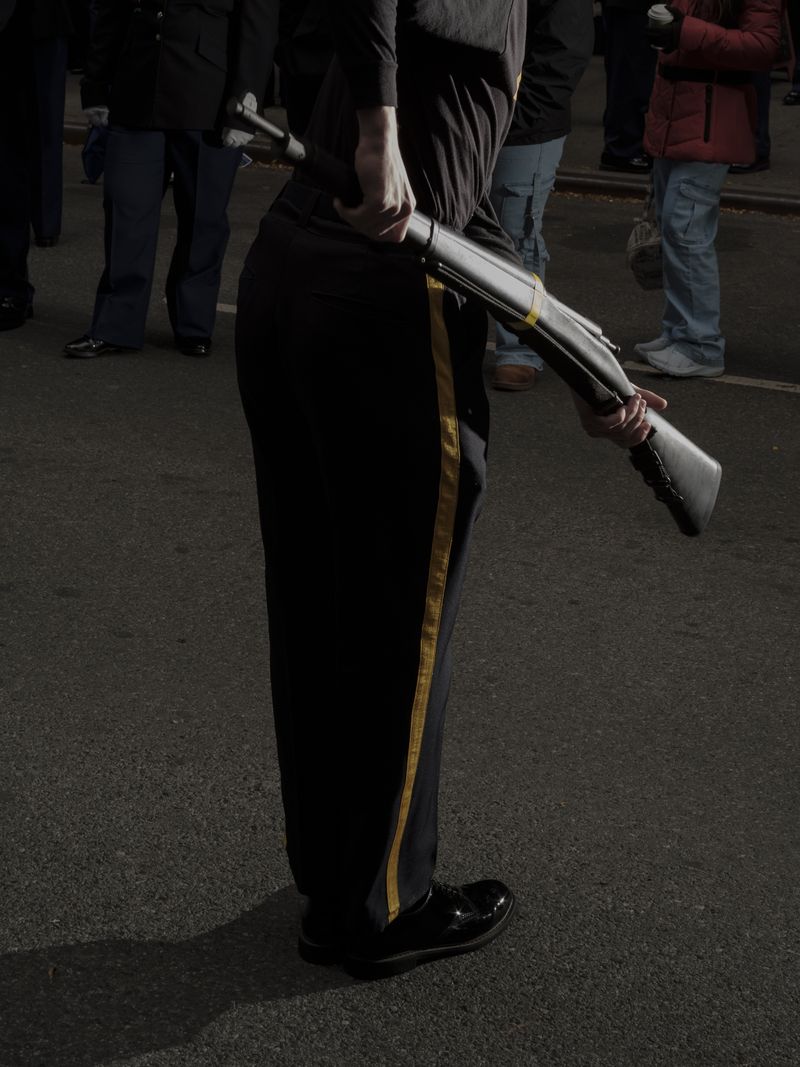
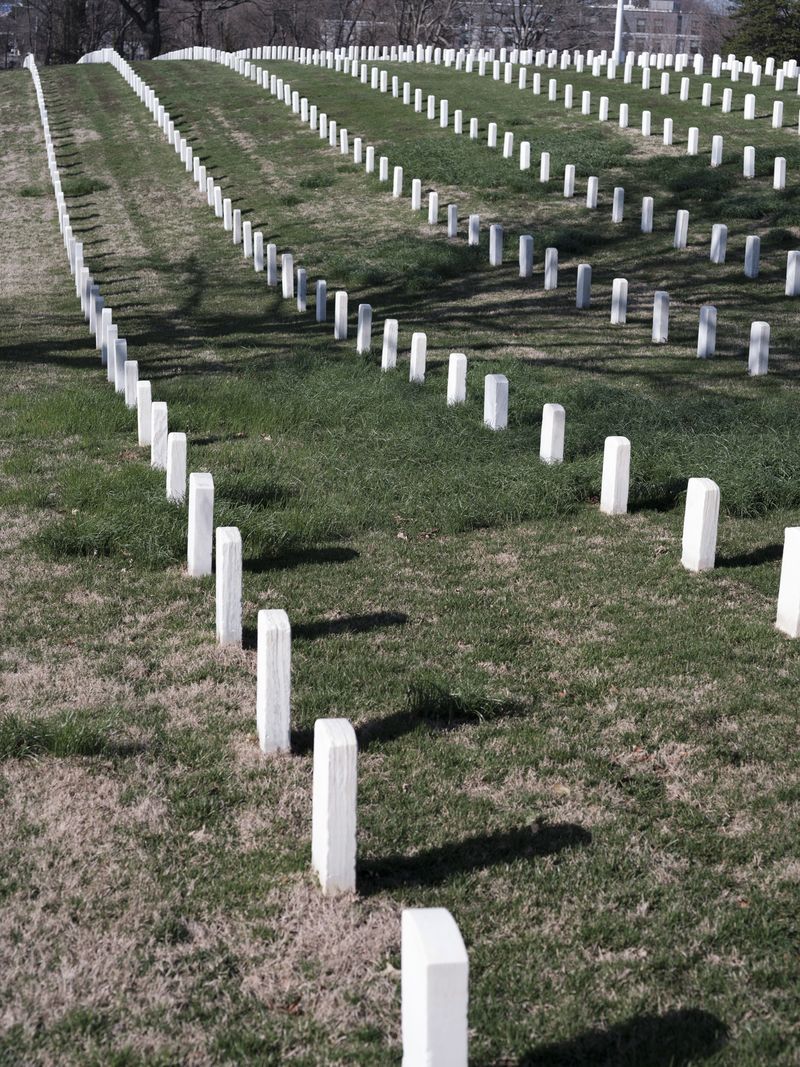
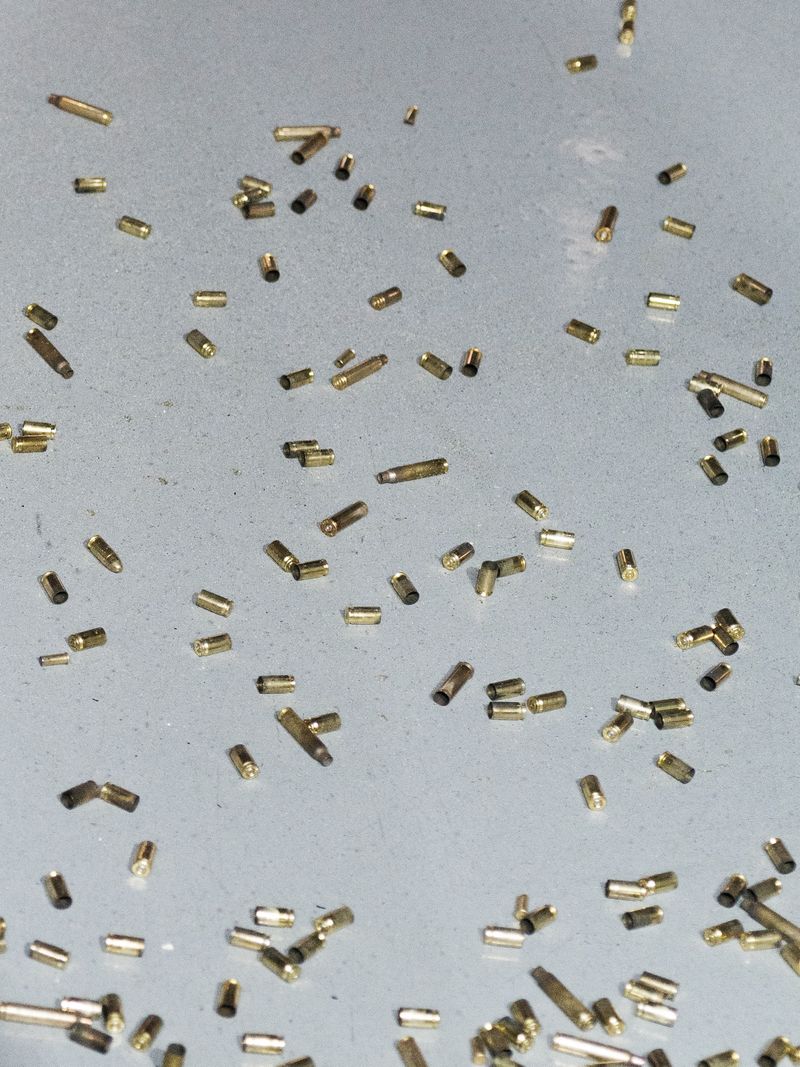
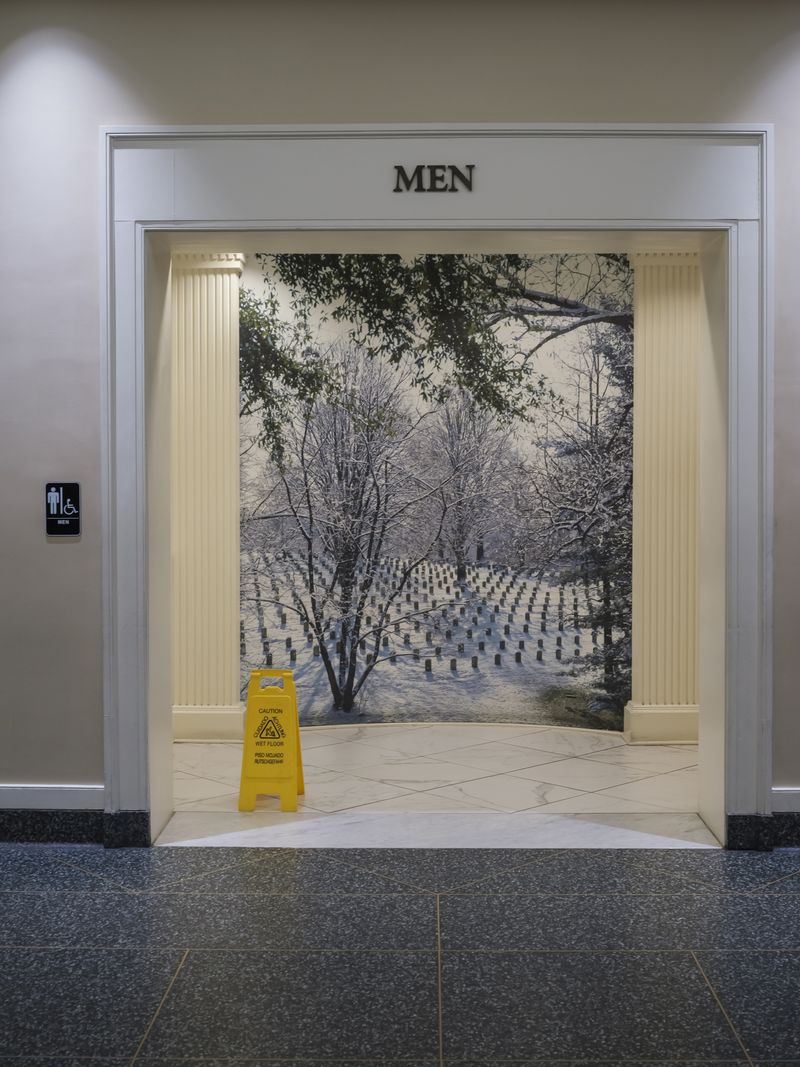
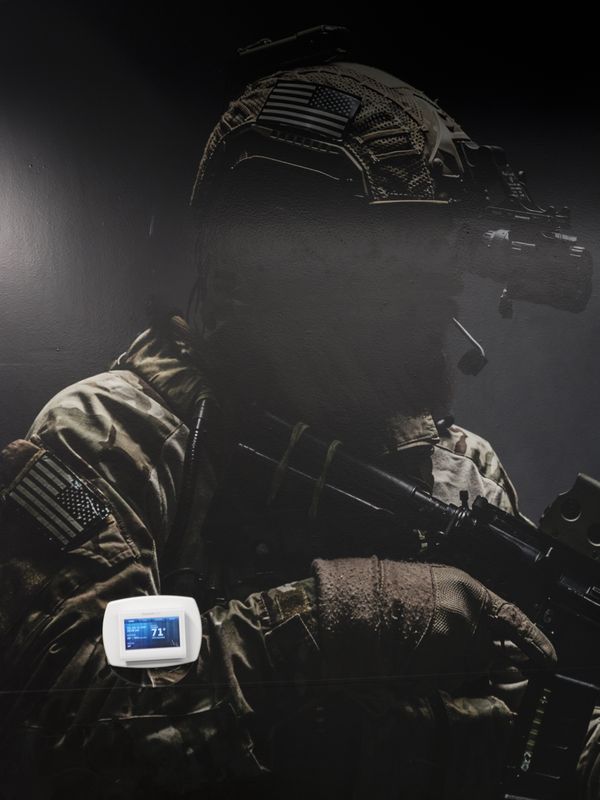
It explores where military presence and everyday landscapes intersect, and how these accumulated impressions shape perceptions of conflict. This overlap often begins with subtle, easily overlooked elements such as memorials and statues, television advertisements and children’s toys, violent video games, and Hollywood blockbusters.
Although military conflict by the United States has long been a recurring reality, the approach to it has radically shifted in recent months. Wars do not seem to need a reason, time to prepare, and lack justification.
In the fall of 2025, shortly after I arrived in the U.S. and while I was in the early stages of exploring this topic, the German government announced it would reintroduce partial mandatory military service, giving the topic a new personal urgency. That the country I grew up in, given its cruel history, could move into the direction it plans to surprised many people, including me. That urgency only grew over the course of the year, as the US administration deployed military force with little preparation and lack of congressional justification. The topic of militarization and conflict seem more present than ever before in my lifetime and I feel the need to explore further how something as cruel as invading foreign lands and killing people could become so normalized as they are today.
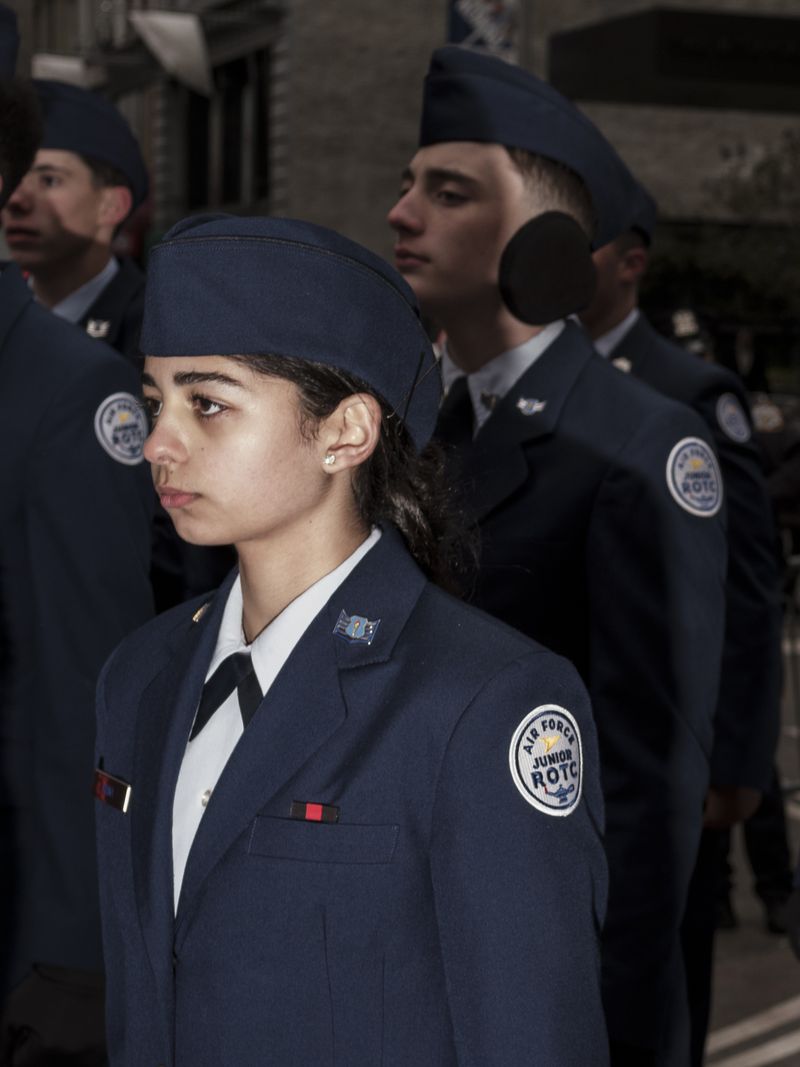
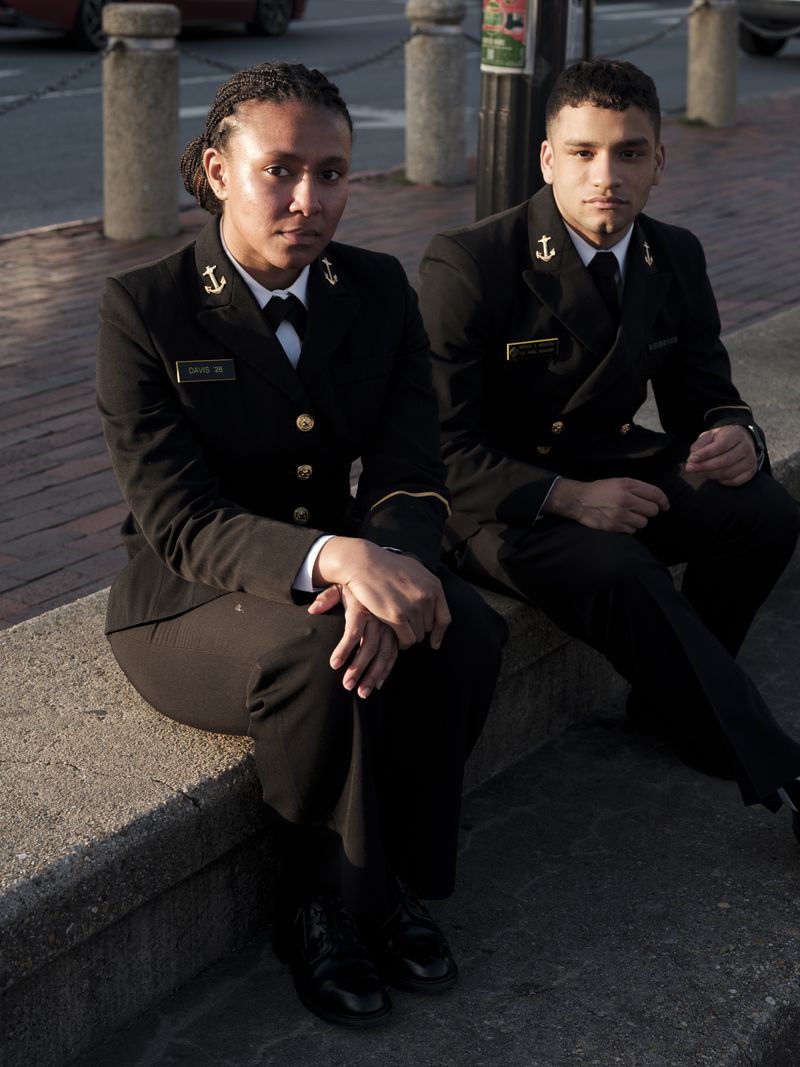
I want to expand and connect the topic to Germany, and draw connections and show differences in the culture around militarization. I will document the new recruiting process in Germany including the infastructure being built for medical inspections and training as well as meeting teenagers affected by the draft. I will make several trips to the United States, including to Texas and its neighbouring states where the military plays a bigger role in society than in most other parts of the country. There I will visit college fairs, military bases and JROTC Highschool groups. I will also set a focus on culture and how next to advertisement campaigns and their own video games, the U.S. military invests millions into Hollywood Movies and celebrities like Katy Perry in order to expand their influence.
What are the reasons behind joining an organization like the military and how does the dynamic change once it is no longer a choice?