AMERICAS
-
Dates2024 - Ongoing
-
Author
- Topics Portrait, Contemporary Issues, Documentary
- Location Playa de las Américas, Spain
Tenerife, with diverse climates, faces contrasting impacts of tourism. While the north preserves its essence, the south exploits resources for recreation. My photography explores these contrasts intimately.
Americas Series
Since I was a boy, I have traveled to Tenerife for holidays to visit my grandparents. Tenerife is an African island located on the Atlantic coast that belongs to Spain.
With a 3.715m high volcano in the center of the island, Tenerife experiences various climates. On one hand, the north has moister areas, lush green landscapes, and winding paths, while the south rests on the slope of the volcano, creating a more arid, dry, and constant climate.
During the 1960s, there was a push to develop a tourist area in the south of the island, specifically in the town of Los Cristianos, which has continuously grown. In contrast to the north, which has preserved the island’s essence with responsible cultivation and fishing, this recreational focus in the south exploits the island’s resources and offers exotic services, including casinos, shopping centers, water parks, and bars where you can drink a liter of beer for one euro.
Also known as the Island of Eternal Spring due to its privileged climate, the main tourists are English, German, Belgian, or from northern Europe, with the majority being working-class. We can even come across German-speaking schools or urban signage in English.
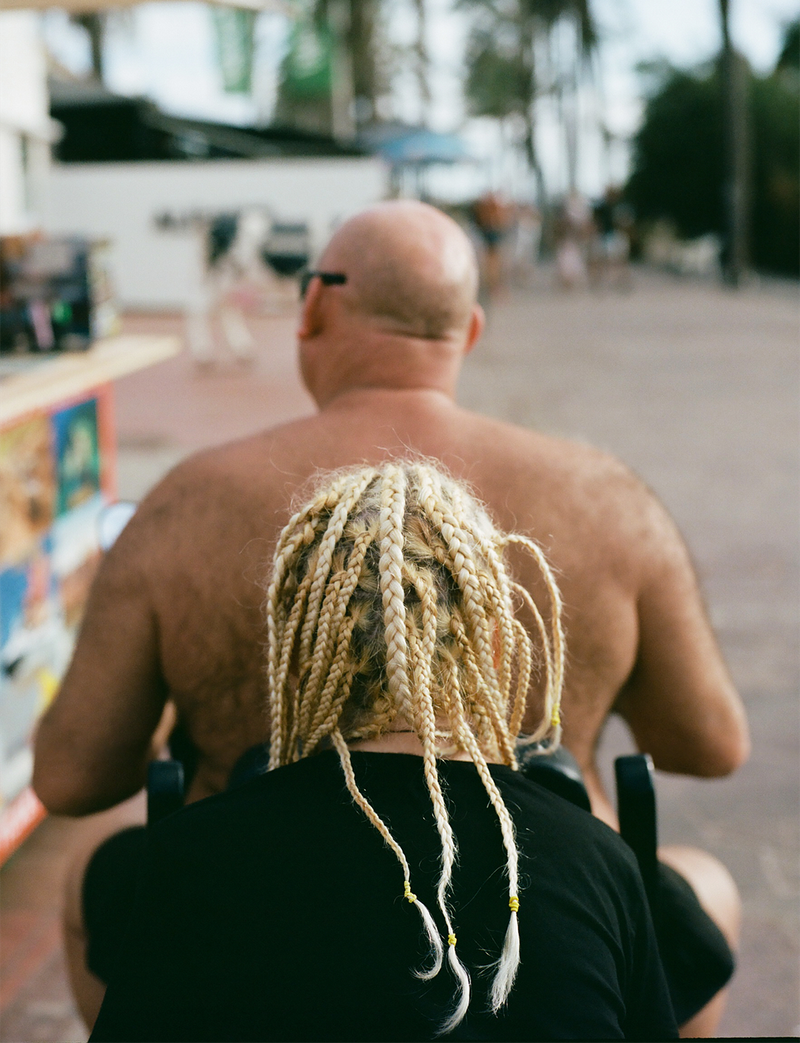
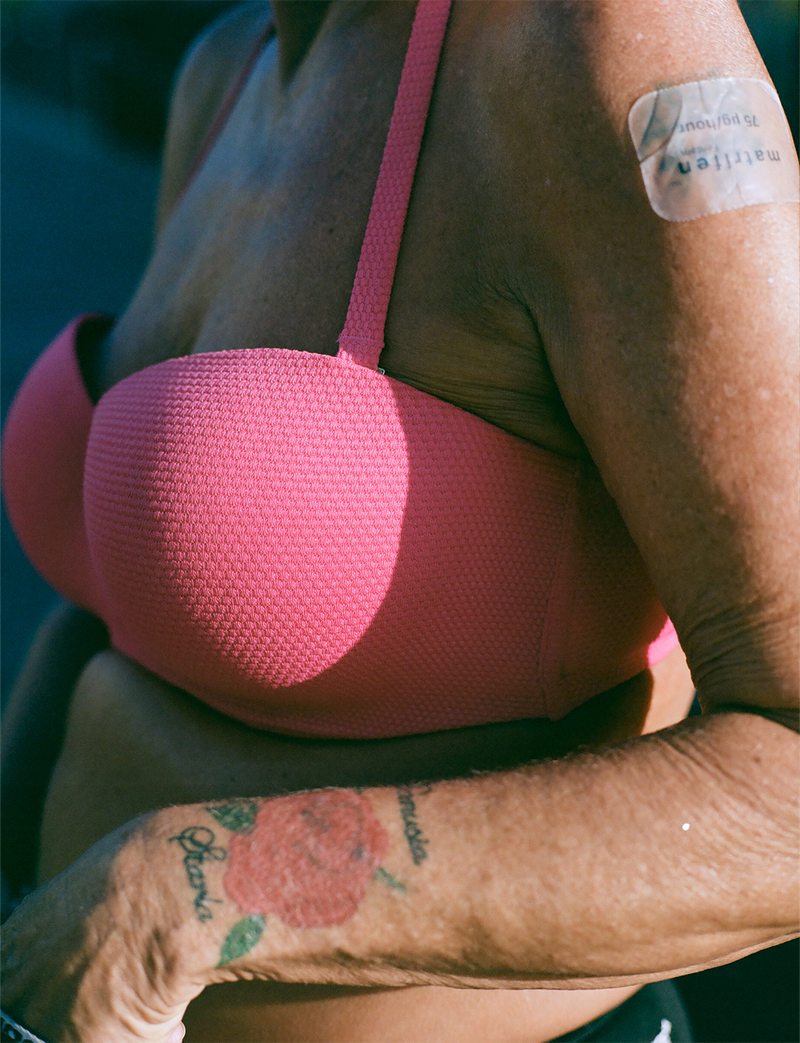
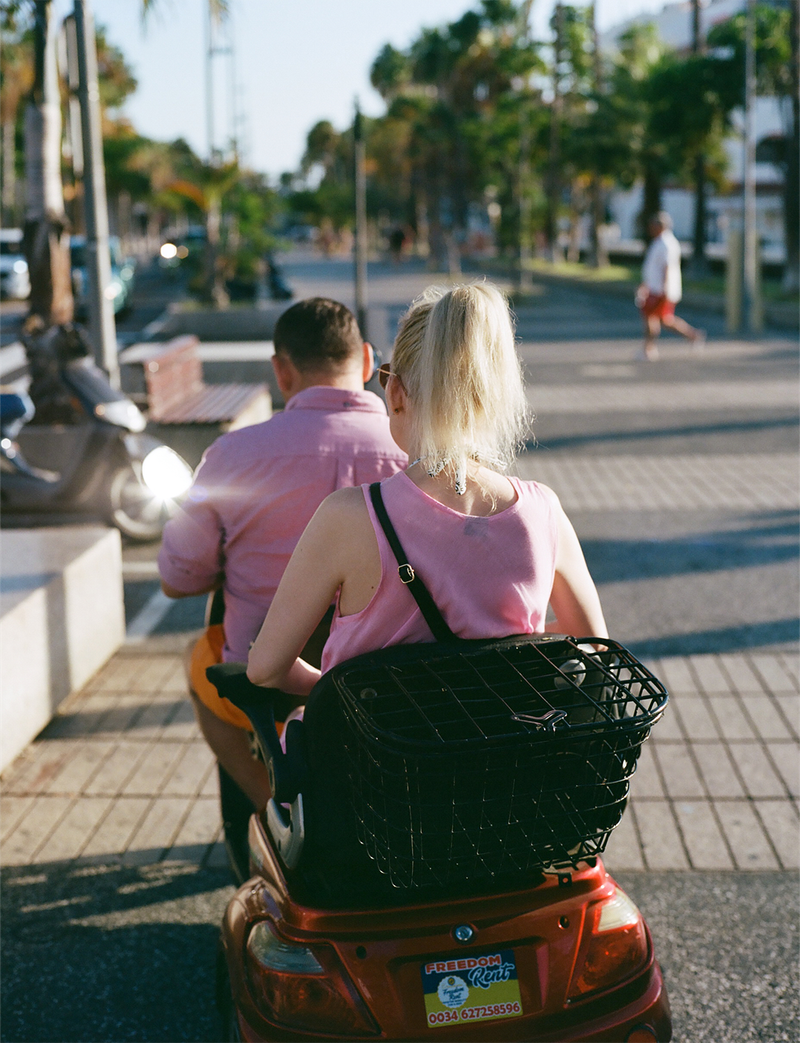
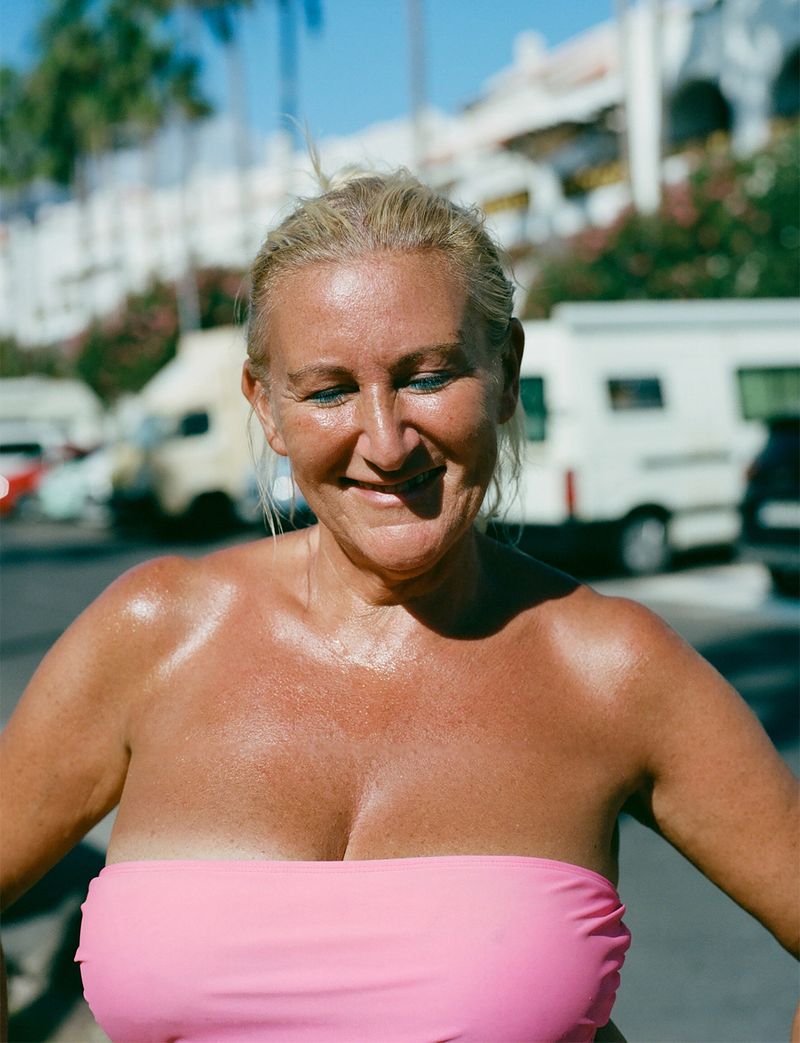
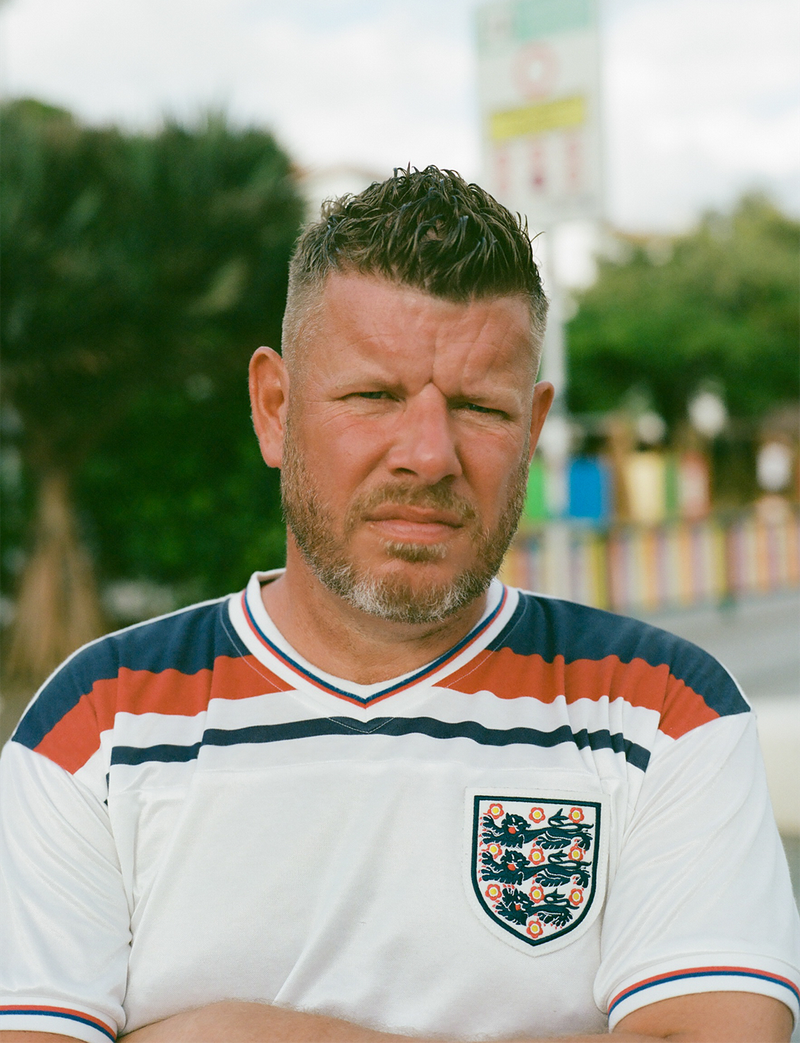
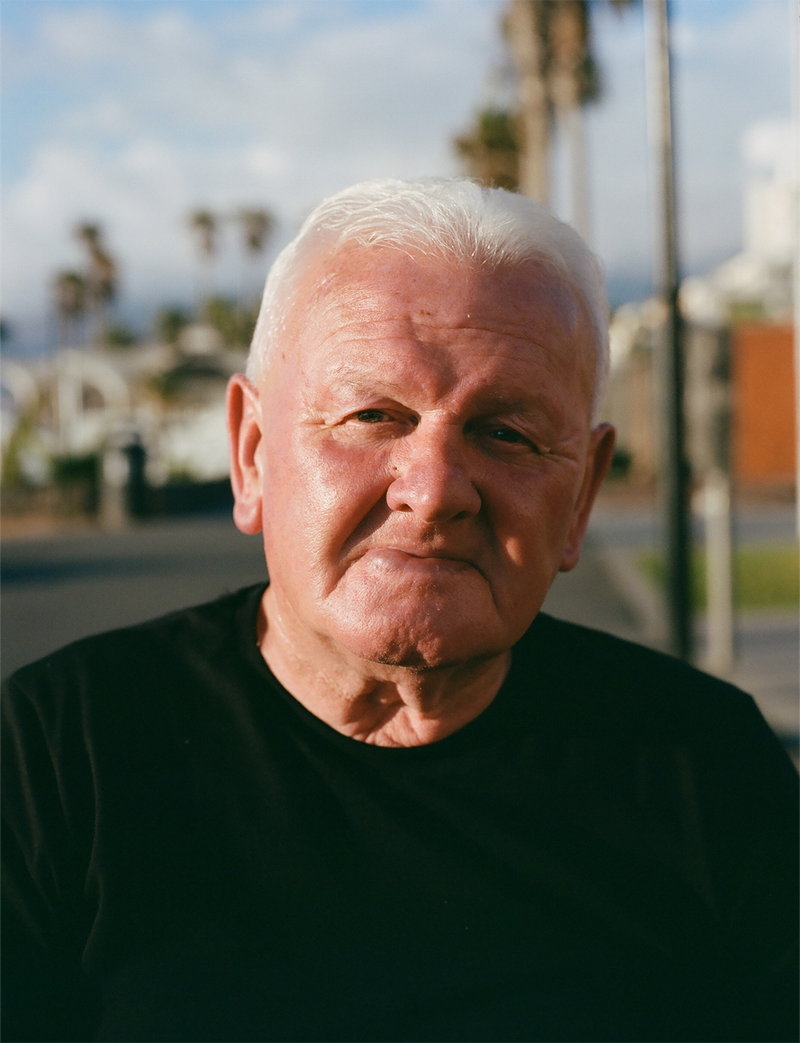
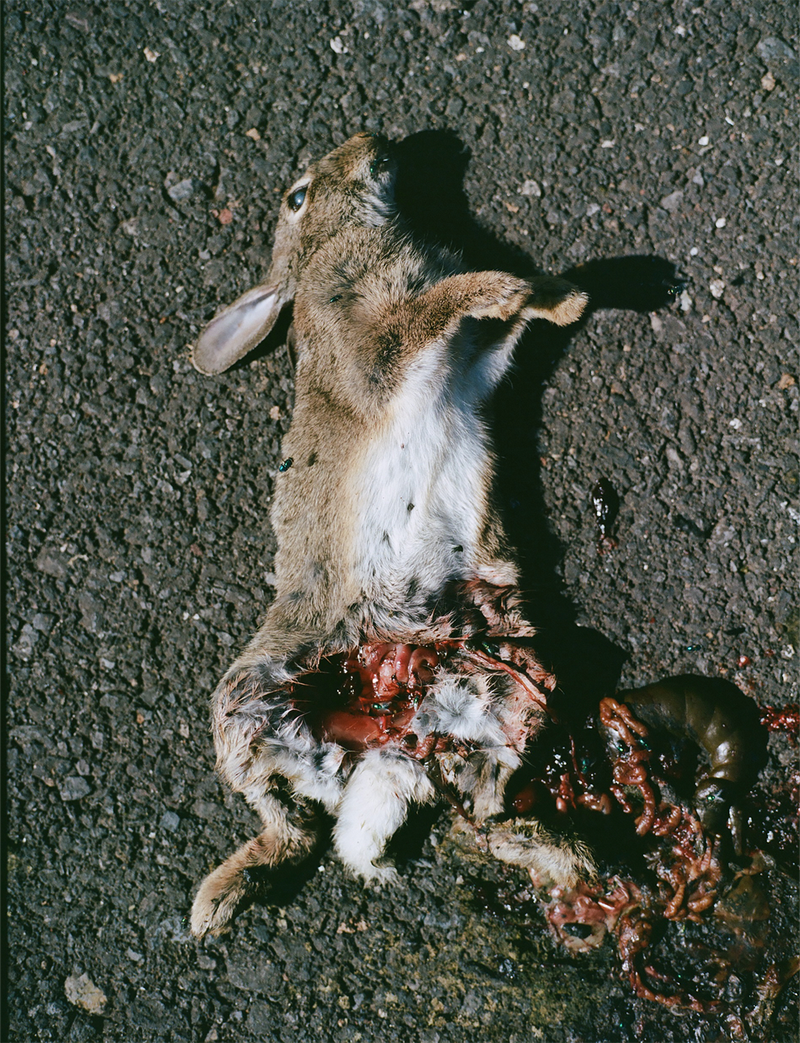
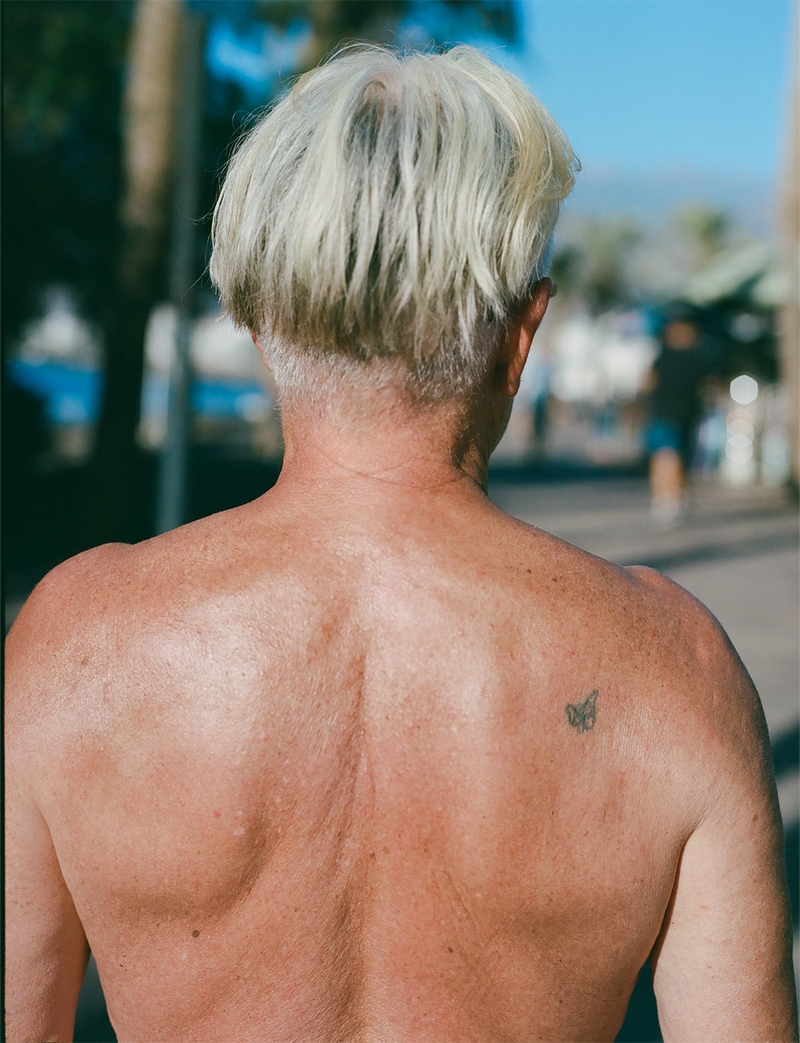
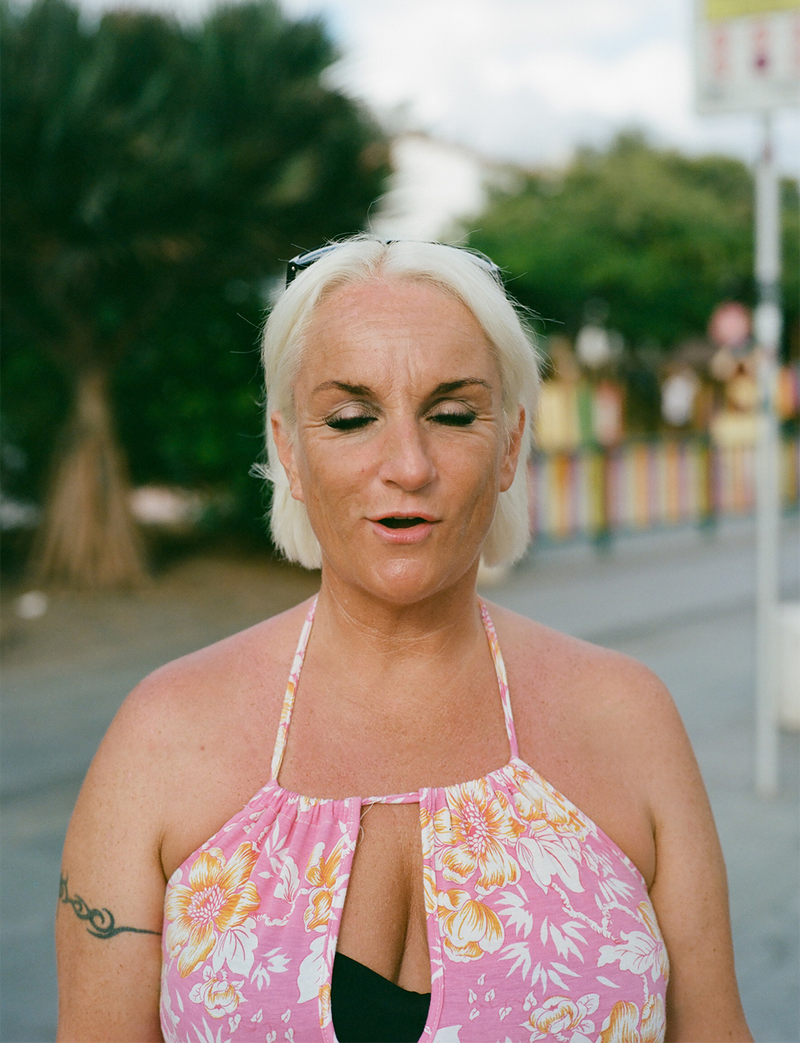
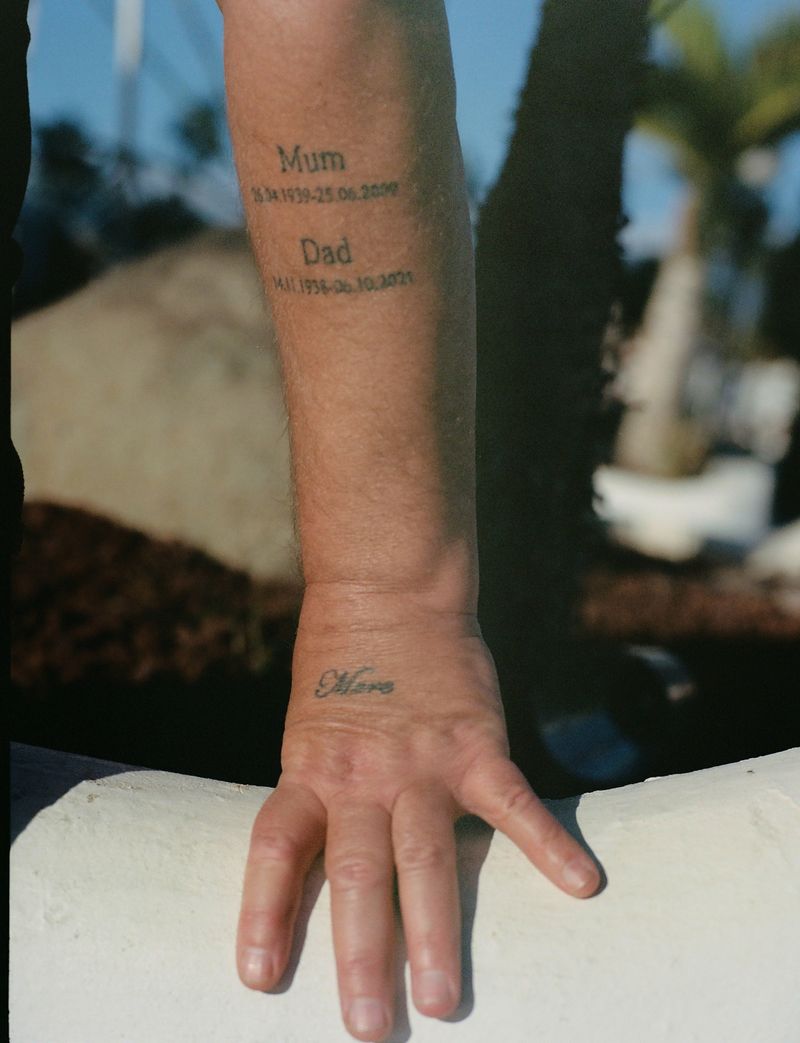
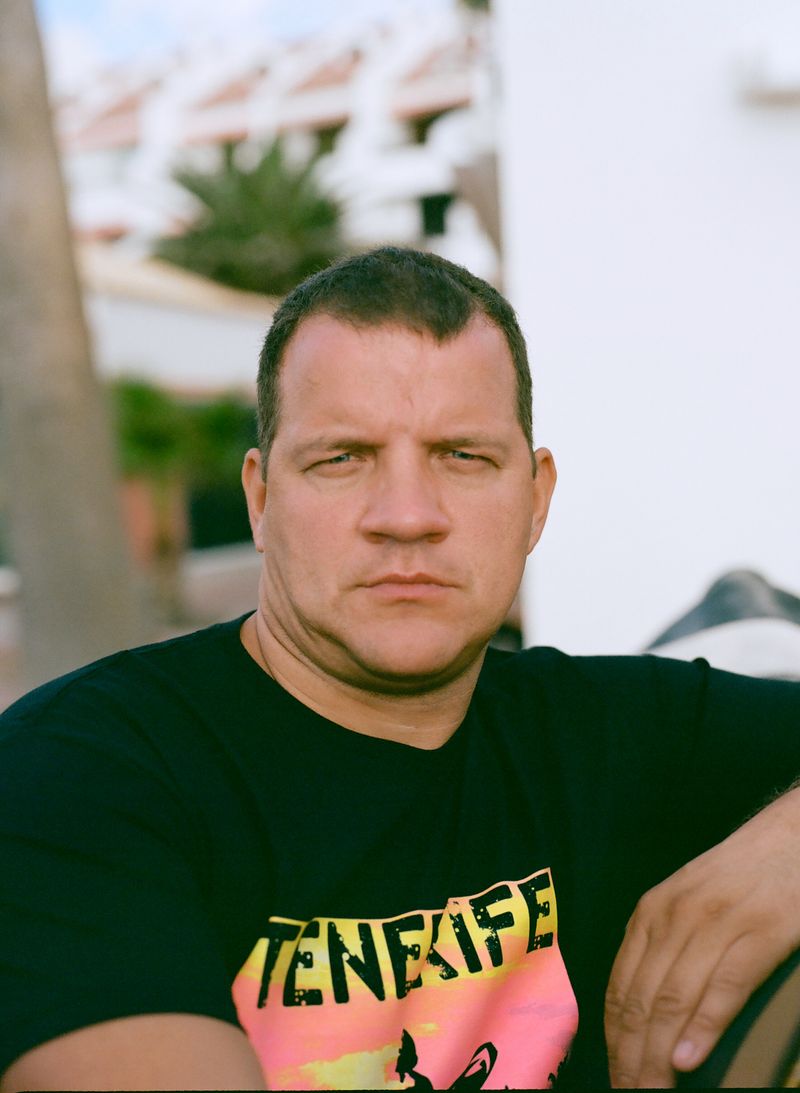
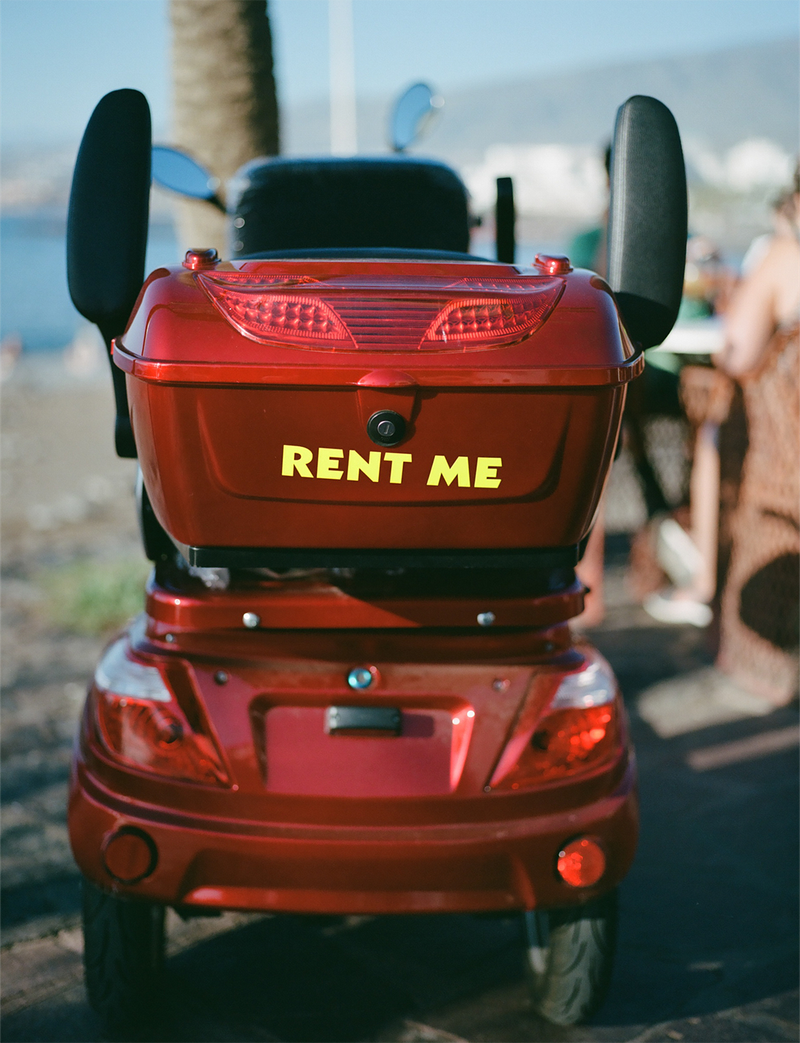
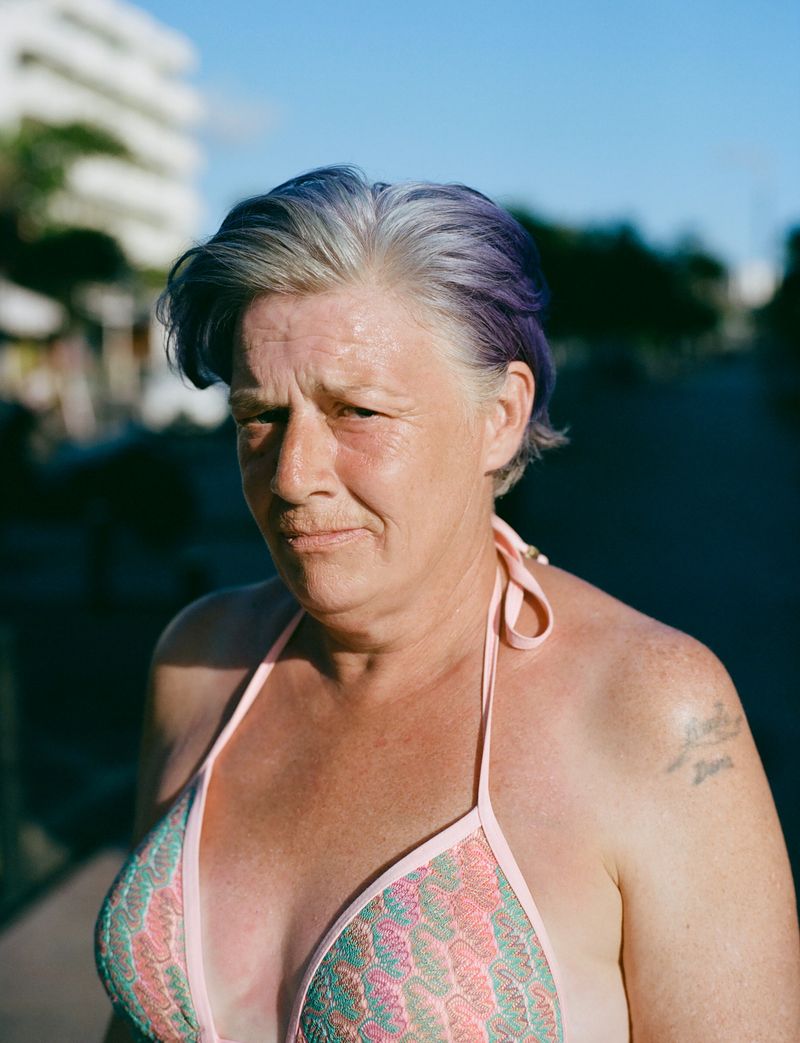
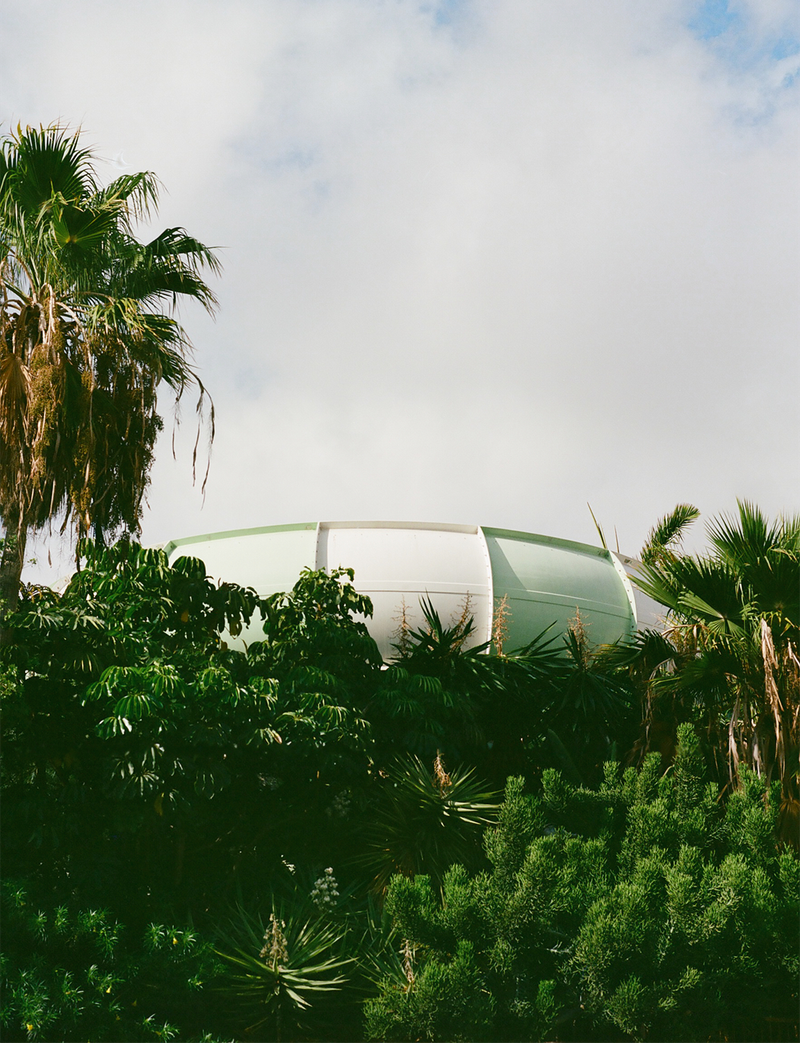
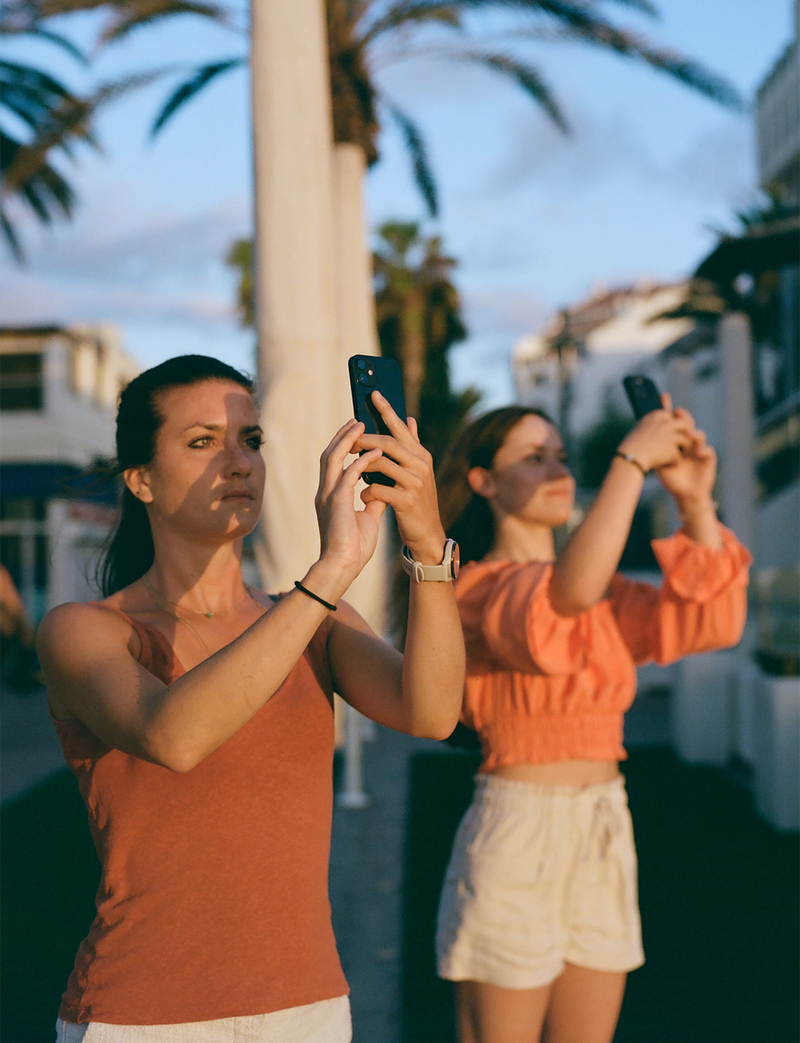
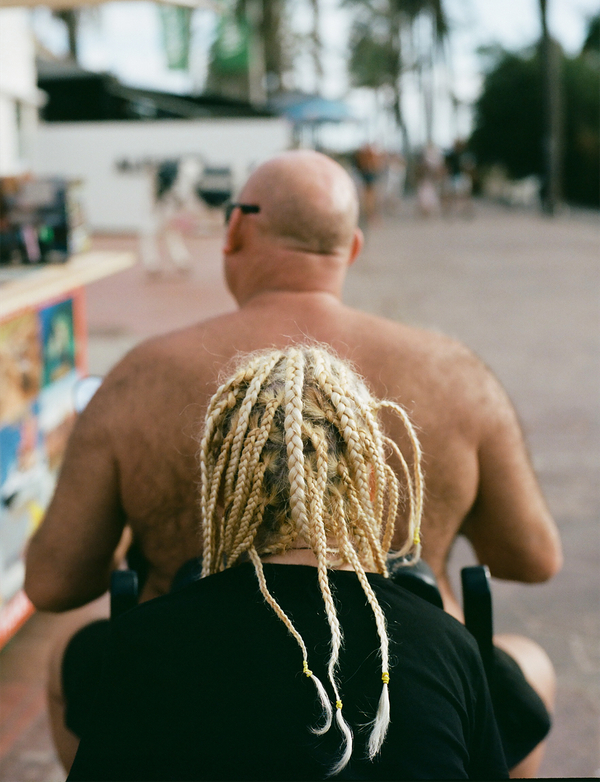
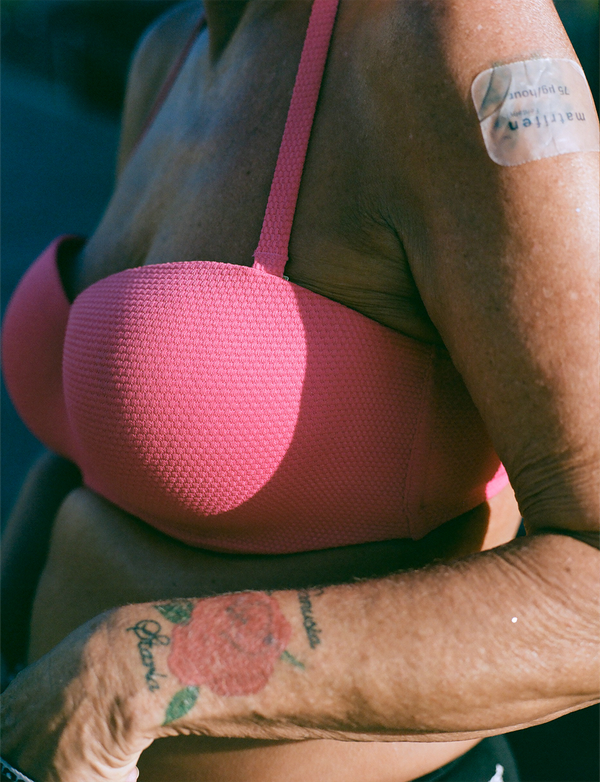
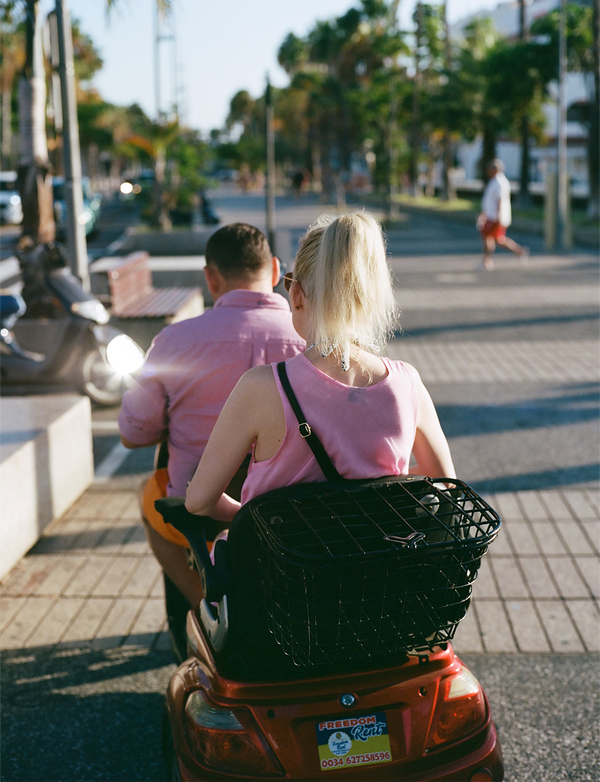
In this series, I intrusively portray the faces, tattoos, skin burns, clothing, accessories, and vehicles of tourists from these places who stroll along the beach of Las Américas, the most crowded area of Los Cristianos. Thanks to this exercise, I have been able to get closer to the individuals who come to visit the island and get to know them more intimately. In some of the photographs, I have aimed to distance myself from the visitor and capture other invasive elements in the environment or collateral effects of this type of tourism.
All pictures were taken in 120mm film.