Alquimia Textil

  • Dates
    2024 - 2024
  • Author
  • Topics Documentary, Fashion, Fine Art, Nature & Environment, Portrait
  • Location Cusco, Peru

Alquimia Textil is a collaborative project with María Lucía Muñoz documenting natural dyeing by artisans in Cusco. It highlights ancestral techniques, material processes, and embraces unpredictability as a poetic resistance to industrial standardization.

Alquimia Textil is a collaborative exploration project created alongside fashion researcher and designer María Lucía Muñoz. The work documents natural dyeing techniques practiced by the women artisans of Pumaqwasin, in Chinchero, Cusco.

The project seeks to give visibility to, and help preserve, these ancestral dyeing methods and techniques that require meticulous hours of manual labor and often go unnoticed within the broader textile industry. As traditional processes are increasingly being displaced by industrial methods, we aim to highlight their value and significance by revealing each stage of the dyeing journey. The work also fosters a direct connection with the local community and honors the artisanal labor behind these practices.

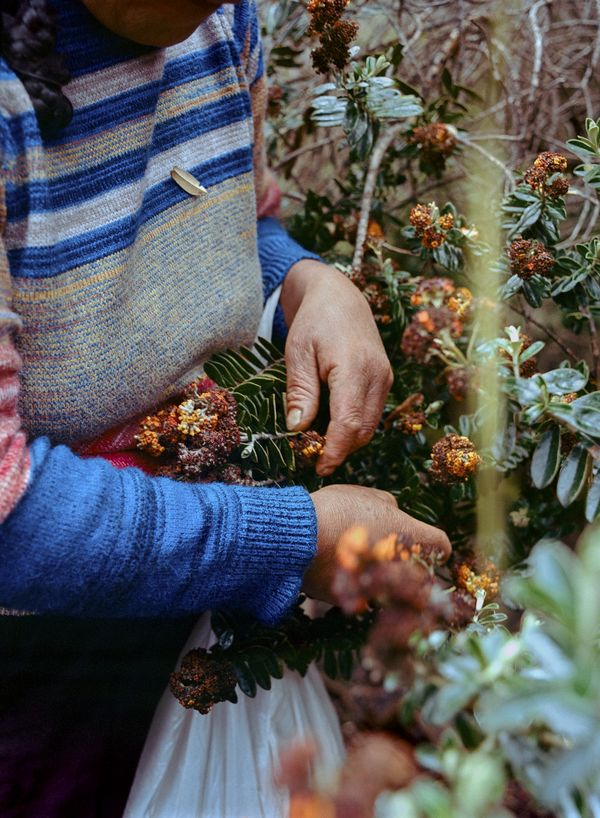
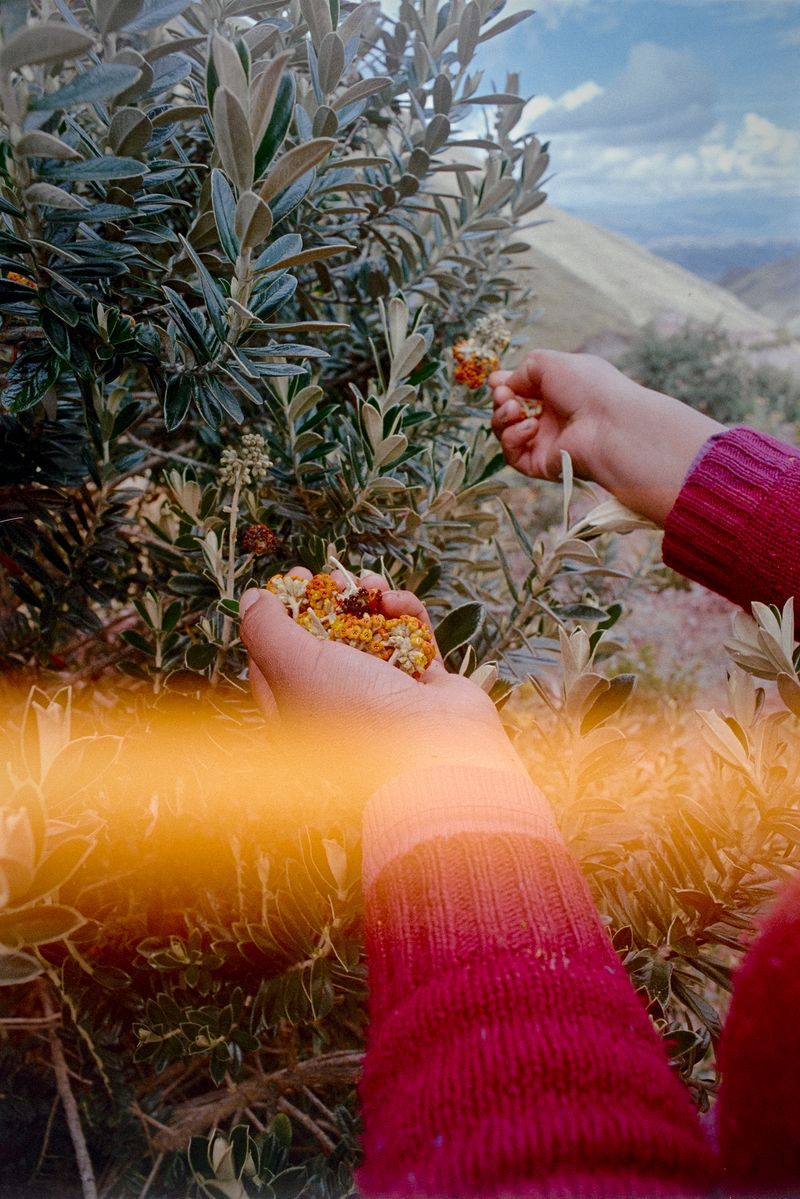
The photographs feature three natural dyes traditionally used in the region: qolle (Buddleja coriacea), a shrub or small tree whose flowers yield a range of yellow tones; ch’illka (Baccharis species), whose leaves and stems produce ochre and green hues; and the well-known cochineal (Dactylopius coccus), a small insect native to the Andean valleys, from which a wide spectrum of reds can be extracted, ranging from scarlet to crimson to deep purple.

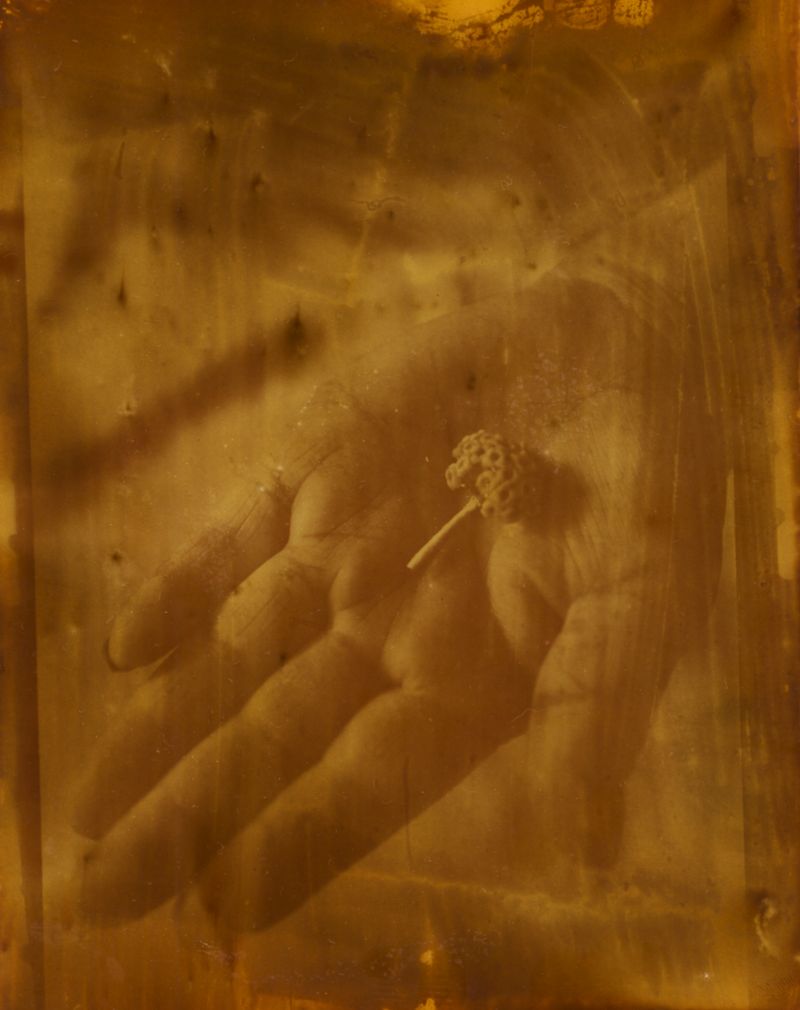
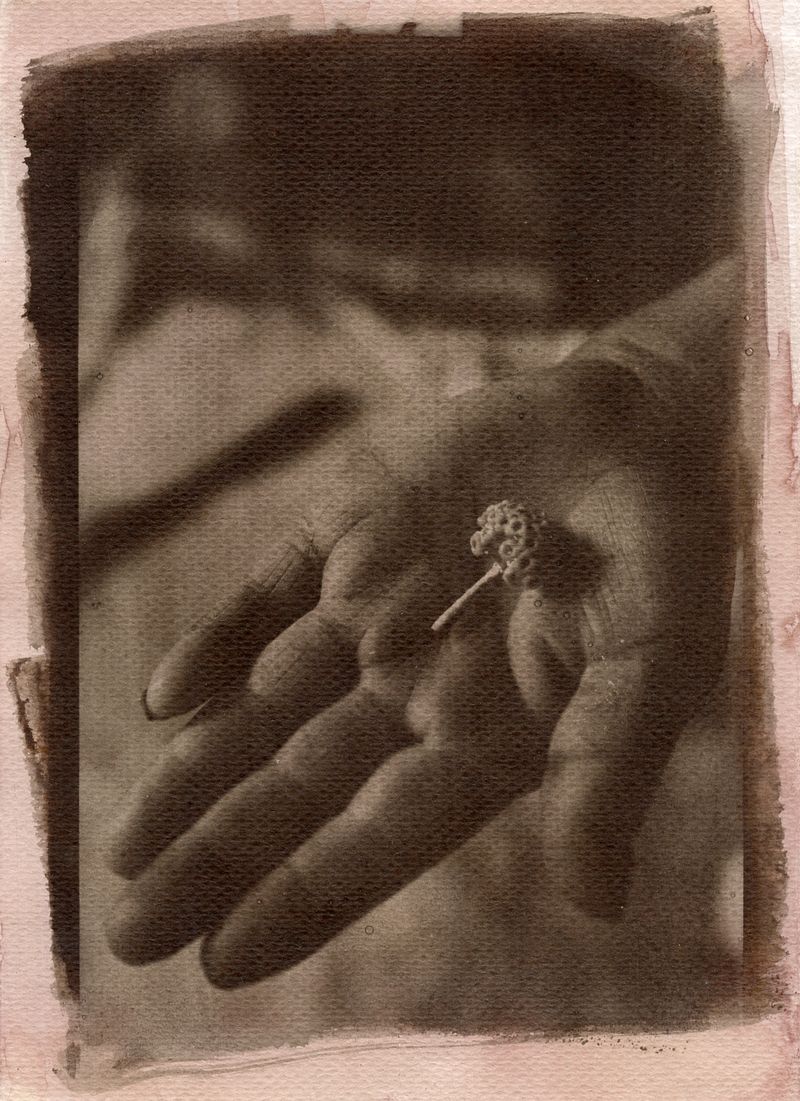
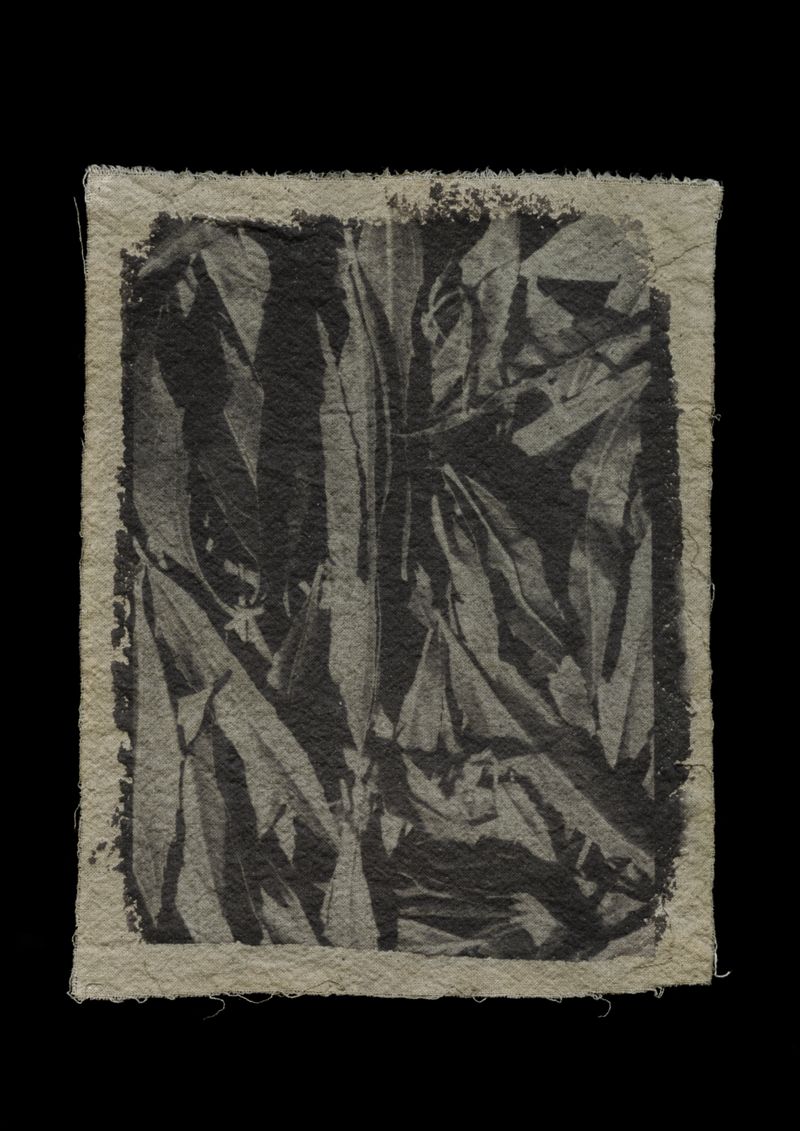
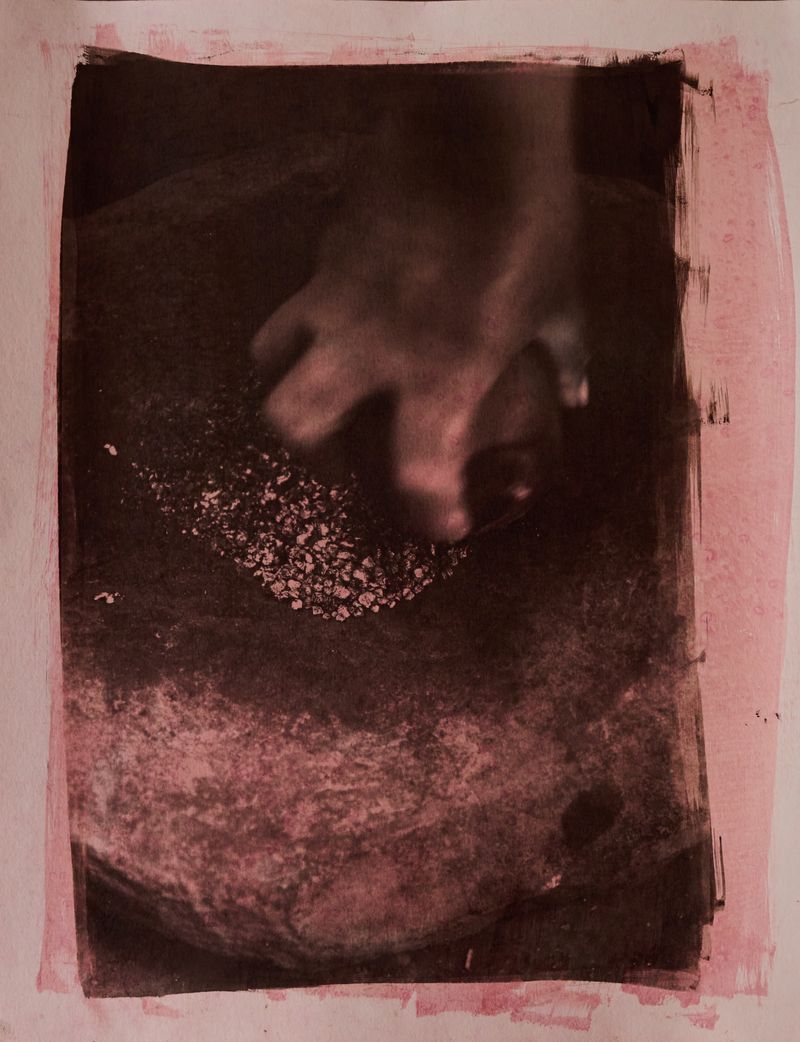
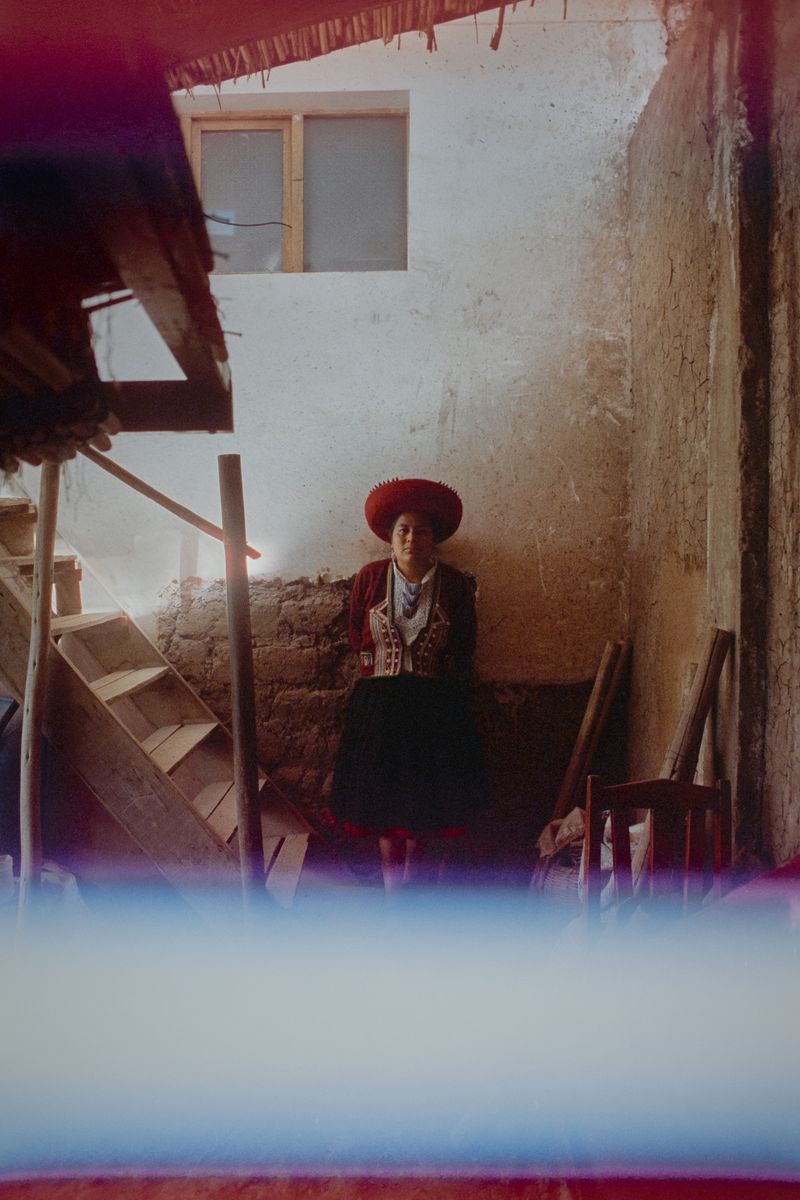
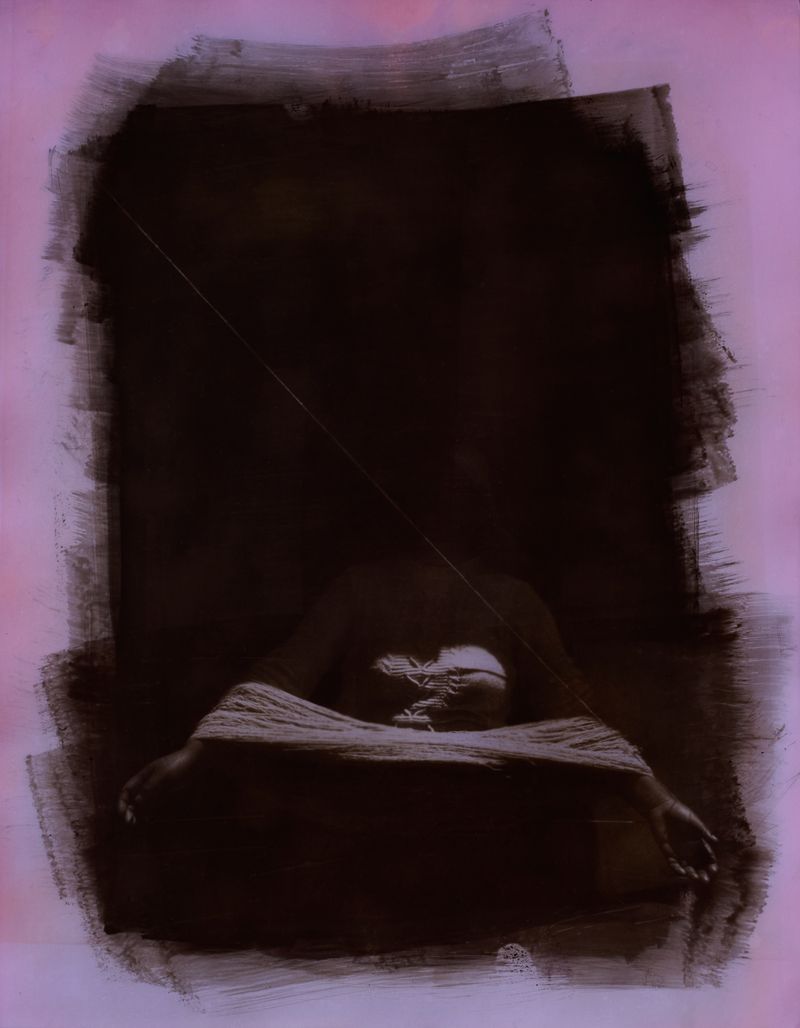
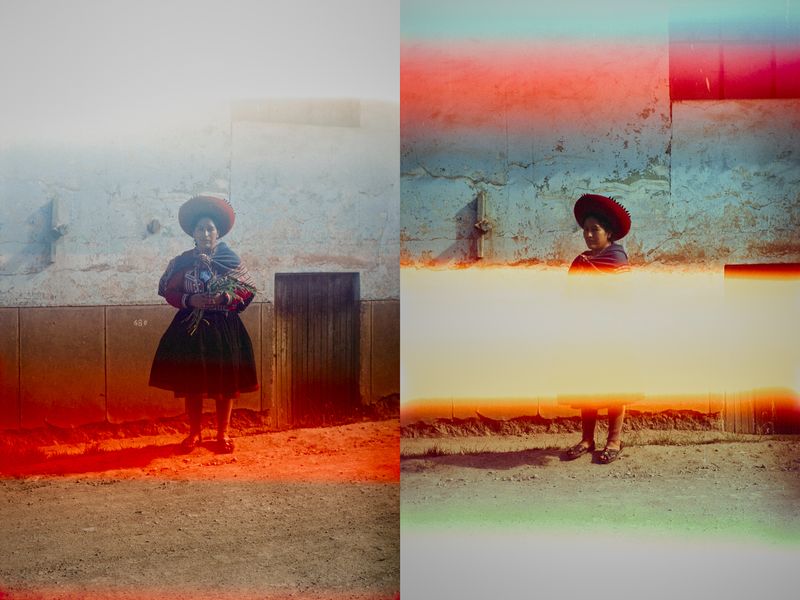
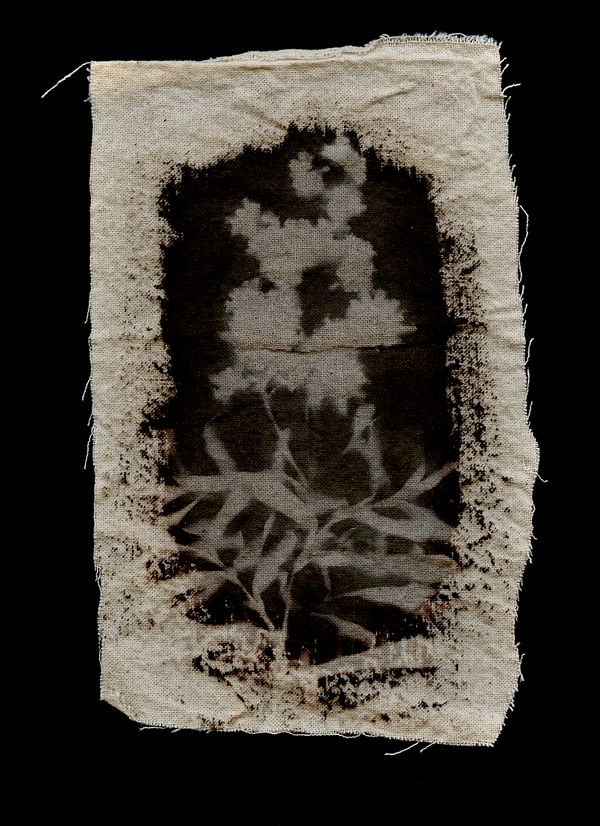
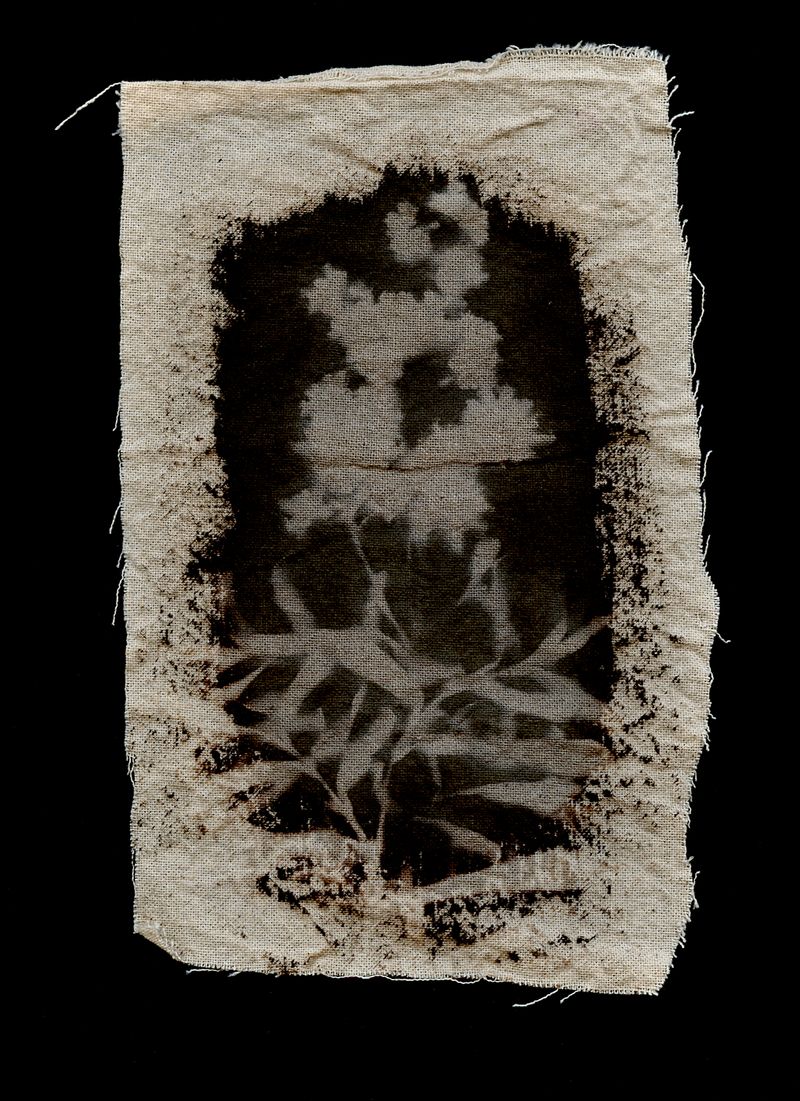
Although I documented the process using both digital and analog photography, I chose to present only the analog images. Unbeknownst to me, both cameras I used had light leaks. What initially seemed like a technical flaw became a symbol of the unpredictable nature of artisanal dyeing, which relies on firewood, lacks precise temperature control, and varies according to conditions. This project does not aim to control every variable but rather to embrace the unexpected. I also incorporated the Van Dyke technique on papers and fabrics dyed with natural pigments. This process, activated by sunlight, produces unique earthy tones, reinforcing nature’s active participation in the work.

I find a shared logic between analog photography and natural dyes: a transformation guided by time, chemistry, and intuition. Their convergence allows not only for aesthetic exploration but also for a defense of manual labor as a poetic gesture and an act of resistance against industrial standardization. At a time when artificial intelligence seeks to replace the tangible with “perfect” simulations, these practices remind us of the value of the handmade, the beauty of imperfection, and the importance of nurturing what is real.

This work was awarded first prize in the “Environment” category at the Sony World Photography Awards 2025 and was exhibited internationally as part of the award’s official program. It was also published in MAPS #7923 of the British Journal of Photography and featured on PhotoVogue.
© Nicolás Garrido Huguet - Image from the Alquimia Textil photography project
i

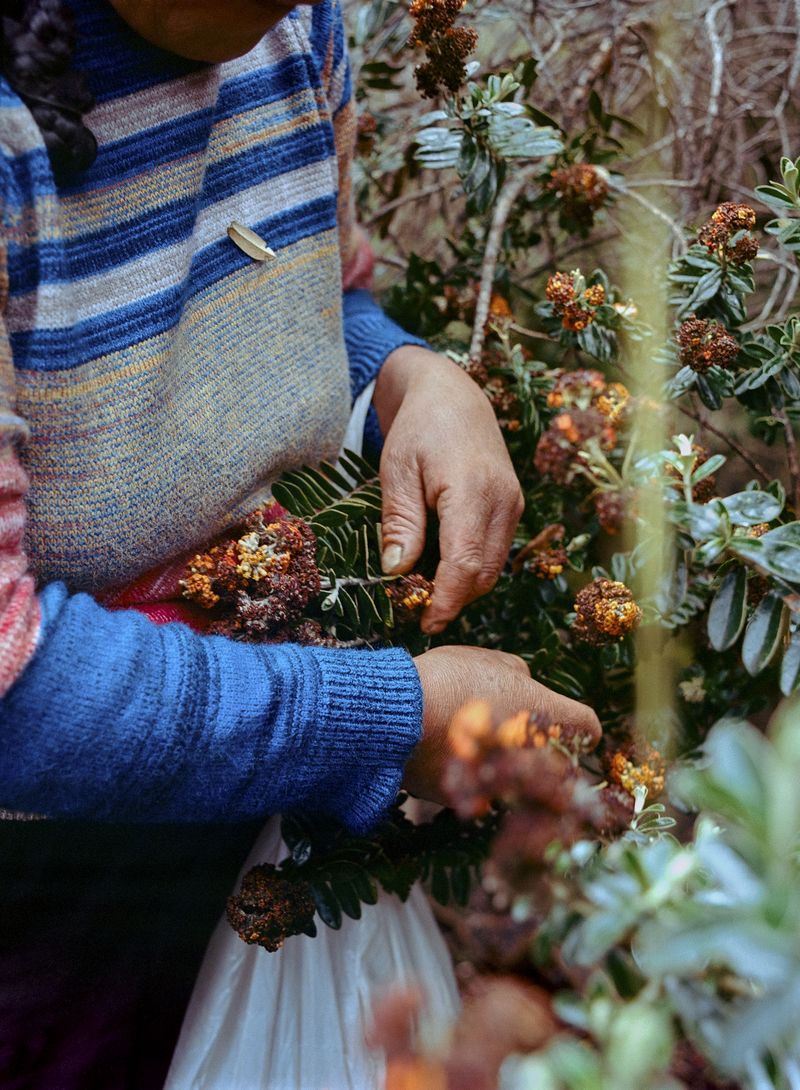
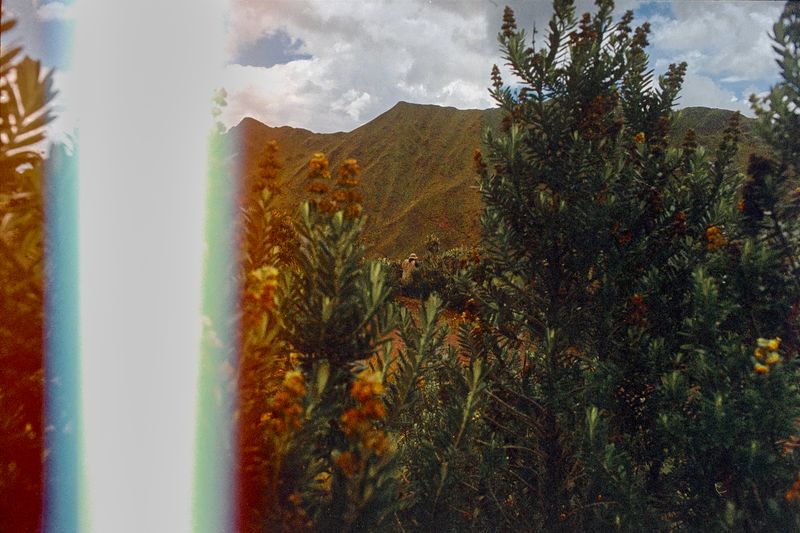
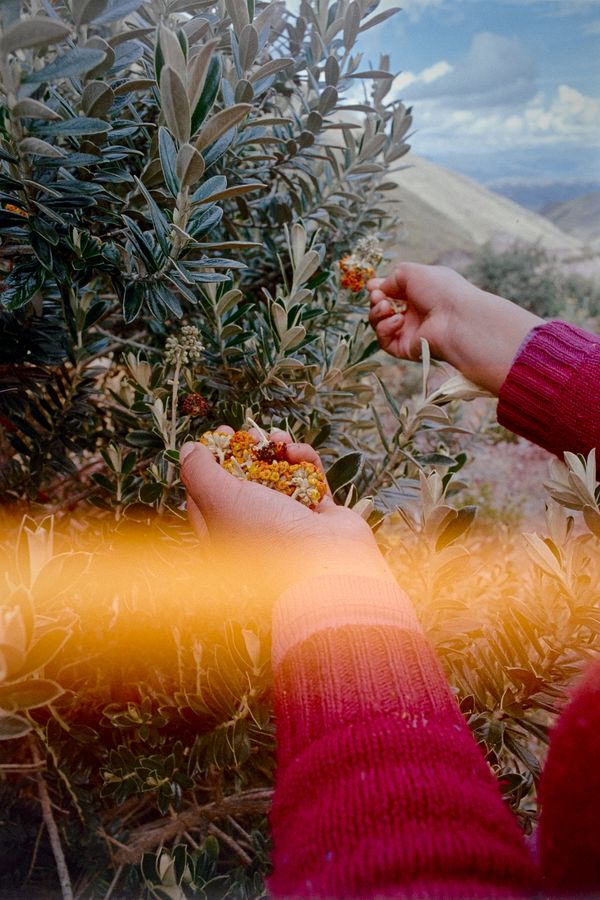
Harvesting qolle at 4,500 meters above sea level. This dyeing route was documented using both digital and analog photography. However, for conceptual reasons, I chose to present only the analog photographs. Unbeknownst to me, the two cameras I borrowed from different friends, a medium format and a 35mm, had light leaks, which unexpectedly aligned with the artisanal nature of natural dyes.

© Nicolás Garrido Huguet - Image from the Alquimia Textil photography project
i

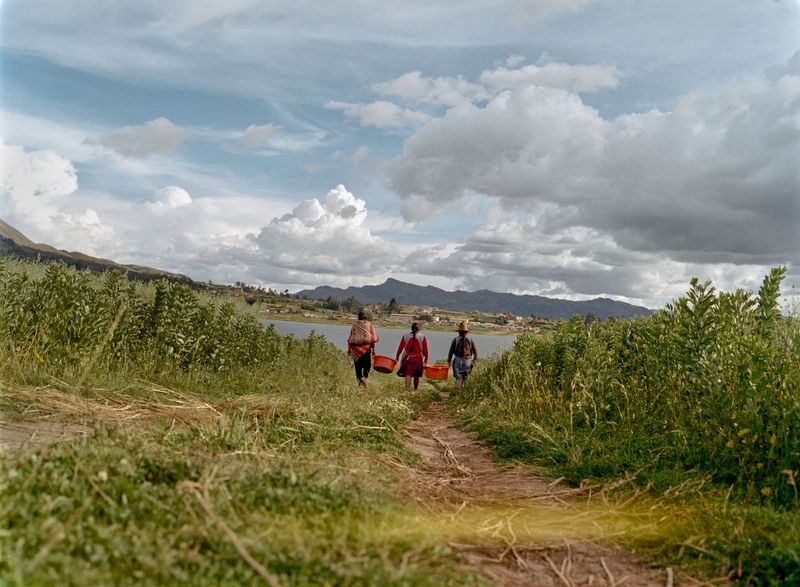
The collection of materials for natural dyes is a collective and equitable task. All the artisans share responsibilities, and if one of them is unable to attend, she designates a representative. In this way, they maintain a fair and supportive form of organization.

© Nicolás Garrido Huguet - Image from the Alquimia Textil photography project
i

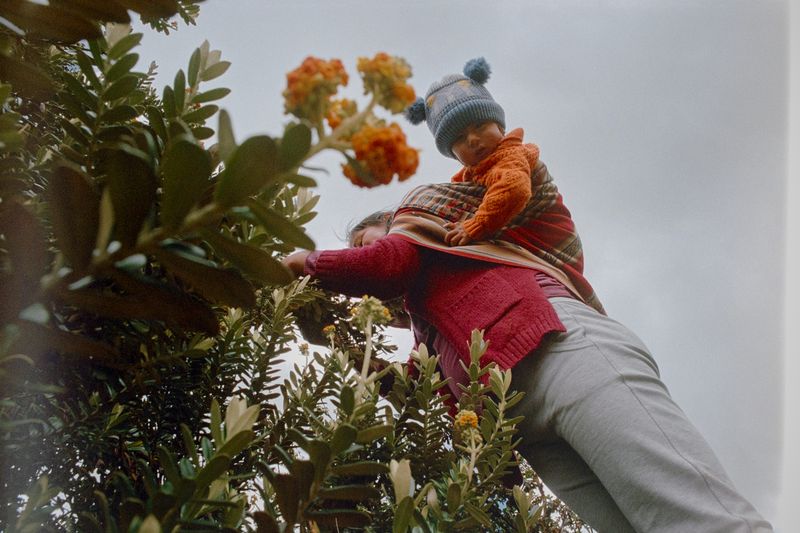
Harvesting qolle with Jacob, Liz’s son, who also appears in the frame. This year, due to shifting weather patterns, the community postponed the harvest by a month, as the flowers took longer to bloom.

© Nicolás Garrido Huguet - Image from the Alquimia Textil photography project
i

These qolle shrubs were planted by the grandparents of Braulia’s community many years ago, about 1,500 meters above their village. She recalls that as a child, she would wake up before dawn to come harvest and return home at night. This time, we arrived in a small truck along a dirt road, and the trip took just half an hour.

© Nicolás Garrido Huguet - Image from the Alquimia Textil photography project
i

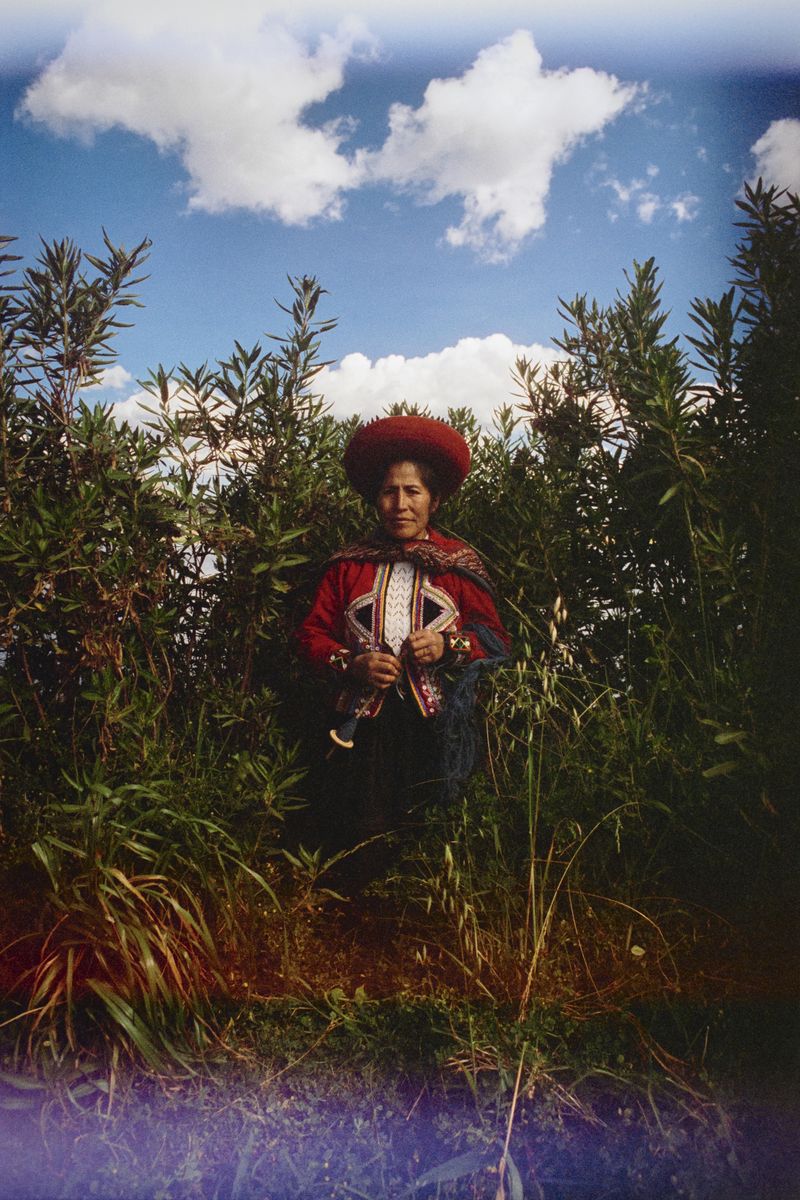
Portrait of Braulia Puma among ch’illka bushes, wearing traditional Andean clothing. She is the founder of the Pumaqwasin Textile Cooperative, located in the Pucamarca sector of the Cuper community in Chinchero. The cooperative is made up of six other women: Carmen Jaimes, Dionisia Puma, Elida Ccahuaya, Liz Amau, Nilda Quillahuamán, and Ruth Amau.

© Nicolás Garrido Huguet - Image from the Alquimia Textil photography project
i

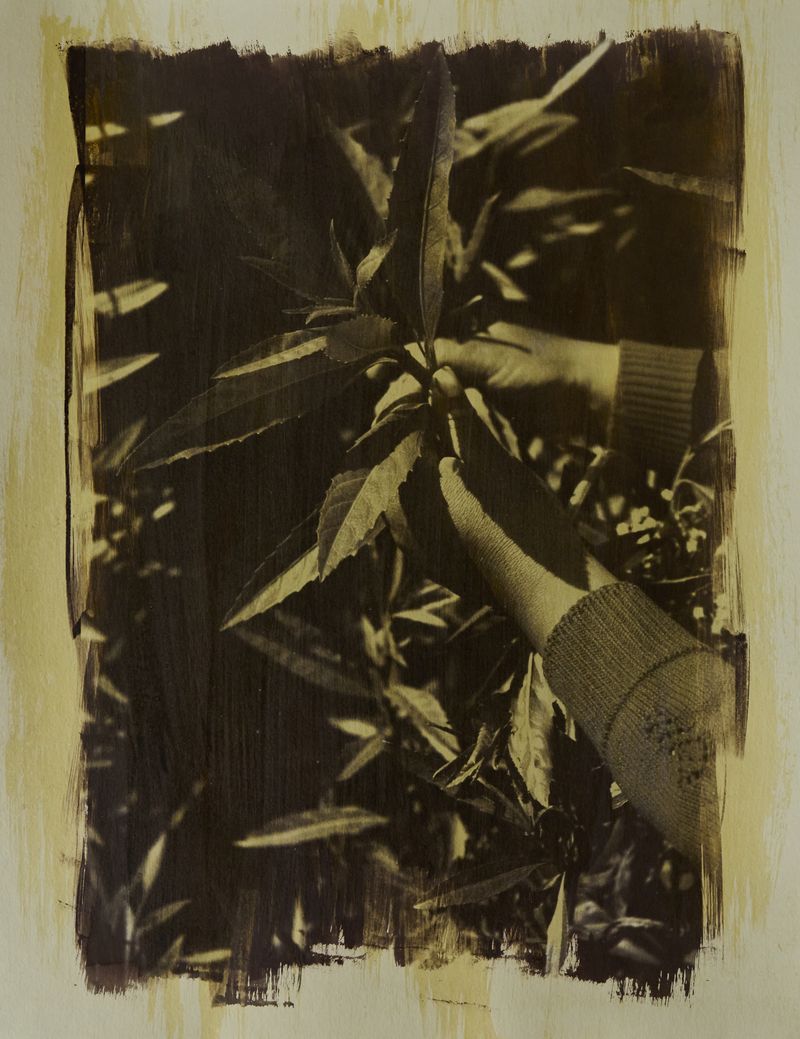
Hands picking ch´illka leafs. Before applying the Van Dyke process, the paper was pre-dyed with the natural dyes mentioned above. This technique introduced spontaneous effects, showcasing nature's active role in shaping the final photographic outcome.

© Nicolás Garrido Huguet - Hands grinding cochineal.
i

Hands grinding cochineal.

© Nicolás Garrido Huguet - Image from the Alquimia Textil photography project
i

Portrait of Liz at Braulia’s house, where the women gather to work with natural dyes and looms, dressed in traditional Andean clothing.

© Nicolás Garrido Huguet - Image from the Alquimia Textil photography project
i

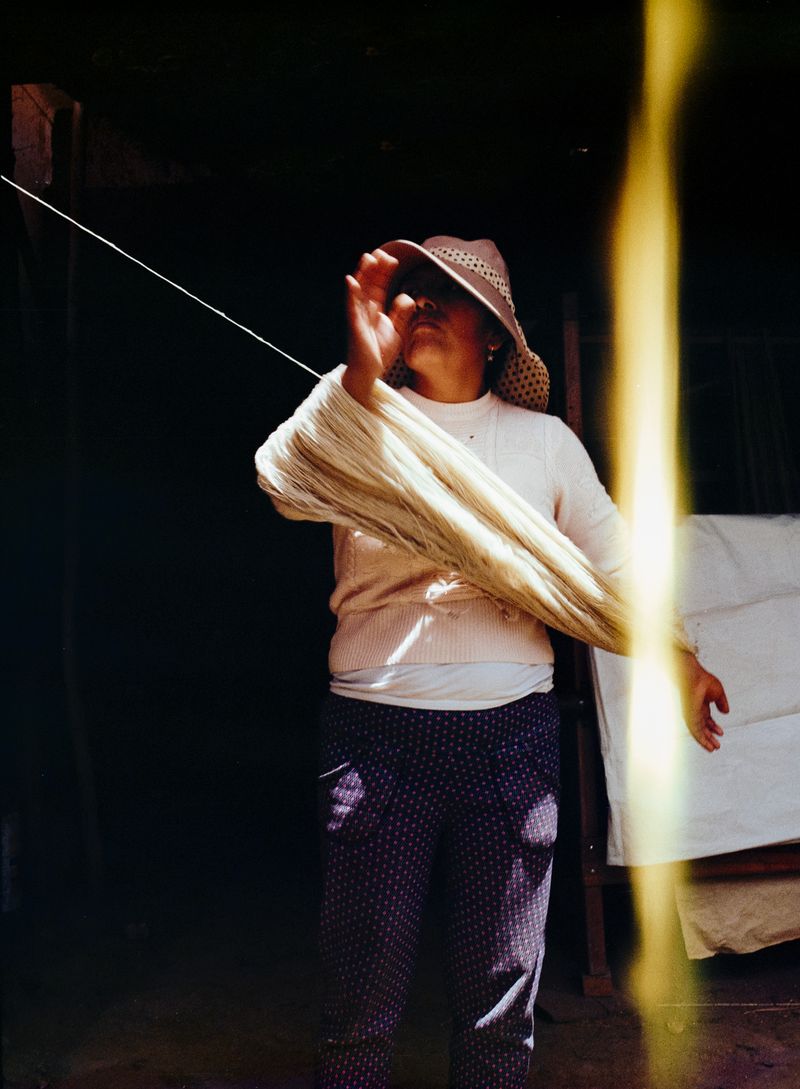
After collecting the plants, and while the ingredients containing the dyes and water are heated in pots, the fibers, in this case sheep’s wool, are hand-wound.

© Nicolás Garrido Huguet - Image from the Alquimia Textil photography project
i

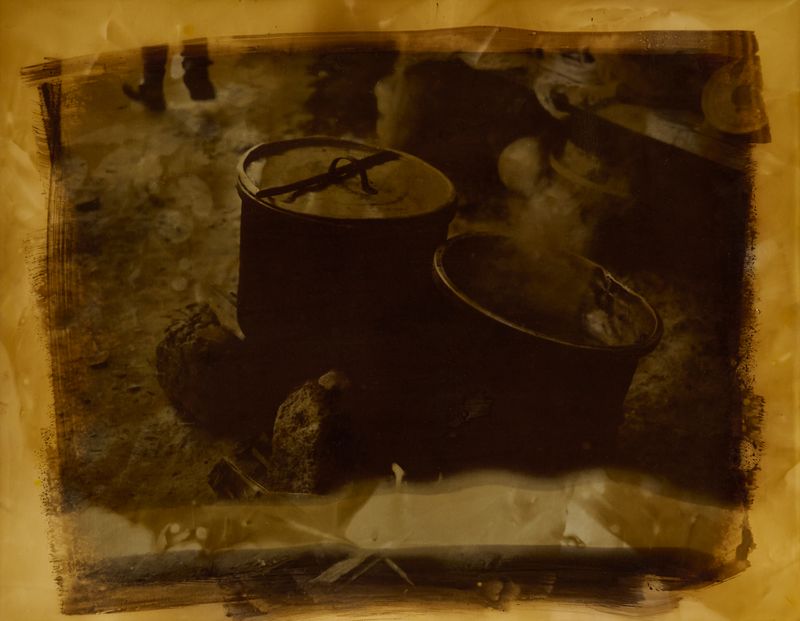
To resemble flames I left the photographic paper on top of wet ch´illka leafs. The image shows the dye and fibers being heated up in pots using firewood stoves.

© Nicolás Garrido Huguet - Image from the Alquimia Textil photography project
i

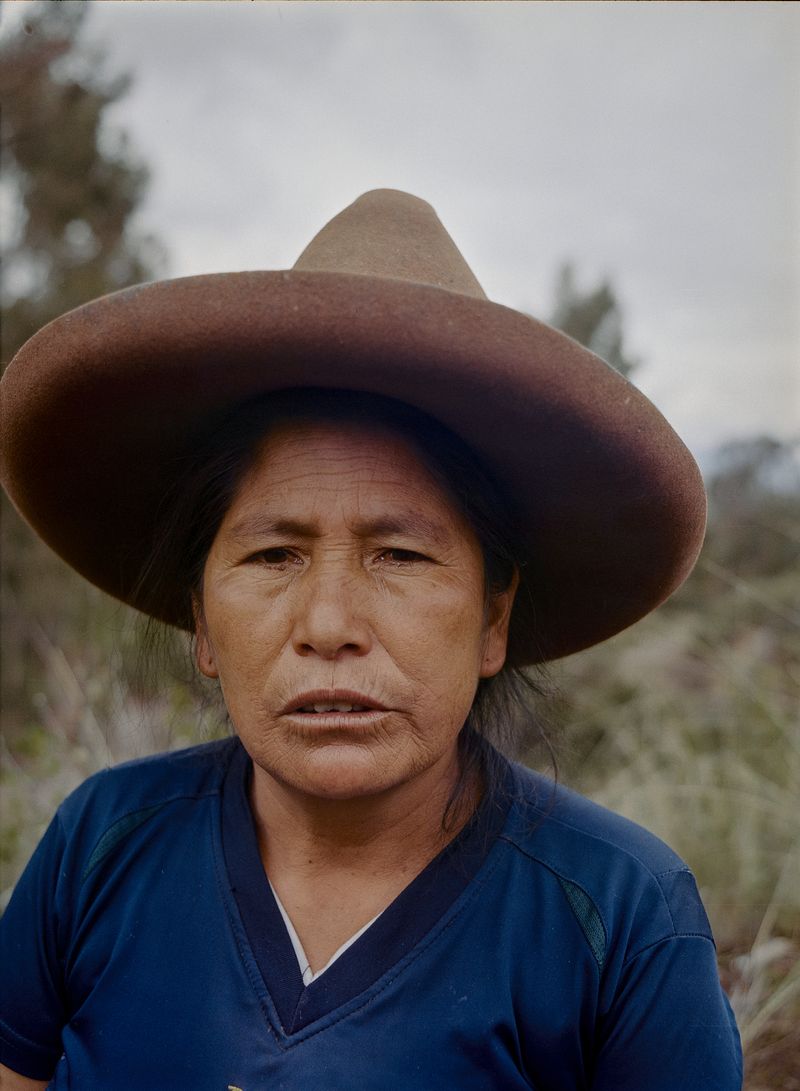
Portrait of Ruth, one of the seven Pumaqwasin artisans. Just as natural dyeing yields unpredictable outcomes, shaped by harvest quality or firewood temperature, analog photography never guarantees uniform results. Both processes embrace the beauty of variation, capturing the nuances of organic, imperfect artistry.

© Nicolás Garrido Huguet - Portrait of Nilda, one of the seven Pumaqwasin textile artisans.
i

Portrait of Nilda, one of the seven Pumaqwasin textile artisans.

© Nicolás Garrido Huguet - Image from the Alquimia Textil photography project
i

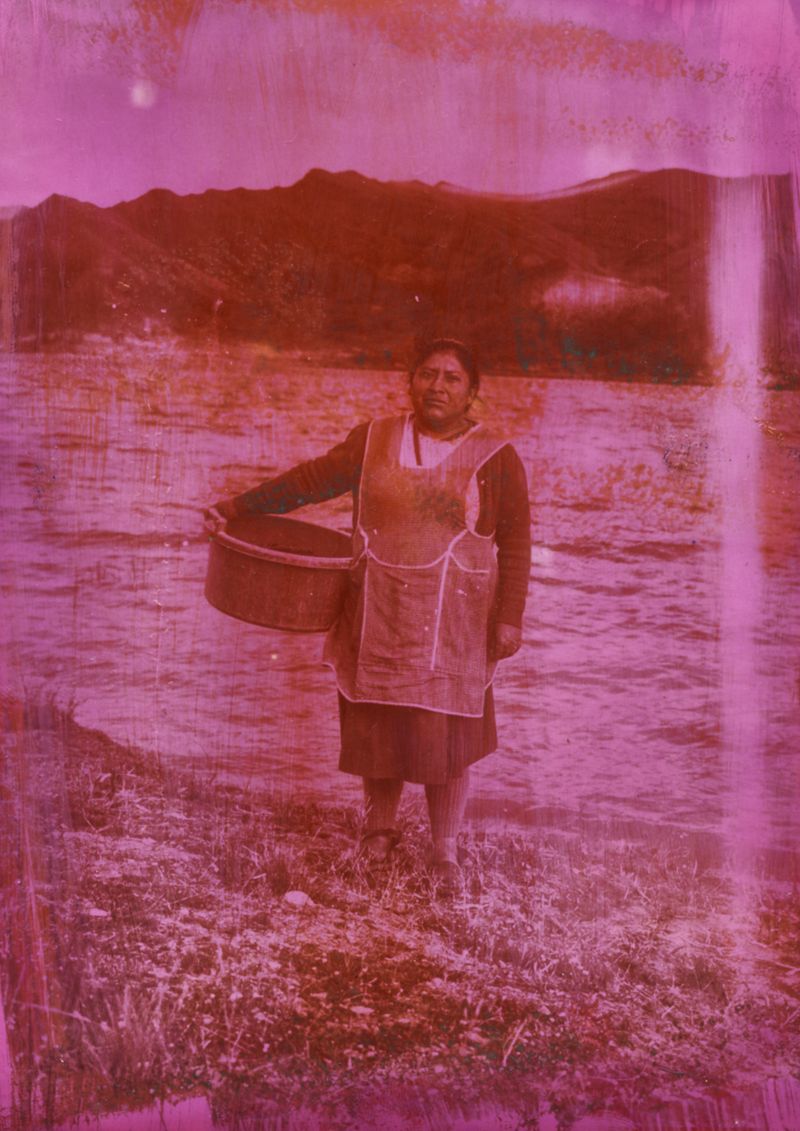
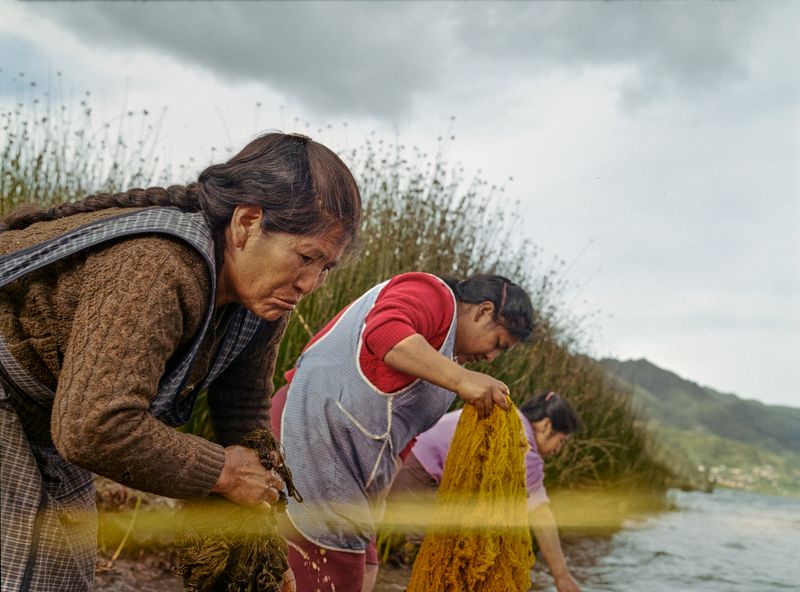
Just 40 meters from Braulia’s home lies Lake Piuray, where Liz, Nilda, and Dionisia take the dyed fibers to be rinsed. This lake supplies up to 40% of Cusco’s water and is vital for local agriculture and culture. Because natural dyes are used, they cause no negative impact on the lake’s health.