Alpha++ Models
-
Dates2017 - 2025
-
Author
- Locations Nanjing, Saint-Tropez, Dubai, Chicago, Berlin, Shanghai, Hong Kong, Seoul, Busan, Monaco, Goyang-si, Songdo-dong, Chiloé Province, Osan-si, Los Vilos
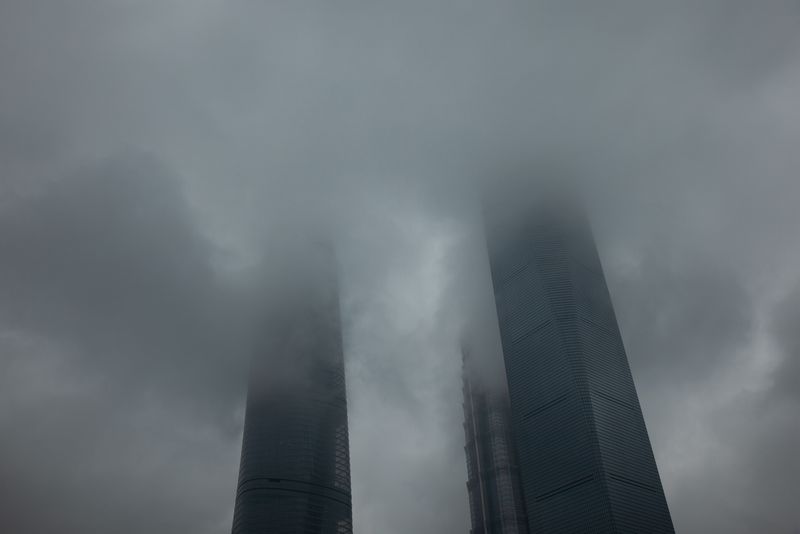
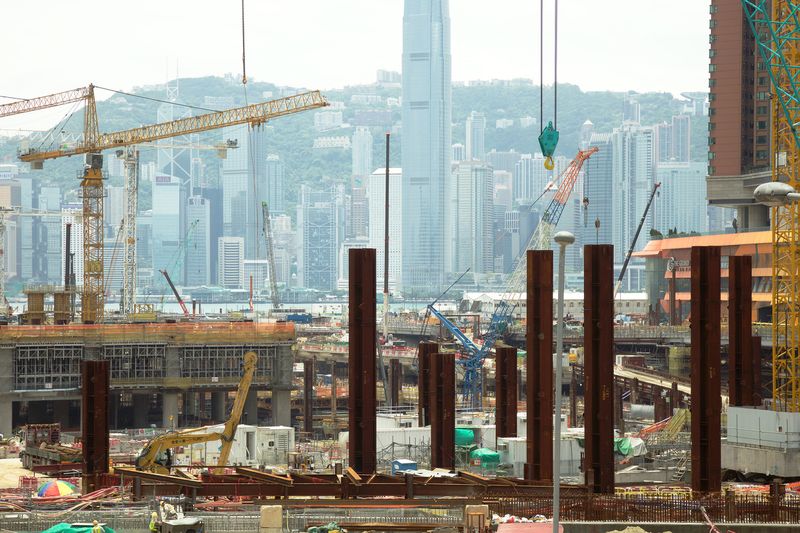
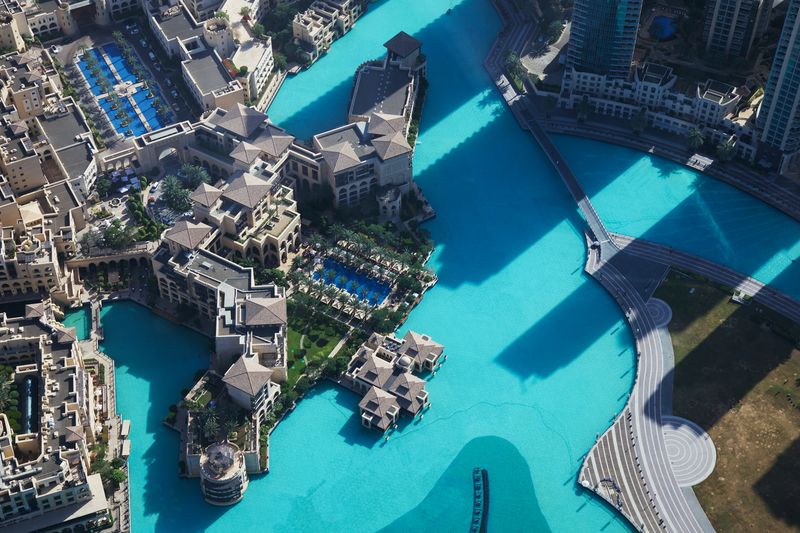
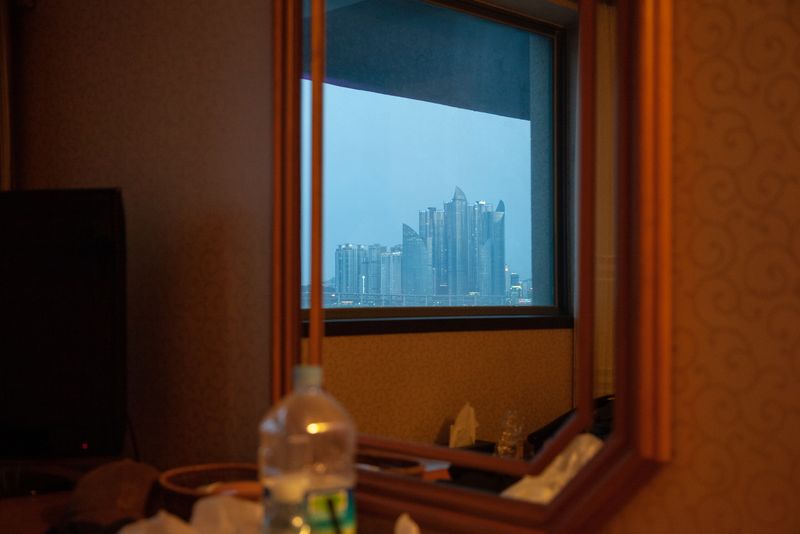
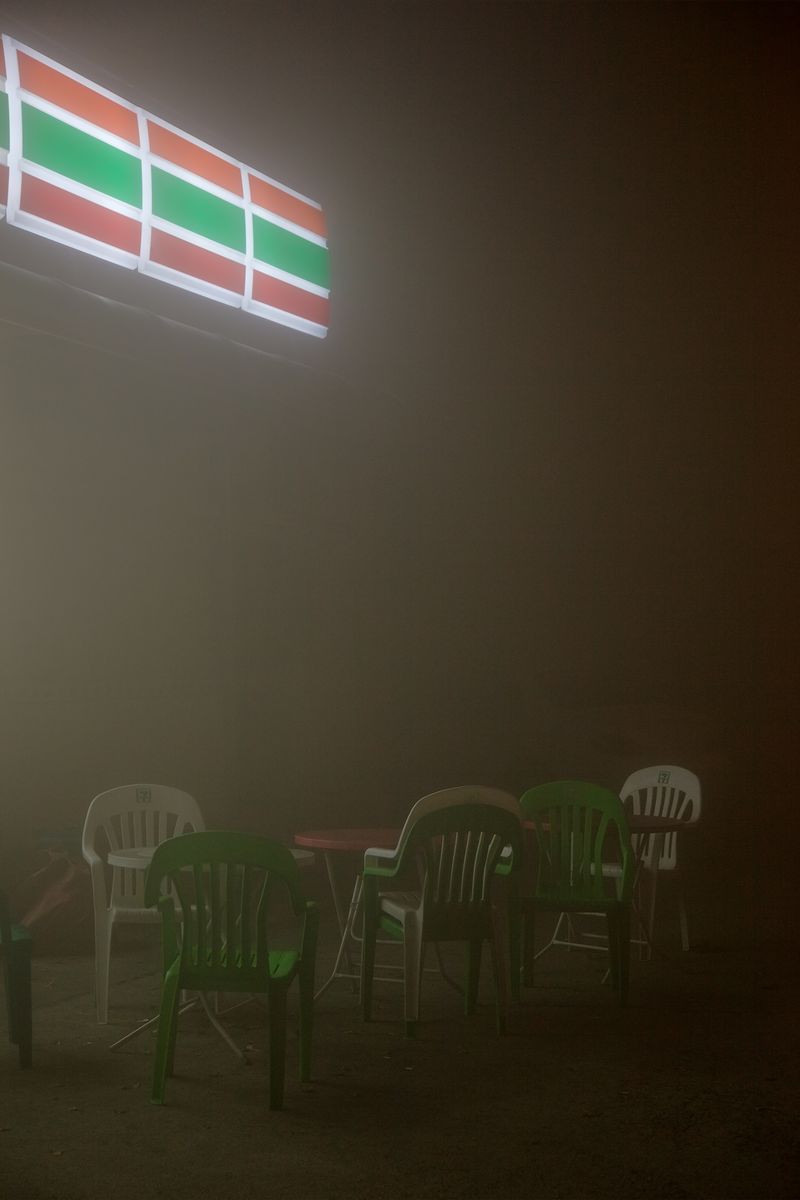
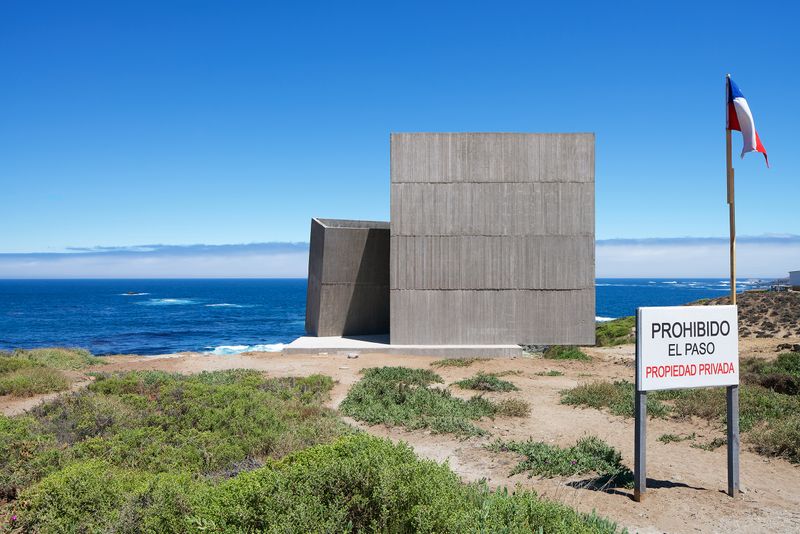
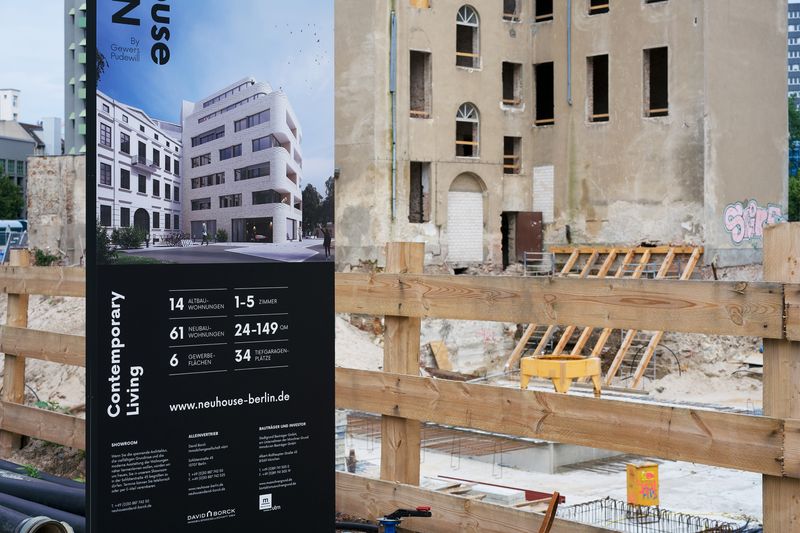
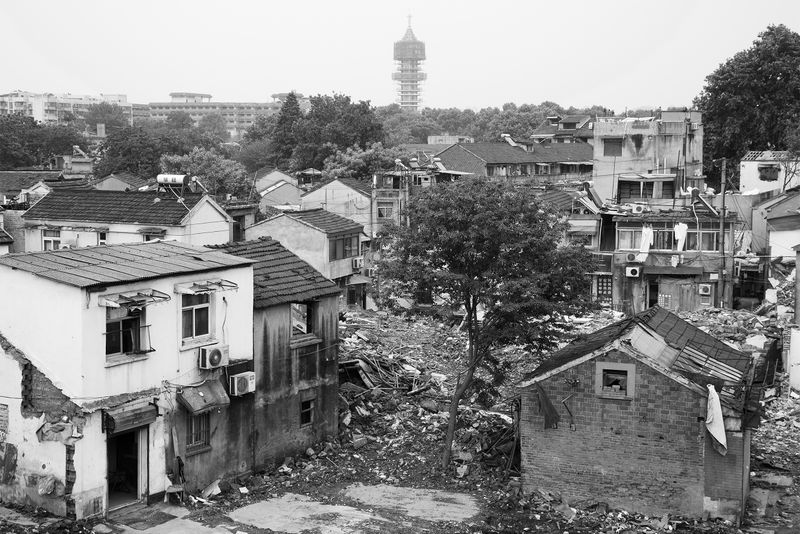
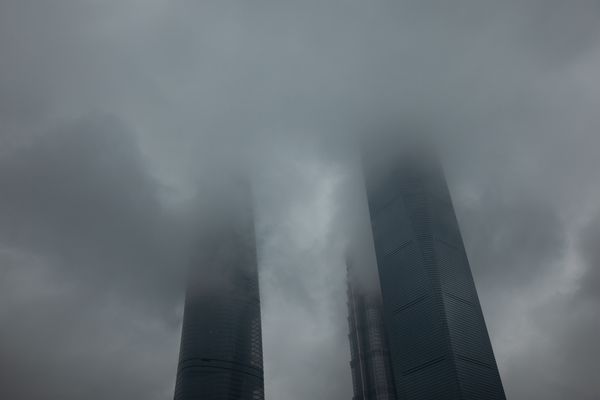
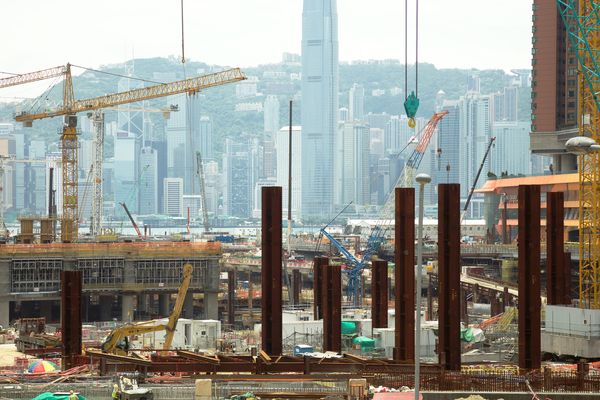
Alpha++ Models portrays the aesthetic of neoliberalism and its political repercussions in the global economic centers amid of shiny tower façades, vast construction sites, cookie-cutter greenspaces, and neighborhoods threatened by gentrification.
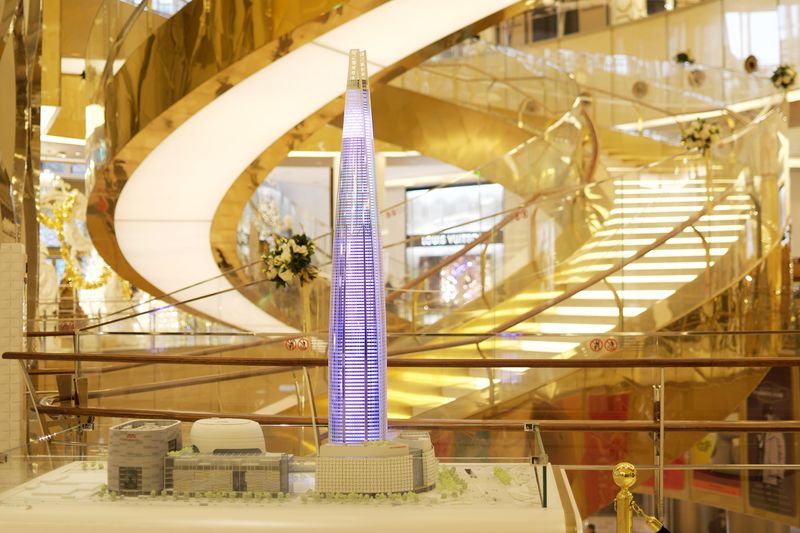
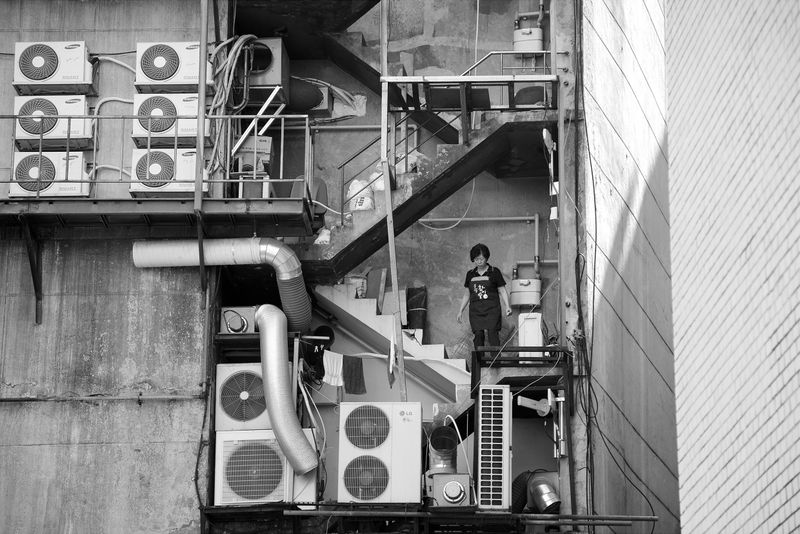
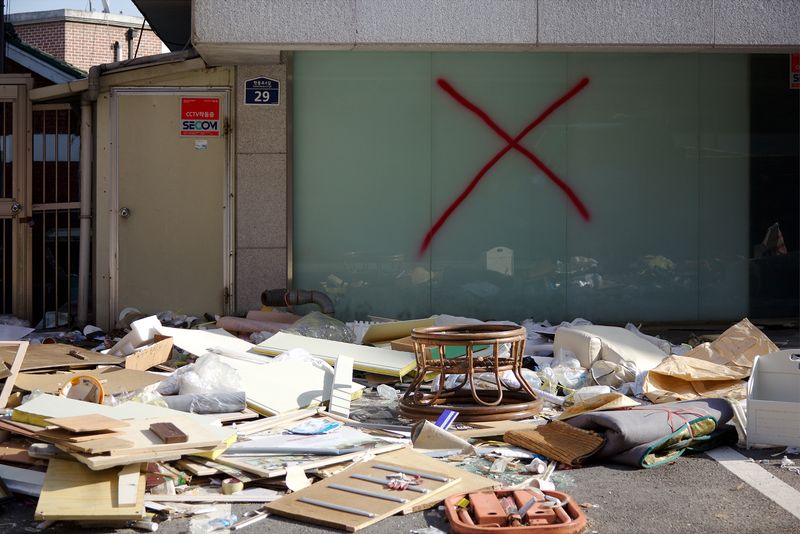
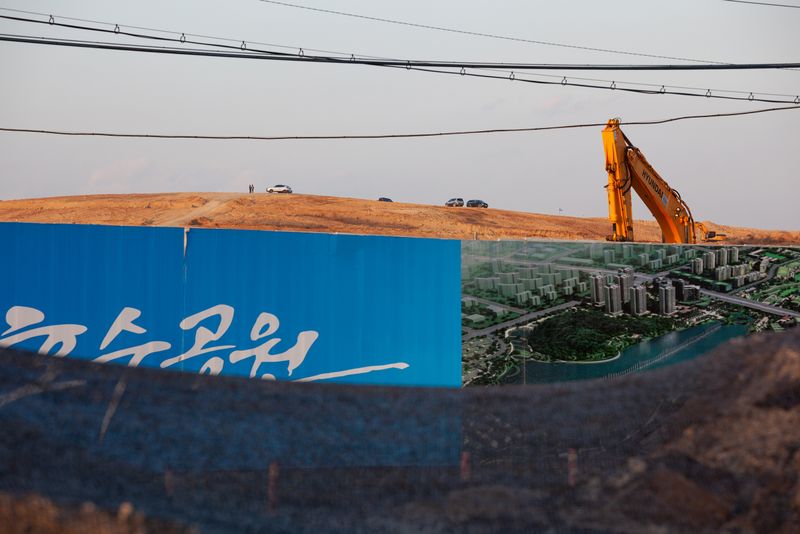
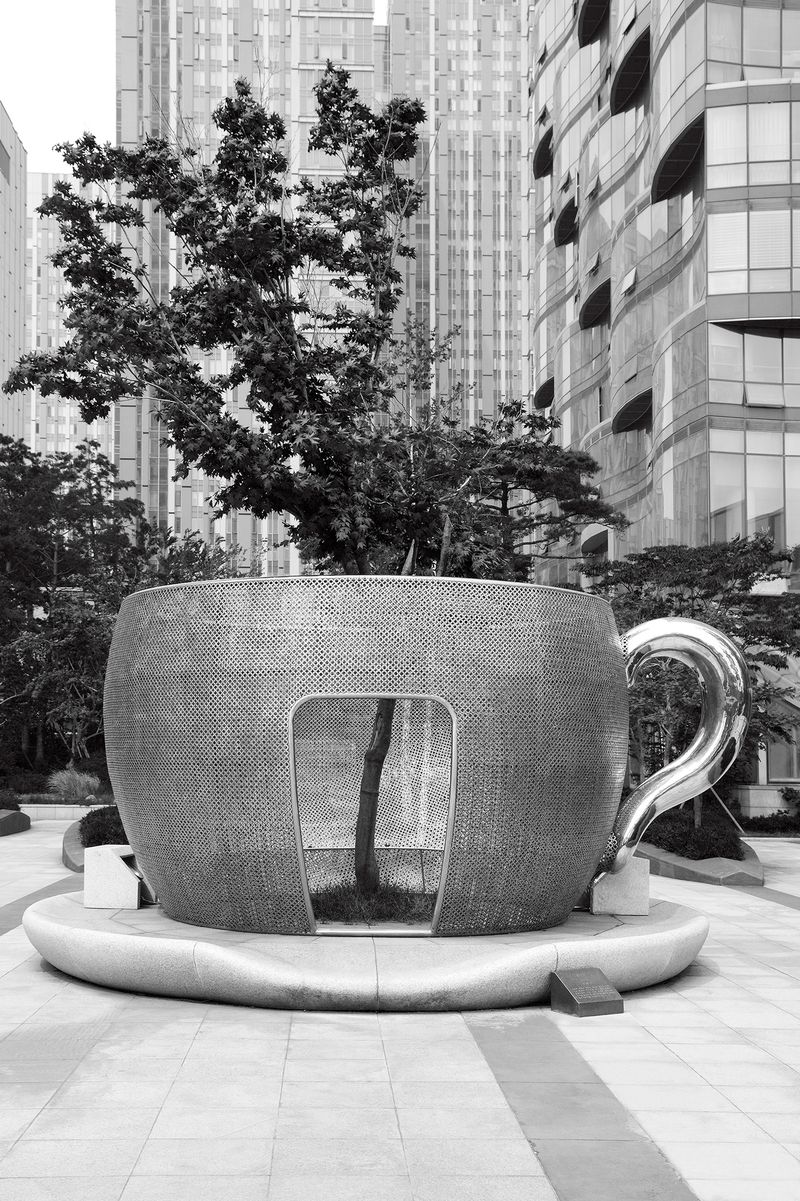
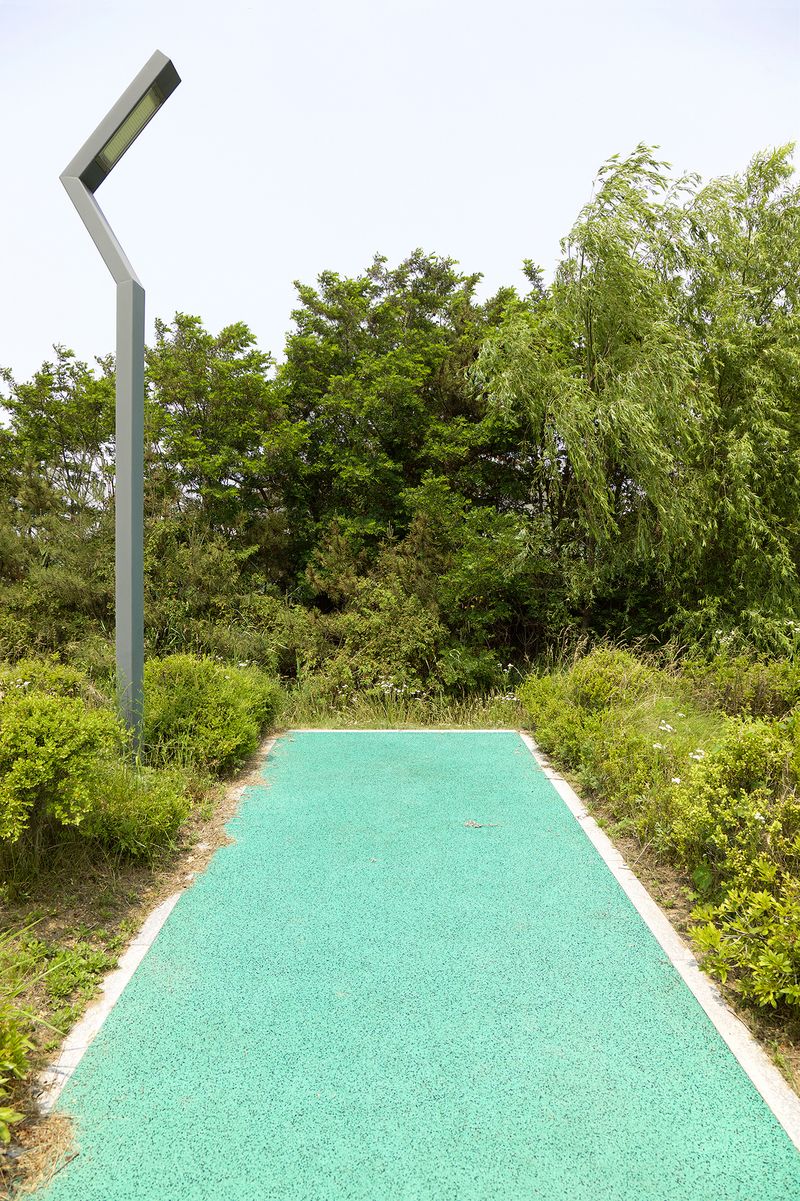
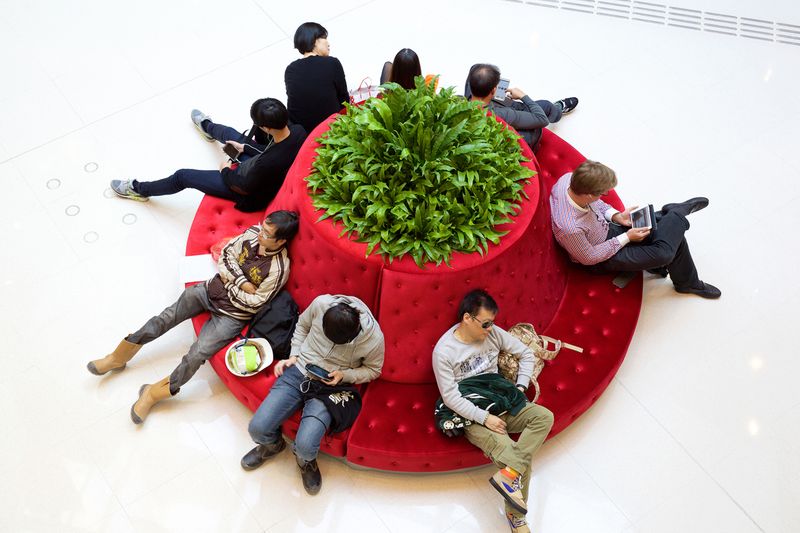
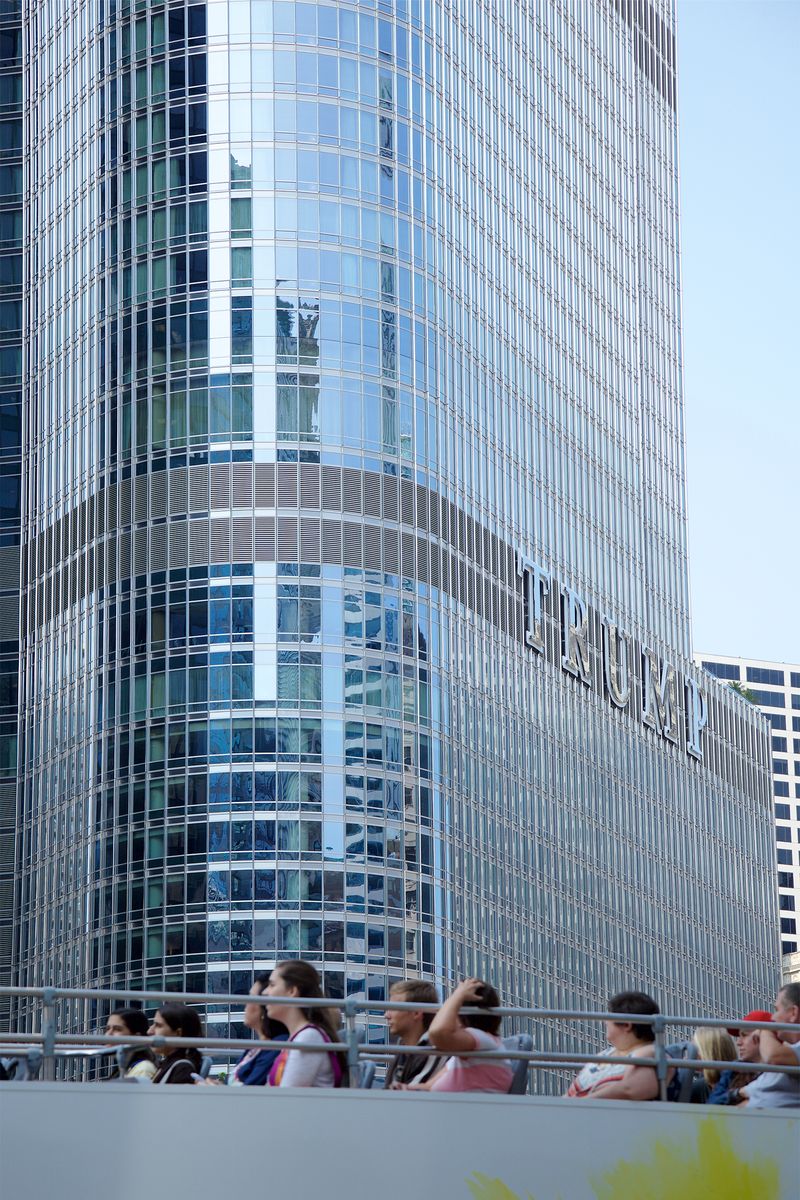
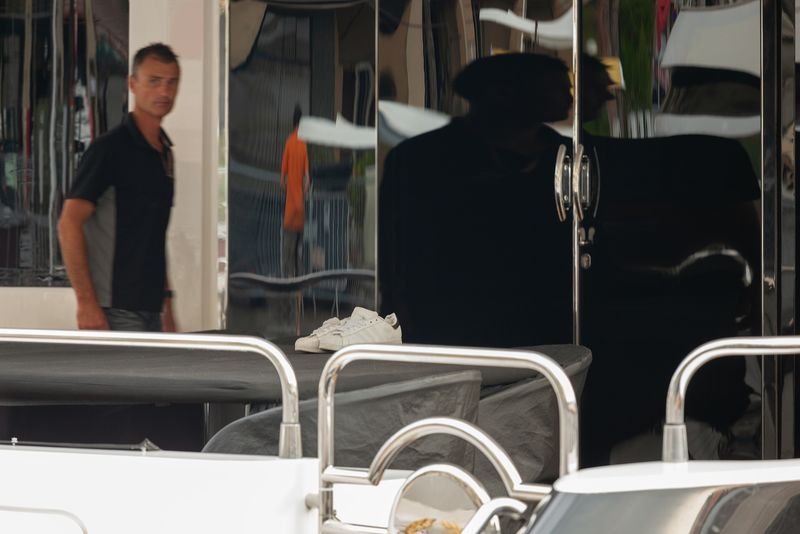
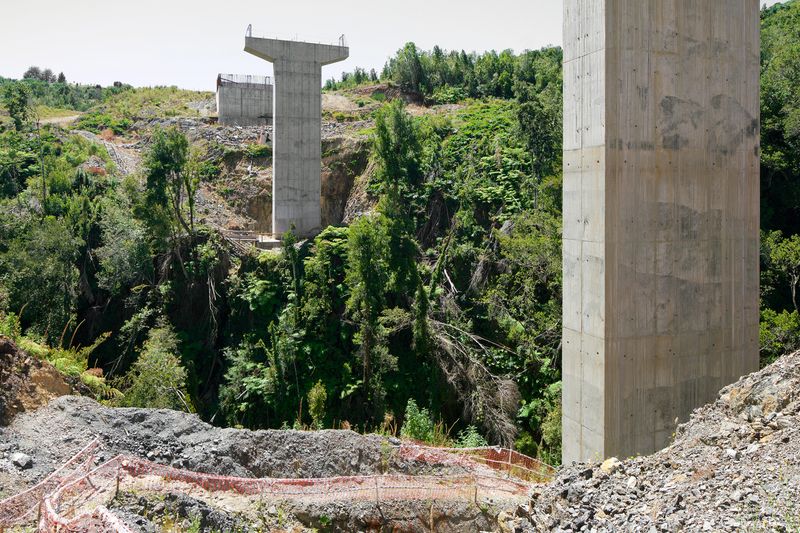
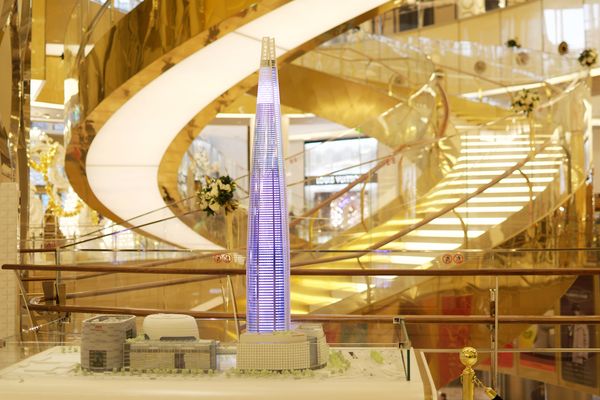
The photography series »Alpha++ Models« shows the aesthetics of neoliberalism and its political impacts of the world‘s global economic centers, in the field of tension between shiny high-rise facades, large construction sites, green spaces designed like stencils and neighborhoods threatened with demolition in the process of gentrification. At first glance, the composed photographs with their radiant colors appear inviting. On closer observation, the almost deserted places exude a dead-like, virtual atmosphere, like that of 3D architectural renderings. The project consists of 150 photographs with dense, rhythmic image sequences and poetic index texts on key images, taken in mega-cities and at the economic periphery. The body parts of the inhabitants, which appear here and there like ghosts, question the inclusion and exclusion in urban space in rapid changes of perspective. In niches, hints for possible sustainable living concepts emerge, beyond an exploitative way of living towards people and nature. The book debates the role of physical urban space in the age of rapid digitalization of all areas of life and shows that there is almost no untouched outside beyond a capitalist logic in the hyper-connected world. In the title “Alpha++" refers to the highest possible rating of a so-called global city in the competition of metropolitan areas. The pictures were taken over several years in megacities, including Dubai, Hong Kong, London, New York, Santiago de Chile, Seoul, Shanghai, Singapore and Songdo, as well in supposedly untouched corners of the world, such as Chiloé, Petorca, and St. Pedro de Atacama in Chile. From the world‘s tallest buildings, such as the Burj Khalifa in Dubai, with their adjoining shopping malls and viewing platforms, the view travels from the entrance areas over the stencil-like designed green areas with artificial lakes with water fountains. Due to the permanent cleaning of the POPS (privately owned public space), they leave a sterile, smooth, almost virtual impression. There are rapid changes of perspective and scale, from bird‘s eye view to meticulously constructed models of futuristic new towns in the information center of the smart city Songdo and to two-dimensional promises of yet unrealized luxury apartments on gigantic billboards in Hong Kong. The golden, reflective glass and metal facades share the urban space with various forms of nature, which are integrated into geometric structures, sometimes as a green wall or as a meticulously trimmed hedge. On the edges of the planned cities, a finely lined path may suddenly end in undergrowth. The unlabeled street signs of the smart city Songdo, as empty placeholders, point to a dystopian future. The individuality of the appearing human bodies, seem almost out of place among the repetitive apartment and office tower blocks. In addition to the reduction of the photographs to seemingly virtual computer graphics, there is a further translation of the 3D spaces into a 2D flatness. The predominant grids of the facades and outdoor facilities act like a blanket that covers the urban landscape and prevents possible everyday experiences. The viewer is invited to look beneath the layers of glass facades, wall cladding and artificial greenery, to rethink the form and function of the cities, and in doing so, to rework the templates. The urban images are framed by marinas and speedboats of the global elite sailing under different flags, often those of tax havens. The narrow boundaries of nation states seem to have been softened. The motorboats as vehicles of the sea become a symbolic link in the metanarrative of geographically distant cities. The sea – connecting the worlds, not only through a seemingly unstoppable capitalism. The city(land)scapes show the demarcations, the inclusions and exclusions of their inhabitants. The extremely unequal distribution of monetary wealth is subtly marked in the photographs.