Along the Beirut River / Where Do Swans Come from ?
-
Dates2009 - 2016
-
Author
- Location Lebanon
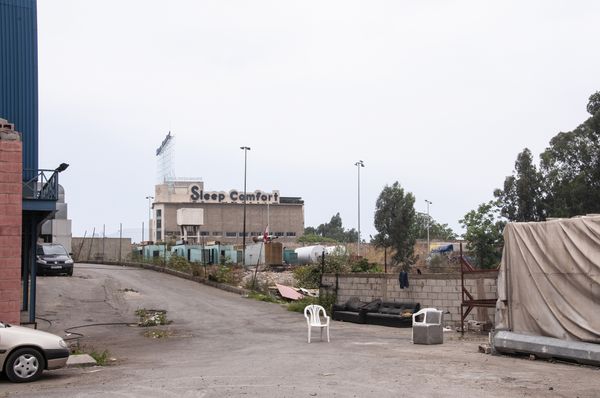
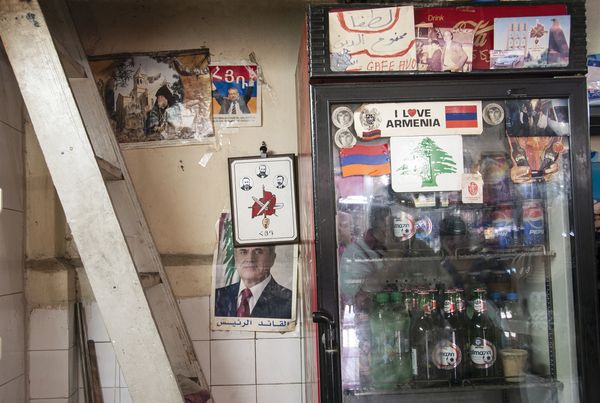
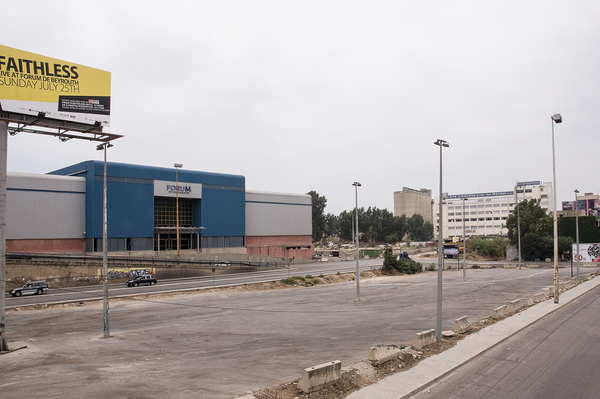
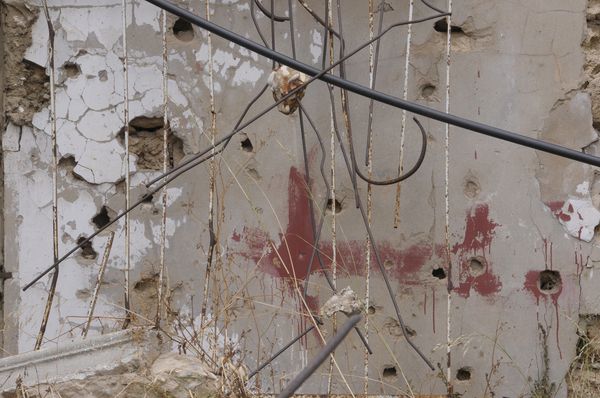
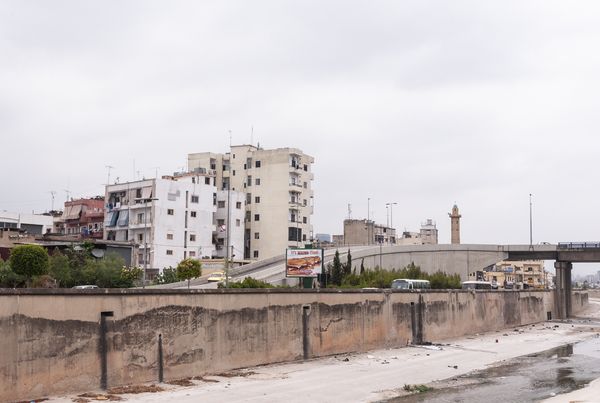
At the end of the civil war (1975-1990), Lebanon was divided by many invisible boundaries, deeper segregation and faultlines and we are living another war. 'Along the Beirut River', represents the Armenian before the Beirut blast on 04.08.20.
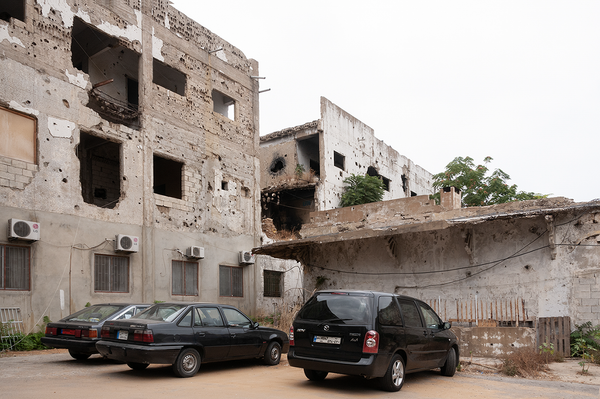
At the end of the civil war (1975-1990), Lebanon was divided by many invisible boundaries, deeper segregation and faultlines. We witness yet again a war that would leave this land decimated and plagued by more violence, instability and calamities.
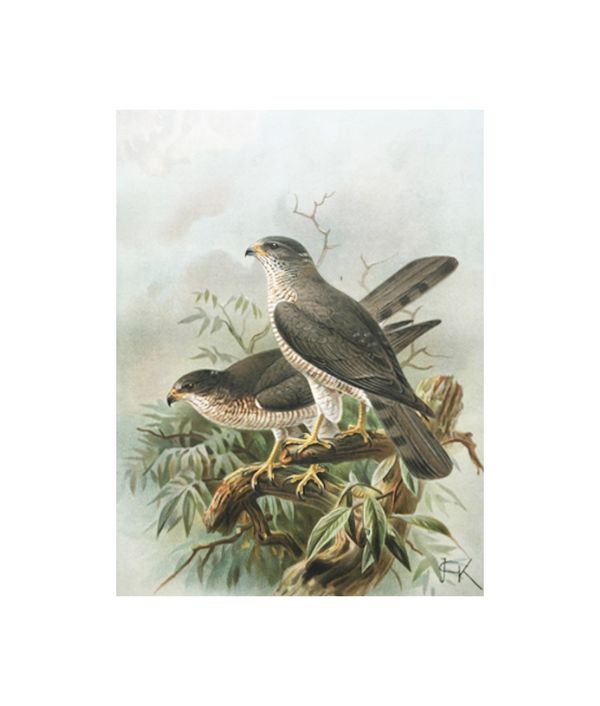
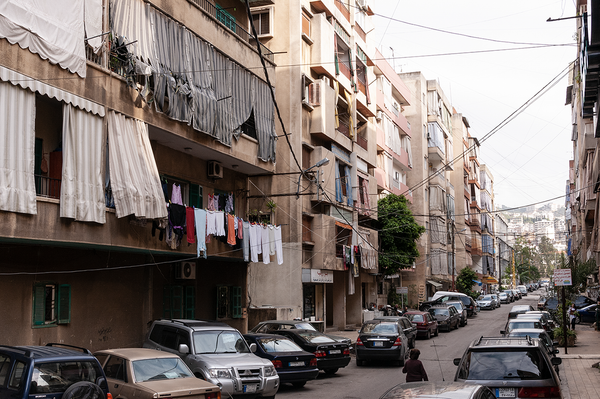
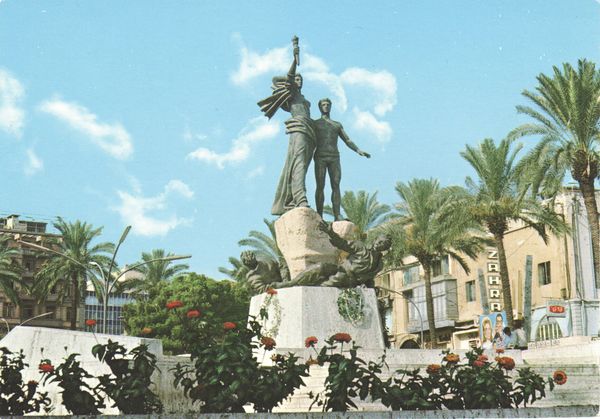
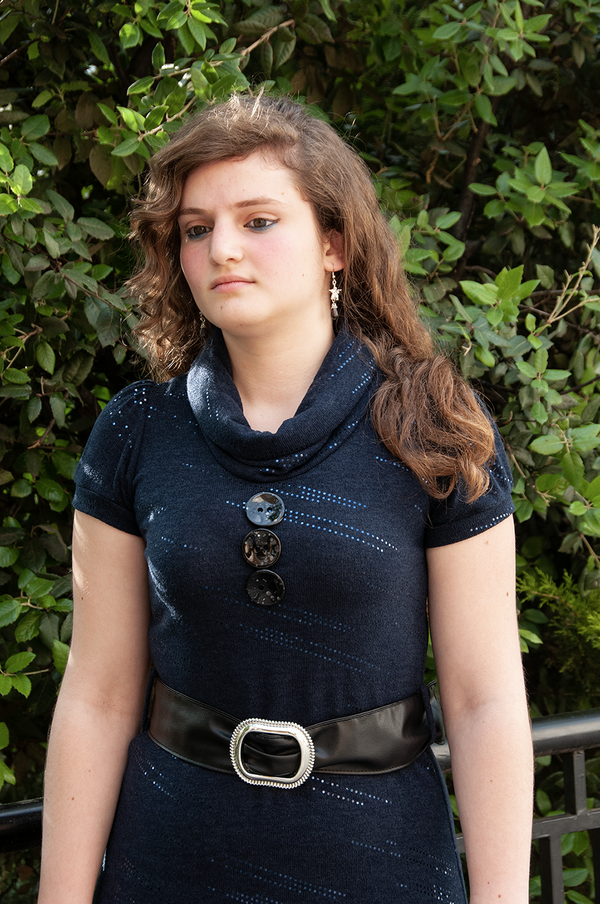
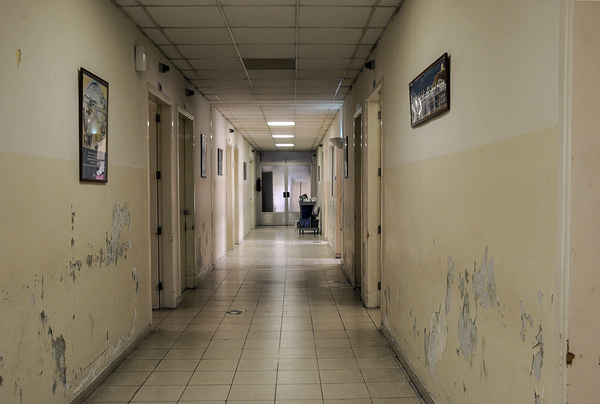
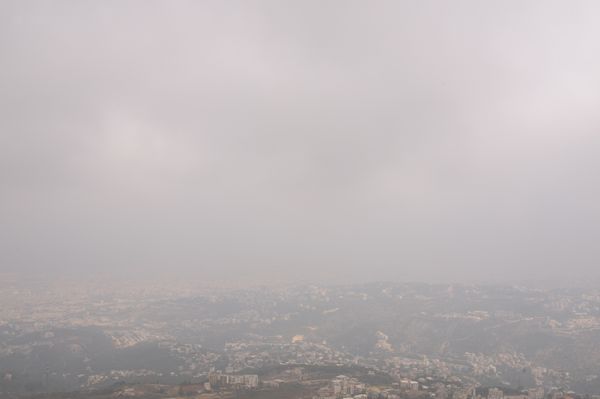
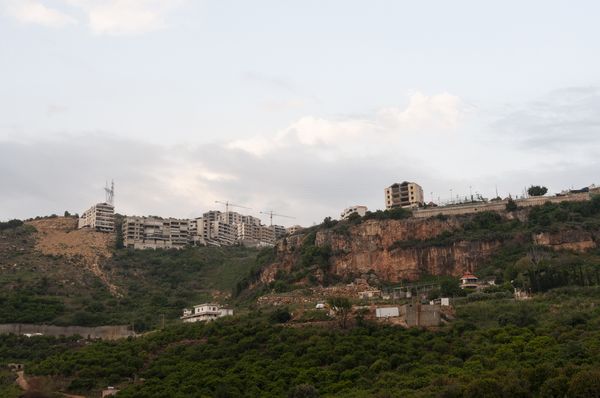
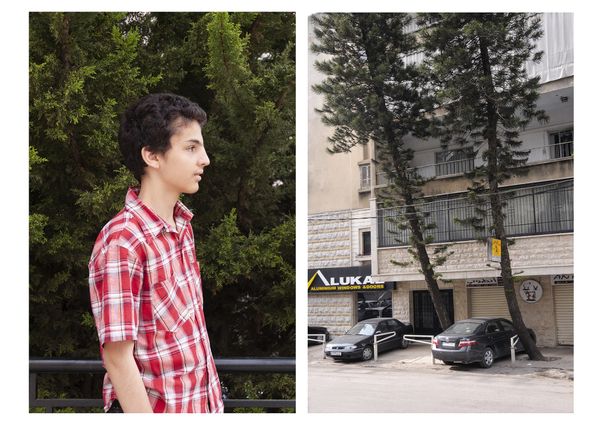
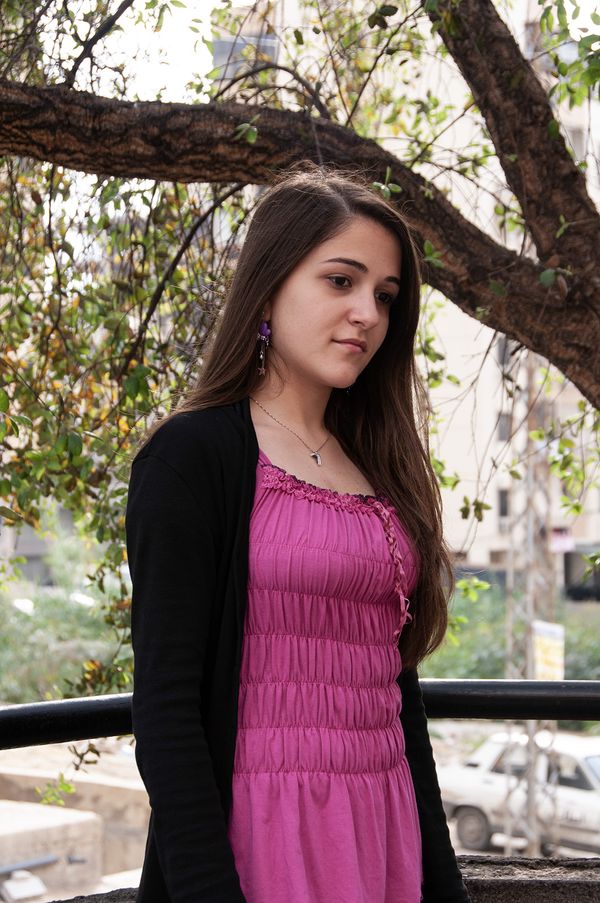
Where Do Swans Come From? is about the aftermath of the civil war and is comprised of three series : South-East Beirut, Bekaa Valley and Along the Beirut River. They focus on a multi-layered representation of youth living with the legacy of conflict within these Christian, Muslim and Armenian communities (respectively).
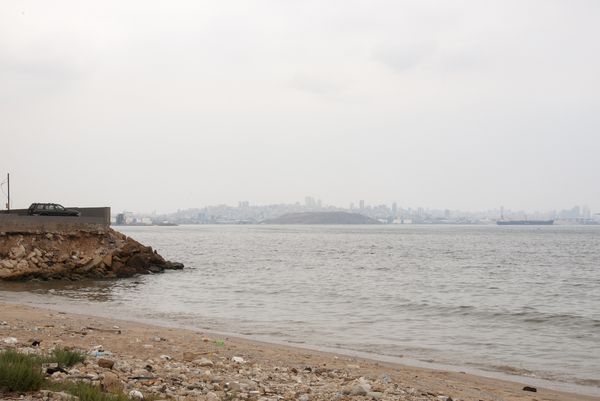
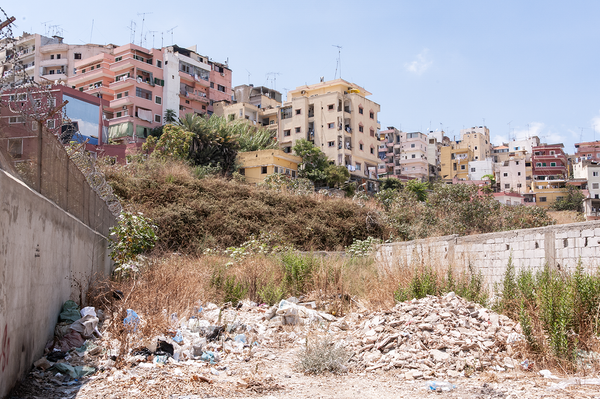
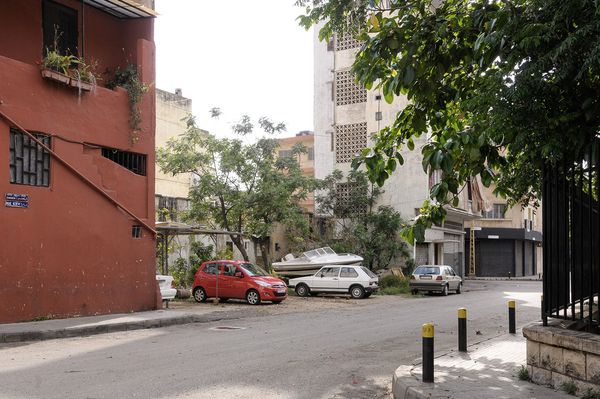
The series Along the Beirut River, represents the Armenian and Karantina areas which were decimated by the Beirut blast on August 4, 2020.
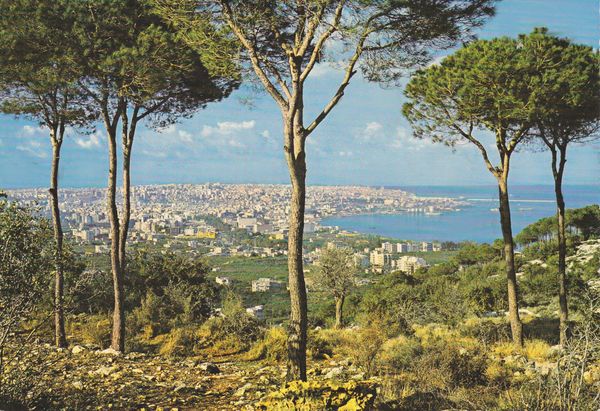
Although I still call Lebanon my homeland, I find myself now in a hybrid position of also being an outsider. On many return trips between 1996 to 2012, I have been concentrating on a representation of youth in the aftermath of war living between two worlds: negotiating between the brutal realities of a conflict-ridden country and the vast reach of the western world with all its affluence.
The subject of youth is to be seen as possibilities inherent in that period of life and using the combined imagery of a subject and multi-scapes would emphasize that these lives are shaped by the paradoxes of where they live. Even after several decades, the uncertainty of the peace means that the country is still in a state of transition and with this current conflict, peace seems even more impossible to achieve. A situation that has an undeniable impact on the future of many of these youths.
The unstable reality of this land is shown through a flow of stories and imagery of decay, which act as metaphors for chronic loss and waste but do not form a linear narrative. This approach, I feel, would allow the viewer to consider more the complexities of a place and time as well as undermining any expectation of a single or defining perspective. Furthermore, I aim to offer a portrayal of the youth showing the multiplicity of culture and hopefully dispel stereotypes of youth in the Middle East as promoted by most of the mass media.
© Leslie Hakim-Dowek – 2016
Where Do Swans Come From? Includes digital photographs, texts and archival material. Sizes vary from A4 to A1. For full list of texts/captions :